
Online Dating with Avoidant Attachment: A Path to Deeper Connections


Ready to rewrite your online dating story? At OnlineDatingSuccess.org, we empower you to navigate the world of online romance with confidence. But what happens when your attachment style gets in the way? Discover how understanding and addressing avoidant attachment can unlock deeper, more fulfilling connections. Learn practical strategies to transform your dating experience – dive into our expert advice on "Avoidant Attachment Dating Advice" and start building the relationship you deserve.
- Understanding Avoidant Attachment in Online Dating
- Navigating Online Dating with Avoidant Attachment
- Overcoming Fear of Intimacy in Online Dating
- Effective Communication Strategies for Avoidants
- Healthy Relationship Building with Avoidant Attachment
- Seeking Professional Support for Avoidant Attachment
- Long-Term Success: Maintaining Healthy Relationships After Meeting Online
-
Frequently Asked Questions
- What is avoidant attachment, and how does it affect online dating?
- How can I identify if someone has an avoidant attachment style online?
- What are some tips for dating someone with avoidant attachment?
- Can avoidant attachment be changed or improved?
- How can I protect myself while dating someone with avoidant attachment?
- Final Reflection: Bridging the Gap in Online Dating with Avoidant Attachment
- Unlock Deeper Connections: Your Next Steps
Understanding Avoidant Attachment in Online Dating
Navigating the world of online dating can be challenging for anyone, but individuals with an avoidant attachment style often face unique hurdles. This article delves into the complexities of online dating for those with avoidant attachment, providing practical advice and strategies to foster deeper, more meaningful connections. We'll explore how avoidant attachment manifests in online interactions, the common challenges faced, and importantly, how to identify your own attachment style to begin the journey towards healthier relationships.
Understanding your attachment style is the first step towards building fulfilling and lasting connections, even within the often-superficial landscape of online dating. This guide offers empathetic support and actionable steps to help you overcome the fear of intimacy and build authentic relationships. We’ll equip you with the tools to navigate the online dating world with confidence and achieve your relationship goals.
Recognizing Avoidant Attachment Behaviors Online
Individuals with avoidant attachment often exhibit specific behaviors in online dating profiles and interactions. These behaviors stem from a deep-seated fear of intimacy and commitment. For example, you might notice profiles that are deliberately vague, lacking personal details or emotional depth. Photos might be carefully curated to project a sense of independence and self-sufficiency, avoiding images that depict close relationships or vulnerability. In messaging, avoidant individuals may respond sporadically, keep conversations brief, or avoid deeper emotional engagement. They may also be quick to withdraw if they feel the interaction is becoming too intense or personal.
Furthermore, they may be highly selective in their choices, engaging with many profiles superficially but avoiding genuine connection. This behavior isn't necessarily malicious; it's often a defense mechanism to protect themselves from the perceived threat of closeness. Recognizing these patterns, both in yourself and in others, is crucial for understanding and addressing the challenges of avoidant attachment in online dating. Understanding these behaviors is the key to fostering healthier communication and creating space for genuine connection. A common example is the sudden cessation of communication without explanation, often a sign of feeling overwhelmed by the potential for intimacy.
The Challenges of Avoidant Attachment in Online Interactions
The impersonal nature of online dating can exacerbate the challenges faced by individuals with avoidant attachment. The lack of face-to-face interaction can make it easier to avoid vulnerability and emotional intimacy. The ease of ghosting or abruptly ending communication online reinforces the avoidant's tendency to withdraw from relationships when they feel overwhelmed or threatened. This can lead to a cycle of superficial connections and ultimately, a sense of dissatisfaction and loneliness. Conversely, the constant influx of potential matches can also be overwhelming, leading to decision paralysis and further avoidance.
Avoidant individuals might struggle with maintaining consistent communication, leading to missed opportunities for building genuine connections. The pressure to present a perfect online persona can also be particularly stressful, intensifying feelings of anxiety and self-doubt. They might find themselves constantly comparing themselves to others, perpetuating feelings of inadequacy and reinforcing their avoidant behaviors. Finding a balance between self-protection and genuine engagement is a key challenge for those with avoidant attachment in the online dating realm. It requires conscious effort and self-awareness to overcome these hurdles.
Identifying Your Attachment Style: Are You Avoidantly Attached?
Identifying your attachment style is the first critical step in overcoming the challenges of avoidant attachment in online dating. While a professional assessment is ideal, several self-assessment questionnaires are available online. These questionnaires typically explore patterns in your relationships, focusing on themes of intimacy, independence, and emotional regulation. Look for questions that assess your comfort level with closeness, your fear of commitment, your tendency to withdraw from relationships when feeling overwhelmed, and your ability to express emotions openly.
Consider your past relationships. Do you often find yourself pushing partners away before they get too close? Do you struggle with vulnerability and emotional intimacy? Do you value independence above all else, sometimes at the expense of close relationships?
Honest self-reflection on these questions can provide valuable insights into your attachment style. Remember, recognizing your avoidant tendencies isn't about self-criticism; it's about understanding your patterns and developing strategies to cultivate healthier relationships. Identifying your attachment style is the foundation for building healthier, more fulfilling connections, both online and offline. Understanding your patterns allows you to proactively address them and create more positive experiences in dating.

This section delves into the specifics of online dating when you identify with an avoidant attachment style. Understanding your tendencies and adapting your approach is key to finding fulfilling connections. We'll explore strategies to manage anxieties, set realistic goals, and build healthy relationships, all within the context of the digital dating world. Remember, navigating online dating with avoidant attachment requires patience and self-compassion. Success isn't about overnight transformations, but about consistent, mindful steps forward.
Setting Realistic Expectations for Online Dating Success
Avoidant attachment often leads to unrealistic expectations in relationships. In the online dating sphere, this can manifest as setting the bar impossibly high, leading to disappointment and reinforcing avoidance behaviors. Instead of focusing on finding "the one" immediately, concentrate on building meaningful connections—one step at a time.
Consider this: Many avoidant individuals enter online dating with an all-or-nothing mentality. They might envision a perfect match appearing instantly, leading to frustration and withdrawal when this doesn't happen. A more productive approach involves reframing success. Success in online dating, especially with avoidant attachment, is defined by consistent self-improvement, gradual relationship building, and comfortable self-expression.
Think of it like building a house: you wouldn't expect to complete a whole house in a day. Online dating is a journey, not a race. Each conversation, each date, is a brick laid in the foundation of a potentially fulfilling relationship. Celebrate small victories—a positive interaction, a fun date, an honest conversation—rather than solely focusing on the ultimate goal of a long-term relationship. This shift in perspective significantly reduces the pressure and allows for a healthier approach to dating.
Creating an Authentic Online Dating Profile: Avoidant Attachment Strategies
An authentic profile is crucial, especially for avoidant individuals. Avoidant attachment often leads to presenting a carefully curated, idealized version of oneself online. This can backfire, attracting individuals seeking the idealized image rather than the real person. The key is to be genuinely authentic, showcasing your strengths and vulnerabilities in a way that feels comfortable.
Here's how to create an authentic profile while addressing avoidant tendencies:
- Focus on your interests and passions: Share what truly excites you, allowing potential matches to connect with your authentic self. This helps avoid the trap of creating a profile based on what you think others want to see.
- Use clear, concise language: Avoid overly flowery or ambiguous descriptions. Directness and honesty help build trust and foster genuine connections.
- Include diverse photos: Showcasing various aspects of your life—hobbies, friends, solo activities—presents a more complete picture than a series of perfectly posed shots.
- Highlight your values: Sharing your values, even if they're less conventionally attractive, helps attract compatible individuals who appreciate your authenticity. This is especially important for avoidants who might fear vulnerability.
- Be mindful of your self-criticism: Avoid overly self-deprecating language. While a touch of humor is fine, consistently putting yourself down can be off-putting.
Choosing the Right Dating Apps for Avoidant Individuals
Not all dating apps are created equal. Some platforms foster a more superficial, fast-paced approach, which can be overwhelming for those with avoidant attachment. Choosing the right app can significantly impact your online dating experience.
Consider these factors:
| App Feature | Ideal for Avoidant Individuals? | Rationale |
|---|---|---|
| Fast-paced matching | Often No | Can trigger anxiety and overwhelm; encourages superficial interactions. |
| In-depth profiles | Often Yes | Allows for more thoughtful connection and self-expression. |
| Emphasis on hobbies | Often Yes | Facilitates connection based on shared interests, reducing pressure on immediate intimacy. |
| Strong safety features | Yes | Avoidant individuals may be more cautious; prioritizing safety reduces anxiety. |
Choosing an app that encourages slower, more intentional connections can be significantly beneficial for those with avoidant attachment. Apps with robust profile options and a focus on shared interests can provide a more comfortable and less overwhelming environment. Prioritize apps that prioritize safety and allow you to control the pace of interactions. Remember, the goal is to find a platform that aligns with your comfort level and promotes genuine connections.
Overcoming Fear of Intimacy in Online Dating
Individuals with avoidant attachment styles often struggle with intimacy, leading to challenges in online dating. This section delves into practical strategies for navigating these difficulties and fostering healthier connections. Understanding the nuances of avoidant attachment is crucial for building meaningful relationships, both online and offline.
The fear of closeness and commitment, a hallmark of avoidant attachment, manifests differently in the digital realm, requiring tailored approaches to overcome these hurdles. This section will provide actionable advice specifically addressing the anxieties and insecurities often experienced by those with an avoidant attachment style in the context of online dating. Remember, progress takes time and self-compassion is key.
Managing Anxiety and Fear in Online Communication
Online communication, while offering a sense of distance, can also trigger anxiety for those with avoidant attachment. The lack of immediate, non-verbal cues can heighten the feeling of vulnerability. To manage this, consider these steps:
- Pace Yourself: Don't feel pressured to respond instantly. Take breaks between messages to process your feelings and avoid impulsive responses. This allows for more thoughtful and less reactive communication, reducing the overwhelming feeling that can be associated with constant online engagement.
- Practice Self-Soothing Techniques: Before engaging in online conversations, practice mindfulness or deep breathing exercises to calm your nervous system. Techniques such as progressive muscle relaxation can be incredibly beneficial in reducing physical tension often associated with anxiety.
- Start Small: Begin with brief, low-pressure interactions. Short messages or casual check-ins can help you gradually acclimate to the intimacy of online communication without feeling overwhelmed. This gradual exposure helps build confidence and reduces the fear of intense emotional engagement.
- Identify Your Triggers: Recognizing situations or messages that trigger anxiety is the first step towards managing them. Keeping a journal to track your emotional responses can help pinpoint these triggers and develop coping mechanisms. For example, if receiving multiple messages in a short period feels intrusive, setting clear boundaries about response times can mitigate this trigger.
- Seek Support: Don't hesitate to reach out to a therapist or support group specializing in attachment styles. Professional guidance can provide personalized strategies and coping mechanisms tailored to your specific needs and experiences.
Building Trust and Connection Gradually
Building trust is paramount for individuals with avoidant attachment. The fear of vulnerability often leads to emotional withdrawal, hindering the development of genuine connections. To cultivate trust online, consider a phased approach:
- Transparency (with boundaries): Share information gradually, starting with less personal details and progressing as comfort levels increase. This controlled disclosure allows for a sense of safety and prevents overwhelming feelings of vulnerability. Remember, transparency doesn't necessitate oversharing; it's about being authentic within established limits.
- Consistent Communication: Maintain regular, yet manageable, communication to foster a sense of predictability and reliability. Avoid erratic or inconsistent interactions, which can reinforce feelings of insecurity and distrust. Establish a communication rhythm that feels comfortable and sustainable for both parties.
- Focus on Shared Interests: Engaging in conversations about shared interests and hobbies creates a sense of common ground and reduces pressure on immediate emotional intimacy. This allows for a more relaxed and enjoyable interaction, building connection organically.
- Observe and Validate: Pay attention to the other person's communication style and validate their feelings. This demonstrates respect and understanding, creating a safe space for open communication and mutual trust. Active listening and empathy are crucial for building a secure foundation.
- Recognize Red Flags: Be mindful of potential red flags that might indicate incompatibility or unhealthy dynamics. Trust your intuition and don't hesitate to end communication if you feel unsafe or uncomfortable. Prioritizing your well-being is essential in navigating online relationships.
Setting Healthy Boundaries in Online Relationships
Establishing and maintaining healthy boundaries is crucial for individuals with avoidant attachment in online dating. These boundaries protect against emotional overwhelm and foster respectful interactions.
| Boundary Type | Example | Benefit |
|---|---|---|
| Communication Frequency | "I prefer to respond to messages within 24 hours." | Prevents feeling overwhelmed and allows for thoughtful responses. |
| Personal Information | "I'm comfortable sharing [information], but not [information]." | Controls the level of vulnerability and intimacy. |
| Time Commitment | "I'm available for [amount of time] per week for online communication." | Protects against over-commitment and maintains a healthy balance. |
| Physical Meetings | "I prefer to wait [timeframe] before meeting in person." | Allows for building trust and comfort before physical interaction. |
| Emotional Intimacy | "I need space to process my emotions before sharing deeply personal feelings." | Prevents feeling pressured and allows for self-regulation. |
Remember, setting boundaries is not about rejection; it’s about self-preservation and creating a healthy, sustainable relationship. Learning to communicate your needs clearly and assertively is a vital skill in navigating online dating, especially for those with avoidant attachment. Prioritizing your emotional well-being and self-respect is paramount in achieving fulfilling and healthy relationships. By implementing these strategies, you can move towards more meaningful connections in the online dating world.
Effective Communication Strategies for Avoidants

Navigating the world of online dating with an avoidant attachment style presents unique challenges. Understanding and implementing effective communication strategies is crucial for building healthy, fulfilling relationships. This section offers practical advice tailored to individuals with avoidant attachment, focusing on clear communication, responding to affection, and avoiding push-pull dynamics. Remember, the goal is to foster genuine connection while respecting your personal space and emotional needs. This isn't about changing who you are, but about expressing yourself authentically within the context of online dating.
Communicating Your Needs and Boundaries Clearly
Avoidant individuals often struggle with expressing their needs and setting boundaries. This can lead to misunderstandings and resentment in online interactions. In online dating, this manifests as unclear messaging, inconsistent availability, or abruptly ending conversations without explanation. To counter this, practice active communication. Start by identifying your personal boundaries. What level of contact are you comfortable with? How much personal information are you willing to share? What are your non-negotiables in a potential partner? 🤔
Once you've identified your boundaries, articulate them clearly and concisely. For example, instead of disappearing without a word, try: "I'm enjoying getting to know you, but I need some time to myself to process things. I'll get back to you [timeframe]." This demonstrates respect for your own needs while maintaining respectful communication with your match. It's also okay to state your preferences directly. For example, "I prefer to communicate primarily through messaging before moving to calls" or "I'm not ready for a serious relationship right now." Honesty and directness, even if uncomfortable, prevents misinterpretations and sets healthy expectations.
Remember, you're not obligated to over-explain or apologize for your needs. Setting boundaries is an act of self-respect and shouldn't be viewed as rejection. This approach will attract individuals who respect your autonomy and value your emotional well-being. Consistent, clear communication is key to building trust and intimacy, even for those with avoidant attachment.
Responding to Initiations and Affection
Individuals with avoidant attachment may find it difficult to respond appropriately to expressions of affection or initiation from potential partners. This might involve downplaying romantic gestures, withdrawing emotionally, or becoming unresponsive. This isn't a reflection of the other person's worth, but a manifestation of your attachment style. It's crucial to understand this, and to develop strategies for managing these responses.
Instead of ignoring or minimizing affection, try acknowledging it, even if you don't feel comfortable reciprocating in the same way. A simple "Thank you, that's kind of you" can go a long way. You can also gently redirect the conversation if the level of affection feels overwhelming. For example, if someone is overly complimentary, you can steer the conversation towards a shared interest: "I appreciate you saying that! I'm really into [hobby/interest], are you?" This allows you to acknowledge the gesture while maintaining your emotional comfort zone.
Remember that small, consistent responses are better than sporadic, overwhelming ones. Responding consistently, even if briefly, helps to build rapport and avoid the impression of disinterest or rejection. Gradually increasing the level of engagement as you feel comfortable builds trust and fosters a sense of security. Small steps can lead to significant progress in your online dating journey.
Avoiding Push-Pull Dynamics in Online Interactions
Avoidant attachment often leads to push-pull dynamics, where you alternate between seeking connection and pulling away. This creates instability and confusion for both you and your potential partner. In online dating, this might look like initiating contact, then becoming distant, or expressing interest only to later withdraw. This behavior stems from a fear of intimacy and loss of independence.
To break this cycle, focus on self-awareness. Identify your triggers – what situations or behaviors lead you to pull away? Once you understand your triggers, you can develop coping mechanisms. This might involve taking a break from the conversation when you feel overwhelmed, practicing mindfulness techniques, or engaging in self-soothing activities. These strategies help you manage your emotions without resorting to avoidance.
Furthermore, practice self-compassion. Recognize that your avoidance isn't a personal failing, but a result of your attachment style. Be patient with yourself as you learn healthier communication patterns. Remember, building healthy relationships takes time and effort, especially with an avoidant attachment style. Sustainable connections are built on mutual respect, clear communication, and a willingness to work through challenges. Focus on small, manageable steps towards more open and consistent communication. Over time, you'll find yourself better equipped to navigate the complexities of online dating and form deeper connections.
Healthy Relationship Building with Avoidant Attachment
This section focuses on practical strategies for individuals with avoidant attachment styles to foster healthy relationships within the context of online dating. Understanding your attachment style is the first step; applying this understanding to online interactions is crucial for building meaningful connections. We'll explore how to identify compatible partners, cultivate intimacy gradually, and navigate potential setbacks. Remember, building healthy relationships takes time and self-awareness, and online dating presents unique challenges and opportunities.
Identifying Compatible Partners Online
Identifying compatible partners when you have an avoidant attachment style requires a nuanced approach. Avoidant individuals often fear intimacy and commitment, leading to a preference for distance and independence. Therefore, searching for partners who understand and respect these needs is paramount. This doesn't mean finding someone who also has an avoidant attachment style – in fact, that could lead to a relationship lacking emotional depth. Instead, look for partners who are securely attached or who exhibit traits of anxious attachment but with a healthy level of self-awareness.
While online dating profiles rarely explicitly state attachment styles, certain behavioral patterns and preferences can offer clues. Look for individuals who:
- Value independence and personal space: These individuals understand the need for autonomy, a crucial aspect for those with avoidant attachment.
- Communicate clearly and directly: This helps avoid misinterpretations and fosters healthy boundaries.
- Show respect for personal boundaries: This is essential for managing the inherent fear of closeness associated with avoidant attachment.
- Have a balanced social life: Someone who isn't overly clingy or demanding yet maintains healthy relationships can be a good match.
Avoid individuals who appear overly needy, demanding, or possessive. These behaviors can trigger avoidance mechanisms and lead to relationship difficulties. Remember, the goal is to find someone who appreciates your need for space while also offering emotional support and connection. Finding this balance online requires careful observation and self-reflection. Pay close attention to how a potential partner makes you feel. Do you feel pressured or suffocated, or do you feel respected and understood? Trust your instincts.
Cultivating Emotional Intimacy Gradually
For those with avoidant attachment, cultivating emotional intimacy is a gradual process requiring patience and self-compassion. Online dating provides a unique opportunity to build intimacy at your own pace. The initial stages of online communication offer a safe space to explore connection without the pressure of immediate physical proximity.
Here's a step-by-step approach:
- Start with lighthearted conversations: Focus on common interests and hobbies before delving into deeply personal topics.
- Gradually increase the depth of communication: As trust builds, share more personal information, but at a pace that feels comfortable.
- Establish clear boundaries: Communicate your needs for space and independence early on. This ensures mutual respect and understanding.
- Practice active listening: Show genuine interest in your partner's thoughts and feelings, fostering a sense of connection.
- Be mindful of your own emotional responses: Recognize triggers and avoid reacting defensively. Consider seeking professional help to process past experiences and develop healthier coping mechanisms.
Remember, building intimacy is a marathon, not a sprint. Avoid rushing the process, and celebrate small victories. Consistent effort and open communication are key to developing a strong and healthy connection. Online dating allows for controlled interaction, providing a supportive environment for those with avoidant attachment to practice these skills.
Recognizing and Managing Potential Setbacks
Even with careful planning and self-awareness, setbacks are inevitable in online dating, especially for individuals with avoidant attachment. Recognizing and managing these setbacks constructively is crucial for maintaining a positive outlook and avoiding self-sabotaging behaviors.
Potential setbacks might include:
- Feeling overwhelmed by emotional intimacy: This can lead to avoidance behaviors, such as withdrawing from communication or ending the relationship prematurely.
- Experiencing rejection: This can reinforce negative beliefs about relationships and further intensify avoidance tendencies.
- Difficulties with communication: Misunderstandings can easily arise, especially when expressing vulnerability or needs.
To manage these setbacks effectively:
- Practice self-compassion: Acknowledge your feelings without judgment and offer yourself kindness and understanding.
- Seek support from trusted friends or a therapist: Talking about your experiences can provide valuable perspective and emotional regulation.
- Review and adjust your approach: Reflect on what went well and what could be improved. Are your boundaries clear? Are you communicating your needs effectively?
- Remember your progress: Focus on the positive steps you’ve taken and celebrate your achievements, even small ones.
Navigating online dating with avoidant attachment requires continuous learning and adaptation. By understanding your triggers, managing your responses, and seeking support when needed, you can increase your chances of building healthy and fulfilling relationships. Remember, progress, not perfection, is the ultimate goal.
Seeking Professional Support for Avoidant Attachment
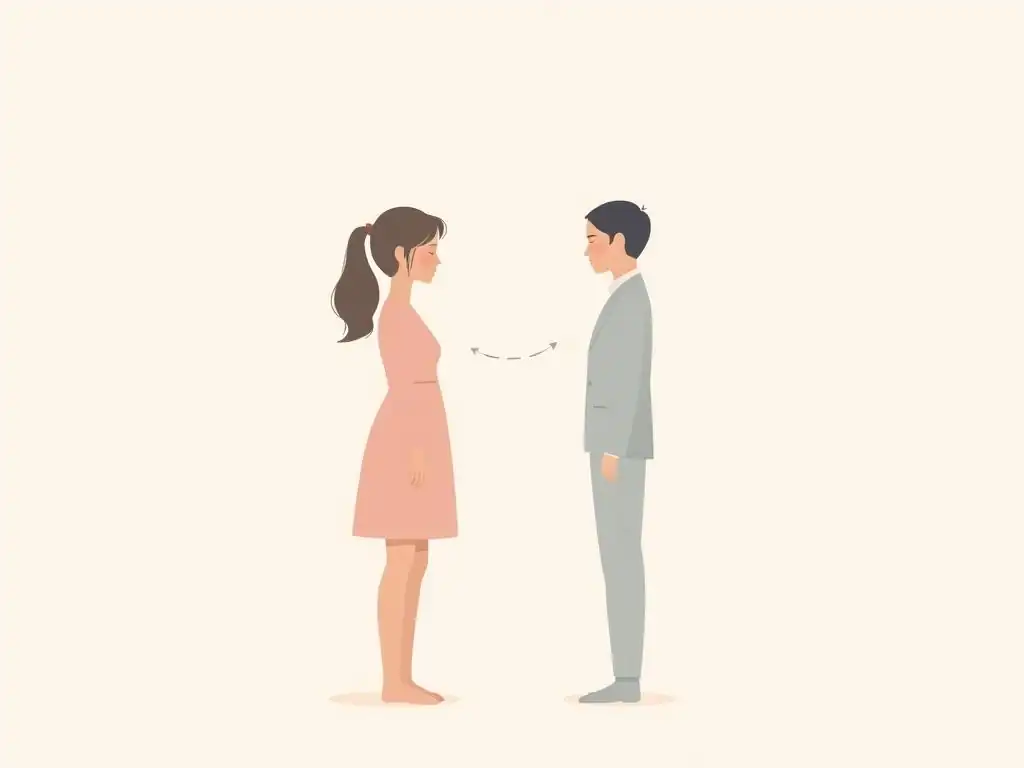
Navigating the complexities of avoidant attachment can be challenging, especially when venturing into the world of online dating. Understanding your attachment style is the first step, but professional guidance can significantly accelerate your progress towards healthier relationships. Seeking help isn't a sign of weakness; it's a proactive step towards self-improvement and building fulfilling connections. This section focuses on how to find the right support and integrate it effectively into your online dating experience. Remember, effective avoidant attachment dating advice often involves professional intervention.
Finding a Therapist Specialized in Attachment Issues
Finding a therapist experienced in attachment theory is crucial. Generic therapy might not address the specific anxieties and communication patterns associated with avoidant attachment. Look for therapists specializing in adult attachment, specifically those familiar with the different attachment styles (secure, anxious-preoccupied, dismissive-avoidant, and fearful-avoidant). Their expertise ensures you receive tailored avoidant attachment dating advice and targeted strategies.
Several avenues exist for locating such professionals. Professional organizations often maintain directories of licensed therapists, allowing you to filter by specialization and location. Online platforms also offer therapist search functionalities, often including client reviews and profiles detailing their areas of expertise. Don't hesitate to contact several therapists for consultations to find the best fit.
A good therapeutic relationship is built on trust and mutual understanding, so finding someone you connect with is paramount. Consider factors like their theoretical approach (e.g., attachment-based therapy, psychodynamic therapy), their experience with online dating challenges, and their overall communication style. Remember, the goal is to find a therapist who understands your unique needs and can provide effective avoidant attachment dating advice tailored to your situation.
Incorporating Therapy into Your Online Dating Journey
Therapy isn't a separate entity from your online dating journey; it's an integral part. Your therapist can provide valuable insights into your online dating profile, helping you craft a presentation that accurately reflects your personality and relationship goals, without unintentionally triggering avoidance behaviors. They can also offer guidance on navigating initial conversations, setting healthy boundaries, and managing anxieties that might arise during the dating process.
Furthermore, therapy can help you identify and address underlying insecurities that might be sabotaging your online dating efforts. Many individuals with avoidant attachment struggle with intimacy and vulnerability. A therapist can help you explore these issues in a safe and supportive environment, equipping you with the tools to build deeper, more meaningful connections.
They can guide you in identifying patterns of avoidance and developing healthier communication strategies to foster trust and intimacy. Regular therapy sessions can serve as a safe space to process your experiences, both positive and negative, from your online dating endeavors, preventing these experiences from reinforcing negative patterns. This integrated approach maximizes the impact of avoidant attachment dating advice.
Utilizing Online Resources for Avoidant Attachment
While professional therapy is recommended, numerous online resources can supplement your journey. Many websites and books offer information on understanding and managing avoidant attachment. However, it's crucial to approach these resources critically. Not all information is accurate or helpful, and self-diagnosis can be misleading. Use online resources as supplementary tools, not as a replacement for professional guidance.
They can be beneficial for learning about attachment theory, understanding your own behaviors, and finding support groups or communities. Look for reputable sources, such as those associated with academic institutions or mental health organizations. Remember, responsible use of online resources can enhance your understanding of avoidant attachment and complement the professional support you receive. Combine the best of both worlds for comprehensive avoidant attachment dating advice.
Long-Term Success: Maintaining Healthy Relationships After Meeting Online
This section focuses on the crucial transition from the online dating world to the complexities of real-world relationships, particularly for individuals with avoidant attachment styles. Successfully navigating this shift requires conscious effort and a willingness to challenge ingrained patterns. The initial excitement of online connection can easily fade if the transition isn't handled thoughtfully. Remember, the goal is to cultivate a healthy, lasting relationship, not just a fleeting online romance. Avoidant attachment styles often lead to difficulties in maintaining intimacy; therefore, proactive measures are essential.
Transitioning from Online to Offline Interactions
The first offline interaction is a significant milestone. Avoidant individuals might feel overwhelmed by the prospect of face-to-face interaction after the relative safety and control of online communication. Planning a low-pressure, casual first date is crucial. Suggesting a coffee date or a walk in the park, rather than a formal dinner, can alleviate anxiety. Open communication is key; expressing your comfort level with the pace of the relationship can help set realistic expectations.
Remember, it's okay to take things slow. Avoid rushing into physical intimacy before you feel emotionally ready. This measured approach is especially important for those with avoidant attachment, allowing them to build trust gradually. Consider creating a list of potential first-date locations beforehand, taking into account factors like accessibility and your comfort levels.
Building Lasting Connections Based on Mutual Respect
Building a lasting connection requires a conscious effort to foster mutual respect and understanding. Avoidant individuals may struggle with vulnerability and emotional intimacy. Working on communicating your needs and boundaries clearly is vital. This requires self-awareness and a willingness to be open and honest about your feelings – a challenging but necessary step for long-term relationship success.
Active listening and validating your partner's emotions are equally important. This reciprocal exchange of emotional support strengthens the bond and creates a secure foundation for the relationship. Remember, healthy relationships are built on mutual respect, trust, and open communication. These elements are particularly crucial for individuals with avoidant attachment styles, who might otherwise struggle with emotional closeness.
Building trust is a gradual process, and it's okay to take things at your own pace. Don't feel pressured to conform to societal expectations of relationship progression.
Avoiding Relationship Patterns Associated with Avoidant Attachment
Individuals with avoidant attachment often exhibit certain patterns that can hinder long-term relationship success. These patterns stem from a deep-seated fear of intimacy and commitment. Understanding these patterns is the first step towards breaking free from them. Common pitfalls include:
- Emotional unavailability: Difficulty expressing emotions or needs.
- Distance and withdrawal: Creating emotional distance to avoid feeling overwhelmed.
- Fear of commitment: Resisting commitment or long-term relationships.
- Dismissiveness: Minimizing the importance of the relationship or partner's feelings.
- Controlling behavior: Attempting to control the relationship dynamics to maintain a sense of security.
Recognizing these patterns is crucial for self-improvement. Seeking professional help, such as therapy or counseling, can provide valuable tools and strategies to address these underlying issues. Remember, changing ingrained patterns takes time and effort. Be patient with yourself and celebrate every small victory along the way. The journey towards healthier relationships is a continuous process of self-discovery and growth. Consistent effort and self-reflection are key to overcoming the challenges associated with avoidant attachment in dating and relationships.
Frequently Asked Questions
What is avoidant attachment, and how does it affect online dating?
Avoidant attachment is a relationship style where individuals prioritize independence and fear intimacy. In online dating, this can manifest as difficulty committing, inconsistent communication, and a reluctance to share personal information. Understanding this helps navigate potential challenges.
How can I identify if someone has an avoidant attachment style online?
Look for signs like limited emotional expression, inconsistent responsiveness, and a tendency to pull away when things get too serious. They might be charming initially but struggle with vulnerability or sustained connection. Observe their communication patterns carefully.
What are some tips for dating someone with avoidant attachment?
Respect their need for space, but also gently encourage vulnerability and emotional connection. Avoid being overly demanding or clingy. Focus on building trust slowly and providing reassurance without being overwhelming.
Can avoidant attachment be changed or improved?
While avoidant attachment is a learned behavior, it's not fixed. Therapy, self-reflection, and conscious effort can help individuals understand and manage their attachment style. Patience and understanding are crucial.
How can I protect myself while dating someone with avoidant attachment?
Maintain your own sense of self and independence. Don't compromise your needs for them. Set healthy boundaries and be prepared for the possibility that the relationship might not progress to the level of commitment you desire. Prioritize your well-being.
Final Reflection: Bridging the Gap in Online Dating with Avoidant Attachment
Understanding avoidant attachment in the context of online dating is not just a niche topic; it's a crucial key to unlocking healthier relationships in the digital age. The prevalence of online dating, coupled with the often-unaddressed complexities of attachment styles, means that many individuals are unknowingly repeating painful patterns. This article has explored the unique challenges and opportunities presented by navigating the online dating world with an avoidant attachment style, offering strategies for self-awareness and connection.
The journey of self-discovery within the context of romantic relationships is a deeply personal one, and understanding one's attachment style is a significant step towards building fulfilling connections. The impact of attachment on our relationships is profound, shaping our expectations, behaviors, and ultimately, our capacity for intimacy. The greatest challenge in life is discovering who you are. The second greatest is being happy with who you are.
This quote resonates deeply with the process of self-reflection necessary for those with avoidant attachment to find lasting love, both online and offline. It's a process of unlearning ingrained patterns and embracing vulnerability, a journey that requires courage and self-compassion.
You now possess the tools to begin rewriting your dating narrative. Take the time to reflect on the strategies discussed – from setting realistic expectations to identifying your emotional triggers and practicing healthy communication. Don't be afraid to seek professional guidance if needed. Remember, building healthy relationships is a process, not a destination. Embrace the opportunity for growth, and allow yourself to experience the joy and fulfillment that genuine connection can bring. Your path to deeper, more meaningful relationships begins with you.
Unlock Deeper Connections: Your Next Steps
Thank you for exploring the world of online dating with an avoidant attachment style! You've gained valuable insights into understanding your patterns and building more fulfilling relationships. Now it's time to put that knowledge into action.
- Identify your avoidant attachment triggers: Reflect on situations that make you withdraw emotionally. This self-awareness is crucial for personal growth.
- Practice vulnerability in a safe space: Begin by sharing a personal detail with a trusted friend or family member. This builds confidence before applying it to dating.
- Share this article: Let's create a supportive community to help others navigate the challenges of online dating.
Are you ready to experiment with mindful communication and transform your online dating experience?