
Manage Your Anxious Dating Triggers: Build Healthier Relationships Online


Welcome to OnlineDatingSuccess.org, your guide to navigating the exciting yet sometimes daunting world of online dating. Are you ready to transform your online dating experience from stressful to successful? We understand the challenges, and that's why we're here to help you manage online dating anxiety and build healthier, more meaningful connections. Discover practical strategies and expert advice to craft a compelling profile, communicate confidently, and ultimately find the relationship you deserve. Dive in and unlock the secrets to online dating success!
- Understanding Anxious Attachment in Online Dating
- Strategies to Manage Online Dating Anxiety
-
Healthy Online Dating Habits for Reducing Anxiety
- Creating a Safe and Supportive Online Dating Environment: Utilizing Privacy Settings and Reporting Features
- Managing Expectations and Avoiding Disappointment: Focusing on building genuine connections rather than immediate results
- Practicing Self-Compassion and Self-Care During the Online Dating Process: Prioritizing hobbies and social connections outside of dating apps
- Identifying and Addressing Negative Thought Patterns
-
Building Healthy Relationships Online
- Communicating Your Needs and Boundaries Effectively: Assertiveness Skills for Online Dating
- Setting Realistic Goals for Online Dating: Focusing on Connection, Not Just Results
- Recognizing Red Flags and Protecting Yourself Online: Identifying manipulative behavior and utilizing secure communication methods
- Seeking Professional Support
- Frequently Asked Questions
- Final Reflection: Reclaiming Your Dating Power Online
- Unlock Your Dating Confidence: Start Building Healthier Connections Today!
Understanding Anxious Attachment in Online Dating
Navigating the world of online dating can be challenging for anyone, but individuals with anxious attachment styles often face unique hurdles. This article delves into the complexities of managing anxiety within the online dating sphere, providing practical strategies to foster healthier relationships. We'll explore how anxious attachment manifests in online interactions, identify common triggers, and offer actionable steps to mitigate their impact, ultimately helping you build more fulfilling and secure connections.
Understanding your attachment style is the first step towards building healthier relationships, both online and offline. Learning to manage your anxious dating triggers is crucial for creating positive experiences and avoiding self-sabotaging behaviors that can prevent you from finding lasting love.
This guide offers empathetic support and practical advice tailored to those seeking to improve their online dating journey while addressing their anxious attachment tendencies. We aim to empower you to take control of your emotions and build meaningful connections, free from the constraints of anxiety.
Recognizing Your Anxious Triggers: Identifying Patterns and Reactions
Anxious attachment in online dating often manifests as heightened sensitivity to perceived rejection or ambiguity. Identifying your specific triggers is paramount to managing your anxiety effectively. Common triggers include: unanswered messages (even after a reasonable timeframe), delayed responses, perceived lack of interest (e.g., less frequent communication, shorter messages), inconsistent communication patterns, and the fear of being ghosted. These triggers can elicit a cascade of negative emotions like worry, insecurity, and obsessive thoughts.
Consider keeping a journal to track your emotional responses to specific online dating interactions. Note the situations, thoughts, and feelings that arise. This self-reflection will help you pinpoint recurring patterns and better understand your individual triggers. For example, a delayed response might trigger a spiral of negative self-talk, leading to overthinking and increased anxiety. Recognizing this pattern allows you to develop coping mechanisms, like engaging in a distracting activity or practicing mindfulness techniques, before reacting impulsively. The goal is to become more aware of your emotional responses and develop healthier ways to manage them.
Remember, acknowledging these triggers isn't about self-blame; it's about gaining self-awareness and building resilience. Understanding your reactions allows you to proactively address them and prevent anxiety from derailing your online dating experience.
The Impact of Anxious Attachment on Online Dating Interactions: Missed Connections and Relationship Sabotage
Anxious attachment can significantly impact online dating interactions, often leading to missed connections and even relationship sabotage. The constant need for reassurance and validation can overwhelm potential partners, making them feel suffocated or pressured. Overthinking every message, analyzing tone and subtext, can lead to misinterpretations and unnecessary conflict. Fear of rejection might cause you to pull back or withdraw, hindering the development of genuine connections. Similarly, the fear of abandonment can lead to clingy or demanding behavior, pushing potential partners away.
For instance, constantly checking messages or repeatedly initiating contact might be perceived as needy or desperate, which is detrimental to building healthy relationships. This behavior stems from a deep-seated fear of abandonment, but it ultimately undermines the potential for a genuine connection. Instead of fostering trust and intimacy, such behavior can create distance and resentment. Learning to manage this anxiety is crucial to fostering healthy and sustainable relationships. Focusing on building self-esteem and self-compassion can greatly reduce the intensity of these anxieties and improve your online dating experience.
Common Anxious Attachment Behaviors in Online Dating: Overthinking, Checking Messages, and Need for Constant Reassurance
Individuals with anxious attachment often exhibit specific behaviors in online dating. These behaviors, while stemming from a place of insecurity, can hinder the formation of healthy relationships. These include:
- Overthinking: Analyzing every message, word, and punctuation mark for hidden meanings or signs of rejection. This can lead to misinterpretations and unnecessary stress.
- Excessive Checking of Messages: Constantly refreshing your inbox or dating app, anticipating messages and feeling anxious when there are none.
- Need for Constant Reassurance: Seeking frequent validation and confirmation from potential partners, often through excessive messaging or questioning.
- Idealization and Devaluation: Quickly idealizing a potential partner, only to devalue them if they don't meet unrealistic expectations.
- Fear of Rejection: Avoiding initiating contact or withdrawing from interactions due to fear of rejection or disapproval.
These behaviors, while understandable, are ultimately self-defeating. They create unnecessary stress and can damage potential relationships. Learning to manage these behaviors is crucial for building healthier and more fulfilling connections in online dating. Developing coping mechanisms, such as mindfulness exercises and self-compassion practices, can help regulate emotional responses and foster a more balanced approach to online dating. Remember, healthy relationships are built on mutual respect, trust, and open communication – not constant reassurance seeking.
Strategies to Manage Online Dating Anxiety

This section provides practical strategies to help you manage anxiety related to online dating, fostering a healthier and more positive experience. Remember, online dating is a journey, and managing your anxieties is a crucial step towards building meaningful connections. Learning to manage your triggers allows you to approach online dating with greater self-awareness and emotional resilience.
Setting Realistic Expectations in Online Dating: Avoiding Idealization and Disappointment
Online dating profiles often present an idealized version of reality. It's easy to fall into the trap of idealizing potential partners based on limited information, leading to disappointment when reality doesn't match the expectation. Managing this requires cultivating realistic expectations and focusing on genuine connection rather than chasing perfection.
One effective technique is to actively challenge negative or unrealistic thoughts. For example, if you find yourself thinking, "This person is perfect; I have to get them to like me," try reframing it to, "This person seems interesting, and I'm open to seeing if we connect." This simple shift in perspective can significantly reduce pressure and anxiety.
Another crucial aspect is focusing on the process, not just the outcome. Enjoy the experience of meeting new people, learning about different personalities, and expanding your social circle. Each interaction is a learning opportunity, regardless of whether it leads to a long-term relationship. This approach minimizes the risk of disappointment, as the primary focus shifts from finding "the one" to enjoying the journey of self-discovery and connection.
Consider using a journaling technique to track your thoughts and feelings after each online interaction. Note down any instances of idealization or unrealistic expectations, and then consciously reframe those thoughts using a more balanced and realistic perspective. This practice enhances self-awareness and helps you identify and manage your expectations more effectively.
Building Self-Esteem and Confidence Before Engaging in Online Dating: Self-Compassion and Self-Care
Before diving into the world of online dating, it's essential to cultivate a strong sense of self-esteem and confidence. This isn't about becoming arrogant; it's about recognizing your worth and approaching online dating from a place of self-acceptance and self-compassion.
Prioritize self-care activities that nurture your well-being. This could include regular exercise, mindful meditation, spending time in nature, pursuing hobbies, or engaging in activities that bring you joy. These activities help reduce stress, boost self-esteem, and provide a sense of control, all of which are beneficial when navigating the potential anxieties of online dating.
Practice self-compassion. Treat yourself with the same kindness and understanding you would offer a friend struggling with similar anxieties. Acknowledge your feelings without judgment, and remind yourself that everyone experiences setbacks and challenges in dating. Self-compassion helps build resilience and reduces the impact of negative self-talk.
Consider creating a list of your positive qualities and accomplishments. Review this list regularly to remind yourself of your strengths and worth. This simple exercise can significantly boost your self-esteem and confidence, helping you approach online dating with a more positive mindset. Remember, you are valuable and deserving of healthy relationships.
Mindful Communication Strategies for Reducing Anxiety: Avoiding Over-Sharing and Setting Boundaries
Mindful communication is key to managing anxiety in online dating. It involves being present in the moment, paying attention to your words and actions, and responding thoughtfully rather than reactively. This helps avoid impulsive behaviors driven by anxiety.
Avoid over-sharing, particularly in the initial stages of communication. Sharing too much personal information too soon can create vulnerability and increase anxiety. Instead, focus on building a connection gradually, sharing information organically as trust develops. This also helps you assess compatibility before becoming emotionally invested.
Setting clear boundaries is crucial for protecting your emotional well-being. This includes setting limits on the amount of time you spend online dating, the type of information you share, and the frequency of communication. Communicating your boundaries respectfully and assertively helps manage expectations and prevents potential conflicts.
For example, you might decide to limit your online dating activity to specific times of the day or to only communicate with people who demonstrate respect and consideration. This approach allows you to maintain control and protect your emotional energy. Remember, healthy boundaries are not selfish; they are essential for maintaining your well-being and fostering healthy relationships. Prioritizing your mental health is a crucial aspect of managing your online dating anxiety.
Healthy Online Dating Habits for Reducing Anxiety
This section focuses on practical strategies to manage anxiety related to online dating, fostering a healthier and more positive experience. We'll explore techniques to create a safer environment, manage expectations, and prioritize self-care – all crucial for navigating the online dating world with greater ease and confidence. Remember, managing online dating anxiety is a journey, not a race. Progress, not perfection, is the goal.
Creating a Safe and Supportive Online Dating Environment: Utilizing Privacy Settings and Reporting Features
Feeling safe is paramount when venturing into the world of online dating. Many dating apps offer robust privacy settings often overlooked. Actively utilizing these features can significantly reduce anxiety. For instance, limiting who can see your profile, controlling your location sharing, and blocking unwanted users are simple yet effective steps. Think of it as creating a digital perimeter around your personal information.
Furthermore, familiarizing yourself with the reporting mechanisms within each app is crucial. Most platforms provide ways to report inappropriate behavior, harassment, or scams. Don't hesitate to use these tools; they are designed to protect you. Reporting suspicious activity not only safeguards your well-being but contributes to a safer community for everyone. Remember, reporting isn't tattling; it's about maintaining a healthy and respectful online environment.
Consider these practical steps:
- Review your privacy settings regularly: Apps often update their features, so staying informed is key.
- Be selective about the information you share: Avoid posting overly personal details or revealing too much too soon.
- Use the blocking feature proactively: Don't feel obligated to engage with anyone who makes you uncomfortable.
- Trust your instincts: If something feels off, it probably is. Don't dismiss your intuition.
Managing Expectations and Avoiding Disappointment: Focusing on building genuine connections rather than immediate results
Online dating often fosters a sense of urgency, leading to unrealistic expectations and potential disappointment. Shifting your focus from immediate results to building genuine connections is vital for managing anxiety. Instead of viewing each interaction as a potential "success" or "failure," approach it as an opportunity to learn and grow.
Remember, compatibility isn't instant; it takes time. Avoid fixating on finding "the one" immediately. Instead, concentrate on enjoying the process of getting to know others, exploring potential connections, and learning about yourself along the way. This shift in perspective can significantly reduce the pressure and alleviate anxiety.
Here's a practical approach:
- Set realistic goals: Focus on making meaningful connections, not just accumulating matches.
- Embrace the learning process: View each interaction as an opportunity to improve your communication skills and understand what you're looking for in a partner.
- Practice patience: Finding a compatible partner takes time and effort; don't get discouraged by setbacks.
- Celebrate small victories: Acknowledge your progress and celebrate the positive aspects of your online dating journey.
Online dating can be emotionally taxing. Prioritizing self-compassion and self-care is essential for maintaining emotional well-being and managing anxiety. This means actively nurturing your physical and mental health, focusing on activities that bring you joy and fulfillment. Don't let online dating consume your life; maintain a balance by engaging in hobbies, spending time with loved ones, and pursuing personal interests.
Remember, your worth isn't determined by your dating success or lack thereof. Engage in activities that nourish your soul and boost your self-esteem, completely independent of the dating app experience. This holistic approach will help you navigate the ups and downs of online dating with greater resilience and emotional stability.
Consider incorporating these self-care practices:
- Schedule regular exercise: Physical activity releases endorphins, reducing stress and improving mood.
- Prioritize sleep: Sufficient rest is crucial for managing stress and maintaining emotional balance.
- Engage in hobbies you enjoy: Dedicate time to activities that bring you joy and relaxation.
- Connect with supportive friends and family: Maintain strong social connections outside of online dating. Talking to trusted individuals can provide valuable perspective and emotional support.
- Practice mindfulness or meditation: These techniques can help manage anxiety and promote emotional regulation. 🧘♀️
Identifying and Addressing Negative Thought Patterns
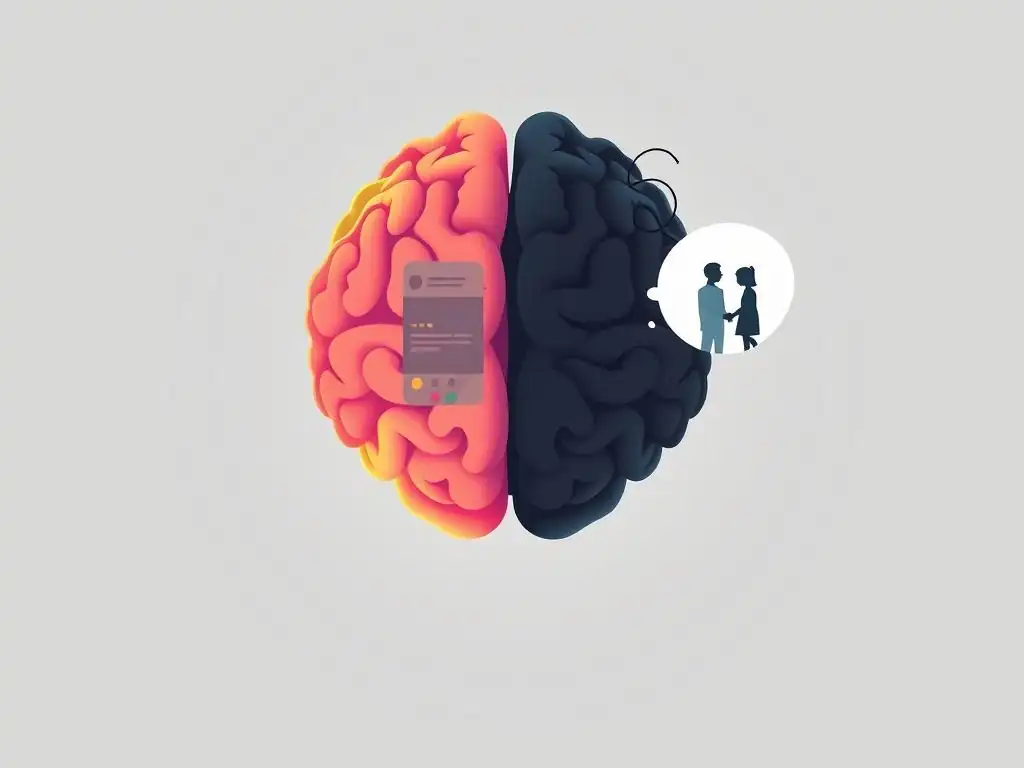
Online dating, while offering exciting possibilities, can trigger intense anxiety for individuals prone to negative thought patterns. Managing online dating anxiety often begins with recognizing and challenging these patterns. Many experience what’s called cognitive distortion, where thoughts are exaggerated or skewed, leading to disproportionate feelings of fear, inadequacy, or self-doubt. This section focuses on practical techniques to identify and address these distortions, ultimately promoting healthier online dating experiences. Learning to manage these negative thought patterns is crucial for building confidence and fostering meaningful connections.
Challenging Negative Self-Talk and Catastrophizing: Cognitive Restructuring Techniques
Negative self-talk, a common symptom of anxiety, manifests in online dating as relentless self-criticism. Phrases like "I'll never find anyone," "They'll reject me instantly," or "I'm not good enough" become internal mantras, fueling anxiety and hindering progress. Catastrophizing – assuming the worst-case scenario – exacerbates this. For example, a lack of immediate responses might be interpreted as definitive rejection, rather than a simple delay.
To combat this, cognitive restructuring is invaluable. This involves identifying negative thoughts, challenging their validity, and replacing them with more balanced and realistic ones.
Here's a step-by-step approach:
- Identify the negative thought: Write down the specific negative thought or belief that arises in response to an online dating experience (e.g., "He didn't reply, therefore he hates me. ").
- Challenge the thought: Question the evidence supporting the negative thought. Is there any evidence that contradicts it? What would a friend say about this situation?
- Develop a more balanced thought: Reframe the negative thought into a more realistic and positive perspective (e.g., "He might be busy, or maybe he's not interested – it's okay, and there are many other people out there. ").
- Practice regularly: This is not a one-time fix. Regular practice strengthens your ability to identify and challenge negative thoughts, reducing their impact on your mood and behavior.
Reframing Negative Experiences in Online Dating: Learning from Setbacks and Moving Forward
Setbacks are inevitable in online dating. Rejection, ghosting, or unsuccessful matches can trigger feelings of inadequacy and self-doubt. However, these experiences are opportunities for growth and learning, not indicators of personal failure. Instead of viewing setbacks as catastrophic failures, reframe them as valuable feedback and learning opportunities.
For instance, if a date doesn't go as planned, analyze the situation objectively. Were there communication issues? Did your expectations align with your date's? What could you have done differently? Focus on actionable insights, rather than dwelling on negative emotions. Consider journaling about these experiences to process them constructively and identify patterns. Each setback provides valuable data to inform future interactions, refining your approach and increasing your chances of success. Remember, online dating is a process of refinement; each experience contributes to your understanding of what you seek and how to best present yourself.
A growth mindset is crucial for managing online dating anxiety. This involves viewing challenges as opportunities for learning and growth, rather than fixed traits that define your worth. Instead of fearing rejection, embrace it as a natural part of the process. Understand that not every connection will be successful, and that's okay. This perspective shifts the focus from achieving instant perfection to embracing continuous improvement.
Practicing self-compassion is key. Treat yourself with the same kindness and understanding you would offer a friend facing similar challenges. Acknowledge your feelings without judgment, and focus on self-care strategies to manage stress and anxiety, such as exercise, meditation, or spending time with supportive friends and family.
Remember, building resilience is an ongoing process. By embracing imperfection and celebrating small victories, you'll cultivate a stronger sense of self-worth and confidence, leading to a more positive and fulfilling online dating experience. This mindset helps in managing online dating anxiety by shifting the focus from fear of failure to a focus on personal growth and learning.
Building Healthy Relationships Online

This section focuses on practical strategies to foster healthy relationships within the context of online dating, directly addressing the anxieties often associated with this process. We'll explore how to communicate effectively, set realistic expectations, and prioritize your safety and well-being. Learning to manage your online dating anxiety is crucial for building meaningful connections.
Communicating Your Needs and Boundaries Effectively: Assertiveness Skills for Online Dating
Effective communication is paramount in any relationship, but it's especially crucial in the often-ambiguous world of online dating. Many individuals struggle with expressing their needs and boundaries assertively, leading to resentment and disappointment. This section provides practical techniques to navigate these challenges.
First, understand what assertive communication entails. It's about expressing your needs and opinions respectfully and directly, without being aggressive or passive. It's about finding the balance between advocating for yourself and respecting the other person's feelings. For instance, instead of passively accepting a date suggestion you dislike ("Okay, that works for me…"), you could assertively express your preference ("I'm not free that day, but I'd love to meet up on [alternative day]").
Second, practice setting clear boundaries. This could involve specifying your dealbreakers, such as non-negotiable values or lifestyle preferences. Clearly stating your limits regarding contact frequency, sharing personal information, or expectations for physical intimacy can prevent misunderstandings and protect your emotional well-being. For example, setting a boundary about sharing personal information early on, saying something like, “I’m not comfortable sharing my address until I’ve met in person a few times,” helps protect your safety.
Finally, learn to recognize and respond to manipulative behavior. This could include pressure to move too quickly, gaslighting (making you question your reality), or controlling behavior. If you sense manipulation, trust your instincts and disengage. Remember, healthy relationships are built on mutual respect and understanding, not manipulation or control. Learning to identify and address these behaviors is a key component of managing online dating anxiety and fostering healthier relationships.
Setting Realistic Goals for Online Dating: Focusing on Connection, Not Just Results
Online dating can sometimes feel like a numbers game, focusing solely on accumulating matches and dates. This approach often leads to disappointment and reinforces anxiety. Instead, shift your focus towards building genuine connections, rather than solely pursuing quantifiable results.
Consider reframing your goals. Instead of aiming for a certain number of dates or matches within a specific timeframe, concentrate on getting to know yourself better and identifying your ideal partner. Focus on qualities like shared values, mutual respect, and emotional compatibility rather than solely physical attraction or popularity metrics. This shift in perspective can significantly reduce pressure and anxiety.
Prioritize quality over quantity. It's better to have a few meaningful interactions than numerous superficial ones. Take your time getting to know potential partners, engaging in thoughtful conversations, and exploring shared interests. Remember, building a strong foundation requires time and effort. This mindful approach can greatly improve your online dating experience and reduce the feeling of being overwhelmed. Manage online dating anxiety by focusing on the process, not just the outcome.
Use a journal to track your progress and celebrate small victories. Did you have a genuinely engaging conversation? Did you feel comfortable and confident expressing yourself? Acknowledging these positive experiences can boost your self-esteem and motivation.
Recognizing Red Flags and Protecting Yourself Online: Identifying manipulative behavior and utilizing secure communication methods
Safety is paramount when using online dating platforms. Learning to recognize red flags and employing secure communication methods is essential for managing online dating anxiety and protecting your well-being.
Red flags can manifest in various ways. Be wary of individuals who are excessively secretive, inconsistent in their stories, or pressure you to share personal information too quickly. Avoid those who exhibit controlling behavior, are overly critical or dismissive, or engage in aggressive or threatening communication. Remember, your safety and comfort are non-negotiable.
Utilize secure communication methods. Avoid sharing your personal contact information (address, phone number) until you've met in person and feel comfortable. Be cautious about sharing sensitive personal details online. Consider using the dating platform's built-in messaging system initially for added security.
Trust your intuition. If something feels off or uncomfortable, don't hesitate to end the conversation or block the individual. Your feelings are valid, and prioritizing your safety is crucial. Remember, managing online dating anxiety involves protecting yourself from potentially harmful situations. Prioritize your well-being above all else. Learning to spot and avoid these red flags is a crucial step in managing online dating anxiety and cultivating safer online interactions.
Seeking Professional Support
Managing online dating anxiety can be challenging, and sometimes, professional help is invaluable. Many individuals find that their anxious attachment style significantly impacts their online dating experiences, leading to self-sabotaging behaviors and relationship difficulties. Recognizing when professional support is needed is a crucial step towards building healthier relationships. This section explores when to seek professional help and how to find the right therapist to guide you on your journey.
When to Seek Professional Help for Anxious Attachment: Recognizing the Need for Therapy
Anxious attachment in online dating manifests in various ways. It's not simply feeling nervous about a first date; it's about patterns of behavior that consistently hinder your progress and well-being. Consider seeking professional help if you experience any of the following:
- Intrusive thoughts and worries: Do you constantly replay conversations, overanalyze messages, or anticipate rejection to an overwhelming degree? This constant mental loop can be exhausting and prevent you from enjoying the online dating process.
- Self-sabotaging behaviors: Do you frequently withdraw from potential matches after initial positive interactions? Do you engage in excessive reassurance-seeking, constantly needing validation from your matches? These behaviors often stem from deep-seated insecurities related to anxious attachment.
- Significant distress and impairment: Is your online dating experience causing substantial emotional distress, impacting your sleep, appetite, or overall well-being? The anxiety is interfering with your daily life.
- Difficulty setting boundaries: Do you find it hard to say no or express your needs? This can lead to unhealthy relationship dynamics and perpetuate feelings of anxiety.
- Cycle of idealization and devaluation: Do you tend to idealize potential partners initially, only to quickly devalue them when they don't meet your unrealistic expectations? This pattern can lead to repeated disappointments and relationship instability.
Recognizing these patterns is the first step. Therapy provides a safe space to explore the root causes of your anxiety and develop coping mechanisms. Remember, seeking help is a sign of strength, not weakness. It shows a commitment to improving your emotional well-being and building healthier relationships.
Finding a Therapist Specializing in Attachment Issues: Resources and Support Networks
Finding a therapist experienced in attachment theory is crucial for effective treatment. Not all therapists are equally equipped to address the nuances of anxious attachment. Here are some resources to help you find a suitable professional:
- Psychology Today: This website offers a directory of therapists, allowing you to filter by specialization, including "attachment theory," "anxiety," and "relationship issues." You can read therapist profiles, check their credentials, and even see client reviews.
- Your primary care physician: Your doctor can provide referrals to mental health professionals in your area.
- Online therapy platforms: Several platforms offer online therapy sessions, making it more convenient to access support. Be sure to check the therapist's qualifications and experience.
Consider these factors when choosing a therapist:
| Factor | Description |
|---|---|
| Specialization | Ensure they have experience with anxious attachment and online dating challenges. |
| Approach | Consider whether you prefer a cognitive-behavioral therapy (CBT), psychodynamic, or other therapeutic approach. |
| Personality | Choose a therapist with whom you feel comfortable and who you believe can create a safe and supportive therapeutic alliance. |
| Insurance Coverage | Confirm whether your insurance covers the therapist's services. |
Remember that finding the right therapist might take some time. Don't hesitate to try a few different therapists until you find a good fit.
Therapy isn't just about addressing past traumas; it's about equipping you with tools to navigate your present challenges. Integrating therapeutic insights into your online dating journey can significantly improve your experience:
- Developing healthy communication skills: Therapy can help you learn to express your needs and boundaries assertively, fostering healthier interactions with potential partners. This includes learning to manage communication anxieties and avoid overthinking messages.
- Identifying and challenging negative thought patterns: Therapy helps you recognize and challenge self-critical thoughts and unrealistic expectations, reducing self-doubt and improving self-esteem. This is essential for building confidence in online dating.
- Setting realistic expectations: Therapy can help you develop a more realistic understanding of relationships and avoid idealizing potential partners. This reduces the likelihood of disappointment and fosters more sustainable connections.
- Managing anxiety triggers: You'll learn to identify and manage your anxiety triggers, developing coping mechanisms to navigate challenging situations within online dating. This could involve mindfulness techniques, relaxation exercises, or other strategies tailored to your needs.
- Building self-compassion: Therapy emphasizes self-compassion, helping you treat yourself with kindness and understanding during setbacks. This is crucial for resilience in the sometimes unpredictable world of online dating.
By actively integrating therapeutic insights into your online dating journey, you can transform your experience from one of anxiety and self-doubt to one of empowerment and healthy connection. Remember, building healthier relationships starts with building a healthier relationship with yourself.
Frequently Asked Questions
How can I manage anxiety before a first online date?
Try deep breathing exercises or mindfulness techniques to calm your nerves. Focus on positive self-talk and remember that everyone feels some anxiety. Remember the goal is to have fun and get to know someone.
What if I don't get many matches on dating apps?
Don't get discouraged! Refine your profile with better photos and a more engaging bio. Experiment with different apps and try actively engaging with potential matches.
How do I deal with rejection on online dating sites?
Rejection is a normal part of the process. Focus on self-care and remember your worth isn't determined by others' choices. Learn from each experience to improve your approach.
How can I stay safe while online dating?
Prioritize meeting in public places for first dates and always tell a friend where you're going. Never share sensitive personal information too early in the process.
How can I tell if someone is being manipulative or disingenuous online?
Pay attention to red flags like inconsistencies in their story, pressure to meet quickly, or overly aggressive behavior. Trust your gut instincts and don't hesitate to end communication if something feels off.
Final Reflection: Reclaiming Your Dating Power Online
The anxieties surrounding online dating are not merely personal struggles; they are a widespread phenomenon reflecting the complexities of modern connection. Ignoring these anxieties only allows them to fester and hinder our ability to find genuine relationships. We must actively address them to build healthier, more fulfilling connections.
The impact of online dating on our cultural landscape is undeniable, shaping how we perceive relationships and ourselves. It's a constant negotiation between the idealized versions of ourselves we present online and the vulnerability required for genuine connection. This tension, I believe, is at the heart of much of our dating anxiety. The opposite of love isn't hate, it's indifference.
This quote highlights the fear of rejection that fuels much of our online dating anxieties – the fear of being unseen, unheard, and ultimately, indifferent to. Understanding this fear is the first step towards managing it.
You now possess the tools to navigate the often-turbulent waters of online dating. Don't let anxiety dictate your choices. Take a moment to reflect on your own dating triggers. Identify the patterns, challenge your negative self-talk, and consciously choose to approach online dating with self-compassion and realistic expectations. Remember, building healthy relationships starts with building a healthy relationship with yourself. The journey to finding love online begins with you.
Unlock Your Dating Confidence: Start Building Healthier Connections Today!
Thank you for exploring healthier online dating strategies! We hope you've gained valuable insights into managing anxiety and building stronger connections. Ready to put this knowledge into practice?
- Identify and Journal Your Anxiety Triggers: Take some time today to reflect on specific dating situations that cause you anxiety. Write them down in a journal—this is the first step to overcoming them.
- Try a Different Approach: Experiment with starting conversations using open-ended questions instead of statements. This can ease anxiety and lead to more engaging and rewarding interactions.
- Share Your Experiences: Join the conversation in the comments below—your insights could help others and foster a supportive community.
What's one small step you can take today to make your online dating experience more enjoyable and successful?