
Dating App Savior: Be the One Who Reports and Protects Others

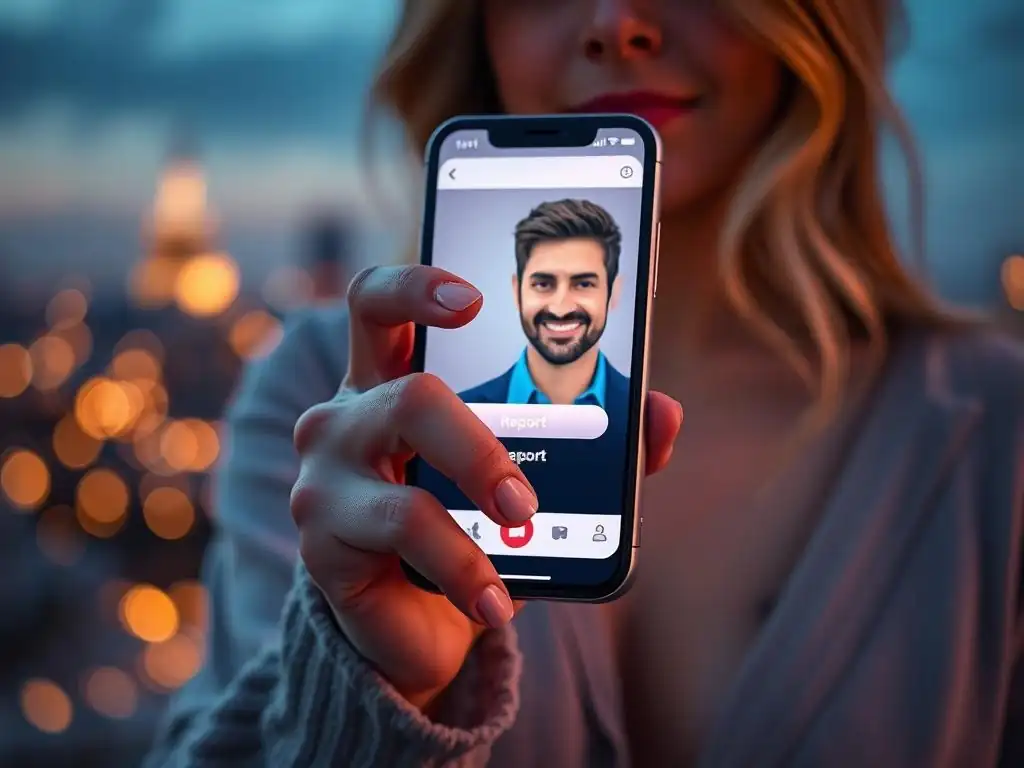
Welcome to OnlineDatingSuccess.org, your guide to navigating the exciting yet sometimes treacherous world of online dating. Are you ready to transform your dating experience and build genuine connections? We understand the challenges, and we're here to help.
Learn how to create a profile that attracts the right people, master the art of effective communication, and, critically, understand the importance of online dating safety reporting. Our latest article, "Dating App Savior: Be the One Who Reports and Protects Others," dives deep into this crucial aspect – discover how you can make a difference and create a safer online dating environment for everyone. Let's embark on this journey together!
- Understanding Online Dating Safety Reporting: Your Role in a Safer Community
- Types of Online Dating Abuse Requiring Reporting
- Beyond Reporting: Protecting Yourself and Others from Online Dating Dangers
- The Impact of Your Reports: Making a Difference in Online Dating Safety
- Frequently Asked Questions
- Final Reflection: The Ripple Effect of Reporting: Protecting Our Online Dating Communities
- Unleash Your Inner Dating App Guardian
Understanding Online Dating Safety Reporting: Your Role in a Safer Community
Online dating has revolutionized how we meet potential partners, offering convenience and expanded possibilities. However, this digital landscape also presents unique safety challenges. This article focuses on a crucial aspect of online dating safety: reporting. By understanding how to identify and report suspicious behavior, you're not only protecting yourself but also contributing to a safer online dating community for everyone. We'll explore how to recognize red flags, utilize reporting mechanisms on various popular platforms, and ultimately, become active participants in combating scams and harassment.
Your vigilance and proactive reporting are vital steps towards fostering a more trustworthy and positive experience for all online daters. Let's delve into the specifics of how you can make a difference. Remember, reporting isn't just about protecting yourself; it's about protecting others and building a safer online dating environment. 💖
Recognizing Red Flags: Identifying Potentially Harmful Behavior on Dating Apps
Identifying potentially harmful behavior is the first critical step in online dating safety. Many red flags can signal a risky interaction, requiring immediate attention. These can range from subtle inconsistencies to blatant threats. It's important to trust your intuition; if something feels off, it probably is. Some common red flags include:
- Inconsistencies in profiles: Discrepancies between photos, biographical information, or stated profession should raise concerns.
- Pressure for quick offline meetings: Be wary of individuals who persistently push for in-person meetings before establishing trust and sufficient communication.
- Excessive flattery or overly romantic language: Unrealistic compliments or overly intense expressions of affection in early interactions can be a sign of manipulation.
- Requests for financial assistance: This is a classic indicator of a potential scam. Legitimate individuals will not ask you for money.
- Aggressive or threatening behavior: Any form of verbal abuse, harassment, or intimidation should be reported immediately.
- Unusual or evasive answers: If a person avoids answering straightforward questions or provides vague responses, it might be a sign of something being hidden.
- Suspicious links or attachments: Never click on links or open attachments from unknown or untrusted sources.
Remember, your safety is paramount. If you encounter any of these red flags, don't hesitate to take action. Your safety and well-being are more important than politeness or avoiding confrontation.
Reporting Mechanisms: How to Report Suspicious Activity on Popular Dating Platforms
Most major dating apps provide robust reporting mechanisms to address inappropriate behavior. Knowing how to use these tools effectively is crucial for maintaining a safe online dating experience. While the exact steps may vary slightly, the general process usually involves identifying the problematic profile or interaction and selecting a reporting option within the app's settings or profile page. Often, you can specify the type of violation, provide additional details, and even include screenshots as evidence. It's important to document everything, including dates, times, and screenshots of messages. This information will be valuable in your report.
Reporting on Tinder: A Step-by-Step Guide
Tinder's reporting process typically involves navigating to the user's profile, finding a "Report" or "Flag" button (often represented by a flag or an exclamation mark 🚩), selecting the reason for your report (e.g., harassment, scam, inappropriate photos), and providing additional details. You may also have the option to block the user, preventing further contact. Tinder usually investigates reported accounts and takes appropriate actions, such as suspending or banning the user.
Reporting on Bumble: A Step-by-Step Guide
Bumble's reporting system is generally similar to Tinder's. Locate the "Report" or "Flag" option on the user's profile, specify the reason for your report, and provide as much detail as possible. Screenshots are highly valuable in these situations. Remember that Bumble prioritizes user safety and takes reported violations seriously.
Reporting on Hinge: A Step-by-Step Guide
Hinge also offers a reporting mechanism within each user's profile. Look for the "Report" button and follow the prompts, providing a clear explanation of the violation and including any relevant screenshots or details. Hinge's commitment to user safety means your report will be reviewed and acted upon accordingly. Remember, reporting is a crucial step in creating a safer online dating environment for everyone.
The Importance of Detailed Reporting: Providing Crucial Information for Investigations
Reporting suspicious activity on dating apps isn't just about flagging a profile; it's about providing investigators with the tools they need to effectively address the issue and prevent future harm. A detailed report significantly increases the chances of a successful investigation and the potential to prevent others from falling victim to the same scam or harassment. Think of yourself as a crucial part of a larger safety net, your report is a vital piece of evidence.
Consider this: a vague report mentioning "suspicious behavior" is far less impactful than a report meticulously detailing specific instances of harassment, including screenshots of explicit messages, timestamps of interactions, and the user's profile information (username, profile picture, etc.). The more information you can provide, the easier it is for the app's moderators or law enforcement (if necessary) to identify and take action against the perpetrator.
For example, if someone is attempting to lure you into a financial scam, providing screenshots of their requests for money, their promises of riches, and details about the supposed investment opportunity are crucial. This detailed information allows investigators to track the scammer's activities, potentially identifying patterns and preventing them from targeting more users. Similarly, if you're experiencing persistent harassment, documenting every instance—including the nature of the harassment, the frequency of the messages, and any attempts to escalate the situation—is essential.
This detailed record allows platforms to take appropriate action, ranging from profile suspension to permanent bans. Remember, even seemingly minor details can contribute to a larger picture and help build a stronger case against those engaging in harmful behavior. Your thoroughness can make all the difference in protecting others from similar experiences.
Don't underestimate the power of a well-crafted report in fostering a safer online dating environment. The more information you provide, the better equipped the platforms and authorities are to combat online dating safety issues. This directly contributes to a safer experience for everyone.
Types of Online Dating Abuse Requiring Reporting
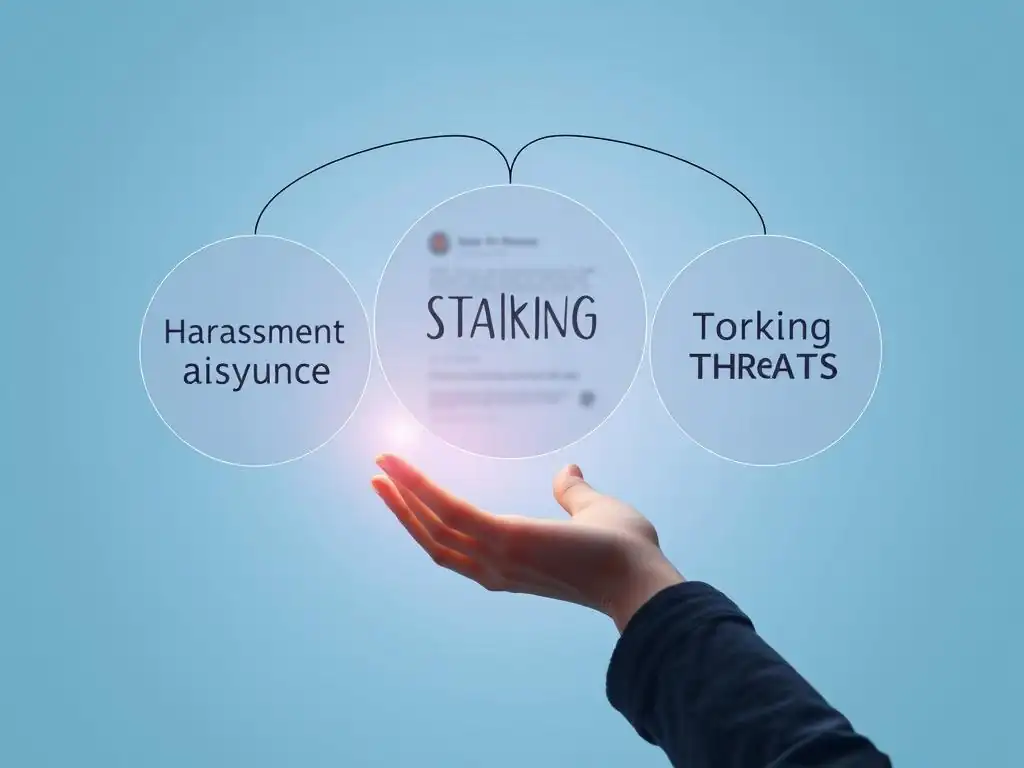
Online dating safety reporting is crucial for fostering a healthier and safer online environment. Many forms of abuse can occur, and understanding these different types is the first step towards effective reporting. This section will outline several key areas where reporting is necessary to protect yourself and others from harm. Remember, even seemingly minor incidents can escalate, and reporting helps prevent future abuse. Ignoring these situations can have severe consequences for both the victim and other potential targets.
Identifying and Reporting Catfishing Profiles: Protecting Yourself and Others
Catfishing, the act of creating a fake online persona to deceive others, is prevalent in online dating. This deceptive practice can range from minor misrepresentations to elaborate schemes designed to exploit individuals emotionally or financially. Identifying catfishing often requires careful observation and a healthy dose of skepticism. Red flags include inconsistencies in profile information, a reluctance to video chat, overly romantic advances early in the "relationship," and a general lack of transparency.
Reporting suspected catfishing profiles is critical. Most dating apps have mechanisms in place to report suspicious activity. When reporting, provide as much detail as possible, including screenshots of the profile, messages exchanged, and any other evidence that supports your claim. Remember, your report could prevent others from falling victim to the same deception. The process usually involves selecting a "report" or "flag" option within the app, explaining the situation, and providing supporting evidence. Many platforms also offer resources and safety tips to help users navigate these situations. Don't hesitate to utilize these resources; they are designed to support you.
Reporting Harassment and Abusive Behavior: Knowing Your Rights and Options
Harassment and abusive behavior in online dating can take many forms, ranging from verbal abuse and threats to stalking and doxing. This behavior is unacceptable and must be reported immediately. Examples include constant unwanted messages, threats of violence or harm, sharing private information without consent (doxing), or persistent attempts to contact despite clear requests to cease communication. The emotional toll of online harassment can be significant, leading to anxiety, depression, and even PTSD.
Knowing your rights and options is essential. Most dating apps have clear policies against harassment and provide avenues for reporting such incidents. Document all instances of harassment, including dates, times, and screenshots of messages or interactions. This documentation will be invaluable when reporting the abuse.
Beyond reporting to the dating app, you also have the option of contacting law enforcement if the harassment is severe or involves threats of physical harm. Remember, you are not alone, and seeking support from friends, family, or mental health professionals is crucial during this challenging time. Taking action protects not only yourself but also contributes to a safer online dating experience for everyone.
Financial Scams and Online Dating: Recognizing and Reporting Fraudulent Activity
Financial scams are a serious concern in the world of online dating. Scammers often create elaborate profiles and build trust over time before asking for money, often under the guise of an emergency or a business opportunity. These scams can range from small amounts of money to significant sums, causing substantial financial and emotional distress for the victims. Recognizing the red flags is paramount. Requests for money early in the relationship, pressure to send money quickly, and vague or inconsistent explanations for needing funds are all major warning signs.
Reporting suspected financial scams is crucial. Contact the dating app immediately to report the suspicious activity. Also, report the incident to your bank or financial institution and potentially to law enforcement agencies, especially if significant sums of money are involved. Keep detailed records of all communication and financial transactions. This information will be crucial for investigations and potentially recovering lost funds.
Remember, legitimate relationships do not involve constant requests for financial assistance. Trust your instincts; if something feels wrong, it probably is. Protecting yourself from financial scams requires vigilance, awareness, and prompt reporting. Your safety and financial well-being are paramount.
Beyond Reporting: Protecting Yourself and Others from Online Dating Dangers

This section focuses on proactive measures you can take to minimize your risk of encountering scams and harassment on online dating platforms, complementing the crucial act of reporting suspicious activity. Remember, reporting is a vital step, but preventative strategies significantly reduce your vulnerability. Effective online dating safety reporting is only one part of a larger safety strategy.
Safe Dating Practices: Minimizing Your Risk of Encountering Scammers or Abusers
Implementing safe dating practices is paramount to safeguarding yourself. These practices aren't just about avoiding scams; they're about fostering healthy and respectful interactions from the outset. Think of them as building a strong, secure foundation for your online dating journey.
Many online dating safety reporting cases stem from preventable situations. By following these guidelines, you significantly reduce your chances of becoming a victim.
- Verify Profiles: Don't solely rely on what you see. Search for the person's name and photos online to check for inconsistencies or red flags. A quick reverse image search can reveal if their photos are being used elsewhere. Discrepancies could indicate a fake profile.
- Slow and Steady: Avoid rushing into deep conversations or sharing personal information too early. Take your time to get to know someone virtually before meeting in person.
- Video Calls: Before arranging an in-person meeting, consider a video call. This helps verify the person's identity and build trust, reducing the likelihood of catfishing or other deceptive practices. It's a crucial step in online dating safety reporting prevention.
- Public First Meetings: For your first meeting, always choose a public place with plenty of people around. Let a friend or family member know where you're going and who you're meeting. Share their profile information with a trusted person.
- Trust Your Gut: If something feels off, it probably is. Don't ignore your intuition. If a person's behavior seems suspicious or their story doesn't add up, remove them from your contacts and report them immediately. This is key to effective online dating safety reporting.
- Limit Personal Information Sharing: Be cautious about sharing sensitive information like your full address, workplace, or financial details. Scammers often use this information to exploit their victims.
- Use the App's Safety Features: Most dating apps provide safety features like blocking and reporting options. Familiarize yourself with these tools and use them whenever necessary.
Community Support: Connecting with Resources and Support Networks
Feeling vulnerable or experiencing online harassment can be isolating. Remember, you're not alone. Several resources offer support and guidance to those navigating the challenges of online dating.
Connecting with support networks can significantly improve your ability to cope with negative experiences and even contribute to better online dating safety reporting practices. These networks provide valuable insights and share experiences, empowering you to take control of your online safety.
- Support Groups: Search online for support groups specifically addressing online dating safety and harassment. Sharing your experiences with others who understand can be incredibly validating and empowering.
- Online Forums: Many online forums dedicated to online dating discuss safety concerns and offer advice. These platforms can provide a sense of community and a wealth of information.
- Mental Health Professionals: If you're struggling to cope with the emotional impact of online harassment or scams, consider seeking support from a therapist or counselor. They can provide professional guidance and support.
- Law Enforcement: In cases of serious harassment or scams, contacting law enforcement is crucial. They can investigate the matter and take appropriate action.
Educating Others: Spreading Awareness About Online Dating Safety
Beyond protecting yourself, consider becoming an advocate for online dating safety. Spreading awareness within your community can help prevent others from becoming victims of scams and harassment. This proactive approach complements effective online dating safety reporting.
Educating others empowers them to take control of their online safety and contribute to a safer online dating environment for everyone.
- Share Your Experiences: Sharing your experiences, both positive and negative, with friends and family can help educate them about the risks involved in online dating.
- Social Media Campaigns: Participate in or create social media campaigns to raise awareness about online dating safety and promote safe practices.
- Workshops and Presentations: Offer to give workshops or presentations to community groups, schools, or organizations about online dating safety.
- Support Organizations: Volunteer your time to support organizations that work to combat online harassment and scams. Your contribution to these organizations can improve their ability to address online dating safety reporting issues.
By actively engaging in these preventative measures and contributing to community education, you're not only protecting yourself but also helping to create a safer online dating environment for everyone. Remember, online dating safety reporting is a crucial part of this process, but proactive prevention is equally vital.
The Impact of Your Reports: Making a Difference in Online Dating Safety
Reporting suspicious activity isn't just about protecting yourself; it's about fostering a safer online dating environment for everyone. Your actions directly contribute to a ripple effect, impacting the safety and well-being of other users. Think of it as collective digital citizenship. By reporting inappropriate behavior, you're not just flagging a single incident; you're contributing to a larger database that helps dating apps identify and address systemic issues and improve their safety protocols.
How Your Reports Help Improve Dating App Safety Measures
Dating apps rely heavily on user reports to identify and address problematic users and patterns of abuse. Each report provides valuable data points that contribute to a larger picture. For example, a surge in reports about a particular user profile might trigger an investigation, leading to account suspension or even legal action. Similarly, repeated reports highlighting specific scams or harassment tactics help developers improve their algorithms and implement better safety features. This data-driven approach is crucial for enhancing app security and preventing future incidents. Consider these concrete examples:
- Improved Profile Verification: Frequent reports of fake profiles can lead to stricter verification processes, such as requiring photo ID or linking social media accounts.
- Enhanced Reporting Mechanisms: Feedback from reports often leads to improvements in the reporting system itself, making it easier and more efficient for users to flag problematic behavior.
- Proactive Safety Measures: Analysis of reported incidents allows app developers to identify trends and implement proactive measures, such as blocking certain keywords or phrases associated with scams.
- Targeted Education Initiatives: Reports help dating apps identify common scams and harassment techniques, informing the development of educational resources for users.
Imagine the cumulative impact: thousands of reports collectively contribute to a safer online dating landscape. Your single report, seemingly insignificant on its own, becomes a vital piece of the puzzle. It's a powerful testament to the strength of community vigilance and its ability to curb online abuse. Your contribution matters.
Collective Action: The Power of Community Reporting in Combating Online Abuse
The fight against online abuse in dating apps isn't solely the responsibility of the platforms themselves. It requires a collective effort, a collaborative approach where users actively participate in creating a safer environment. Community reporting amplifies individual actions, creating a powerful force against harassment and scams. When multiple users report the same individual or behavior, it significantly increases the likelihood of effective action being taken.
Consider this analogy: a single drop of water might seem insignificant, but a collective of drops forms a powerful stream. Similarly, individual reports may seem minor, but collectively they form a powerful wave of data that compels dating apps to act. This is the power of community reporting—it's a demonstration of collective responsibility and a commitment to fostering a safer digital space for everyone.
This collaborative approach extends beyond simply reporting incidents. It involves:
- Educating others: Sharing knowledge about common scams and harassment tactics empowers other users to protect themselves.
- Supporting victims: Offering empathy and support to those who have experienced online abuse can make a significant difference in their recovery.
- Advocating for change: Engaging with dating apps and requesting improvements to their safety features can help drive positive change.
The success of online dating safety reporting relies on the active participation of the community. By reporting suspicious activity and working together, we can significantly reduce the prevalence of online abuse and create a more positive and secure online dating experience for everyone. Let's collectively work towards a future where online dating is a safe and enjoyable experience for all.
Frequently Asked Questions
What should I report on dating apps?
You should report any inappropriate behavior, including harassment, threats, scams, or fake profiles. Reporting helps keep the platform safer for everyone. This includes explicit content, even if not directly targeted at you.
How do I report unsafe behavior on dating apps?
Most apps have a report button within each user's profile or message thread. Follow the app's instructions carefully, providing as much detail as possible, including screenshots if available.
What happens after I submit a report?
The app's safety team will review your report. While they can't guarantee specific outcomes, they will take appropriate action, which may include banning the user or contacting law enforcement in serious cases. Your report matters.
Is reporting anonymous?
While the level of anonymity varies by app, your identity is typically protected to some degree. However, it's best to familiarize yourself with each app's specific privacy policy regarding reports.
What if I'm unsure if something warrants a report?
It's always better to err on the side of caution. If something makes you uncomfortable or seems suspicious, reporting it is a good idea. The app's safety team can assess the situation and determine the appropriate course of action.
Final Reflection: The Ripple Effect of Reporting: Protecting Our Online Dating Communities
The pervasive nature of online harassment and abuse on dating apps demands our collective attention; silence is complicity, and reporting is our most powerful weapon. We've explored the various forms of misconduct prevalent in online dating spaces, from subtle manipulation to outright threats, and highlighted the crucial role users play in combating this pervasive issue. The responsibility doesn't solely rest on the platforms themselves; it's a shared responsibility that requires active participation from every user.
The impact of reporting extends far beyond individual experiences; it shapes the overall safety and inclusivity of online dating communities. By reporting harmful behavior, we contribute to a safer environment for everyone, fostering trust and encouraging authentic connections. As the saying goes, The only thing necessary for the triumph of evil is for good men to do nothing.
This holds true in the digital realm as much as it does in the physical world. Our inaction allows harmful behavior to flourish, while our active reporting creates a ripple effect of positive change, empowering others to speak up and seek help.
You hold the power to make a difference. Consider the next time you encounter something unsettling or inappropriate on a dating app. Don't hesitate to report it. Your action, however small it may seem, contributes to a larger movement towards safer online spaces. Let's collectively build a dating landscape where genuine connections thrive, free from fear and harassment. Be the change you wish to see; be the reporter, be the protector, be the savior.
Unleash Your Inner Dating App Guardian
Thank you for learning how to make online dating safer. You've gained valuable insights into recognizing red flags and the importance of reporting suspicious activity. Now, let's put that knowledge to use!
- Report suspicious profiles immediately: This is your most effective way to protect others. Even seemingly insignificant details can make a difference. Don't hesitate to report anything concerning.
- Share this information with your friends and family: Help spread awareness and empower others to stay safe while online dating.
- Consider creating a short video about your experiences and actions – you could unintentionally prevent someone from a harmful encounter.
What action will you take today to help create a safer online dating experience for everyone?