
The Ethical Implications of Using Fake Profiles for "Research"


Welcome to OnlineDatingSuccess.org, your guide to navigating the exciting yet complex world of online dating. Are you curious about the ethical tightrope we walk when using online dating platforms? Our latest article delves into the controversial topic of online dating fake profile ethics, exploring the gray areas of "research" and its potential consequences. Discover the surprising truths behind this practice and learn how to build genuine connections while maintaining your integrity. Let's unlock the secrets to finding meaningful relationships online – read on to find out more!
- Understanding the Allure of Fake Profiles for Online Dating Research
- Ethical Concerns Surrounding Fake Online Dating Profiles
- The Legal Ramifications of Using Fake Profiles for Online Dating Research
- Responsible Alternatives to Fake Profiles for Online Dating Research
- Best Practices for Ethical Online Dating Research
- Case Studies: Examining Ethical Dilemmas in Online Dating Research
- Conclusion: Navigating the Ethical Landscape of Online Dating Research
-
Frequently Asked Questions
- Is it ethical to create a fake profile to "research" dating app behavior?
- What are the potential consequences of using a fake profile on a dating app?
- How can I ethically learn about online dating app dynamics?
- What if I suspect someone is using a fake profile?
- Does creating a fake profile for "research" ever justify the deception involved?
- Final Reflection: The Lingering Shadow of Deception in Online Dating
- Unmask the Truth: Take Action for Authentic Connections
Understanding the Allure of Fake Profiles for Online Dating Research
Navigating the complex world of online dating requires careful consideration of ethical implications, especially when it comes to research practices. This article delves into the ethical considerations surrounding the use of fake profiles for research purposes in online dating. We will explore the motivations behind creating such profiles, the types of data researchers hope to glean, and the potential pitfalls and ethical dilemmas this practice raises.
Ultimately, we aim to provide a balanced perspective, highlighting the potential benefits while emphasizing the crucial need for responsible and ethical conduct in this field. The use of fake profiles in online dating research raises significant ethical questions, impacting the privacy and trust of genuine users, and potentially skewing the very data researchers are trying to collect. Understanding these nuances is crucial for maintaining the integrity of online dating research and fostering a safe and trustworthy environment for all participants.
The increasing popularity of online dating necessitates a thorough examination of ethical considerations to ensure responsible data collection and analysis. We will examine how the allure of gaining insights into online dating dynamics through controlled experiments can lead researchers down a path fraught with potential ethical violations. We will also discuss alternative, ethical research methodologies that can be employed to achieve similar research goals.
The Appeal of Controlled Experiments in Online Dating Studies
Researchers often feel the pull of creating controlled experiments to understand online dating dynamics. The desire to isolate variables and measure their impact on user behavior is a strong motivator. For example, a researcher might create multiple fake profiles, each with varying levels of attractiveness (as subjectively determined by the researcher) or different personality descriptions, to test how these factors influence the number of messages received or matches obtained.
This approach allows for a seemingly precise measurement of cause and effect, appealing to the scientific pursuit of quantifiable results. However, this desire for controlled experimentation often clashes with the ethical principles of informed consent and respect for individual autonomy. The creation of fake profiles inherently lacks the transparency and consent that are fundamental to ethical research practices.
The allure of gaining precise, measurable data through controlled experiments is undeniable. Many researchers believe that this approach can provide valuable insights into the dynamics of online dating that are difficult to obtain through other methods. However, this approach raises ethical concerns related to deception and the potential for manipulation of real users.
The need for more robust and ethically sound methodologies is paramount to advance our understanding of online dating without compromising the integrity of the research process. The creation of fake profiles could also lead to the unintended consequence of harming the trust and safety of genuine users.
Gathering Data on Profile Preferences and Messaging Strategies
Creating fake profiles allows researchers to gather data on various aspects of online dating, including profile preferences and messaging strategies. By systematically varying profile characteristics (e.g., photos, bios, stated interests), researchers aim to identify which elements are most effective in attracting attention and generating engagement. Similarly, they might use fake profiles to test different messaging approaches to understand what types of communication are most successful in initiating conversations and building connections. The data gathered through such experiments could offer valuable insights into the algorithms and user behaviors that shape online dating experiences.
However, the potential for bias and misinterpretation is significant, particularly without the context of genuine user intentions and experiences. Furthermore, the collection of personal data without informed consent raises serious ethical concerns. The potential for deception and manipulation of users is significant, undermining the trust necessary for a healthy online dating environment.
The Limitations of Existing Online Dating Research Methods
Current online dating research methods often face limitations in terms of data accessibility and the ability to control variables. Existing datasets may not provide the granular level of detail needed to answer specific research questions, or may lack the necessary context to interpret findings accurately. Traditional survey methods can be subject to response bias and may not accurately reflect actual online dating behaviors.
The use of fake profiles, while ethically problematic, is sometimes seen as a way to overcome these limitations, offering a seemingly more direct approach to data collection. However, the ethical implications of this approach far outweigh any perceived benefits. The inherent deception involved violates the trust between researchers and participants, compromising the validity and integrity of the findings.
Developing more ethical and robust research methods is crucial to address the limitations of existing approaches while upholding high ethical standards. Exploring alternative methodologies such as observational studies with proper consent or analyzing publicly available data with appropriate anonymization techniques are crucial steps towards responsible online dating research. The focus should always be on ethical data collection and analysis that respect the privacy and autonomy of all users.
Ethical Concerns Surrounding Fake Online Dating Profiles

This section delves into the ethical quagmire of creating fake profiles for "research" purposes within the online dating landscape. While some might argue it's a harmless way to understand dating app dynamics, the reality presents a complex web of potential harms. We'll explore the key ethical concerns associated with this practice, emphasizing the importance of integrity and respect within the online dating community. Understanding the ethical dimensions is crucial for navigating this digital space responsibly. The term "online dating fake profile ethics" encapsulates the core issue we're addressing.
Deception and Misrepresentation in Online Interactions
Creating a fake online dating profile inherently involves deception. You're presenting a false persona, misleading potential matches about your identity, interests, and intentions. This deception undermines the foundation of trust, a crucial element in building genuine connections. Consider the emotional investment individuals make when engaging with someone they believe to be authentic. A fake profile actively sabotages this process, potentially leading to wasted time, emotional hurt, and a damaged sense of trust in online dating as a whole.
This is not simply a matter of harmless experimentation; it is a deliberate act of misrepresentation that can have significant consequences. For example, imagine someone spending weeks communicating with a "research" profile, only to discover the truth. The betrayal and frustration could be substantial. The ethical implications are clear: honesty and transparency are paramount in online interactions. The creation of fake profiles directly contravenes this principle.
Violation of User Privacy and Terms of Service
Most online dating platforms have strict terms of service that prohibit the creation of fake profiles. Violating these terms can lead to account suspension or even legal repercussions. Furthermore, creating a fake profile often involves using fabricated information, potentially including images taken without consent. This constitutes a clear violation of privacy for the individuals whose images or personal details are used. The ethical implications extend beyond the platform's rules; they concern fundamental rights to privacy and data protection.
Even if you believe your actions are justified by "research," the unauthorized use of someone else's likeness or information remains a serious ethical breach. Consider the potential for identity theft or reputational damage if the fake profile is misused. The risks associated with violating user privacy are considerable, and the ethical responsibility lies with the individual creating the fake profile to avoid such actions. Respecting the privacy of others is non-negotiable.
Potential for Emotional Distress and Manipulation
Beyond the legal and platform-specific implications, using fake profiles for "research" carries a significant potential for causing emotional distress and manipulation. Building rapport with someone under false pretenses is inherently manipulative. The emotional investment made by the individuals interacting with the fake profile can be substantial, leading to significant hurt and disappointment upon discovery of the deception. This manipulation can exacerbate existing anxieties and insecurities surrounding online dating, further eroding trust and making it more challenging for genuine connections to form.
The emotional toll of such interactions can be profound, potentially impacting an individual's self-esteem and mental well-being. The ethical responsibility to avoid causing such harm should outweigh any perceived benefits of conducting "research" through deceptive means. Focusing on ethical and respectful research methodologies is essential to avoid this kind of harm. The potential for emotional damage is a critical ethical consideration that should not be ignored.
The Legal Ramifications of Using Fake Profiles for Online Dating Research
Creating fake profiles for "research" in online dating, while seemingly innocuous, carries significant legal risks. The act, even if intended for academic or personal understanding, can inadvertently breach several laws and expose you to legal repercussions. Understanding these implications is crucial before embarking on such endeavors. The ethical considerations are paramount, but the legal ramifications are equally, if not more, significant, especially concerning "online dating fake profile ethics".
Copyright and Intellectual Property Issues
Using fake profiles to scrape data from dating platforms, such as user profiles, photographs, or messages, can infringe on copyright and intellectual property rights. Dating platforms often have terms of service explicitly prohibiting the scraping or unauthorized use of their data. Even if you don't directly download or save the data, the mere act of accessing and analyzing it through a fake profile could be considered a violation. The consequences can range from account suspension to legal action, especially if the platform discovers your activity.
Furthermore, using individuals’ images or biographical details without their consent could lead to lawsuits for unauthorized use of likeness or defamation. Consider the potential for a significant financial penalty and reputational damage. Remember, even research requires ethical data acquisition and usage, and respecting intellectual property is non-negotiable.
Potential for Legal Action from Dating Platforms
Dating platforms possess robust systems to detect and prevent fraudulent activities, including the creation of fake profiles. Their terms of service usually explicitly forbid the use of automated tools or fake accounts for any purpose. If caught, you could face immediate account termination and potentially legal action. Platforms often invest heavily in protecting user data and maintaining the integrity of their services; violating these terms can be viewed as a significant breach.
The severity of the legal action can vary based on the platform's policies, the extent of your activity, and the jurisdiction. It's important to remember that the platform's legal team will likely pursue the strongest possible action to protect its interests and users. This might include cease-and-desist letters, injunctions, or even financial penalties.
Data Protection and Privacy Laws
The use of fake profiles to gather data on online dating users raises serious concerns under data protection and privacy laws, such as GDPR (General Data Protection Regulation) and CCPA (California Consumer Privacy Act). These laws grant individuals significant control over their personal data and impose strict obligations on those who collect and process it. Collecting personal data through deception, such as using a fake profile, is a clear violation of these regulations.
The penalties for violating these laws can be substantial, including significant fines and reputational damage. Moreover, the individuals whose data you collect could also pursue legal action against you for privacy violations. This is especially relevant when dealing with sensitive information such as personal photos or communication data.
It's crucial to obtain informed consent before collecting and using any personal data, even for research purposes. Ignoring this fundamental aspect of data protection can lead to serious legal consequences. The potential for legal issues related to "online dating fake profile ethics" is significant and should not be underestimated.
Responsible Alternatives to Fake Profiles for Online Dating Research

The allure of creating a fake profile to "research" online dating dynamics is understandable. Many feel the need to experience the platform from a different perspective, gaining insights into user behaviors and platform mechanics. However, this approach raises serious ethical concerns, potentially violating user privacy and terms of service. Instead of resorting to deceptive practices, several responsible alternatives can yield valuable research data while upholding ethical standards. This section explores these ethical methodologies. Understanding the nuances of online dating fake profile ethics is crucial for responsible research.
Utilizing Existing Datasets and Publicly Available Information
Many researchers overlook the wealth of publicly available data already existing on online dating. This includes academic studies on online dating behavior, publicly accessible datasets from dating apps (with appropriate anonymization and ethical approvals), and reports from dating app companies themselves (often focusing on trends and user demographics). Analyzing this information can provide insights into various aspects of online dating, such as relationship formation, communication patterns, and user preferences, without resorting to the creation of fake profiles.
For example, researchers can analyze publicly available data on the success rates of different profile types to understand how profile optimization affects the likelihood of matching and communication. They can also study the correlation between profile content and user engagement metrics, such as likes, messages, and date requests. This approach allows for a quantitative analysis of online dating behavior, providing valuable insights while respecting user privacy. Remember to always cite your sources appropriately and ensure the data is ethically sourced and legally accessible.
Conducting Surveys and Interviews with Informed Consent
Directly engaging with online daters through surveys and interviews provides a powerful alternative to creating fake profiles. This approach allows researchers to gather firsthand accounts of user experiences and perspectives, offering rich qualitative data. Crucially, obtaining informed consent is paramount. Participants must be fully aware of the study's purpose, procedures, and potential risks, including the confidentiality of their responses. This informed consent process should be clearly outlined and documented.
Consider using anonymous surveys distributed through online dating platforms or relevant communities. Offer incentives, like a gift card, to encourage participation. For interviews, ensure anonymity and confidentiality are maintained throughout the process. This approach allows for a deeper understanding of the user perspective, addressing ethical concerns associated with deception and privacy violations inherent in using fake profiles. The data obtained can provide valuable context and nuance to quantitative findings from other sources, creating a comprehensive understanding of online dating dynamics.
Employing Observational Studies with Ethical Guidelines
Observational studies can offer valuable insights into online dating behavior without requiring the creation of fake profiles. This involves observing user interactions and communication patterns on public platforms, respecting user privacy and avoiding any form of interaction or manipulation. Ethical guidelines are crucial here, emphasizing the importance of non-interference and data anonymization.
For instance, researchers could observe the language used in dating profiles and messages to identify patterns in communication styles. They could also analyze the frequency and nature of interactions between users to understand the dynamics of online dating relationships. This type of research should be conducted transparently, with a clear methodology that outlines the data collection process and the measures taken to protect user privacy.
It’s essential to avoid any actions that could be interpreted as stalking or harassment, emphasizing the ethical responsibility of the researcher. This method provides a valuable avenue for understanding online dating behavior while respecting the privacy and autonomy of individuals.
Best Practices for Ethical Online Dating Research
This section delves into the ethical considerations surrounding the use of fake profiles for research in the online dating sphere. While some might argue that creating fictitious profiles to understand dating app algorithms or user behavior is a necessary research method, it's crucial to approach this with utmost ethical responsibility. Ignoring ethical guidelines can lead to serious repercussions, including legal issues and reputational damage. The following best practices aim to mitigate these risks and promote responsible research.
Obtaining Informed Consent from Participants
The cornerstone of ethical research is informed consent. Even when using fake profiles, the potential impact on real users needs careful consideration. While you might not be directly interacting with specific individuals, your actions within the dating app ecosystem can still affect their experience.
For example, if your fake profile engages in misleading behavior or participates in harmful interactions, it could negatively impact other users' trust and safety. Therefore, a robust ethical framework must address this indirect impact. While obtaining direct informed consent from every user potentially affected by a fake profile is practically impossible, the researcher should consider the potential for harm and mitigate it.
This might involve designing research methods that minimize the risk of negative interactions, or implementing strict guidelines for profile behavior. A strong research proposal should explicitly address this aspect, detailing the steps taken to minimize the potential for harm and explaining why obtaining direct informed consent isn't feasible in this specific context. The ethical review board should scrutinize this section particularly carefully.
For example, a researcher might justify their methodology by arguing that their fake profiles solely focus on passive observation, avoiding direct interaction or engagement that could be perceived as manipulative or deceptive. This needs to be clearly stated and justified within the research proposal. Transparency is key.
Maintaining Anonymity and Confidentiality of Data
When using fake profiles for research on online dating, data privacy is paramount. Even if you are not collecting personally identifiable information (PII) directly from users, it's crucial to ensure that any data collected through your fake profiles cannot be traced back to specific individuals. This includes anonymizing any data that could potentially identify users, such as location data, profile pictures (even if altered), or specific interactions. The use of pseudonyms and rigorous data sanitization techniques are essential to protect the privacy of all users within the dating app ecosystem.
Consider this scenario: a researcher uses a fake profile to analyze communication patterns. While the researcher may not collect names or contact details, subtle details in communication styles could potentially lead to the identification of real users if not properly anonymized. Therefore, rigorous data anonymization is crucial, and the methods used should be clearly documented in the research methodology.
The researcher must also ensure compliance with all relevant data protection regulations and obtain necessary approvals from ethical review boards. This is essential to maintaining the integrity of the research and protecting the privacy rights of users. The potential for re-identification of individuals, however small, needs to be proactively addressed and minimized.
Ensuring Transparency and Open Communication with Participants
While direct interaction with participants might not be possible when using fake profiles, transparency is still crucial. The researcher should be upfront about the research objectives and methods in any relevant documentation, including ethical review board applications. This ensures accountability and allows for scrutiny of the research process. While you cannot obtain informed consent from every individual indirectly affected, you can still strive for transparency by making the research findings publicly available (with appropriate anonymization) and engaging in open communication about the research methodology and its limitations.
In cases where the research involves potential deception or manipulation, even indirectly, it is crucial to engage in post-hoc debriefing. While this might not be feasible in all situations, attempts to inform the broader community about the research can contribute to responsible data collection and analysis. This might involve publishing articles or presenting findings at conferences, explicitly acknowledging the limitations and ethical considerations of the methodology.
The goal is to build trust and contribute to a more ethical online dating landscape, even while using methods that rely on deception. Openness about the research design and its potential impact is a critical component of responsible research practice. This transparency not only safeguards ethical conduct but also enhances the credibility and trustworthiness of the research itself.
Adherence to Ethical Review Board Guidelines
Ethical online dating research, particularly involving the creation or use of fake profiles, necessitates strict adherence to ethical review board (IRB) guidelines. These guidelines, established to protect the rights and well-being of participants in research studies, are crucial for ensuring responsible data collection and analysis. Before embarking on any research involving deception—even seemingly innocuous forms of deception like creating a fake profile—researchers must obtain IRB approval.
This involves submitting a detailed research proposal outlining the study's objectives, methodology, potential risks to participants, and planned safeguards to mitigate those risks. Failure to obtain IRB approval can lead to serious consequences, including sanctions from the researcher's institution and legal repercussions.
The IRB review process scrutinizes the research design to ensure it aligns with ethical principles such as informed consent, beneficence (maximizing benefits and minimizing harms), justice (fair distribution of benefits and burdens), and respect for persons (autonomy and protection of vulnerable individuals). In the context of online dating research, obtaining informed consent is particularly challenging when using fake profiles, as participants are unaware of their involvement in the study. Therefore, researchers must carefully justify the use of deception and detail alternative methods considered before resorting to such tactics.
IRB approval often includes stipulations, such as limits on data collection and specific methods for ensuring participant anonymity and confidentiality. Researchers must meticulously follow these stipulations to maintain ethical integrity.
Furthermore, the IRB review process involves ongoing monitoring of the research project. Researchers are often required to submit regular progress reports, outlining any unforeseen challenges or ethical dilemmas encountered. This ongoing review allows the IRB to intervene if necessary, ensuring the research remains ethically sound throughout its duration. Ignoring IRB guidelines or failing to report significant events can severely jeopardize the credibility of the research and potentially damage the researcher's reputation.
In short, adhering to IRB guidelines is non-negotiable for responsible and ethical online dating research, even when exploring the complexities of fake profiles. It's a critical step in protecting the rights and well-being of individuals involved, directly or indirectly, in the research process. The potential benefits of the research must always be weighed against the potential harms, a crucial aspect of the IRB's evaluation.
Case Studies: Examining Ethical Dilemmas in Online Dating Research
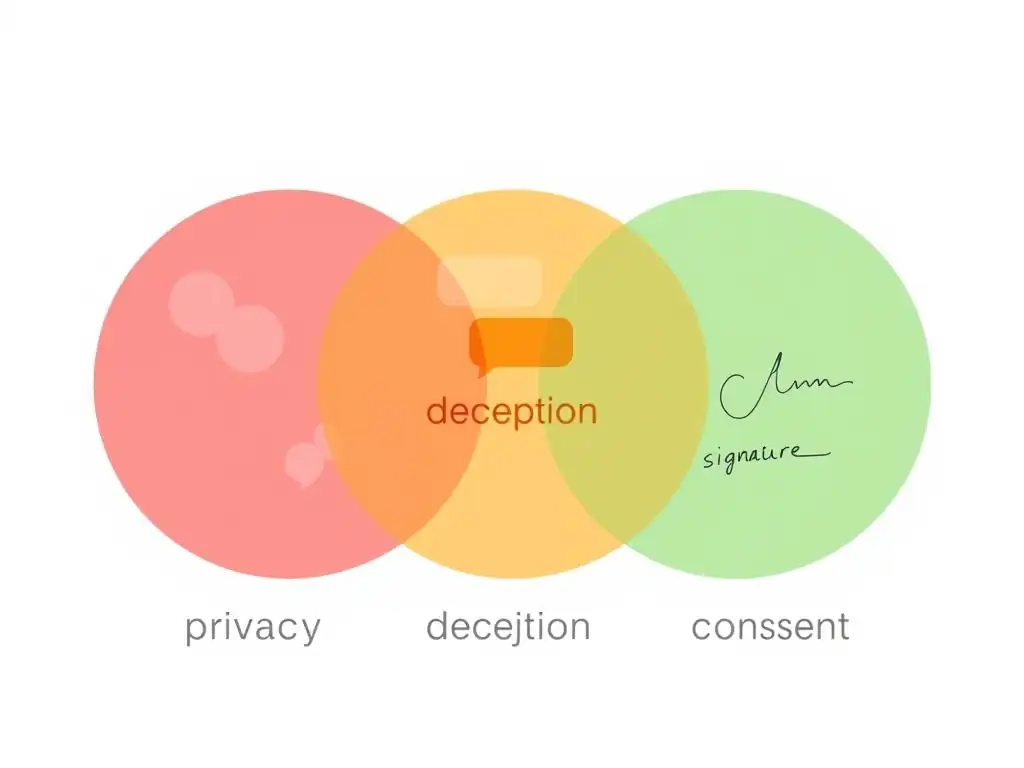
This section delves into real-world scenarios illustrating the ethical complexities of using fake profiles for "research" in online dating. We'll analyze the potential impact on user behavior and the ethical ramifications of data collection without informed consent. Understanding these case studies is crucial for navigating the murky waters of online dating fake profile ethics. The line between legitimate research and unethical deception can be surprisingly thin, and these examples highlight the importance of careful consideration.
Analyzing the impact of a fake profile on user behavior
One frequently cited justification for creating fake profiles is to understand user behavior and the dynamics of online dating platforms. However, the very act of introducing a fabricated persona can significantly distort the natural flow of interactions. For instance, consider a researcher creating a highly attractive fake profile with a meticulously crafted biography. This profile might receive an unusually high number of messages, leading to skewed data on response rates and communication patterns. The responses received wouldn't reflect genuine interactions but rather reactions to an artificially enhanced profile.
This manipulation can lead to inaccurate conclusions about factors influencing success in online dating. A study based on this skewed data might, for example, incorrectly conclude that physical attractiveness is the sole determinant of success, neglecting other factors like communication style, personality, and shared interests. Furthermore, the researcher's actions could inadvertently contribute to a culture of unrealistic expectations and potentially harmful comparisons amongst genuine users. The introduction of a "perfect" profile can negatively affect the self-esteem and confidence of real users, highlighting the significant ethical implications of such research methods.
Imagine a scenario where a researcher creates multiple fake profiles, each with a different persona (e.g., introverted, extroverted, wealthy, struggling financially). Analyzing the responses to these different personas might seem like a valuable way to gauge the impact of personality traits on online dating success. However, the data collected might not be generalizable to real-world scenarios.
The responses might be influenced by the researcher's deliberate manipulation of the profiles, rather than reflecting genuine user preferences. The potential for bias is substantial, undermining the validity and reliability of the research findings. This speaks to the need for rigorous methodological approaches that prioritize ethical considerations and avoid manipulation of user experiences.
Exploring the ethical consequences of data collection without consent
The use of fake profiles often involves the collection of personal data without the informed consent of the individuals involved. This raises serious ethical concerns, particularly concerning privacy and data protection. Users on online dating platforms expect a degree of privacy in their interactions, and the covert collection of their data through a deceptive means directly violates this expectation. This breach of trust can have significant repercussions, both for individual users and the online dating platform itself.
For example, consider a researcher who creates a fake profile to gather data on users' communication styles, including private messages. Even if the researcher anonymizes the data, the act of collecting it without consent is inherently problematic. It raises questions about the ownership and control of personal information.
The users involved haven't given their permission for their data to be used in research, potentially violating data protection regulations and ethical guidelines. Furthermore, the potential for misuse or unauthorized disclosure of this data is a significant risk. The researcher’s actions could undermine users' trust in online dating platforms and potentially expose them to unforeseen risks.
The ethical implications extend beyond individual users. The platform itself might be implicated if it facilitates the collection of data without the knowledge or consent of its users. This raises questions about the platform's responsibility to protect user privacy and its adherence to ethical data handling practices. The platform’s reputation could suffer if it is discovered to have been complicit in unethical research practices.
Consequently, a strong ethical framework is needed for online dating platforms to ensure they are not inadvertently facilitating deceptive research practices that violate user privacy and trust. The need for robust mechanisms for informed consent and data protection is paramount in addressing online dating fake profile ethics. This includes clear and transparent policies regarding data collection and usage, as well as effective measures to prevent and address unethical behavior.
This exploration of the ethical implications of using fake profiles for "research" in online dating reveals a complex interplay between the pursuit of knowledge and the protection of individual rights. While the desire to understand online dating dynamics is understandable, the methods employed must align with robust ethical standards. The potential for deception, invasion of privacy, and emotional distress underscores the need for rigorous scrutiny of research methodologies.
The ease with which fake profiles can be created and deployed, coupled with the anonymity afforded by the online environment, presents a significant challenge. It's crucial to remember that individuals on dating platforms are engaging in a vulnerable and often personal process. Their experiences and data deserve respect and protection.
The line between legitimate research and unethical manipulation is often blurred, demanding a thoughtful and responsible approach from all researchers. Ultimately, the ethical considerations surrounding online dating research should be paramount, guiding the design, implementation, and dissemination of findings. The pursuit of knowledge should never come at the expense of individual well-being and privacy.
Balancing Research Needs with Ethical Obligations in Online Dating
The tension between the need for data and the ethical obligations to participants is central to responsible online dating research. Researchers must prioritize informed consent. This means clearly outlining the purpose of the study, the methods employed, and the potential risks and benefits to participants before any data is collected. Transparency is key. Participants should be fully aware that their interactions might be part of a research project, even if their identities are anonymized.
Furthermore, researchers must adhere to strict data privacy protocols. All collected data should be securely stored and anonymized to protect the identities of participants. Consider the potential for harm: even seemingly innocuous interactions can have unintended consequences. A researcher might inadvertently cause emotional distress or damage someone's self-esteem. Robust protocols for data handling and participant protection are critical to mitigating these risks.
Ethical review boards play a crucial role in ensuring that research projects adhere to established ethical guidelines. Their review process helps to identify potential ethical pitfalls and ensures that research is conducted responsibly. For instance, a study involving the creation of numerous fake profiles should undergo particularly rigorous ethical review to assess the potential for harm and deception. The ethical considerations in online dating research are not merely theoretical; they are essential for maintaining the integrity of the research process and protecting the well-being of participants.
The Future of Ethical Data Collection in Online Dating Studies
The future of ethical data collection in online dating studies necessitates a shift toward more responsible and transparent methodologies. This includes exploring alternative data collection techniques that minimize the risk of deception and privacy violations. For example, researchers could focus on analyzing publicly available data, such as user profile information or publicly accessible posts on social media platforms. These approaches can provide valuable insights without compromising the privacy of individual users.
Another promising avenue is the use of large-scale datasets aggregated from dating apps with explicit consent from users. These datasets, if properly anonymized and ethically sourced, can offer a rich source of information for researchers. However, researchers must be particularly mindful of the potential biases embedded in these datasets. Furthermore, technological advancements in data anonymization and encryption techniques offer significant potential for enhancing data security and protecting participant privacy.
The development and application of these technologies are crucial for facilitating ethical research in this sensitive area. The focus should shift from manipulative techniques to collaborative approaches, potentially involving partnerships with dating platforms themselves to obtain ethically sourced data. This collaborative approach fosters transparency and ensures that research benefits both researchers and the online dating community.
Promoting Responsible Research Practices in the Online Dating World
Promoting responsible research practices in the online dating world requires a multi-pronged approach. Firstly, robust ethical guidelines specific to online dating research must be established and widely disseminated. These guidelines should provide clear and actionable recommendations for researchers, covering everything from informed consent procedures to data anonymization techniques. Secondly, educational initiatives targeting researchers are needed to promote awareness of ethical considerations.
Workshops, training programs, and online resources can help researchers develop the skills and knowledge necessary to conduct ethical research. Thirdly, greater collaboration between researchers, dating platforms, and ethical review boards is crucial. This collaborative effort can facilitate the development of best practices and ensure that ethical considerations are integrated into all stages of the research process. Finally, fostering open dialogue and public engagement on the ethical implications of online dating research is essential.
By engaging with the broader community, researchers can contribute to a more informed and responsible approach to studying online dating. This includes fostering transparency about research methodologies and openly discussing the potential benefits and risks associated with different approaches. Ultimately, a collective commitment to ethical research is necessary to ensure that the pursuit of knowledge in online dating respects the rights and well-being of all individuals involved. The future of online dating research depends on a shared dedication to ethical principles and responsible practices.
Frequently Asked Questions
Is it ethical to create a fake profile to "research" dating app behavior?
No, creating a fake profile to research other users is generally considered unethical. It's a breach of trust and violates most dating app terms of service. You're essentially deceiving people.
What are the potential consequences of using a fake profile on a dating app?
Consequences can range from account suspension or permanent ban to legal repercussions depending on the app's policies and the extent of your actions. Your actions could also cause emotional distress to those you interact with.
How can I ethically learn about online dating app dynamics?
Focus on observing public information and reading articles and reviews about dating app usage. You can also reflect on your own experiences and those shared by friends. Avoid deceptive practices.
What if I suspect someone is using a fake profile?
Report the profile to the dating app's support team. Provide as much evidence as possible. Be cautious about interacting with the profile, as you could become a target of harmful activity.
Does creating a fake profile for "research" ever justify the deception involved?
No, the potential harm caused by deception and invasion of privacy far outweighs any perceived benefit of gaining insights through unethical means. There are ethical and safe ways to gather information.
Final Reflection: The Lingering Shadow of Deception in Online Dating
The pervasive use of fake profiles for "research" in online dating isn't just a technical issue; it's a profound ethical breach with far-reaching consequences. The ease with which individuals can create deceptive profiles, coupled with the vulnerability of those seeking genuine connection, creates a landscape ripe for exploitation and emotional harm. This isn't simply about "playing a game"—it's about manipulating real people's hopes and desires for personal gain or data collection.
The insidious nature of this practice lies in its normalization. We've become so accustomed to curated online personas that the line between harmless embellishment and outright deception blurs. The internet is a powerful tool, but it's also a mirror reflecting our own biases and desires. We must be mindful of the impact our actions have on others, even in the seemingly anonymous world of online dating.
This quote highlights the responsibility we all bear in fostering a more authentic and respectful online environment. The erosion of trust, the potential for emotional manipulation, and the normalization of dishonesty are all significant consequences that demand our attention.
Consider the impact of this behavior on your own interactions. Are you truly present and authentic in your online dating profile? Do you actively seek out genuine connections, or are you contributing to the cycle of deception? I urge you to reflect on your own online behavior and commit to fostering a more ethical and transparent online dating experience. Let's work together to build a community where authenticity thrives and genuine connections are valued above all else.
Unmask the Truth: Take Action for Authentic Connections
Thank you for exploring the ethical complexities of using fake profiles for online dating. We hope you now better understand the potential harm and the importance of genuine interactions. Let's move forward with authenticity and respect.
- Primary Action: Commit to using only your own true profile on all dating platforms. Let's build a community based on honesty and respect.
- Report any suspicious profiles you encounter to the dating platform to help create a safer environment for everyone.
- Share this article with your friends and family to encourage conversations about ethical online dating practices and raise awareness.
What steps will you take today to foster genuine connections in the online dating world?