
Truth or Dare: The Ethical Boundaries of Sharing Personal Information Online


Ready to unlock the secrets to a safer and more successful online dating experience? At OnlineDatingSuccess.org, we empower you to navigate the complexities of modern romance. But before you dive in headfirst, consider this: are you aware of the crucial online dating safety boundaries you should be setting? Our latest article, "Truth or Dare: The Ethical Boundaries of Sharing Personal Information Online," explores this vital topic, revealing how to protect yourself while still building genuine connections. Discover the surprising truths and practical strategies to keep your heart—and your personal information—safe. Let's explore together.
- Online Dating Safety Boundaries: Defining Your Limits
- Navigating the Truth: Honesty and Transparency in Online Dating
- Dare to Be Safe: Protecting Yourself from Online Predators and Scammers
- Online Dating Safety Boundaries: Practical Tips for Safe Interactions
- The Ethical Dilemma of Sharing Location Data
- Online Dating Safety Boundaries: Long-Term Relationship Implications
-
Frequently Asked Questions
- What information is too personal to share on a dating app?
- How can I set healthy boundaries regarding communication frequency?
- What are some red flags to watch out for regarding online dating safety?
- How can I protect my identity while dating online?
- What should I do if I feel unsafe or uncomfortable during an online interaction?
- Final Reflection: Navigating the Digital Tightrope: Truth, Dare, and Online Safety
- Unlock Your Online Dating Confidence: Protect Your Privacy, Secure Your Connections
Online Dating Safety Boundaries: Defining Your Limits
Navigating the world of online dating requires more than just a captivating profile picture and witty opening lines. It demands a keen awareness of personal safety and ethical considerations. This article delves into the crucial topic of establishing and maintaining healthy boundaries when sharing personal information online, a critical aspect of "online dating safety boundaries." We'll explore the delicate balance between building genuine connections and protecting your privacy, offering practical advice to help you navigate this complex digital landscape and foster meaningful relationships while minimizing risks.
Understanding your limits and communicating them effectively is paramount to a safe and positive online dating experience. The potential for exploitation and misinformation is real, and proactive measures are essential to mitigate these threats. This guide aims to empower you with the knowledge and strategies to confidently and safely engage in online dating, ensuring your well-being and fostering healthy relationships.
Establishing Healthy Boundaries in Online Dating Profiles
Creating an online dating profile is the first step in your journey, and it's crucial to establish healthy boundaries from the outset. Your profile is your digital introduction, and it should reflect your personality and interests while safeguarding your privacy. What information is appropriate to share, and what should be kept private? The answer lies in a balanced approach. While you want to attract potential matches by being engaging and authentic, avoid oversharing sensitive details.
Consider these points when crafting your profile:
- Photos: Choose photos that showcase your personality and interests, but avoid images that reveal too much personal information, such as your home address or workplace. Opt for recent, well-lit photos that accurately represent your appearance.
- Personal Information: Be selective with personal details. Avoid revealing your full name, exact address, workplace, or other identifying information until you've established trust with a potential match. Using nicknames or initials can be a good strategy in the initial stages.
- Contact Information: Refrain from sharing your phone number, email address, or social media handles prematurely. Utilize the app's internal messaging system to communicate initially.
- Interests and Hobbies: Focus on your interests and hobbies to attract like-minded individuals. This allows for a more natural and organic connection.
Over-sharing personal information online poses significant risks. It can make you vulnerable to scams, harassment, stalking, and identity theft. Protecting your privacy is not about being secretive; it's about being smart and cautious. It's about building trust gradually and avoiding situations that could compromise your safety and security.
Here's a list of information you should never share early in online dating interactions:
- Financial Information: Never share your bank account details, credit card numbers, or social security number.
- Detailed Location Information: Avoid revealing your exact address or specific locations you frequent.
- Family Details: Refrain from sharing excessive information about your family members, especially their contact information.
- Sensitive Personal Information: Avoid discussions about deeply personal or traumatic experiences until you've built a strong level of trust and rapport with the other person.
The Risks of Over-Sharing Personal Information Online
The consequences of oversharing personal information online can be severe, ranging from minor inconveniences to significant emotional distress and even physical danger. It's essential to understand these risks and take proactive steps to mitigate them. Remember, building trust takes time, and rushing into intimacy—both emotional and physical—can leave you vulnerable.
Some potential risks include:
- Catfishing: Sharing too much personal information can make you more susceptible to catfishing, where someone creates a fake online profile to deceive you.
- Stalking and Harassment: Over-sharing can provide stalkers and harassers with the information they need to locate and target you.
- Identity Theft: Sharing sensitive personal information can lead to identity theft, where someone uses your information to commit fraud or other crimes.
- Emotional Manipulation: Over-sharing can make you vulnerable to emotional manipulation and abuse.
Remember, online safety is a continuous process. By setting clear boundaries and being mindful of what you share, you can significantly reduce your risks and enjoy a more positive and secure online dating experience.
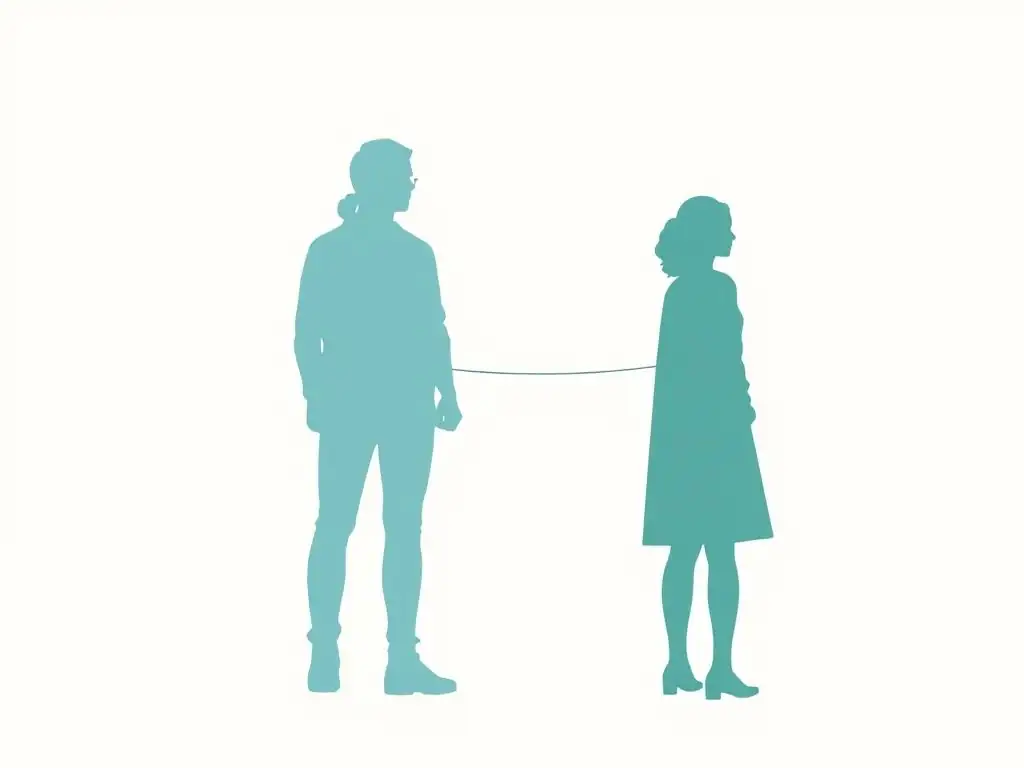
Honesty forms the bedrock of any successful relationship, and online dating is no exception. While crafting an appealing profile is crucial, it's equally important to maintain ethical boundaries regarding the information shared. Striking a balance between presenting your best self and avoiding misrepresentation is key to fostering trust and building genuine connections.
This section will explore the delicate dance between honesty and discretion in the digital realm of romance, focusing on strategies for responsible self-presentation while safeguarding personal safety and privacy. The line between harmless embellishment and outright deception can be blurry, so careful consideration is paramount to navigating this complex landscape effectively. Understanding the ethical implications of your actions is crucial for establishing healthy and lasting relationships.
Balancing Honesty with Discretion: Sharing Personal Details Strategically
Sharing personal information online requires careful consideration. While complete transparency might seem ideal, revealing too much too soon can pose significant risks. Instead of immediately divulging your full address, workplace details, or children's names, focus on building rapport gradually. Start by sharing general interests and lifestyle details, allowing a natural progression of disclosure as trust develops. This approach minimizes vulnerability and allows you to assess the other person's intentions before sharing more sensitive information.
Think of it like peeling an onion – you reveal layers gradually. Initially, focus on broad aspects of your life – your hobbies, career field, travel experiences. As the relationship progresses and you feel more comfortable, you can share more specific details. This measured approach not only protects your safety but also allows for a more authentic connection, as the relationship builds organically rather than being based on premature, potentially misleading, disclosures. Remember, online dating safety boundaries are not just about protecting yourself from harm; they're also about cultivating a healthy, respectful relationship built on mutual trust and respect.
Remember, it's perfectly acceptable to hold back certain details until you've established a strong connection. For example, you might wait to reveal your exact location until you've met in person a few times. This approach prioritizes your safety while allowing you to present yourself honestly without compromising your security. This strategic approach to information sharing is a key element of online dating safety boundaries.
The Ethical Implications of Misrepresentation in Online Dating Profiles
Misrepresentation, whether intentional or unintentional, can have severe ethical and practical consequences in online dating. Exaggerating your height, age, or professional achievements might seem like harmless enhancements, but they erode trust and create a foundation of falsehoods. This can lead to disappointment, hurt feelings, and even potentially dangerous situations if the misrepresentation is significant enough to create a false sense of security in meeting offline. The practice of "catfishing," where individuals create entirely false profiles, is an extreme example of this unethical behavior and poses serious safety risks.
Consider the impact of even seemingly small misrepresentations. For instance, using an outdated photo or claiming a skill you don't possess can create unrealistic expectations and lead to a disappointing first meeting. Building a relationship on a foundation of lies is unsustainable; honesty is essential for creating a lasting and meaningful connection. Moreover, misrepresentation can have legal implications, particularly if it involves financial fraud or other forms of deception. Maintaining online dating safety boundaries necessitates complete honesty and transparency. Remember, authenticity is attractive. Your genuine self is far more appealing than a carefully constructed, false persona.
The long-term consequences of misrepresentation often outweigh any perceived short-term benefits. Building a relationship based on honesty and authenticity not only fosters trust but also leads to more fulfilling and meaningful connections. This ethical approach is crucial for navigating the complexities of online dating and cultivating healthy relationships.
Building Trust Through Authenticity: A Foundation for Successful Relationships
Authenticity is the cornerstone of any successful relationship, both online and offline. Presenting yourself honestly and respectfully, while maintaining appropriate safety boundaries, allows for genuine connections to flourish. By being true to yourself and your values, you attract individuals who appreciate and respect you for who you truly are, rather than a fabricated version. This authenticity fosters trust and creates a safe space for open communication and vulnerability.
This doesn't mean you have to reveal every detail of your life immediately. Instead, focus on presenting a truthful and accurate representation of yourself, gradually sharing more personal information as the relationship progresses and trust is established. This measured approach protects your safety and allows for a more organic and meaningful connection. Remember, online dating safety boundaries and building trust go hand in hand.
Protecting your personal information while being genuine in your interactions will create a safer and more fulfilling dating experience. The key is to find the balance between showcasing your best self and maintaining ethical and safe practices throughout the process. This approach ensures a positive and rewarding online dating journey.
Dare to Be Safe: Protecting Yourself from Online Predators and Scammers
Online dating offers exciting possibilities for connection, but it also presents inherent risks. Understanding and establishing clear online dating safety boundaries is crucial for protecting yourself from potential harm. This section focuses on recognizing red flags, practicing safe communication, and reporting suspicious behavior to maximize your safety while navigating the digital dating world. Remember, your safety is paramount, and being cautious is not being cynical; it's being smart.
Recognizing Red Flags: Identifying Potentially Dangerous Interactions
Identifying potentially dangerous interactions early on is key to preventing harm. Predators and scammers often employ manipulative tactics to gain your trust and access your personal information. Some common red flags include:
- Inconsistent or evasive answers: Do they avoid answering direct questions about their life or background? Do their stories seem fabricated or contradictory? This could indicate deception.
- Pressure for quick commitment: Be wary of individuals who push for a fast-paced relationship or immediate personal sharing. Healthy relationships develop organically.
- Excessive flattery or idealization: Unrealistic praise and admiration should raise concerns. Legitimate interest involves appreciating your authentic self, not an idealized version.
- Requests for financial assistance: This is a classic scam tactic. Legitimate partners will not ask for money, especially early in a relationship.
- Sudden disappearance and reappearance: Inconsistency in communication patterns, disappearing for long periods, then reappearing with apologies, can be a sign of manipulation.
- Overly personal questions too early: While some sharing is natural, be cautious of excessive probing into sensitive areas before establishing trust.
- Pressure to meet in person quickly, in isolated locations: Always prioritize safety and meet in public places for initial dates. Never meet someone alone in a secluded area, especially if you haven't verified their identity.
Remember, your intuition is a powerful tool. If something feels off or makes you uncomfortable, trust your gut and disengage. Prioritizing your safety should always take precedence.
Safe Communication Practices: Protecting Your Identity and Information
Protecting your personal information is a fundamental aspect of online dating safety. Never share sensitive details like your full address, place of work, or financial information with someone you've only met online. Here are some practical steps for safe communication:
- Use a dedicated email address and phone number: Avoid using your primary contact information to maintain privacy.
- Video chat before meeting in person: This helps verify the person's identity and build trust. Be cautious, however, as sophisticated deepfakes are emerging.
- Reverse image search profile pictures: Verify that the images used aren't stolen from another source.
- Share locations cautiously: Only share your general location, and never disclose the exact address of your home or workplace.
- Avoid sharing explicit photos or videos: This can be used against you for blackmail or harassment.
- Be aware of phishing attempts: Be wary of suspicious links or requests for personal information.
- Maintain a healthy level of skepticism: Trust, but verify. Don't blindly accept everything you read online.
By following these simple guidelines, you can significantly reduce your risk of becoming a victim of online scams or harassment.
Reporting Suspicious Behavior: Utilizing Dating App Safety Features
Most dating apps offer safety features to report suspicious activity. Familiarize yourself with these tools and use them without hesitation if you encounter any inappropriate behavior. Reporting helps protect other users and can contribute to improved app safety measures. Here’s what to do:
- Block and report users: Utilize the blocking and reporting features provided by the dating app. These features allow you to cut off contact and flag potentially harmful individuals.
- Save evidence: Screenshots of messages, profiles, or any other relevant information can be crucial when filing a report.
- Contact law enforcement: If you feel threatened or believe you're a victim of a crime, contact local law enforcement immediately.
- Review app privacy settings: Regularly review and adjust your privacy settings on the dating apps you use to control the information you share.
Remember, your safety is a shared responsibility. By being proactive, practicing safe communication, and utilizing available resources, you can significantly enhance your online dating experience while minimizing potential risks. Being cautious is a sign of intelligence, not a lack of trust. Prioritize your well-being, and dare to be safe.
Online Dating Safety Boundaries: Practical Tips for Safe Interactions

This section delves into the crucial aspect of establishing and maintaining online dating safety boundaries. Navigating the digital world of romance requires a proactive approach to protecting your personal information and emotional well-being. Understanding and implementing these boundaries is paramount for a positive and safe online dating experience. Remember, your safety and security are non-negotiable. Prioritizing these boundaries isn't about being overly cautious; it's about being smart.
Secure Communication Channels: Choosing Safe Platforms for Interaction
Choosing the right platform for initial contact significantly impacts your online dating safety boundaries. Avoid sharing personal contact information (phone numbers, email addresses, physical addresses) prematurely. Many dating apps offer built-in messaging systems; utilize these features initially. This allows for a controlled environment where interactions are monitored (to some extent) by the platform itself, offering a layer of protection against unwanted advances or scams.
Consider the following when selecting communication channels:
- App-Based Messaging: Prioritize the platform's messaging system for initial conversations. This provides a record of your interactions and a degree of security.
- Email: Only use email after establishing trust and verifying identities. Avoid using your primary email address initially. Consider creating a dedicated email address specifically for online dating.
- Phone Calls: Only proceed to phone calls after significant interaction within a secure platform and after confirming their identity.
- Social Media: Exercise extreme caution. Don't connect with someone on social media until you've met in person and feel entirely comfortable. Sharing too much social media information early on can compromise your privacy.
Remember, rushing into sharing personal contact information can compromise your safety. Take your time, prioritize secure channels, and trust your instincts. If something feels off, it probably is.
Verifying Identities: Strategies for Ensuring Authenticity
Verifying the authenticity of online profiles is critical for online dating safety boundaries. While it’s impossible to completely eliminate the risk of encountering fake profiles, taking proactive steps significantly reduces the likelihood. Catfishing and scams are prevalent; don't become a victim.
Here are some effective strategies for verifying identities:
- Reverse Image Search: Use a reverse image search (available through Google, TinEye, etc.) to check if the profile picture is stolen from another source. Inconsistencies should raise red flags.
- Social Media Checks (with caution): If they provide social media handles, perform a cautious search. Look for inconsistencies between their online dating profile and their social media presence. Be aware that profiles can be easily manipulated.
- Video Calls: Suggest a video call early in the conversation. This can help confirm their identity and build trust. Pay attention to their surroundings and demeanor. Are they consistent with their profile?
- Ask Open-Ended Questions: Engage in conversations that reveal details about their life and experiences, and then verify those details independently. Discrepancies are a warning sign.
Remember, a genuine profile will be consistent across multiple platforms. If you encounter inconsistencies or evasiveness, it's essential to exercise caution and prioritize your safety.
Managing Expectations: Avoiding Disappointment and Protecting Your Emotional Well-being
Setting realistic expectations is a vital component of online dating safety boundaries, often overlooked. Protecting your emotional well-being requires establishing clear boundaries about what you're looking for and what you're comfortable sharing.
Consider these points for managing expectations:
- Avoid Idealization: Don't idealize the person based on their online profile. Remember that online profiles often present an idealized version of reality.
- Gradual Disclosure: Gradually share personal information as you build trust. Avoid oversharing early in the process.
- Respect Your Needs: Don't feel pressured to respond immediately or engage in activities you're uncomfortable with. Your time and emotional well-being are valuable.
- Recognize Red Flags: Pay attention to red flags such as inconsistencies in their story, pressure to move quickly, or requests for financial assistance. These are warning signs that should not be ignored.
Prioritizing your emotional well-being is just as important as your physical safety. Establish clear boundaries, communicate your needs effectively, and don't hesitate to end contact if something feels wrong. Remember, a healthy relationship is built on mutual respect and trust, not pressure or manipulation. Your online dating experience should be positive and empowering.
The Ethical Dilemma of Sharing Location Data
Online dating safety boundaries are often blurred by the convenience of location-based features. Many dating apps leverage GPS data to connect users geographically, promising increased chances of meeting someone nearby. However, this convenience comes with significant ethical dilemmas and considerable risks to personal safety. The seemingly innocuous act of sharing your location opens doors to potential dangers, highlighting the crucial need for informed consent and responsible use of these features. This section explores the ethical considerations surrounding location sharing in online dating, offering practical strategies to mitigate associated risks.
Balancing Convenience with Safety: Weighing the Risks of Location Sharing
The allure of location-based matching is undeniable. It streamlines the dating process, connecting individuals who are physically proximate and potentially available for in-person meetings. However, this convenience must be carefully weighed against the potential risks. Sharing your precise location with strangers, even those vetted through an app's verification processes, introduces vulnerabilities.
Consider this scenario: A user shares their home address inadvertently through location data, potentially exposing themselves to stalking or harassment. Even seemingly harmless location sharing, such as revealing your workplace or frequented cafes, can compromise personal safety. The key lies in understanding the trade-off between ease of connection and the potential for exploitation.
Many users underestimate the persistence of location data; even after deleting an app, some services may retain location history. This highlights the importance of being fully aware of the app's privacy policy and data retention practices before enabling location services. A mindful approach to location sharing is crucial for navigating the ethical complexities of online dating.
Protecting Your Physical Safety: Strategies for Minimizing Location-Based Risks
Protecting your physical safety in the context of online dating requires proactive measures, especially when sharing location data. Here are some key strategies to minimize location-based risks:
- Limit Location Sharing: Only share your general location (city or region) initially, avoiding precise coordinates until you've established trust and met in person in a public place.
- Use Location-Sharing Features Sparingly: Turn off real-time location sharing unless actively meeting someone. Many apps allow temporary location sharing for the duration of a date, offering a safer alternative to continuous tracking.
- Verify Profiles Thoroughly: Before sharing any location information, carefully examine the profile for inconsistencies or red flags. Look for verified accounts and cross-reference profile details on other social media platforms.
- Meet in Public Places: Always choose well-lit, public locations for first dates. Inform a trusted friend or family member of your plans, including the date's name, time, and location.
- Maintain Awareness: Be mindful of your surroundings during dates and trust your instincts. If something feels off, leave immediately and contact someone you trust.
- Review App Privacy Settings: Regularly review your app's privacy settings to ensure location sharing is appropriately configured and data is not unnecessarily retained. Opt out of unnecessary data collection whenever possible.
- Control your online presence: Be cautious about sharing too much personal information on social media platforms, as this information can be easily cross-referenced with your dating profile.
Implementing these safety measures can significantly reduce the risks associated with location sharing in online dating.
Responsible Use of Location-Based Dating Apps
Responsible use of location-based dating apps goes beyond simply understanding risks. It involves actively participating in creating a safer online dating environment. This includes:
- Reporting Inappropriate Behavior: If you encounter harassing or threatening behavior, report it immediately to the dating app and relevant authorities.
- Educating Others: Share safety tips and best practices with your friends and acquaintances who use online dating platforms. Open communication about online dating safety boundaries is crucial.
- Advocating for Improved App Safety Features: Encourage dating app developers to implement stronger safety measures, such as improved verification processes and more robust reporting mechanisms.
- Promoting Ethical Online Interactions: Treat others with respect and kindness, fostering a culture of safety and accountability within the online dating community.
By embracing a responsible and ethical approach to location sharing and actively promoting a culture of safety, we can collectively strive for a more secure and positive online dating experience. Remember, online dating safety boundaries are not just about protecting yourself; they are about creating a community where everyone feels safe and respected.
Online Dating Safety Boundaries: Long-Term Relationship Implications

Establishing clear online dating safety boundaries isn't just about immediate safety; it significantly impacts the potential for long-term relationship success. Sharing too much too soon can create an imbalance of power, hinder genuine connection, and ultimately damage the foundation of a lasting relationship. Conversely, maintaining appropriate privacy can foster trust and intimacy in a healthy and sustainable way. This section explores the crucial link between online safety boundaries and the development of meaningful, long-term partnerships. Understanding these implications is key to navigating the complexities of online dating and building healthy relationships.
Building Trust and Intimacy: The Role of Open Communication
Open and honest communication is paramount in building trust and intimacy, both online and offline. However, the pace at which personal information is shared is crucial. Revealing sensitive details prematurely can make a potential partner feel overwhelmed or even manipulated. Think of it like peeling an onion – you reveal layers gradually, allowing the relationship to deepen organically.
For example, sharing your full address on the first date, or revealing details about your finances before you've established a significant level of trust, is generally considered a breach of online dating safety boundaries. Instead, focus on building rapport through shared experiences and meaningful conversations. Gradually reveal personal information as the relationship progresses and the level of trust increases. This approach fosters a sense of security and allows for a more authentic connection.
Remember, building trust is a process, not a race. Prioritizing open and honest communication, while respecting the need for gradual self-disclosure, cultivates a healthier and more sustainable relationship. This approach aligns perfectly with establishing strong online dating safety boundaries, which are essential for long-term relationship success.
Maintaining Privacy After Establishing a Relationship
Even after a relationship has transitioned from the online dating phase to a committed partnership, maintaining certain privacy boundaries remains essential. While intimacy involves sharing personal aspects of your life, it's important to distinguish between healthy sharing and compromising your personal safety or autonomy. This is particularly true in the digital age, where information can be easily shared and potentially misused.
For instance, simply because you're in a relationship doesn't mean you need to give your partner access to all your social media accounts or passwords. Maintaining some level of individual digital space fosters a sense of independence and respect within the partnership. Open communication about privacy expectations is key – discussing what feels comfortable and safe for both individuals is vital for a healthy relationship dynamic. This ongoing dialogue helps reinforce the importance of maintaining online dating safety boundaries, even within a committed relationship.
Addressing Privacy Concerns in Long-Term Online Relationships
Long-term online relationships present unique challenges regarding privacy. The ongoing exchange of information and the potential for digital footprints to persist require careful consideration. Maintaining healthy boundaries involves regular reflection and adjustments as the relationship evolves. It's important to be mindful of the information you're sharing online, even within the context of a long-term relationship.
Consider the potential risks associated with oversharing on social media. Publicly displaying excessive details about your relationship, such as constantly posting intimate photos or disclosing personal information, can compromise your privacy and potentially create vulnerabilities. Remember, even in a committed relationship, preserving a degree of personal privacy is essential. This proactive approach strengthens the relationship by fostering mutual respect and trust, aligning perfectly with the principles of online dating safety boundaries. Regular conversations about privacy concerns are crucial for navigating the evolving landscape of online interactions and ensuring a healthy and secure long-term relationship.
Frequently Asked Questions
Sharing highly sensitive information like your full address, workplace address, or bank details is never recommended. Limit sharing to publicly accessible information and proceed cautiously.
How can I set healthy boundaries regarding communication frequency?
Establish clear expectations early on. Communicate your availability and respect your own need for space. Don't feel pressured to respond instantly or constantly.
What are some red flags to watch out for regarding online dating safety?
Be wary of individuals who are evasively answering questions about themselves, pressure you for personal information too soon, or seem overly eager to meet offline quickly. Trust your instincts.
How can I protect my identity while dating online?
Use a separate email address dedicated to online dating, avoid sharing your full name immediately, and reverse-image search photos to check for authenticity. Be cautious about sharing your social media profiles.
What should I do if I feel unsafe or uncomfortable during an online interaction?
Block and report the user immediately. Save any evidence of inappropriate behavior (screenshots, messages). Reach out to a trusted friend or family member for support.
The ease with which we share personal information online has created a double-edged sword: connection and vulnerability exist side-by-side. This seemingly simple act of sharing – a photo, a location, a detail about our lives – can have profound consequences, impacting our safety, relationships, and even our mental well-being. The digital world demands a new level of awareness and caution, a constant negotiation between openness and protection.
The impact of this digital intimacy on our social landscape is undeniable. We've seen a rise in online harassment, catfishing, and identity theft, all stemming from the blurred lines between what we share and what we should protect. The internet is a powerful tool, but it's also a wild west. We need to be responsible for our own safety and the safety of others online.
This quote, though simple, highlights the crucial responsibility we all bear in shaping a safer digital environment. The constant evolution of technology and social media platforms necessitates a continuous reevaluation of our online boundaries, a commitment to informed decision-making, and a proactive approach to safeguarding our personal information.
You, the reader, are now equipped with a deeper understanding of the ethical considerations surrounding online sharing. Consider your own digital footprint. What information are you sharing? Are you comfortable with the potential consequences? Take a moment to review your privacy settings, to reassess your online interactions, and to consciously cultivate healthier, safer habits. Embrace the power of informed consent and mindful sharing; your digital well-being depends on it.
Unlock Your Online Dating Confidence: Protect Your Privacy, Secure Your Connections
Thank you for exploring the complexities of sharing personal information online! You've gained valuable knowledge to navigate the digital dating world safely. Ready to apply this wisdom?
- Prioritize Privacy: Carefully review your social media privacy settings and adjust them to your comfort level. This simple step significantly reduces your vulnerability.
- Share Selectively: Don't rush into revealing sensitive details. Build trust gradually with potential matches before disclosing personal information.
- Share Your Knowledge: Discuss online dating safety with friends and family. Share what you've learned and help others stay safe.
Have you considered the long-term effects of oversharing online? Let's discuss your strategies in the comments!