
The Fine Line: Balancing Privacy and Safety in Online Dating


Welcome to OnlineDatingSuccess.org, your guide to navigating the exciting yet complex world of online dating. Are you ready to find genuine connections but unsure how to prioritize safety without sacrificing your chances of success? This site is dedicated to helping you build meaningful relationships. We'll explore the intriguing balance between privacy and safety, starting with our essential online dating safety tips – crucial knowledge for anyone venturing into the digital dating scene. Discover how to confidently present yourself, connect authentically, and ultimately, find the relationship you deserve. Let's dive in!
- Understanding Online Dating Risks: Protecting Your Personal Information
- Building a Safe Online Dating Profile: Strategies for Privacy
- Safe Communication Practices for Online Daters: Secure Messaging
- Maintaining Privacy During and After the Dating Process
- Online Dating Safety Tips: Resources and Further Information
-
Frequently Asked Questions
- How can I protect my personal information while online dating?
- What are some red flags to watch out for in online dating profiles?
- How can I stay safe when meeting someone I've met online for the first time?
- What should I do if I feel uncomfortable or threatened by someone I've met online?
- Are there any apps or websites that offer better safety features than others?
- Final Reflection: Navigating the Digital Landscape of Love
- Unlock Your Safe & Secure Dating Journey
Understanding Online Dating Risks: Protecting Your Personal Information
Navigating the world of online dating presents exciting possibilities for connection and romance. However, it's crucial to acknowledge the inherent risks involved and prioritize your safety and privacy. This article delves into the fine line between sharing enough information to attract potential partners and safeguarding yourself from scams, harassment, and identity theft. We'll explore practical strategies to help you balance these competing needs, allowing you to enjoy the benefits of online dating while minimizing potential dangers.
Understanding these risks is the first step towards building a positive and secure online dating experience. The prevalence of online dating has unfortunately also increased the opportunities for malicious actors, making proactive safety measures absolutely essential for a successful and, more importantly, safe online dating journey. This guide focuses specifically on providing concrete "online dating safety tips" to help you navigate this landscape with confidence.
Common Online Dating Scams and How to Avoid Them
Online dating scams are distressingly common, preying on the hopes and vulnerabilities of those seeking connection. These scams can range from minor inconveniences to significant financial and emotional losses. One prevalent tactic involves creating fake profiles with stolen photos and fabricated identities. These profiles often lure victims with promises of romance, eventually requesting money, gifts, or personal information under various pretexts. Another common scam involves phishing attempts, where scammers try to trick you into revealing your login credentials or banking details by posing as legitimate dating platforms or individuals.
Here's a breakdown of common red flags to watch out for:
- Requests for money or financial assistance: Legitimate partners won't demand money or financial help early in the relationship.
- Inconsistencies in their profile or communication: Be wary of profiles with limited information, inconsistent stories, or grammatical errors.
- Pressure to move the conversation off the dating platform quickly: Scammers often try to steer conversations to less secure platforms to avoid detection.
- Overly romantic or passionate communication early on: Be cautious of individuals who profess intense feelings too quickly.
- Vague or evasive answers to your questions: Genuine individuals are generally open and forthcoming about their lives.
To avoid these scams, follow these practical steps:
- Verify profiles: Use reverse image search to check if profile photos are stolen.
- Be cautious about sharing personal information: Avoid revealing sensitive details like your address, full name, or workplace until you've met in person and established trust.
- Report suspicious profiles: Use the reporting features on the dating platform to flag potentially fraudulent accounts.
- Trust your instincts: If something feels off, it probably is. Don't hesitate to end communication.
- Use secure communication methods: Stick to the dating platform's messaging system as long as possible.
Protecting Your Location and Identity Online
Protecting your location and identity is paramount to your safety while online dating. Sharing too much information about your whereabouts can make you vulnerable to stalking or harassment. Similarly, revealing sensitive personal details can lead to identity theft or other serious consequences.
Here are some key strategies to safeguard your location and identity:
| Strategy | Description |
|---|---|
| Avoid sharing your full address: | Never disclose your exact address until you've met in person and feel completely safe. |
| Use a separate email address: | Create a dedicated email address for online dating to keep your personal inbox separate. |
| Be cautious about sharing photos: | Avoid posting images that reveal identifying details, such as your home address, workplace, or license plate numbers. |
| Don't share your workplace: | Revealing where you work can make you more vulnerable to stalking or harassment. |
| Meet in public places: | Always arrange your first few meetings in well-lit, public areas where you feel safe and comfortable. |
| Let someone know your plans: | Inform a friend or family member about your date, including the time, location, and the person's name and contact information. |
Remember, protecting your information is an ongoing process. Regularly review your privacy settings on dating apps and websites.
Sharing personal information is an inevitable part of forming connections, but it's crucial to do so responsibly and cautiously. The key is to gradually disclose information as you build trust and rapport with someone. Avoid oversharing early on, and always prioritize your safety and comfort.
Here are some guidelines for responsible information sharing:
- Start with general information: Begin by sharing basic details about yourself, your interests, and your goals.
- Verify information: Always cross-check details and information provided by your potential date, using reverse image searches and other online tools.
- Meet in person before sharing sensitive information: Don't reveal sensitive information, like your address or place of work, until you've met in person and are certain that the person you're communicating with is who they say they are.
- Trust your gut: If something feels wrong or uncomfortable, don't hesitate to end communication. Your safety and well-being are paramount.
- Take your time: Getting to know someone takes time. Don't rush the process, and be wary of anyone who pushes you to share information you're not comfortable with. Remember, building a meaningful relationship requires trust, patience, and careful consideration.
By following these guidelines and prioritizing your safety, you can enjoy the benefits of online dating while minimizing risks. Remember, a balance between openness and caution is key to a successful and secure online dating experience.
Building a Safe Online Dating Profile: Strategies for Privacy
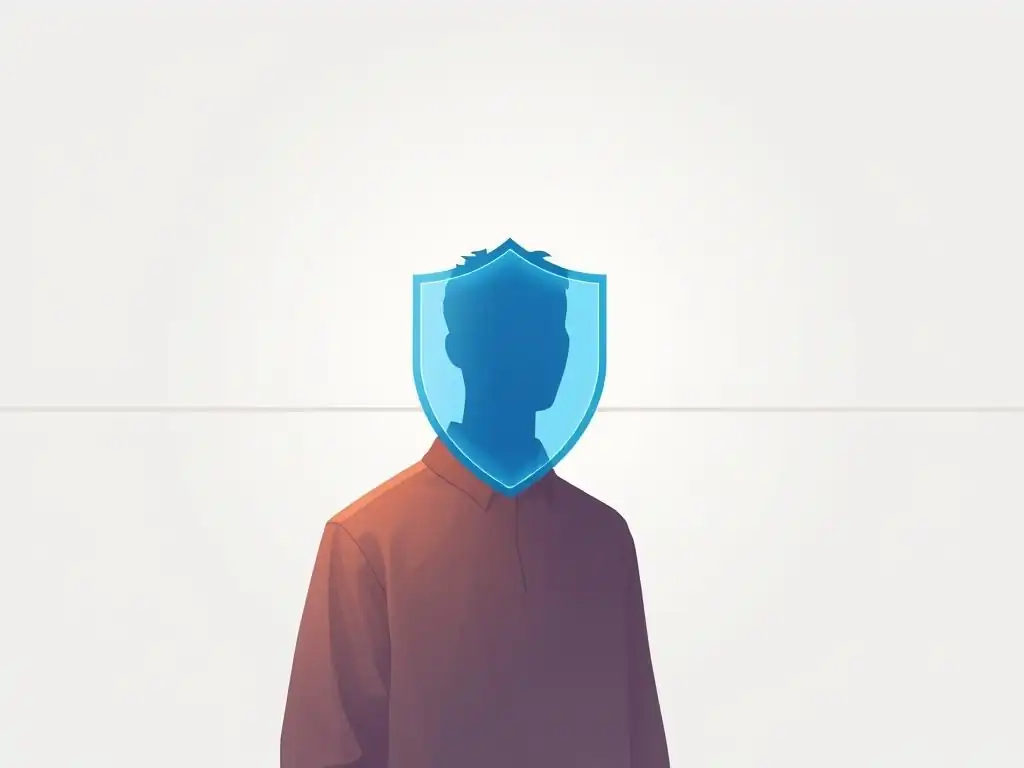
Building a successful online dating profile requires a delicate balance. You want to attract genuine matches, showcasing your personality and interests, but you also need to prioritize your safety and privacy. This section focuses on practical strategies to achieve this balance, minimizing your risk while maximizing your chances of connecting with compatible individuals. The goal is to present enough information to spark interest without revealing too much personal data that could compromise your safety. Effective profile management is crucial for online dating safety tips.
Crafting a Profile that Attracts Genuine Matches While Minimizing Risk
Creating an engaging profile is paramount, but avoid oversharing. Instead of listing your exact address or workplace, use more general descriptions. For example, instead of "I work at Acme Corp on Main Street," try "I work in the tech industry in a vibrant city center." Similarly, mentioning your neighborhood instead of your street address provides context without compromising your location.
Remember, your profile is a marketing tool for you. Focus on highlighting your positive qualities and interests. Use descriptive language that paints a picture of your personality and lifestyle without revealing sensitive information. Instead of saying "I love hiking in the mountains near my house," consider "I'm an avid hiker and enjoy exploring the stunning natural landscapes nearby." This approach provides a sense of your personality and interests without divulging specific location details.
Consider what information is truly necessary for a potential match to connect with you. Focus on your passions, values, and goals. A well-crafted profile that emphasizes these aspects will attract individuals who share your interests, leading to more meaningful connections. This approach is more effective and safer than revealing potentially sensitive personal details. Remember, you can always share more information as you get to know someone better offline.
Using Pseudonyms and Anonymous Profile Pictures Strategically
While using a pseudonym might seem extreme, it can offer a significant layer of protection in the initial stages of online dating. Consider using a variation of your real name or a completely different name altogether, but ensure it's easy to remember and pronounce. This allows you to participate in online dating without directly linking your profile to your public online presence. Remember to maintain consistency across all your online dating platforms to avoid confusion.
Using anonymous profile pictures is another effective strategy. This doesn't necessarily mean using a blurry picture; it means being mindful of the information the picture conveys. Avoid pictures that clearly show your house, car, or other identifying features. Opt for pictures that focus on your face and upper body, taken in neutral backgrounds. You could use a picture from a vacation that doesn't reveal your current location, or a professional headshot. This helps protect your identity while allowing you to present yourself in a positive light. This smart approach is one of the most important online dating safety tips.
Managing Your Online Presence: Privacy Settings and Controls
Most online dating platforms offer robust privacy settings. Take the time to understand and utilize these features. This includes carefully managing who can see your profile, contact you, and access your information. Limit the visibility of your profile to only those you've matched with or expressed interest in. This helps prevent unwanted contact and protects your personal information from prying eyes.
Regularly review your privacy settings. Dating apps and websites frequently update their features, and it's important to stay up-to-date on the latest privacy controls. Consider reviewing your privacy settings at least once a month to ensure you maintain the level of protection you desire. Furthermore, be mindful of the information you share on other social media platforms.
Avoid posting details that could easily be used to identify you on a dating site. This proactive approach is a key aspect of online dating safety tips. By carefully managing your online presence and utilizing privacy controls, you can significantly reduce your risk while still enjoying the benefits of online dating.
Safe Communication Practices for Online Daters: Secure Messaging
Online dating safety tips extend far beyond simply choosing the right platform. Secure communication is paramount, forming the bedrock of a safe and positive online dating experience. Failing to prioritize secure messaging can expose you to various risks, from identity theft to unwanted harassment. This section will focus on practical strategies for mitigating these risks. Remember, your safety is your responsibility, and proactive measures are key.
Recognizing and Avoiding Red Flags in Online Communication
Early detection of problematic behavior is crucial. Red flags in online communication can manifest in numerous ways, often subtle at first. Learning to identify these signs is a critical online dating safety tip. For example, excessive flattery or overly persistent messaging, especially when you've expressed disinterest, should raise concerns.
Pressure to share personal information quickly, particularly financial details or home addresses, is a major red flag. Inconsistencies in their stories or evasiveness when asked direct questions should also be noted. Beware of individuals who are constantly changing their communication style or who seem to have multiple online profiles. Remember, trust your instincts; if something feels wrong, it probably is.
Analyzing communication patterns for inconsistencies is a crucial element of online dating safety. For instance, a significant shift in tone or a sudden increase in intimacy requests without prior establishment of trust should be viewed with caution. Always prioritize your safety and well-being above all else.
Verifying Profiles and Background Checks: Tools and Techniques
While not foolproof, verifying profiles and conducting background checks can significantly enhance your online dating safety. Many platforms offer limited verification options, but thorough background checks often require external resources. These might include using reverse image search tools to check if profile pictures are genuine and haven't been lifted from elsewhere. You could also use readily available public record databases to verify information provided by potential dates, though the depth of information varies by location and the information provided.
Bear in mind that some information might be unavailable or inaccurate, but this initial verification step can provide valuable insights and potentially save you from dangerous encounters. Remember, online dating safety is about being proactive and informed. The goal isn't necessarily to eliminate all risk, but to mitigate it significantly. It's about using available tools responsibly and effectively.
Choosing Safe Meeting Locations and First Date Safety Tips
Even after careful communication and profile verification, meeting in person requires additional safety precautions. Never meet at your home or theirs for a first date. Instead, opt for well-lit, public places with plenty of people around. Inform a trusted friend or family member about your plans, including the date's name, where you're meeting, and when you expect to be back.
Share your location in real-time with them, using apps designed for this purpose. During the date itself, be mindful of your surroundings and maintain awareness of your personal safety. Avoid excessive alcohol consumption, which can impair your judgment and make you more vulnerable. Trust your instincts; if at any point you feel uncomfortable or unsafe, leave immediately and contact your support network.
Remember, a successful online dating experience is built on mutual respect and a shared commitment to safety. Prioritizing safety doesn't diminish the potential for connection; rather, it enhances it by creating a foundation of trust and respect. These online dating safety tips are designed to empower you to make informed choices and navigate the world of online dating with confidence.
Maintaining Privacy During and After the Dating Process

This section focuses on practical strategies for maintaining your privacy throughout your online dating journey, from initial profile creation to the conclusion of a relationship. Remember, your safety and well-being are paramount. Effective privacy management is not just about security; it's about controlling your narrative and protecting your emotional well-being. Let's explore some key aspects of safeguarding your personal information.
Protecting Your Data After a Date or Relationship Ends
Ending a relationship, even one formed online, can be emotionally challenging. However, it's crucial to remember that the digital footprint you've shared remains. Taking proactive steps to protect your data is essential for your safety and peace of mind. This includes:
- Removing shared photos: Delete any photos you shared on social media platforms or through messaging apps that might reveal your location or personal details. Remember to check both your own accounts and those of your ex-partner. Consider using privacy settings that limit access to your photos to only approved individuals.
- Deleting contact information: Remove phone numbers, email addresses, and any other contact information you may have shared. This might seem obvious, but it's a crucial step often overlooked in the emotional aftermath of a breakup.
- Reviewing social media connections: Unfriend or unfollow your ex-partner on all social media platforms. This limits their access to your updates and prevents them from potentially using your information in a harmful way.
- Updating privacy settings: After a relationship ends, review your privacy settings on all dating apps and social media platforms. Tighten security measures, limit access to your profile, and be mindful of the information you're sharing publicly. Remember, even seemingly harmless details can be pieced together to compromise your privacy.
- Reporting and blocking: If you experience any harassment or stalking after the relationship ends, immediately report the behavior to the respective platforms and block the individual. Consider saving evidence of their actions for potential future use.
Reporting Suspicious Activity and Online Harassment
Online dating safety necessitates a proactive approach to reporting suspicious behavior. Don't hesitate to report anything that makes you feel uneasy. Many platforms have robust reporting mechanisms in place to address these concerns. Here's what to consider:
- Identifying suspicious profiles: Be vigilant about profiles that seem fake, use stock photos, or have inconsistent information. Report these profiles to the platform immediately. Remember, reporting suspicious activity protects not only you but also other users.
- Documenting harassment: If you experience online harassment, save screenshots, messages, and any other relevant evidence. This documentation is crucial when reporting incidents to the platform and potentially to law enforcement.
- Using platform reporting tools: Most dating platforms offer clear guidelines and tools for reporting inappropriate behavior. Familiarize yourself with these tools and don't hesitate to use them. Your safety is a priority.
- Seeking external support: If you're experiencing significant online harassment or feel unsafe, seek support from friends, family, or professional organizations specializing in online safety and abuse. Remember, you're not alone.
The Importance of Digital Detox and Managing Online Fatigue
The constant connectivity of online dating can lead to online fatigue and negatively impact your mental well-being. Taking regular breaks is crucial for maintaining a healthy balance. Consider these strategies:
- Scheduling breaks: Set aside specific times each day or week to disconnect from dating apps and social media. Use this time to engage in activities that nourish your mind and body, such as spending time in nature, exercising, or pursuing hobbies.
- Limiting screen time: Be mindful of how much time you're spending on your phone or computer. Use apps that track your screen time to identify areas where you can reduce your online activity.
- Prioritizing real-life connections: Nurture your relationships with friends and family. These real-life connections provide a crucial counterbalance to the virtual world of online dating. Remember, meaningful relationships are built on genuine interactions, not just digital ones.
- Practicing mindfulness: Engage in mindfulness practices, such as meditation or deep breathing exercises, to help manage stress and improve your overall well-being. This can help you approach online dating with a healthier perspective. Remember, your mental health is just as important as your online safety. 🧘♀️
Online Dating Safety Tips: Resources and Further Information
This section provides crucial supplementary information to enhance your online dating safety. We understand that navigating the digital dating world can be daunting, and having access to reliable resources is paramount. Therefore, we've compiled a list of organizations, legal resources, and avenues for staying informed on evolving best practices. Remember, your safety and well-being are our top priorities.
Reputable Online Dating Safety Organizations and Hotlines
Several dedicated organizations offer support and resources related to online dating safety. These groups often provide hotlines, educational materials, and community forums where you can connect with others and share experiences. Knowing where to turn for help is a crucial aspect of online dating safety. It's important to note that the availability and specifics of these resources may vary by region, so always check for those operating in your area.
Here's a sample of potential resources (specific names and contact information pending verification and updates to reflect current operational status):
- National Domestic Violence Hotline: While not exclusively focused on online dating, this hotline offers vital support for individuals experiencing abuse, which can unfortunately manifest in online dating contexts. They provide confidential support, crisis intervention, and referrals to local resources. Their expertise extends to recognizing and addressing manipulative behaviors often encountered online.
- Rape, Abuse & Incest National Network (RAINN): RAINN provides similar support to the National Domestic Violence Hotline, specializing in sexual assault and related issues. They offer a confidential online helpline and resources to help individuals cope with the aftermath of such experiences, including those that may have originated in the online dating sphere.
- Cybersecurity Organizations: Many cybersecurity organizations offer advice on protecting your personal information online, which is directly relevant to online dating safety. These organizations often publish detailed guides on secure password management, phishing awareness, and other crucial safety measures. Their resources provide a broader perspective on digital safety that can be applied to all aspects of your online life, including online dating.
- Local Law Enforcement Agencies: Your local police department or sheriff's office can offer valuable information and resources specific to your area. They can provide guidance on reporting incidents of online harassment, stalking, or other crimes related to online dating.
Legal Resources and Information on Online Dating Safety Laws
Understanding the legal framework surrounding online dating is crucial for protecting yourself. Laws pertaining to online harassment, stalking, and privacy vary by jurisdiction. It's essential to be aware of these laws to know your rights and how to seek legal recourse if necessary.
Unfortunately, comprehensive, readily accessible information on specific online dating safety laws is fragmented across various legal databases and government websites. This makes it challenging to provide a universally applicable overview. However, some general areas of legal concern include:
- Privacy Violations: Understanding data privacy laws and how online dating platforms handle your personal information is crucial. Review the privacy policies of any dating app or website you use carefully.
- Harassment and Stalking: Familiarize yourself with the laws in your jurisdiction regarding online harassment and stalking. These laws often provide legal avenues for seeking protection and holding perpetrators accountable.
- Defamation and Libel: Be mindful of the potential legal ramifications of posting false or defamatory information about others on online dating platforms or in communication.
- Consent and Image Use: Ensure you understand the legal implications of sharing images and videos online, particularly concerning consent and the potential for misuse.
It is strongly recommended to consult with a legal professional for specific advice tailored to your circumstances and location. They can provide detailed guidance on your rights and legal options in case of any online dating-related legal issues.
Staying Updated on Online Dating Safety Best Practices
The online landscape is constantly evolving, and so are the tactics used to exploit vulnerabilities in online dating. Staying abreast of the latest safety best practices is critical to mitigating risks.
Here are some strategies for staying informed:
- Follow Reputable Cybersecurity Blogs and Websites: Many reputable cybersecurity websites and blogs publish regular articles and updates on online safety trends, including those specifically related to online dating. These resources often provide insights into emerging threats and offer practical tips for staying safe.
- Engage with Online Safety Communities: Join online communities and forums dedicated to online safety and security. Participating in these discussions can provide valuable insights and allow you to learn from the experiences of others.
- Regularly Review Dating App Safety Features: Familiarize yourself with the safety features offered by the dating apps and websites you use, and ensure you utilize them effectively. These features often get updated, so periodic reviews are recommended.
- Stay Informed About Data Breaches and Scams: Be vigilant about news and reports of data breaches and scams targeting online dating users. This awareness allows you to take proactive steps to protect your personal information.
Staying informed is an ongoing process. By actively seeking out information and adapting your practices, you can significantly enhance your online dating safety and create a more positive and secure online dating experience.
Frequently Asked Questions
How can I protect my personal information while online dating?
Avoid sharing sensitive information like your full address, workplace, or financial details until you've met someone in person and trust them completely. Use a separate email address specifically for online dating. Verify profiles before engaging.
What are some red flags to watch out for in online dating profiles?
Be wary of profiles with limited or inconsistent information, too-good-to-be-true photos, or those that avoid answering direct questions. Also be cautious of individuals who pressure you to meet quickly or share personal details too soon.
How can I stay safe when meeting someone I've met online for the first time?
Always meet in a public place, tell a friend or family member where you're going and who you're meeting, and have your own transportation. Trust your instincts; if something feels off, leave.
What should I do if I feel uncomfortable or threatened by someone I've met online?
Immediately block and report the individual on the dating app or website. Save any messages or communication as evidence. Consider contacting the authorities if you feel threatened or harassed.
Are there any apps or websites that offer better safety features than others?
Many apps and websites offer verification features and reporting mechanisms. Research different platforms to find one that prioritizes safety and has robust features to help protect you. Read user reviews to gain insight into their experiences.
The pursuit of connection in the digital age is a double-edged sword; the convenience of online dating is inextricably linked to the very real risks it presents. We've explored the crucial balance between safeguarding personal information and embracing the opportunities for genuine connection that online dating offers. This isn't merely a technical challenge; it's a fundamental shift in how we navigate intimacy and trust in the 21st century.
The impact of online dating on our social fabric is profound and ongoing. It has redefined courtship, expanded our dating pools, and unfortunately, also created new avenues for exploitation and harm. The internet is a powerful tool, but it's a tool that can be used for good or ill. We must be vigilant in protecting ourselves and each other in this new frontier of human connection.
This quote, though not directly from the article, encapsulates the central tension we've examined: the need for caution alongside the potential for rewarding relationships. The responsibility for safe online dating practices ultimately rests with each individual, demanding constant awareness and adaptation.
Now, consider your own online presence. What steps are you taking to protect your privacy while still engaging authentically with potential partners? Take a moment to review your online profiles, your communication habits, and your overall approach to online dating. Don't let fear paralyze you, but let awareness empower you to build healthy, safe, and fulfilling connections. The journey to finding love online is a personal one, but with careful consideration and proactive measures, you can navigate the fine line between privacy and safety, ultimately finding the balance that allows you to thrive.
Unlock Your Safe & Secure Dating Journey
Thank you for exploring online dating safety with us! We hope you found valuable advice on protecting your privacy while connecting with others. Now, let's put that knowledge into practice.
- Create a dating profile that prioritizes privacy: Carefully consider the information you share; remember, discretion is key. This is your first step toward a safer and more genuine online dating experience.
- Share this article with friends who also use online dating. Help them stay safe and informed!
- Join the discussion below! What's your biggest concern about online dating safety, and how do you manage it?
What will you do today to improve your online dating safety?