
Dating Smarter: The Power of Reverse Image Search in Online Relationships

Ready to transform your online dating experience? At OnlineDatingSuccess.org, we empower you to navigate the world of digital romance with confidence. This website is your guide to building authentic connections, and we're starting with a crucial safety tip: discover the power of reverse image search dating safety. Learn how this simple tool can drastically reduce your risk and unlock a safer, more rewarding online dating journey. Dive in and discover the secrets to success!
-
Reverse Image Search Dating Safety: Protecting Yourself from Online Deception
- Understanding the Risks of Catfishing and Fake Profiles in Online Dating
- Identifying Red Flags: Recognizing Potential Scammers in Online Dating Profiles
- The Power of Reverse Image Search: A Simple Yet Effective Safety Tool
- How to Perform a Reverse Image Search: A Step-by-Step Guide Using Google Images, TinEye, and Yandex
- Interpreting Reverse Image Search Results: What to Look For and What It Means
- Beyond Images: Verifying Profiles Through Social Media and Other Online Resources
- Combining Reverse Image Search with Other Safety Measures for Enhanced Protection
- Reverse Image Search and Online Dating: Building Trust and Avoiding Scams
- Reverse Image Search: A Crucial Tool for Safe and Successful Online Dating
-
Frequently Asked Questions
- What is a reverse image search, and how does it relate to online dating safety?
- Why should I use a reverse image search on dating profiles?
- How do I perform a reverse image search?
- What should I do if a reverse image search reveals suspicious results?
- Are there any limitations to using a reverse image search for dating safety?
- Final Reflection: Navigating the Digital Landscape of Love
- Uncover Your Dating Potential: Take Charge of Your Online Safety
Reverse Image Search Dating Safety: Protecting Yourself from Online Deception
Navigating the world of online dating can be exciting, but it also presents unique challenges. The rise of sophisticated scams and the prevalence of fake profiles mean that ensuring your safety and protecting yourself from deception is paramount. This article focuses on a powerful tool that can significantly enhance your online dating safety: the reverse image search.
We'll explore how this simple yet effective technique can help you identify potential red flags, avoid catfishing, and ultimately build more genuine connections online. Understanding the risks and employing proactive measures, such as reverse image searching, is crucial for a safer and more successful online dating experience.
This guide will equip you with the knowledge and tools to navigate the digital dating landscape with confidence and significantly reduce your risk of encountering fraudulent profiles. Let's delve into the specifics of how reverse image searching can become your first line of defense against online deception.
Understanding the Risks of Catfishing and Fake Profiles in Online Dating
Online dating platforms, while offering incredible opportunities to meet new people, are unfortunately also breeding grounds for deceptive profiles. Catfishing, the act of creating a false online persona to lure someone into a relationship, is a serious concern. These fake profiles often use stolen images, fabricated biographical information, and manipulative tactics to exploit vulnerable individuals. The consequences can range from emotional distress and financial loss to serious safety risks.
Consider the following statistics: [Specific data on catfishing prevalence and financial losses pending]. This highlights the critical need for due diligence and proactive measures, such as utilizing reverse image searches, to verify the authenticity of profiles before engaging with potential matches. Moreover, the anonymity afforded by online platforms can embolden scammers, making it essential to be vigilant and proactive in protecting your personal information and safety. Don't let the promise of romance overshadow the potential dangers; always prioritize your safety.
Identifying Red Flags: Recognizing Potential Scammers in Online Dating Profiles
Beyond the use of fake photos, several red flags can indicate a potentially fraudulent profile. These warning signs often go unnoticed by users who are caught up in the excitement of a potential connection. By learning to identify these red flags, you can significantly reduce your risk of becoming a victim. Here are some key indicators that warrant further investigation using a reverse image search:
- Inconsistencies in profile information: Discrepancies between the information provided in the profile and other sources, or vague biographical details, could be a sign of deception.
- Professional photos that are too perfect: Highly polished or professionally taken photos that look too good to be true are a classic warning sign. Reverse image searching can quickly reveal if the images are stolen.
- Limited or no personal information: A profile lacking detail, particularly about their life and interests, can be a red flag. Scammers often avoid providing specific information to maintain anonymity.
- Requests for money or financial assistance: Any request for money or financial help, regardless of the explanation, should be considered a major red flag and a clear indicator of a scam.
- Pressure to move quickly to a more private platform: If someone pushes you to move the conversation off the dating app quickly, it could be a sign they are trying to avoid detection.
By carefully evaluating these factors and utilizing reverse image searches, you can greatly improve your chances of identifying potentially fraudulent profiles and safeguarding your personal safety and well-being in the online dating world. Remember, your safety is always paramount. Don't hesitate to be cautious and utilize all available tools to protect yourself. 🕵️♀️
The Power of Reverse Image Search: A Simple Yet Effective Safety Tool
Reverse image search is a powerful tool that can significantly enhance your online dating safety. It allows you to verify the authenticity of a person's profile picture by searching the internet for other instances of that image. This simple process can uncover inconsistencies, revealing potential catfishing or the use of stolen photos. Imagine receiving charming messages from someone with a seemingly perfect profile.
A quick reverse image search could reveal that the photo belongs to a model, a celebrity, or even someone else entirely, saving you from potential heartache and emotional investment in a fraudulent relationship. This proactive approach helps you avoid wasting time and, more importantly, protects you from potential scams, emotional manipulation, or even more serious dangers. Using reverse image search as part of your online dating strategy empowers you to take control and make informed decisions about who you interact with.
It's a small step that can have a significant impact on your safety and the overall success of your online dating journey. The peace of mind it provides is invaluable. Remember, a few minutes spent verifying a profile picture can save you weeks, months, or even years of potential heartache.
How to Perform a Reverse Image Search: A Step-by-Step Guide Using Google Images, TinEye, and Yandex
Performing a reverse image search is surprisingly straightforward, and several reliable tools are available. Three of the most popular and effective options are Google Images, TinEye, and Yandex Images. Each offers a slightly different approach and search capabilities, broadening your chances of uncovering any inconsistencies. Mastering these tools is crucial for effective "reverse image search dating safety." By utilizing multiple search engines, you increase the likelihood of identifying the image's origin and any potential discrepancies between the profile and reality. This multi-pronged approach significantly strengthens your verification process. Let's delve into how to use each platform effectively.
Using Google Images for Reverse Image Search: A Comprehensive Tutorial
Google Images is arguably the most accessible and widely used reverse image search engine. To perform a reverse image search using Google Images, simply navigate to images.google.com. Instead of typing a search query, click the camera icon within the search bar. You'll then have two options: you can either paste the URL of the image you want to search or upload the image directly from your computer. Once you've uploaded or pasted the URL, Google will display visually similar images, along with web pages where the image appears. Pay close attention to the context in which the image is used. Is it on a stock photo website? Is it associated with a different person's profile? These details can provide crucial clues about the image's authenticity and the person's profile. Remember, even a slight difference in the background or other details can be a red flag.
Utilizing TinEye for Reverse Image Search: An Alternative Approach
TinEye is another powerful reverse image search engine known for its comprehensive image database and ability to identify even slightly modified versions of an image. Unlike Google Images, TinEye focuses primarily on identifying identical or near-identical images across the web, making it particularly useful in detecting instances of image reuse or manipulation. The process is similar to Google Images; you upload the image or paste the URL. TinEye then presents you with a list of results showing where the image has appeared online.
The advantage of TinEye lies in its ability to detect even minor alterations in the image, something Google Images might miss. Using TinEye in conjunction with Google Images provides a more robust verification process, increasing the accuracy of your assessment. This layered approach is key to thorough "reverse image search dating safety".
Exploring Yandex Images for Reverse Image Search: A Global Perspective
Yandex Images, a Russian search engine, offers a unique perspective due to its extensive global reach and indexing of images not always included in Western search engines. This is particularly helpful because some individuals might try to use images less readily available in Western databases. The interface is similar to Google and TinEye; upload the image or paste the URL, and Yandex will display visually similar images and websites where the image appears. By incorporating Yandex into your verification process, you expand your search scope, potentially uncovering information that other engines might miss.
This global perspective adds another layer of security to your online dating safety strategy. The combination of Google, TinEye, and Yandex provides a comprehensive and multi-faceted approach to verifying profile pictures, significantly reducing the risk associated with online dating scams. Remember, diligent verification is a crucial aspect of responsible online dating.
Interpreting Reverse Image Search Results: What to Look For and What It Means
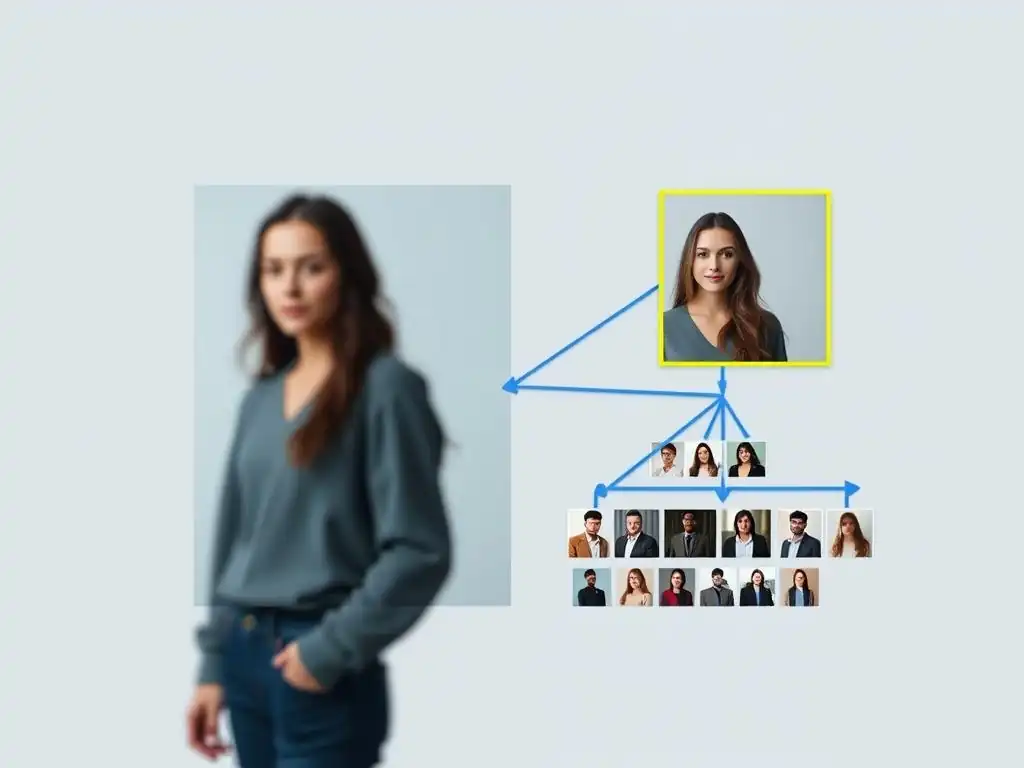
Understanding the results of a reverse image search is crucial for effective online dating safety. Don't just look for an exact match; consider the context of the images found. A single identical image appearing on multiple dating profiles is a major red flag, strongly suggesting the profile is fake or using stolen photos. However, finding an image used in a different context—for example, a professional headshot appearing on a stock photo website—doesn't automatically mean deception. It's about assessing the overall pattern. If several images from a profile appear across various unrelated websites, it's a warning sign.
Consider the quality of the images. Blurry, low-resolution images are more easily duplicated and less likely to be genuine, personal photos. High-quality, professionally taken photos, especially those that are unique and not easily found elsewhere online, are more likely to be authentic. Remember, a lack of results isn't necessarily a guarantee of authenticity; some individuals may take pains to avoid leaving digital footprints. However, a lack of results combined with other suspicious elements should raise your concerns.
Always err on the side of caution. The absence of readily available information online can also be a red flag, particularly if the profile claims a high-profile job or lifestyle. It's vital to analyze the results holistically, considering both the presence and absence of information. The more inconsistencies you find, the more likely it is that you're dealing with a fraudulent profile.
Reverse image search is a powerful tool, but it shouldn't be your only line of defense. To strengthen your safety measures, actively try to verify the profile through other channels. If the profile provides a name, try searching for that person on various social media platforms (Facebook, Instagram, LinkedIn, etc.). Look for consistency between the dating profile information and their social media presence. Discrepancies—different ages, locations, or professional details—should be treated as warning signs. Remember, many scammers create elaborate fake profiles, so a comprehensive check is essential.
Don't hesitate to use professional networking sites like LinkedIn to cross-reference their claimed profession and work experience. A quick search can reveal inconsistencies or the complete absence of a profile, indicating potential deception. You can also try searching for their claimed location, looking for local news or community groups where you might find their presence or verify their claims.
Even seemingly minor details, such as their educational background, can be verified through online resources. The more sources you can use to corroborate the information presented on the dating profile, the more confident you can be in its authenticity. Remember, a thorough verification process significantly reduces the risk of encountering fraudulent profiles.
Combining Reverse Image Search with Other Safety Measures for Enhanced Protection
Reverse image search is a valuable tool, but it's most effective when used in conjunction with other safety measures. Never share personal information, such as your address, phone number, or workplace, before you've thoroughly verified the person's identity and built a reasonable level of trust. This should be a gradual process, requiring careful consideration and constant vigilance. Arrange video calls early in the communication process to confirm their identity and see if their appearance matches their profile pictures. This provides another layer of verification beyond what a reverse image search can provide.
Always meet in public places for your first few dates, and inform a friend or family member of your plans, including the time, location, and the person's name. This ensures someone is aware of your whereabouts and can offer assistance if needed. Trust your instincts; if something feels off or you notice inconsistencies, don't hesitate to end the communication. It's better to err on the side of caution than to risk your safety and well-being.
Remember, online dating safety is a continuous process, requiring vigilance and a layered approach to verification. Combining reverse image search with other proactive safety measures will significantly reduce your risk of encountering scams and help you build meaningful connections online. Prioritizing your safety is paramount when navigating the world of online dating.
Reverse Image Search and Online Dating: Building Trust and Avoiding Scams
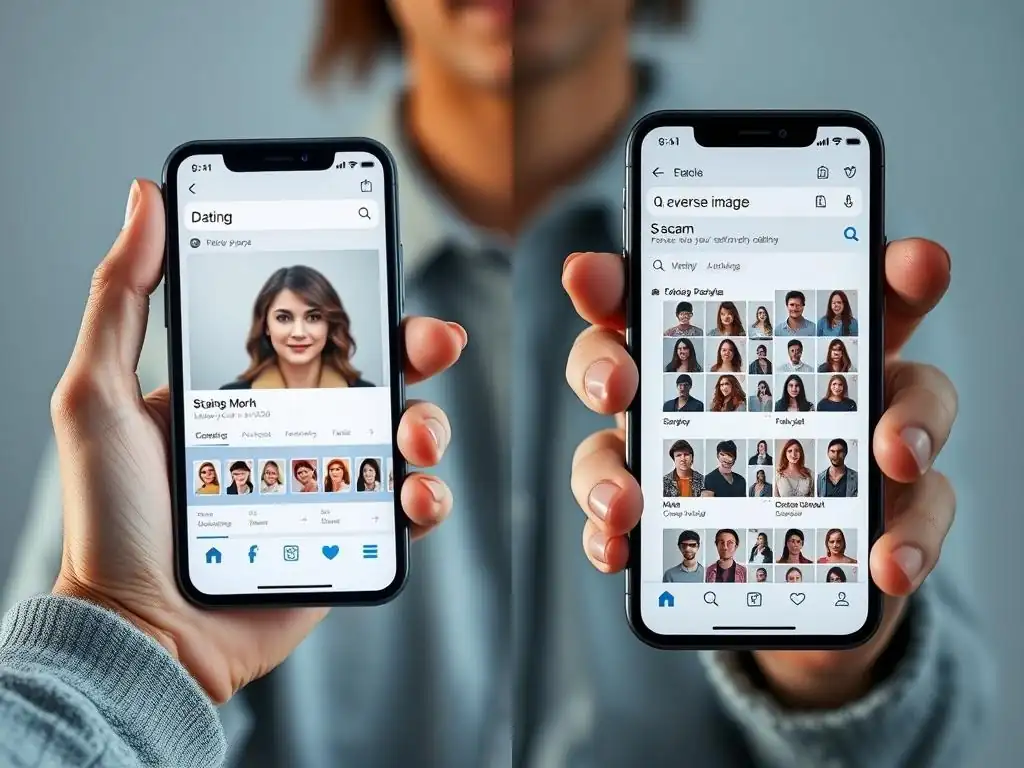
Online dating offers exciting possibilities for connection, but it also presents unique risks. Building trust is paramount, and verifying the authenticity of potential partners is crucial for your safety and well-being. Reverse image search, a powerful tool often overlooked, can significantly enhance your online dating safety.
By using this technique, you can proactively mitigate the risks associated with catfishing, scams, and other deceptive online behaviors. This section explores how to leverage reverse image search to protect yourself and build more genuine connections in the digital dating world. Understanding the potential for deception and employing proactive measures like reverse image search is key to navigating the online dating landscape responsibly.
Using Reverse Image Search to Verify Identity and Authenticity
Reverse image search allows you to check if a profile picture has been used elsewhere online. This simple step can reveal inconsistencies that might indicate a fake profile. For example, you might find the same image associated with multiple dating profiles, suggesting a potential scammer using stock photos or stolen images. Alternatively, you might discover the image belongs to a completely different person, exposing a catfishing attempt. The process is straightforward: most major search engines offer this functionality.
Simply upload the image or paste the image URL into the search bar and see what results appear. Pay close attention to the context in which the image appears in search results. Is it linked to social media profiles that corroborate the person's identity? Or does it appear on stock photo websites, hinting at a potentially fabricated profile?
Consider these scenarios:
- Scenario 1: You find the same profile picture on multiple dating sites, each with slightly different names and bios. This is a strong red flag suggesting a fraudulent profile.
- Scenario 2: The image appears on a stock photography website. This indicates the person is using a generic image, not a genuine photograph of themselves.
- Scenario 3: The image leads to a social media profile that matches the person's dating profile information, strengthening the likelihood of authenticity.
Remember, a single image search isn't foolproof, but it's a valuable tool in your arsenal for assessing the credibility of a profile. Combining this with other verification methods, such as checking for consistent information across different platforms, further enhances your safety. Always prioritize caution and critical thinking when evaluating online profiles.
Protecting Your Personal Information While Using Reverse Image Search
While reverse image search is a powerful tool for verifying identities, it's crucial to use it responsibly and protect your own personal information. Avoid uploading images that contain sensitive data, such as your address, location tags, or other personally identifiable information (PII). Remember, the image you upload becomes data that is processed by the search engine. While these engines have privacy policies, it’s always best to minimize risk by using only the profile picture for the reverse image search.
Furthermore, be mindful of the websites you visit while conducting your search. Stick to reputable search engines and avoid clicking on suspicious links or downloading files from untrusted sources. These precautions help to safeguard your privacy and reduce the risk of malware or phishing attacks.
Think of it this way: you're using a tool to investigate someone else, but in doing so you don't want to inadvertently expose yourself to risk. Maintaining a balance between thorough investigation and personal information protection is crucial for safe online dating. Always prioritize protecting your own data.
Staying Safe Online: Best Practices for Secure Online Dating
Reverse image search is just one component of a broader strategy for safe online dating. Combining it with other best practices significantly improves your safety. Here are some additional tips to consider:
- Never share sensitive personal information early in the dating process. This includes your full address, place of work, or financial details.
- Video chat before meeting in person. This provides another layer of verification and allows you to see if the person you're talking to matches their online profile.
- Meet in public places for your first few dates. Let a friend or family member know where you're going and when you expect to be back.
- Trust your instincts. If something feels off or makes you uncomfortable, don't hesitate to end the conversation or interaction.
- Report suspicious profiles to the dating platform. This helps protect other users from potential scams or harassment.
By combining the power of reverse image search with these additional safety measures, you can significantly reduce your risk and increase your chances of finding a genuine connection in the online dating world. Remember, your safety and well-being are paramount. Prioritize cautious engagement and proactive safety measures throughout your online dating journey. Employing a multifaceted approach to online safety will help you navigate the complexities of online dating with confidence and peace of mind.
Reverse Image Search: A Crucial Tool for Safe and Successful Online Dating
Reverse image searching is quickly becoming an essential tool for anyone navigating the world of online dating. It allows you to verify the authenticity of a person's profile picture, significantly reducing the risk of encountering fake profiles or scams. This simple yet powerful technique empowers you to take control of your online safety and helps build trust before investing your time and emotions.
By using a reverse image search, you can uncover instances where a profile picture has been stolen from another source, indicating potential deception. This proactive approach helps you avoid potentially harmful interactions and focus your energy on genuine connections. The process is straightforward; simply upload the profile picture to a reverse image search engine and examine the results.
Discrepancies between the profile information and the search results should raise a red flag, prompting further investigation or caution. Remember, your safety and well-being are paramount in the online dating world, and utilizing reverse image search is a significant step towards achieving that. Prioritizing your safety shouldn't detract from the joy of finding genuine connections; instead, it enhances the experience by allowing you to focus on building meaningful relationships with confidence.
Case Study: How Reverse Image Search Helped One User Identify a Scammer
Sarah, a 32-year-old lawyer, met "Mark" on a popular dating app. His profile picture showcased a handsome man with a charming smile. Intrigued, Sarah began chatting with him, and they quickly developed a strong connection. However, something felt slightly off. Mark’s responses sometimes seemed generic, and his stories lacked specific details.
Remembering an article she'd read on online dating safety, Sarah decided to conduct a reverse image search of Mark's profile picture. The results were shocking. The image appeared on multiple websites, unrelated to dating, and even showed up in a stock photo library! This immediately revealed that Mark was using a fake profile picture.
Sarah immediately ceased all communication with him, avoiding a potential scam involving financial loss or emotional manipulation. This experience highlighted the crucial role of reverse image search in protecting users from deceptive individuals. Sarah’s proactive approach saved her from a potentially harmful situation, emphasizing the importance of verifying online profiles before engaging in deeper interactions. This simple action proved invaluable in protecting her emotional and financial well-being.
The Importance of Critical Thinking and Due Diligence in Online Dating
While reverse image search is a powerful tool, it's not a foolproof solution. It’s crucial to combine this technology with critical thinking and due diligence. Even if a profile picture appears legitimate, it doesn't guarantee the person's identity or intentions are genuine. Therefore, always approach online interactions with a healthy dose of skepticism. Look for inconsistencies in a person's profile information, be wary of overly-perfect profiles, and avoid sharing personal information prematurely. Pay attention to communication patterns.
Are their responses generic or do they engage in meaningful conversations? Do they avoid answering direct questions or are they evasive about their personal life? These are all red flags that warrant further investigation. Remember, building a solid relationship requires time and trust, so don't rush into things. Taking the time to verify information and engage in cautious communication will significantly increase your chances of finding a genuine connection.
Empowering Yourself with Knowledge: Taking Control of Your Online Dating Safety
Taking control of your online dating safety is about more than just using reverse image search. It's about being informed, proactive, and empowered. Educate yourself about common online dating scams, learn to identify red flags, and utilize available safety features offered by dating platforms. Remember, your intuition is a powerful tool. If something feels off, trust your gut.
Don't hesitate to report suspicious profiles or behavior to the dating platform. By staying informed and employing proactive strategies, you can significantly reduce your risk and create a safer online dating experience. This involves not only using tools like reverse image search but also practicing mindful communication, setting healthy boundaries, and prioritizing your own well-being throughout the process. Online dating should be an enjoyable experience; by taking these steps, you can ensure it remains a safe and positive journey towards finding meaningful connections.
Frequently Asked Questions
What is a reverse image search, and how does it relate to online dating safety?
A reverse image search allows you to upload an image and find where else it appears online. In online dating, this helps verify if a profile picture is genuine or stolen from another source, thus improving your safety.
Why should I use a reverse image search on dating profiles?
Many scammers use fake profiles with stolen images. A reverse image search can help you identify these fraudulent profiles, protecting you from potential harm and emotional distress.
How do I perform a reverse image search?
Several websites and apps offer this service, including Google Images, TinEye, and Yandex Images. Simply upload the image you want to check and review the results to see where else it appears.
What should I do if a reverse image search reveals suspicious results?
If the image appears on multiple unrelated profiles or websites, it's a strong indicator of a fake profile. Immediately report the profile to the dating platform and cease all communication.
Are there any limitations to using a reverse image search for dating safety?
While effective, a reverse image search isn't foolproof. Some scammers use slightly altered images or images from less-accessible sources which may not be detected. Maintaining healthy skepticism is still crucial.
The rise of online dating has irrevocably changed how we connect, but with this convenience comes a critical need for vigilance. Protecting ourselves in the digital realm requires proactive measures, and understanding the power of tools like reverse image search is paramount to ensuring safer online interactions. The ease with which misinformation and deceptive profiles can proliferate demands that we equip ourselves with the knowledge and resources to navigate this complex landscape.
The impact of readily available technology on our relationships is profound and multifaceted. It has undeniably broadened our dating pools, yet simultaneously introduced new vulnerabilities. The internet is a powerful tool, but like any tool, it can be used for good or ill. We must be discerning in how we utilize it.
This quote underscores the responsibility we all share in fostering safer online spaces, not just for ourselves, but for others. The ongoing conversation surrounding online safety, particularly in dating, is crucial for creating a more trustworthy and respectful digital environment.
You now possess a valuable tool to enhance your online dating experience: the reverse image search. Consider how you can integrate this simple yet powerful technique into your dating routine. Don't hesitate to share this knowledge with friends and family. By actively participating in promoting online safety, we collectively contribute to a more positive and secure digital dating landscape. Take control of your online safety; your well-being and peace of mind are worth it.
Uncover Your Dating Potential: Take Charge of Your Online Safety
Thanks for learning about the power of reverse image searches in online dating! You've gained a crucial tool for safer and more authentic connections. Ready to use this new knowledge?
- Prioritize your safety: Immediately perform a reverse image search on any profile picture that seems even slightly questionable. It's quick and could prevent a harmful encounter.
- Share this vital information: Tell your friends and family about the simple yet effective power of reverse image searches to help them navigate online dating more safely.
- Contribute to the conversation: Share your experiences—positive or negative—with reverse image searches in the comments below. Let's create a safer online dating community together!
What's one practical step you'll take today to improve your online dating safety?