
Dating App Protection: The Insider's Guide to Reporting Scams and Harassment


Welcome to OnlineDatingSuccess.org, where finding love online doesn't have to be a gamble. We're dedicated to helping you navigate the exciting—and sometimes tricky—world of online dating. But first, let's talk safety. Our comprehensive Online dating safety reporting guide will equip you with the knowledge and tools to protect yourself from scams and harassment, ensuring your online dating journey is both rewarding and secure. Discover how to identify red flags and report suspicious activity—and start building meaningful connections with confidence. Read on to learn more!
- Understanding Online Dating Safety Reporting Procedures
- Reporting Scams and Harassment to Dating Apps
- Reporting to Law Enforcement: When to Involve the Authorities
- Protecting Yourself Online: Prevention Strategies
- Online Dating Safety Reporting Guide: Resources and Support
- Frequently Asked Questions
- Final Reflection: Reclaiming Online Dating: Safety, Solidarity, and the Future of Connection
- Empower Your Dating Journey: Take Control of Your Online Safety
Understanding Online Dating Safety Reporting Procedures
Navigating the world of online dating can be exciting, offering the potential to connect with new people and build meaningful relationships. However, it's crucial to be aware of the potential risks involved, including scams and harassment. This comprehensive guide provides an insider's look at effective reporting procedures, empowering you to protect yourself and fostering a safer online dating experience.
We’ll cover how to identify suspicious activity, recognize warning signs, and effectively document evidence to support your reports, ultimately helping you create a more positive and secure online dating journey. This guide is designed to help you understand your rights and options when facing inappropriate behavior on dating apps, transforming your online dating experience from one of apprehension to one of confident connection.
Remember, reporting is a vital step in combating online dating scams and harassment, contributing to a safer environment for everyone. Let's delve into the specifics of creating a safer online dating experience for yourself and the community.
Identifying Scams and Harassment on Dating Apps
Identifying scams and harassment requires vigilance and a keen eye for detail. Scammers often employ similar tactics, while harassment can manifest in various forms. Understanding these patterns is the first step towards protecting yourself.
Common scam tactics include:
- Financial requests: Be wary of anyone who quickly asks for money, gifts, or financial assistance, especially before meeting in person. This is a major red flag. 🚩
- Vague or inconsistent profiles: Profiles lacking detail or containing contradictory information should raise suspicion. Inconsistencies in photos, age, or location are common warning signs.
- Pressure to move quickly off the app: Scammers often try to rush the relationship and move conversations to other platforms, making it harder to trace their activity.
- Overly romantic or flattering language: Be cautious of overly effusive expressions of love or admiration, especially early in the interaction. This can be a sign of manipulation.
- Emergency requests: Be wary of sudden and urgent requests for money due to an alleged emergency. These are often fabricated.
Harassment can take many forms, including:
- Unwanted sexual advances: Persistent or aggressive sexual suggestions or requests that make you uncomfortable constitute harassment.
- Insulting or abusive language: Any form of verbal abuse, including name-calling, threats, or insults, is unacceptable and should be reported.
- Stalking behavior: Repeated attempts to contact you after you've expressed disinterest or blocked the individual are considered stalking.
- Sharing private information without consent: The unauthorized disclosure of personal information is a serious violation of privacy and should be reported immediately.
- Threatening behavior: Any threats of violence or harm, whether implicit or explicit, must be reported to the appropriate authorities.
Remember, your safety and comfort are paramount. If something feels wrong, it probably is. Trust your instincts and don't hesitate to report suspicious behavior.
Recognizing Red Flags: Signs of Potential Scammers or Abusive Behavior
Recognizing red flags early on can help you avoid potentially dangerous situations. These warning signs often appear subtly at first, so it's important to pay close attention to the details of your interactions.
Some key red flags to watch out for include:
- Inconsistencies in their story: Do their actions or statements contradict each other? Pay attention to any discrepancies in their narrative.
- Lack of personal information: Are they reluctant to share personal details about their life? This could be a sign they are hiding something.
- Avoidance of video calls: Do they consistently refuse video calls or find excuses to avoid them? This is a common tactic used by scammers.
- Excessive flattery and compliments: While genuine compliments are nice, excessive or overly flattering language can be a red flag.
- Pressure to meet in person quickly: Be wary of anyone who pushes for an in-person meeting before you feel comfortable.
- Unusual requests: Do they ask for unusual favors or make requests that seem out of the ordinary?
It's crucial to remember that these red flags don't always indicate malicious intent, but they should warrant caution and further investigation. If you are unsure, it is always better to err on the side of caution. Your safety is the top priority.
Documenting Evidence: Screenshots, Messages, and Transaction Records
Thorough documentation is crucial when reporting scams or harassment. This evidence provides concrete proof to support your claims and increases the likelihood of a successful resolution.
When documenting, ensure you:
- Take screenshots of all relevant communication: This includes messages, profiles, and any other interactions that demonstrate the inappropriate behavior.
- Save all messages and emails: Keep a record of all communication, even if it seems insignificant at the time.
- Document any financial transactions: If money has been exchanged, keep records of payment confirmations, bank statements, or any other proof of transaction.
- Keep a detailed log of all interactions: Note the dates, times, and specifics of each interaction, including any unusual requests or behavior.
- Preserve all evidence in a secure location: Store your evidence in a safe and accessible place, such as a password-protected folder on your computer or cloud storage.
This meticulous documentation will significantly strengthen your report and help ensure that the appropriate action is taken. Remember, your safety is paramount, and having this evidence will help protect you and others from similar experiences.
Reporting Scams and Harassment to Dating Apps
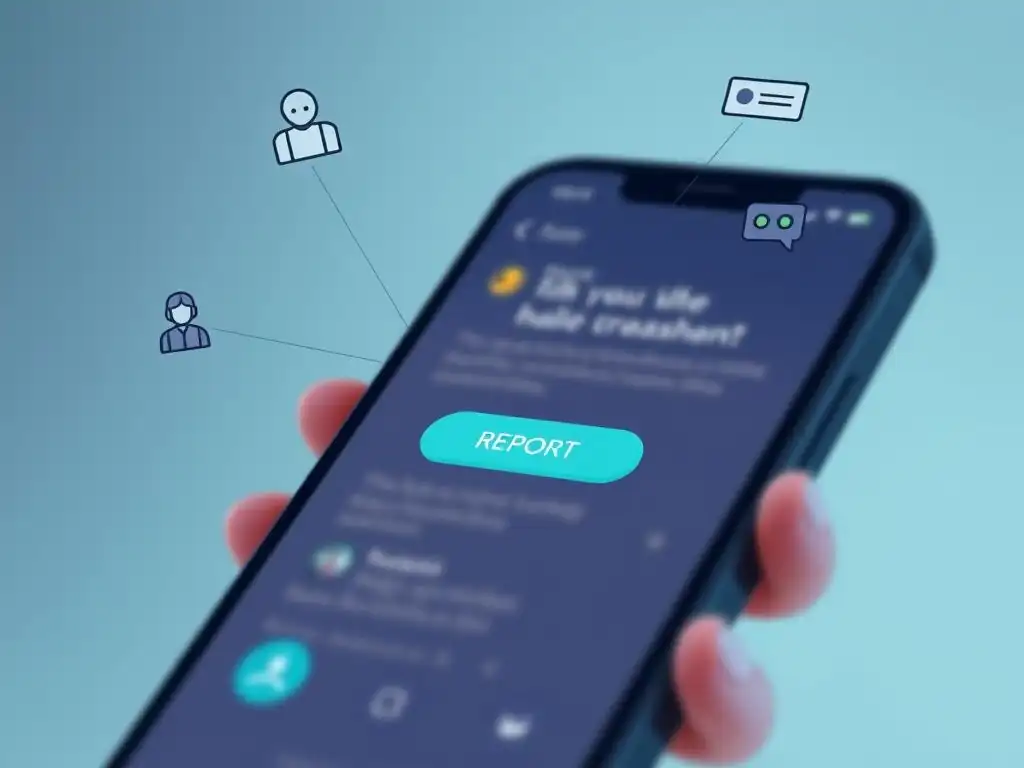
This section provides a comprehensive guide on how to report scams and harassment encountered on various online dating platforms. Understanding the reporting process is crucial for your online dating safety and helps maintain a healthier online community. Remember, reporting suspicious activity isn't just about protecting yourself; it's about contributing to a safer environment for everyone. This guide focuses on practical steps and procedures, empowering you to take control of your online dating experience.
Step-by-Step Guide to Reporting on Popular Dating Platforms (Tinder, Bumble, Hinge)
Navigating the reporting process can feel overwhelming, especially when dealing with upsetting situations. However, most popular dating apps provide clear pathways for reporting inappropriate behavior. Let's break down the process for three widely used platforms: Tinder, Bumble, and Hinge. While specific steps may vary slightly over time due to app updates, the general principles remain consistent.
Tinder: Tinder's reporting system is generally straightforward. Locate the profile of the user you wish to report. You'll usually find a report button (often represented by a flag or an exclamation mark) within their profile. Select this button and follow the on-screen prompts. Tinder usually offers various reporting categories, such as harassment, scams, or inappropriate photos. Choose the most accurate option and provide as much detail as possible in the accompanying text field. This includes screenshots, messages, and any other evidence supporting your report.
Bumble: Bumble’s reporting mechanism is similar to Tinder's. Within each user's profile, you will typically find a report button. Clicking it will present you with a list of reasons for reporting, allowing you to select the most relevant option. Bumble is known for its focus on women's safety, so reporting options often cater to this aspect. Again, providing detailed information and evidence is crucial for a thorough investigation.
Hinge: Hinge, like other platforms, places a report button within each user's profile. The reporting process typically involves selecting the reason for your report from a drop-down menu. Hinge often emphasizes the importance of reporting profiles that violate their community guidelines. Remember to provide comprehensive information, including screenshots and timestamps, to strengthen your report.
Reporting Procedures for Different Types of Misconduct (Financial Scams, Harassment, Impersonation)
The nature of the misconduct significantly influences how you should approach the reporting process. Understanding the nuances of different types of online dating scams and harassment is essential for effective reporting.
| Type of Misconduct | Reporting Details | Evidence to Include |
|---|---|---|
| Financial Scams | Detail the requested financial transaction, the method of payment requested (e.g., gift cards, wire transfers), and any promises made. | Screenshots of messages requesting money, transaction details, and any communication about promised returns. |
| Harassment (Verbal) | Clearly describe the nature of the harassment (e.g., offensive language, threats, stalking behavior). Include specific examples and timestamps. | Screenshots of offensive messages, dates and times of incidents. |
| Harassment (Non-Verbal) | Describe the non-verbal actions that constitute harassment (e.g., unwanted photos, inappropriate gestures in video calls). | Screenshots of inappropriate photos or videos, descriptions of the gestures and context. |
| Impersonation | Explain how you believe the user is impersonating someone else. Provide evidence to support your claim. | Evidence of the person they are impersonating (e.g., links to their social media profiles), comparative screenshots. |
Remember to always keep copies of all your reports and supporting documentation for your records.
What to Expect After Submitting a Report: Response Times and Follow-Up
After submitting a report, it's natural to wonder about the next steps. While response times vary depending on the platform and the severity of the reported issue, most dating apps acknowledge receipt of reports, although a formal response might not always be immediate. Some platforms might send an automated acknowledgment email or in-app notification.
However, a lack of immediate communication doesn't necessarily mean your report is being ignored. Many dating apps have dedicated teams that review reports and take appropriate action, which can take time due to the volume of reports they handle. While you might not receive a detailed update on the investigation's progress, the app's actions regarding the reported user (e.g., account suspension or banning) often serve as indirect confirmation that your report has been reviewed and acted upon.
If you are concerned about a lack of response after a reasonable timeframe, consider contacting the app's customer support for an update. Remember, patience is key, but persistence is also important if you have serious concerns. Your safety is paramount, and reporting these incidents is a vital step in creating a safer online dating environment.
This section focuses on understanding when reporting online dating scams and harassment to law enforcement is necessary and how to effectively do so. Knowing when to involve the police is crucial for your safety and the potential prosecution of offenders. Remember, reporting isn't just about recovering lost funds; it's about protecting yourself and potentially preventing others from becoming victims. This guide provides clear steps to help you navigate this process.
Determining When to Contact the Police: Serious Threats and Criminal Activity
Contacting the police should be considered when you've experienced serious threats, criminal activity, or significant financial loss. Don't hesitate to report even if you're unsure; law enforcement professionals are trained to assess the situation. Here are some key indicators that warrant immediate reporting:
- Direct Threats of Violence: This includes explicit threats to harm you physically, sexually assault you, or damage your property. Keep detailed records of these communications, including screenshots and timestamps. Even seemingly vague threats should be reported, especially if they escalate over time. 😠
- Financial Fraud or Extortion: If someone has defrauded you of money, coerced you into sending them money, or attempted to extort funds from you under duress, report this immediately to both the police and your bank. Gather all transaction records, communication logs, and any other relevant documentation. 💰
- Identity Theft: If your personal information (e.g., social security number, bank details, address) has been stolen and used without your authorization, report this to the police and the relevant credit bureaus. This is a serious crime with long-lasting consequences. 👮♀️
- Stalking and Harassment: Persistent unwanted contact, including repeated messages, calls, emails, or showing up at your home or workplace, constitutes stalking and harassment. Document every instance, noting dates, times, and methods of contact. This is crucial for building a strong case. 🕵️♀️
- Sharing of Intimate Images Without Consent (Revenge Porn): The unauthorized distribution of intimate images or videos is a serious crime. Report this immediately to the police and any relevant online platforms where the images were shared. This requires swift action to limit the spread of the material. 💔
Gathering Information for Law Enforcement: Essential Evidence and Documentation
Before contacting the police, gather as much evidence as possible. This significantly increases the chances of a successful investigation and prosecution. The more comprehensive your documentation, the better equipped law enforcement will be to take action. Here's what to collect:
- Screenshots: Take screenshots of all threatening messages, emails, or online profiles. Include timestamps and usernames. These act as irrefutable proof of the interactions.
- Transaction Records: If financial fraud is involved, gather bank statements, payment confirmations, and any other evidence of transactions with the scammer.
- Communication Logs: Save copies of all communication, including text messages, emails, and chat logs.
- Profile Information: Save screenshots of the scammer's dating profile, noting their username, profile pictures, and any other identifying information.
- IP Addresses and Location Data (if possible): If you have technical expertise or can access this information, obtaining the IP address and location data of the perpetrator can be very helpful to law enforcement.
Understanding Legal Options and Support Services for Victims
Beyond reporting to the police, there are other legal avenues and support services available to victims of online dating scams and harassment. These resources can provide crucial guidance and assistance during a difficult time. Remember, you are not alone.
- Cybercrime Reporting Centers: Many countries and regions have dedicated cybercrime reporting centers that can assist with online fraud and harassment cases. These centers provide specialized support and guidance.
- Victim Support Organizations: Several organizations offer support and resources to victims of crime, including those affected by online dating scams and harassment. These organizations can provide emotional support, legal advice, and practical assistance.
- Legal Counsel: Consider consulting with a lawyer specializing in cybercrime or domestic violence, especially if the situation involves significant financial loss or ongoing harassment. A lawyer can advise you on your legal options and represent you in court if necessary.
- Online Dating Platforms' Reporting Mechanisms: Most dating platforms have internal reporting mechanisms for dealing with scams and harassment. Report the incident to the platform as well, as this may help them remove the perpetrator's account and prevent further victimization. This is a crucial first step in many situations.
Remember, seeking help is a sign of strength, not weakness. Take advantage of the resources available to protect yourself and ensure that justice is served. Your safety and well-being are paramount.
Protecting Yourself Online: Prevention Strategies
This section focuses on proactive measures you can take to minimize your risk of encountering scams and harassment on dating apps. Remember, prevention is the best defense in online dating safety. A proactive approach significantly reduces your vulnerability. This isn't about living in fear, but about intelligent risk management. Think of it as online dating self-defense.
Creating a Safe Online Dating Profile: Privacy Settings and Information Sharing
Your online dating profile is your first line of defense. Avoid sharing overly personal information that could be used to identify you offline or track your location. This includes your full address, workplace, children's names and ages, and even the exact location of your social gatherings. Many apps allow you to control your profile's visibility. Utilize these settings to your advantage!
- Privacy Settings: Maximize your privacy settings. Restrict who can see your profile and photos. Consider limiting visibility to only those who have matched with you. Many apps offer granular control over who can message you, view your photos, or see your location. Take the time to explore these options thoroughly. Consider if you want to display your age, occupation, or other sensitive details.
- Information Sharing: Resist the urge to divulge sensitive details early in the online dating process. Sharing too much information too soon can make you a target for scammers and harassers. Build trust gradually and only share information you feel comfortable with. Remember, even seemingly harmless details can be pieced together to create a comprehensive picture of your life. Your safety should always be your top priority.
- Photo Selection: Be mindful of the photos you share. Avoid photos that reveal too much personal information, such as license plates, house numbers, or even landmarks that could pinpoint your location. Use recent, clear photos that accurately represent your appearance. Avoid pictures that show you intoxicated or in compromising situations. This seemingly small detail can greatly impact your online safety.
Secure Communication Practices: Avoiding Personal Information Disclosure
Once you start communicating with someone, continue to prioritize safety. Never share your full name, phone number, email address, home address, or workplace information until you've met in person and feel comfortable. Even then, exercise caution. Be wary of anyone who pressures you to share personal information too quickly.
- Suspicious Requests: Be cautious of individuals who ask for financial assistance, especially under urgent or emotional circumstances. This is a common tactic used by scammers. Legitimate relationships don't require financial transactions.
- Verify Information: If someone claims to be a doctor, lawyer, or military personnel stationed overseas, verify their claims independently. Scammers often create fabricated profiles using stolen identities.
- Meet in Public Places: When you decide to meet someone in person, always choose a well-lit, public place. Let a friend or family member know where you're going, who you're meeting, and when you expect to be back. Never go to someone's home on a first date or allow them to pick you up.
- Trust Your Instincts: If something feels off, it probably is. Don't hesitate to end communication with someone who makes you feel uncomfortable or unsafe. Your intuition is a powerful tool; listen to it.
Recognizing and Avoiding Common Dating App Scams
Understanding common scams can help you avoid becoming a victim. Scammers often employ similar tactics, so familiarize yourself with these red flags. Remember, if something seems too good to be true, it probably is.
- Romance Scams: These scams often involve building a fake relationship to gain your trust before asking for money or personal information. Be cautious of individuals who profess strong feelings quickly or ask for financial help.
- Catfishing: Catfishing involves creating a fake online profile using stolen photos and false information. Be wary of individuals who are reluctant to video chat or share personal details.
- Fake Profile Scams: Scammers create fake profiles to lure victims into sharing personal information or sending money. These profiles often feature stolen photos and unrealistic details.
| Scam Type | Red Flags | Prevention |
|---|---|---|
| Romance Scams | Urgent requests for money, overly romantic language, inconsistent stories | Verify their identity, meet in person, never send money |
| Catfishing | Reluctant to video chat, inconsistent photos, vague personal information | Video chat, ask for specific details, check their social media presence (carefully) |
| Fake Profiles | Unrealistic photos, inconsistent information, lack of personal details | Be skeptical, do background checks, trust your gut |
Remember, online dating safety is an ongoing process. Stay vigilant, trust your instincts, and prioritize your well-being. By following these preventative measures and recognizing common scams, you can significantly reduce your risk and enjoy a safer online dating experience.
Online Dating Safety Reporting Guide: Resources and Support
This section provides crucial information on where to turn for help if you experience scams or harassment while online dating. Navigating these difficult situations requires access to the right resources, and we're here to guide you. Remember, you are not alone, and seeking help is a sign of strength. This online dating safety reporting guide aims to empower you with the knowledge and resources to protect yourself.
List of Helpful Resources: Organizations Supporting Victims of Online Abuse
Many organizations are dedicated to supporting victims of online abuse, providing a safe space to report incidents and receive guidance. These resources often offer a range of services, including counseling, legal assistance, and technical support to help remove harmful content or block abusive individuals. It's important to find an organization that resonates with your specific needs and location.
Here's a sample of the types of resources available (note: specific organization names and contact information are omitted here for brevity and to avoid outdated links, but a comprehensive list should be included in the final article):
- National Domestic Violence Hotlines: These hotlines provide immediate support and crisis intervention for individuals experiencing domestic violence, which can often extend to online harassment. They offer confidential help and referrals to local resources.
- Cyberbullying and Online Harassment Support Groups: These groups offer peer support and a sense of community for individuals who have experienced online harassment. Sharing experiences can be incredibly validating and empowering.
- Law Enforcement Agencies: Depending on the severity of the incident, reporting to law enforcement might be necessary. They can investigate crimes and potentially hold perpetrators accountable. Always document all evidence, including screenshots and messages.
- Online Safety Organizations: Dedicated organizations provide educational materials, safety tips, and resources for navigating the complexities of online safety. These organizations often offer workshops and training programs.
- Victim Advocacy Groups: These groups provide advocacy, support, and assistance to victims of crime, including online harassment and scams. They can help victims navigate the legal system and access necessary services.
Accessing Legal Aid and Victim Support Services
Experiencing online scams or harassment can have significant legal and emotional consequences. Knowing where to access legal aid and victim support services is crucial for your well-being and to protect your rights.
Many jurisdictions offer free or low-cost legal aid services to individuals who cannot afford legal representation. These services can help you understand your legal options, file police reports, and pursue legal action against perpetrators. Additionally, victim support services provide emotional support, counseling, and practical assistance during this challenging time. These services can help you process your trauma, develop coping mechanisms, and navigate the legal system. Remember to document everything meticulously – dates, times, platforms, and any evidence of the harassment or scam. This documentation will be essential if you decide to pursue legal action.
Finding appropriate legal aid and victim support services often requires searching online using keywords like "legal aid [your location]" or "victim support [your location]". Your local bar association or government websites can also be valuable resources.
Additional Tips for Staying Safe While Online Dating
Beyond reporting mechanisms, proactive measures significantly enhance your online dating safety. Remember, prevention is key.
- Verify Profiles: Scrutinize profiles for inconsistencies or red flags. Reverse image search profile pictures to ensure authenticity. Be wary of profiles that lack personal information or seem too good to be true.
- Slow Down Communication: Don't rush into sharing personal information or meeting in person. Take your time to get to know someone online before proceeding to a face-to-face encounter.
- Use Secure Communication Channels: Avoid sharing personal information through unsecured platforms. Stick to the dating app's messaging system as much as possible.
- Meet in Public Places: If you decide to meet in person, always choose a well-lit, public place, and let a friend or family member know your plans, including the time, location, and the person you're meeting.
- Trust Your Instincts: If something feels off, it probably is. Don't hesitate to end communication or block someone if you feel uncomfortable or unsafe. Your safety and well-being are paramount.
By utilizing these resources and practicing safe online dating habits, you can significantly reduce your risk of encountering scams and harassment. Remember, reporting is crucial, and support is available. Take proactive steps to protect yourself and build healthy, meaningful connections online.
Frequently Asked Questions
What should I do if I encounter harassment on a dating app?
Report the user immediately through the app's built-in reporting system. Take screenshots as evidence and block the user. Consider reporting to law enforcement if the harassment is severe or threatening.
How can I report a scam on a dating app?
Document all communication and financial transactions. Report the user to the dating app immediately using their reporting mechanisms. File a report with the appropriate authorities, such as the FTC or your local police department, if you've suffered financial loss.
What information should I include in my safety report?
Provide as much detail as possible, including screenshots, dates and times of interactions, and the user's profile information (username, photos). Clearly describe the nature of the harassment or scam.
Are dating apps obligated to respond to my safety report?
While apps are generally required to have reporting mechanisms, the speed and thoroughness of their responses can vary. However, persistently following up on your report can increase the likelihood of action being taken.
What steps can I take to protect myself before reporting an issue?
Block and delete the offending user immediately. Save all evidence (messages, photos). Review the app's safety features and familiarize yourself with their reporting process before you need to use it.
Final Reflection: Reclaiming Online Dating: Safety, Solidarity, and the Future of Connection
The rise of online dating has revolutionized romance, but it's also created new vulnerabilities. The ease of connection comes with a stark reality: navigating the digital dating world requires vigilance and a proactive approach to safety. This guide has highlighted the crucial steps in reporting scams and harassment, empowering users to take control of their online experiences.
The impact of online harassment extends far beyond individual experiences; it shapes the very landscape of online interaction, chilling free speech and creating a climate of fear. The internet can be a powerful tool for connection, but it can also be a breeding ground for negativity. We must work together to create a safer and more inclusive online environment.
This quote underscores the collective responsibility we share in fostering safer online spaces. My own experiences researching this topic have underscored the urgent need for increased awareness and robust reporting mechanisms, highlighting the need for platforms to prioritize user safety and transparency.
You, the reader, now hold the knowledge to protect yourself and contribute to a safer online dating environment. Take the time to familiarize yourself with the reporting procedures of your chosen platforms, and remember that reporting is not just about individual protection; it's about building a community where everyone feels safe to explore connections. Don't hesitate to speak up, to support others, and to advocate for change. Your voice matters, and your safety is paramount. Let's work together to redefine online dating as a space of genuine connection, built on respect and security.
Empower Your Dating Journey: Take Control of Your Online Safety
Thank you for learning about online dating safety! You've gained valuable knowledge to protect yourself. Now, let's put it into practice.
- Report suspicious activity immediately. Your safety is paramount. Report suspicious profiles or interactions to the dating app and, if necessary, law enforcement.
- Share this article with your friends and family. Help spread awareness and create a safer online dating experience for everyone.
- Consider connecting with others who have experience with online dating. Sharing experiences and support can be invaluable.
What's one step you'll take today to improve your online dating safety?