
Shield Yourself from Scammers: A Quick Guide to Reverse Image Search

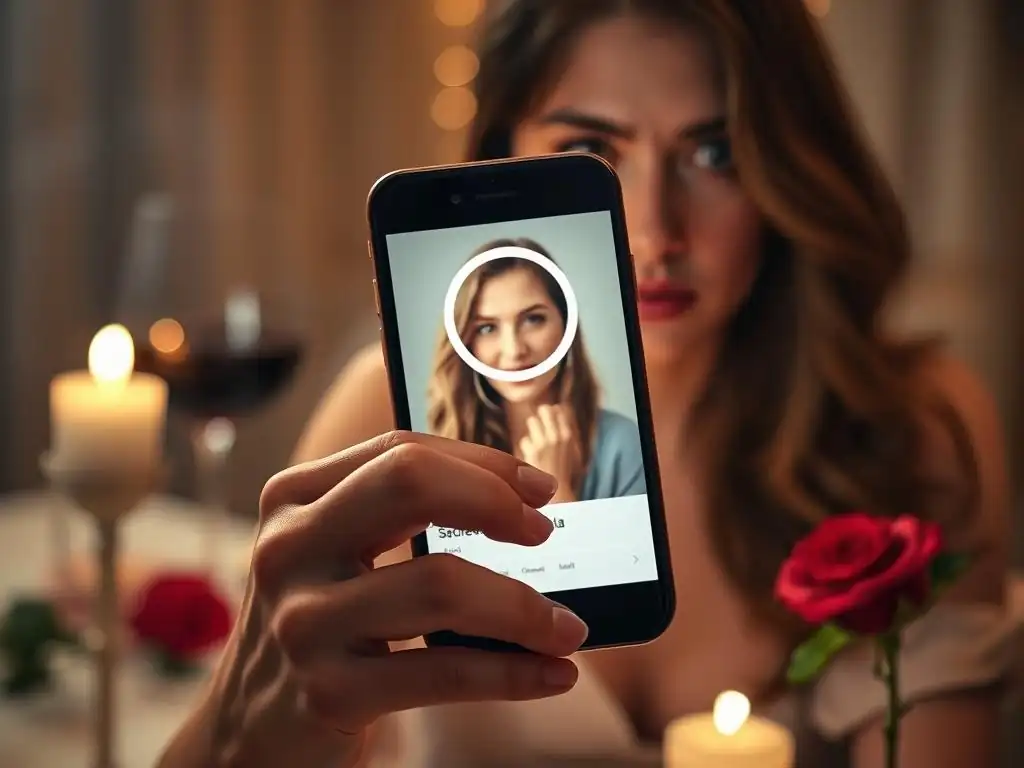
Ready to unlock the secrets to a successful online dating experience? At OnlineDatingSuccess.org, we empower you to navigate the world of online romance with confidence. But first, let's address a critical concern: online dating scams. Learn how to protect yourself with our insightful guide on reverse image search dating scams – your first step towards building genuine connections and avoiding heartbreak. Discover the crucial information you need to stay safe and find lasting love. Let's get started!
- Understanding Reverse Image Search and Dating Scams
- Performing a Reverse Image Search: A Step-by-Step Guide
- Beyond Reverse Image Search: Additional Verification Methods
-
Protecting Yourself from Online Dating Scams: Best Practices
- Securing Your Personal Information Online: Password Management and Privacy Settings
- Communicating Safely: Avoiding Sharing Sensitive Data and Financial Information
- Recognizing and Avoiding Common Scam Tactics: Advance-Fee Scams, Romance Scams
- Building Trust Gradually in Online Relationships: Video Calls and Background Checks
- Reverse Image Search for Dating Profiles: FAQs & Common Queries
-
Frequently Asked Questions
- What is a reverse image search, and how can it help me avoid dating scams?
- Why should I use a reverse image search on online dating profiles?
- Which reverse image search engines are best for dating profile verification?
- What should I do if a reverse image search reveals a stolen photo?
- Are there any other ways to protect myself from dating scams besides reverse image searches?
- Final Reflection: The Enduring Power of Vigilance in the Digital Age
- Unlock Your Safety: Take Control of Your Online Interactions
Understanding Reverse Image Search and Dating Scams
Navigating the world of online dating can be exciting, but it's crucial to prioritize your safety and well-being. One of the most effective tools in your arsenal against online dating scams is the reverse image search. This simple yet powerful technique can help you uncover deceptive profiles and protect yourself from potential heartbreak and financial loss.
This guide will equip you with the knowledge to effectively use reverse image searches to identify potential scams, understand how scammers operate, and recognize red flags in online dating profiles. Learning to utilize reverse image searches is a proactive step towards building genuine connections while minimizing the risk of encountering fraudulent individuals. It empowers you to take control of your online dating experience and build healthier, safer relationships.
What is Reverse Image Search?
Reverse image search is a powerful tool that allows you to identify the origin and potential uses of an image. Instead of searching with keywords, you search with an image. You simply upload an image (a profile picture, for example) to a search engine, and the engine will return results showing where that image has appeared online. This can reveal if a profile picture is stolen from a stock photo website, a model's portfolio, or even another dating profile – all key indicators of a potential scam. Think of it as a detective's magnifying glass for online profiles.
The process is straightforward and readily accessible through major search engines like Google, Bing, and Yandex. They all offer a simple interface for uploading images and receiving results. This simple action can save you from significant emotional and financial distress. 🔍
How Scammers Utilize Stock Photos and Stolen Identities in Online Dating
Scammers frequently employ stock photos and stolen identities to create convincing fake profiles. They might download attractive images from websites like Shutterstock or Pexels, presenting them as their own. Alternatively, they could steal photos from social media accounts of unsuspecting individuals, creating a false persona to lure victims. This deception is often coupled with fabricated biographical information, making it challenging to distinguish genuine profiles from fraudulent ones.
The use of stolen identities not only creates a false sense of trust but also allows scammers to maintain anonymity and operate without fear of immediate repercussions. This is why a reverse image search is so critical; it quickly reveals the true source of a profile picture, exposing the deception. 🕵️♀️
Identifying Red Flags: Potential Scam Indicators in Online Dating Profiles
Beyond the use of stock photos, several other red flags can signal a potential dating scam. These include:
- Inconsistent information: Discrepancies between the profile information and the images, or inconsistencies in their storytelling.
- Unrealistic promises: Promises of quick riches, extravagant gifts, or immediate romantic commitment.
- Pressure for quick relationships: A rush to move the relationship offline or to exchange personal information.
- Requests for money or financial assistance: This is a major red flag and a clear indication of a scam.
- Lack of personal details: Vague or overly generic profile information, avoiding specific details about their life.
- Avoidance of video calls: Reluctance to engage in video calls, often citing various excuses.
By combining a reverse image search with a keen eye for these red flags, you significantly improve your chances of identifying and avoiding online dating scams. Remember, your safety and well-being are paramount. Don't hesitate to report suspicious profiles and utilize all available resources to protect yourself. Staying vigilant and informed is your best defense. 💪
Performing a Reverse Image Search: A Step-by-Step Guide

This section provides a practical, step-by-step guide on how to perform a reverse image search, a crucial tool in your arsenal against online dating scams. Mastering this technique empowers you to verify the authenticity of profiles and photos, significantly reducing your risk of encountering fraudulent individuals. Remember, proactive safety measures are key to a positive online dating experience. This guide focuses on "reverse image search dating scams" prevention.
Step 1: Accessing Reverse Image Search Engines (Google Images, TinEye, Yandex)
Several powerful tools are available for conducting reverse image searches. Each engine uses slightly different algorithms, so using multiple engines increases the chances of uncovering relevant information. Three popular and effective options include:
- Google Images: The most widely used reverse image search engine, Google Images offers a user-friendly interface and extensive indexing. Simply drag and drop the image or paste its URL into the search bar. Google's vast database often reveals similar images, indicating potential duplication or misuse.
- TinEye: TinEye specializes in identifying identical images across the web. It's particularly useful for detecting instances where an image has been copied and used without permission, a common tactic employed by scammers. TinEye's accuracy in finding exact matches is exceptionally high.
- Yandex: Yandex, a Russian search engine, offers a robust reverse image search functionality. While its interface might be slightly less intuitive than Google Images, it often uncovers results not found on other engines, broadening your search scope and providing a more comprehensive analysis. This is particularly helpful for identifying images that may originate from less common online sources.
Step 2: Uploading the Image for Analysis
Once you've selected your reverse image search engine, uploading the image is straightforward. Most engines offer several ways to initiate the search:
- Drag and Drop: This is often the quickest method. Simply drag the image from your computer's file explorer and drop it into the designated area on the search engine's webpage.
- Paste Image URL: If you've found the image online, copy its URL and paste it into the search bar. This method is efficient for images you've already located on a dating profile or website.
- Upload from File: This option allows you to browse your computer's files and select the image you want to analyze. This is useful when dealing with screenshots or downloaded images.
After uploading, the search engine will begin processing the image. The processing time varies depending on the image size and the engine's current load, but it's usually quite quick. Be patient and wait for the results to appear. Remember, a thorough "reverse image search dating scams" investigation requires careful examination of all results.
Step 3: Analyzing the Search Results: Identifying Duplicate Images & Potential Sources
The results page displays images similar to the one you uploaded, along with links to their sources. Carefully examine these results, looking for the following indicators of potential scams:
| Indicator | Description | Significance |
|---|---|---|
| Multiple instances of the image | The same image appearing on numerous unrelated websites or profiles. | Suggests the image is being used fraudulently and may belong to someone else. |
| Low-quality image sources | The image is found on websites known for stock photos or low-quality content. | The image might be stolen and used deceptively. |
| Inconsistencies in profile information | The image appears alongside contradictory or misleading information on different profiles. | Indicates a possible attempt to create a false identity. |
| Image used on multiple dating profiles | The same image is used across several different dating profiles, often with different names or personal details. | A strong indicator of a fake profile designed to lure victims. |
| Absence of Reverse Image Search Results | No similar images found, especially when the profile claims a specific location or occupation. | This lack of results could suggest the profile is fabricated or that the user is intentionally obscuring their true identity. |
Remember, a single match doesn't automatically confirm a scam. However, multiple instances of the same image on different profiles, alongside inconsistencies in the profile information, should raise significant red flags. Always exercise caution and trust your instincts. By diligently using reverse image search, you significantly improve your ability to identify and avoid "reverse image search dating scams". Prioritizing your safety is paramount in the online dating world.
Step 4: Verifying Profile Information with Found Sources
Once you've obtained results from your reverse image search, the crucial next step is verifying the information you find against the dating profile you're investigating. This is where careful comparison and critical thinking are key to spotting inconsistencies that could signal a scam. Don't rely solely on a single matching image; look for corroborating evidence.
For example, if the image leads you to a stock photo website, that's a significant red flag. Legitimate profiles rarely use stock photos. The person might be using a stolen image to create a false sense of identity. Similarly, if the image appears on multiple dating profiles or social media accounts under different names, it's a clear indication of deception. A reverse image search can help uncover these inconsistencies quickly.
Pay close attention to details. Does the person's description on the dating site match the information found in the image's source? Are the locations mentioned consistent? Are there any discrepancies in age, profession, or hobbies? Even small inconsistencies can be warning signs. For instance, if the profile claims to be a successful lawyer but the image's source shows them in a completely different context, this warrants further investigation.
Remember, the goal isn't to simply find matching images; it's to assess the context of those images and compare them to the information presented on the dating profile. A thorough comparison significantly increases your chances of identifying potential scams before they can cause harm. Treat any inconsistencies as potential red flags and proceed with caution.
Your safety and well-being are paramount in the online dating world, and a careful verification process is an essential part of protecting yourself. Don't hesitate to report suspicious profiles to the dating platform if you uncover evidence of fraudulent activity. By employing these verification methods, you're taking proactive steps to avoid "reverse image search dating scams".
Beyond Reverse Image Search: Additional Verification Methods
Reverse image searching is a powerful first step in protecting yourself from online dating scams, but it shouldn't be your only line of defense. A scammer can be clever enough to use images that don't immediately flag as fraudulent. Therefore, a multi-layered approach is crucial for effective verification. This section explores additional methods to bolster your safety and increase your confidence in the authenticity of online dating profiles. Remember, your safety is paramount, and thorough verification is key to a positive online dating experience.
One highly effective strategy is to cross-reference information provided in the dating profile with the individual's presence on other social media platforms. This is especially useful when dealing with "Reverse image search dating scams", as it helps determine if the profile picture is genuinely linked to the person's claimed identity.
If the individual provides a name, try searching for that name on Facebook, Instagram, LinkedIn, or Twitter. Look for inconsistencies. Does the profile picture match? Do their stated interests and profession align with what's presented on the dating site? Even seemingly minor discrepancies can raise red flags. For example, a profile claiming to be a successful surgeon who loves hiking might be suspicious if their social media profiles show a completely different lifestyle or profession. Pay close attention to the overall consistency of their online presence. Significant discrepancies should trigger further scrutiny.
The key here is to approach this with a critical eye. Don't just look for a matching profile picture; evaluate the totality of the information presented across different platforms. Remember, scammers often create fake profiles, but they rarely invest the effort to perfectly align all aspects of their fabricated personas across multiple online spaces.
Checking for Inconsistencies in Profile Details and Location Data
Inconsistencies in profile details are another major indicator of a potential scam. Pay close attention to seemingly small details. For instance, a profile stating a person lives in New York City but whose photos are clearly taken in a different location, or whose background information seems to contradict their claimed location, should raise immediate suspicion.
Consider the language used in their profile. Grammatical errors, unusual phrasing, or a style that doesn't match their claimed background can be a sign of a fake profile. Is their profile overly generic, lacking specific details that would help establish their identity and personality? Authentic profiles often share personal details, while scammers tend to rely on generalized statements.
Additionally, be wary of profiles that lack personal photos or only use very generic stock images. While some individuals may be genuinely shy about sharing personal pictures, a complete absence of photos, especially in conjunction with other inconsistencies, is a significant warning sign. The absence of personal photos may indicate a deliberate attempt to conceal their true identity, a common tactic in "Reverse image search dating scams".
Utilizing Online Reputation Checkers and People Search Engines
While reverse image search focuses on images, dedicated online reputation checkers and people search engines help verify personal information. These tools can uncover potential red flags by cross-referencing names, email addresses, and phone numbers with public records and online databases.
These services are usually subscription-based, but they can be invaluable in verifying the authenticity of a profile. They can provide information such as past addresses, associated businesses, and even potential legal issues. This data, when combined with your other verification efforts, can provide a comprehensive picture of the individual's online presence and help determine if they're who they claim to be. Remember, even if a person clears these checks, maintaining healthy skepticism and practicing safe dating habits remain crucial. No single method guarantees complete safety, but a combination of these strategies significantly reduces your risk of encountering a scammer.
Reporting Suspicious Profiles to Online Dating Platforms and Law Enforcement
Reporting suspicious profiles is a crucial step in protecting yourself and helping to prevent others from falling victim to online dating scams. Don't hesitate to utilize the reporting mechanisms provided by the dating platforms themselves. Most reputable platforms have robust systems in place for flagging and investigating potentially fraudulent accounts. Look for a report button, usually found on the profile page or within the messaging interface.
When reporting, be as detailed as possible. Include screenshots of the suspicious profile, any incriminating messages exchanged, and any other relevant information that could assist the platform in their investigation. The more evidence you provide, the better chance they have of taking swift action. Remember to save copies of all evidence for your own records.
Furthermore, if you believe you've encountered a scam that involves financial loss, identity theft, or other serious crimes, you must report it to the appropriate law enforcement agencies. This is particularly important if you've sent money, shared sensitive personal information, or experienced threats or harassment. Contact your local police department or the FBI's Internet Crime Complaint Center (IC3). The IC3 is a centralized resource for reporting internet-related crimes, and their expertise in handling online fraud cases can be invaluable.
They can investigate the situation, potentially trace the scammer's activity, and provide you with guidance on recovering your losses or protecting your identity. Filing a report not only helps your individual case but also contributes to a larger database that helps law enforcement identify and prosecute perpetrators of online dating scams. Document everything meticulously, including dates, times, and specific details of the interactions. This information will be crucial in assisting law enforcement in their investigation.
By working collaboratively with online dating platforms and law enforcement, we can create a safer online dating environment for everyone. Remember, reporting is not just about protecting yourself; it's about contributing to the collective safety of the online dating community. Don't underestimate the power of reporting – it's a vital tool in combatting "reverse image search dating scams" and other forms of online fraud.
Protecting Yourself from Online Dating Scams: Best Practices

This section focuses on proactive measures you can take to minimize your risk of encountering online dating scams. While reverse image search is a powerful tool, it's only one piece of the puzzle. A multi-layered approach to online safety is crucial for navigating the dating world securely. Remember, prevention is always better than cure.
Securing Your Personal Information Online: Password Management and Privacy Settings
Protecting your personal information is paramount. Weak passwords and lax privacy settings are open invitations to scammers. Consider these crucial steps:
- Strong, Unique Passwords: Avoid using easily guessable passwords like "password123" or your birthday. Use a password manager to generate and securely store complex, unique passwords for each of your online accounts, including dating apps and social media. Think of using a combination of uppercase and lowercase letters, numbers, and symbols. A strong password should be at least 12 characters long.
- Multi-Factor Authentication (MFA): Enable MFA wherever possible. This adds an extra layer of security, requiring a code from your phone or email in addition to your password. MFA significantly reduces the risk of unauthorized access, even if your password is compromised.
- Privacy Settings Review: Regularly review the privacy settings on your dating profiles and social media accounts. Limit the information you share publicly. Avoid posting your full address, workplace, or other details that could easily be used to identify you or your location. Remember, less is more when it comes to sharing personal information online.
- Regular Software Updates: Keep your operating system, web browser, and antivirus software updated. These updates often include security patches that protect against known vulnerabilities. Outdated software is a significant security risk.
Communicating Safely: Avoiding Sharing Sensitive Data and Financial Information
Never share sensitive personal information with someone you've only met online, regardless of how much you trust them. This includes:
- Financial Information: Never send money, gift cards, or banking details to someone you haven't met in person and thoroughly vetted. Legitimate relationships don't require financial transactions early on.
- Address and Location Details: Avoid sharing your exact address or location until you've met the person in a public place and feel comfortable doing so. Even then, exercise caution and be aware of your surroundings.
- Personal Identification Numbers (PINs): Never share your PINs, social security number, or other identifying information. These details could be used for identity theft.
- Suspicious Requests: Be wary of requests for unusual favors or seemingly urgent financial assistance. Scammers often create scenarios to pressure victims into sending money quickly.
Remember, genuine connections develop organically, without requiring the exchange of sensitive personal information. If someone pressures you to share such information, it's a major red flag.
Recognizing and Avoiding Common Scam Tactics: Advance-Fee Scams, Romance Scams
Scammers employ various tactics to deceive their victims. Understanding common scam methods helps you identify and avoid them:
- Advance-Fee Scams: These scams involve requesting money upfront for a service or promise that never materializes. For example, a scammer might claim they need money for a plane ticket to visit you, or for an emergency. Always be skeptical of requests for money.
- Romance Scams: These scams involve building a fake relationship to gain the victim's trust and eventually extract money or personal information. Scammers often create elaborate fake profiles and spend considerable time building rapport before making their requests. Red flags include inconsistencies in their stories, a reluctance to video chat, or excessive professions of love in a short period. Be wary of individuals who seem too good to be true.
- Catfishing: This involves creating a fake online profile using someone else's photos and information. Reverse image searches are incredibly useful in detecting catfishing. If you suspect someone is catfishing you, perform a thorough reverse image search and investigate their profile carefully. Inconsistencies and a lack of verifiable information should raise concerns.
Remember, your safety is paramount. Trust your instincts. If something feels wrong, it probably is. By combining cautious communication practices with tools like reverse image searches, you can significantly reduce your risk of becoming a victim of an online dating scam. Stay vigilant and enjoy the journey of finding genuine connections.
Building Trust Gradually in Online Relationships: Video Calls and Background Checks
Building trust is paramount in any relationship, but especially so in the context of online dating where anonymity can easily mask malicious intent. Rushing into a deep connection without proper verification can leave you vulnerable to various scams, including financial fraud and emotional manipulation. Therefore, a gradual approach to establishing trust is crucial when navigating the world of online dating. This involves several key steps, starting with simple verification methods and progressing to more personal interactions.
One of the most effective ways to verify someone's identity and assess their genuineness is through video calls. A simple video chat can reveal inconsistencies between their profile pictures and their actual appearance. Pay close attention to details; does their environment match the photos they've shared? Do they seem comfortable and natural on camera, or are they hesitant and evasive?
A genuine person will usually be happy to engage in a video call, while scammers often make excuses to avoid them. Remember, a consistent appearance across multiple platforms—profile pictures, video calls, and even casual snapshots—is a strong indicator of authenticity. Discrepancies should raise immediate red flags.
Beyond video calls, consider conducting background checks. While a comprehensive background check might seem excessive in the early stages, a simple reverse image search (as discussed earlier in this article) can help confirm the authenticity of their profile pictures. You can also try searching their name and any other details they've shared online to see if you can find any inconsistencies or red flags.
Remember, this is not about invading their privacy, but about protecting yourself from potential harm. The information gathered should be used to assess the overall consistency and trustworthiness of their profile and their claims. Using freely available online resources to perform basic searches is a responsible and proactive measure.
The process of building trust should be gradual and organic. Don't feel pressured to share personal information or financial details too early in the relationship. Take your time, get to know the person, and always prioritize your safety and well-being. Remember that a genuine connection will develop naturally over time, without undue pressure or suspicious requests for money or personal information.
Trust your instincts; if something feels off, it probably is. Prioritizing your safety and well-being should always be your top priority. Proceed with caution and remember that building a strong and genuine online relationship takes time and careful consideration.
Reverse Image Search for Dating Profiles: FAQs & Common Queries
This section addresses frequently asked questions about using reverse image searches to protect yourself from dating scams. Understanding the limitations and capabilities of this tool is crucial for effective online dating safety. We'll explore the accuracy of results, scenarios where searches yield no results, and the overall effectiveness of this technique in preventing scams. Remember, while reverse image search is a powerful tool, it's not a foolproof solution. Always maintain a healthy dose of skepticism and critical thinking when interacting with potential matches online.
How Accurate are Reverse Image Search Results?
The accuracy of a reverse image search depends on several factors. The quality of the image itself plays a significant role. A blurry, low-resolution image is less likely to produce accurate results than a clear, high-resolution photograph. The database used by the search engine also impacts accuracy. Larger databases, such as those employed by Google Images, tend to yield more comprehensive results. However, even with high-quality images and robust databases, there's no guarantee of 100% accuracy.
Consider this: a scammer might use a slightly altered version of a legitimate image, or an image from a less popular website not indexed by all search engines. This subtle manipulation can make it harder for a reverse image search to flag the image as potentially fraudulent. Therefore, while a match might strongly suggest the image is being used fraudulently, a lack of a match doesn't automatically mean the profile is genuine.
Always interpret the results within the context of other red flags you might observe on the profile. For example, inconsistent information, overly perfect photos, or requests for money should raise your suspicion, regardless of the reverse image search results.
What if the Reverse Image Search Doesn't Yield Any Results?
A lack of results from a reverse image search doesn't automatically mean the profile is legitimate. It simply means the image hasn't been indexed by the search engine's database, or the image is too unique to find a match. This could be because the image is:
- Newly created or recently uploaded.
- From a less-known website or social media platform.
- Subtly altered to avoid detection.
- A completely original image (though this is less common with dating profiles).
In such cases, you should remain vigilant and proceed with caution. Look for other signs of potential scams. Does the profile have limited information? Do they ask for money or personal details too quickly? Do their messages seem generic or scripted? These factors, combined with the absence of a match from a reverse image search, should raise significant concerns. It's better to err on the side of caution and avoid interacting with profiles that lack sufficient verification.
Can Reverse Image Search Prevent All Scams?
No, reverse image search is not a foolproof method for preventing all dating scams. While it's a valuable tool in your arsenal, it's just one piece of the puzzle. Sophisticated scammers are constantly evolving their tactics, and some may employ techniques to evade detection by reverse image searches. Think of it as a layer of protection, not a complete solution.
It is crucial to remember that reverse image search is most effective when used in conjunction with other safety measures. These include verifying information provided on the profile, being wary of overly perfect profiles, avoiding sharing personal details prematurely, and never sending money to someone you've only met online. A comprehensive approach to online dating safety, combining technology like reverse image search with common sense and caution, is the most effective way to mitigate risks and protect yourself from scams. Think of it as a multi-layered defense strategy, with reverse image search being one important layer.
Frequently Asked Questions
What is a reverse image search, and how can it help me avoid dating scams?
A reverse image search allows you to upload an image and find where else it appears online. This helps identify stolen photos used by scammers creating fake profiles on dating sites. It's a crucial tool for verifying the authenticity of a potential date's profile.
Why should I use a reverse image search on online dating profiles?
Many scammers use stolen photos to create fake profiles. A reverse image search lets you quickly check if your match's picture appears elsewhere, potentially revealing fraudulent activity and saving you from heartbreak and potential financial loss.
Which reverse image search engines are best for dating profile verification?
Popular options include Google Images, TinEye, and Yandex Images. Each offers slightly different features, but all allow you to upload an image and see where it's been used online. Experiment to find your preference.
What should I do if a reverse image search reveals a stolen photo?
Immediately cease all communication with the suspicious profile. Report the profile to the dating site and consider blocking the user. Never share personal information or send money to anyone you haven't thoroughly verified.
Are there any other ways to protect myself from dating scams besides reverse image searches?
Yes! Be cautious of profiles with limited information or inconsistent details. Video chat before meeting in person to verify their identity. Trust your instincts – if something feels off, it probably is.
Final Reflection: The Enduring Power of Vigilance in the Digital Age
The ease with which scammers operate online today demands a proactive defense; our digital security is not a passive state, but an active practice. The rise of sophisticated dating scams, often masked by seemingly genuine profiles and fabricated identities, underscores the critical need for tools like reverse image search. This simple yet powerful technique empowers individuals to reclaim control over their online safety and navigate the digital world with greater confidence.
The pervasiveness of online deception has profoundly impacted how we interact and build relationships online. It's a stark reminder that the internet, while offering incredible opportunities for connection, also presents significant risks. The only way to do great work is to love what you do.
While this quote from Steve Jobs might seem unrelated, its core principle applies: we must love and protect our digital well-being with the same passion we invest in our online interactions. Ignoring the threat of scams is not an option; proactive vigilance is the only path to a safer online experience.
You now possess a valuable tool – the ability to reverse image search – to shield yourself from potential harm. Take the time to learn its nuances, and integrate it into your online habits. Don't let the fear of scams paralyze you; instead, let it empower you to be more discerning, more cautious, and ultimately, more secure. Embrace the power of knowledge and vigilance – your digital safety is in your hands.
Unlock Your Safety: Take Control of Your Online Interactions
Thank you for learning about the power of reverse image searches! You've gained a valuable tool to protect yourself online. Let's put this knowledge to use.
- Immediately reverse image search any profile picture that seems suspicious. This is your first line of defense against fake profiles.
- Share this article with your friends and family. Helping others stay safe online is crucial.
- Explore additional online safety resources to further enhance your protection.
How will you use reverse image searches in your online interactions today?