
Online Dating Scam Prevention: Essential Tips for Smart Daters


Ready to ditch the dating app disappointments and find genuine connection? At OnlineDatingSuccess.org, we empower you to navigate the world of online dating with confidence. This isn't just about swiping right—it's about building meaningful relationships. But first, let's tackle a crucial topic: avoiding online dating scams. Learn essential strategies to protect yourself and discover the secrets to a safer, more rewarding online dating experience. Read on to unlock the path to success!
- Recognizing Red Flags: Identifying Potential Online Dating Scammers
- Protecting Yourself From Online Dating Fraud: Practical Safety Measures
- How to Report Online Dating Scams: Taking Action Against Fraudsters
- Building Trust and Avoiding Scams: Healthy Online Dating Habits
- Resources and Further Information: Additional Support for Safe Dating
- Frequently Asked Questions
- Final Reflection: Navigating the Digital Heart: Protecting Yourself in the Online Dating World
- Unlock Your Safe and Successful Online Dating Journey!
Recognizing Red Flags: Identifying Potential Online Dating Scammers
Navigating the world of online dating can be exciting, but it's crucial to be aware of the potential dangers lurking within. This article focuses on equipping you with the knowledge and tools to avoid online dating scams, ultimately protecting yourself and your emotional well-being. We'll delve into specific red flags—from suspicious profile characteristics to manipulative communication tactics—to help you identify potential scammers and make informed decisions about who you interact with online. Learning to recognize these warning signs is the first step towards building genuine connections and avoiding heartbreak and financial loss.
Remember, staying safe shouldn't compromise your ability to find love; rather, it should enhance your online dating experience, making it more secure and enjoyable. This guide empowers you to take control of your online dating safety and build a positive, scam-free experience. Let's explore the key indicators that could signal a potential scammer.
Spotting Fake Profiles: Common Characteristics of Scam Accounts
Many online dating scams begin with a deceptively convincing profile. Scammers invest time and effort in creating profiles that appear genuine, aiming to lure unsuspecting victims. However, a closer look often reveals inconsistencies and tell-tale signs. Here are some common characteristics of fake profiles you should be wary of:
- Stock Photos or Low-Quality Images: Be suspicious of profiles using generic stock photos or images that appear professionally edited or unrealistic. Genuine profiles usually feature a variety of casual, natural-looking pictures.
- Inconsistent Information: Look for discrepancies in the information provided. For example, a profile might mention a specific profession but have a vague or contradictory employment history. Pay close attention to any conflicting details.
- Limited Personal Information: Scammers often keep their profiles vague, avoiding specifics about their life, work, or hobbies. This lack of detail is a significant red flag.
- Overly Perfect Profiles: Be wary of profiles that seem too good to be true. Everyone has flaws; a profile that portrays an impossibly perfect individual is likely a fabrication.
- Missing or Incomplete Information: Check for missing or incomplete sections in the profile. A scammer might avoid completing certain fields to avoid revealing inconsistencies.
Remember, a thorough review of a profile, paying attention to the details, can often reveal a scammer's true intentions. Don't hesitate to investigate further if something feels off.
Suspicious Communication Patterns: Analyzing Their Messaging Style
Beyond the profile itself, the way a potential date communicates can also be a significant indicator of a scam. Scammers often employ manipulative tactics to gain your trust and confidence quickly. Pay close attention to these red flags in their messaging style:
- Overly Romantic or Intense Early On: Be wary of overly romantic or intense messages early in the communication process. Genuine connections develop gradually; avoid those who profess deep love or commitment after only a few messages.
- Avoids Video Calls or In-Person Meetings: A consistent refusal to engage in video calls or in-person meetings should raise significant concerns. Legitimate daters are usually open to these interactions to build trust and connection.
- Pressure for Quick Commitment: Scammers often pressure their victims into making quick decisions, such as sharing personal information or sending money. Take your time and avoid rushing into anything.
- Grammar and Spelling Errors: While not always a definitive sign, frequent grammar and spelling errors can suggest a lack of authenticity.
- Vague or Evasive Answers: If your questions are met with vague or evasive answers, it could be a sign that the person is hiding something.
Analyzing their communication style can provide valuable insights into their true intentions. Trust your instincts; if something feels off, it probably is.
Financial Requests: Early Warning Signs of Dating Scams
The most common and dangerous aspect of online dating scams is the financial request. Scammers often create elaborate stories to justify their need for money, often involving fabricated emergencies or financial hardships. Never send money to someone you've only met online, regardless of their story. Here are some common scenarios:
- Emergency Requests: Beware of requests for urgent financial assistance, often involving fabricated medical emergencies, family crises, or travel difficulties.
- Investment Opportunities: Scammers may lure you with promises of high returns on investments, often involving cryptocurrency or other high-risk ventures.
- Gift Card Scams: Be wary of requests for gift cards or prepaid debit cards, as these transactions are difficult to trace.
- Loans or Borrowing Money: Scammers may ask for loans or borrow money, promising to repay you later, but this rarely happens.
Remember, legitimate relationships do not involve financial transactions early on. If someone asks for money, it's almost certainly a scam. Protect your financial security and never send money to someone you've only met online. Your safety and financial well-being are paramount.
Pressure Tactics and Manipulation: Identifying Coercive Behavior
Online dating scammers often employ pressure tactics and manipulative behaviors to rush you into a relationship or extract money from you. They understand that vulnerability is a key ingredient in their success, and they exploit it ruthlessly. One of the most common tactics is creating a sense of urgency. They might profess overwhelming feelings very quickly, showering you with declarations of love after only a few interactions. This intense, accelerated emotional investment is designed to overwhelm your judgment and make you less likely to critically assess their actions. Remember, genuine connections develop over time; genuine feelings aren't rushed.
Another manipulative tactic is isolating you from friends and family. They might subtly criticize your relationships with loved ones, suggesting that only they truly understand you. This isolation weakens your support network, leaving you more dependent on the scammer and less likely to seek outside opinions or advice. This isolation tactic is particularly effective because it deprives you of the objective perspectives that could help you recognize the red flags. Pay close attention to how they make you feel about your other relationships; a healthy relationship should support, not undermine, existing bonds.
Financial requests are another major red flag. Scammers often weave elaborate stories—needing urgent medical care, facing unexpected financial difficulties, or needing help with a business venture—to manipulate you into sending money. These requests often escalate, with small initial requests leading to progressively larger demands. Never send money to someone you've only met online, regardless of how compelling their story seems. Remember that legitimate relationships don't involve financial transactions in their early stages. If someone asks for money, it's almost certainly a scam. Trust your instincts—if something feels wrong, it probably is.
Finally, be wary of overly controlling behavior. This can range from attempts to dictate your actions and choices to aggressive attempts to monitor your online activity. They might express jealousy or possessiveness excessively early in the relationship, attempting to control your interactions with others. Healthy relationships are built on mutual respect and trust, not control and possessiveness.
If you feel pressured, controlled, or manipulated in any way, remove yourself from the situation immediately. Your safety and well-being are paramount. Remember, you deserve to be treated with respect and kindness, and any relationship that doesn't reflect those values should be ended.
Protecting Yourself From Online Dating Fraud: Practical Safety Measures
This section focuses on proactive steps you can take to significantly reduce your risk of becoming a victim of online dating scams. Remember, prevention is the best defense. By implementing these strategies, you'll significantly improve your online dating safety and increase your chances of forming genuine connections. Avoiding online dating scams requires vigilance and a proactive approach.
Verify Profiles: Tools and Techniques for Background Checks
Verifying profiles is crucial in avoiding online dating scams. While no method guarantees 100% accuracy, employing several techniques can dramatically reduce your vulnerability. Don't rely solely on the information presented on the dating site. Take the initiative to independently verify details.
Here's a breakdown of effective verification methods:
- Reverse Image Search: Use a reverse image search engine (like Google Images) to check if the profile picture appears elsewhere online. Inconsistencies or multiple appearances on different sites could indicate a fake profile. This simple step can often expose catfishing attempts.
- Social Media Checks: If a profile provides social media handles (Facebook, Instagram, etc. ), discreetly check their profiles for inconsistencies. Do their posts align with their dating profile? Be cautious of profiles with very few or suspiciously perfect photos.
- Professional Verification Services (Optional): While not always necessary, specialized background check services offer more in-depth verification. These can provide details beyond what's publicly available, but they come with a cost.
- Beware of Vague or Missing Information: Red flags include profiles lacking detailed information, blurry pictures, or inconsistencies in their descriptions. A profile that's too good to be true often is.
The table below summarizes the effectiveness of each method:
| Verification Method | Effectiveness | Cost | Time Investment |
|---|---|---|---|
| Reverse Image Search | High | Free | Low |
| Social Media Checks | Medium | Free | Medium |
| Professional Verification | High | Paid | High |
| Assessing Profile Completeness | Medium-High | Free | Low |
Remember, even with thorough verification, always maintain a healthy level of skepticism. Trust your instincts; if something feels off, it probably is.
Secure Communication: Protecting Your Personal Information Online
Secure communication is paramount in avoiding online dating scams. Never rush into sharing personal information, and always prioritize platforms that offer encryption and privacy features.
- Avoid Sharing Contact Information Too Early: Refrain from sharing your phone number, home address, or workplace details until you've established a level of trust and have met in person. Scammers often use this information to exploit their victims.
- Use the Dating App's Messaging System: Most dating apps provide secure messaging systems. Stick to these initially; avoid switching to other platforms too quickly.
- Be Wary of Excessive Personal Detail Sharing: Avoid oversharing sensitive information such as financial details, family matters, or political affiliations. This information could be used against you.
- Watch out for inconsistencies: Discrepancies between what is said in messages and what is stated on the profile should raise a red flag.
- Be mindful of requests for money: Legitimate daters will not ask for money, gifts, or financial assistance. This is a major red flag for scams. This is a crucial aspect of avoiding online dating scams.
Avoid Sharing Sensitive Data: Safeguarding Your Privacy
Protecting your privacy is crucial in online dating. Avoid sharing any information that could compromise your safety or identity.
- Never Send Money or Gifts: This is the hallmark of many online dating scams. Legitimate relationships do not involve financial transactions in the early stages.
- Be Cautious of Urgent Requests: Scammers often create a sense of urgency to pressure you into making quick decisions. Take your time and don't feel pressured.
- Protect Your Location: Avoid sharing your exact location until you've met in person and feel comfortable. Meet in public places for your first few dates.
- Regularly Review Your Privacy Settings: Familiarize yourself with the privacy settings of the dating apps you use and adjust them as needed to control the information you share.
By following these guidelines, you'll significantly increase your safety and reduce the chances of encountering online dating scams. Remember, your safety and well-being are paramount. Trust your instincts and prioritize your security.
Meet in Public Places: Prioritizing Safety During First Dates
Meeting in a public place for your first date is paramount when navigating the world of online dating. This isn't just about avoiding scams; it's about prioritizing your personal safety and well-being. A crowded café, a bustling park, or a popular restaurant offers several crucial advantages. First, the presence of other people acts as a significant deterrent to any potentially harmful behavior.
A perpetrator is less likely to attempt anything untoward when surrounded by witnesses. Second, public spaces generally have good visibility, making it easier for you to be seen and potentially assisted if needed. Third, public places offer readily available escape routes should you feel uncomfortable or threatened. You're not confined to a private residence or vehicle where escape might be more difficult.
Consider the specific location carefully. A well-lit area with ample foot traffic is ideal. Avoid secluded spots or locations where you might be isolated. Before the date, share your location and planned meeting time with a trusted friend or family member.
Let them know the person's name and any details you've shared, so they can check in and offer support if necessary. It's also wise to have a pre-arranged signal—a simple text or call—that you can use if you need to discreetly end the date early and request assistance. Remember, your safety is the top priority, and choosing a public, well-lit, and easily accessible meeting place is a crucial step in avoiding potential dangers.
Trust your instincts; if a location feels unsafe for any reason, don't hesitate to suggest an alternative or postpone the meeting altogether. Avoiding online dating scams often begins with taking proactive safety measures like this. Prioritizing your safety is not overly cautious; it's essential.
How to Report Online Dating Scams: Taking Action Against Fraudsters
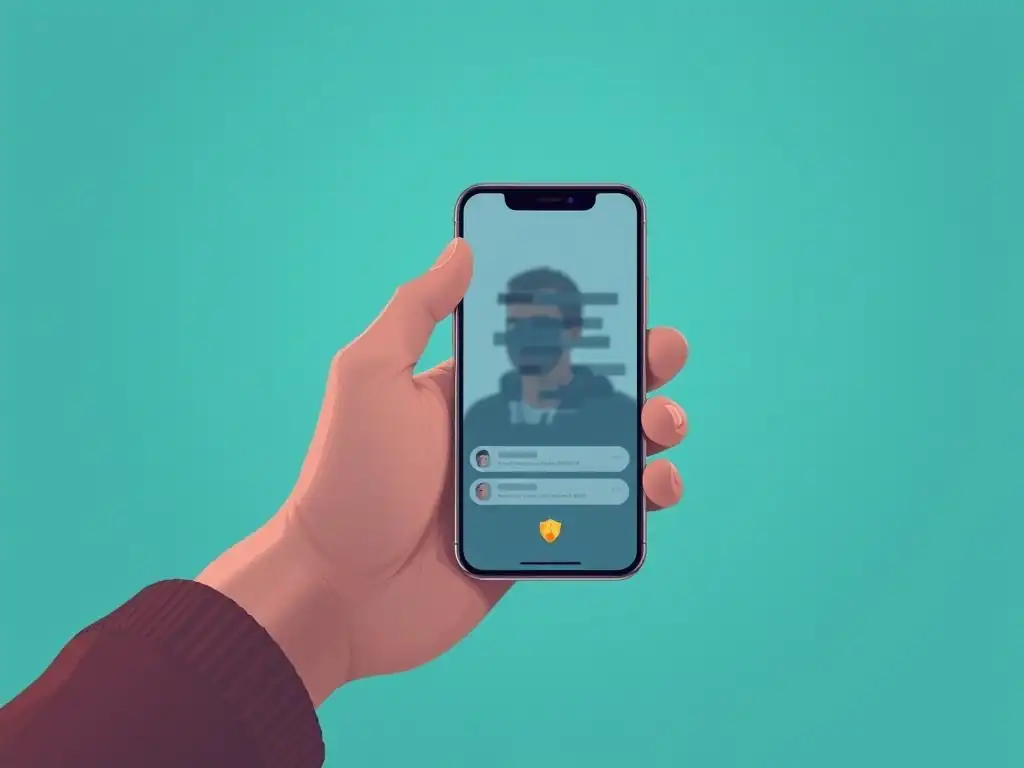
Avoiding online dating scams requires proactive measures, but knowing how to report them is equally crucial. Reporting suspected fraudulent activity not only protects you but also helps prevent others from falling victim. This section details the steps you can take to report scams and mitigate potential damage. Remember, reporting is a powerful tool in the fight against online dating fraud. It's important to document everything meticulously; this will aid your reporting process significantly.
Reporting to Online Dating Platforms: Procedures and Best Practices
Most reputable online dating platforms have robust mechanisms for reporting suspicious profiles and activities. The process typically involves navigating to your profile settings or contacting customer support. Before reporting, gather as much information as possible, including:
- Username and profile URL: This allows the platform to quickly locate the offending profile.
- Screenshots: Document any incriminating messages, photos, or profile details. Screenshots serve as irrefutable evidence.
- Dates and times of communication: Precise timestamps help establish a timeline of events.
- Details of the scam attempt: Clearly describe the scammer's tactics, their requests (e.g., money, gift cards), and any promises made.
The reporting process varies across platforms, but generally involves selecting a "report" or "flag" option within the user's profile or message thread. Some platforms may offer a dedicated form for reporting scams with specific fields to fill out. Always follow the platform's instructions carefully. After submitting your report, you may receive an acknowledgment email or a follow-up from the platform's support team. Remember, while platforms strive to act swiftly, the investigation and removal of fraudulent profiles may take time.
It’s important to avoid engaging further with the suspected scammer after reporting them. This prevents further harm and provides a clearer picture for the platform's investigation.
Reporting to Law Enforcement: Steps for Filing a Police Report
If you've been a victim of a significant financial scam or experienced harassment, reporting to law enforcement is essential. Even if the financial loss is minimal, reporting helps build a larger database of scammer activity, aiding future investigations. When filing a police report, be prepared to provide the following:
- Detailed account of the scam: Provide a chronological account of the interactions, including dates, times, and communication methods.
- All communication records: This includes screenshots of messages, emails, and any other forms of digital communication.
- Financial records: If money was involved, provide bank statements, transaction records, and any other financial documentation related to the scam.
- Personal information: You'll need to provide your personal information, including your name, address, and contact details.
- The scammer's information: Provide any information you have about the scammer, such as their username, profile details, and any other identifying information.
The police may not always be able to recover your lost funds, but filing a report is crucial for several reasons. It creates an official record of the crime, potentially leading to the arrest and prosecution of the scammer. Furthermore, it can help you access support services and resources for victims of fraud.
Protecting Your Online Reputation: Managing the Aftermath of a Scam
Being a victim of an online dating scam can be emotionally distressing and may impact your online reputation, especially if the scammer used your personal information or images without your consent. Taking proactive steps to protect your online reputation is vital. This includes:
- Monitoring your online presence: Regularly check your social media profiles and online dating profiles for any unauthorized activity or posts.
- Reporting impersonation: If the scammer created fake profiles using your name or image, report these profiles to the respective platforms immediately.
- Changing your passwords: Immediately change your passwords for all online accounts, including your email, social media, and online dating profiles. Use strong, unique passwords for each account.
- Contacting credit bureaus: If your personal information was compromised, contact the major credit bureaus to place a fraud alert or freeze on your credit report.
- Seeking support: Don't hesitate to seek support from friends, family, or mental health professionals. Experiencing a scam can be emotionally challenging, and seeking support is a sign of strength.
Remember, you're not alone. Many people experience online dating scams, and taking action is crucial for both your personal well-being and the prevention of future scams. By following these steps, you can significantly reduce the impact of a scam and contribute to a safer online dating environment.
Building Trust and Avoiding Scams: Healthy Online Dating Habits
This section focuses on proactive strategies to minimize your risk of encountering online dating scams. Building trust organically, rather than rushing into relationships, is key to avoiding manipulation and heartbreak. Remember, the goal is to avoid online dating scams, and a cautious approach is your best defense.
Slow and Steady Communication: Building Genuine Connections
Avoid rushing into deep conversations or sharing personal information too quickly. Scammers often try to establish a strong emotional connection rapidly to manipulate their victims. Instead, focus on building a genuine connection through gradual communication. Start with simple pleasantries, move to sharing interests and hobbies, and then gradually reveal more personal details as you feel more comfortable and confident in the authenticity of the other person.
Think of it like this: you wouldn't reveal your bank account details to someone you just met at a coffee shop, would you? The same principle applies to online dating. Take your time, get to know the person, and only share sensitive information when you're absolutely certain about their identity and intentions. Genuine connections take time, and rushing the process can be a major red flag. Consider the following communication timeline as a guideline:
| Week | Communication Level | Information Sharing |
|---|---|---|
| 1 | Light conversations, shared interests | Hobbies, general lifestyle |
| 2-3 | Deeper conversations, personal stories | Work, family (general information) |
| 4+ | More intimate conversations | More personal details (with caution) |
Remember, consistent and gradual communication builds trust more effectively than hurried exchanges. This approach helps you avoid online dating scams by fostering a genuine connection based on mutual respect and understanding.
Trust Your Intuition: Recognizing Warning Signs Early On
Your gut feeling is often a powerful tool in identifying potential scammers. If something feels off, it probably is. Don't ignore those warning bells. Scammers often exhibit inconsistencies in their stories, use overly romantic language, or pressure you into making quick decisions. Pay close attention to these red flags:
- Inconsistent profiles: Do their photos seem too perfect? Does their profile information contradict what they tell you in conversation?
- Overly romantic language: Do they profess undying love after only a few messages? This is a classic scammer tactic.
- Pressure for quick commitment: Are they pushing you to meet in person quickly or to share financial information?
- Poor grammar and spelling: While not always a definitive sign, this can be an indicator of a fake profile.
- Avoidance of video calls: Legitimate daters are usually happy to have video calls to build trust and verify identity. Consistent refusal might signal deception.
Learning to trust your intuition is a crucial skill in avoiding online dating scams. Don't dismiss your concerns just because someone seems charming online. If something feels amiss, take a step back and reassess the situation.
Maintaining Healthy Boundaries: Protecting Your Emotional Well-being
Setting healthy boundaries is crucial for protecting your emotional well-being and avoiding manipulation. This involves protecting your personal information, financial security, and emotional space. Remember, you are not obligated to share anything you're not comfortable with.
- Never share financial information: This is a major red flag. Legitimate daters will never ask for money.
- Limit personal information sharing: Avoid giving out your full address, workplace details, or other sensitive information until you've met in person and built sufficient trust.
- Don't feel pressured to respond immediately: Take your time to respond to messages, and don't let anyone pressure you into doing something you're uncomfortable with.
- Maintain contact with friends and family: Keep them updated on your online dating experiences, and let them know if you have any concerns. Having a support system can be invaluable.
By setting clear boundaries, you demonstrate self-respect and protect yourself from potential harm. This proactive approach is vital in avoiding online dating scams and maintaining a positive online dating experience. Remember, your safety and well-being are paramount. 🫶
Resources and Further Information: Additional Support for Safe Dating
This section provides valuable resources to help you avoid online dating scams and navigate the world of online dating safely and confidently. Remember, your safety and well-being are paramount. Don't hesitate to utilize these resources if you need assistance or further information. Learning how to avoid online dating scams is an ongoing process, and these resources can be instrumental in your journey towards safer online interactions.
Websites and Organizations Dedicated to Online Safety
Several websites and organizations are dedicated to providing information and support related to online safety, including online dating safety. These resources often offer practical advice, educational materials, and reporting mechanisms for scams. They play a crucial role in helping individuals learn to identify and avoid potential dangers. Knowing where to turn for help is a vital step in avoiding online dating scams.
Here's a breakdown of the types of resources you can expect to find:
- Educational Materials: Many organizations offer comprehensive guides, articles, and webinars on topics such as identifying red flags, protecting your personal information, and reporting scams. These materials often use real-life examples to illustrate the tactics employed by scammers.
- Support Networks: Some organizations provide support networks where individuals can share their experiences, ask questions, and receive emotional support. This can be especially helpful for those who have been victims of scams.
- Reporting Mechanisms: Many websites and organizations offer secure ways to report online scams and suspicious activity. This helps law enforcement agencies track and investigate scams, potentially leading to the apprehension of scammers.
Understanding the various types of support available can empower you to make informed decisions and protect yourself more effectively. Remember, you are not alone in this, and seeking help is a sign of strength, not weakness.
Legal Advice and Support for Scam Victims
Being a victim of an online dating scam can be a devastating experience, both emotionally and financially. Knowing where to turn for legal advice and support is crucial during this difficult time. Several resources are available to help scam victims navigate the legal process and seek compensation.
Here are some key aspects of seeking legal assistance:
- Documenting the Scam: Meticulously document all communication with the scammer, including emails, messages, and financial transactions. This evidence will be vital in any legal proceedings.
- Reporting to Authorities: Report the scam to the appropriate law enforcement agencies, such as the Federal Trade Commission (FTC) or your local police department. They can investigate the scam and potentially assist in recovering lost funds.
- Seeking Legal Counsel: Consult with a lawyer specializing in fraud or cybercrime. They can advise you on your legal options, help you build a strong case, and represent you in court if necessary. They can also guide you through the process of avoiding online dating scams in the future.
Remember, seeking legal advice is a proactive step in protecting your rights and potentially recovering your losses. Don't hesitate to reach out to legal professionals for guidance and support. While avoiding online dating scams is the primary goal, knowing what to do if you become a victim is equally important.
It's crucial to remember that while these resources offer significant support, preventing scams in the first place remains the best approach. Staying vigilant, practicing safe online habits, and utilizing the resources available will greatly enhance your safety and success in online dating.
Frequently Asked Questions
How can I spot a potential online dating scam?
Be wary of profiles with limited information, poor-quality photos, or excessive flattery. Also, watch out for requests for money or personal details too early in the "relationship."
What should I do if someone asks me for money online?
Never send money to someone you've only met online. Report the profile to the dating site immediately and block the user. Consider reporting it to the authorities as well.
Are there any red flags to watch out for in online communication?
Be cautious of users who are unwilling to video chat, pressure you into meeting quickly, or constantly change their story. Inconsistencies in their profile or messages are also major red flags.
How can I protect my personal information while online dating?
Avoid sharing sensitive information like your full address, workplace, or financial details. Use a strong, unique password for your dating profile and enable two-factor authentication if available.
What should I do if I think I'm being scammed?
Immediately cease all communication with the suspected scammer. Document all interactions and report the profile to the dating site and the appropriate authorities. Consider seeking support from friends or family.
The rise of online dating has revolutionized romance, but it's also created fertile ground for sophisticated scams. Millions navigate these digital landscapes daily, seeking connection, and sadly, many fall victim to deception. Understanding the tactics and implementing preventative measures is no longer optional; it's essential for safe and fulfilling online dating experiences.
The impact of online dating scams extends far beyond financial loss; it shatters trust and leaves emotional scars. The vulnerability inherent in seeking connection online makes individuals susceptible to manipulation and exploitation. The heart wants what it wants,
they say, but a clear head is equally crucial in the digital age. We must cultivate a culture of awareness and empowerment, fostering critical thinking and healthy skepticism within the online dating community. This requires open conversations, shared experiences, and a collective commitment to protecting ourselves and each other.
You, the reader, now hold the knowledge to navigate the complexities of online dating with greater confidence and safety. Take the time to review the tips outlined in this article, and don't hesitate to share this information with friends and family. Remember, being cautious isn't cynical; it's smart. Your safety and well-being are paramount, and your journey to finding genuine connection deserves to be protected. Embrace the potential of online dating while safeguarding your heart and your future.
Unlock Your Safe and Successful Online Dating Journey!
Thank you for learning about online dating safety! We hope you feel empowered to navigate the digital dating world with confidence. Ready to take the next step?
- Create a personalized safety plan: Based on what you've learned, create a personal safety plan for online dating. Include who to trust, potential red flags, and steps to take if you feel unsafe. This will be an invaluable resource.
- Share this information with friends and family: Help them avoid online dating scams. Raising awareness creates a safer online dating community.
- Join a local online dating safety support group: Connecting with others who understand the challenges can provide valuable support and resources, whether online or in person.
What's the first thing you'll do today to improve your online dating safety? Share your thoughts in the comments below!