
The Avoidant's Online Dating Journey: Steps Towards Vulnerability


Ready to rewrite your online dating story? At OnlineDatingSuccess.org, we help you navigate the complexities of finding love online. But what if your attachment style is holding you back? Discover how to overcome the challenges of avoidant attachment in online dating and unlock your potential for genuine connection. Learn the practical strategies to build a successful profile, communicate authentically, and finally find the fulfilling relationship you deserve. Dive into our expert advice and start your journey towards vulnerability today.
- Understanding Avoidant Attachment in Online Dating
- Avoidant Attachment Online Dating Tips: Building a Successful Profile
- Navigating Communication with Avoidant Attachment Strategies
- Building Trust and Connection: Practical Steps for Avoidants
- Overcoming Fear of Commitment in Online Dating
- Signs of Progress and Seeking Support
- Long-Term Strategies for Sustainable Relationships
-
Frequently Asked Questions
- How can someone with an avoidant attachment style find success in online dating?
- What are the biggest challenges faced by avoidants in online dating?
- What are some tips for creating an online dating profile that appeals to others while respecting avoidant needs?
- How can avoidants manage their fear of intimacy during online interactions?
- What are the signs that an avoidant is ready to open up in an online dating context?
- Final Reflection: Embracing Vulnerability in the Digital Age of Love
- Unlock Your Dating Potential: Take the Next Step
Understanding Avoidant Attachment in Online Dating
Navigating the world of online dating can be challenging for anyone, but individuals with an avoidant attachment style often face unique hurdles. This article delves into the specific experiences of those with avoidant attachment in the online dating sphere, providing practical tips and strategies to foster healthier connections. We'll explore how avoidant attachment manifests in online dating profiles, communication styles, and relationship dynamics, ultimately offering a path towards greater vulnerability and more fulfilling relationships.
Understanding the nuances of avoidant attachment is crucial for building meaningful connections, both online and offline, and this guide aims to equip you with the knowledge and tools to navigate this journey successfully. Remember, seeking professional help from a therapist or counselor specializing in attachment styles can significantly enhance your understanding and progress. This article serves as a starting point for your journey towards healthier relationships.
Recognizing Avoidant Attachment Behaviors Online
Individuals with avoidant attachment often display specific behaviors in the online dating realm. These behaviors stem from a deep-seated fear of intimacy and commitment, leading to actions that might unintentionally sabotage potential connections. For example, they might be hesitant to share personal information, even seemingly minor details.
They might respond sporadically to messages, leaving long gaps between communication, or even disappear entirely without explanation. This isn't necessarily malicious; it's a manifestation of their discomfort with emotional closeness. Another common behavior is prioritizing independence and self-reliance to an extreme degree, possibly even appearing aloof or distant in their profiles and interactions.
They might avoid expressing vulnerability or discussing their feelings openly, preferring to keep things superficial. Recognizing these patterns, both in oneself and in potential partners, is the first step towards fostering healthier interactions. It's crucial to remember that these behaviors are often rooted in past experiences and are not necessarily reflective of a person's inherent character.
The Impact of Avoidant Attachment on Online Dating Profiles
The way an avoidant individual presents themselves online often reflects their underlying anxieties about intimacy. Their profiles might lack personal details, focusing instead on superficial aspects like hobbies or achievements. They might avoid using photos that show vulnerability or emotional connection, preferring images that portray independence and self-sufficiency. The language used in their bios and messages might be carefully controlled and emotionally distant, lacking the warmth and openness often found in profiles of individuals with secure attachment.
This guarded approach, while seemingly protective, can inadvertently deter potential partners who are looking for genuine connection. Consider the impact of a profile that emphasizes accomplishments without revealing any personal struggles or vulnerabilities – it might appear impressive but also emotionally distant and unapproachable. A more balanced approach, carefully incorporating elements of both strength and vulnerability, can attract more compatible partners.
Identifying Dating App Challenges for Avoidants
Online dating presents a unique set of challenges for individuals with avoidant attachment. The constant influx of potential matches can be overwhelming, leading to feelings of anxiety and avoidance. The pressure to maintain constant communication and respond promptly can trigger their fear of commitment and intimacy. Swiping through profiles can become a repetitive, emotionally draining activity, reinforcing their avoidance patterns.
Another major challenge is the potential for rejection, which can be particularly painful for avoidants, further solidifying their belief that close relationships are risky. Furthermore, the ease with which connections can be made and broken online can contribute to a fear of emotional investment, making it difficult to build meaningful relationships. Understanding these challenges is key to developing coping mechanisms and strategies for navigating the online dating world more effectively. Developing healthy communication skills and managing expectations are crucial aspects of this process.
Avoidant Attachment Online Dating Tips: Building a Successful Profile

This section focuses on crafting an online dating profile that resonates with your personality while respecting your boundaries as someone with an avoidant attachment style. Remember, the goal isn't to attract everyone, but to attract individuals who appreciate your unique qualities and understand your need for space. Authenticity is key, and this starts with your profile.
Creating an Authentic Profile that Attracts Genuine Connections
Avoidant individuals often struggle with self-disclosure. The fear of vulnerability can lead to profiles that are either too vague or overly boastful. The key is to strike a balance. Instead of hiding behind generic statements, focus on showcasing your personality subtly.
For example, instead of writing "I'm looking for someone fun," try something like, "I enjoy exploring new coffee shops and hiking trails on weekends – anyone want to join?" This invites interaction without demanding too much upfront commitment. Use specific examples to illustrate your hobbies and interests. Instead of saying "I love to travel," say "My last trip was to [Location], and I particularly loved [Specific Experience]."
Here's a table illustrating the difference between vague and specific profile descriptions:
| Vague Description | Specific Description |
|---|---|
| I like to have fun. | I love trying new restaurants and attending live music events. |
| I'm looking for a relationship. | I'm hoping to meet someone genuine to share experiences with. |
| I'm a good listener. | I enjoy deep conversations and helping others work through challenges. |
| I'm adventurous. | I recently went rock climbing and plan to try paragliding soon. |
Remember, your photos are just as important as your text. Choose photos that reflect your personality and lifestyle authentically. Avoid overly posed or filtered images. A candid shot of you doing something you enjoy will speak volumes.
Using emojis sparingly can add a touch of personality without being overwhelming. For instance, adding a ☕️ next to your mention of enjoying coffee shops can make your profile feel more approachable.
Choosing the Right Dating Apps for Avoidants
Not all dating apps are created equal. Some platforms prioritize superficial interactions, while others encourage deeper connections. Avoidants might find more success on apps that allow for more controlled communication and less pressure for immediate responses.
Consider apps that allow you to carefully curate your matches based on shared interests and values. Apps with detailed profile options that facilitate thoughtful self-expression can be beneficial. Avoid apps that heavily rely on quick swiping and superficial judgments, as these can trigger feelings of overwhelm and anxiety.
The key is to choose an app that aligns with your communication style and comfort level. Research different apps and read reviews to find one that caters to your specific needs and preferences. Prioritize quality over quantity. It's better to have fewer, more meaningful interactions than a large number of superficial connections.
Showcasing Your Strengths Without Over-Sharing
Avoidants often fear appearing needy or desperate. Therefore, it’s crucial to present your strengths and accomplishments without seeming boastful or self-absorbed. Focus on showcasing your independence and self-sufficiency while subtly hinting at your desire for connection.
Instead of directly stating your accomplishments, weave them into your profile naturally. For example, instead of saying "I'm a successful lawyer," you could say, "I enjoy the challenges of my career as a lawyer, but I also make time for [Hobbies/Interests]." This showcases your professional success without making it the defining aspect of your personality.
Remember, building trust takes time. Avoid oversharing personal details early in the process. Gradually reveal information as you feel comfortable and build rapport with potential partners. This measured approach respects your need for space and fosters a healthy, sustainable connection. Patience and self-compassion are crucial throughout this process. Embrace your unique qualities, and remember that genuine connections are built on mutual respect and understanding.
Avoidant attachment in online dating presents unique challenges. Individuals with this attachment style often struggle with intimacy and emotional closeness, leading to communication patterns that can hinder connection. Understanding these patterns is the first step towards fostering healthier online interactions. This section provides practical strategies for navigating communication while acknowledging the complexities of avoidant attachment.
Managing Fear of Intimacy in Online Interactions
The fear of intimacy is a cornerstone of avoidant attachment. Online dating, with its potential for vulnerability and emotional investment, can exacerbate this fear. Many avoidants may subconsciously sabotage potential connections through inconsistent messaging, sudden disappearances, or overly casual interactions. Recognizing these patterns is crucial. For instance, an avoidant might respond enthusiastically to initial messages but become distant as the interaction deepens, reflecting their discomfort with increasing closeness. This isn't necessarily a reflection of disinterest but rather a manifestation of their attachment style.
To manage this fear, conscious effort is key. Start by setting realistic expectations. Online dating is a process, and building trust takes time. Avoid the pressure to immediately jump into deep conversations or commit to exclusive relationships. Instead, focus on small, manageable steps.
Responding promptly but not excessively, maintaining a balance between engagement and personal space, and being honest about your limitations are crucial strategies. Remember that vulnerability is a gradual process, not a sudden leap. Celebrating small victories, like maintaining consistent communication for a week, or engaging in a deeper conversation, can build confidence and reduce anxiety. Consider journaling to understand your emotional responses and triggers. This self-awareness is invaluable in navigating the complexities of online dating with an avoidant attachment style.
Setting Healthy Boundaries in Online Dating
Establishing and maintaining healthy boundaries is paramount for avoidants in online dating. These boundaries protect both your emotional well-being and the potential relationship. Clear communication is essential. For example, specifying how often you prefer to communicate, setting limits on the level of personal information shared early on, and defining expectations for exclusivity all contribute to healthy boundaries. Avoidants might struggle with saying "no" or expressing their needs, but practicing assertive communication is vital.
A helpful technique is using the "broken record" method. This involves calmly and repeatedly restating your boundary, regardless of the other person's reaction. For example, if someone pressures you for more personal information than you're comfortable sharing, consistently reiterate that you need more time before sharing that level of detail. Similarly, if someone is demanding more time or attention than you can provide, politely but firmly state your limitations.
Remember, respecting your boundaries is not selfish; it's crucial for maintaining your mental health and fostering healthy relationships. Setting boundaries also helps to avoid the cycle of push and pull that often characterizes relationships involving avoidants. It creates a sense of predictability and stability, which can be reassuring for both parties involved.
Responding to Messages Authentically and Responsibly
Authenticity is often challenging for avoidants, who might fear rejection or judgment. However, striving for genuine communication, even if it feels uncomfortable, is crucial for building meaningful connections. This doesn't mean oversharing or revealing everything immediately; it means responding to messages in a way that aligns with your feelings and values, without resorting to avoidance tactics.
Responding authentically and responsibly involves carefully considering your responses. Take time to reflect before replying, ensuring your message conveys your true feelings and intentions, rather than a carefully constructed facade. This might mean taking a break from the app if you feel overwhelmed. If you're unsure how to respond, it's better to take time than to send a message you might later regret. Prioritize clear and concise communication, avoiding ambiguity that might lead to misunderstandings.
Responsible communication also includes being mindful of the other person's feelings. While setting boundaries is essential, remember to be respectful and considerate, even when declining a date or ending a conversation. This approach fosters trust and reduces the likelihood of causing unnecessary hurt feelings. Practicing empathy, even while prioritizing your needs, is a crucial component of responsible online dating for those with avoidant attachment styles.
Building Trust and Connection: Practical Steps for Avoidants
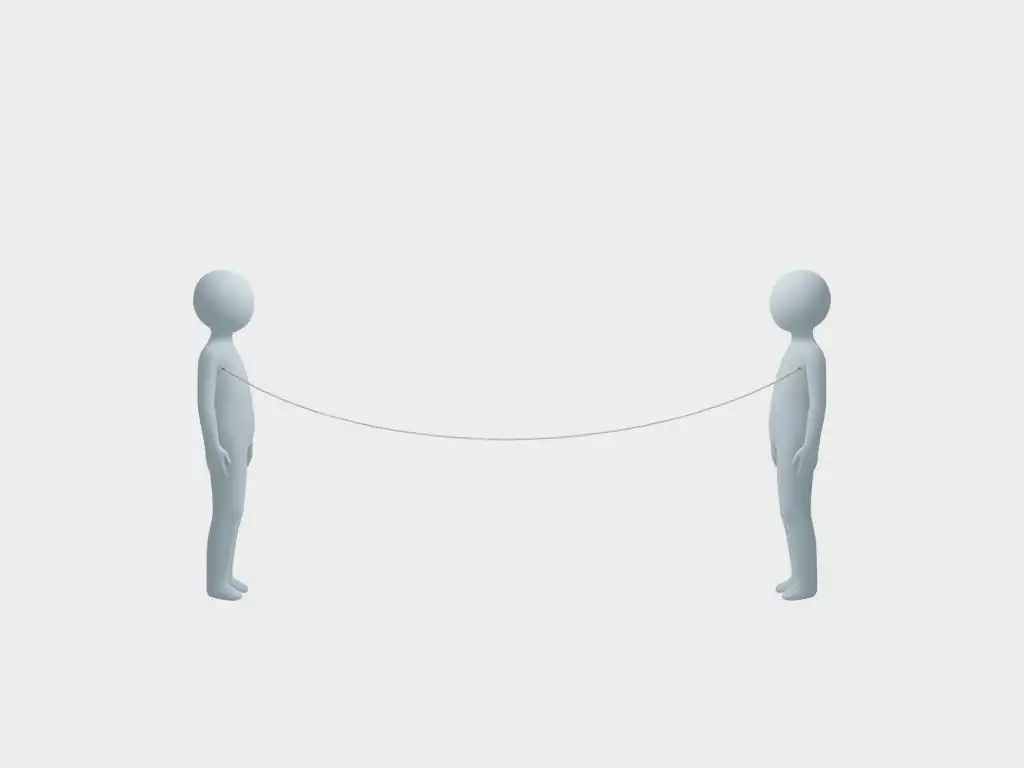
Online dating presents unique challenges for individuals with an avoidant attachment style. The fear of intimacy, commitment, and vulnerability can manifest in various ways, hindering the development of meaningful connections. However, with conscious effort and strategic approaches, avoidants can navigate the online dating world and build healthy relationships. This section focuses on practical steps to foster trust and connection, emphasizing gradual progress and self-compassion. Remember, the journey towards vulnerability is a marathon, not a sprint. It's about incremental steps forward, celebrating small victories, and acknowledging setbacks as opportunities for growth. This is key to successful online dating for avoidants.
Gradual Disclosure: Sharing Personal Information at Your Own Pace
Avoidants often struggle with sharing personal information, fearing it might lead to unwanted closeness or dependence. The key here is gradual disclosure. Instead of revealing everything at once, start with small, neutral details. Share interests, hobbies, and career aspirations – topics that don't immediately delve into deeply personal emotions or past experiences. As trust develops organically through consistent positive interactions, you can gradually share more intimate details. Think of it like peeling an onion – layer by layer, at a pace you feel comfortable with.
For example, instead of immediately sharing childhood trauma in your profile or initial messages, focus on your current passions. Do you love hiking? Mention it! Are you passionate about a particular type of music? Share that! These seemingly small details can spark engaging conversations and allow for a natural progression towards deeper connection. Observe your partner's responses and adjust your level of disclosure accordingly. If you sense discomfort or pressure, it's perfectly acceptable to take a step back and revisit the topic later. The goal is to build a connection based on mutual respect and understanding, not rushed intimacy.
Managing Expectations and Avoiding Overwhelm
Avoidants often feel overwhelmed by intense emotions or perceived demands for closeness. Managing expectations, both your own and your partner's, is crucial in online dating. Clearly communicate your boundaries and needs. If you need time alone to recharge, let your partner know. If you prefer less frequent communication, be upfront about it. Avoid engaging in lengthy, emotionally charged conversations early on. Short, focused interactions can be less overwhelming and allow for better emotional regulation.
It's also important to avoid idealizing potential partners. Remember that online profiles often present an idealized version of someone's life. Focus on getting to know the person behind the profile, rather than projecting your expectations onto them. Be realistic about what you are looking for in a relationship and avoid rushing into anything that feels too intense or demanding. Remember that building trust takes time and consistent effort; it's a process of mutual discovery and understanding, not a race to the finish line.
Prioritizing Self-Care and Emotional Regulation
Navigating online dating with an avoidant attachment style requires significant self-awareness and self-compassion. Prioritizing self-care is essential. Engage in activities that help you manage stress and regulate your emotions, such as exercise, meditation, or spending time in nature. Developing healthy coping mechanisms is key to managing the anxieties that can arise from online dating.
Remember that setbacks are inevitable. Rejection, disappointment, or feeling overwhelmed are all common experiences in online dating, regardless of attachment style. However, for avoidants, these experiences can be particularly challenging. Practice self-compassion and avoid self-criticism.
Acknowledge your feelings without judgment, and remind yourself that you are doing your best to navigate a complex process. Seeking support from a therapist or counselor specializing in attachment issues can provide invaluable guidance and tools for managing your emotions and building healthier relationships. Remember, self-care is not selfish; it’s essential for navigating the emotional complexities of online dating successfully. Taking care of yourself first ensures you're equipped to build strong and healthy connections.
Overcoming Fear of Commitment in Online Dating
Avoidant attachment style in online dating presents unique challenges. Individuals with this attachment style often struggle with intimacy and commitment, leading to self-sabotaging behaviors in romantic pursuits. Overcoming this fear requires a multifaceted approach, focusing on self-awareness, gradual exposure to intimacy, and the development of healthy coping mechanisms. This section will explore practical strategies for navigating the complexities of online dating while addressing the core issues stemming from avoidant attachment. The journey towards healthier relationships starts with understanding and accepting your attachment style.
Identifying and Addressing Underlying Fears
The first step in overcoming fear of commitment in online dating, for those with an avoidant attachment style, involves pinpointing the root causes of this fear. Many avoidants harbor deep-seated anxieties related to past experiences, such as betrayal, abandonment, or emotional neglect. These past traumas often manifest as a fear of vulnerability and dependence, making it difficult to form close connections. Journaling can be a powerful tool for uncovering these underlying fears.
By regularly writing about your feelings and experiences, you can start to identify patterns and triggers that contribute to your avoidant behavior. Consider prompting yourself with questions like: "What specific situations in past relationships triggered a desire to pull away? ", "What are my biggest fears about intimacy?
", and "What are my beliefs about relationships and commitment?". Understanding these anxieties is the crucial first step towards addressing them. Therapy or counseling can also be invaluable in this process, providing a safe space to explore these deeply rooted issues with a trained professional.
Recognizing Healthy Relationship Patterns
Learning to identify and recognize healthy relationship patterns is crucial for those with avoidant attachment. Many avoidants may have internalized unhealthy relationship dynamics from their past, leading them to unconsciously seek out or recreate these patterns. This can involve selecting partners who are emotionally unavailable or engaging in behaviors that ultimately sabotage the relationship. It's important to consciously break these cycles. Start by examining your past relationships.
What were the common threads? Were your partners consistently unavailable or emotionally distant? Did you feel suffocated or controlled? Understanding these patterns can help you identify red flags in future interactions. In online dating, pay close attention to the signals your potential partners are sending.
Are they communicative and responsive? Do they respect your boundaries? Do they demonstrate emotional maturity and empathy? These are all indicators of a healthy relationship dynamic, providing a stark contrast to the potentially unhealthy patterns you may have experienced in the past. Prioritize partners who value open communication, mutual respect, and emotional intimacy.
Embracing Vulnerability and Intimacy
The ultimate goal for avoidants in online dating is to embrace vulnerability and intimacy. This is a gradual process, requiring patience and self-compassion. Start small. Practice sharing personal information incrementally, starting with less sensitive details and gradually revealing more as you build trust. Avoid rushing into deep emotional connections. Instead, focus on building genuine rapport and fostering a sense of security.
Remember, vulnerability is not weakness; it's a sign of strength and authenticity. It allows for deeper, more meaningful connections. However, it's crucial to set healthy boundaries. Avoid oversharing or becoming overly dependent on your partner. Maintain your sense of self and independence while nurturing the relationship. This balance is key to a healthy and fulfilling connection.
Celebrate small victories along the way. Acknowledge your progress and be kind to yourself during moments of self-doubt or anxiety. Building intimacy takes time and effort, but the rewards are well worth it. The journey towards healthier relationships is a marathon, not a sprint. Remember to be patient and celebrate your progress along the way.
Signs of Progress and Seeking Support
Navigating online dating with an avoidant attachment style can feel like traversing a minefield. However, recognizing progress, no matter how small, is crucial for maintaining momentum and building self-compassion. This section focuses on identifying positive shifts in your online dating behavior and understanding when professional support might be beneficial. Remember, progress isn't linear; it's a journey with ups and downs. Celebrate the small victories!
Recognizing Positive Shifts in Online Dating Behavior
One of the biggest challenges for individuals with avoidant attachment in online dating is the fear of intimacy and commitment. Therefore, progress often manifests as subtle changes in behavior. For example, previously, you might have abruptly ended conversations or avoided deeper discussions. Positive shifts could include:
- Increased communication: You're initiating conversations more often, responding more promptly, and engaging in more extended exchanges. This might involve sharing more about yourself, even if it feels uncomfortable at first.
- Reduced avoidance: You're less likely to ghost potential partners or disappear when things get serious. You're showing up consistently, even when facing challenges.
- Greater emotional availability: You’re allowing yourself to feel and express emotions, even vulnerable ones, in your interactions. This doesn't mean you'll suddenly become overly expressive, but a willingness to share more authentically is a significant step.
- Improved self-reflection: You are actively reflecting on your past dating experiences and identifying patterns of avoidance. This self-awareness is a cornerstone of change. Journaling can be a powerful tool in this process.
- Setting healthy boundaries: You’re able to communicate your needs and limits more clearly and confidently, both online and offline. This prevents resentment and promotes healthier relationships.
For instance, consider someone who previously deleted dating apps after a few messages. If they now maintain active profiles and engage in longer conversations, that's demonstrable progress. Similarly, someone who previously avoided phone calls might now be initiating video calls, indicating a willingness to deepen connections. These subtle yet significant changes indicate a movement towards healthier relationship patterns. Remember, even small steps forward represent a significant victory in overcoming avoidant attachment tendencies in online dating.
Seeking Professional Help for Avoidant Attachment
While self-help resources and support networks are beneficial, professional guidance can significantly accelerate your progress. A therapist specializing in attachment styles can provide personalized strategies and tools to address underlying anxieties and insecurities. Therapy offers a safe space to explore deeply rooted patterns and develop healthier coping mechanisms.
Consider seeking professional help if:
- You're struggling to make meaningful progress on your own.
- Avoidant behaviors significantly impact your daily life and well-being.
- You experience intense anxiety or emotional distress related to dating.
- You're finding it difficult to manage your emotions or build healthy relationships.
- Past trauma is significantly impacting your ability to form connections.
A therapist can provide techniques such as Cognitive Behavioral Therapy (CBT) or Emotionally Focused Therapy (EFT) to help you identify and challenge negative thought patterns and develop more adaptive emotional regulation skills. This professional support is invaluable in navigating the complexities of avoidant attachment and fostering healthier online dating experiences. Finding the right therapist is key, so don't hesitate to consult with multiple professionals before making a decision.
Building a Supportive Network for Online Dating Success
Overcoming avoidant attachment in online dating is rarely a solo endeavor. Surrounding yourself with a supportive network can significantly enhance your journey. This network can include:
- Close friends and family: Share your experiences with trusted individuals who understand and empathize with your challenges. Their support and encouragement can be invaluable during difficult times.
- Support groups: Connecting with others who share similar experiences can foster a sense of community and belonging. Sharing your struggles and hearing others' stories can be incredibly validating and empowering.
- Online communities: Many online forums and communities cater specifically to individuals with attachment issues. These spaces offer a platform to connect with like-minded people, share experiences, and find support.
- Accountability partners: Working with a friend or family member to track your progress and maintain accountability can help you stay motivated and focused on your goals.
Building this supportive network provides a buffer against feelings of isolation and loneliness, common experiences for those with avoidant attachment. This network serves as a source of strength and encouragement, helping you to navigate the challenges of online dating and build healthier relationships. Remember, seeking and accepting support is a sign of strength, not weakness, in overcoming avoidant attachment. It's a crucial step toward building a fulfilling and meaningful dating life.
Long-Term Strategies for Sustainable Relationships
Building a sustainable relationship, especially after overcoming the challenges inherent to avoidant attachment in online dating, requires a long-term perspective and consistent effort. It's not a sprint, but a marathon. This section focuses on strategies to cultivate lasting connections, moving beyond the initial stages of courtship and into the complexities of committed partnerships. Remember, vulnerability is a journey, not a destination. Each step forward, no matter how small, is a victory.
Maintaining Healthy Communication and Boundaries in Committed Relationships
Open and honest communication is the bedrock of any successful relationship, and it's particularly crucial for those with avoidant attachment styles. The fear of intimacy often manifests as difficulty expressing needs and emotions. To combat this, practice active listening – truly hearing your partner's words and validating their feelings. This doesn't mean agreeing with everything, but showing empathy and understanding. Regular check-ins, even brief ones, can help maintain connection and prevent misunderstandings from festering.
Furthermore, establishing healthy boundaries is essential. Avoidant individuals may struggle with setting limits, fearing rejection or conflict. However, clear boundaries protect both individuals and foster mutual respect. This means being upfront about your needs and limitations, whether it's personal space, time alone, or specific activities. For example, clearly communicate your need for alone time after a long day, rather than passively withdrawing. This proactive approach prevents resentment and fosters a healthier dynamic.
Remember, effective communication is a two-way street. It requires both partners to actively participate and be willing to compromise. Learning to negotiate differences respectfully is key to navigating inevitable conflicts in a constructive manner. Consider practicing assertive communication techniques, focusing on expressing your needs without blaming or attacking your partner.
Addressing Recurring Challenges and Setbacks
Even with the best intentions, relationships inevitably face challenges. For individuals with avoidant attachment, recurring setbacks might involve feelings of being overwhelmed, needing space, or experiencing a resurgence of fear of intimacy. Anticipating these potential obstacles and developing coping mechanisms is crucial.
One common challenge is the cyclical nature of avoidance and pursuit. Understanding this pattern—recognizing your own avoidance behaviors and your partner's potential reactions—is the first step towards breaking the cycle. Seek professional guidance, if needed, to understand your triggers and develop strategies for managing them effectively. This could involve therapy, couples counseling, or working with a relationship coach specializing in attachment styles.
Another common pitfall is the tendency to withdraw emotionally during conflict. Instead of shutting down, practice expressing your feelings calmly and constructively. Learning to manage conflict healthily is a skill that takes time and practice, but it's essential for long-term relationship success. Consider journaling or mindfulness techniques to help regulate emotions during stressful times. These techniques can also help manage the intensity of emotions associated with avoidant attachment.
Celebrating Success and Continued Growth
Celebrating milestones, both big and small, is vital for reinforcing positive patterns and fostering a sense of accomplishment. Acknowledge and appreciate your partner's efforts and your own progress in overcoming challenges related to your avoidant attachment. This could involve simple gestures like expressing gratitude, planning special dates, or simply enjoying quality time together.
Remember, personal growth is an ongoing process. Continuously working on yourself and your relationship will strengthen your bond and contribute to long-term success. This might involve engaging in self-reflection exercises, continuing therapy or coaching, or exploring new ways to connect with your partner. The journey towards vulnerability and intimacy is a continuous one; embrace the ongoing learning and celebrate every step along the way. The reward of a secure and fulfilling relationship is well worth the effort. 🎉
Frequently Asked Questions
How can someone with an avoidant attachment style find success in online dating?
Success requires gradual vulnerability. Start with brief, engaging messages, then slowly increase interaction and emotional depth as trust builds. Remember, slow and steady wins the race.
What are the biggest challenges faced by avoidants in online dating?
Avoidants often struggle with intimacy and commitment, leading to avoidance of deeper connections or sudden disappearances. They might also fear emotional engulfment and prioritize independence over relationships.
What are some tips for creating an online dating profile that appeals to others while respecting avoidant needs?
Keep your profile concise and genuine, showcasing your interests without revealing too much personal information upfront. Highlight your independence and self-sufficiency while subtly hinting at your desire for connection.
How can avoidants manage their fear of intimacy during online interactions?
Practice mindfulness and self-compassion. Identify and challenge negative thoughts about intimacy. Set boundaries to manage your comfort levels and avoid feeling overwhelmed.
What are the signs that an avoidant is ready to open up in an online dating context?
Increased communication frequency and depth are key signs. They might initiate more contact, share more personal details, and express a willingness to plan future interactions. This suggests a growing comfort level and trust.
Final Reflection: Embracing Vulnerability in the Digital Age of Love
The challenges of online dating are amplified for those with avoidant attachment styles, yet the rewards of overcoming these challenges are immense. Navigating the complexities of intimacy while simultaneously managing the fear of closeness requires courage and self-awareness, a journey that is both deeply personal and increasingly relevant in our digitally-mediated world. The rise of online dating has created a unique landscape for connection, but it also presents a heightened opportunity for avoidance behaviors to manifest.
The journey towards vulnerability, as explored in this article, is not a linear one. It's a process of self-discovery, requiring consistent effort and self-compassion. The only way out is through.
This quote, though often applied to grief, perfectly encapsulates the experience of confronting one's avoidant tendencies. Understanding the roots of this attachment style, learning healthy coping mechanisms, and practicing mindful communication are crucial steps in fostering healthier relationships, both online and offline. The impact of this work extends far beyond the realm of dating, influencing all aspects of personal connection and self-acceptance.
You, the reader, now hold the power to translate these insights into action. Consider the ways in which your own attachment style might be influencing your online dating experiences. Are you ready to take small, deliberate steps towards vulnerability? Begin by identifying your triggers, practicing self-soothing techniques, and setting healthy boundaries. Remember, progress, not perfection, is the key. Embrace the journey, and allow yourself the space to grow, connect, and ultimately, find love on your own terms.
Unlock Your Dating Potential: Take the Next Step
Thank you for exploring the challenges of online dating with an avoidant attachment style. We hope this article offered valuable insights into understanding your patterns and building healthier relationships. Now, let's put that knowledge into practice!
- Focus on one key area for improvement: Choose just one of the strategies discussed—like setting clearer boundaries, practicing self-compassion, or being more open and vulnerable in your messages—and commit to it this week. Small, consistent changes lead to significant progress.
- Share your key takeaway: Did one strategy resonate particularly well with you? Share your thoughts and reflections in the comments below—your insights could help other daters facing similar challenges.
- Try sending a heartfelt message: It could be a simple expression of interest or a genuine question that shows you're truly listening. You might be surprised by the connection you create.
What's one small step you can take today to build more meaningful connections in your dating life?