
The Secret to Successful Online Dating: Understanding Your Attachment Communication Patterns


Ready to transform your online dating experience? At OnlineDatingSuccess.org, we empower you to build genuine connections. But did you know that understanding your online dating attachment communication styles is the key to unlocking lasting success? Discover how your attachment style impacts your online interactions and learn practical strategies to attract the right partner. Dive in and uncover the secrets to finding meaningful relationships—it all starts here.
- Understanding Your Attachment Style and its Impact on Online Dating
- Decoding Attachment Communication Styles in Online Dating Messages
- Navigating Online Dating with Different Attachment Styles
- Improving Your Online Dating Communication Based on Attachment Theory
- Online Dating Attachment Communication Styles: Case Studies and Examples
-
Frequently Asked Questions
- How does my attachment style affect my online dating communication?
- What are the communication red flags to watch out for in online dating?
- Can I change my attachment communication style?
- How can I communicate my needs effectively in online dating?
- What role does self-awareness play in successful online dating communication?
- Final Reflection: Unlocking Love's Algorithm: Attachment Styles and Online Dating Success
- Unlock Your Dating Potential: Mastering Communication
Understanding Your Attachment Style and its Impact on Online Dating
Navigating the world of online dating can feel like traversing a minefield. Success hinges not just on a captivating profile picture or witty opening line, but on something far more fundamental: understanding your attachment style and how it influences your communication. This article delves into the crucial connection between attachment communication patterns and your online dating experience, providing you with insights to help you build more meaningful and fulfilling connections. We'll explore how your attachment style shapes your online profile, your messaging style, and ultimately, your ability to form lasting relationships.
By recognizing your communication patterns, you can proactively address potential challenges and maximize your chances of finding a compatible partner in the digital realm. Learning to communicate your attachment needs effectively online is key to unlocking successful online dating, and this guide will empower you to do just that. Let's dive in!
Identifying Your Attachment Style: Secure, Anxious, Avoidant
Understanding your attachment style is the first step towards mastering online dating. Attachment theory suggests we develop distinct patterns of relating to others based on our early childhood experiences. These patterns significantly impact how we approach relationships, including those formed online. Three primary attachment styles are commonly identified:
- Secure Attachment: Individuals with a secure attachment style generally have a positive view of themselves and others. They feel comfortable with intimacy and independence, communicating openly and honestly. In online dating, this translates to confident profiles, clear communication, and a healthy balance between expressing interest and respecting boundaries. They tend to attract similar individuals who value open communication and emotional connection.
- Anxious Attachment: Those with an anxious attachment style often crave closeness and reassurance. They may experience heightened anxiety about rejection and abandonment, leading to clingy communication styles in online dating. Their profiles might reflect a strong need for validation, and their messaging could be overly frequent or intense. Recognizing this pattern allows for more mindful communication, setting healthy boundaries, and managing expectations.
- Avoidant Attachment: Individuals with an avoidant attachment style tend to prioritize independence and avoid intimacy. They may appear distant or uninterested in online dating, even if they're actively seeking a relationship. Their profiles might be minimalist, and their communication style might be brief and infrequent. Understanding this pattern allows for more realistic expectations and a more measured approach to online interactions.
How Attachment Style Influences Online Communication
Your attachment style profoundly shapes how you communicate online. For example:
| Attachment Style | Communication Style Online | Potential Challenges | Strategies for Success |
|---|---|---|---|
| Secure | Open, honest, balanced | Minimal | Maintain open communication, respect boundaries |
| Anxious | Frequent, intense, seeking reassurance | Clinginess, neediness | Practice self-soothing, manage expectations |
| Avoidant | Brief, infrequent, distant | Emotional unavailability, lack of engagement | Practice vulnerability, allow intimacy gradually |
This table illustrates how different attachment styles manifest in online interactions. Recognizing these patterns is crucial for self-awareness and improving your online dating experience. For instance, someone with an anxious attachment style might benefit from practicing mindfulness techniques to manage their anxiety before sending messages. Meanwhile, someone with an avoidant attachment style might find it helpful to consciously challenge their avoidance tendencies and practice expressing vulnerability.
Recognizing Your Communication Patterns in Online Dating Profiles
Your online dating profile is your first impression – a digital representation of your personality and relationship goals. Your attachment style subtly, yet powerfully, influences its creation and content.
- Secure: Profiles are likely to be authentic, well-written, and reflect a balanced approach to relationships. They clearly communicate their interests and relationship goals.
- Anxious: Profiles may project a need for validation, using language that hints at insecurity or a desperate search for a partner. They might overshare personal information or present an overly idealized image of themselves.
- Avoidant: Profiles might be minimalist, lacking detail, or even appearing dismissive of relationships. They may avoid revealing personal information or expressing vulnerability.
By understanding how your attachment style influences your profile, you can create a more authentic and effective representation of yourself, attracting compatible partners who appreciate your genuine self. Remember, self-awareness is the key to unlocking successful online dating. By embracing your attachment style and learning to communicate your needs effectively, you can pave the way for meaningful connections. 🎉
Decoding Attachment Communication Styles in Online Dating Messages

Understanding your own attachment style and recognizing those of potential partners is crucial for navigating the complexities of online dating. This section delves into how different attachment styles manifest in online communication, providing you with the tools to decipher messaging patterns and improve your online dating experience. Successfully identifying these styles can significantly improve your chances of finding a compatible and fulfilling relationship.
This knowledge empowers you to communicate your needs effectively and avoid common pitfalls associated with mismatched attachment styles. Mastering this skill directly impacts your online dating success, helping you build meaningful connections rather than experiencing frustration and disappointment.
Analyzing Messaging Patterns: Secure Attachment Communication
Individuals with a secure attachment style generally exhibit consistent and predictable communication patterns. Their messages tend to be:
- Responsive and timely: They reply promptly, showing interest and respect for your time. They don't leave you waiting for hours or days for a simple response.
- Authentic and genuine: Their messages reflect their true selves, without excessive games or manipulation. They are comfortable expressing their feelings and thoughts openly and honestly.
- Balanced and reciprocal: Conversations flow naturally, with both parties contributing equally. They actively listen and engage in meaningful discussions, rather than solely focusing on themselves.
- Positive and optimistic: Their messages often convey warmth, kindness, and a positive outlook. They focus on building a connection based on mutual respect and understanding.
For example, a secure individual might respond to a message about a shared interest with an enthusiastic, detailed reply, asking follow-up questions to continue the conversation. They might also initiate conversations and express their feelings directly, rather than hinting or playing games. This directness and emotional availability contribute to a healthy and fulfilling online interaction.
Interpreting Messaging Patterns: Anxious Attachment Communication
Anxious attachment is characterized by a strong desire for closeness and validation. This often translates into online communication patterns that may appear:
- Frequent and sometimes overwhelming: They may message excessively, seeking constant reassurance and attention. This can feel overwhelming or even suffocating to the recipient.
- Needy and demanding: Their messages might express a strong need for validation and affirmation, potentially leading to clingy or possessive behavior. They may overshare personal information early on in the relationship.
- Inconsistent and erratic: Their communication style might fluctuate between overly enthusiastic and overly anxious, reflecting their internal insecurity. They might overreact to perceived slights or lack of responsiveness.
- Negative and self-deprecating: They might express self-doubt or fear of rejection, leading to messages that seek constant reassurance of their worthiness.
For instance, an anxiously attached individual might send multiple messages in quick succession, anxiously awaiting a response. They might also interpret silence or a delayed response as a sign of rejection, leading to further anxious messaging. Understanding this pattern allows you to respond with empathy and reassurance, while setting healthy boundaries.
Understanding Messaging Patterns: Avoidant Attachment Communication
Avoidant attachment styles are marked by a tendency towards emotional distance and independence. Their online communication often appears:
- Infrequent and brief: They might respond minimally, keeping conversations short and superficial. They may take a long time to respond, or not respond at all.
- Detached and emotionally unavailable: Their messages lack warmth and emotional depth, often appearing distant and aloof. They may avoid discussing personal feelings or vulnerabilities.
- Unresponsive and dismissive: They might ignore or downplay your attempts to connect on a deeper level. They may appear uninterested in getting to know you beyond a superficial level.
- Controlling and manipulative: While less overtly expressed than in anxious attachment, their communication might subtly control the pace and direction of the conversation.
For example, an avoidantly attached individual might reply with a single-word answer or a brief, impersonal statement, even to more engaging messages. They might avoid expressing their feelings or making plans for future interactions. Recognizing these patterns can help you manage expectations and avoid investing too much emotionally in someone who may not be capable of reciprocating. Remember, understanding these patterns isn't about judging individuals; it's about improving your own communication and selecting partners who are a good match for your attachment style.
Understanding your own attachment style and recognizing those of potential partners is crucial for successful online dating. This section focuses on how different attachment styles manifest in online communication and offers practical strategies for navigating these dynamics. Remember, these are general tendencies; individual experiences may vary. Effective online dating requires self-awareness, empathy, and clear communication, regardless of attachment style. The goal is to foster healthy, respectful connections, and understanding attachment styles is a significant step in that process. Mastering online dating attachment communication styles can significantly improve your chances of finding a compatible partner.
Dating Someone with a Secure Attachment Style
Individuals with a secure attachment style generally exhibit healthy communication patterns online. They are comfortable expressing their needs and feelings, respond promptly, and maintain consistent engagement. They value open and honest communication, and their online interactions often reflect this. They are likely to be upfront about their intentions and expectations, leading to clear and straightforward communication.
They tend to:
- Respond to messages in a timely manner.
- Initiate conversations and maintain consistent engagement.
- Express their feelings and needs openly and honestly.
- Show genuine interest in getting to know you.
- Respect your boundaries and communication preferences.
- Offer reassurance and support.
Dating someone with a secure attachment style often feels easier and more natural. Their consistent communication and emotional availability contribute to a feeling of safety and trust. However, even with secure individuals, clear and open communication remains key to building a strong connection. Remember to express your needs and boundaries respectfully, mirroring their healthy communication style.
Dating Someone with an Anxious Attachment Style: Tips for Healthy Communication
Individuals with an anxious attachment style often crave frequent communication and reassurance. Online, this might manifest as frequent messaging, checking for responses constantly, and overanalyzing messages for hidden meanings. They may be more sensitive to perceived rejection or lack of responsiveness. Understanding this tendency is crucial for fostering healthy communication.
Here are some tips for navigating these dynamics:
- Respond promptly and consistently: Regular communication can alleviate their anxiety.
- Reassure them of your interest: Expressing your feelings and intentions clearly can help build trust.
- Avoid ambiguity: Be clear and direct in your communication to minimize misinterpretations.
- Set healthy boundaries: While providing reassurance, establish limits to avoid being overwhelmed.
- Validate their feelings: Acknowledge their anxieties without necessarily agreeing with every interpretation.
- Practice patience: It might take time to build trust and security.
Remember, their heightened anxiety doesn't reflect on you personally. By understanding their needs and communicating empathetically, you can build a strong, fulfilling connection. Patience and consistent reassurance are key to fostering a healthy relationship with someone who presents an anxious attachment style online.
Dating Someone with an Avoidant Attachment Style: Effective Strategies
Individuals with an avoidant attachment style often value independence and self-reliance. Online, this can translate to less frequent communication, delayed responses, and a reluctance to share personal information. They might appear distant or emotionally unavailable. Effective communication requires understanding their need for space and autonomy.
Strategies for healthy communication include:
- Respect their need for space: Avoid overwhelming them with frequent messages.
- Give them time to respond: Don't pressure them for immediate replies.
- Keep your communication light and casual: Avoid overly intense or emotional exchanges.
- Focus on shared interests and activities: Build connection through shared experiences rather than solely relying on deep emotional discussions.
- Be patient and understanding: Building trust with an avoidant individual takes time and consistent effort.
- Avoid being overly demanding or clingy: This can push them further away.
It's important to avoid misinterpreting their behavior as disinterest. Their communication style stems from their attachment needs, not necessarily a lack of interest in you. Patience, respect for their boundaries, and a balanced approach to communication are crucial for building a healthy relationship. Remember, building trust takes time, and respecting their need for space is paramount. Online dating with avoidant individuals requires a delicate balance of engagement and respect for their autonomy.
Improving Your Online Dating Communication Based on Attachment Theory
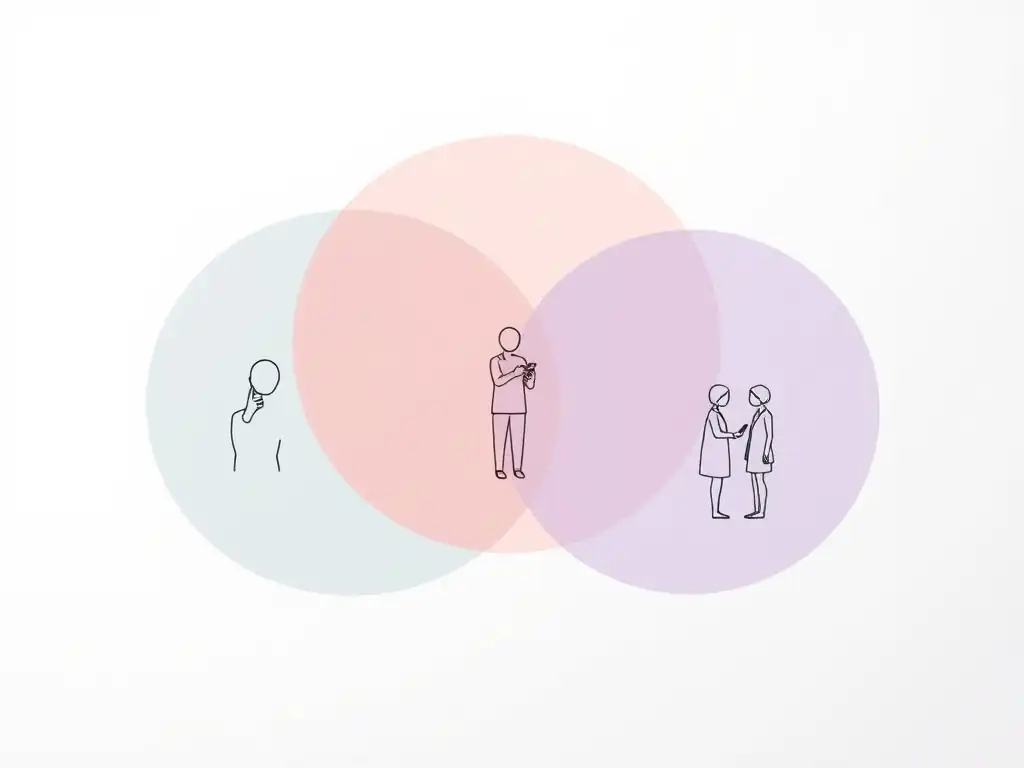
This section delves into practical strategies for enhancing your online dating communication, leveraging the insights of attachment theory. Understanding your own attachment style—whether secure, anxious-preoccupied, dismissive-avoidant, or fearful-avoidant—is crucial for navigating the complexities of online interactions. This knowledge empowers you to identify potential communication pitfalls and proactively build healthier, more fulfilling connections. By recognizing your tendencies and actively working to adjust your communication patterns, you can significantly increase your chances of online dating success. Remember, the goal is not to change your attachment style, but to understand and manage its influence on your online dating experiences.
Adjusting Your Communication for Better Connections
Effective communication is paramount in online dating, where nonverbal cues are limited. Individuals with anxious-preoccupied attachment styles might tend towards excessive messaging or over-interpreting silences. Conversely, those with dismissive-avoidant styles may appear distant or unresponsive. Fearful-avoidant individuals often experience a cycle of seeking connection and then pulling away. To foster better connections, consider these adjustments:
- Anxious-Preoccupied: Practice mindful communication. Give your match space to respond without bombarding them with messages. Focus on quality over quantity. Try scheduling specific times to chat to avoid constant checking. This helps manage anxiety and prevents overwhelming your potential partner. Remember, a thoughtful response is better than a flurry of messages.
- Dismissive-Avoidant: Consciously make an effort to engage more fully in conversations. Ask open-ended questions to show genuine interest and encourage reciprocal communication. Don't be afraid to express vulnerability or share your feelings (appropriately). This doesn't mean you need to become overly expressive, but rather to show you're capable of deeper connection.
- Fearful-Avoidant: Work on identifying your triggers and responses. Practice self-compassion and acknowledge the validity of your fears. Try to balance your need for connection with your fear of rejection, gradually increasing your vulnerability in a safe and controlled manner. This might involve starting with shorter, less intense interactions before progressing to deeper conversations. Consider journaling to process your feelings.
- Secure: While secure individuals often have the easiest time communicating, they can also benefit from mindful practices. Practice active listening and empathy, ensuring your messages reflect understanding and respect for your partner's perspective. Even secure individuals can inadvertently send mixed signals, so conscious communication remains key.
Setting Healthy Boundaries in Online Dating Interactions
Establishing healthy boundaries is vital for protecting your emotional well-being and fostering respectful interactions. Online dating can be emotionally charged, and without clear boundaries, you may find yourself in unhealthy or unsustainable relationships.
Consider these strategies for setting and maintaining boundaries:
- Time Management: Set limits on the time you spend messaging or chatting online. Avoid letting online dating consume your entire day. This applies to all attachment styles, preventing burnout and prioritizing other aspects of your life.
- Personal Information: Be cautious about sharing personal information too early. Protecting your privacy is crucial, especially in the early stages of online dating. Gradually reveal information as you build trust.
- Expectations: Manage your expectations. Not every interaction will lead to a relationship, and that's okay. Remember to value your time and energy.
- Ghosting & Rejection: Develop coping mechanisms for dealing with rejection or ghosting. These are unfortunately common occurrences in online dating. Remember that a person's rejection doesn't reflect your worth. Focus on self-care and self-compassion.
Building Trust and Intimacy Through Secure Communication
Building trust and intimacy online requires intentional effort and open communication. It's a gradual process that involves vulnerability, empathy, and mutual respect. Here are some ways to cultivate trust and intimacy in your online dating interactions:
- Active Listening: Pay close attention to what your match says, both verbally and nonverbally (through text). Ask follow-up questions to show genuine interest and demonstrate that you are truly listening.
- Vulnerability: Share your thoughts and feelings appropriately, gradually increasing the depth of your disclosures as you build trust. This fosters connection and allows for a deeper level of intimacy. Remember, vulnerability is not weakness; it's a sign of strength.
- Empathy: Try to understand your match's perspective, even if you don't agree with it. This shows respect and builds rapport. Empathy is crucial for building strong and meaningful connections.
- Consistency: Be consistent in your communication and actions. Follow through on your commitments and be reliable. Consistency builds trust over time. This demonstrates respect for your partner's time and emotional investment.
By understanding your attachment style and implementing these strategies, you can significantly enhance your online dating communication, building healthier connections and increasing your chances of finding a meaningful relationship. Remember, online dating is a journey, and self-awareness is your greatest asset.
Online Dating Attachment Communication Styles: Case Studies and Examples
This section delves into real-world examples illustrating how different attachment styles manifest in online dating communication. Understanding these patterns can significantly improve your online dating experience and help you build healthier, more fulfilling relationships. We'll examine successful navigation, as well as challenges and strategies for overcoming them, focusing on secure, anxious, and avoidant attachment styles. Remember, recognizing your own and your potential partner's attachment style is a crucial step towards online dating success.
Case Study 1: A Successful Match Based on Secure Attachment
Sarah (32) and Mark (34) both identified as having secure attachment styles. Their online communication was characterized by open, honest, and consistent interaction. From the initial messages, they were comfortable sharing personal details and expressing their feelings. Their messaging was balanced; neither person dominated the conversation, and both were responsive.
They quickly progressed to video calls, where their genuine connection was evident. Their communication reflected mutual respect, trust, and a willingness to be vulnerable. This secure base allowed them to build a strong foundation for their relationship before meeting in person. They scheduled regular video chats, balancing personal time with connection.
This consistent, balanced communication, reflective of secure attachment, led to a successful first date and a blossoming relationship. Their journey highlights how secure attachment styles foster healthy communication in online dating, leading to strong, fulfilling connections. The key takeaway? Authenticity and consistent, balanced engagement are powerful tools for secure individuals navigating the online dating world.
Case Study 2: Overcoming Anxious Attachment Challenges in Online Dating
Emily (28), with an anxious attachment style, often experienced frustration in online dating. She tended to overthink messages, sending multiple texts without receiving immediate replies, leading to feelings of insecurity and rejection. She'd frequently check her phone, anxiously awaiting responses. One particular instance involved a promising match, David, who responded politely but less frequently than she desired.
Emily interpreted this as disinterest, leading to increased anxiety and a barrage of messages. This ultimately pushed David away. However, recognizing her anxious attachment pattern, Emily sought support from a therapist and started practicing mindfulness techniques. She learned to manage her anxiety by setting boundaries (e.g., limiting the number of messages sent without a response) and focusing on self-soothing activities.
This allowed her to approach online dating with more self-compassion and patience. While challenges remain, Emily's journey demonstrates the possibility of overcoming anxious attachment patterns through self-awareness and proactive strategies. The ability to regulate emotions and avoid overwhelming potential partners is crucial for those with anxious attachment in the online dating sphere.
John (30), exhibiting avoidant attachment traits, initially found online dating convenient due to its low-pressure interactions. He preferred short, infrequent messages, often delaying responses. He found vulnerability uncomfortable and avoided deep emotional conversations. This led to misunderstandings with potential partners who perceived him as distant or uninterested.
One instance involved a woman, Jessica, who, feeling ignored, ended their communication. John initially felt relieved, confirming his preference for emotional distance. However, he began to realize this pattern hindered his ability to form meaningful connections. He started reflecting on his communication style and identified his avoidance as a defense mechanism.
He began experimenting with slightly more frequent and open communication, albeit at his own pace. This small step, while still within his comfort zone, demonstrated a willingness to engage more deeply, a critical first step for individuals with avoidant attachment to navigate online dating successfully. While navigating avoidant tendencies is a journey, recognizing the patterns and making conscious efforts to adjust communication styles can lead to more satisfying online dating experiences. Small, incremental changes, focusing on self-awareness and gradual vulnerability, are key for those with avoidant attachment.
Frequently Asked Questions
How does my attachment style affect my online dating communication?
Your attachment style significantly impacts how you communicate. Securely attached individuals tend to communicate openly and honestly, while anxious individuals might over-communicate, and avoidant individuals may under-communicate or be emotionally distant. Understanding your style helps you adjust your approach.
What are the communication red flags to watch out for in online dating?
Be wary of inconsistent communication, excessive negativity or drama, or pressure to move too quickly into a relationship. Avoid individuals who are overly demanding or disrespectful in their messaging. Trust your gut.
Can I change my attachment communication style?
Yes, with self-awareness and effort. Therapy or self-help resources can help you identify unhealthy patterns and develop healthier communication strategies. Focusing on self-improvement will improve your online dating experiences.
How can I communicate my needs effectively in online dating?
Clearly express your boundaries and expectations, be assertive but respectful, and avoid making assumptions. Active listening and clear, concise messaging are key to successful online dating communication.
What role does self-awareness play in successful online dating communication?
Self-awareness is crucial! Understanding your own communication style and its impact on others allows you to adjust your approach and build healthier connections. It also helps you recognize and avoid potentially problematic partners.
Final Reflection: Unlocking Love's Algorithm: Attachment Styles and Online Dating Success
Understanding your attachment communication style is not just a helpful tip for online dating; it's the key to unlocking authentic connection in the digital age. The sheer volume of potential partners available online can be overwhelming, leading to superficial interactions and ultimately, disappointment. By recognizing your own patterns and those of potential partners, you can navigate the complexities of online dating with greater self-awareness and intentionality.
The impact of attachment styles on our relationships extends far beyond the confines of a dating app. It shapes how we communicate, how we perceive love and intimacy, and ultimately, how fulfilled we feel in our connections. The way we learn to love as children often dictates how we love as adults.
This quote highlights the profound influence of our past experiences on our present-day relationships, emphasizing the importance of self-reflection and understanding in finding lasting love. The ongoing conversation around healthy relationships and emotional intelligence is directly linked to this understanding, making this exploration more relevant than ever.
You now possess a powerful tool: the knowledge of how your attachment style impacts your online dating experience. Take this understanding and use it to build healthier, more fulfilling relationships. Don't just swipe; connect. Don't just search for a partner; search for a genuine connection built on mutual understanding and respect. The journey to finding love online might be challenging, but armed with self-awareness, you hold the power to rewrite your dating narrative and find the love you deserve.
Unlock Your Dating Potential: Mastering Communication
Thanks for exploring attachment styles and their impact on your online dating experience! You've gained valuable insights into your communication patterns and how they affect your relationships. Ready to apply this knowledge?
- Identify your attachment style: Take time for self-reflection, using the framework discussed, to determine your primary attachment style. This is crucial for building healthier, more fulfilling relationships.
- Share your key insights: Did you learn something new about yourself and your communication? Share your key takeaway in the comments below—you might help others on their journey!
- Experiment with new communication strategies: Consciously try a different communication style in your next online interaction, and observe the responses you receive. This is where the real learning begins!
What communication adjustment are you most eager to try?