
Online Dating: A Safe Space to Practice Secure Attachment Skills

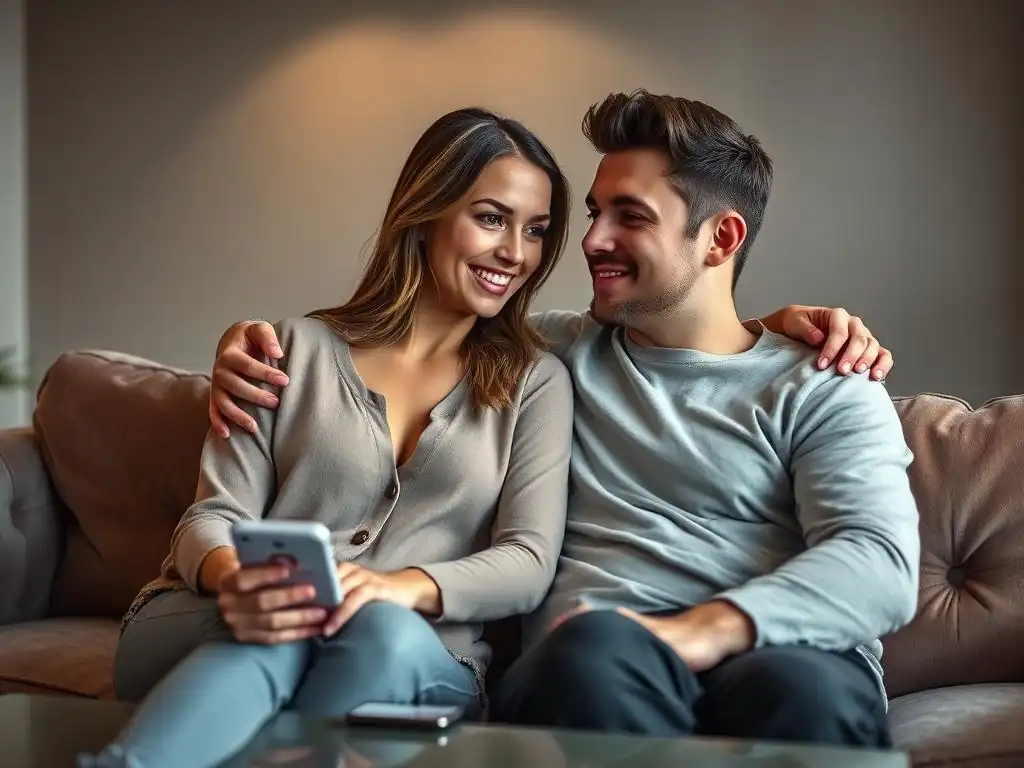
Ready to transform your online dating experience? At OnlineDatingSuccess.org, we empower you to find genuine connections. But first, let's ensure your journey is safe and fulfilling. This article delves into safe online dating profile tips, providing practical strategies to attract compatible partners while prioritizing your well-being. Discover how to build a profile that reflects your authentic self and learn the secrets to navigating the world of online dating with confidence and security. Let's unlock your potential for meaningful connections – read on to learn more!
- Understanding Secure Attachment and Online Dating
- Creating a Safe Online Dating Profile: Tips for Secure Individuals
- Navigating Online Interactions with Secure Attachment in Mind
- Building Trust and Connection Securely Online
- Maintaining Healthy Boundaries While Building Intimacy
- Online Dating as a Tool for Self-Discovery and Growth
- Resources for Further Support and Learning
- Frequently Asked Questions
- Final Reflection: Cultivating Secure Connections in the Digital Age
- Unlock Your Dating Potential: Build Secure Connections Now
Understanding Secure Attachment and Online Dating
Online dating, while offering exciting possibilities for connection, can also be a minefield of emotional complexities. Navigating this landscape successfully often hinges on understanding your attachment style and how it influences your online interactions. This article explores how cultivating secure attachment skills can transform your online dating experience, turning it into a safe space for building meaningful relationships.
We'll delve into defining secure attachment, recognizing insecure attachment patterns in online profiles, and understanding how insecure attachment manifests in online interactions, ultimately providing you with practical safe online dating profile tips to enhance your chances of finding a compatible partner. This approach will empower you to create a positive and fulfilling online dating journey, focusing on building healthy, lasting connections rather than settling for less. Let's begin by understanding the foundation of healthy relationships: secure attachment.
Defining Secure Attachment: Its Role in Healthy Relationships
Secure attachment is characterized by a positive view of oneself and others. Individuals with a secure attachment style generally feel comfortable with intimacy and independence. They trust others, communicate openly and honestly, and are able to navigate conflict constructively. In the context of online dating, this translates to creating authentic profiles that reflect their true selves, engaging in respectful communication, and managing expectations realistically. They are less likely to be overly reliant on validation from others or to engage in manipulative behaviors.
A secure attachment style fosters healthy relationships built on trust, mutual respect, and emotional intimacy. This foundation is crucial for long-term success in online dating and beyond. Think of it as building a strong house – you need a solid foundation to withstand any storms. Secure attachment is that foundation for healthy relationships.
Recognizing Insecure Attachment Styles in Online Dating Profiles
In contrast to secure attachment, insecure attachment manifests in various ways that can be subtly (or not so subtly) visible in online dating profiles. For example, profiles showcasing excessive self-promotion, boasting unrealistic achievements or an overwhelming need for validation might indicate an anxious attachment style. Conversely, profiles that are excessively vague, lack personal details, or seem guarded might suggest an avoidant attachment style.
Look for red flags like overly idealized self-descriptions, a lack of genuine personal information, or an absence of vulnerability. These indicators can help you identify potential compatibility issues before investing too much time and energy. Remember, recognizing these patterns isn't about judgment; it's about self-awareness and making informed decisions about who you choose to connect with.
| Insecure Attachment Style | Profile Characteristics |
|---|---|
| Anxious | Excessive self-promotion, numerous selfies, need for validation |
| Avoidant | Vague descriptions, limited personal information, guarded |
| Fearful-Avoidant | Inconsistent presentation, contradictory information |
How Insecure Attachment Manifests in Online Interactions
Insecure attachment styles don't just show up in profiles; they significantly impact online interactions. Anxious attachment might lead to excessive messaging, constant reassurance-seeking, or overly quick declarations of love. Avoidant attachment, on the other hand, might manifest as delayed responses, limited emotional expression, or a reluctance to commit to plans. Fearful-avoidant attachment can result in unpredictable behavior, swinging between intense connection and sudden withdrawal.
Recognizing these patterns in your own behavior and in the behavior of potential partners is crucial for fostering healthy relationships. Learning to identify and manage these tendencies is key to building meaningful connections in the online dating world. Remember, healthy communication and emotional regulation are vital for navigating these complexities successfully.
Creating a Safe Online Dating Profile: Tips for Secure Individuals
This section focuses on crafting a safe and effective online dating profile that attracts partners who value security and genuine connection. Remember, your online profile is your first impression – make it count! The goal is to project authenticity and attract individuals who share your values regarding healthy relationships. This means prioritizing safety and building a profile that reflects your secure attachment style. Let's delve into the specifics.
Safe Online Dating Profile Tips: Crafting an Authentic Profile
Creating an authentic profile is paramount for safe and successful online dating. Authenticity attracts genuine connections, while inauthenticity can lead to mismatched expectations and potentially harmful situations. Avoid idealized portrayals of yourself; instead, aim for a realistic yet positive representation. Think of it as showcasing your best self, not a fabricated persona.
Here are some practical tips:
- Be honest about your intentions: Are you looking for a long-term relationship, casual dating, or something in between? Clearly stating your intentions upfront helps attract compatible partners and avoids misunderstandings.
- Highlight your interests and hobbies: What are you passionate about? What activities bring you joy? Sharing this information makes your profile more engaging and helps potential partners find common ground. For example, instead of saying "I like to travel," you could say, "I recently backpacked through Southeast Asia and am planning my next adventure to South America." This provides concrete details and shows a side of your personality.
- Use positive language: Focus on your strengths and positive qualities. Avoid negativity or self-deprecating humor. A confident and positive profile is more attractive than one filled with self-doubt.
- Proofread carefully: Typos and grammatical errors can create a negative impression. Take the time to proofread your profile before publishing it.
- Keep it concise and engaging: Avoid overwhelming potential partners with too much information. A well-written, concise profile is more likely to be read and appreciated.
Choosing Photos that Reflect Your Secure Attachment Style
Your photos are a crucial element of your online dating profile. They communicate a lot about you, your personality, and your lifestyle. For secure individuals, choosing photos that accurately reflect your personality and build trust is key.
Here's how to select photos that project a secure attachment style:
- High-quality photos: Use clear, well-lit photos that showcase your best features. Avoid blurry or poorly lit images.
- Variety of photos: Include a mix of photos that show you in different settings and activities. This provides a more comprehensive view of your personality and lifestyle. For example, a photo of you hiking, a photo with friends, and a solo photo showcasing your hobbies.
- Authenticity is key: Choose photos that genuinely represent you. Avoid using heavily filtered or edited photos that misrepresent your appearance.
- Avoid group photos: While group photos can be fun, it's better to have at least one clear photo where you are the sole focus. This makes it easier for potential matches to identify you.
- Show your smile!: A genuine smile is a powerful tool for building rapport and trust. Include at least one photo where you're smiling naturally.
Writing a Bio that Attracts Secure Partners
Your bio is your opportunity to tell your story and attract compatible partners. For secure individuals, this means writing a bio that is honest, engaging, and reflective of your values.
Here are some tips for writing a compelling bio that resonates with secure partners:
- Focus on your values: What's important to you in a relationship? What are your non-negotiables? Highlighting your values helps attract partners who share your priorities.
- Show, don't tell: Instead of simply stating your qualities, use examples to illustrate them. For instance, instead of saying "I'm a kind person," you could say, "I volunteer at a local animal shelter and enjoy spending time with my friends and family."
- Showcase your sense of humor: A little humor can go a long way in making your profile more engaging. Use witty and self-deprecating humor sparingly but effectively. Avoid dark or offensive jokes.
- Be specific about what you're looking for: What are you hoping to find in a partner? Being upfront about your desires helps attract compatible matches.
- Proofread and edit: Before posting your bio, take the time to proofread it carefully for any errors. A well-written bio shows that you care about details and presentation. Consider asking a friend to review it for feedback.
Remember, creating a safe and effective online dating profile is an ongoing process. Be patient, be yourself, and be open to new connections. By following these tips, you can increase your chances of meeting someone special while prioritizing your safety and well-being.
Highlighting Your Values and Boundaries in Your Profile
Creating a safe online dating profile isn't just about presenting your best self; it's about attracting compatible partners who respect your values and boundaries. This is crucial for individuals practicing secure attachment, as it sets healthy expectations from the outset. Instead of focusing solely on physical attributes or superficial achievements, integrate elements that subtly communicate your core values.
For example, mentioning your passion for volunteering at an animal shelter showcases your compassion and empathy. Similarly, expressing your enjoyment of quiet evenings reading or pursuing hobbies demonstrates a preference for introspective activities and a need for personal space – valuable information for potential partners.
This strategy also extends to establishing your boundaries. You can subtly incorporate boundaries by mentioning your expectations for communication. For instance, stating that you prefer to communicate regularly, but not constantly, or that you value thoughtful messages over superficial ones, sets clear expectations without being overly demanding. This approach is particularly effective for secure individuals who are comfortable expressing their needs and preferences.
Avoid vague statements; instead, be specific. Instead of saying "I'm looking for someone honest," try "I value open communication and transparency in relationships." This level of detail helps attract those who resonate with your values and are less likely to violate your boundaries.
Remember, your profile is a reflection of your inner world. It's a place to showcase not only your strengths and interests but also your values and personal boundaries. By highlighting these aspects, you attract individuals who appreciate and respect those qualities, fostering a safer and more fulfilling online dating experience. This approach ensures that you attract people who are compatible with your attachment style and create a foundation for a healthy relationship.
Don't be afraid to be selective; a carefully crafted profile that reflects your authentic self will attract the right kind of attention. The key is to be assertive, yet approachable, allowing potential matches to see the real you, a person with clear values and well-defined boundaries. This builds trust and encourages genuine connections, paving the way for a secure and positive online dating journey.
This section delves into the practical application of secure attachment theory within the context of online dating. We'll explore how to identify potential red flags indicating insecure attachment styles in others, establish healthy boundaries in your online interactions, and effectively communicate your needs and expectations. Remember, fostering secure attachment online mirrors real-life relationship building – it requires intentionality, self-awareness, and clear communication. These safe online dating profile tips will help you navigate the complexities of online interactions while prioritizing your emotional well-being.
Identifying Red Flags: Recognizing Insecure Attachment in Potential Partners
Recognizing insecure attachment patterns in potential partners online requires careful observation and awareness. Insecure individuals often exhibit specific behaviors that can be identified through their communication style and profile presentation. While not every instance is indicative of a problem, multiple occurrences should raise your awareness.
Here are some common red flags associated with insecure attachment styles in online dating:
- Excessive need for validation: Constant requests for reassurance, compliments, or attention. For example, repeatedly asking "Do you like my pictures?" or demanding immediate responses to every message.
- Intense emotional swings: Rapid shifts between intense affection and anger or withdrawal. One minute they are showering you with compliments, the next they are accusing you of ignoring them.
- Jealousy and possessiveness: Early displays of controlling behavior or extreme jealousy, even before a relationship is established. This might include scrutinizing your profile for interactions with others or demanding exclusive access to your time and attention.
- Avoidant behaviors: Inconsistent communication, canceling plans frequently, or giving vague or delayed responses. They might seem interested initially but then pull away without explanation.
- Negative self-perception: Constantly putting themselves down or expressing self-doubt. This can manifest as overly self-deprecating comments or a need for constant external validation.
- Lack of emotional availability: Difficulty expressing emotions or engaging in meaningful conversations about feelings. They might focus on superficial topics and avoid deeper connections.
Consider this example: A profile showcasing only selfies with overly filtered images and vague descriptions could hint at a need for external validation and a potential lack of self-acceptance. Conversely, a profile filled with aggressive or negative comments about ex-partners might indicate a pattern of unhealthy relationship dynamics. Learning to discern these subtle cues is crucial for safe online dating.
Setting Healthy Boundaries in Online Communication
Establishing healthy boundaries from the outset is paramount for a positive online dating experience. This involves protecting your personal information, managing your time effectively, and setting clear expectations about communication.
Here's how to implement these boundaries:
- Control information sharing: Avoid sharing personal details like your full address, workplace, or financial information until you've met in person and built trust.
- Manage contact frequency: Don't feel pressured to respond immediately to every message. Maintain a healthy balance between responsiveness and respecting your own time and energy.
- Define your expectations: Communicate clearly about your dating goals and what you're looking for in a relationship. This sets the stage for compatibility and avoids misunderstandings.
- Respect your time: Don't spend excessive time communicating with someone who isn't reciprocating your effort or showing genuine interest.
- Limit personal disclosures: Avoid oversharing personal information, particularly sensitive details about your past or vulnerabilities, early in the process.
- Prioritize your safety: Always meet in a public place for the first date. Inform a trusted friend or family member about your plans.
Remember, healthy boundaries are not about being unapproachable; they are about protecting your emotional and physical well-being. Setting these safe online dating profile tips from the start ensures a more positive and secure experience.
Communicating Your Needs and Expectations Clearly
Open and honest communication is the cornerstone of any healthy relationship, and online dating is no exception. Clearly articulating your needs and expectations can prevent misunderstandings and ensure you attract partners who align with your values and goals.
Here's how to effectively communicate your needs:
- Be direct and assertive: Express your desires and boundaries confidently, without being aggressive or demanding. Use "I" statements to focus on your feelings and perspectives. For example, "I prefer to meet in person after a few conversations" instead of "You should meet me in person".
- Be specific: Avoid vague statements. Instead of saying "I'm looking for a serious relationship," specify what that means to you: "I'm looking for a committed, monogamous relationship where we share similar values and life goals."
- Use your profile effectively: Your online dating profile is your first opportunity to communicate your values and preferences. Use it to clearly articulate what you're looking for in a partner.
- Listen actively: Pay attention to your potential partner's communication as well. Active listening demonstrates respect and helps you assess compatibility.
- Don't be afraid to end things: If someone isn't meeting your needs or respecting your boundaries, don't hesitate to end the conversation. Prioritizing your well-being is crucial.
By implementing these strategies, you can cultivate a safe online dating experience that aligns with your needs and fosters healthier attachment patterns. Remember, building meaningful connections takes time and effort, and prioritizing your emotional well-being is key to finding a compatible partner.
Managing Expectations and Avoiding Idealization
Online dating, while offering exciting possibilities, can easily lead to unrealistic expectations and the idealization of potential partners. This is especially true for individuals struggling with insecure attachment styles, who may project their unmet needs onto others. Practicing secure attachment in online dating requires a conscious effort to manage expectations and avoid idealizing profiles. Instead of focusing on finding "the one" immediately, shift your focus to building genuine connections, one interaction at a time.
Remember, profiles often present a curated version of reality. People tend to highlight their best qualities and downplay imperfections. This doesn't mean they're being dishonest, but it does mean you shouldn't build a fantasy around a limited online persona. Avoid focusing solely on aesthetics or superficial attributes. Instead, look for clues about personality, values, and life goals that resonate with your own.
Consider the language used in profiles. Do they express themselves authentically? Do their words align with their photos and overall presentation? Inconsistencies can be a red flag, indicating a potential mismatch in values or a tendency towards self-deception. It's crucial to approach each interaction with a sense of grounded realism, acknowledging that everyone has flaws and imperfections.
Idealizing someone based on limited information will only lead to disappointment and potentially harmful relational dynamics. Embrace the process of getting to know individuals gradually, allowing authentic connection to develop organically. This approach fosters healthier, more sustainable relationships built on mutual understanding and respect. This is key to safe online dating and building secure attachment.
Don't fall into the trap of "all or nothing" thinking. If one interaction doesn't go as planned, it doesn't mean you've failed. It simply means you're one step closer to finding a compatible partner. Learning to manage expectations is a crucial skill in navigating the complexities of online dating and building secure attachments.
Building Trust and Connection Securely Online
This section focuses on cultivating authentic connections in the digital realm while prioritizing safety and well-being. Navigating the complexities of online dating requires a mindful approach, blending the desire for connection with a commitment to self-protection. This involves a strategic approach to building trust and fostering meaningful interactions, all while safeguarding your personal information. Remember, building a safe online dating profile is the cornerstone of a positive online dating experience.
Prioritizing Safety and Gradual Disclosure of Personal Information
Creating a safe online dating profile begins with prioritizing your safety and carefully managing the information you share. Avoid revealing overly personal details, such as your full address, workplace address, or exact location, in your profile or early messages. Instead, opt for generalized descriptions. For example, instead of stating "I work at Acme Corp on Elm Street," you might write, "I work in the tech industry in the city center." This allows for connection without compromising your security.
Remember, building trust takes time. Don't rush into sharing sensitive information. Gradually disclose personal details as you get to know someone better and build rapport. This measured approach minimizes risks and allows you to assess compatibility and trustworthiness before revealing more personal information. Consider using a separate email address specifically for online dating to further protect your privacy. Think of it as a digital equivalent of meeting someone for coffee before inviting them to your home.
Here's a helpful table summarizing information to share cautiously:
| Information Type | Level of Disclosure | Rationale |
|---|---|---|
| Full Address | Low | High risk of identity theft and potential stalking. |
| Workplace Address | Low | Potential for unwanted contact or harassment. |
| Exact Location (e.g., GPS) | Low | Avoid revealing your precise location until you've built substantial trust. |
| Phone Number | Medium | Consider using a Google Voice number initially. |
| Social Media Profiles | Medium | Link cautiously, and be mindful of the information publicly displayed. |
| Financial Information | Never | Never share financial details online. |
Engaging in Meaningful Conversations: Moving Beyond Superficial Interactions
A safe online dating profile is only half the battle; fostering genuine connection requires engaging in meaningful conversations. Superficial interactions based solely on looks or generic compliments are unlikely to lead to lasting relationships. Instead, focus on asking open-ended questions that encourage deeper discussions. This allows you to learn about someone's values, interests, and life experiences, providing a more substantial foundation for connection.
For example, instead of asking "What do you do? ", try "What aspects of your work are most fulfilling?" This invites a more nuanced response than a simple job title. Similarly, instead of "What are your hobbies?
", ask "What activities bring you joy and a sense of accomplishment?" These types of questions encourage more thoughtful responses and reveal more about a person's personality and character. Remember, the goal is to build a connection based on shared values and genuine interest, not just fleeting attraction. The key is to be authentic and present, actively listening and responding thoughtfully to what the other person shares.
Recognizing and Addressing Potential Jealousy or Insecurity
Even with a safe online dating profile and careful communication, navigating the emotional landscape of online dating can be challenging. Jealousy and insecurity can arise from various factors, including past relationship experiences, fear of rejection, or anxieties about commitment. Recognizing and addressing these emotions is crucial for building healthy relationships.
If you experience jealousy or insecurity, acknowledge these feelings without judgment. Consider journaling or talking to a trusted friend or therapist to process your emotions. Open and honest communication with your dating partner is also essential. Sharing your feelings in a calm and constructive manner can strengthen your bond and foster mutual understanding. However, if you encounter controlling or manipulative behavior, prioritize your safety and end the interaction. Remember, healthy relationships are built on mutual respect and trust, not possessiveness or control. A safe online dating experience prioritizes your emotional well-being as much as your physical safety.
Transitioning from Online to Offline Interactions Safely
Transitioning from the digital world of online dating to in-person meetings requires careful planning and a proactive approach to safety. The initial excitement of connecting with someone online shouldn't overshadow the importance of prioritizing your well-being. Remember, you're essentially meeting a stranger, regardless of how much you've communicated virtually. Taking precautions is crucial for a positive and safe experience.
One of the most effective strategies is to proceed slowly. Don't rush into a face-to-face meeting after only a few messages. Spend sufficient time getting to know the person online, engaging in meaningful conversations to gauge their personality and intentions. Look for consistency between their online persona and the information they share. Discrepancies should raise a red flag. Furthermore, pay close attention to their communication style – are they respectful, considerate, and responsive? These online interactions provide valuable insights into their character and behavior, which can inform your decision about meeting in person.
Before arranging a first meeting, always share your plans with a trusted friend or family member. Let them know where you're going, who you're meeting, and when you expect to be back. Providing them with the person's profile information and contact details can be helpful in case of an emergency. Consider setting up a "check-in" system – texting a friend at regular intervals to update them on your whereabouts. This simple act can provide a crucial safety net, offering peace of mind and a rapid response mechanism should something go wrong.
Choosing a public place for your first meeting is paramount. A busy coffee shop, a well-lit restaurant, or a popular park during daylight hours are all excellent choices. Avoid secluded or private locations, as these could compromise your safety. Always maintain control over the meeting's location and duration. If at any point you feel uncomfortable, you have the right to leave. Trust your instincts; if something feels off, it probably is. Your safety and well-being should always come first.
Finally, remember that a first date is just that – a first date. It's an opportunity to get to know someone better in person, not to make life-altering decisions. Avoid sharing overly personal information or revealing too much about your daily routines early on. Maintain a healthy boundary between your online and offline lives. By carefully managing the transition from online to offline interactions, you can significantly reduce risks and increase your chances of building a healthy and meaningful relationship. Remember, building trust takes time, both online and offline. Prioritize your safety and well-being throughout the process.
Maintaining Healthy Boundaries While Building Intimacy
Building intimacy in online dating requires a delicate balance. While vulnerability is key to forming meaningful connections, safeguarding your personal well-being is paramount. This section focuses on establishing and maintaining healthy boundaries to ensure a safe and positive online dating experience, contributing to a secure attachment style. Remember, prioritizing your emotional and physical safety is not selfish; it's essential for building healthy relationships, both online and offline. This is crucial for practicing safe online dating profile tips.
Respecting Personal Space and Time Online
Respecting personal space and time is fundamental to any healthy relationship, and online dating is no exception. It's about recognizing your own needs and communicating them clearly. This includes setting limits on how much time you spend online, how frequently you respond to messages, and what types of information you share.
Consider these practical strategies:
- Schedule dedicated time for online dating: Avoid constantly checking messages throughout your day. Designate specific times to engage with the platform and respond to messages. This prevents online dating from consuming your entire life and allows you to balance it with other important aspects of your life.
- Establish clear communication boundaries: Let potential partners know your availability. For example, “I typically respond to messages in the evenings” or “I'm busy during weekdays, so responses may be slower.” This sets realistic expectations and prevents misunderstandings.
- Protect your personal information: Don't overshare personal details early in the process. Gradually reveal information as you build trust and comfort. Avoid sharing sensitive information like your full address, workplace address, or financial details until you've met in person multiple times and feel completely safe. This is a key aspect of safe online dating profile tips.
- Utilize the "block" feature: Don't hesitate to block users who make you uncomfortable or violate your boundaries. Online dating platforms provide this feature for a reason—use it to protect yourself.
Balancing Online Communication with Offline Activities
The virtual world of online dating should complement, not replace, your real-life experiences. A healthy balance between online interactions and offline activities is crucial for preventing burnout and fostering a well-rounded life. Over-reliance on online communication can lead to feelings of isolation and hinder the development of genuine connections.
Here's how to maintain this balance:
- Prioritize real-life connections: Make time for friends, family, hobbies, and other activities that enrich your life outside of online dating. This helps maintain perspective and prevents online dating from becoming all-consuming.
- Limit screen time: Consciously reduce the amount of time spent on dating apps and social media. Set daily or weekly limits to ensure you're not neglecting other important areas of your life.
- Plan offline dates sooner rather than later: While initial conversations are important, don't let them drag on indefinitely. Suggest meeting in person relatively quickly to gauge chemistry and build a more substantial connection. This helps transition the relationship from the virtual to the real world. This is a vital part of safe online dating profile tips.
- Be mindful of your energy levels: If you find yourself feeling drained or overwhelmed by online interactions, take a break. It's okay to step back and recharge before re-engaging with the platform.
Knowing When to End a Connection Online
Not every connection will lead to a long-term relationship. Learning to recognize when it's time to end an online interaction is a valuable skill. This can be difficult, but it's crucial for protecting your emotional well-being and preventing wasted time and energy.
Consider these factors:
- Lack of mutual interest or chemistry: If you consistently feel unengaged or uninterested in the conversation, it's likely not the right match. Ending the connection is often the best course of action.
- Red flags or concerning behavior: Pay attention to warning signs, such as inconsistent communication, manipulative behavior, or a lack of respect for your boundaries. These could indicate incompatibility or potential danger. Prioritizing your safety is a cornerstone of safe online dating profile tips.
- Feeling drained or negatively affected: If the interaction consistently leaves you feeling drained, stressed, or unhappy, it's time to move on. Your emotional well-being should always be a priority.
- Unrealistic expectations: If the relationship is moving too fast or is based on unrealistic expectations, it's important to address this directly or end the connection.
Ending a connection can be uncomfortable, but a respectful and clear approach is often the most effective. A simple, direct message expressing your feelings and reasons for disengaging is usually sufficient. Remember, this is a normal part of online dating, and it doesn't reflect on your worth or desirability. Prioritizing your safety and emotional health is always the right choice.
Protecting Your Emotional Well-being During the Dating Process
Online dating, while offering exciting possibilities for connection, can also be emotionally taxing. Protecting your emotional well-being is paramount to a positive and safe online dating experience. This involves setting realistic expectations and understanding that rejection is a normal part of the process. Don't take it personally; it simply means that person isn't the right match for you, and that's okay! Focus on self-compassion and remember your worth isn't determined by whether someone chooses to date you.
It’s crucial to prioritize self-care throughout your online dating journey. This includes maintaining your existing hobbies and social connections outside of the dating apps. Don't let online dating consume your entire life; keep a healthy balance. Engage in activities that bring you joy and relaxation, such as exercise, spending time in nature, reading, or pursuing creative endeavors. These activities will help you stay grounded and prevent you from becoming overly invested in the outcome of each interaction. Remember, you are worthy of love and happiness regardless of your dating success.
Another key aspect of protecting your emotional well-being is mindful communication. Avoid oversharing personal information too early in the process. This includes details about your finances, address, or family matters. Start with lighthearted conversations and gradually disclose information as you build trust and feel comfortable. If someone pressures you to share more than you're comfortable with, it's a red flag and you should consider ending the interaction. Your emotional safety is your top priority. Trust your instincts; if something feels off, it probably is.
Finally, remember that you have control over your online dating experience. If a particular interaction leaves you feeling drained or uncomfortable, don't hesitate to unmatch or block the person. You have the right to prioritize your emotional well-being and create a safe space for yourself online. Don't be afraid to take breaks from dating apps if you need time to recharge.
Your mental health is more important than any potential romantic connection. Prioritizing self-care and establishing healthy boundaries are crucial steps in navigating the world of online dating safely and successfully. Remember, building a healthy attachment style starts with prioritizing your own emotional well-being.
Online Dating as a Tool for Self-Discovery and Growth

Online dating, often perceived as a superficial pursuit, can surprisingly become a powerful tool for introspection and personal growth. By consciously approaching online interactions, individuals can gain valuable insights into their relationship needs, communication styles, and self-perception. This process of self-discovery isn't about finding a partner immediately; it's about understanding oneself better in the context of romantic relationships. This self-awareness translates into healthier and more fulfilling relationships, both online and offline.
The journey of self-improvement through online dating emphasizes emotional intelligence and mindful engagement, paving the way for secure attachment patterns. It's about using the platform not just to find a match, but to refine oneself as a partner. The data shows that users who actively reflect on their experiences report higher levels of self-awareness and improved relationship satisfaction.
Using Online Dating to Identify Your Relationship Needs
Navigating the world of online dating provides a unique opportunity to identify your relationship needs and preferences. Instead of passively swiping, actively consider what attracts you to certain profiles. What qualities do they possess? What values do they express? Are there recurring patterns in the types of people you're drawn to?
Analyzing these patterns can reveal underlying needs and desires you may not have consciously recognized. For example, repeatedly choosing profiles that highlight independence might suggest a need for space and autonomy in a relationship. Conversely, consistently selecting profiles emphasizing commitment could indicate a desire for stability and long-term partnership. Keep a journal to track your observations.
Note down the qualities you find attractive, the conversations that resonate with you, and the interactions that leave you feeling fulfilled or unsatisfied. This process of self-reflection is crucial in understanding your emotional needs and preferences within a relationship. Remember, online dating offers a low-pressure environment to experiment and learn about what truly matters to you in a partner. This self-awareness is a cornerstone of building secure attachments.
Learning to Communicate Effectively in a Dating Context
Effective communication is paramount in any relationship, and online dating provides a controlled environment to practice and refine these skills. Many individuals find it easier to express themselves through text initially, allowing for thoughtful responses and careful consideration of wording. However, the absence of nonverbal cues can lead to misunderstandings. Therefore, mastering the art of clear and concise written communication is crucial. Focus on expressing your thoughts and feelings clearly, avoiding ambiguity and emotional outbursts.
Use emojis sparingly and strategically to convey tone, but avoid over-reliance, as they can sometimes be misinterpreted. Pay close attention to the other person's responses, actively listening and seeking to understand their perspective. Practice active listening by summarizing their points to ensure you've understood correctly. Also, be mindful of your own communication style; are you assertive? Passive?
Aggressive? Identifying your communication patterns is essential for self-improvement and building healthy relationships. Learning to communicate effectively online translates directly into improved communication offline, fostering stronger, more secure attachments. This controlled environment allows for iterative learning and improvement.
Building Confidence and Self-Esteem Through Positive Online Interactions
Online dating can significantly impact self-esteem, both positively and negatively. However, by focusing on positive interactions and reframing negative experiences, you can use the platform to build confidence and self-worth. Celebrate small victories—a thoughtful message, a positive interaction, or even a match! Each positive experience reinforces self-belief and encourages further engagement. Remember that rejection is a part of the process, and it doesn't reflect your worth.
Instead of dwelling on negative experiences, analyze what you can learn from them. Did you misinterpret a signal? Could your profile be improved? Focus on self-improvement rather than self-criticism. Building a strong and positive online presence, reflecting your authentic self, contributes to increased self-esteem.
This positive self-image attracts genuine connections and fosters secure attachment styles. Remember, your self-worth is not determined by the number of matches or messages you receive. Prioritize self-care and maintain healthy boundaries to protect your emotional well-being throughout the process. This journey of self-discovery and confidence-building is a valuable outcome of online dating, irrespective of finding a romantic partner.
Developing Resilience in the Face of Rejection
Rejection is an inevitable part of online dating, regardless of your profile quality or communication skills. Learning to navigate rejection constructively is crucial for building resilience and maintaining a positive outlook. It's not about avoiding rejection entirely—that's unrealistic—but about reframing your perspective and developing coping mechanisms. Instead of viewing rejection as a personal failure, consider it a filter. It's eliminating potential matches who aren't a good fit for you, freeing up your time and energy to focus on those who are genuinely compatible. This shift in perspective can significantly reduce the sting of rejection.
One effective strategy is to practice self-compassion. Treat yourself with the same kindness and understanding you would offer a friend facing a similar situation. Avoid self-criticism and negative self-talk. Instead, acknowledge your feelings, validate your experience, and remind yourself of your strengths and worth. Remember that rejection doesn't diminish your value as a person. It simply means that this particular connection wasn't meant to be.
Building a strong support system is also invaluable. Confide in trusted friends or family members who can offer emotional support and encouragement. Sharing your experiences can help you process your emotions and gain a fresh perspective. Remember, you're not alone in navigating the complexities of online dating; many people experience rejection, and it's a shared experience that can foster connection and understanding.
Finally, focus on self-care. Engage in activities that bring you joy and help you relax. This could involve exercise, spending time in nature, pursuing hobbies, or simply taking time for yourself to unwind. Prioritizing self-care can help you maintain emotional balance and resilience in the face of setbacks.
Remember that your well-being is paramount, and nurturing yourself is a crucial part of navigating the emotional landscape of online dating. By practicing self-compassion, building a support system, and prioritizing self-care, you can transform rejection from a source of pain into an opportunity for growth and self-discovery. This resilience will serve you well not only in online dating but also in other aspects of your life.
Resources for Further Support and Learning
This section provides additional resources to help you delve deeper into the topic of secure attachment and its application within the context of online dating. Understanding and cultivating secure attachment is a journey, and these resources offer valuable tools and support along the way. Remember, building a safe and fulfilling online dating experience starts with self-awareness and a commitment to healthy relationship patterns.
Recommended Books and Articles on Secure Attachment
Developing secure attachment isn't a quick fix; it's a process of self-discovery and growth. These resources offer in-depth explorations of attachment theory and practical strategies for building healthier relationships. They can provide valuable insights into understanding your own attachment style and fostering secure connections online and offline.
- "Attached: The New Science of Adult Attachment and How It Can Help You Find—and Keep—Love" by Amir Levine and Rachel S.F. Heller: This book offers a clear and accessible explanation of attachment theory, helping readers understand their attachment style and how it impacts their relationships. It provides practical advice on improving communication and building stronger, more secure bonds. The authors effectively bridge the gap between scientific research and practical application, making it highly relevant for those navigating the complexities of online dating.
- "The Power of Attachment: How to Build Healthy Relationships and Transform Your Life" by Diane Poole Heller: This book delves into the impact of childhood experiences on adult relationships. It offers a compassionate and insightful approach to understanding how past trauma can affect present-day relationships and provides strategies for healing and building secure attachments. The detailed exploration of attachment wounds and their impact on online dating interactions provides invaluable insights for creating a safer online experience.
- [Specific article title pending]: Many reputable psychology journals and websites publish articles on secure attachment and its relationship to online dating. Further research into these sources will reveal many valuable insights. Searching for keywords like "secure attachment online dating," "attachment theory dating profiles," and "safe online dating practices" will yield relevant results. Look for articles written by licensed therapists or researchers in the field of psychology.
Relevant Online Resources and Support Groups
Beyond books and articles, several online resources can offer support and guidance in your journey towards secure attachment. These resources can provide a safe space to connect with others, share experiences, and learn from experts.
- Online Therapy Platforms: Many platforms offer access to licensed therapists specializing in attachment issues. These platforms provide a convenient and accessible way to receive professional guidance and support from the comfort of your home. This can be particularly helpful for individuals navigating the emotional complexities of online dating. Remember to always check credentials and ensure the therapist is qualified to address your specific needs.
- Support Groups (Online and In-Person): Connecting with others who are working on similar issues can be incredibly supportive. Search for online or in-person support groups focused on relationship issues, attachment styles, or healthy communication. Sharing experiences in a safe and understanding environment can foster a sense of community and accelerate personal growth. Remember to prioritize your safety and well-being when engaging with online communities.
- [Specific website/resource pending]: Numerous websites and organizations dedicated to mental health and relationship well-being provide valuable resources and information on attachment theory. These often include articles, blog posts, and videos that can further enhance your understanding of secure attachment and its application in the context of online dating. Always vet the credibility of any online resource before relying on its information.
Remember, building a safe and secure online dating profile and experience is an ongoing process. These resources are designed to help you on this journey; use them to create a safer space for yourself and foster healthier relationships. 🫂
Frequently Asked Questions
How can I create a safe online dating profile?
To create a safe profile, avoid sharing personally identifiable information like your full address or workplace. Use a profile picture that doesn't reveal too much about your surroundings and carefully consider what personal details you disclose.
Never share your full address, workplace, phone number, or other details that could easily identify your location or allow someone to find you offline. Avoid revealing details about your daily routine or travel plans.
How can I spot potentially unsafe profiles or users?
Be wary of profiles with limited information, inconsistent details, or poor-quality photos. If someone pressures you to meet quickly or share personal information, this is a red flag. Trust your instincts.
What are some safe communication practices for online dating?
Start by communicating on the dating app itself, then consider switching to phone calls before meeting in person. Always meet in a public place for your first date and inform a friend or family member of your plans.
How can I protect my privacy while using online dating sites?
Use a strong, unique password, enable two-factor authentication, and be mindful of what information you're sharing on the platform. Regularly review your privacy settings to ensure they are up-to-date and reflect your comfort level.
Final Reflection: Cultivating Secure Connections in the Digital Age
The rise of online dating has fundamentally reshaped how we connect, yet the core human need for secure attachment remains. Navigating this digital landscape requires a conscious effort to build healthy relationships, moving beyond superficial swipes and towards meaningful interactions. This necessitates a shift in perspective, from viewing online dating as a numbers game to recognizing it as a valuable opportunity for self-discovery and relationship development.
The impact of secure attachment on our well-being is undeniable, influencing not only our romantic relationships but also our friendships and overall sense of self. It's a journey of self-awareness and emotional intelligence, one that requires courage and vulnerability. As Brené Brown so eloquently stated, Vulnerability is not weakness; it's our greatest measure of courage.
By embracing this vulnerability, even within the seemingly impersonal world of online dating, we open ourselves to authentic connections and the possibility of lasting love. This article's exploration of safe profile creation is just the first step in this process; it's about building a foundation of trust and transparency.
Now, consider your own online dating experience. How can you apply the principles of secure attachment to create a profile that reflects your authentic self? What steps can you take to foster genuine connections, prioritizing quality over quantity? I invite you to approach online dating not as a quest for a perfect match, but as a journey of self-growth and connection. Embrace the opportunity to learn about yourself and others, and remember that building secure relationships takes time, patience, and a willingness to be vulnerable. The rewards, however, are immeasurable.
Unlock Your Dating Potential: Build Secure Connections Now
Thanks for exploring the world of secure attachment and online dating! We hope you've gained valuable insights into fostering healthier, more fulfilling relationships. Ready to apply what you've learned?
- Prioritize self-reflection: Take some time today to reflect on your relationship patterns and identify areas for personal growth. This simple act can significantly impact your dating experiences.
- Embrace vulnerability: Try incorporating a new vulnerable behavior into your next online interaction. This could be as simple as sharing a personal anecdote or genuinely engaging with your match's interests.
- Share your thoughts: What resonated most with you from this article? What key insights or questions do you have?
What small, meaningful step can you take this week to cultivate a more secure connection?