
The Art of Deception: Recognizing Scammers' Tricks on Dating Apps


Ready to ditch the dating app disappointments and find genuine connection? At OnlineDatingSuccess.org, we empower you to navigate the world of online dating with confidence. But first, let's tackle a crucial element: dating app scammer detection. Our latest article, "The Art of Deception: Recognizing Scammers' Tricks on Dating Apps," reveals the subtle signs and manipulative tactics used by scammers, equipping you with the knowledge to protect yourself and build authentic relationships. Dive in and discover how to spot the red flags before it's too late!
- Understanding the Tactics of Dating App Scammers
-
Advanced Techniques for Dating App Scammer Detection
- Analyzing Communication Style: Identifying inconsistencies and inconsistencies in the scammer's narrative
- Uncovering Fake Identities: Reverse Image Search and Social Media Verification
- Financial Requests: Recognizing Common Financial Scams on Dating Apps
- Emotional Manipulation: Understanding and Avoiding Emotional Extortion Tactics
-
Protecting Yourself from Dating App Scammers: Safety Tips and Best Practices
- Securing Your Personal Information: Protecting your privacy on dating apps
- Verifying Profiles: Simple steps to confirm the authenticity of profiles
- Safe Communication Strategies: Avoiding risky communication practices
- Reporting Suspicious Activity: How to report scammers to dating apps and authorities
- Case Studies: Real-Life Examples of Dating App Scams
- Frequently Asked Questions
- Final Reflection: Unmasking Deception in the Digital Age of Dating
- Unmask the Truth: Secure Your Online Dating Journey
Understanding the Tactics of Dating App Scammers
Navigating the world of online dating can be exciting, but it also presents unique challenges. One significant concern is the prevalence of scammers who exploit the vulnerability and trust inherent in these platforms. This article, focusing on "Dating app scammer detection," provides a comprehensive guide to identifying and avoiding these deceptive individuals. We'll delve into common scam tactics, explore key red flags to watch out for, and offer practical strategies for analyzing profiles to spot potential catfishers and fake accounts.
Understanding the methods employed by scammers is the first step towards protecting yourself and building genuine connections in the online dating sphere. Remember, your safety and well-being are paramount, and this guide is designed to empower you with the knowledge to make informed decisions and avoid becoming a victim. Let's embark on this journey together, learning to identify the subtle yet significant signs of deception.
Common Scams on Dating Apps: A Comprehensive Overview
Dating app scams come in various forms, each designed to manipulate emotions and extract money or personal information. Let's explore some of the most prevalent tactics:
- The "Romance Scam": This involves building a quick, intense emotional connection, often professing love early on. The scammer then creates a fabricated crisis—a sick family member, financial emergency, or urgent travel needs—to solicit money. They may even create elaborate backstories and send fake photos to build credibility. 💔
- The "Catfishing Scam": This involves using stolen or manipulated photos and creating a fake persona to attract potential victims. The scammer may maintain the deception for a long time, creating a false sense of intimacy before revealing their true identity (or never revealing it). 🎣
- The "Investment Scam": The scammer presents themselves as a successful investor or financial expert, promising high returns on investment. They often use pressure tactics to encourage immediate participation, leading to significant financial losses for the victim. 💸
- The "Fake Profile Scam": This involves creating numerous fake profiles to engage multiple victims simultaneously. These profiles often lack detail, use generic stock photos, and have inconsistent information. 🤖
- The "Gift Card Scam": The scammer will ask for gift cards as a way to receive money, often claiming they cannot access their own funds or have a specific need that only gift cards can fulfill. This is a common method to avoid traceability. 🎁
Identifying Red Flags: Recognizing Early Warning Signs of a Scam
While not every red flag indicates a scam, a cluster of warning signs should prompt caution. Pay close attention to the following:
- Inconsistent Information: Discrepancies in their profile, stories, or communication should be a major red flag. Do their claims add up? Are their photos consistent with their profile information? 🤔
- Too Much Too Soon: An overly intense and fast-paced relationship is a classic warning sign. Scammers often try to rush the process to avoid detection. ❤️🔥
- Requests for Money or Financial Assistance: A legitimate person will never ask for money early in a relationship, especially under duress or through unusual means. 💰
- Pressure Tactics: Feeling pressured to make quick decisions or share personal information is a significant red flag. Legitimate relationships are built on trust and respect, not coercion. ⚠️
- Lack of Video Calls or In-Person Meetings: A persistent refusal to engage in video calls or meet in person should raise concerns. Scammers often avoid visual contact to maintain their deception. 🚫
Profile Analysis: Spotting Fake Profiles and Catfishing Attempts
Analyzing a profile thoroughly can help you identify potential scams. Consider these elements:
| Feature | Genuine Profile | Fake/Scam Profile |
|---|---|---|
| Photos | Varied, high-quality, natural-looking photos | Few photos, low-quality, stock photos, overly posed |
| Bio | Detailed, personal, engaging, and unique bio | Generic, vague, and incomplete bio |
| Interests | Specific and believable interests | Vague or unrealistic interests |
| Connections | Limited number of connections, consistent | Many connections, inconsistent information |
| Communication | Consistent and coherent communication style | Inconsistent, erratic, or grammatically incorrect |
By carefully examining these aspects of a profile, you can significantly improve your ability to spot fake accounts and avoid becoming a victim of a dating app scam. Remember, your intuition is a powerful tool. If something feels off, trust your instincts. Staying vigilant and informed is crucial for a safe and positive online dating experience.
Communication Patterns: Recognizing Manipulative and Deceptive Messaging
Dating app scammers often employ manipulative communication strategies to build trust and extract information or money from their victims. Understanding these patterns is crucial for effective scammer detection. One common tactic is love bombing, where the scammer overwhelms their target with excessive affection and compliments, often within a very short period.
This intense display of emotion aims to quickly establish a strong emotional connection, making the victim more vulnerable to manipulation. For example, a scammer might profess undying love after only a few days of communication, showering the target with flowery language and promises of a future together. This rapid escalation should raise immediate red flags.
Another key indicator is the scammer's inconsistent messaging. They might initially engage in lively conversations, but then their responses become increasingly erratic, delayed, or even disappear altogether for extended periods. This inconsistency often stems from the scammer juggling multiple victims simultaneously. They might suddenly become unavailable, only to reappear with a fabricated excuse, such as a "family emergency" or a "work crisis." These excuses are rarely consistent and often lack specific details, making them easily detectable upon closer scrutiny.
Furthermore, pay close attention to the content of their messages. Scammers frequently avoid personal details or answer questions vaguely. They might deflect attempts to learn more about their lives, offering generic or contradictory information. They may also employ overly romantic or emotionally charged language, while simultaneously avoiding any real-life interaction or video calls.
For instance, a persistent refusal to video chat, coupled with lavish promises and emotionally charged messages, is a classic red flag. A genuine connection should involve a natural progression of communication, not a whirlwind of unrealistic declarations. Remember, building a relationship takes time and consistent effort; anything that seems too good to be true usually is.
Finally, be wary of messages that pressure you for personal information or financial assistance. Legitimate daters won't demand such things early on. Scammers often create fabricated emergencies or misfortunes to elicit sympathy and financial support. They might claim to be stranded abroad, facing medical emergencies, or needing money for business opportunities.
Always be cautious about sending money or sharing sensitive personal information with someone you've only met online, regardless of how convincing their story may seem. Remember, your safety and well-being are paramount. If something feels off, trust your instincts and err on the side of caution. Report any suspicious activity to the dating app and block the user immediately.
Advanced Techniques for Dating App Scammer Detection

This section delves into sophisticated methods for identifying scammers on dating apps, moving beyond basic red flags to uncover more subtle deception tactics. Mastering these techniques will significantly improve your ability to protect yourself and avoid becoming a victim. We'll explore analyzing communication styles, verifying identities, and recognizing common financial scams. Remember, vigilance is key in the online dating world.
Analyzing Communication Style: Identifying inconsistencies and inconsistencies in the scammer's narrative
Scammers often employ carefully crafted narratives, but inconsistencies are frequently present upon closer examination. Their stories might lack detail, be overly dramatic, or contain contradictory information. Pay close attention to the following:
- Contradictory statements: Do their stories change over time? Do details conflict within a single conversation or across multiple interactions? For example, a scammer might claim to be a doctor working in a specific hospital, yet later mention a completely different profession or location.
- Vague or evasive answers: Do they avoid answering direct questions about their life or background? Do they provide generic responses instead of specific details? A legitimate profile will usually be happy to share information about themselves.
- Overly emotional or dramatic language: Scammers often use excessive flattery, professing deep feelings quickly and intensely. Be wary of overly romantic language or declarations of love within a short timeframe. This is a common tactic to manipulate emotions and build trust rapidly.
- Inconsistencies in writing style: Analyze the grammar, spelling, and punctuation. Significant inconsistencies or a sudden shift in writing style can be a red flag. This is particularly true if you notice a switch between highly formal language and informal slang.
- Lack of personal details: Genuine connections involve sharing personal details and anecdotes. If the person seems reluctant to share anything about their life beyond superficial information, it could indicate deception. Their life story may seem too perfect or lack relatable imperfections.
Remember, inconsistencies are crucial indicators. Documenting these discrepancies can help you build a clearer picture of the potential scammer's true intentions. Trust your intuition; if something feels off, it probably is.
Many scammers use stolen or manipulated photos. Verifying their identity is crucial to avoid falling prey to their schemes. Employ these strategies:
- Reverse image search: Use a reverse image search engine (like Google Images or TinEye) to check if the profile pictures appear elsewhere online. If the same photos show up on multiple dating profiles or unrelated websites, it's a strong indicator of a fake identity. This is a simple yet highly effective method.
- Social media verification: If the person provides social media handles, investigate their profiles carefully. Look for inconsistencies between their online presence and their dating profile information. Are their profiles sparsely populated, lacking personal details or genuine interactions? Do their friend lists seem unusually small or suspicious? Also, check the profile's creation date; a very recent account could be suspicious.
- Profile consistency: Does the dating profile information match the information on their purported social media accounts? Any discrepancies should raise a red flag. Scammers often create fake social media accounts to support their fabricated online personas.
- Professional details verification: If they claim to have a specific profession, try to independently verify this information. Searching online for their name and profession may reveal inconsistencies or the absence of any credible information.
Thoroughly investigating their online presence can help you uncover inconsistencies and confirm whether their identity is legitimate. Don't hesitate to employ these methods; your safety is paramount.
Financial Requests: Recognizing Common Financial Scams on Dating Apps
Financial requests are a hallmark of dating app scams. Be extremely cautious of anyone who asks for money, regardless of the reason they provide. Common scams include:
| Scam Type | Description | Red Flags |
|---|---|---|
| Emergency Funds | Claiming to need money for an unexpected emergency (medical bill, travel expenses, etc.) | Urgent requests, vague explanations, pressure to act quickly, lack of evidence supporting the claim |
| Investment Opportunities | Offering high-return investments with guaranteed profits | Unrealistic promises, lack of transparency, pressure to invest immediately, absence of official registration or licensing documents |
| Travel Expenses | Requesting funds to cover travel costs to meet in person | Inconsistent travel plans, requests for large sums of money, unwillingness to meet locally |
| Gift Card Scams | Asking for gift cards under various pretexts | Unusual requests, lack of explanation for needing gift cards, pressure to purchase specific brands |
| Romance Scams (Long-Term) | Building a relationship over time before making financial requests, often involving promises of marriage or a future together. | Manipulative language, consistent requests for money over a prolonged period, promises of future financial reciprocation that never materialize |
Never send money to someone you've only met online, no matter how convincing their story might seem. If someone asks for financial assistance, it's a clear indication that they are likely a scammer. Your financial security should always be a top priority. Remember, legitimate relationships don't involve financial transactions in the early stages.
Emotional Manipulation: Understanding and Avoiding Emotional Extortion Tactics
Emotional manipulation is a cornerstone of many dating app scams. Scammers are masters at exploiting vulnerabilities and creating a sense of urgency or dependence. They often employ a strategy of love bombing, showering their target with excessive affection, compliments, and promises early in the relationship. This intense emotional investment creates a strong bond quickly, making the victim more susceptible to their later requests. This isn't genuine affection; it's a calculated tactic designed to bypass rational thought and encourage compliance. Remember, genuine connections develop gradually, not explosively.
One common tactic is creating a false sense of emergency. The scammer might claim to be in a dire financial situation, facing a medical crisis, or needing urgent travel funds. They might weave a compelling narrative, filled with emotional detail, to tug at your heartstrings and pressure you into sending money. These stories are often fabricated, designed to elicit sympathy and bypass your critical thinking. It's crucial to pause, reflect, and avoid impulsive actions driven by emotion. Always verify any such claims independently, if possible, before offering any financial assistance.
Another subtle form of emotional manipulation involves isolating the victim from their support network. The scammer might subtly criticize the victim's friends and family, sowing seeds of doubt and distrust. This isolation makes the victim more reliant on the scammer for emotional validation and support, further strengthening the scammer's control. If someone you're talking to online starts trying to isolate you from your loved ones, it's a major red flag. Trust your instincts and seek advice from people you trust.
Finally, guilt-tripping is a prevalent tactic. Scammers might make you feel guilty for questioning their actions or for not being as readily available as they desire. They might use passive-aggressive comments or manipulative language to make you feel responsible for their emotions. Remember, you are not responsible for the scammer's feelings or actions.
Healthy relationships are built on mutual respect and understanding, not manipulation and guilt. If you find yourself constantly feeling guilty or questioning your actions in a relationship, it's time to re-evaluate the situation. Prioritizing your emotional well-being is key to avoiding manipulation and safeguarding yourself. Learning to recognize these emotional tactics is a crucial step in effective dating app scammer detection.
Protecting Yourself from Dating App Scammers: Safety Tips and Best Practices
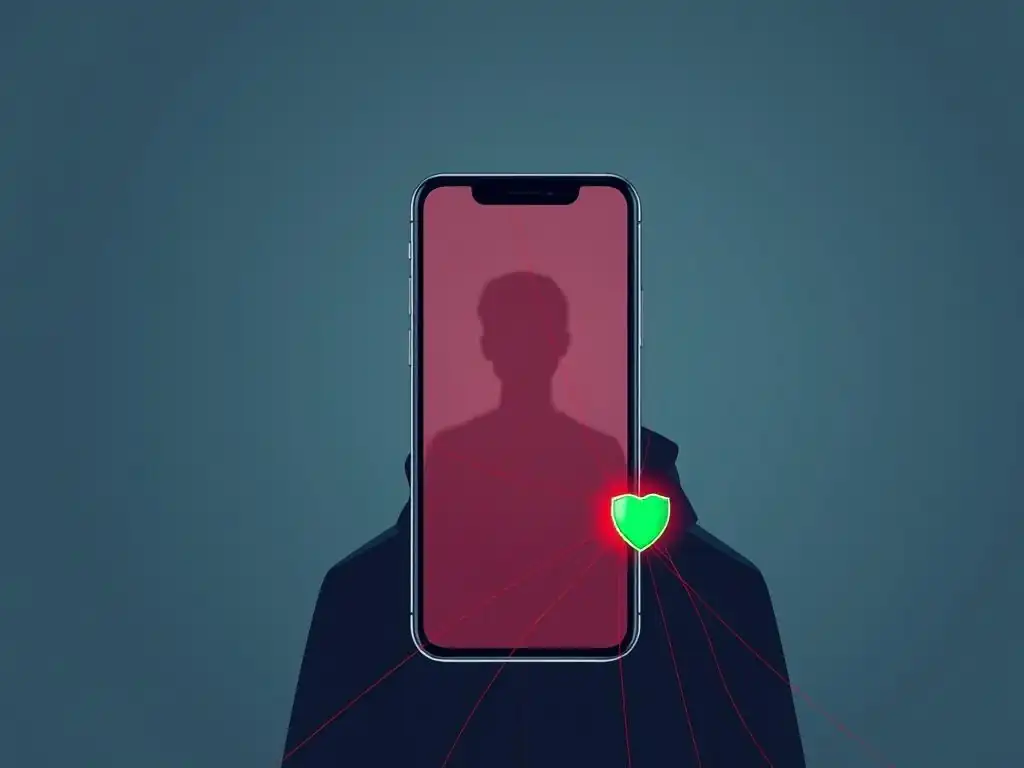
This section focuses on proactive measures you can take to minimize your risk of encountering dating app scammers. Remember, prevention is the best defense against online deception. By implementing these strategies, you significantly reduce your vulnerability and increase your chances of a safe and positive online dating experience. Effective "dating app scammer detection" relies heavily on proactive self-protection.
Securing Your Personal Information: Protecting your privacy on dating apps
Protecting your personal information is paramount. Never share sensitive details like your full address, workplace, financial information, or social security number with someone you've only met online, no matter how much you trust them. Scammers often use this information for identity theft or other malicious purposes.
Consider using a separate email address and phone number specifically for online dating. This creates a layer of separation between your personal life and your online dating profile, limiting the exposure of your private information. Many dating apps offer features for blurring or hiding your location; utilize these settings to further enhance your privacy.
Remember, building trust takes time. Don't rush into sharing personal details; instead, focus on getting to know someone gradually through conversation and virtual interactions before considering meeting in person. Be wary of anyone who pressures you to share sensitive information prematurely. This is a major red flag in dating app scammer detection.
A helpful tip: Regularly review the privacy settings on your dating app to ensure they align with your comfort level. Many apps allow you to control the visibility of your profile information, such as your age, occupation, and location. Take advantage of these settings to manage your online privacy effectively.
Verifying Profiles: Simple steps to confirm the authenticity of profiles
While dating apps employ verification systems, they are not foolproof. Always exercise caution and employ additional verification methods to assess the authenticity of profiles. Reverse image searching profile pictures is a simple yet effective technique for "dating app scammer detection." A quick search can reveal if the image is being used on multiple profiles or originates from a stock photo website.
Look for inconsistencies in profiles. Do the photos look professionally taken or overly edited? Does the biography seem generic or lack specific details? Be suspicious of profiles with limited or incomplete information. A scammer's profile often lacks personal details, hinting at an attempt to remain anonymous.
Engage in thoughtful conversations. Ask open-ended questions to gauge their knowledge and consistency in responses. Discrepancies in their stories or evasiveness regarding personal details are significant red flags. Remember, a genuine person will be comfortable sharing details about their life and will not feel threatened by your questions.
Safe Communication Strategies: Avoiding risky communication practices
Avoid moving conversations off the dating app too quickly. Legitimate dating apps offer built-in safety features and reporting mechanisms. Moving to other platforms, such as email or text messaging, removes these safeguards and makes you more vulnerable.
Be wary of overly romantic or flattering messages. Scammers often employ charm and flattery to gain your trust quickly. If someone professes their love or deep affection within a short period, be cautious. Genuine connections take time to develop.
Never send money or gifts to someone you've only met online. This is a classic scammer tactic. No legitimate relationship requires financial assistance from a stranger. If someone asks for money, regardless of the reason, it's a strong indicator of fraudulent activity. This is a crucial aspect of effective "dating app scammer detection."
Finally, trust your intuition. If something feels off, it probably is. Don't hesitate to block and report suspicious profiles. Your safety and well-being are paramount. Remember, a genuine connection will never pressure you into doing something that makes you uncomfortable. Prioritize your safety and build healthy, respectful relationships online.
Reporting suspicious activity is crucial in combating online dating scams and protecting yourself and others. Many dating apps have built-in reporting mechanisms designed to identify and remove fraudulent profiles. These usually involve flagging the profile or message as inappropriate or suspicious. Take the time to provide as much detail as possible when reporting. Screenshots of messages, profile pictures, and any other relevant evidence can significantly aid the app's investigation. Don't hesitate to report even seemingly minor inconsistencies or red flags; cumulative reports help dating apps identify and ban repeat offenders.
Beyond the app itself, you should consider reporting the scammer to the appropriate authorities. If you've experienced financial loss, report the incident to your bank or financial institution immediately. They can help you dispute charges and potentially recover your funds. Furthermore, if you believe you've been the victim of a crime, such as identity theft or harassment, report it to your local law enforcement.
They can investigate the situation and potentially take legal action against the scammer. Remember to keep detailed records of all communication, financial transactions, and any other evidence related to the scam. This documentation will be invaluable if you need to pursue legal action or file a police report. Don't feel ashamed or embarrassed to report – you're not alone, and taking action helps protect others from similar experiences.
Many law enforcement agencies are becoming increasingly adept at investigating online scams, and your report can contribute to a larger effort to hold scammers accountable. Remember, reporting is a vital step in creating a safer online dating environment for everyone. Your vigilance and proactive reporting can make a real difference.
Case Studies: Real-Life Examples of Dating App Scams
This section presents real-life examples of dating app scams to illustrate the diverse tactics employed by fraudsters. Understanding these scenarios can significantly improve your ability to identify and avoid similar situations, enhancing your online dating safety. Remember, awareness is your strongest defense against dating app scammer detection.
Case Study 1: The Romance Scam and the Loss of Significant Funds
Sarah, a 45-year-old professional, met "Mark" on a popular dating app. Mark presented himself as a charming, successful businessman traveling internationally for work. Their online interactions were intense and filled with romantic gestures. Over several weeks, Mark subtly began weaving a narrative of financial hardship, citing urgent business needs and unexpected expenses.
He skillfully manipulated Sarah's emotions, making her feel responsible for his well-being. Ultimately, he convinced her to wire him significant sums of money, totaling over $15,000, before disappearing without a trace. Sarah's experience highlights the emotional manipulation often involved in romance scams, emphasizing the need for caution when financial requests arise in online relationships. This is a classic example of why thorough dating app scammer detection is crucial.
Case Study 2: The Catfishing Trap: A Story of Deception and Betrayal
David, a 28-year-old college student, connected with "Emily" on a dating app. Emily's profile featured stunning photographs and a captivating biography. Their conversations flowed easily, and David felt a strong connection. However, after several weeks of virtual dates, David grew suspicious.
The photos seemed inconsistent, and Emily's excuses for avoiding video calls became increasingly elaborate. Upon further investigation, David discovered that Emily's profile was built on stolen photos and a fabricated persona – a classic case of catfishing. The emotional investment David had made led to significant disappointment and a feeling of betrayal. This underscores the importance of verifying profiles and engaging in video calls early in the online dating process to improve dating app scammer detection.
Case Study 3: The Sextortion Threat: Protecting Yourself from Online Blackmail
Anna, a 22-year-old, engaged in increasingly intimate online conversations with someone she met on a dating app. Initially, the interactions were consensual. However, her online partner secretly recorded their video chats and later threatened to release the recordings unless Anna sent him money and complied with his demands. This is a chilling example of sextortion, a growing threat in the online dating world.
Anna's experience highlights the critical need for caution when sharing intimate images or videos online. Always be mindful of the permanence of digital content and prioritize your personal safety. Effective dating app scammer detection includes being aware of and avoiding situations that could lead to sextortion. Remember, you always have the right to say no and to protect your privacy.
This analysis of real cases demonstrates the diverse tactics employed by scammers. By understanding these patterns and practicing due diligence, you can significantly reduce your risk and navigate the world of online dating with increased confidence and safety. Remember, a healthy dose of skepticism and proactive dating app scammer detection are essential tools in your online dating toolkit. Your safety and well-being are paramount.
Frequently Asked Questions
How can I spot a scammer on a dating app?
Scammers often use vague profiles with limited personal information and stock photos. They may also ask for money or personal details very early in the "relationship." Look for inconsistencies and red flags in their communication.
What are some common scammer tactics?
Common tactics include love bombing (overwhelming you with affection), creating a false sense of urgency, and requesting financial assistance under various pretexts. They may also claim to be traveling abroad or have emergencies requiring immediate funds.
What should I do if I suspect someone is a scammer?
Do not send money or personal information. Report the profile to the dating app immediately. Block and delete their contact information. Consider documenting your interactions as evidence.
How can I protect myself from dating app scams?
Verify their profile information independently. Engage in video calls early in the conversation to confirm their identity. Never share sensitive information, such as your financial details or home address.
What are the warning signs of a romance scam?
Be wary of excessive flattery and promises of future commitment very quickly. They may claim to be unable to meet in person for extended periods. Inconsistencies in their stories are a major red flag.
Final Reflection: Unmasking Deception in the Digital Age of Dating
The rise of dating apps has undeniably revolutionized romance, but it has also created fertile ground for sophisticated scams. This ease of connection, while offering incredible opportunities, simultaneously exposes users to a hidden world of deception and manipulation, demanding a heightened awareness and proactive approach to online safety.
The impact of dating app scams extends far beyond financial loss; it chips away at trust, leaving emotional scars that linger long after the initial encounter. The vulnerability inherent in seeking connection online makes individuals particularly susceptible to these predatory tactics. The greatest deception men suffer is from their own opinions,
a quote often attributed to Leonardo da Vinci, rings particularly true in the context of online dating, where carefully crafted profiles can mask malicious intent. Understanding the common tricks employed by scammers is crucial not only for protecting oneself, but also for fostering a safer and more authentic online dating environment for everyone.
Now, consider your own online interactions. Have you ever felt a nagging sense of unease during an online exchange? This article has equipped you with the tools to identify red flags and protect yourself from potential harm. Take the time to critically evaluate your online interactions, to trust your instincts, and to prioritize your safety and well-being above all else. By remaining vigilant and informed, you can navigate the digital dating landscape with confidence, embracing the opportunities for genuine connection while safeguarding yourself from the dangers lurking within.
Unmask the Truth: Secure Your Online Dating Journey
Thank you for learning how to protect yourself from dating app scams. You've gained valuable knowledge to navigate online dating more safely. Now let's put it to use!
Here's how to stay ahead of scammers:
- Take immediate action: Review the warning signs discussed and actively look for them in future interactions. This is crucial for building trust.
- Share this article: Help your friends and family avoid becoming victims. Protecting others also enhances your own sense of security.
- Join the conversation: Share your experiences (without revealing personal information) and help build a community of informed daters. What unexpected tactics have you encountered?
What steps will you take today to ensure a safer and more enjoyable online dating experience?