
The Smart Dater's Guide to Reporting Scams and Harassment Effectively


Welcome to OnlineDatingSuccess.org, your guide to navigating the exciting – and sometimes challenging – world of online dating. Are you ready to transform your dating experience? We'll equip you with the knowledge and strategies to build a strong profile, connect authentically, and most importantly, stay safe. This includes learning how to report online dating scams effectively, a crucial skill for anyone venturing into the digital dating scene. Discover how to protect yourself and find genuine connections – let's dive in!
- Understanding Online Dating Scams and Harassment: Types and Red Flags
-
How to Effectively Report Online Dating Scams and Harassment
- Reporting to the Dating Platform: Step-by-Step Instructions for Major Sites
- Reporting to Law Enforcement: When to Involve the Police and What Information to Provide
- Documenting Evidence: Gathering Screenshots, Emails, and Other Relevant Information
- Protecting Your Privacy: Securing Your Accounts and Personal Information After a Scam or Harassment Incident
- Additional Resources and Support for Victims of Online Dating Scams and Harassment
- Preventing Future Scams and Harassment: Best Practices for Safe Online Dating
- Frequently Asked Questions
- Final Reflection: Empowering Yourself in the Digital Dating World
- Take Control: Empower Yourself Against Dating App Misconduct
Understanding Online Dating Scams and Harassment: Types and Red Flags
Online dating, while offering exciting possibilities for connection and romance, unfortunately also presents risks of scams and harassment. This guide empowers you to navigate these challenges effectively, focusing on how to report such incidents and protect yourself. We'll explore various types of scams and harassment prevalent in the online dating world, providing you with the knowledge and tools to identify red flags and take appropriate action. Learning to recognize and report these issues is crucial for ensuring a safer and more positive online dating experience.
Remember, reporting is not just about protecting yourself; it helps protect other users from falling victim to the same perpetrators. By understanding the tactics used and knowing how to report them effectively, you contribute to a safer online dating environment for everyone. This guide provides a practical and empathetic approach to tackling this important issue, empowering you to take control of your online safety.
Recognizing Common Scam Tactics: Phishing, Catfishing, and Romance Scams
Online dating scams often employ deceptive tactics to exploit users' emotions and financial resources. Let's examine some common types:
- Phishing Scams: These involve fraudulent emails or messages pretending to be from legitimate dating sites or individuals. They often aim to steal your login credentials or personal information. Be wary of any unsolicited requests for personal details or links to external websites. Always access your dating site directly through your browser, not through a link provided in an email or message.
- Catfishing: This involves creating a fake online persona using stolen photos and fabricated information. Catfishers often cultivate relationships to gain trust before making requests for money or personal information. Be cautious of profiles with limited photos or inconsistent information. Reverse image search any photos to verify their authenticity.
- Romance Scams: These are sophisticated schemes where perpetrators build emotional connections with victims over time, often expressing deep affection and commitment. They ultimately seek financial assistance, often citing emergencies or hardships. Be wary of requests for money, especially from individuals you haven't met in person. Never send money to someone you've only met online.
The average financial loss from romance scams in [Year - needs data] was approximately $[Amount - needs data], highlighting the significant impact these scams can have. These figures underscore the importance of vigilance and proactive reporting.
Identifying Harassment: Online Abuse, Stalking, and Threatening Behavior
Harassment takes many forms in the online dating world, ranging from subtle to overtly threatening. It's crucial to understand these different manifestations:
- Online Abuse: This encompasses a broad range of behaviors, including verbal abuse, insults, intimidation, and unwanted sexual advances. This can happen through direct messages, comments on profiles, or even public posts. Document all instances of online abuse, saving screenshots as evidence.
- Stalking: This involves persistent and unwanted contact, often involving tracking someone's online activity, sharing personal information without consent, or making unwanted approaches in person. If you feel someone is stalking you online, immediately block them and report their behavior.
- Threatening Behavior: This involves explicit threats of violence or harm towards oneself or others. This is a serious offense and should be reported to the authorities immediately. Never hesitate to seek help from law enforcement if you feel threatened.
Remember, you are not alone. Many resources exist to support victims of online harassment. Seeking assistance from trusted friends, family, or support groups can provide invaluable emotional support during difficult times.
Spotting Red Flags: Identifying Suspicious Profiles and Interactions
Identifying red flags early on is critical in preventing scams and harassment. Pay attention to these warning signs:
- Inconsistent Information: Discrepancies in a profile's information, such as age, location, or profession, can be a red flag. Be wary of profiles with limited personal details or generic photos.
- Pressuring for Personal Information: Legitimate daters will respect your boundaries and won't pressure you to share personal information before you feel comfortable. Be cautious of anyone who aggressively seeks your address, phone number, or financial details.
- Unrealistic Expectations: Be wary of individuals who idealize you or make grand promises early in the relationship. Healthy relationships are built on mutual respect and trust, not unrealistic expectations.
- Requests for Money or Financial Assistance: This is a major red flag. Legitimate daters will not ask you for money under any circumstances.
- Avoidance of Video Calls: A persistent refusal to engage in video calls can indicate that the person is hiding their true identity.
By learning to recognize these red flags and understanding how to report suspicious activity effectively, you can significantly reduce your risk of becoming a victim of online dating scams and harassment. Remember, your safety and well-being are paramount.
How to Effectively Report Online Dating Scams and Harassment
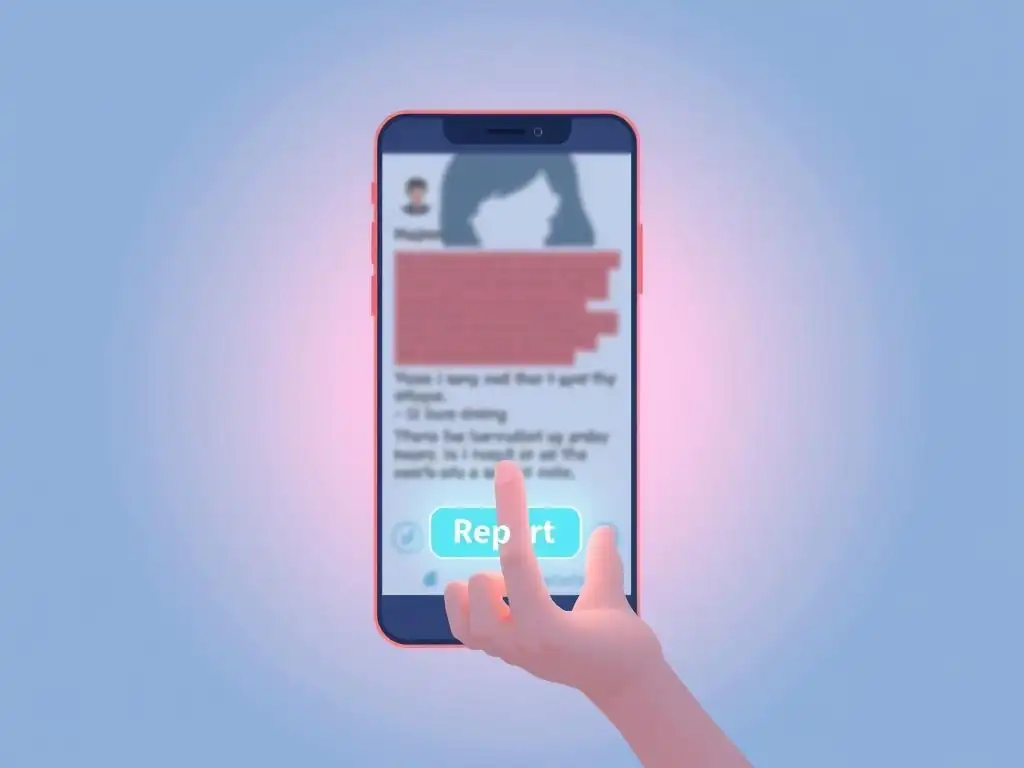
This section details the crucial steps involved in reporting online dating scams and harassment to ensure your safety and help prevent others from falling victim. Effectively reporting these incidents requires a multi-pronged approach, combining action with the dating platform, law enforcement, and meticulous documentation. Remember, your safety and well-being are paramount. Reporting isn't just about protecting yourself; it's about contributing to a safer online dating environment for everyone. Don't hesitate to seek support if you feel overwhelmed or unsure about the process.
Reporting to the Dating Platform: Step-by-Step Instructions for Major Sites
Reporting suspicious activity directly to the online dating platform is the first and often most effective step. Most reputable platforms have robust reporting mechanisms designed to identify and remove fraudulent profiles and abusive users. However, the specific steps vary slightly depending on the platform. Below is a general guide, but always check the individual platform's help section for the most up-to-date instructions.
Here's a typical process:
- Locate the Report Button: Most platforms have a report button readily available on each user's profile. Look for icons like a flag 🚩, an exclamation point (! ), or a shield.
- Select the Appropriate Reason: Choose the option that best describes the situation. Common choices include "Scam," "Harassment," "Impersonation," or "Inappropriate Behavior."
- Provide Detailed Information: Be as specific as possible. Include the user's profile name, username, any identifying information (e.g., photos, links), and a detailed description of the incident, including dates, times, and screenshots of messages. The more information you provide, the better equipped the platform is to investigate.
- Submit Your Report: Once you've completed the form, submit your report. You may receive an automated acknowledgement, but follow-up is essential if you don't hear back within a reasonable timeframe (usually a few business days).
- Consider Blocking the User: While reporting is crucial, blocking the user immediately prevents further contact and adds an extra layer of protection.
Example Report Details (Tinder): Let's say you encounter a user on Tinder requesting money under false pretenses. Your report should include:
- User's Name: "John Smith"
- Username: @johnsmith123
- Profile Picture: Describe the profile picture (e.g., "Man in a suit, holding a briefcase")
- Description of Incident: "User requested $500 for a 'family emergency,' claiming his account was compromised. He provided no verifiable proof and his requests became increasingly insistent."
- Screenshots: Attach screenshots of the messages.
Reporting to Law Enforcement: When to Involve the Police and What Information to Provide
Reporting to law enforcement is necessary when the scam or harassment involves financial loss, threats of violence, or other serious criminal activity. Don't hesitate to contact your local police department or the appropriate cybercrime unit.
Here's what to prepare:
- Detailed Account of the Incident: Provide a clear, chronological account of the events, including dates, times, and specific details.
- All Communication Records: This includes emails, messages, screenshots, and any other form of communication with the scammer or harasser.
- Financial Records: If financial loss is involved, provide bank statements, transaction records, and any other relevant financial documentation.
- Personal Information: Be prepared to provide your personal information, including your full name, address, and contact information.
Remember to keep a copy of all documentation for your records. Law enforcement may not always be able to apprehend the perpetrator, but reporting helps build a case against repeat offenders and can lead to improved safety measures within online dating platforms.
Documenting Evidence: Gathering Screenshots, Emails, and Other Relevant Information
Thorough documentation is critical for successful reporting. This involves preserving all evidence of the scam or harassment. This proactive approach significantly increases the chances of a successful resolution and helps protect yourself from further harm.
Here's a checklist:
- [ ] Screenshots: Take screenshots of all suspicious profiles, messages, and financial transactions. Include timestamps to show the sequence of events.
- [ ] Emails: Save all emails exchanged with the scammer or harasser.
- [ ] Transaction Records: If money was involved, save all transaction details, including dates, amounts, and recipient information.
- [ ] Social Media Profiles: If the scammer or harasser has a social media presence, document their profiles (screenshots are ideal).
- [ ] Notes: Keep detailed notes about the interactions, including dates, times, and any specific details that might be helpful.
Remember, the more evidence you can provide, the stronger your report will be. Organize your documentation systematically – a well-organized folder will help you efficiently access the necessary information when submitting your report to the dating platform or law enforcement. This careful documentation is a powerful tool in your efforts to "Report online dating scams effectively."
Protecting Your Privacy: Securing Your Accounts and Personal Information After a Scam or Harassment Incident
Following a scam or harassment incident on an online dating platform, protecting your privacy is paramount. The emotional distress of such an experience can be overwhelming, but taking proactive steps to secure your accounts and personal information is crucial for your safety and well-being. This involves more than just changing your passwords; it's about a comprehensive review and strengthening of your online security posture.
One of the first steps is to immediately change all your passwords. This includes not only your dating app password but also passwords for any accounts linked to your dating profile, such as email, social media, or banking accounts. Avoid reusing passwords; instead, use a strong, unique password for each account. Consider using a password manager to help generate and securely store these complex passwords. Remember to enable two-factor authentication (2FA) wherever possible, adding an extra layer of security.
Beyond passwords, review your privacy settings on all your online accounts. Many dating apps and social media platforms allow you to control the visibility of your profile information. Restrict access to your personal details to only your connections or friends. Be mindful of the information you share publicly; even seemingly innocuous details can be pieced together to create a more complete picture of your life, potentially putting you at risk. For example, avoid posting your exact location or workplace details on your profile.
Consider reviewing your connected accounts as well. Many dating platforms link to social media profiles or other services. Disconnect any unnecessary links to reduce the potential for data breaches or exposure. If you've shared sensitive information with the scammer or harasser, you might need to take further steps to limit their access. This could involve contacting the relevant platforms to report the incident and request the removal of any shared data.
Finally, remember to monitor your accounts regularly for any suspicious activity. This includes checking for unauthorized logins, unexpected emails, or unusual transactions. If you notice anything suspicious, immediately contact the platform's support team and take appropriate action to secure your accounts.
Being vigilant and proactive in protecting your privacy is a crucial step in recovering from a scam or harassment incident and preventing future occurrences. Taking these steps will not only protect your personal information but also provide you with a sense of control and security, which is essential for moving forward. Remember, reporting the incident to the appropriate authorities and the dating platform itself is equally important.
Additional Resources and Support for Victims of Online Dating Scams and Harassment

This section provides crucial information beyond simply reporting scams and harassment. Understanding where to turn for additional support is vital for healing and preventing future incidents. Remember, you are not alone, and help is available. Effectively reporting online dating scams is only the first step towards reclaiming your safety and well-being.
Online Safety Tips: Preventing Future Scams and Harassment
Learning from past experiences is key to avoiding future online dating scams and harassment. Proactive measures can significantly reduce your vulnerability. Implementing these tips can help you navigate the online dating world with greater confidence and safety.
Several key strategies can help prevent future incidents. Firstly, thoroughly vet profiles. Look for inconsistencies, red flags, and incomplete information. Be wary of profiles that seem too good to be true, or those lacking personal details. Secondly, never share sensitive personal information such as your full address, bank details, or social security number with someone you've only met online, regardless of how well you think you know them.
Thirdly, use strong passwords and enable two-factor authentication wherever possible to protect your accounts from unauthorized access. Finally, trust your instincts. If something feels off, it probably is. Don't hesitate to block and report suspicious profiles or individuals immediately.
Consider diversifying your online dating approach. Instead of relying solely on one platform, explore multiple reputable dating sites and apps. This can help broaden your pool of potential matches and reduce your reliance on any single platform's security measures. Remember, a multifaceted approach to online dating safety is crucial for effective protection. Regularly review your privacy settings on all your online accounts, and keep your antivirus software updated.
Here’s a checklist to help you stay safe:
- [ ] Regularly review and update your privacy settings on all dating apps and social media.
- [ ] Never share your financial information or address with anyone online.
- [ ] Use a strong, unique password for each dating profile.
- [ ] Enable two-factor authentication wherever possible.
- [ ] Report suspicious profiles or behavior immediately.
- [ ] Trust your instincts; if something feels wrong, it probably is.
Support Organizations: Finding Help and Resources for Victims of Online Abuse
Experiencing online dating scams or harassment can be incredibly distressing. Knowing where to find support is essential for your emotional well-being and recovery. Numerous organizations offer specialized services to victims of online abuse, providing confidential counseling, legal assistance, and emotional support.
These organizations often provide a range of services, including:
- Confidential counseling: Speaking with a trained professional can help process your emotions and develop coping mechanisms.
- Legal advice and assistance: Understanding your legal rights and options is crucial when dealing with online harassment or scams.
- Support groups: Connecting with others who have experienced similar situations can provide a sense of community and validation.
- Information and resources: Many organizations offer educational materials and resources to help you understand online safety and prevent future incidents.
Finding the right organization depends on your specific needs and location. Research organizations in your area or those with online support services. Many national and international organizations offer help regardless of your geographical location. Remember to prioritize your safety and well-being during this process. Seeking help is a sign of strength, not weakness.
Legal Advice: Understanding Your Rights and Options After a Scam or Harassment Incident
Following a scam or harassment incident, understanding your legal options is crucial. Depending on the severity and nature of the incident, you may have several legal avenues to pursue. This could include reporting the crime to law enforcement, filing a civil lawsuit, or pursuing other legal remedies.
It's essential to document all evidence related to the incident. This includes screenshots of messages, emails, and profiles, as well as any financial records related to the scam. Keeping detailed records can be invaluable when pursuing legal action. Seeking legal counsel from a qualified attorney specializing in cybercrime or online harassment is highly recommended. An attorney can advise you on the best course of action, help you navigate the legal process, and represent your interests in court if necessary.
Remember, reporting online dating scams effectively involves not only reporting the incident to the relevant platforms but also exploring legal avenues to protect yourself and hold perpetrators accountable. The legal process can be complex, but having a skilled attorney by your side can make a significant difference in the outcome. Don't hesitate to seek professional legal advice to understand your rights and explore your options for redress.
Preventing Future Scams and Harassment: Best Practices for Safe Online Dating
This section focuses on proactive measures you can take to minimize your risk of encountering scams and harassment on online dating platforms. Remember, prevention is the best defense. By implementing these strategies, you significantly reduce your vulnerability and create a safer online dating experience. Reporting online dating scams effectively starts with minimizing your exposure.
Creating a Secure Profile: Protecting Your Personal Information Online
Building a strong profile is crucial, but it's equally important to protect your personal information. Avoid including overly specific details that could be used to identify you easily or locate your home. This includes your full address, workplace, children's names and ages, and even your exact location. Instead, use general terms. For example, instead of saying "I work at Acme Corp downtown," you could say "I work in the corporate sector in a major city."
Think carefully about the photos you use. Avoid images that reveal too much about your surroundings – house numbers, street signs, or even distinctive landmarks near your home. Consider using profile pictures taken in neutral locations or with a blurred background.
Remember, less is more when it comes to personal details online. The information you share should be just enough to spark interest, without revealing too much that could compromise your safety. Over-sharing can make you a target for scammers and harassers.
A well-crafted profile that protects your privacy is a crucial first step in reporting online dating scams effectively – because you'll be less likely to become a victim in the first place.
Communicating Safely: Avoiding Sharing Sensitive Information Too Early
Once you start communicating with potential matches, proceed with caution. Don't rush into sharing personal information, such as your phone number, home address, or financial details. Get to know someone virtually first and build trust over time. Suspicious requests for money or personal information should be immediate red flags.
Avoid revealing too much too soon. Scammers often try to build rapport quickly and then exploit your trust to gain access to your personal information or finances. Be wary of individuals who are overly persistent or push you to share information before you feel comfortable.
Remember, legitimate relationships develop gradually. Take your time to get to know someone and don't let pressure from a potential partner rush you into sharing sensitive information. This cautious approach is a significant part of reporting online dating scams effectively, as it reduces the likelihood of falling prey to scams in the first place.
Verifying Profiles: Techniques for Identifying Genuine Profiles
While online dating platforms have measures in place, it's crucial to verify profiles independently. Look for inconsistencies or red flags. Reverse image search profile pictures to ensure they aren't stolen from elsewhere. Be skeptical of profiles with limited information or blurry photos.
Pay attention to the language used in communication. Poor grammar, inconsistent stories, or overly romantic language can be warning signs. Try to verify information provided, like their profession or education, through readily available online resources. While not foolproof, these checks can help you identify potentially fraudulent profiles.
Remember, reporting online dating scams effectively involves proactive measures to identify potential threats. Combining platform-provided tools with your own due diligence is the most effective way to navigate the online dating world safely and confidently. A little extra vigilance can save you a lot of heartache and potential harm.
Trusting Your Instincts: Recognizing Warning Signs and Acting Accordingly
Trusting your gut feeling is paramount in online dating safety. Many scams and harassment attempts begin subtly, with seemingly harmless interactions that gradually escalate. Learning to recognize these early warning signs is crucial for preventing more serious issues. Don't dismiss a feeling of unease; it's often your intuition signaling potential danger.
For instance, overly enthusiastic or persistent communication from someone you've just met online should raise a red flag. If someone pressures you to move the conversation off the dating platform quickly, or asks for personal details far too soon, this is a significant warning sign. Similarly, be wary of individuals who are vague about their personal lives, avoid video calls, or have inconsistent profiles. These inconsistencies could indicate they are hiding something, or worse, are attempting to manipulate you.
Remember, legitimate connections develop gradually. Building trust takes time and involves consistent, open communication. If someone's behavior feels rushed, manipulative, or overly demanding, it's best to exercise caution and distance yourself. Your safety and well-being are far more important than a potentially risky connection.
Don't hesitate to block and report any user exhibiting suspicious behavior, even if you're unsure if it's a scam. It's always better to err on the side of caution. Reporting suspicious activity helps protect not only yourself, but also other users on the platform. Many dating sites have robust reporting mechanisms in place, and utilizing them is an important step in maintaining online safety.
Remember, you are not alone in this – many others have faced similar situations, and reporting helps prevent others from falling victim. Taking proactive steps to protect yourself empowers you and enhances your overall online dating experience. It's about creating a safe space for yourself and contributing to a safer environment for everyone.
Frequently Asked Questions
How do I report an online dating scam effectively?
To report a scam, first gather all evidence, including screenshots, messages, and transaction details. Then, report it to the dating platform directly using their reporting tools. Finally, file a report with the Federal Trade Commission (FTC) and your local law enforcement.
What types of scams should I be aware of on dating sites?
Be wary of requests for money, unusual stories involving financial hardship, and those who avoid video calls or in-person meetings. Watch out for pressure to move quickly to an offline relationship and overly romantic or complimentary language early on.
What information should I provide when reporting a scam?
Include details like the scammer's profile information, all communication (screenshots), dates of interaction, and any financial transactions. The more detailed information you provide, the better the chances of a successful investigation.
Can I still get my money back after being scammed?
While not guaranteed, reporting the scam promptly increases your chances of recovering some or all of your losses. Contact your bank or credit card company immediately, and follow the FTC's advice on dispute resolution.
How can I protect myself from online dating scams and harassment in the future?
Be cautious of profiles that seem too good to be true. Verify the information provided by potential matches, use video calls early in communication, and never send money to someone you've only met online. Trust your instincts—if something feels off, it probably is.
Final Reflection: Empowering Yourself in the Digital Dating World
The rise of online dating has brought unprecedented connection, but also a stark increase in scams and harassment. This necessitates a proactive approach to safety, moving beyond passive awareness to active self-protection. Ignoring the problem only emboldens perpetrators; reporting empowers both individuals and the platforms themselves to create safer spaces.
The impact of online dating scams extends far beyond financial loss; it erodes trust, damages self-esteem, and leaves lasting emotional scars. The emotional toll of being scammed is often underestimated, leaving victims feeling betrayed and vulnerable.
This article aimed to equip readers with the knowledge and tools to navigate these challenges effectively, fostering a sense of agency and control in a sometimes unpredictable digital landscape. The ongoing fight against online abuse requires collective action, and reporting plays a crucial role in this fight. We must continue to advocate for safer online environments and support those who have experienced these violations.
You now possess the knowledge to report online dating scams and harassment effectively. Don't let fear or hesitation silence you. Take control of your online safety, report suspicious activity, and remember that you are not alone. By actively participating in creating safer online spaces, you contribute to a more positive and empowering experience for everyone. Your voice matters, and your actions can make a difference.
Take Control: Empower Yourself Against Dating App Misconduct
Thank you for taking the time to learn about online safety. You've gained valuable knowledge to navigate the dating world confidently and securely. Let's put this knowledge into action!
- Report suspicious profiles immediately: Don't hesitate to use your dating app's reporting features. This directly helps prevent others from experiencing similar problems.
- Share this article with your friends and family: Spreading awareness about online dating safety is crucial. Even a small effort can make a significant difference in protecting others.
- Connect with others for support: Joining a support group or online forum can be incredibly empowering. Sharing experiences and learning from others who understand can provide invaluable strength and guidance.
Ready to make your online dating experience safer and more positive? What proactive step will you take today to protect yourself and others?