
Dating App Security 101: Mastering the Tools for a Safe Experience

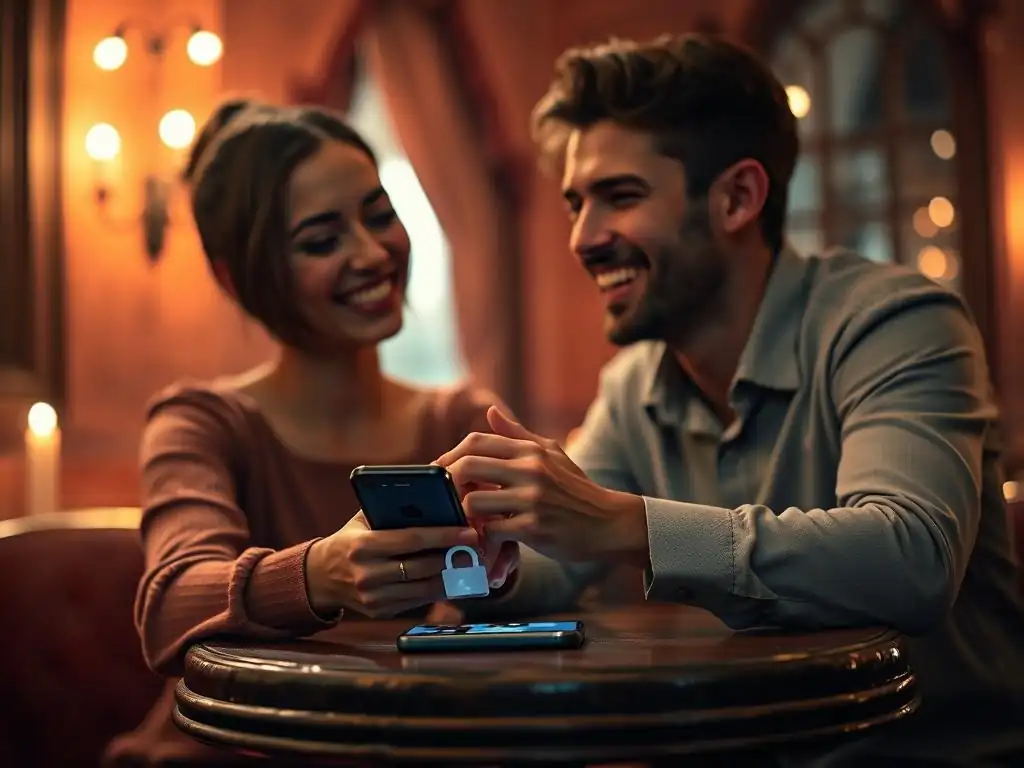
Ready to unlock the secrets to a safer and more successful online dating experience? At OnlineDatingSuccess.org, we empower you to navigate the world of online romance with confidence. This isn't just about finding a match; it's about building meaningful connections while prioritizing your well-being. Learn essential online dating safety tips in our latest article, "Dating App Security 101," and discover how to master the tools for a truly safe and rewarding journey. Dive in and learn how to protect yourself while finding your perfect match!
- Understanding Online Dating Safety Tips: Protecting Your Personal Information
- Online Dating Safety Tips: Recognizing and Avoiding Red Flags
- Enhancing Your Online Dating Safety: Practical Tools and Techniques
- Online Dating Safety Tips: Building Trust and Maintaining Control
- Building a Secure Online Dating Experience: Best Practices for Long-Term Safety
-
Frequently Asked Questions
- How can I verify the authenticity of a profile on a dating app?
- What information should I avoid sharing early in online dating?
- How do I handle suspicious or aggressive behavior from someone I met online?
- What are some tips for safe in-person meetings after connecting online?
- What are the best apps to use for online dating, considering safety?
- Final Reflection: Securing Your Heart in the Digital Age
- Unlock Your Dating App Confidence: Take Control of Your Safety!
Understanding Online Dating Safety Tips: Protecting Your Personal Information
Online dating has revolutionized how people connect and form relationships. Millions use dating apps and websites daily, seeking companionship, love, and connection. However, this digital landscape also presents unique safety challenges. This article, "Dating App Security 101: Mastering the Tools for a Safe Experience," provides crucial online dating safety tips to help you navigate the world of online romance while protecting your personal information and well-being.
We'll delve into practical strategies to secure your profile, communicate safely, and identify potential scams, empowering you to build meaningful connections without compromising your security. Understanding these online dating safety tips is crucial for a positive and safe experience, allowing you to focus on finding genuine connections rather than worrying about potential risks. Let's explore how to master the tools available to you and create a safer online dating journey.
Protecting Your Privacy Settings on Dating Apps
Privacy settings are your first line of defense against unwanted attention and potential scams. Most dating apps offer a range of customizable options, but many users overlook their importance. Understanding and optimizing these settings is paramount for online dating safety. Here's a breakdown of crucial steps:
- Limit Profile Visibility: Restrict who can see your profile. Many apps allow you to choose between showing your profile to everyone, only people you've matched with, or a completely custom selection. Opt for the most restrictive setting that still allows you to meet potential matches.
- Control Your Location Sharing: Be cautious about sharing your precise location. Some apps automatically share your location; disable this feature unless you're actively meeting someone in person, and even then, consider meeting in a public place.
- Manage Photo Settings: Review who can see your photos. Restrict access to only those you've matched with or approved, preventing strangers from accessing your images. Avoid posting photos that reveal too much personal information about your home or workplace.
- Regularly Review and Update Settings: Dating app policies and features change. Regularly check and update your privacy settings to ensure they're still providing the level of protection you desire. Consider reviewing them at least every few months.
- Be Mindful of App Permissions: Pay close attention to the permissions you grant dating apps. Only allow access to the features that are absolutely necessary for the app's functionality. Excessive permissions could compromise your privacy.
Avoiding Oversharing: Safe Communication Strategies for Online Dating
While building rapport is essential, avoid revealing too much personal information too soon. Oversharing can make you vulnerable to scams or unwanted attention. Here are some safe communication strategies:
- Avoid Sharing Personally Identifiable Information (PII): Refrain from sharing your full name, address, workplace, phone number, or social security number until you've met someone in person and built trust.
- Use the App's Messaging System: Stick to the app's built-in messaging system initially. Avoid sharing external contact information like email addresses or phone numbers until you feel comfortable.
- Be Wary of Requests for Financial Assistance: Legitimate relationships don't involve asking for money. Report anyone who requests financial assistance.
- Verify Profiles: Before meeting someone in person, try to verify their profile information. Look for inconsistencies or red flags. A reverse image search can help confirm if their photos are genuine.
- Meet in Public Places: Always meet in a well-lit, public place for your first few dates. Let a friend or family member know where you're going, who you're meeting, and when you expect to be back.
Recognizing and Avoiding Phishing Attempts on Dating Platforms
Phishing attempts are common on online dating platforms. Scammers try to trick you into revealing personal information or sending money. Here's how to spot and avoid them:
- Suspicious Links: Never click on links from unknown senders. Legitimate dating platforms will never ask you to click on external links to access your account or verify information.
- Urgent Requests: Be wary of messages that create a sense of urgency, pressure, or fear. Scammers often use these tactics to manipulate you into acting quickly without thinking.
- Grammatical Errors and Inconsistencies: Poor grammar and inconsistencies in their profile or messages are often warning signs.
- Unrealistic Promises: Be cautious of profiles that promise unrealistic things, such as instant wealth or a perfect relationship.
- Requests for Personal Information: Legitimate dating platforms will never ask you for your banking details, social security number, or password via email or text message. Report any such requests immediately.
Remember, building a safe and successful online dating experience requires vigilance and awareness. By following these online dating safety tips and staying informed, you can significantly reduce your risk and focus on enjoying the process of connecting with others. Stay safe and happy dating! 🎉
Securing Your Account: Strong Passwords and Two-Factor Authentication
Protecting your online dating profile starts with securing your account. Think of your account as the gateway to your personal information; robust security measures are paramount. The cornerstone of this security is a strong, unique password. Avoid easily guessable passwords like your birthday, pet's name, or sequential numbers. Instead, opt for a complex password that combines uppercase and lowercase letters, numbers, and symbols.
Aim for a minimum of 12 characters for optimal security. Password managers can help you generate and securely store these complex passwords, eliminating the need to remember them all. Consider using a different password for each online account, including your dating app, to minimize the risk of compromise. A breach on one platform won't automatically compromise your other accounts.
Beyond strong passwords, enabling two-factor authentication (2FA) is crucial for an added layer of protection. 2FA adds an extra step to the login process, typically requiring a code sent to your phone or email in addition to your password. This makes it significantly harder for unauthorized individuals to access your account, even if they obtain your password.
Many dating apps offer 2FA; check your app's settings to find out how to enable this vital security feature. While it might seem like an extra step, the enhanced security it provides far outweighs the minor inconvenience. Think of it as installing a high-quality lock on your front door – a small effort for significant peace of mind.
Remember, the goal is to create multiple layers of defense against potential threats, and 2FA is a critical component of this strategy. Don't underestimate the value of this readily available, free security measure. It's one of the easiest and most effective online dating safety tips you can implement.
Online Dating Safety Tips: Recognizing and Avoiding Red Flags
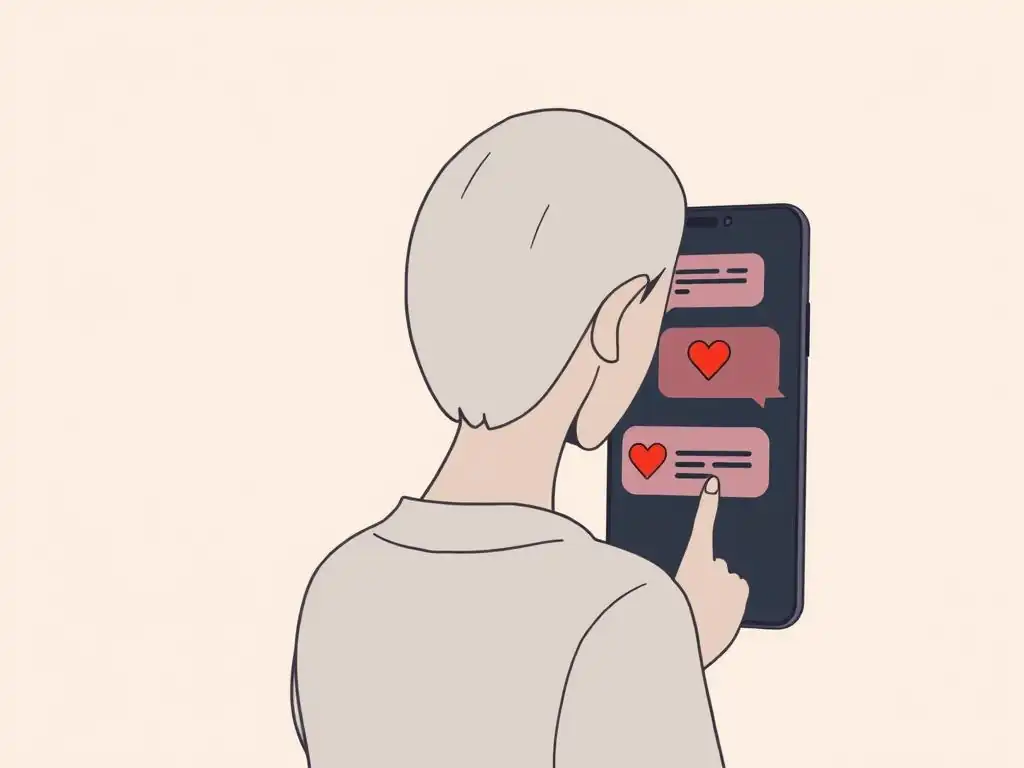
This section focuses on equipping you with the knowledge to identify potential dangers before they escalate. Understanding red flags is crucial for maintaining your online dating safety. The ability to spot suspicious behavior early on can significantly reduce your risk of becoming a victim of scams or experiencing harmful encounters. Remember, your safety and well-being are paramount.
Identifying Potential Scammers and Fraudsters
Scammers often employ similar tactics, making it easier to identify them with practice. Be wary of profiles exhibiting the following characteristics:
- Inconsistent information: Discrepancies in age, profession, or location across their profile and communication should raise immediate concern.
- Generic profiles: Profiles lacking personal details, using stock photos, or having overly-polished language often mask fraudulent intentions.
- Requests for money or financial assistance: This is a major red flag. Legitimate daters won't ask for money early in the relationship. Variations include requests for gift cards, loans, or investments.
- Overly romantic language: While initial enthusiasm is normal, excessively romantic language early on can be a sign of insincerity. They might profess undying love or make grand promises quickly.
- Pressure to move communication off the dating app: Legitimate daters are generally comfortable with initial interactions on the platform. A sudden push to move to another platform (email, messaging apps, etc.) without establishing trust is suspect.
- High-pressure situations: Scammers often create a sense of urgency to pressure you into making quick decisions. They might claim to be in a difficult situation requiring immediate help.
Example: Imagine receiving messages from someone claiming to be a successful oil executive stationed overseas, constantly needing financial assistance due to "emergencies." This is a classic scam scenario. Their profile likely lacks verifiable information, and their communication is filled with emotional appeals.
Remember, trust your instincts. If something feels off, it probably is. Don't hesitate to block and report suspicious profiles.
Spotting Fake Profiles and Catfishing Attempts
Catfishing, creating a fake online persona, is a prevalent issue in online dating. Here's how to spot these deceptive profiles:
- Reverse image search: Use a reverse image search engine to check if the profile picture appears elsewhere online. This can reveal if the picture is stolen from another source.
- Inconsistencies in photos: Examine the photos carefully for inconsistencies. Do the photos seem professionally taken or inconsistently lit? Do they all seem to be from the same time period?
- Lack of personal details: Fake profiles often lack substantial personal information, relying on generic statements and avoiding specifics.
- Limited social media presence or no verifiable links: Legitimate users often link to their social media profiles. The absence of this could be a warning sign.
- Unrealistic expectations: Be wary of profiles promising unrealistic outcomes or relationships, suggesting a level of perfection that's improbable.
Data Point: Studies show that a significant percentage of online dating profiles contain inaccuracies, ranging from minor embellishments to outright fabrication. Being vigilant is crucial.
Avoiding Risky Encounters: Safe Meeting Practices
Even after establishing what seems to be a genuine connection, maintaining safety is vital when meeting in person.
- Public places: Always choose well-lit and public places for your first meeting. Avoid secluded or isolated locations.
- Inform someone: Let a trusted friend or family member know where you're going, who you're meeting, and when you expect to be back. Share the person's profile and contact information.
- Meet during the day: First meetings are safer during daylight hours.
- Have your own transportation: Avoid relying on your date for transportation, especially for the first meeting. This allows you to leave at any time you feel uncomfortable.
- Trust your instincts: If at any point you feel uncomfortable or unsafe, leave the situation immediately. Your safety is paramount.
- Limit alcohol consumption: Avoid excessive alcohol consumption, as it can impair your judgment and make you more vulnerable.
Checklist for Safe Meetings:
| Item | Importance | Action |
|---|---|---|
| Public Meeting Location | High | Choose a busy, well-lit café, restaurant, or other public space. |
| Inform a Friend/Family | High | Share details of your meeting with someone you trust. |
| Own Transportation | Medium | Drive yourself or use ride-sharing services. |
| Daytime Meeting | Medium | Schedule the meeting during daylight hours. |
| Limit Alcohol Consumption | Low | Avoid excessive alcohol to maintain clear judgment and awareness. |
By following these online dating safety tips and exercising caution, you can significantly reduce your risks and enjoy a safer and more positive online dating experience. Remember, a little vigilance goes a long way in protecting yourself.
Reporting Suspicious Activity: Utilizing App Reporting Mechanisms
Reporting suspicious activity is crucial for your safety and the safety of other users. Most reputable dating apps provide robust reporting mechanisms to flag inappropriate behavior. Don't hesitate to use them! Ignoring red flags can have serious consequences, so proactive reporting is key to maintaining a safer online dating environment. Understanding how to effectively utilize these reporting tools can significantly reduce your risk.
Many apps offer multiple reporting options, allowing you to specify the nature of the issue. For instance, you might report a user for sending unsolicited explicit photos, engaging in harassment, or creating a fake profile. The more detail you provide in your report, the better equipped the app's moderators will be to take appropriate action. This often includes screenshots of messages or profile details as evidence. Remember, even seemingly minor instances of suspicious behavior should be reported. A pattern of seemingly harmless actions can sometimes escalate into something more serious.
The process usually involves selecting a report option within the user's profile or a specific message thread. Look for options such as "Report," "Block," or "Flag." After selecting the appropriate option, you'll typically be prompted to provide details about the incident. Be concise but thorough.
Clearly state what happened, when it happened, and provide any supporting evidence. Some apps allow you to choose from a pre-defined list of reasons for reporting, while others allow for free-form text input. Familiarize yourself with your specific app's reporting features. This proactive approach helps maintain a safer online dating experience for everyone.
Failing to report suspicious activity not only puts you at risk but also allows potentially harmful individuals to continue their behavior unchecked. Remember, you are not alone in this; many other users rely on collective reporting to keep the platform safe. Your report could potentially prevent someone else from experiencing a negative interaction.
Think of reporting as a collaborative effort to improve online dating safety. By promptly reporting suspicious activity, you contribute to a safer community for everyone. The more users utilize these tools, the more effective they become in deterring harmful behavior and protecting individuals from potential risks. This collective responsibility is essential for a positive and secure online dating experience. So, always remember to report any suspicious activity you encounter; it's a vital step in safeguarding yourself and others.
Enhancing Your Online Dating Safety: Practical Tools and Techniques
This section delves into practical strategies and readily available tools to bolster your online dating safety. We'll explore how to leverage built-in app features and external resources to minimize risks and maximize your chances of a positive experience. Remember, proactive safety measures are key to enjoying the benefits of online dating without compromising your personal well-being. Prioritizing your safety shouldn't detract from the fun; it enhances it.
Utilizing Location Services Safely
Location services are a double-edged sword in online dating. While they can facilitate meeting up with matches geographically closer to you, they also pose privacy risks if not handled carefully. Many dating apps offer granular control over location sharing. Instead of constantly broadcasting your precise location, consider these strategies:
- Turn off location sharing when not actively using the app: This prevents continuous tracking and reduces the potential for unwanted attention. Think of it like locking your car – you only unlock it when you need it.
- Use the "nearby" feature sparingly: While convenient, constantly searching for nearby users increases your visibility to a wider range of profiles, some of which might not have your best interests at heart.
- Share your location only with trusted matches: Once you've established a comfortable level of communication and trust, you can selectively share your location with individuals you feel safe meeting. Don't rush this process.
- Meet in public places for initial dates: Even with location sharing, always opt for well-lit, public venues for your first few encounters. Safety first! 👮♀️
Remember, your comfort level is paramount. If a match pressures you to share your location before you feel ready, it's a red flag.
Background Check Resources for Online Daters
While dating apps offer some safety features, conducting your own background checks can provide an extra layer of security. Several reputable services offer background check capabilities, allowing you to verify a potential date's identity and uncover any potential red flags. This proactive approach empowers you to make informed decisions about who you meet offline.
However, it's crucial to use these services responsibly and ethically. Always ensure you're using a legitimate and reputable provider. Misusing background check information can have legal ramifications. Consider these points:
- Focus on publicly available information: Limit your searches to information readily available to the public. Avoid delving into private or sensitive data without consent.
- Don't rely solely on background checks: A clean background check shouldn't be the sole factor in your decision to meet someone. Trust your intuition and pay attention to red flags in their online profile and communication.
- Treat the information responsibly: The information you uncover should be used for your own safety and decision-making. Refrain from sharing it with others or using it for any purpose other than assessing potential risks.
Remember, responsible use of background checks is about enhancing your safety, not invading someone's privacy.
Leveraging Privacy-Focused Dating Apps
The online dating landscape is evolving, with several apps emerging that prioritize user privacy and security. These apps often incorporate robust features designed to protect your personal information and limit the exposure of your location and other sensitive data. Consider exploring these options for a safer online dating experience. Think of it as choosing a secure browser for online banking – you wouldn't use a less secure option, would you?
Some privacy-focused apps might offer:
- Enhanced privacy settings: Allowing you to control what information is visible to other users.
- Anonymous profile options: Enabling you to connect with others without revealing your full identity initially.
- Secure messaging systems: Protecting your conversations from unauthorized access.
- Stricter verification processes: Helping to weed out fake profiles and bots.
Researching and choosing a privacy-focused app can significantly contribute to a safer and more positive online dating journey. Prioritizing privacy doesn't mean sacrificing the potential for meaningful connections; it simply means doing so more safely and responsibly. Remember, your safety and comfort are the most important aspects of your online dating experience.
Utilizing Reverse Image Search to Verify Profiles

Catfishing is a significant concern in online dating. A potential match might present a profile picture that isn't actually them. This is where reverse image search becomes an invaluable tool for online dating safety. Reverse image searching allows you to upload an image and see where else it appears online. This can help you verify if the person's profile picture is genuinely theirs or if it's been lifted from another source, such as a stock photo website or another person's social media profile. Several search engines offer this functionality, including Google Images and TinEye.
The process is simple: upload the image you want to verify, and the search engine will return a list of websites where that image appears. If the image only appears on their dating profile and nowhere else, it should raise a red flag. Conversely, if the image appears across multiple legitimate profiles belonging to the same person, it increases the likelihood of authenticity. However, remember that even if the image is genuine, it doesn't guarantee the person's identity or intentions are entirely truthful. Always maintain a healthy level of skepticism and utilize other verification methods.
Remember, your safety is paramount. Don't be afraid to ask for additional photos or video calls to further verify their identity before meeting in person. This proactive approach to online dating safety significantly reduces your risk of encountering fraudulent profiles. Using reverse image search is just one piece of the puzzle in ensuring a safe and positive online dating experience. Prioritize your well-being and always be cautious.
Before meeting someone from an online dating app, consider discreetly checking their presence on other social media platforms. This can provide additional context and help you verify their identity and claims. Look for consistency in their online persona across platforms. Do their photos, descriptions, and activity align across different social media sites? Inconsistencies can be a warning sign.
Remember to be respectful of their privacy; avoid contacting them through these other platforms unless you have already established a level of communication on the dating app. The goal is verification, not intrusion. This step can provide valuable corroborating information, helping you to assess the legitimacy of their profile and reduce the risk of encountering a fake profile. Remember, this is just another tool in your online dating safety toolbox. It's important to use multiple verification methods to build a comprehensive picture.
Always prioritize your own safety and trust your instincts. If something feels off, it's always better to err on the side of caution. This approach to online dating safety enhances your ability to make informed decisions and protect yourself from potential harm. Combining social media checks with other safety measures ensures a more secure online dating experience. This thorough approach allows you to confidently navigate the online dating world.
Utilizing Location Services with Caution
Many dating apps use location services to match users in proximity. While convenient for finding local dates, it's crucial to exercise caution regarding the level of information you share through these services. Sharing your exact location with someone you've only met online can pose a significant risk. Avoid sharing extremely precise location data until you've met and built trust. Be mindful that even seemingly innocuous location details can be used to track your whereabouts.
Consider using a temporary location or only sharing general location data. This helps to maintain a degree of anonymity and safety while still allowing you to connect with people in your area. This balance between convenience and safety is crucial for a positive online dating experience. Remember that your personal safety is always a priority.
Online dating safety requires a proactive and cautious approach. Always prioritize your security, and never feel pressured to share more information than you're comfortable with. By using location services cautiously, you can effectively manage your online dating safety and still enjoy the benefits of location-based matching. A balanced approach to online dating safety empowers you to connect with others safely and confidently.
Online Dating Safety Tips: Building Trust and Maintaining Control
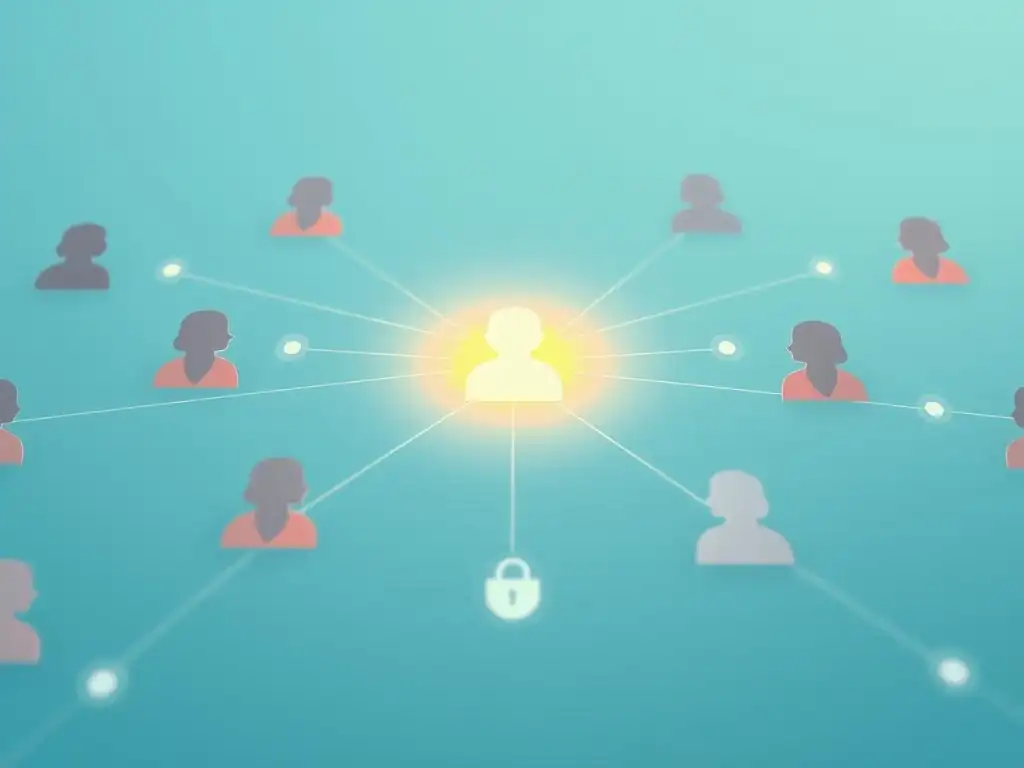
This section focuses on proactive strategies for building trust and maintaining control during your online dating journey. Remember, online dating safety isn't just about avoiding scams; it's about empowering yourself to make informed decisions and navigate interactions with confidence. The key is to prioritize your well-being and establish clear boundaries from the outset. Proactive safety measures significantly reduce risks associated with online dating.
Establishing Boundaries and Communication Protocols
Before even initiating contact with a potential match, define your personal boundaries. What are you comfortable sharing? What kind of communication are you willing to engage in? What are your dealbreakers? Having these guidelines in place will help you navigate interactions confidently and avoid situations that make you uncomfortable.
For instance, avoid sharing sensitive personal information like your full address, place of work, or financial details early on. Instead, focus on building rapport through engaging conversations, sharing hobbies, and discovering common interests. Remember, building trust takes time. Don't rush into sharing personal data just because you feel a connection.
Consider creating a separate email address solely for online dating interactions. This helps to maintain privacy and prevents potential spam or unwanted communications from spilling over into your personal inbox. Furthermore, always meet in a public place for the first date and inform a trusted friend or family member of your plans, including the time, location, and the person's name and contact information. This simple precaution can be a significant safety net.
Here's a helpful table summarizing communication protocols:
| Stage of Interaction | Information to Share | Information to Avoid |
|---|---|---|
| Initial Contact | Interests, hobbies, general location | Full address, workplace, financial details |
| Early Conversations | Personal anecdotes, life goals | Sensitive personal information, family details |
| Building Trust | Shared experiences, values | Detailed personal history, passwords |
| Establishing a Relationship | More personal information, as comfortable | Anything that compromises your safety or privacy |
Communicating Safely and Effectively
Effective communication is crucial for building trust and avoiding misunderstandings. Be mindful of your tone and word choice, and avoid making assumptions about your match's intentions. If something feels off or makes you uneasy, trust your instincts and disengage. Remember, you have the right to end any interaction at any time.
Online dating safety also involves being aware of red flags. Be cautious of individuals who are overly persistent, pressuring you to share personal information, or making unrealistic promises. Avoid sharing explicit photos or videos, as these can be misused or shared without your consent. Instead, focus on building a genuine connection based on respect and mutual trust.
It's equally important to be clear about your expectations and boundaries throughout your interactions. If someone is behaving inappropriately or violating your boundaries, don't hesitate to report them to the dating app platform and block them. Many platforms have robust reporting mechanisms in place to help ensure user safety. Utilize these tools proactively to maintain a safe online dating experience. Remember, your safety is paramount.
Avoid linking your online dating profile directly to your main social media accounts. This could expose you to unwanted attention or stalking. Consider creating a separate social media account specifically for online dating, or carefully curate your privacy settings on your existing accounts to limit the information visible to strangers. This includes limiting who can view your photos, posts, and location data.
Regularly review your privacy settings across all platforms. Dating apps often integrate with other social media, so be aware of the permissions you grant. Consider using strong, unique passwords for each account to further enhance your online security. A password manager can be invaluable in this regard.
Remember, protecting your privacy is an ongoing process, requiring vigilance and proactive management. By understanding and implementing these measures, you can significantly reduce your risk while enjoying the benefits of online dating. Your digital footprint should reflect your comfort level and security preferences. Prioritize your personal safety and well-being above all else.
Protecting Yourself from Online Harassment
Online harassment is a serious concern in the world of online dating, and unfortunately, it's more common than many realize. It can range from subtle, persistent annoyances to outright threats and abuse. Protecting yourself requires a proactive and multi-layered approach. Understanding the different forms harassment can take is the first step towards building resilience and safety. This includes everything from unwanted messages and persistent advances despite clear disinterest, to more severe forms such as stalking, doxxing (revealing personal information), or even threats of violence. Remember, any unwanted contact that makes you feel uncomfortable constitutes harassment.
One crucial aspect of self-protection is setting clear boundaries. This begins with your profile. A well-crafted profile that conveys your personality and preferences without revealing too much personal information can deter potential harassers. Avoid posting pictures that pinpoint your location or revealing details about your daily routine.
Remember, less is often more when it comes to online dating profiles. Furthermore, utilize the blocking and reporting features offered by most dating apps. These features are designed to help you quickly remove unwanted users from your experience and alert the platform to potentially harmful behavior. Don't hesitate to use them; they're there for your protection.
Beyond the app itself, consider your online behavior. Avoid sharing personal information prematurely. Don't rush into sharing your phone number, address, or workplace details with someone you've only met online. Take your time to get to know someone before revealing such sensitive information. If someone pressures you to share personal details before you feel comfortable, it's a significant red flag. Trust your instincts; if something feels off, it probably is.
Finally, remember you're not alone. If you experience online harassment, document the interactions – screenshots, dates, and times – and report the behavior to the dating app and, if necessary, law enforcement. Many online dating platforms have dedicated support teams to address these issues, and seeking their help is a vital step in protecting yourself.
Remember, seeking help is a sign of strength, not weakness. Your safety and well-being are paramount, and you deserve to feel safe and respected in your online dating journey. Taking control of your online safety significantly enhances your overall online dating experience, allowing you to focus on building genuine connections.
Building a Secure Online Dating Experience: Best Practices for Long-Term Safety
This section focuses on proactive strategies to cultivate a secure online dating experience, emphasizing long-term safety practices beyond immediate threat avoidance. We'll explore how consistent vigilance and informed decision-making contribute to a positive and secure online dating journey. Remember, online dating safety tips are not just about avoiding immediate dangers; they're about building a sustainable approach to online interactions.
Regularly Reviewing and Updating Privacy Settings
Regularly reviewing and updating your privacy settings across all your dating apps is crucial for maintaining your online dating safety. Think of your privacy settings as a dynamic shield, constantly needing adjustments to reflect your comfort level and evolving online presence. Neglecting this crucial aspect can expose you to unwanted attention or even scams.
Many dating apps offer granular control over your profile's visibility. For instance, you can choose who can see your photos, message you, or even view your location. Take advantage of these features! Consider limiting the visibility of your profile to only those who meet specific criteria, such as age range or distance. This helps to filter out potentially problematic users.
Furthermore, regularly review which apps have access to your location data. While location services enhance the dating experience by suggesting nearby matches, indiscriminately sharing your precise location with every app poses a risk. Be selective about which apps require access to your location, and always revoke access when you no longer use the app.
Remember that app updates often bring changes to privacy settings. Be sure to read the release notes and review your settings after each update. This proactive approach ensures your safety remains a priority amidst the constant evolution of app features. Think of it as a regular security check-up for your online dating profile — a vital component of your overall online dating safety strategy.
Here's a table summarizing key privacy settings to review and adjust:
| Setting | Description | Recommendation |
|---|---|---|
| Profile Visibility | Who can see your profile (e.g., everyone, only matches) | Restrict visibility to increase control over who contacts you. |
| Photo Visibility | Who can see your photos (e.g., everyone, only matches, approved contacts) | Consider limiting photo visibility to increase your safety. |
| Location Sharing | How much of your location is shared (e.g., precise, approximate, none) | Only share location with apps you trust and need to use the location-based features. |
| Messaging Settings | Who can message you (e.g., anyone, only matches) | Restrict messaging to only matches to avoid unwanted contact. |
| Notification Settings | Control what types of notifications you receive | Manage notifications to avoid being overwhelmed and to filter unwanted interactions. |
Staying Informed About Online Dating Scams
Staying informed about prevalent online dating scams is paramount to your online dating safety. Scammers are constantly evolving their tactics, so passive awareness isn't enough; active engagement with updated information is crucial.
Familiarize yourself with common scam types. These include catfishing (using fake profiles), romance scams (manipulating emotions for financial gain), and phishing (attempting to steal personal information). Understanding the methods employed by scammers allows you to recognize red flags early on.
Regularly check reputable sources for the latest scam reports and safety tips. Many online dating safety organizations and consumer protection agencies provide up-to-date information on emerging scams and strategies to avoid them. This proactive approach enhances your ability to identify and avoid potential threats.
Remember, your intuition is a powerful tool. If something feels off, trust your gut and don't hesitate to report suspicious activity to the dating app or relevant authorities. This proactive response can help protect both yourself and other users from potential harm. Consider keeping a record of suspicious conversations or interactions as evidence, should you need to report them. This is an important part of online dating safety tips.
Maintaining a Healthy Balance Between Online and Offline Interactions
Maintaining a healthy balance between online and offline interactions is essential for your safety and well-being. While online dating provides a convenient way to connect with potential partners, rushing into in-person meetings without proper precautions can be risky.
Prioritize thorough communication before meeting in person. Engage in extended conversations to get to know the person better, verifying their identity and intentions. Avoid sharing personal information too readily, especially sensitive data like your address or workplace.
When you decide to meet in person, choose a public place for your first meeting. Let a friend or family member know where you're going, who you're meeting, and when you expect to return. This simple precaution can provide a safety net in case of unexpected circumstances.
Remember, your safety is non-negotiable. Prioritize your well-being and don't feel pressured to meet someone in person if you have any reservations. A healthy balance between online and offline interactions ensures a safer and more enjoyable dating experience. This is a key element of online dating safety tips. Trust your instincts and prioritize your safety above all else.
Seeking Support and Resources When Needed
Navigating the world of online dating can sometimes feel overwhelming, and knowing where to turn for help is crucial for maintaining your safety and well-being. Remember, seeking support isn't a sign of weakness; it's a proactive step towards protecting yourself. Many resources are available to help you navigate challenging situations or simply provide guidance and reassurance.
One invaluable resource is the support system within your personal life. Confiding in trusted friends or family members can provide emotional support and a safe space to discuss your experiences. Their perspective can offer valuable insight and help you process any anxieties or concerns that may arise. Remember, sharing your online dating activities with someone you trust can act as an additional layer of security. They can offer a second pair of eyes to review profiles or messages, helping you identify potential red flags you might have missed.
Beyond your personal network, numerous organizations and hotlines specialize in providing support for victims of online harassment or scams. These organizations often offer confidential counseling, legal advice, and practical assistance in reporting abusive behavior. They can help you navigate the complexities of reporting incidents to dating platforms and law enforcement, ensuring your safety and advocating for your rights.
Researching and identifying these resources before you encounter a problem is a proactive measure that can significantly reduce stress and improve your ability to react effectively in a difficult situation. Knowing you have access to expert help can provide a significant sense of security and empowerment.
Finally, don't underestimate the power of online communities and support groups. Many online forums and communities are dedicated to discussing online dating safety and sharing experiences. These spaces can offer a sense of camaraderie and provide a platform to learn from others' experiences. Sharing your concerns and learning from others' strategies can be incredibly helpful in developing your own approach to online dating safety. Remember, you are not alone in this journey, and seeking help is a sign of strength and self-awareness. Prioritizing your well-being is paramount in building a secure and positive online dating experience.
Frequently Asked Questions
How can I verify the authenticity of a profile on a dating app?
There's no foolproof method, but look for verified profiles with multiple photos and detailed bios. Reverse image search photos to check for inconsistencies and be wary of profiles lacking personal information. Always trust your gut; if something feels off, it probably is.
What information should I avoid sharing early in online dating?
Avoid sharing personal details like your full address, workplace address, or exact location until you've met in person and feel comfortable. Don't share financial information or your social security number under any circumstances. Keep your personal safety a priority.
How do I handle suspicious or aggressive behavior from someone I met online?
Block and report the user immediately through the dating app's reporting system. If you feel threatened or harassed, save all communication as evidence and consider contacting the authorities. Prioritize your safety.
What are some tips for safe in-person meetings after connecting online?
Always meet in a public place for your first meeting. Let a friend or family member know where you're going, who you're meeting, and when you expect to return. Trust your instincts and leave if you feel uncomfortable at any point.
What are the best apps to use for online dating, considering safety?
Many apps offer safety features, but there's no single "best" app. Look for apps with robust reporting mechanisms, verification processes, and clear safety guidelines. Read reviews and choose an app that prioritizes user safety and has strong community moderation.
Final Reflection: Securing Your Heart in the Digital Age
The rise of online dating has revolutionized romance, but it's crucial to remember that convenience doesn't negate the need for caution. Navigating the digital dating world requires a proactive approach to safety, a conscious effort to protect your personal information and emotional well-being. Ignoring this reality leaves you vulnerable to potential harm, both emotional and physical.
The impact of online dating safety extends far beyond individual experiences; it shapes the very fabric of how we connect and build relationships online. The constant evolution of dating apps and the ever-present threat of scams and malicious actors demand ongoing vigilance. As we navigate this evolving landscape, it's vital to remember that genuine connection should never come at the cost of personal safety. The best love is the kind that awakens the soul; that makes us reach for more, that plants a fire in our hearts and brings peace to our minds.
This quote, while romantic, underscores the importance of approaching online dating with a clear head and a strong sense of self-preservation, ensuring that the pursuit of love doesn't compromise your well-being.
You, the reader, now hold the power to shape your online dating experience. Take the knowledge gained from this article and integrate it into your digital interactions. Don't just passively scroll through profiles; actively protect yourself. Remember the tips discussed, and use them as a foundation for building healthy, safe, and fulfilling connections. Your safety is paramount, and your journey to finding love should be one of empowerment and security, not fear and uncertainty.
Unlock Your Dating App Confidence: Take Control of Your Safety!
Thank you for exploring safer dating app practices! We hope you've gained valuable insights to increase your confidence in navigating the online dating world. Now, let's put that knowledge into action.
- Prioritize your privacy settings: Immediately review and adjust your privacy settings on all your dating apps. This simple step significantly impacts your safety and comfort.
- Share this information with a friend: Discuss your online dating safety strategies and learn from each other's experiences. A fresh perspective can often identify potential risks.
- Explore additional resources: We offer many resources to help you build a safer and more successful online dating experience. [Link to OnlineDatingSuccess.org or relevant resource could be inserted here]
Ready to make your online dating experience safer and more enjoyable? What's the first privacy setting you plan to adjust?