
The Secret to Safe Dating: Mastering Reverse Image Search


Tired of online dating feeling like a minefield? At OnlineDatingSuccess.org, we're dedicated to helping you navigate the world of digital romance with confidence. This isn't just about finding a date; it's about building meaningful connections while staying safe. Learn how to master the secret weapon of safe online dating: reverse image search, and discover the power it holds to protect you from scams and potential dangers. Ready to unlock a safer, more successful dating experience? Let's dive in!
- Understanding the Risks of Fake Profiles in Online Dating
- Introducing Reverse Image Search: Your First Line of Defense
-
Safe Online Dating Reverse Image Search Techniques: A Step-by-Step Guide
- Step 1: Obtaining the Image for Reverse Image Search
- Step 2: Uploading the Image to a Reverse Image Search Engine
- Step 3: Analyzing the Search Results for Inconsistencies
- Step 4: Cross-Referencing Information Found in Search Results
- Step 5: Additional Verification Methods Beyond Reverse Image Search
- Advanced Safe Online Dating Reverse Image Search Strategies
- Beyond Reverse Image Search: Additional Safety Tips for Online Dating
- Conclusion: Prioritizing Safety in Your Online Dating Journey
-
Frequently Asked Questions
- What is a reverse image search, and how can it help me stay safe online dating?
- How do I perform a reverse image search?
- Are there any limitations to using reverse image searches for online dating safety?
- Besides reverse image searches, what other safety tips should I follow on online dating sites?
- Can reverse image search guarantee complete safety in online dating?
- Final Reflection: Unlocking Safety in the Digital Dating World
- Unleash Your Inner Detective: Secure Your Dates!
Understanding the Risks of Fake Profiles in Online Dating
Navigating the world of online dating can be exciting, offering the potential to connect with like-minded individuals and build meaningful relationships. However, the digital landscape also presents unique challenges, most notably the pervasive issue of fake profiles. This article delves into the crucial role of reverse image search in mitigating these risks, empowering you to make informed decisions and prioritize your safety while seeking love online.
We'll explore how to identify red flags, understand the prevalence of scams, and recognize the significant financial and emotional consequences of interacting with fraudulent profiles. Mastering reverse image search is a critical step in building a safer and more positive online dating experience, allowing you to confidently connect with genuine individuals and avoid potentially harmful situations.
The goal is to provide you with the knowledge and tools to protect yourself and create a secure space for finding love. Let's dive in and uncover the secrets to safe online dating.
Identifying Red Flags: Recognizing Potentially Fake Profiles
Before diving into the technical aspects of reverse image search, it's essential to understand the telltale signs of a potentially fake profile. Recognizing these red flags is your first line of defense. These indicators can vary, but some common ones include:
- Vague or inconsistent information: Profiles lacking detail, with contradictory information, or using generic phrases are a significant warning sign. Pay close attention to inconsistencies in their stories or descriptions.
- Professional-looking photos, but limited personal photos: A profile filled with only highly polished or model-like images raises suspicion. Genuine profiles typically include a mix of casual and posed pictures.
- Photos that appear too perfect: Be wary of images that seem overly edited or professionally retouched, lacking any imperfections. This often points to the use of stock photos or images stolen from elsewhere.
- Limited or no social media links: A reluctance to provide links to their social media accounts could indicate an attempt to conceal their true identity.
- Requests for money or financial assistance early in the relationship: This is a major red flag and a common tactic used by scammers.
- Overly enthusiastic or passionate communication early on: Beware of profiles that express intense feelings or make grand promises quickly. Genuine connections develop gradually.
Remember, your intuition is a powerful tool. If something feels off or doesn't quite sit right, trust your instincts.
The Prevalence of Catfishing and Online Dating Scams
The prevalence of catfishing and online dating scams is a serious concern. While precise figures are difficult to obtain due to underreporting, anecdotal evidence and reports from online dating platforms suggest a significant problem. Catfishing, the act of creating a fake online persona to deceive others, is rampant, often involving stolen photos and fabricated information.
These scams can lead to significant emotional distress and financial losses. Victims often report feeling betrayed, humiliated, and financially devastated after investing time, money, and emotions into a relationship that was entirely fabricated. The emotional toll of discovering a deception can be profound and long-lasting, highlighting the importance of proactive safety measures.
Financial and Emotional Risks Associated with Fake Profiles
Interacting with fake profiles carries substantial risks, extending beyond the emotional impact of deception. Financial risks are significant. Scammers often use online dating platforms to target victims for financial gain, employing various tactics to extract money. These can range from requests for small amounts of money for fabricated emergencies to elaborate schemes involving significant financial investments.
The emotional consequences can be equally devastating. The betrayal of trust, the investment of time and energy into a nonexistent relationship, and the subsequent feelings of shame and embarrassment can have a profound and lasting impact on mental well-being. Understanding these risks is crucial in taking preventative measures and protecting oneself from these harmful experiences. The use of reverse image search is a critical tool to help mitigate these risks and empower users to make safe and informed choices.
Introducing Reverse Image Search: Your First Line of Defense
Online dating offers incredible opportunities to connect with people, but it also presents unique safety challenges. One powerful tool often overlooked is the reverse image search. Mastering this technique can significantly reduce your risk of encountering fake profiles, scams, or even dangerous individuals. This section will equip you with the knowledge and skills to effectively utilize reverse image search as a crucial part of your safe online dating strategy. Safe online dating requires proactive measures, and reverse image search is a simple yet effective first step.
What is Reverse Image Search and How Does it Work?
Reverse image search is a technique that allows you to find instances of a specific image across the internet. Instead of searching with text, you search with an image. You upload an image (a profile picture, for example), and the search engine scours its vast database to identify where that image, or visually similar images, have appeared before. This can reveal if the image is stolen, used in multiple profiles, or associated with known scams.
It works by analyzing the image's unique characteristics, such as pixel patterns and metadata, to find matches. Think of it as a digital fingerprint for an image. The process is remarkably simple and can provide valuable insights into the authenticity of a profile.
For example, you might find that a seemingly attractive profile picture is actually a stock photo, a picture from a celebrity's social media, or an image associated with a known catfish profile. This immediate verification can save you time, heartache, and potential danger. This is a key element of safe online dating practices, providing an extra layer of protection against deception.
Utilizing Google Images, TinEye, and Yandex Images for Verification
Several excellent reverse image search engines are available. Each has its own strengths and weaknesses. Here's a comparison to help you choose the best tool for your needs:
| Search Engine | Strengths | Weaknesses | Best For |
|---|---|---|---|
| Google Images | Largest image index, user-friendly interface | May not find very obscure images, results can be overwhelming | General image verification, quick checks |
| TinEye | Excellent at finding exact image matches, even low-resolution images | Smaller index than Google Images | Finding duplicate images, identifying stock photos |
| Yandex Images | Strong international coverage, often finds images Google misses | Interface may be less intuitive for some users | Searching for images from international sources |
Remember to always upload the image directly from the dating profile, avoiding any potential alterations that might hinder the accuracy of the results. Always cross-reference results across multiple search engines for a more comprehensive analysis. This multi-faceted approach enhances your ability to verify the authenticity of profile pictures and promotes safe online dating.
Understanding the Limitations of Reverse Image Search
While reverse image search is a powerful tool, it's crucial to understand its limitations. It's not foolproof. Sophisticated scammers may use slightly altered images or images from less readily searchable sources. A lack of results doesn't definitively prove that an image is legitimate; it simply means that the search engine couldn't find a match in its database. Similarly, finding an image on a legitimate website doesn't automatically guarantee the profile's authenticity; the image might be stolen and misused.
Therefore, reverse image search should be considered one tool among many in your overall online dating safety strategy. Combine it with other verification methods, such as carefully reviewing profile information, engaging in video calls, and being cautious about sharing personal details. Safe online dating is a holistic process requiring vigilance and a multi-layered approach. Using reverse image search responsibly and in conjunction with other safety measures will greatly enhance your online dating experience and help you build meaningful connections safely.
Safe Online Dating Reverse Image Search Techniques: A Step-by-Step Guide
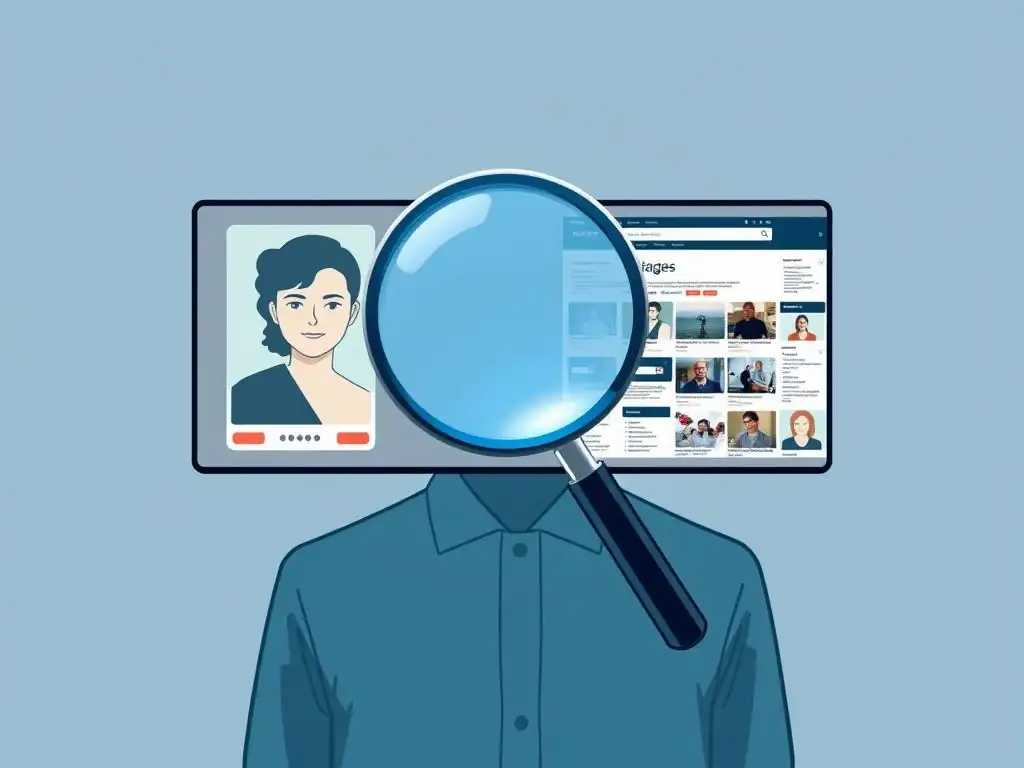
This section details how to perform a reverse image search to verify the authenticity of a potential date's profile picture, a crucial step in safe online dating. Mastering this technique significantly reduces your risk of encountering online scams and protects your personal safety and emotional well-being. Remember, proactive measures are key to a positive and secure online dating experience.
Step 1: Obtaining the Image for Reverse Image Search
Before you begin your reverse image search, you need a clear, high-resolution copy of the image you want to verify. This is usually the profile picture of the person you're interacting with. Avoid using low-resolution thumbnails, as these often yield poor results.
The best way to obtain the image is to right-click on the image within their dating profile and select "Save Image As..." or a similar option. This ensures you have a high-quality version to work with. Saving the image directly from the profile prevents compression issues that can affect search results. Some dating platforms may restrict this functionality; in such cases, taking a screenshot might be necessary, though the quality may be slightly lower. Always respect the individual's privacy and only save images if they are publicly visible on their profile.
Remember, obtaining images without consent is unethical and potentially illegal. Focus only on images publicly displayed on the dating profile. This careful approach is vital for maintaining ethical online behavior while protecting your safety.
Step 2: Uploading the Image to a Reverse Image Search Engine
Several reputable reverse image search engines are available. These powerful tools allow you to upload an image and search for its origin and other instances of its appearance online. Popular options include Google Images, TinEye, and Yandex Images. Each engine has its strengths, so using multiple engines can provide a more comprehensive search.
Once you've chosen an engine, upload the image you saved earlier. Most engines have a simple drag-and-drop interface or a button to select a file from your computer. The upload process is usually quick and straightforward. After uploading, the engine will begin its search, which may take a few seconds to a few minutes depending on the image and the engine's load. Be patient and allow the search to complete fully before analyzing the results. This thorough approach increases the accuracy of your verification process.
Step 3: Analyzing the Search Results for Inconsistencies
After the search is complete, carefully examine the results. Look for inconsistencies that might indicate the image is fake or stolen. These could include:
- Different names or identifying information: The image might appear on profiles with different names, ages, or locations than the person you're communicating with. This is a strong indicator of a potentially fraudulent profile.
- Stock photos or images from model portfolios: The image may appear on stock photo websites or model portfolios, indicating it's not an original photograph of the person claiming it as their own.
- Multiple instances of the same image used across different dating platforms: This suggests the person might be using the same fake profile across multiple platforms to target various individuals.
- Low-quality or manipulated images: A blurry or oddly edited image could be a sign of manipulation or an attempt to conceal the person's true identity.
Pay close attention to the context in which the image appears in the search results. A single instance on a dating profile is less suspicious than multiple instances across various websites with different contexts. Remember, even a single red flag should raise concerns. It is better to err on the side of caution when your safety is involved. Trust your instincts; if something feels off, it likely is. Safe online dating prioritizes cautious verification.
Step 4: Cross-Referencing Information Found in Search Results
Once you've performed a reverse image search using several engines, you'll likely have a collection of results. This isn't just about finding the image; it's about verifying the context in which it appears. A single image might appear on numerous websites, some legitimate, some not. Your goal is to cross-reference the information to identify inconsistencies or red flags.
For instance, if the profile claims the person is a successful doctor, but the image appears on several stock photo sites or in unrelated contexts (like a travel blog), that's a major warning sign. Similarly, if the profile states they live in a specific city, but the image's metadata or reverse image search results show a different location, that discrepancy needs further investigation. Pay close attention to the websites where the image appears. Is it associated with known dating scams or fake profiles?
Look for patterns; if the same image shows up on multiple suspicious profiles, it's a strong indicator of fraudulent activity. Always prioritize results from reputable sources and compare the information presented there against the dating profile information. Thorough cross-referencing drastically reduces the chance of falling victim to a catfish or scam. Remember, consistency is key; any discrepancies should raise your suspicion.
This detailed comparison process enhances your ability to assess the authenticity of the profile and the potential for deception. Don't rush this step; take your time and carefully analyze the information gathered.
Step 5: Additional Verification Methods Beyond Reverse Image Search
While reverse image search is a powerful tool for safe online dating, it shouldn't be your only method of verification. Think of it as one piece of a larger puzzle. Supplementing your reverse image search with other verification techniques significantly improves your safety and helps you build trust.
One effective method is to check the person's social media presence. If they've provided links to their social media profiles, verify their existence and check for consistency between their online persona and the information they've shared on the dating site. Look for photos that match the ones on their dating profile and check if their timelines align with their stated history. Inconsistencies or a lack of public information can be a red flag.
Another crucial step is video calling. A simple video call can often reveal inconsistencies that image searches cannot. It allows you to see the person in real-time, assess their demeanor, and confirm their identity. Be wary of those who consistently refuse video calls; this could be a sign that something is amiss.
Finally, slow down and don't rush into anything. Building trust takes time. Engage in meaningful conversations, ask thoughtful questions, and pay attention to their responses. Beware of individuals who are overly eager to move the relationship offline quickly or who are evasive when asked personal questions. These are classic red flags that should prompt further scrutiny. Prioritize building a genuine connection over speed; this cautious approach is the best defense against online dating scams. Remember, your safety and well-being are paramount. Utilize these additional methods alongside reverse image searches for a comprehensive approach to safe online dating.
Advanced Safe Online Dating Reverse Image Search Strategies
This section delves into more advanced techniques for using reverse image search to enhance your online dating safety. While a basic reverse image search is a great first step, mastering these strategies will significantly reduce your risk of encountering fraudulent profiles. Remember, your safety is paramount in the world of online dating, and proactive verification is key. This section focuses on refining your reverse image search skills to identify potential red flags and protect yourself from scams. We'll explore how to go beyond simple image matching and uncover deeper truths about potential matches.
Reverse Image Searching Profile Pictures from Different Angles
Simply reversing a single profile picture might not reveal everything. Many scammers use stolen images, and those images often appear in various online contexts. To improve your search accuracy, try these techniques:
- Find variations: If the profile picture shows a person from the front, try searching for variations: a side profile, a three-quarter view, or even a photo where the person is doing something specific. This can uncover other instances of the same image used in different contexts, potentially revealing inconsistencies.
- Crop the image: Experiment with cropping the original image. Sometimes, a significant portion of the background may be the key to revealing the image's origin. By removing distracting elements, you might uncover more relevant results.
- Search different engines: Don't rely on just one reverse image search engine. Google Images, TinEye, and Yandex Images all have slightly different algorithms and databases. Using multiple engines increases your chances of finding relevant results.
- Reverse search details: If the image includes visible text, logos, or other identifying marks, try searching for those separately. This can lead you to the source of the image and potentially reveal the context in which it was originally published.
For example, imagine a profile picture showing a person smiling at the beach. A simple reverse image search might only show similar stock photos. However, by cropping the image to focus only on the background or a specific detail like a distinctive beach feature, you might find the original source of the image—perhaps a travel blog or social media post—and determine whether the image is being used legitimately. This level of detail can significantly improve your chances of identifying inconsistencies and potential scams.
Using Reverse Image Search to Verify Location Claims
Many dating profiles include claims about location. However, these claims are not always accurate. Reverse image search can help verify this information, acting as a powerful tool to combat catfishing.
- Analyze the background: Carefully examine the background of the profile pictures. Are there any recognizable landmarks, street signs, or unique features? Reverse image search these elements independently. A mismatch between the claimed location and the location revealed by the background is a major red flag.
- Cross-reference with social media: If the reverse image search reveals the image's origin, try to cross-reference the location information with the person's social media profiles. Inconsistencies should trigger further investigation.
- Beware of generic backgrounds: Be wary of profiles that use generic or easily replicated backgrounds. These backgrounds are less likely to help you pinpoint a specific location, making verification more difficult.
For instance, if a profile claims the person lives in Paris but the background reveals a typical New York City street scene, this clearly indicates a potential problem. This method helps you verify the claimed residence and uncover inconsistencies that could indicate a fake profile.
Detecting Photoshopped or Altered Images Through Reverse Image Search
While reverse image search can't directly detect every instance of photoshopping, it can provide clues.
- Look for inconsistencies: Carefully examine the image for inconsistencies. Are there any unnatural shadows, distorted features, or unusual color gradients? These might be indicators of image manipulation. While reverse image search won't directly identify these, it can help you find the original, unaltered image if it exists, allowing you to compare and contrast.
- Compare with similar images: If the reverse image search reveals similar images, compare them carefully to the profile picture. Are there any discrepancies in lighting, angles, or details that suggest alteration?
- Use specialized tools: While beyond the scope of a simple reverse image search, there are specialized tools designed to detect image manipulation. These tools can be helpful in cases where inconsistencies are subtle or difficult to identify.
Even a slight alteration in an image can be a sign of deception. By carefully comparing images found through a reverse image search, you can identify subtle inconsistencies that suggest manipulation. Remember, a vigilant approach to image verification is crucial for safe online dating.
Beyond Reverse Image Search: Additional Safety Tips for Online Dating
Reverse image searching is a powerful tool in your arsenal for safe online dating, but it's not a foolproof solution. Think of it as one layer of protection in a multi-layered security system. To truly maximize your safety, you need to employ a comprehensive approach. This section delves into additional strategies that complement reverse image searches and contribute to a safer online dating experience. Remember, your safety is paramount, and proactive measures are key to navigating the online dating world confidently.
While a reverse image search can reveal if a profile picture is stolen, it doesn't always confirm the person's identity. A crucial next step is cross-referencing the information provided on their dating profile with their social media presence. Look for consistency across platforms. Does the name, age, and location match? Do their photos align? Are their interests and lifestyle consistent across profiles? Discrepancies should raise a red flag.
For instance, if someone claims to be a successful entrepreneur but their social media shows a drastically different lifestyle or lacks any professional indicators, this warrants further investigation. Be cautious of profiles with limited or private social media accounts, as this can hinder verification efforts. Remember, this verification process is about building a holistic picture; a single inconsistency isn't necessarily a deal-breaker, but multiple inconsistencies should prompt caution.
Thorough cross-referencing significantly enhances the reliability of your assessment. This process helps to build a more complete and accurate profile of the person you're interacting with, bolstering your ability to make informed decisions.
The Importance of Video Calls in Online Dating
Before meeting someone in person, a video call is an invaluable tool. It allows you to confirm their identity visually, beyond just a picture. This step adds another layer of security and helps you assess their authenticity. Pay close attention to their surroundings, their mannerisms, and their overall demeanor during the video call. Does their appearance match their profile? Does their environment seem genuine? Do they seem nervous or evasive? These observations can reveal inconsistencies that might otherwise go unnoticed.
Scheduling a video call should be a natural progression in the dating process, not a demand. If someone consistently resists a video call, it's a significant red flag and should raise serious concerns about their intentions. Remember, a genuine person will be happy to verify their identity and engage in a video conversation to build trust and connection. The added layer of security provided by a video call significantly reduces the risk of encountering deceitful individuals online. Prioritize your safety and insist on a video call before any in-person meeting.
Trust Your Instincts and Report Suspicious Activity
Perhaps the most important safety tip is to trust your intuition. If something feels off, it probably is. Don't dismiss your gut feeling, even if you can't pinpoint the exact reason for your discomfort. If you sense manipulation, deception, or any form of predatory behavior, remove yourself from the situation immediately.
Furthermore, many online dating platforms have robust reporting mechanisms. Don't hesitate to use them! Report suspicious profiles, inappropriate behavior, or any activity that violates the platform's terms of service. Reporting suspicious activity contributes to a safer environment for everyone. Your report could prevent others from falling victim to similar scams or harmful interactions. Protecting yourself and the wider online dating community is a shared responsibility. By actively reporting suspicious activity, you play a crucial role in maintaining a safer space for online dating. Remember, your safety and the safety of others are paramount.
Conclusion: Prioritizing Safety in Your Online Dating Journey

Prioritizing safety in the world of online dating is paramount. It's not about eliminating the excitement and potential for connection, but rather about creating a responsible and secure environment for yourself. By understanding and utilizing tools like reverse image searches, you're taking proactive steps to protect your personal information and emotional well-being. Remember, a healthy dose of skepticism and a commitment to verification are key ingredients in a successful and safe online dating experience.
Don't let fear paralyze you, but empower yourself with knowledge and strategies to navigate the digital dating landscape confidently. Your safety is your priority, and investing time in learning these techniques is an investment in your happiness and peace of mind. The potential rewards of genuine connection are worth the effort of safeguarding yourself.
Safe Online Dating Reverse Image Search: A Crucial Tool for Protection
Reverse image searching is more than just a tech trick; it's a crucial tool in your online dating safety arsenal. It allows you to verify the authenticity of a potential date's profile picture. A simple Google Reverse Image Search, or using dedicated apps with similar functionality, can reveal if the image has been lifted from another source, potentially indicating a fake profile. For example, you might find the same photo used on multiple dating profiles under different names, a clear red flag.
Moreover, you might discover the picture belongs to a celebrity or model, confirming a likely catfish. This simple action can save you from significant emotional distress and potential financial scams. Remember to always compare the image across multiple platforms, not just dating sites. The more sources you check, the better your chances of uncovering any inconsistencies.
Don't hesitate to perform a reverse image search multiple times throughout your interaction with a potential date, especially if something feels off. This proactive approach significantly reduces your risk of encountering fraudulent profiles or individuals with malicious intent. It's a small step that can yield substantial results in enhancing your online dating safety.
Building Healthy Online Dating Habits for a Safe and Successful Experience
Beyond utilizing reverse image search, cultivating healthy online dating habits is crucial for a safe and successful experience. This involves more than just verifying photos; it's about building a comprehensive approach to online safety. This includes:
- Slow and Steady: Avoid rushing into deep conversations or meeting in person too quickly. Take your time to get to know someone virtually before committing to a meeting.
- Transparency and Open Communication: Be upfront about your expectations and boundaries. Establish clear communication channels and avoid sharing sensitive personal information prematurely.
- Meet in Public: When you do decide to meet in person, always choose a well-lit, public place. Let a friend or family member know where you are going and when you expect to return.
- Trust Your Gut: If something feels off or makes you uncomfortable, don't ignore those instincts. It's perfectly acceptable to end a conversation or decline a meeting if you have any reservations.
- Regular Profile Review: Regularly review your own profile to ensure it accurately reflects you and doesn't unintentionally reveal too much personal information. Consider what you're sharing and ask yourself if a stranger could potentially use it to compromise your safety.
By combining the power of reverse image searches with these healthy online dating habits, you can significantly increase your chances of having a safe and successful experience. Remember, online dating is a tool for connection, but your safety and well-being should always be the top priority. Investing in these preventative measures is an investment in a positive and fulfilling online dating journey.
Frequently Asked Questions
What is a reverse image search, and how can it help me stay safe online dating?
A reverse image search allows you to upload an image and find where else it appears online. This helps verify a potential date's identity and detect fake profiles using stolen photos. It's a crucial tool for safe online dating.
How do I perform a reverse image search?
You can use services like Google Images, TinEye, or Yandex Images. Simply upload the image or paste the image URL into the search bar and see where the image appears across the web. This helps you assess the authenticity of a profile.
Are there any limitations to using reverse image searches for online dating safety?
Yes, some images might not yield many results. Sophisticated scams might use slightly altered images to avoid detection. It's best to use this tool in conjunction with other safety measures.
Besides reverse image searches, what other safety tips should I follow on online dating sites?
Always meet in public places for your first date. Verify profiles using multiple methods. Trust your instincts; if something feels off, it probably is. Never share sensitive personal information too early.
Can reverse image search guarantee complete safety in online dating?
No, it's a valuable tool but not a foolproof guarantee. No single method ensures complete safety. Combine reverse image searches with other safety precautions for a more secure online dating experience.
Final Reflection: Unlocking Safety in the Digital Dating World
The ease of connection offered by online dating platforms is undeniable, yet it's a double-edged sword. The potential for deception and harm remains a stark reality, highlighting the urgent need for proactive safety measures. Mastering tools like reverse image search is no longer a luxury, but a crucial skill for navigating the modern dating landscape.
The impact of readily available image manipulation technology on trust and online interactions is profound. It's reshaped how we perceive online profiles, forcing us to question authenticity at every turn. This shift necessitates a greater awareness and adoption of verification methods. Trust, but verify
– this old adage has taken on a new urgency in the digital age, especially within the context of online dating. The ability to quickly and easily verify the identity and authenticity of potential partners is no longer a nice-to-have, but a necessity.
You now possess a powerful tool – the knowledge of how to effectively utilize reverse image search. Don't let this knowledge remain dormant. Take control of your online safety. Practice using reverse image search on every profile that sparks your interest. Share this knowledge with your friends, family, and anyone navigating the world of online dating. By empowering ourselves and each other with these simple yet effective techniques, we can collectively build a safer and more authentic online dating experience.
Unleash Your Inner Detective: Secure Your Dates!
Thanks for exploring the world of safe online dating! You've learned how a simple reverse image search can significantly improve your safety and confidence. Ready to use this knowledge?
- Verify profiles with a reverse image search: Before meeting anyone you've connected with online, always check their photos using a reverse image search to confirm their identity. It's a quick, easy, and powerful safety measure.
- Share this advice with friends: Help protect others by sharing information about the importance of reverse image searches. A safer online dating community benefits everyone.
- Learn more safety tips: Explore our resources on online dating safety for more tips and strategies to protect yourself.
Ready to make online dating safer for yourself and your friends? Start with a reverse image search.