
Trust Your Gut: Recognizing and Responding to Uncomfortable Feelings


Tired of online dating leaving you feeling frustrated and confused? At OnlineDatingSuccess.org, we understand the challenges of navigating the digital dating world. This site is dedicated to helping you build meaningful connections. But how do you know when something feels off? Learn to trust your instincts and identify crucial online dating red flags before they escalate into something dangerous. Dive into our expert advice on recognizing and responding to uncomfortable feelings, and start building a safer and more successful dating experience.
- Understanding Your Online Dating Red Flags Instincts
- Analyzing Uncomfortable Situations: Specific Examples and Scenarios
- Developing Your Intuition: Sharpening Your Awareness
- Responding to Uncomfortable Feelings: Practical Steps
- Staying Safe in Online Dating: A Holistic Approach
-
Frequently Asked Questions
- What are some common online dating red flags I should watch out for?
- How can I tell if my gut feeling about someone is accurate?
- What should I do if I encounter a red flag on an online dating site?
- How can I improve my ability to recognize online dating red flags?
- Is it okay to end communication if I feel uneasy, even if they haven't done anything overtly wrong?
- Final Reflection: The Whispers of Intuition in the Digital Age
- Unleash Your Inner Dating Compass
Understanding Your Online Dating Red Flags Instincts
Navigating the world of online dating can be exhilarating, but it's crucial to prioritize your safety and well-being. This article focuses on a critical aspect of online dating safety often overlooked: trusting your instincts. We'll explore how to recognize and respond to those uncomfortable feelings that can signal potential danger, empowering you to make informed decisions and protect yourself from harmful situations.
Learning to identify and interpret your "online dating red flags instincts" is a powerful tool in building safer and more positive dating experiences. Ignoring that nagging feeling of unease can have serious consequences, so let's delve into strategies to understand and act upon your intuition. This isn't about paranoia; it's about proactive self-preservation in a digital landscape that can sometimes be unpredictable.
Identifying Early Warning Signs: Recognizing Discomfort in Online Interactions
Many people dismiss their initial discomfort as mere nervousness or overthinking. However, it's vital to acknowledge that your gut feeling is often a reliable indicator. Early warning signs can manifest subtly. Do you find yourself constantly questioning their responses or feeling a disconnect between their words and actions? Perhaps their profile seems inconsistent, or they avoid answering direct questions about themselves. Do you feel pressured to meet up quickly or share personal information before you're comfortable? These are all potential red flags.
Consider this scenario: you've been chatting with someone online for a few weeks. They seem charming and attentive, but you feel a persistent sense of unease, perhaps a feeling of being manipulated or controlled. You might find yourself making excuses for their behavior or downplaying your concerns. This is a critical moment.
Trust your intuition; that feeling is telling you something important. A healthy online relationship should feel natural and comfortable, not fraught with anxiety or apprehension. Pay attention to those small, nagging doubts – they often hold valuable insights. Even if you can't pinpoint the exact reason for your discomfort, acknowledge it and proceed with caution.
Decoding Your Intuition: Why Your Gut Feeling Matters in Online Dating Safety
Your intuition is a powerful tool honed over years of experience. It's a subconscious processing of information, often picking up on subtle cues that your conscious mind might miss. In the context of online dating, your gut feeling can act as a crucial early warning system, alerting you to potential dangers before they escalate. This isn't about being cynical; it's about being smart and protective of your well-being.
Think of it like this: your intuition is like a smoke detector. It might not always be right, but it's better to err on the side of caution. Ignoring that persistent feeling of unease could lead to a dangerous situation. Learning to trust your intuition involves practicing self-awareness and paying attention to your emotional responses in online interactions. Take time to reflect on your feelings after each interaction, and identify patterns or recurring sensations. This self-reflection will help you refine your ability to recognize and respond to red flags effectively. Remember, your safety and emotional well-being are paramount.
Common Online Dating Red Flags and Your Instinctive Response
Several common online dating red flags can trigger your instinctive response. These include: pressure to move the relationship offline too quickly, evasiveness about personal details, inconsistencies in their profile or stories, overly aggressive or demanding communication, a tendency to manipulate or guilt-trip you, and requests for financial assistance. Learning to recognize these patterns is vital.
Let's illustrate with a table:
| Red Flag | Instinctive Response | Action to Take |
|---|---|---|
| Pressure for quick meet-up | Unease, feeling rushed or pressured | Slow down the interaction, set boundaries, prioritize safety |
| Inconsistent profile details | Confusion, doubt about their authenticity | Verify information, do online searches, proceed cautiously |
| Excessive flattery/love bombing | Discomfort, feeling manipulated or overwhelmed | Take a step back, assess their motives, trust your gut |
| Requests for financial help | Alarm, feeling exploited | Refuse the request, report the profile if necessary |
Remember, trusting your gut doesn't mean rejecting every potential match. It means being discerning, cautious, and prioritizing your safety throughout the online dating process. Your intuition is a valuable asset – learn to listen to it and empower yourself to make safe and informed choices.
Analyzing Uncomfortable Situations: Specific Examples and Scenarios
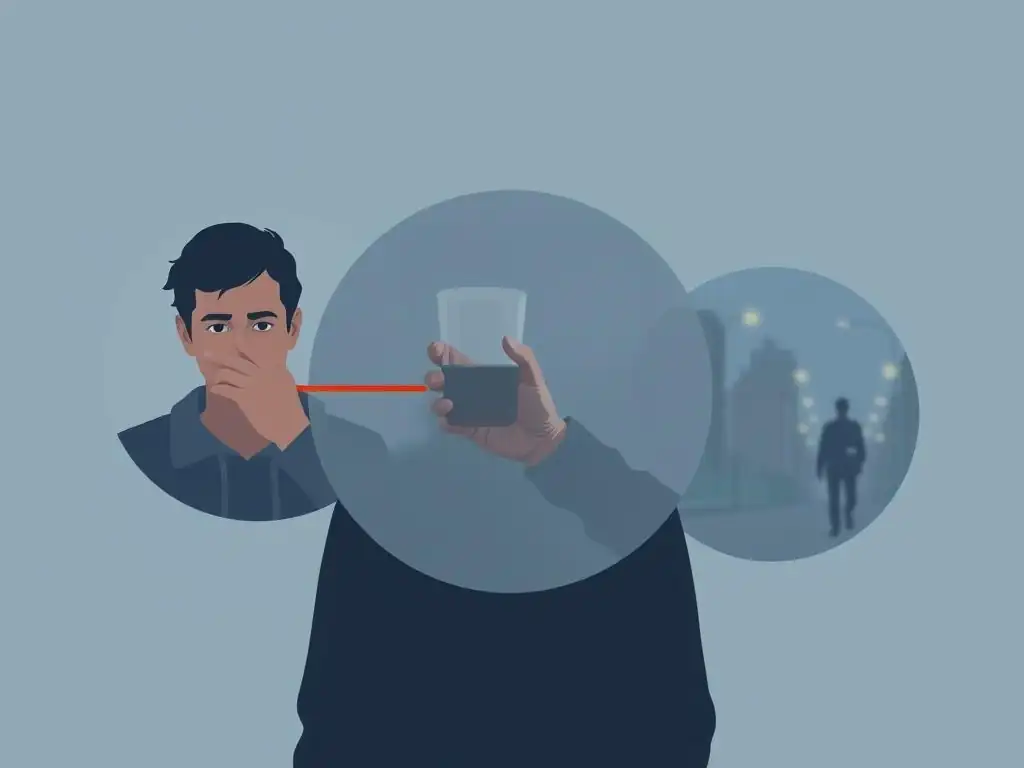
This section delves into concrete examples of uncomfortable situations you might encounter while online dating, helping you hone your instincts and recognize potential "online dating red flags instincts." Remember, your gut feeling is a powerful tool; don't ignore it.
Suspicious Profiles: Spotting Fake Accounts and Deceptive Behavior
Many online dating scams begin with a deceptively perfect profile. These profiles often lack detail, have inconsistent information, or utilize stock photos. For example, a profile with only one blurry picture, vague descriptions like "love to travel" without specifics, and no friends listed should raise a red flag. Another common tactic is using a professional-looking photo but with suspiciously generic background information. Pay close attention to the details. Do the photos seem too good to be true? Does the bio sound like a template? Are there inconsistencies between the profile details and their messages?
Consider this example: A profile boasts of being a successful doctor but uses generic stock photos and mentions no specific hobbies or interests. This lack of personal detail could signal a fake account aiming to exploit trusting individuals. Always cross-reference information. If someone claims to be a professional, try a quick Google search. A simple check can sometimes reveal inconsistencies or red flags.
Remember, legitimate profiles usually show more effort in presenting a genuine image. Don't be afraid to be skeptical, especially when something seems "too good to be true." Trust your instincts; if something feels off, it probably is. Your online dating red flags instincts are there to protect you.
Pressure and Manipulation Tactics: Recognizing Coercive Communication
Coercive communication is a serious red flag in online dating. This involves pressure to move quickly into a relationship, disclose personal information prematurely, or engage in activities you're uncomfortable with. Instead of a gradual getting-to-know-you process, coercive communicators might use emotionally manipulative language to push you towards intimacy or financial involvement.
Examples include: demanding your phone number or address early on, ignoring your boundaries, pressuring you to meet in person before you feel ready, or excessively complimenting you to gain your trust, then quickly asking for financial assistance. They might also use guilt-tripping or threats to manipulate your decisions. For instance, phrases like "If you really cared about me, you'd..." or "I'm so hurt you won't..." are classic manipulation tactics. Another common sign is an overwhelming intensity in the early stages of communication. A sudden declaration of love after only a few messages should trigger alarm bells.
Pay attention to how they make you feel. Do they make you feel pressured, anxious, or controlled? If so, distance yourself immediately. Your safety and wellbeing are paramount. Remember, healthy relationships are built on mutual respect and understanding, not pressure and manipulation.
Unrealistic Expectations and Promises: Identifying Potential Scams
Scammers often prey on individuals' loneliness or desire for companionship by making unrealistic promises. These promises can range from lavish gifts and future financial security to immediate and intense romantic involvement. They might paint a picture of a perfect life together, promising things that seem too good to be true.
Consider this scenario: Someone you've only interacted with online promises a dream vacation or significant financial support within a short period. This is a classic tactic used to build trust and then eventually request money or personal information. Or, they might claim to be in a difficult situation requiring urgent financial assistance. They might also make grandiose promises of love and commitment, promising a future that's disproportionate to the amount of time you've spent getting to know each other.
These promises are often a smokescreen to hide their true intentions. Always be cautious of individuals who make extravagant promises early in the relationship. A healthy relationship develops gradually; it doesn't involve unrealistic promises or sudden declarations of undying love.
Remember, if something sounds too good to be true, it probably is. Trust your instincts and don't fall prey to unrealistic expectations. Your online dating red flags instincts are your best defense against these types of scams.
Unsafe Meeting Proposals: Evaluating Risk in First Dates
Online dating red flags often manifest in how someone suggests meeting for the first time. Your instincts are crucial here; if a proposal feels off, it probably is. Let's analyze some scenarios to hone your ability to recognize unsafe meeting proposals.
One common red flag is a suggestion to meet in a secluded or isolated location. Think deserted parks at night, remote hiking trails, or their private residence for a first date. These settings severely limit your options if things go wrong.
A safer approach always involves meeting in a public place, ideally somewhere with plenty of people around – a busy coffee shop, a well-lit restaurant, or a popular bar. Remember, safety in numbers is key when navigating the initial stages of meeting someone you've only interacted with online. Prioritizing your safety should always take precedence over accommodating someone else's preferences, especially when you're still getting to know them.
Another concerning sign is pressure to meet up quickly, before you've had a chance to build a reasonable level of trust and rapport. Building a connection takes time, and rushing into a first date before you feel comfortable can be risky. Multiple conversations and video calls can help establish a baseline of trust before you meet in person.
Beware of individuals who exert undue pressure or become insistent, ignoring your concerns about the speed of the progression. Trust your gut; if they're pushing for a meeting far too soon, that's a major online dating red flags instincts warning sign. It's perfectly acceptable to politely decline and suggest waiting until you feel more comfortable.
Finally, pay close attention to the details of the proposed meeting. If they're vague about the location, time, or activities, or if the plan seems overly complicated or unusual, this could be a warning sign. A safe and reasonable proposal will be clear, concise, and considerate of your safety and comfort. For example, a proposal that involves a long drive to a remote location with little to no prior discussion is a significant red flag.
Always prioritize transparency and clear communication when planning your first meeting. If something feels "off," it's always better to err on the side of caution. Your instincts are your best defense against potentially dangerous situations. Remember, a respectful and considerate person will understand and respect your need for a safe and comfortable first meeting.
Developing Your Intuition: Sharpening Your Awareness

Online dating red flags instincts are often subtle, easily missed amidst the excitement of a potential connection. Developing your intuition requires actively cultivating self-awareness. Learning to trust your gut feeling is crucial for online dating safety and building healthy relationships. This section focuses on practical techniques to enhance your ability to recognize and respond to uncomfortable situations or potentially harmful interactions.
Mindfulness Exercises for Improved Self-Awareness in Online Dating
Improving your intuition starts with enhancing self-awareness. Mindfulness practices are invaluable tools for achieving this. These exercises help you become more attuned to your physical and emotional responses, allowing you to recognize red flags more readily.
Regular mindfulness meditation, even for just 5-10 minutes daily, can significantly improve your ability to observe your internal state without judgment. Pay attention to your body's sensations—a tightening in your chest, a knot in your stomach—these are often early warning signs of discomfort. Notice your thoughts and emotions without getting carried away by them. Simply observe them as they arise and pass.
Another effective technique is body scanning. Lie down comfortably and systematically bring your awareness to different parts of your body, noticing any sensations without trying to change them. This helps you connect with your physical responses to different situations and people, making it easier to identify discomfort during online interactions.
Consider journaling your feelings after online interactions. Reflect on your conversations, noting any instances where you felt uneasy or unsure. This practice helps you identify patterns and develop a better understanding of your instinctive reactions. For example, did you feel a sense of unease when they avoided answering direct questions? Did your intuition tell you something felt off about their profile pictures? Documenting these experiences will sharpen your ability to recognize similar situations in the future. This process strengthens your online dating red flags instincts.
Building Confidence in Your Judgment: Trusting Your Instincts
Many people struggle with trusting their intuition, often dismissing their gut feelings as being overly cautious or dramatic. However, dismissing your instincts can have serious consequences. It's essential to develop confidence in your ability to assess situations and people accurately.
One key step is to acknowledge and validate your feelings. If something feels wrong, don't minimize it. Your intuition is often picking up on subtle cues that your conscious mind might miss. Tell yourself, "I have a right to feel uncomfortable," or "My feelings are valid."
Challenge negative self-talk. If you catch yourself saying things like "I'm being too sensitive" or "I'm overreacting," consciously reframe those thoughts. Replace them with affirmations like "I am capable of making safe choices," or "I trust my judgment."
Seek support from trusted friends or family members. Discuss your concerns with people you trust, explaining the situations that make you uncomfortable. Their perspectives can help you validate your feelings and develop strategies for handling challenging situations. This external validation can significantly boost your confidence in your instincts. Remember, your safety and well-being are paramount.
Recognizing Manipulation Techniques: Protecting Yourself from Deception
Manipulative individuals often employ specific tactics to gain your trust and control. Learning to recognize these techniques is crucial for protecting yourself from deception. These red flags often go unnoticed unless you're actively looking for them.
- Love Bombing: This involves showering you with excessive affection and attention early in the relationship. This overwhelming display of affection can make it difficult to see red flags, but it's often a tactic to quickly gain your trust and isolate you from others.
- Gaslighting: This is a form of emotional abuse where someone manipulates you into questioning your own sanity and perception of reality. They might deny things they said or did, or twist your words to make you feel confused and insecure.
- Triangulation: This involves creating conflict or tension between you and another person to control and manipulate you. They might talk negatively about others to make you feel closer to them or create jealousy.
- Financial Requests: Be wary of anyone who asks for money or financial assistance, especially early in the relationship. This is a common tactic used by scammers.
- Inconsistencies: Pay attention to inconsistencies in their stories, photos, or online profiles. These inconsistencies could indicate deception or a hidden agenda.
Remember, trusting your gut feeling is a crucial aspect of online dating safety. By developing your intuition and recognizing manipulative tactics, you can significantly reduce your risk and build healthier, safer relationships. Pay attention to those online dating red flags instincts; they're often your best defense.
Responding to Uncomfortable Feelings: Practical Steps
This section focuses on actionable strategies to manage and address uneasy feelings encountered during online dating interactions. Ignoring your intuition can be detrimental; learning to recognize and respond to discomfort is crucial for online dating safety. Remember, your instincts are your first line of defense against potentially harmful situations. Trusting your gut feeling about "Online dating red flags instincts" is paramount.
Setting Boundaries and Asserting Yourself Online
Establishing clear boundaries is fundamental to protecting your emotional and physical well-being in the online dating world. This involves defining your comfort zones and communicating those limits effectively. For example, refusing to share personal information like your full address or workplace before meeting in person is a crucial boundary. Similarly, setting limits on the frequency and intensity of communication can prevent overwhelming interactions.
Many people feel pressured to respond immediately to messages or calls. Resist this pressure! You have the right to take your time to respond, or not respond at all. Consider implementing a "cooling-off" period before making significant decisions, like agreeing to a first date. This allows you to process your feelings and assess the situation rationally, free from the immediate pressure of the interaction.
Consider these examples of healthy boundaries:
- Information Sharing: Only share information you're comfortable with, and never feel obligated to disclose anything that makes you feel uneasy.
- Communication Frequency: Establish your preferred communication style and frequency. It's okay to say you prefer texting over constant calling.
- Meeting Location and Time: Always choose a public place for your first date, and inform a friend or family member of your plans. Don't feel obligated to accept a date at an isolated location or at an inconvenient time.
- Physical Contact: You are in control of your physical boundaries. It's acceptable to politely decline any unwanted physical advances.
Remember, setting boundaries isn't about being rude; it's about protecting yourself. Asserting yourself online might feel uncomfortable initially, but it's a vital skill for navigating online dating safely and confidently. Practice makes perfect; the more you set boundaries, the easier it will become.
Communicating Discomfort Clearly and Directly
When you experience discomfort, it's essential to communicate that feeling clearly and directly to the person involved. This doesn't require confrontation; a simple, honest expression of your unease is sufficient. For instance, if a date is pushing your boundaries or making you feel unsafe, you can politely but firmly state your discomfort. Phrases like, "I'm not comfortable with this conversation/request," or "I need some space right now," can be effective.
Avoid ambiguous language that could be misinterpreted. Be assertive, but remain respectful. Your safety is paramount, and you have the right to end any interaction that makes you feel unsafe or uncomfortable. Remember, there is no need to over-explain or apologize for your feelings.
Here are some examples of how to communicate your discomfort:
- "I'm feeling a little uneasy about this. Can we change the subject/end the conversation?"
- "I'm not comfortable sharing that information yet."
- "I appreciate your interest, but I'm not feeling a connection."
- "I need to end this conversation now."
Following your instincts and communicating your discomfort effectively can prevent escalating situations and protect you from potential harm. Practice these phrases, and trust your judgment.
Seeking Support: Talking to Friends, Family, or Professionals
Navigating online dating can be emotionally challenging, and it's crucial to have a support system in place. Sharing your experiences and concerns with trusted friends, family, or professionals can provide invaluable emotional support and guidance. They can offer an objective perspective and help you process your feelings and make informed decisions.
If you've experienced a particularly upsetting or unsafe interaction, don't hesitate to seek professional help. Therapists and counselors specializing in relationship issues or trauma can provide support and coping mechanisms to help you heal and move forward. Remember, seeking help is a sign of strength, not weakness. Prioritizing your mental and emotional well-being is crucial, especially when navigating the complexities of online dating.
Consider building a support network by:
- Sharing your dating experiences with trusted friends or family members.
- Joining online support groups for people navigating online dating.
- Seeking professional guidance from a therapist or counselor.
Remember, you are not alone. Many people experience discomfort and uncertainty in online dating. Reaching out for support is a proactive step towards ensuring your safety and well-being. Prioritizing your well-being is key to successful and safe online dating.
Reporting Suspicious Activity: Protecting Yourself and Others
Feeling uneasy about someone you've met online is a serious matter, and it's crucial to prioritize your safety. Ignoring those "online dating red flags instincts" can have significant consequences. If you encounter behavior that makes you uncomfortable—whether it's excessive pressure to meet in person, inconsistent stories, or requests for financial assistance—don't hesitate to report it. Many online dating platforms have robust reporting mechanisms in place.
Utilize these tools; they are designed to help protect users and identify potentially harmful individuals. Remember, reporting suspicious activity isn't just about protecting yourself; it's about contributing to a safer online dating environment for everyone. Your report could help prevent others from experiencing similar unsettling situations.
The process of reporting usually involves providing details about the individual and the specific incidents that caused your concern. Be as detailed as possible, including screenshots of messages, dates of interactions, and any other relevant information. The more information you provide, the better equipped the platform is to investigate and take appropriate action. Some platforms may even allow you to anonymously report users, ensuring your privacy remains protected while still contributing to the safety of the community.
Don't underestimate the power of reporting; it's a vital step in combating fraudulent activity and creating a more trustworthy online dating experience. Even if you aren't entirely certain if something is a red flag, reporting it allows the platform to assess the situation and take action if necessary. Trust your instincts; if something feels wrong, it's worth reporting.
Beyond the platform's reporting mechanisms, consider documenting your interactions. Keeping a record of messages, emails, or any other form of communication can be invaluable if you need to escalate the situation to law enforcement. This documentation can serve as evidence of harassing or predatory behavior. Remember, your safety is paramount.
Taking proactive steps, like reporting suspicious activity and documenting your interactions, can significantly reduce your risk and contribute to a safer online dating experience for everyone. Your proactive approach can help create a more secure environment for all online daters. The more users report suspicious behavior, the more effective the platforms become at identifying and removing harmful individuals. Don't be afraid to use these resources; they exist to protect you.
Staying Safe in Online Dating: A Holistic Approach

This section focuses on developing a comprehensive safety strategy for online dating, going beyond simply recognizing red flags. We'll explore proactive measures to minimize risks and cultivate a safer online dating experience. Ignoring your intuition in online dating can have serious consequences, so prioritizing your safety should be paramount. Understanding your "online dating red flags instincts" is the first step towards building a secure and positive experience.
Prioritizing Your Safety: A Comprehensive Guide to Online Dating Safety
Prioritizing safety in online dating requires a multi-faceted approach. It's not just about avoiding obvious red flags; it's about proactively building a secure environment. This involves careful profile creation, secure communication practices, and cautious progression in meeting offline.
Many people underestimate the importance of a well-crafted profile. A vague or overly revealing profile can attract the wrong kind of attention. For example, avoid posting photos that clearly show your home address or workplace. Instead, opt for photos taken in public places. Keep personal information to a minimum, and don't share details like your full name, address, or workplace until you've built a substantial level of trust.
Here's a checklist for creating a safer online dating profile:
- [ ] Use a unique username that doesn't reveal personal information.
- [ ] Choose photos that are recent and accurately represent your appearance.
- [ ] Avoid posting photos that show your home or workplace.
- [ ] Keep personal information to a minimum in your profile description.
- [ ] Be cautious about sharing contact information – use the platform's messaging system initially.
- [ ] Regularly review your privacy settings on the dating app.
Furthermore, always be mindful of the information you share during online conversations. Avoid revealing sensitive details, such as your financial situation or family information, too early in the process. Remember, building trust takes time, and rushing into sharing personal details can put you at risk. Your "online dating red flags instincts" should always guide your communication. If something feels off, it probably is.
Building Healthy Relationships: Focusing on Genuine Connections
While safety is crucial, the ultimate goal of online dating is to form healthy and meaningful relationships. Focusing solely on avoiding "online dating red flags instincts" can lead to a missed opportunity for genuine connections. Building a strong foundation of trust and respect is key to a successful relationship, both online and offline.
This requires actively engaging in thoughtful conversations, getting to know your potential partner's values and personality, and being open and honest about your own. Don't be afraid to ask questions and delve deeper into their life experiences. Look for consistency in their words and actions. Discrepancies or evasiveness could be a red flag.
Remember, healthy relationships are built on mutual respect, trust, and open communication. If you feel pressured, manipulated, or uncomfortable at any point, it's crucial to trust your instincts and disengage from the interaction. Your safety and well-being should always come first. Prioritizing your emotional health is as important as physical safety.
Here's a table summarizing key elements of building healthy relationships:
| Element | Description | Example |
|---|---|---|
| Open Communication | Honest and transparent conversations about feelings, expectations, and boundaries. | "I'm feeling a little uncomfortable with this topic. Can we discuss something else?" |
| Mutual Respect | Valuing each other's opinions, feelings, and boundaries. | Listening attentively and respecting their decisions, even if you disagree. |
| Trust | Believing in their honesty and integrity. | Consistently checking in with each other and being reliable. |
| Shared Values | Aligning on core beliefs and life goals. | Discussing long-term aspirations and life philosophies. |
By combining a proactive approach to safety with a focus on genuine connection, you can significantly increase your chances of finding a positive and fulfilling experience in online dating. Remember, trusting your intuition is your most powerful tool. Ignoring your "online dating red flags instincts" can have detrimental effects, so always prioritize your safety and well-being.
Frequently Asked Questions
What are some common online dating red flags I should watch out for?
Several red flags exist. Inconsistencies in their profile or story are a major one. Also be wary of pressure to move quickly to a more personal relationship, and avoidance of video calls or in-person meetings.
How can I tell if my gut feeling about someone is accurate?
Trust your instincts! If something feels off or makes you uncomfortable, it likely is. Don't ignore that feeling, even if you can't pinpoint why. Listen to your intuition.
What should I do if I encounter a red flag on an online dating site?
Immediately stop communicating with that person. Report them to the dating site if possible. Prioritize your safety and well-being.
How can I improve my ability to recognize online dating red flags?
Familiarize yourself with common warning signs. Read articles and advice, and reflect on past experiences. Pay attention to how different interactions make you feel.
Is it okay to end communication if I feel uneasy, even if they haven't done anything overtly wrong?
Absolutely! You are not obligated to continue interacting with anyone who makes you feel uncomfortable, regardless of whether they've committed a specific offense. Your comfort and safety are paramount.
Final Reflection: The Whispers of Intuition in the Digital Age
The ability to trust your gut feeling is not merely a personal quirk; it's a crucial survival skill, especially in the often-opaque world of online dating. Ignoring those subtle, uncomfortable sensations can lead to wasted time, emotional distress, and even dangerous situations. Learning to recognize and respond to these internal warnings is paramount to navigating the complexities of modern relationships.
The impact of unchecked intuition on our relationships is profound. We often dismiss our initial reservations, rationalizing away red flags in the pursuit of connection. This can lead to a cycle of disappointment and self-doubt. The heart has its reasons which reason knows nothing of.
- Blaise Pascal. This quote perfectly encapsulates the often-irrational yet powerful force of intuition, a force that deserves our attention and respect, especially when navigating the potentially risky waters of online interactions. The more we understand and honor our gut feelings, the more empowered we become in shaping healthy and fulfilling relationships.
Now, consider your own experiences. Have you ever ignored a nagging feeling about someone you met online, only to regret it later? Take a moment to reflect on those instances. The next time you find yourself questioning your instincts, remember the power of that inner voice. Don't dismiss those uncomfortable feelings; instead, use them as a compass to guide you toward safer, healthier connections. Your well-being depends on it.
Unleash Your Inner Dating Compass
Thank you for exploring the power of trusting your intuition in online dating! You've gained valuable insights into recognizing and managing uncomfortable feelings. Now let's put this knowledge into practice.
- Identify your top three warning signs: Take a few minutes to list the three most common red flags you've encountered in past dating experiences. This exercise will sharpen your intuition for future interactions.
- Share your insights: Discuss these warning signs with a trusted friend or family member; a fresh perspective can be invaluable.
- Practice mindful dating: Before your next online date, spend a few minutes focusing on your feelings and expectations. Acknowledge any anxieties or excitement, and commit to being fully present during your interaction.
Ready to navigate the dating world with greater confidence? What's one small step you can take today to strengthen your intuition?