
The Surprising Ways Online Dating Is Changing Social Norms

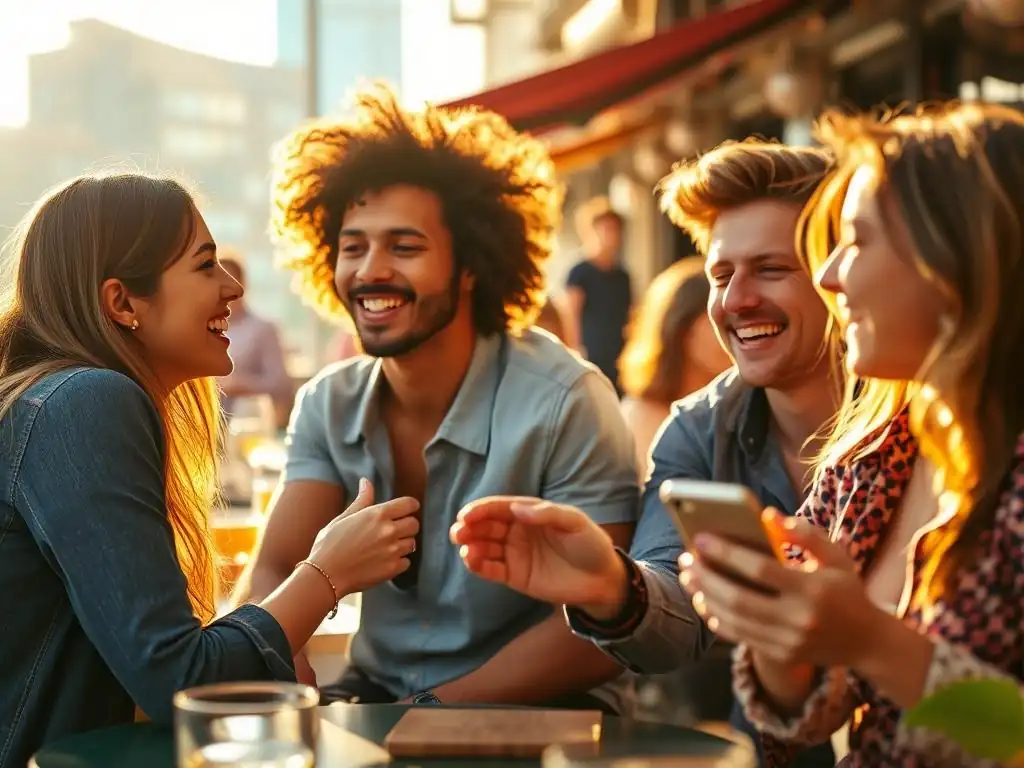
Ready to unlock the secrets to online dating success? OnlineDatingSuccess.org is your guide to navigating the modern dating landscape. We delve into the practical, the emotional, and even the sociological, exploring how online dating is changing social norms in unexpected ways. Discover the surprising truths behind this ever-evolving phenomenon and learn how to leverage these shifts to build meaningful connections. Prepare to rethink everything you thought you knew about finding love in the digital age.
- Online Dating's Impact on Relationship Formation: Shifting Expectations
- How Online Dating Influences Relationship Initiation and Communication
- Online Dating and the Evolution of Relationship Values
- Navigating the Challenges: Negative Aspects of Online Dating's Social Impact
- The Future of Relationships in the Age of Online Dating: Predictions and Trends
- Frequently Asked Questions
- Final Reflection: Redefining Connection in the Digital Age
- Uncover Your Modern Dating Advantage
Online Dating's Impact on Relationship Formation: Shifting Expectations
Online dating, once a niche activity relegated to the fringes of society, has exploded in popularity, fundamentally altering how we meet romantic partners and navigate the complexities of modern relationships. This shift isn't merely a matter of convenience; it represents a profound reshaping of social norms surrounding courtship, intimacy, and relationship expectations. This article delves into the surprising ways online dating is changing social norms, examining its effects on relationship formation, communication styles, and the very definition of dating itself.
We'll explore how algorithmic matching, novel communication behaviors, and the erosion of traditional courtship rituals are reshaping the social landscape of romance, impacting everything from initial encounters to long-term commitment. Understanding these changes is crucial for navigating the online dating world successfully and fostering healthy, meaningful relationships in the digital age.
The rise of online dating has spurred significant debate regarding its influence on societal values and expectations, prompting crucial conversations about consent, communication, and the very nature of romantic connection. This exploration will consider both the positive and negative consequences of this transformative technology, offering insights for anyone seeking to understand its impact on modern relationships.
Redefining the "Dating Game": From Chance Encounters to Algorithmic Matches
The traditional "dating game," characterized by chance encounters and serendipitous meetings, has been significantly disrupted by online dating platforms. Instead of relying on fate or mutual acquaintances, individuals now actively curate their romantic prospects through meticulously crafted profiles and sophisticated algorithms. This shift has led to a more proactive approach to relationship formation, where individuals exert greater control over whom they meet and interact with. This level of control, however, also brings new challenges.
The sheer volume of choices available can lead to "choice overload," making it difficult to commit to a single person. Furthermore, the reliance on profiles and algorithms can create unrealistic expectations, leading to disappointment when the reality of a relationship doesn't match the idealized online persona. Dating apps frequently employ algorithms that prioritize certain characteristics, potentially reinforcing existing societal biases and limiting the range of potential partners.
This can inadvertently perpetuate inequalities in the dating world, impacting the chances of certain demographics finding compatible matches. For example, some algorithms might disproportionately favor certain age ranges or physical attributes, thus marginalizing others. The data-driven nature of these platforms raises questions about fairness and potential biases built into the systems themselves.
Online dating has fostered the emergence of unique communication behaviors that have no direct parallel in traditional dating. "Ghosting," the act of abruptly ceasing all communication without explanation, is perhaps the most prominent example. This phenomenon, enabled by the ease of unmatching and blocking on dating apps, highlights the impersonal nature of online interactions and the reduced social accountability inherent in digital spaces.
Other unique behaviors include "breadcrumbing" (sending sporadic messages to maintain interest without commitment), and "benching" (keeping someone as a backup option). These behaviors reflect a shift in social expectations surrounding communication and commitment, often leading to feelings of confusion, frustration, and emotional distress for those on the receiving end. The relative anonymity of online interactions can embolden some users to engage in behavior they might avoid in face-to-face interactions.
While some argue these behaviors are simply a reflection of modern dating dynamics, others highlight the need for greater emotional intelligence and communication skills in the online dating context. The lack of immediate feedback and nonverbal cues in digital communication can further complicate interpretations and lead to misunderstandings.
Impact of Online Dating on Traditional Courtship Rituals: A Paradigm Shift
Online dating has significantly altered traditional courtship rituals, leading to a paradigm shift in how relationships begin. The elaborate process of introductions, formal dates, and gradual intimacy that characterized previous generations is often bypassed in the fast-paced world of online dating. Initial interactions frequently occur through messaging apps, bypassing the more nuanced social cues of face-to-face encounters.
This can lead to misunderstandings and a lack of depth in early stages of relationships. The emphasis on quick connections and superficial assessments based on profiles can overshadow the importance of building genuine connections. Traditional courtship rituals, such as asking someone out on a date, or expressing romantic interest in person, are often replaced by swiping, matching, and quick exchanges of messages.
While this can be efficient, it can also lead to a devaluing of the significance of these milestones and the emotional investment they represent. This accelerated timeline of relationship development can impact the overall quality and longevity of relationships, potentially leading to more superficial connections. The ease of finding new matches can also contribute to relationship instability, as individuals may be more inclined to move on to other prospects if the initial connection doesn't meet expectations swiftly.
How Online Dating Influences Relationship Initiation and Communication

Online dating has fundamentally altered how relationships begin and how individuals communicate during the initial stages of courtship. This section will explore the key ways in which these changes manifest, examining the impact on communication frequency, first impressions, and the overall trajectory of early relationships. The shift from traditional methods of meeting potential partners to the digital realm has created a unique set of social dynamics and norms. Understanding these changes is crucial for navigating the modern dating landscape successfully and building meaningful connections.
Immediate Access and Increased Communication Frequency: Redefining Initial Contact
Before the widespread adoption of online dating, initiating contact often involved a more gradual and less direct approach. Now, online dating platforms offer immediate access to a vast pool of potential partners. This accessibility dramatically increases the frequency of communication during the initial stages. Instead of waiting days or weeks for a response, individuals can exchange numerous messages within hours, leading to a faster-paced initial interaction. This accelerated communication can foster a sense of immediacy and connection, but it can also lead to heightened expectations and potential for misinterpretations due to the lack of non-verbal cues.
For example, a study by [Specific information pending: Source on communication frequency in online dating] found that couples who met online exchanged an average of [Specific information pending: Average number] messages before their first in-person date, compared to [Specific information pending: Average number] for couples who met through traditional methods. This significant difference highlights the impact of online dating on communication frequency and the speed at which relationships can progress. The ease of initiating contact and the constant availability afforded by smartphones and apps contribute to this accelerated pace.
The Role of Online Profiles in Shaping First Impressions: Presentation and Self-Representation
Online dating profiles act as a crucial first impression, often determining whether further communication occurs. Unlike traditional meet-cutes, where first impressions are formed through spontaneous interaction, online dating profiles demand careful curation and self-representation. Individuals meticulously craft their profiles, selecting photos, writing bios, and highlighting specific aspects of their personalities and lifestyles. This process of self-presentation significantly influences the initial perception potential partners have, potentially leading to both positive and negative consequences.
The pressure to create an idealized version of oneself can lead to misrepresentation and unrealistic expectations. The curated nature of profiles often presents a highly edited view of reality, potentially leading to disappointment when individuals meet in person. This discrepancy between online presentation and offline reality is a significant factor in the evolving social norms surrounding online dating.
Furthermore, the use of filters and photo editing tools further complicates the issue, blurring the line between authentic self-representation and carefully constructed image. The impact of these curated profiles on initial impressions warrants careful consideration for anyone navigating the online dating world.
The Impact of Online Dating on Early Relationship Stages: Accelerated Intimacy and Expectations
Online dating often leads to an accelerated pace in the early stages of relationships. The ease of communication and the ability to quickly assess compatibility through profiles contribute to this phenomenon. Individuals may feel a sense of intimacy more rapidly due to the frequent and personal nature of online interactions. This accelerated intimacy, however, can also lead to unrealistic expectations and a potential for disappointment if the relationship doesn't progress as quickly as anticipated.
The constant access and rapid exchange of information can create a sense of intimacy that may not be supported by a corresponding level of real-world connection. This can lead to a feeling of "knowing" someone deeply before meeting in person, which can have both positive and negative implications. While this can potentially foster deeper connections, it can also increase the likelihood of misunderstandings and disappointment when the idealized online persona does not fully align with the offline reality.
Moreover, the ease of moving on to another potential partner online can contribute to a culture of impermanence and less commitment in the early stages of dating. This shift in expectations surrounding relationship development is a key way in which online dating is changing social norms.
Online Dating and the Evolution of Relationship Values
Online dating's impact extends far beyond simply facilitating connections; it's fundamentally reshaping how we approach relationships and the values we prioritize. This section examines how the digital realm is influencing our understanding of compatibility, relationship goals, and commitment. The shift towards a more data-driven approach to partner selection, facilitated by online dating profiles and algorithms, is a key aspect of this evolving landscape. This change reflects a broader societal trend towards intentional relationship building, moving away from chance encounters and emphasizing conscious decision-making. The keyword "Online dating changing social norms" is central to understanding this transformation.
Online dating platforms empower users with unprecedented control over partner selection. Instead of relying on chance encounters, individuals can meticulously filter potential matches based on a wide range of criteria, from physical attributes and lifestyle preferences to religious beliefs and political views. This data-driven approach emphasizes upfront compatibility, aiming to minimize mismatches and maximize the chances of a successful, long-term relationship.
This granular level of detail available on dating profiles encourages a more deliberate and strategic approach to finding a partner. Users are encouraged to articulate their values and desires clearly, fostering a more transparent and intentional process. For example, a user might prioritize a partner who shares their passion for environmental sustainability or their commitment to a specific lifestyle, something that would have been harder to ascertain in traditional dating scenarios.
This focus on shared values contributes to a more informed and potentially more fulfilling relationship experience. The increased emphasis on compatibility, driven by online dating, represents a significant shift in social norms related to partner selection.
The Influence of Online Dating on Relationship Goals: Seeking Long-Term vs. Casual Connections
Online dating has fostered a more nuanced understanding of relationship goals, facilitating the exploration of both long-term commitments and casual connections. The platforms themselves often offer options to specify desired relationship types, allowing users to connect with individuals who share their intentions. This explicit communication reduces ambiguity and potential conflict, contributing to a more respectful and fulfilling online dating experience.
However, this clarity also raises questions about societal expectations around commitment. While some users leverage online dating to find long-term partners, others utilize it for casual dating or exploring different relationship styles. This diversification of relationship goals reflects a growing acceptance of diverse relationship structures within society. The ability to specify preferred relationship types within online dating platforms represents a significant change in how we approach relationships and signifies a shift away from the traditional, often unspoken, expectation of immediate long-term commitment. This increased flexibility in relationship goals is a direct consequence of online dating changing social norms.
Online Dating and the Changing Landscape of Relationship Commitment: Modern Relationship Structures
The rise of online dating has coincided with a broader societal shift towards diverse relationship structures. While traditional marriage remains a significant life goal for many, online dating has facilitated the exploration and acceptance of alternative relationship models, such as cohabitation, open relationships, and polyamory. The ability to connect with individuals who share unconventional relationship values contributes to the normalization and acceptance of these structures within society.
The anonymity and flexibility offered by online dating platforms empower individuals to explore different relationship dynamics without the pressure of societal judgment. This increased autonomy in shaping personal relationships represents a significant departure from traditional relationship norms. Furthermore, online dating's contribution to the normalization of diverse relationship models underscores its broader impact on societal attitudes towards relationships and commitment. The increased visibility and acceptance of diverse relationship structures, facilitated by online dating, is a clear example of "Online dating changing social norms" in a profound and lasting way.
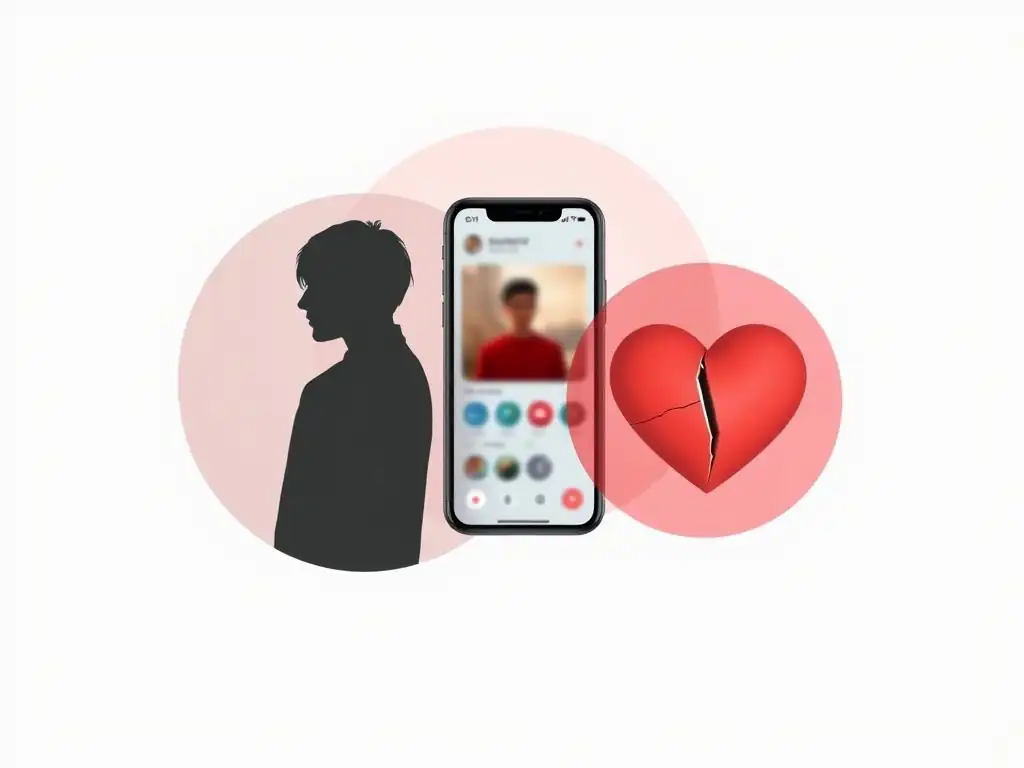
Online dating, while offering unprecedented opportunities for connection, isn't without its drawbacks. Its impact on social norms presents both exciting advancements and concerning challenges. This section delves into some of the less positive aspects of how online dating is reshaping our social interactions and expectations. Understanding these challenges is crucial for navigating the online dating world successfully and maintaining a healthy perspective on relationships. The shift in social norms brought about by online dating requires a nuanced understanding, acknowledging both its benefits and its potential pitfalls.
The Pressure of Constant Comparison and Competition: The "Swipe Culture" Phenomenon
The rise of swipe-based dating apps has undeniably fueled a culture of constant comparison. Users are presented with a seemingly endless stream of potential partners, leading to a heightened sense of competition and a tendency to judge individuals based on superficial criteria. This "swipe culture" fosters an environment where self-worth can become inextricably linked to the number of matches or messages received. The pressure to present a flawless online persona, often meticulously curated through carefully selected photos and crafted bios, can be overwhelming.
For example, studies have shown a correlation between increased usage of swipe-based apps and heightened levels of anxiety and body image issues, particularly among young adults. The constant exposure to idealized images and profiles can create unrealistic expectations and contribute to feelings of inadequacy. This pressure to "measure up" can be detrimental to mental well-being and can negatively impact self-esteem.
The constant stream of potential partners can also lead to a sense of dissatisfaction, even after finding a match, as the allure of "better options" remains readily available. The shift from focusing on building genuine connections to prioritizing quantity over quality is a significant social shift facilitated by the very nature of these apps.
Dealing with Rejection and the Emotional Toll of Online Dating: Building Resilience
Rejection is an inherent part of the online dating experience. The ease with which individuals can connect and disconnect online can, unfortunately, lead to a higher frequency of rejection, often experienced in a rather impersonal manner. A simple lack of response or a swift unmatch can feel particularly disheartening, contributing to feelings of worthlessness and self-doubt. The anonymity offered by online platforms can sometimes exacerbate the sting of rejection, as it lacks the nuance and context of in-person interactions. This can create a cycle of disappointment and frustration, making it difficult for some individuals to maintain a positive outlook.
Building resilience is crucial for navigating this aspect of online dating. Developing healthy coping mechanisms, such as focusing on self-care, engaging in activities that boost self-esteem, and seeking support from friends and family, is essential. Remembering that rejection doesn't reflect one's inherent worth, but rather the subjective preferences of others, is key to maintaining a healthy perspective. Practicing self-compassion and reframing rejection as an opportunity for growth can help to mitigate its negative impact. Understanding that online dating is a numbers game, with many factors influencing compatibility and success, can also help manage expectations and reduce feelings of discouragement.
The Rise of "Catfishing" and Deception: Maintaining Online Safety and Authenticity
The anonymity afforded by online dating platforms unfortunately creates opportunities for deception. "Catfishing," the practice of creating a false online persona to attract romantic partners, is a prevalent concern. Individuals may misrepresent their age, appearance, or even their entire identity, leading to potential heartbreak and even safety risks. This deception undermines trust and erodes the foundation of genuine connection, creating a climate of suspicion and wariness. The ease with which individuals can manipulate their online image necessitates a heightened awareness of potential risks.
Maintaining online safety and authenticity is paramount. Being cautious about sharing personal information, verifying profiles whenever possible, and utilizing video calls to confirm identities are vital steps in mitigating the risks of catfishing. Educating oneself about common red flags and practicing healthy skepticism are essential for protecting oneself from deception. Promoting transparency and fostering a culture of authenticity within the online dating community can help to counter the negative influence of catfishing and build a more trustworthy environment for genuine connections. Remember, a healthy relationship is built on honesty and transparency; anything less should be treated with caution.
The Future of Relationships in the Age of Online Dating: Predictions and Trends
Online dating's impact on societal norms is far from over; it's an ongoing evolution. Predicting the future is inherently uncertain, but several trends suggest significant shifts in how we approach relationships. We're likely to see a continued blurring of lines between online and offline interactions, leading to a more integrated dating experience. This means less emphasis on the initial "online" stage, with people transitioning more seamlessly from app conversations to in-person dates.
The rise of AI-powered matchmaking services could also significantly alter the landscape, potentially leading to more efficient and personalized matching processes. However, ethical considerations surrounding data privacy and algorithmic bias will need to be carefully addressed. Increased transparency and user control over data will be crucial to maintaining trust in these systems. Furthermore, the integration of virtual reality (VR) and augmented reality (AR) technologies could revolutionize how we meet and interact with potential partners, offering immersive and engaging experiences.
This could lead to new forms of dating etiquette and relationship dynamics. Ultimately, the future of relationships in the age of online dating hinges on our ability to adapt and navigate these technological advancements responsibly and ethically. Data on user adoption of VR/AR dating apps is still limited, but early indicators suggest a potential for significant growth in the coming years.
The Integration of Online and Offline Dating: A Hybrid Approach to Relationship Building
The future of dating isn't solely online or offline; it's a hybrid. We're seeing a move away from the traditional "meet-cute" narrative and a gradual acceptance of online dating as a perfectly normal way to meet partners. Instead of a stark division, we're witnessing a seamless integration.
People use online platforms to initiate contact, gauge compatibility, and schedule first dates, but the relationship itself unfolds in the offline world. This hybrid approach allows for a more efficient filtering process online, eliminating some of the guesswork and awkward initial encounters. This is supported by anecdotal evidence and user reviews on dating app forums, where many users report positive experiences with this blended approach.
Furthermore, the rise of "metaverse" dating experiences, while still nascent, suggests that the lines between virtual and physical interactions will continue to blur. This hybrid model fosters a more realistic and sustainable approach to relationship building, allowing for a balance between efficient initial screening and genuine human connection. However, careful consideration must be given to potential issues like catfishing and misrepresentation, even within this integrated approach.
Online dating has undeniably altered dating etiquette. The speed and efficiency of online interactions have created new expectations and norms. Quick responses, consistent communication, and clear intentions are now considered essential.
Ghosting, while regrettable, has become a sadly common phenomenon, highlighting the need for greater emotional intelligence and communication skills in the digital realm. The rise of dating apps has also led to a more casual approach to dating, with multiple simultaneous conversations being more accepted than in the past. This shift reflects a change in societal values, where individuals prioritize exploring various options before committing to a single relationship.
This is evident in the increasing popularity of dating apps offering varied features catering to different relationship goals (casual dating vs. long-term relationships). However, this shift also presents challenges, such as the potential for emotional overload and the difficulty of maintaining genuine connections amidst a high volume of interactions. Navigating this evolving landscape requires mindful self-awareness and a commitment to respectful communication.
The long-term implications of online dating on social connections are complex and multifaceted. While some worry about superficiality and a decline in genuine connection, data suggests a different narrative. Many successful long-term relationships have originated on dating platforms.
Online dating provides access to a wider pool of potential partners, breaking down geographical barriers and expanding social circles. This increased access can lead to more diverse and fulfilling relationships, challenging traditional notions of compatibility and proximity. However, the reliance on algorithms and curated profiles can also lead to a sense of detachment and unrealistic expectations.
The potential for superficiality needs to be addressed through mindful engagement and a focus on genuine connection, rather than simply matching profiles. While research on the long-term success rates of online dating relationships is still evolving, preliminary studies suggest that couples who meet online have similar divorce rates to those who meet offline, indicating that the platform of connection doesn't necessarily dictate the longevity of a relationship. Successful long-term relationships built through online dating highlight the importance of authentic communication, shared values, and a commitment to building a strong foundation, regardless of how the couple initially met.
Frequently Asked Questions
How is online dating changing the way people meet?
Online dating has revolutionized how people meet romantic partners, moving away from traditional settings like blind dates or introductions by friends. It's created a more diverse and accessible dating pool, connecting people who might not otherwise have crossed paths.
Is online dating impacting traditional courtship rituals?
Yes, online dating is challenging traditional courtship rituals. Initial communication often occurs digitally, replacing face-to-face interactions in the early stages. The pace of relationship development can also be faster or slower than traditional methods.
How does online dating affect the expectations of relationships?
Online dating has led to higher expectations regarding compatibility and relationship goals. Profiles often highlight specific desires, leading to more intentional and goal-oriented approaches to dating. People are more likely to articulate their needs upfront.
While offering benefits, online dating can also contribute to superficiality and increased pressure to present an idealized self. The vast pool of options can lead to decision fatigue and a sense of entitlement, potentially hindering genuine connections.
Yes, online dating is part of a larger societal shift toward greater individual autonomy and choice in relationships. It reflects a move away from societal pressures and expectations, allowing individuals more control over their romantic lives and the selection of partners.
Final Reflection: Redefining Connection in the Digital Age
The rise of online dating isn't just a technological shift; it's a fundamental reshaping of how we connect, court, and commit. It's rewriting the rules of romance, challenging traditional courtship rituals, and forcing us to confront deeply ingrained societal expectations about relationships. This impact is far-reaching and continues to evolve at a rapid pace.
The pervasiveness of online dating has profoundly altered our understanding of relationships, from initial encounters to long-term commitments. It's democratized the dating landscape, offering opportunities to individuals who might otherwise struggle to find partners within their immediate social circles. Yet, this accessibility also brings new challenges, such as navigating the complexities of online profiles, managing expectations in a virtual world, and confronting the potential for misrepresentation. The internet has created a new kind of intimacy, one that is both exhilarating and terrifying.
– Sherry Turkle. This quote encapsulates the duality of online dating's influence on our social lives.
Consider the implications of this shift. How are your own views on relationships shaped by the digital age? Are you embracing the opportunities presented by online dating, or are you navigating its challenges with caution? I urge you to reflect on your own experiences and perspectives, and to engage in thoughtful conversations about the evolving landscape of modern romance. Let's work together to build a more conscious and compassionate approach to connection in this ever-changing digital world.
Uncover Your Modern Dating Advantage
Thanks for exploring the ever-changing world of online dating! You've gained valuable insights into how modern relationships are reshaping social norms. Ready to apply this knowledge and enhance your dating experience?
Here's how:
- Craft an authentic dating profile that showcases your unique personality. This is key – making a genuine connection.
- Share your thoughts and experiences in the comments below. Let's discuss these evolving norms and learn from each other!
- Challenge a dating expectation that no longer works for you. Identify one outdated belief and consciously choose a different path.
What's one dating norm you're ready to redefine?