
The Cultural Impact of Online Dating on the Way We Express Emotions

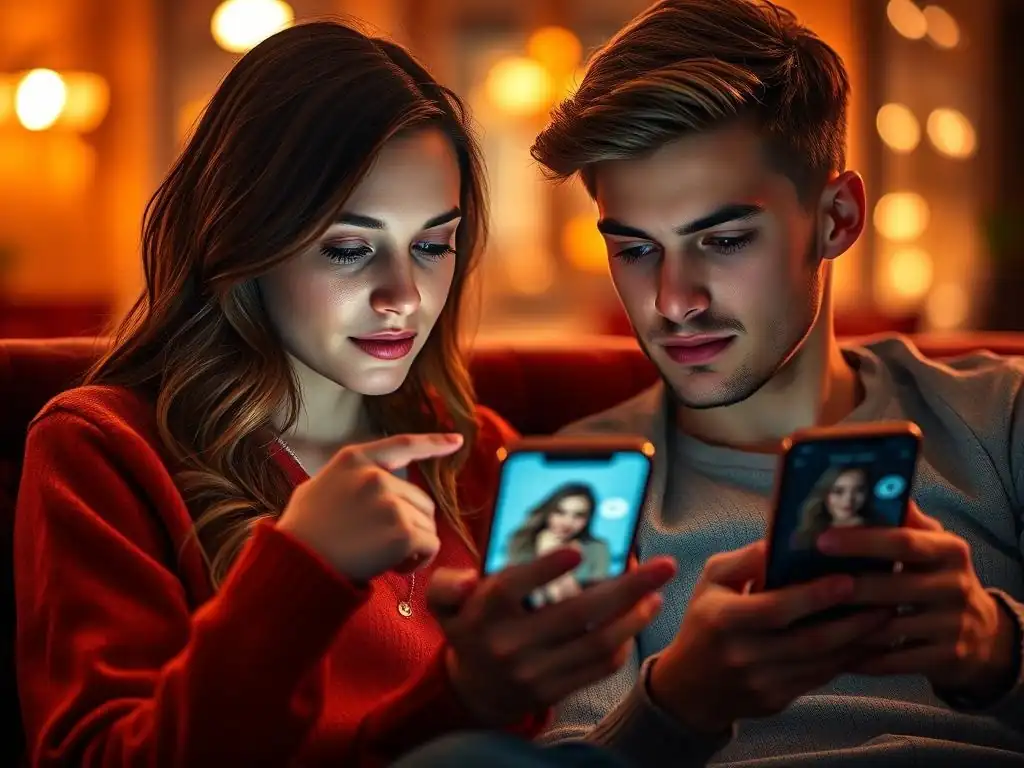
Welcome to OnlineDatingSuccess.org, your guide to navigating the exciting yet complex world of online dating. Are you curious about how the digital age has subtly reshaped the way we express emotions in relationships? Our latest article delves into the intriguing impact of online dating on emotional expression, exploring the sociological shifts and offering insights that could transform your dating experience. Discover how understanding this dynamic can unlock more meaningful connections—read on to uncover the secrets to success!
- Online Dating Emotional Expression Impact: A Shifting Landscape
- Expressing Vulnerability and Intimacy in Online Dating
- The Impact of Online Dating on Emotional Authenticity
- Cultural Variations in Online Dating Emotional Expression
- Online Dating Emotional Expression Impact: Future Trends
- Strategies for Effective Emotional Communication in Online Dating
-
Frequently Asked Questions
- How does online dating affect emotional expression?
- Does online dating encourage or discourage emotional vulnerability?
- What role does technology play in shaping emotional expression in online dating?
- Can online dating lead to unhealthy emotional patterns?
- How can I use online dating to express emotions more healthily?
- Final Reflection: Redefining Intimacy in the Digital Age
- Unveil Your Emotional Intelligence: Level Up Your Dating Game
Online Dating Emotional Expression Impact: A Shifting Landscape
The rise of online dating has fundamentally altered how we initiate, cultivate, and express emotions within romantic relationships. This digital transformation has created a unique landscape where traditional cues of emotional expression are either minimized or replaced by novel forms of communication. This article delves into the cultural impact of online dating on emotional expression, exploring how the limitations and affordances of digital interaction shape our emotional lives and influence the way we build connections.
We'll examine how the initial stages of online interaction differ from traditional courtship, the role of emojis and other digital tools in conveying emotion, and the broader societal implications of this evolving communicative landscape. Understanding this shift is crucial for navigating the complexities of modern romance and fostering healthy, meaningful relationships in the digital age.
The impact on emotional expression is multifaceted, encompassing everything from the initial spark of attraction to the development of long-term intimacy. This exploration will provide valuable insights for anyone seeking to understand and navigate the emotional nuances of online dating.
The Evolution of Romantic Communication in the Digital Age
The way we express emotions in romantic contexts has undergone a dramatic transformation since the advent of online dating. Prior to the digital age, romantic communication relied heavily on face-to-face interactions, phone calls, and handwritten letters. These methods allowed for a rich exchange of nonverbal cues – body language, tone of voice, facial expressions – that provided context and depth to emotional expression.
The subtle nuances of a smile, a blush, or a hesitant pause played a significant role in understanding another person's feelings. Online dating, however, introduces a layer of mediation, filtering emotional expression through text, images, and limited visual cues. This shift necessitates a conscious adaptation in how we communicate and interpret emotions, leading to both challenges and opportunities.
The absence of physical proximity can make it more difficult to gauge genuine emotion, requiring a greater reliance on written words and carefully chosen digital representations. This requires a heightened awareness of communication styles and a deeper understanding of how emotions are conveyed in a digital space. The increased reliance on textual communication, for example, can lead to misunderstandings due to the lack of nonverbal cues that help clarify meaning in face-to-face interactions.
Initial Stages of Online Interaction: Limited Emotional Cues
The initial stages of online dating are characterized by a significant reduction in emotional cues. Profile pictures and short bios offer a glimpse into someone's personality, but they lack the richness and immediacy of a first meeting. Early online interactions often consist of text-based messages, where emotional expression relies heavily on the interpretation of words alone.
The absence of nonverbal cues can lead to ambiguity and misinterpretations. A seemingly innocuous comment might be perceived differently depending on the reader's individual experiences and expectations. Furthermore, the lack of immediate feedback can prolong the process of emotional connection, as individuals rely on slower, more deliberate forms of communication.
This can create a sense of distance and uncertainty, requiring greater patience and emotional intelligence to navigate successfully. The pressure to present an idealized version of oneself online can also complicate the expression of genuine emotions, leading to a potential disconnect between online persona and offline reality. This initial phase of online dating demands careful consideration of word choice, tone, and the potential for miscommunication.
The Role of Emojis and Digital Communication in Conveying Emotion
The limitations of text-based communication in online dating have led to the widespread adoption of emojis and other digital tools for conveying emotion. Emojis, in particular, offer a visual shorthand for expressing feelings that might otherwise be lost in translation. A simple 😊 can convey warmth and friendliness, while a 😭 can express sadness or disappointment. However, the interpretation of emojis can also be subjective and culturally influenced.
What one person perceives as playful might be interpreted as sarcastic or insincere by another. Furthermore, the overuse of emojis can sometimes dilute the impact of genuine emotional expression. The skillful use of emojis and other digital communication tools requires a nuanced understanding of their potential impact and the cultural context in which they are used.
Beyond emojis, other digital tools such as GIFs, memes, and even voice notes offer additional ways to inject emotion into online interactions. These tools can add layers of personality and expression that enhance the overall communicative experience. However, it is important to use these tools judiciously, ensuring that they complement, rather than overshadow, genuine emotional expression.
Expressing Vulnerability and Intimacy in Online Dating

Online dating emotional expression impact is significantly shaped by the inherent challenges of expressing vulnerability and intimacy in a digital environment. Unlike face-to-face interactions, online dating necessitates a careful calibration of emotional disclosure. The absence of immediate nonverbal cues necessitates more explicit verbal communication to convey feelings.
This often leads to a slower progression of intimacy, with users adopting a cautious approach to sharing personal details and emotions. This cautious approach, while potentially protecting against emotional exploitation, can also hinder the development of deep, meaningful connections. The constant awareness of a digital "audience," even if limited to one person, can inhibit spontaneous emotional expression.
Navigating emotional risk in virtual interactions is paramount. The anonymity afforded by online platforms can embolden some users to engage in emotionally manipulative behavior, leading to increased emotional vulnerability for others. Catfishing, ghosting, and other forms of online dating deception can cause significant emotional distress. Users need to develop strategies for identifying and managing these risks.
This involves carefully assessing profiles, engaging in gradual disclosure of personal information, and maintaining a healthy level of skepticism. Data suggests a correlation between the frequency of online dating usage and reported instances of emotional distress; however, further research is needed to establish causality and pinpoint specific contributing factors. For example, [specific data on emotional distress correlation pending]. Developing emotional resilience and establishing healthy boundaries are crucial skills in mitigating these risks.
Building Trust and Connection Through Digital Communication
Building trust and connection through digital communication requires a conscious effort to create a sense of authenticity and emotional safety. This involves utilizing a variety of communication methods beyond text-based messaging. Voice calls and video chats allow for a richer exchange of emotional information, incorporating vocal tone and facial expressions, which are crucial for conveying empathy and understanding. Sharing personal experiences and vulnerabilities gradually, while carefully gauging the other person's response, can help foster a sense of trust and mutual connection.
The use of emojis and GIFs can also play a surprisingly significant role in conveying subtle emotional nuances which might be missed in purely textual exchanges. For example, a simple 👍 can convey approval and encouragement, while a 😢 might express empathy and understanding. However, overreliance on such visual cues can also lead to misinterpretations, emphasizing the need for careful consideration and contextual awareness.
The Challenges of Nonverbal Communication in Online Dating
The challenges of nonverbal communication in online dating are significant. The absence of physical proximity and the limitations of digital communication platforms restrict the transmission of crucial nonverbal cues. Body language, facial expressions, and even subtle vocal intonations – all vital components of face-to-face emotional expression – are often absent or misinterpreted in online interactions.
This can lead to misunderstandings and misinterpretations of emotional intent. For instance, sarcasm, which relies heavily on nonverbal cues for proper interpretation, can easily be missed in text-based communication, leading to conflict. Furthermore, the lack of immediate feedback can prolong the process of emotional understanding, potentially causing frustration and disappointment.
To mitigate these challenges, users can employ strategies such as clear and concise communication, utilizing rich media like voice notes and video calls, and paying close attention to the nuances of written language to ensure accurate interpretation of emotional cues. The impact of online dating on emotional expression is therefore deeply intertwined with the inherent limitations of digital communication.
The Impact of Online Dating on Emotional Authenticity
Online dating, while offering unprecedented opportunities for connection, significantly impacts how we express emotions. The curated nature of online profiles and the pressure to attract potential partners often lead to a disconnect between genuine emotional expression and the idealized self presented online. This section delves into the complexities of emotional authenticity within the digital dating landscape, exploring how the medium itself shapes our emotional communication and its consequences for forming meaningful relationships. Understanding these dynamics is crucial for navigating the online dating world successfully and fostering genuine connections.
Presenting an Idealized Self: The Pressure to Project Perfection
The pressure to present an idealized self is arguably the most significant factor influencing emotional expression in online dating. Profiles become carefully constructed narratives, highlighting positive attributes and downplaying perceived flaws. This curated self-presentation extends to emotional expression, with users often choosing to showcase only positive emotions like happiness, excitement, and confidence. Negative emotions, such as sadness, anxiety, or insecurity, are frequently suppressed, creating a skewed representation of the individual's emotional landscape.
This phenomenon is exacerbated by the visual nature of many dating apps. Profile pictures often depict individuals at their most photogenic, engaging in activities that portray them in a positive light. This visual presentation reinforces the pressure to project an image of effortless perfection, impacting how users choose to express themselves emotionally, both in their profiles and subsequent interactions.
For example, a user might carefully craft a witty bio to project confidence and humor, while avoiding any mention of vulnerabilities or insecurities, even if these are integral parts of their personality. The resulting disconnect between online persona and real-life self can lead to difficulties in forming genuine connections.
The pervasive influence of social media further complicates emotional expression in online dating. Many users leverage their existing social media profiles to build their dating profiles, creating a seamless transition between their online personas. This can lead to a homogenization of emotional expression, as individuals adapt their communication styles to align with the prevalent trends and expectations on platforms like Instagram or TikTok. The emphasis on curated aesthetics and positive self-presentation on these platforms directly influences how users choose to express themselves emotionally in their dating profiles and interactions.
Furthermore, the constant exposure to idealized versions of others' lives on social media can create unrealistic expectations and intensify the pressure to project a flawless emotional state. This can lead to feelings of inadequacy and a reluctance to express authentic emotions, fearing judgment or comparison. The constant stream of positive updates and carefully crafted images can make individuals feel as though they need to constantly curate their online presence, impacting the spontaneous and genuine expression of emotions. The fear of negative feedback or social comparison can lead to self-censorship and a reluctance to be vulnerable.
Balancing Self-Presentation with Genuine Emotional Expression
Successfully navigating the complexities of emotional expression in online dating requires a conscious effort to balance self-presentation with genuine emotional expression. While presenting a positive image is important, it's equally crucial to allow for vulnerability and authenticity. This involves recognizing that imperfections and negative emotions are part of the human experience and that sharing these aspects can actually foster deeper connections.
One strategy is to focus on expressing emotions in a nuanced and contextually appropriate manner. Instead of presenting a completely idealized self, users can strategically showcase their positive qualities while subtly acknowledging their vulnerabilities. For instance, a user could mention a hobby they enjoy, demonstrating enthusiasm, while also briefly mentioning a challenge they've overcome, showcasing resilience.
This approach allows for authenticity without compromising the positive image they wish to project. Furthermore, practicing mindful self-reflection can help users identify their emotional patterns and develop healthier ways of expressing themselves online. This includes being mindful of the language they use, the images they choose to share, and the overall tone of their communication.
By consciously curating their online presence while remaining true to their emotional selves, users can foster more meaningful and authentic connections in the online dating world. The key is finding a balance between showcasing your best self and allowing your genuine emotions to shine through. This approach can lead to more fulfilling and lasting relationships.
Cultural Variations in Online Dating Emotional Expression
Online dating emotional expression impact is significantly shaped by cultural backgrounds. Understanding these nuances is crucial for navigating the complexities of online interactions and fostering successful relationships. This section explores how cultural variations influence the way individuals express and interpret emotions within the context of online dating. The impact extends beyond simple linguistic differences; it encompasses deeply ingrained social norms, communication styles, and expectations regarding emotional displays. Misunderstandings stemming from these cultural variations can easily lead to misinterpretations, conflict, and ultimately, unsuccessful dating experiences. Successfully navigating this landscape requires awareness, sensitivity, and a willingness to learn and adapt.
Regional Differences in Communication Styles and Emotional Displays
Communication styles vary dramatically across regions, impacting how emotions are expressed in online dating profiles and messages. For instance, individuals from cultures that prioritize direct communication might express affection or frustration more explicitly than those from cultures that favor indirect or nuanced communication. Consider the difference between a direct "I'm really interested in getting to know you better" versus a more subtle "I've enjoyed our conversations so far."
The former, common in some North American contexts, might be interpreted as overly forward or even aggressive in certain East Asian cultures where indirectness is preferred. Similarly, the expression of negative emotions, such as disappointment or anger, can be significantly different. Some cultures openly express negative emotions, while others prioritize maintaining harmony and avoid direct confrontation.
This can lead to misinterpretations, with direct expressions of negativity being perceived as rude or insensitive in some contexts, while indirect expressions might be missed entirely. Understanding these nuances is paramount to avoid unintentional offense and build genuine connections. Further research is needed to quantify the specific differences in emotional expression across various regions, but anecdotal evidence and qualitative studies strongly suggest significant variations.
Cultural Norms and Expectations in Online Dating Interactions
Cultural norms surrounding dating and relationships heavily influence how emotions are expressed and interpreted online. For example, the level of intimacy considered appropriate in early stages of online dating varies widely. What might be perceived as perfectly acceptable flirtation in one culture could be seen as overly aggressive or inappropriate in another.
Public displays of affection, even virtual ones through emojis or expressive language, are subject to cultural interpretation. A simple heart emoji might be commonplace in some cultures, but could be considered premature or overly enthusiastic in others. Similarly, the use of humor, sarcasm, and even compliments can be misinterpreted depending on cultural norms.
What might be intended as playful banter in one culture could be viewed as insensitive or disrespectful in another. Detailed research into cross-cultural norms in online dating is still in its early stages, but initial findings suggest a significant need for cultural sensitivity training for online daters.
The Impact of Cultural Background on Emotional Interpretation
The interpretation of emotional cues in online dating is heavily influenced by cultural background. Nonverbal cues, which are often crucial in face-to-face interactions, are limited in online dating. This reliance on textual communication makes accurate interpretation even more challenging, especially when cultural differences in communication styles come into play.
For example, a seemingly casual tone might mask underlying emotions in some cultures, while in others, a direct and explicit expression of emotions might be seen as insincere or manipulative. Furthermore, the use of emojis and other digital expressions of emotion can be culturally specific, leading to misinterpretations. What one culture might understand as a playful wink, another might interpret as a sign of disrespect.
The impact of cultural background on emotional interpretation underscores the importance of clear and concise communication, coupled with a willingness to clarify any potential misunderstandings. Further research into the specific cognitive processes involved in cross-cultural emotional interpretation in the online dating context is needed to fully understand these complex dynamics. This includes exploring the role of implicit biases and cultural schemas in shaping perception and response.
Online Dating Emotional Expression Impact: Future Trends
The impact of online dating on emotional expression is a rapidly evolving landscape, influenced by technological advancements and shifting societal norms. Understanding these trends is crucial for navigating the complexities of modern relationships. The keyword "Online dating emotional expression impact" encapsulates the core of this discussion, highlighting the significant changes in how we communicate feelings in the digital age.
We're moving beyond simple emojis and text-based communication towards richer, more nuanced ways of expressing emotions online. This section will explore the future of emotional expression within the context of online dating, examining both the promising possibilities and the persistent challenges.
The Evolving Role of Technology in Emotional Communication
Technology continues to reshape how we express and interpret emotions. The rise of video dating, for example, allows for a far more nuanced understanding of nonverbal cues – facial expressions, body language, tone of voice – which are vital components of emotional communication. Early online dating relied heavily on written text, often leading to misinterpretations and frustration.
However, advancements such as high-definition video chat, sophisticated messaging platforms offering voice notes and video clips, and even the integration of AI-powered emotional analysis tools are transforming the online dating experience. These technologies can facilitate more authentic and empathetic interactions, reducing the ambiguity inherent in text-based communication. The potential for real-time feedback and immediate clarification of emotional cues significantly enhances the quality of online interactions.
We can expect to see further integration of augmented reality (AR) and virtual reality (VR) technologies in the near future, potentially offering even more immersive and emotionally resonant experiences. This creates opportunities for more genuine connections to be formed, even across geographical distances.
The Potential for Increased Emotional Authenticity in Online Dating
Despite the challenges, online dating presents a unique opportunity for increased emotional authenticity. Removing the pressures of face-to-face interactions, some individuals find it easier to express their true selves online. The carefully curated profiles of the past are gradually giving way to a greater emphasis on genuine self-representation.
Users are increasingly comfortable sharing vulnerable aspects of themselves, leading to more meaningful connections. This shift is fueled by a growing awareness of mental health and a societal move towards greater openness and acceptance of diverse emotional experiences. The anonymity offered by online platforms can empower individuals to express emotions they might hesitate to reveal in real-life interactions, fostering a sense of safety and trust.
However, it's important to note that this increased authenticity needs to be balanced with responsible online behavior to avoid misinterpretations and potential harm. Further research is needed to fully understand the long-term effects of this trend on relationship formation and maintenance.
Addressing the Challenges of Emotional Expression in Virtual Relationships
While the potential for authentic emotional expression in online dating is significant, several challenges remain. Misinterpretations due to the lack of non-verbal cues continue to be a major hurdle. Sarcasm, humor, and subtle emotional nuances can easily be lost in translation, leading to misunderstandings and conflict.
The absence of physical touch and intimacy can also impact emotional connection, potentially leading to feelings of isolation or dissatisfaction. Furthermore, the prevalence of catfishing and deceptive profiles poses a significant threat to emotional safety and well-being. Building trust and fostering genuine connection requires vigilance and careful consideration of online interactions.
Education and awareness campaigns are crucial in mitigating these risks and empowering users to navigate the complexities of online dating with emotional intelligence and safety. The development of robust verification systems and improved reporting mechanisms can also play a crucial role in creating a safer and more trustworthy online dating environment, promoting healthier emotional expression.
Strategies for Effective Emotional Communication in Online Dating
Online dating presents unique challenges to emotional expression. The lack of non-verbal cues, the inherent distance, and the often-anonymous nature of the interaction can lead to misinterpretations and hinder the development of genuine connections. Mastering effective emotional communication is crucial for navigating this landscape successfully. This requires a conscious effort to articulate feelings clearly, manage expectations realistically, and cultivate emotional intimacy despite the digital divide.
The impact of online dating on emotional expression is significant, requiring a new set of communication skills. Successfully navigating this requires understanding how to translate emotions into text and using digital tools strategically. This section will explore practical strategies for expressing yourself authentically and building strong emotional bonds within the online dating world.
Tips for Communicating Emotions Clearly and Authentically
Authenticity is key to building trust and rapport in online dating. However, expressing emotions authentically online requires careful consideration. Avoid overly formal or overly casual language; strive for a balanced tone that reflects your genuine personality. Use descriptive language to convey your emotions effectively.
Instead of simply saying "I'm happy," try "I'm thrilled to be talking to you; your sense of humor really brightens my day!" Similarly, instead of a simple "I'm sad," consider "I'm feeling a little down today, but I'm hoping to connect with someone who understands." The impact of online dating on emotional expression necessitates a more deliberate approach to communication.
Remember to use emojis judiciously. While emojis can add context and emotion, overuse can appear childish or insincere. Focus on using them to emphasize key points or convey subtle nuances. For example, a simple 😊 can soften a potentially harsh statement, while a 🤔 can indicate thoughtful consideration. The key is to use emojis sparingly and strategically to enhance, not replace, your written words. Consider the cultural context of emojis as well; what might be interpreted positively in one culture could be misunderstood in another.
Consider the timing of your messages. Sending emotionally charged messages late at night might be interpreted differently than sending them during the day. Be mindful of the recipient's time zone and their likely availability. Avoid bombarding your potential partner with messages; allow for natural pauses in the conversation to avoid overwhelming them. This mindful approach is crucial to fostering healthy emotional communication.
Strategies for Building Emotional Intimacy Online
Building emotional intimacy online requires patience and a strategic approach. It’s a gradual process that relies on consistent effort and genuine connection. Sharing personal experiences, vulnerabilities, and dreams can foster deeper understanding and trust. However, it’s crucial to do so progressively, revealing personal information only as the relationship develops. Avoid overwhelming your potential partner with too much personal information too early in the interaction. This can be off-putting and even raise safety concerns.
Active listening is crucial. Respond thoughtfully to your partner's messages, showing genuine interest in their thoughts and feelings. Ask follow-up questions to show that you're engaged and paying attention. This demonstrates respect and helps build a sense of connection. Using open-ended questions can encourage deeper conversations and facilitate emotional intimacy. For instance, instead of asking "Did you have a good day? ", try "What was the highlight of your day?" or "Tell me about something interesting that happened today."
Regular communication is essential, but avoid excessive messaging. Maintaining a healthy balance between communication and allowing space is important. Over-communication can be just as detrimental as under-communication. Find a rhythm that works for both of you, allowing for natural breaks and avoiding a sense of pressure or obligation. The impact of online dating on emotional expression necessitates a deliberate approach to building intimacy.
Managing Expectations and Avoiding Misunderstandings
Online dating often leads to inflated expectations. It's crucial to approach each interaction with realistic expectations and understand the limitations of online communication. Remember that the person you're interacting with is presenting a curated version of themselves; their online persona may not fully reflect their real-life personality. This is especially true when it comes to emotional expression.
To minimize misunderstandings, be explicit in your communication. Avoid relying on assumptions or reading between the lines. If something is unclear, ask for clarification. It's better to ask a clarifying question than to make assumptions that could lead to conflict. The impact of online dating on emotional expression can be mitigated by fostering clear and direct communication.
Be patient and understanding. Building a meaningful connection takes time and effort. Not every interaction will lead to a successful relationship. It's important to accept rejection gracefully and learn from each experience. Remember that online dating is a numbers game; you're bound to encounter some individuals who are not a good fit for you. This is part of the process, and it's important to maintain a positive and hopeful outlook. Managing expectations is key to navigating the emotional landscape of online dating successfully.
Frequently Asked Questions
How does online dating affect emotional expression?
Online dating can limit nuanced emotional expression due to the reliance on text-based communication. It can lead to misunderstandings and a lack of nonverbal cues, potentially impacting the development of genuine emotional connections. Misinterpretations are more common.
Does online dating encourage or discourage emotional vulnerability?
It's a double-edged sword. While some find it easier to express vulnerability behind a screen, others remain guarded. The anonymity can either embolden or inhibit emotional sharing, depending on the individual and their experiences.
What role does technology play in shaping emotional expression in online dating?
Technology dictates how emotions are expressed, favoring brevity and specific forms of communication (e.g., emojis). This can simplify or distort the full range of human emotions, impacting the depth of connection. It can also create a false sense of intimacy.
Can online dating lead to unhealthy emotional patterns?
Yes, superficial interactions and the ease of ghosting can foster unhealthy patterns like emotional avoidance and fear of rejection. The constant availability can also contribute to anxiety and emotional exhaustion.
How can I use online dating to express emotions more healthily?
Focus on authentic communication, using a variety of methods (text, voice notes, video calls) to convey your feelings more fully. Be mindful of potential misinterpretations and strive for clarity and empathy in your interactions. Prioritize genuine connection over superficial interactions.
Final Reflection: Redefining Intimacy in the Digital Age
The way we express emotions has fundamentally shifted in the age of online dating, impacting not only romantic relationships but also our broader understanding of intimacy and connection. This digital revolution has created a paradox: while offering unprecedented access to potential partners, it simultaneously complicates the nuanced dance of emotional expression, forcing us to navigate the complexities of virtual communication and its limitations.
The pressure to present a curated version of ourselves online, often leading to a suppression of vulnerability, is a pervasive theme throughout the online dating experience. This carefully constructed digital persona can hinder genuine emotional connection, leaving individuals feeling isolated despite being surrounded by potential partners. The internet is a powerful tool, but it's also a mirror reflecting our own anxieties and insecurities.
This quote highlights the crucial need for self-awareness and authenticity in navigating the emotional landscape of online dating. The ongoing influence of this phenomenon is evident in the rising prevalence of mental health concerns related to online dating and the increasing demand for relationship coaching and therapy.
Consider, for a moment, how you express your emotions online. Do you feel truly seen and understood? Are you allowing yourself to be vulnerable, or are you holding back? The future of emotional expression in the digital age rests on our ability to cultivate genuine connection, to embrace authenticity, and to prioritize meaningful interactions over superficial swipes. Let this reflection be a call to action: be brave, be vulnerable, and be yourself. Only then can we truly harness the potential of online dating to foster meaningful and emotionally fulfilling relationships.
Unveil Your Emotional Intelligence: Level Up Your Dating Game
Thank you for exploring the fascinating world of emotional expression in online dating! You've gained valuable insights into communication, and now it's time to apply that knowledge.
Here's how to take the next step:
- Refine your online dating profile: Carefully review your profile, ensuring it authentically reflects your personality. Consider adding a photo that showcases your warmth and approachability.
- Experiment with different communication styles: Try new approaches in your online interactions – perhaps share a personal anecdote or use emojis thoughtfully. Observe how this affects the responses you receive.
- Share your experiences: What unique strategies have you found successful in expressing yourself authentically online, and what positive outcomes have you achieved?
Ready to build deeper connections and foster truly meaningful relationships?