
The Surprising Ways Online Dating Is Affecting Our SelfPerception


Welcome to OnlineDatingSuccess.org, your guide to navigating the exciting yet complex world of online dating. Are you ready to unlock your dating potential? We delve into the intriguing connection between online dating and self-esteem, exploring the surprising ways this modern phenomenon shapes our self-perception. Discover how understanding the impact of online dating on self-esteem can transform your dating journey and lead you to more fulfilling connections. Read on to uncover the secrets to building confidence and finding lasting love.
- Online Dating Self-Esteem Impact: The Double-Edged Sword
- Navigating the Emotional Landscape of Online Dating
- Online Dating Self-Esteem Impact: Strategies for Healthy Navigation
- The Long-Term Effects of Online Dating on Self-Perception
- Frequently Asked Questions
- Final Reflection: Redefining Self-Worth in the Digital Age
- Unlock Your Dating Confidence: Take the Next Step
Online Dating Self-Esteem Impact: The Double-Edged Sword
Online dating, a ubiquitous phenomenon in modern society, presents a complex interplay of benefits and drawbacks, profoundly impacting users' self-perception and self-esteem. This exploration delves into the multifaceted relationship between online dating and self-esteem, examining how this digital landscape can simultaneously boost and erode one's sense of self-worth.
We'll analyze the positive reinforcement experienced through validation and connection, while also confronting the harsh realities of rejection, comparison, and the pressure to project an idealized persona. Understanding these dynamics is crucial for navigating the online dating world successfully and protecting one's mental well-being.
The impact of online dating on self-esteem is a significant factor in the overall user experience, and this article aims to provide a comprehensive analysis of this often overlooked aspect of the digital dating scene, directly addressing the search term "online dating selfesteem impact". We will examine both the positive and negative effects, offering practical insights and strategies for maintaining healthy self-esteem throughout the online dating journey.
The Boost: Validation and Increased Confidence
Positive Feedback and Self-Worth Enhancement
Receiving positive feedback on dating profiles, messages, or even just matches can significantly boost self-esteem. A simple "like" or a thoughtful message can validate one's attractiveness and desirability, fostering a sense of self-worth. The more positive interactions a user experiences, the more likely they are to feel confident and positive about themselves.
This positive reinforcement can be particularly impactful for individuals who may struggle with low self-esteem in other areas of their lives. Studies have shown a correlation between positive online interactions and increased self-reported confidence levels in users. However, it's crucial to remember that this validation should be considered a supplement to, not a replacement for, genuine self-acceptance.
Finding Connection and Belonging: Impact on Self-Esteem
The inherent purpose of online dating – to find connection and belonging – directly impacts self-esteem. Successfully forming meaningful connections, whether they lead to long-term relationships or simply fulfilling friendships, cultivates a sense of belonging and increases self-worth. Knowing that others find you compatible and engaging strengthens one's self-perception and can contribute to a more positive self-image.
The feeling of being seen, understood, and accepted can be transformative, particularly for individuals who may feel isolated or lonely. This sense of connection offers a powerful antidote to feelings of inadequacy and low self-esteem. Conversely, a lack of connection can exacerbate existing insecurities.
The Downside: Rejection and Self-Doubt
The Impact of Ghosting and Negative Interactions on Self-Perception
The pervasive nature of ghosting and other negative interactions on online dating platforms can severely damage self-esteem. Being ignored, rejected, or subjected to rude or disrespectful behavior can lead to feelings of inadequacy, worthlessness, and self-doubt. These experiences can be particularly damaging to individuals already struggling with low self-esteem, reinforcing negative self-perceptions.
The impersonal nature of online interactions can amplify the sting of rejection, making it feel more abrupt and hurtful than rejection in a face-to-face setting. The lack of immediate feedback can also prolong the negative emotional impact. Specific data on the correlation between ghosting and decreased self-esteem is still emerging, but anecdotal evidence strongly suggests a significant link.
Comparison Culture and the Erosion of Self-Esteem in Online Dating
Online dating fosters a culture of comparison, where users constantly evaluate themselves against others. The curated profiles and idealized presentations often seen on dating apps can create unrealistic expectations and lead to negative self-comparison. This constant comparison can erode self-esteem, making users feel inadequate and less desirable. The prevalence of highly edited photos and carefully crafted bios can contribute to a sense of inadequacy, making it difficult for users to feel good about themselves. This effect is exacerbated by algorithms designed to show users a constant stream of seemingly perfect profiles, fueling feelings of envy and self-doubt.
Perfectionism and the Pressure to Present an Idealized Self
The pressure to present an idealized self online can be incredibly damaging to self-esteem. Users may feel compelled to meticulously curate their profiles, hiding imperfections and exaggerating positive attributes. This constant striving for perfection can lead to feelings of anxiety, inadequacy, and self-criticism. The fear of judgment and rejection can create a cycle of self-doubt and dissatisfaction, hindering genuine connection and self-acceptance. This pressure to maintain a flawless online persona can be particularly taxing, leading to burnout and a decline in self-esteem. The pursuit of an unattainable ideal can overshadow genuine self-worth and lead to a distorted self-image.
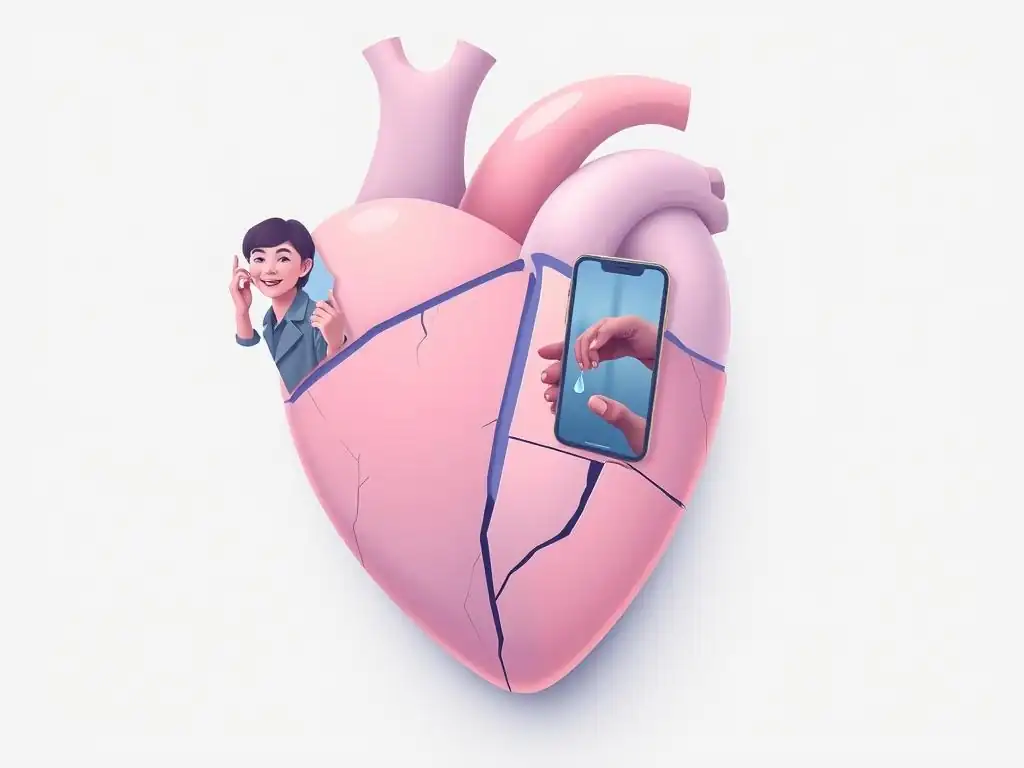
Online dating, while offering exciting possibilities for connection, presents a unique emotional rollercoaster. The constant cycle of messaging, matching, and (sometimes) rejection can significantly impact self-perception and self-esteem. Understanding this emotional landscape is crucial for navigating the platform successfully and protecting your mental wellbeing.
The impact of online dating on self-esteem is multifaceted, ranging from boosts of confidence after a successful match to feelings of inadequacy after repeated rejections. This section delves into strategies for managing these emotional fluctuations and fostering a healthier relationship with yourself throughout the online dating experience. Remember, your worth is not determined by the number of matches or messages you receive.
Developing Resilience to Rejection in Online Dating
Rejection is an inevitable part of online dating. It's rarely personal; often, it's simply a matter of incompatibility or differing preferences. Developing resilience is key to preventing rejection from undermining your self-worth. One effective strategy is reframing rejection. Instead of viewing it as a personal failure, consider it a sign that you're not a match for that particular person.
This frees you from internalizing the rejection and allows you to move forward without unnecessary self-doubt. Another helpful technique is to focus on your strengths and accomplishments outside of the dating realm. Remind yourself of your value and capabilities beyond the online dating profile. This helps maintain a balanced perspective and prevents online dating from defining your entire self-worth.
Consider keeping a journal to track your feelings after experiencing rejection. Analyzing patterns and triggers can help you develop coping mechanisms and build emotional resilience over time. Remember, resilience isn't about avoiding rejection; it's about bouncing back from it stronger. 📈
Building Self-Compassion and Self-Acceptance
Online dating often involves presenting an idealized version of ourselves. This can lead to feelings of inadequacy when our online persona doesn't perfectly align with reality. Cultivating self-compassion is vital in combating these feelings. Self-compassion involves treating yourself with the same kindness and understanding you would offer a friend facing similar challenges. Acknowledge that everyone experiences rejection and imperfection; it's a normal part of life, not a reflection of your inherent worth. Practice self-acceptance by focusing on your positive qualities and celebrating your accomplishments.
Instead of dwelling on perceived flaws, focus on self-improvement in areas you genuinely want to develop. Remember, online dating is just one aspect of your life. Your worth extends far beyond your dating profile. Prioritize self-love and self-acceptance, regardless of your online dating successes or failures. ❤️
Prioritizing Self-Care in the Face of Online Dating Challenges
The emotional toll of online dating can be significant. Prioritizing self-care is not a luxury; it's a necessity for maintaining your mental and emotional wellbeing. This involves engaging in activities that bring you joy and relaxation, such as spending time in nature, pursuing hobbies, connecting with supportive friends and family, or practicing mindfulness and meditation. Setting boundaries is also crucial.
Avoid spending excessive time on dating apps, especially if it's negatively impacting your mood or self-esteem. Take breaks when needed, and don't hesitate to step away from online dating entirely if it's causing you undue stress. Remember that self-care is not selfish; it's an act of self-preservation.
By prioritizing your wellbeing, you are better equipped to navigate the emotional complexities of online dating and maintain a healthy perspective on yourself and your relationships. A balanced approach, incorporating healthy coping mechanisms and self-care practices, will significantly improve your overall online dating experience and protect your self-esteem. 🧘♀️
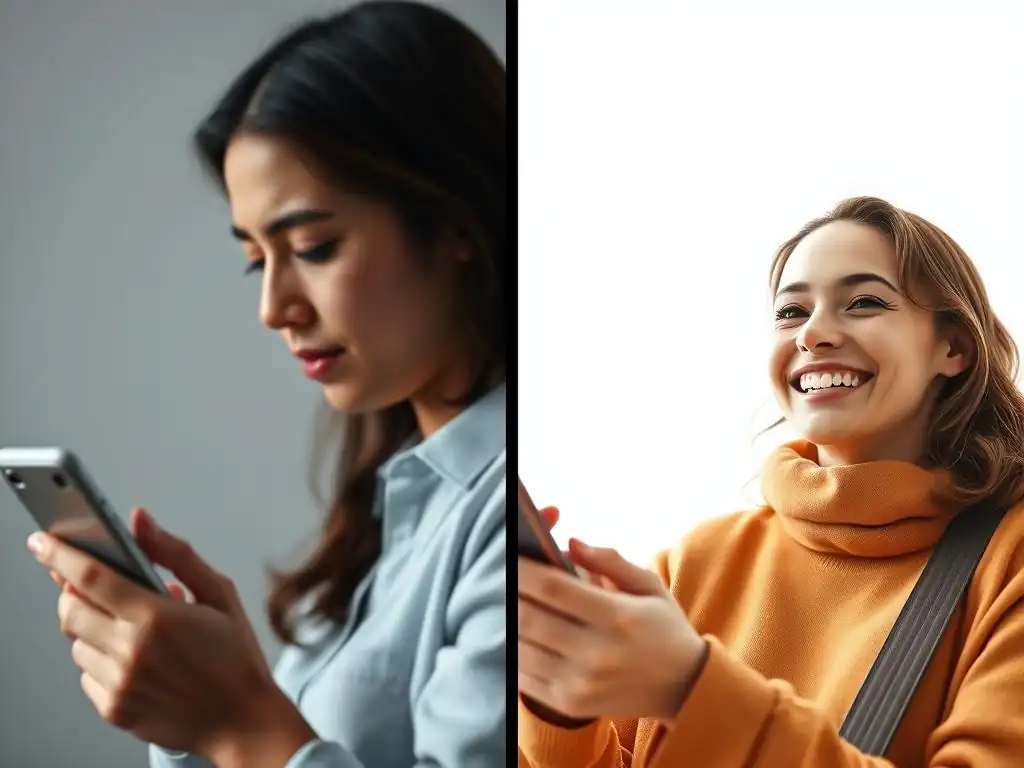
Online dating, while offering exciting possibilities for connection, can significantly impact self-esteem. The constant cycle of profile creation, messaging, and potential rejection can be emotionally taxing. Understanding this impact and implementing proactive strategies is crucial for navigating the online dating world healthily and maintaining a positive self-image. This section explores practical techniques to mitigate negative effects and foster a sense of self-worth throughout the online dating journey. The goal is to empower you to use online dating as a tool for growth, rather than a source of self-doubt. Remember, your self-worth is inherent and independent of online dating outcomes.
Cultivating a Positive Online Dating Mindset
Developing a positive mindset is paramount to navigating the emotional rollercoaster of online dating. It’s easy to fall into negative thought patterns after receiving few matches or experiencing rejection. However, reframing your perspective can make a world of difference. Instead of focusing on the number of matches or messages, shift your attention to the quality of your interactions. Did you have engaging conversations? Did you learn something new about yourself or others? Focusing on these positive aspects can build confidence and resilience.
Consider practicing self-compassion. Treat yourself with the same kindness and understanding you would offer a friend facing similar challenges. Acknowledge that rejection is a normal part of the process and doesn't reflect your inherent worth. Engage in self-care activities that boost your mood and self-esteem, such as exercise, spending time in nature, or pursuing hobbies. Remember, online dating is just one aspect of your life; it shouldn't define your self-worth. A strong sense of self before engaging in online dating is key to managing expectations and maintaining a healthy outlook.
Furthermore, actively challenge negative self-talk. When you catch yourself thinking negative thoughts, consciously rephrase them into more positive and realistic statements. For example, instead of "I'm unlovable because I haven't found anyone online," try "I'm still getting to know myself and what I want in a partner. This is a process, and I’m learning with each experience." This conscious reframing can significantly impact your overall emotional well-being. The impact of positive self-talk on your online dating experience and beyond is undeniable.
Setting Realistic Expectations and Defining Success
One of the biggest contributors to negative self-esteem in online dating is unrealistic expectations. The curated profiles and idealized images often presented online can create a distorted perception of reality. Remember that everyone presents a somewhat edited version of themselves, and what you see is not necessarily the whole picture. Setting realistic expectations about the process itself is crucial.
Defining success in online dating beyond simply finding a partner is vital. Success could be meeting interesting people, expanding your social circle, improving your communication skills, or gaining a better understanding of what you want in a relationship. Consider creating a list of your non-negotiables in a partner and focusing on finding someone who aligns with your values and goals.
This shifts the focus from the outcome (finding a partner) to the process of self-discovery and personal growth. This approach minimizes the potential for disappointment and fosters a more positive and fulfilling experience. Remember, the journey itself holds intrinsic value, regardless of the immediate outcome.
For example, instead of measuring success by the number of dates you have, consider measuring it by the quality of conversations you have or the personal growth you experience through the process. This can greatly reduce the pressure and anxiety associated with online dating, leading to a more positive self-perception. Shifting focus from quantity to quality significantly impacts your overall experience and reduces the potential for negative self-esteem.
Maintaining a Healthy Balance Between Online and Offline Life
It's easy to get caught up in the online dating world, spending hours swiping, messaging, and checking for notifications. However, maintaining a healthy balance between your online and offline life is essential for protecting your mental well-being and self-esteem. Over-reliance on online dating can lead to social isolation and a diminished sense of self-worth outside of the digital realm.
Prioritize real-life connections and activities. Make time for friends, family, hobbies, and other interests that bring you joy and fulfillment. Engaging in activities outside of online dating helps you maintain a sense of identity and purpose independent of your dating life. This helps prevent online dating from becoming the sole focus of your life and prevents feelings of inadequacy if things aren't going as planned.
Schedule specific times for online dating and stick to them. Avoid constantly checking your dating app throughout the day. This prevents the app from taking over your life and allows you to be fully present in your offline activities. Consider setting boundaries, such as limiting your time on dating apps to one hour per day or only checking them once a day.
This helps prevent excessive use and promotes a healthier balance between online and offline life. This conscious effort contributes to a more positive self-image and a healthier overall lifestyle. Remember, a balanced life is a happy life, and that happiness is reflected in your self-esteem.
Seeking Support and Professional Guidance When Needed
Navigating the complexities of online dating can be emotionally taxing, and it's crucial to remember that seeking help is a sign of strength, not weakness. Many individuals find that their self-esteem takes a hit after experiencing rejection or feeling overwhelmed by the sheer volume of profiles and interactions. This is perfectly normal; the online dating landscape is highly competitive and can be emotionally draining. Don't hesitate to reach out for support if you're struggling.
One excellent resource is a therapist specializing in relationship issues or self-esteem. A therapist can provide a safe and confidential space to process your feelings and develop coping mechanisms for dealing with the challenges of online dating. They can help you identify negative thought patterns and develop healthier ways of viewing yourself and your experiences.
A therapist can also teach you valuable communication skills to improve your interactions with potential partners, reducing the likelihood of negative self-perception triggered by misunderstandings or rejections. Remember, professional guidance can be instrumental in building resilience and maintaining a positive self-image throughout your online dating journey.
Beyond therapy, consider leaning on your support network. Friends and family can offer invaluable emotional support and encouragement. Sharing your experiences with trusted individuals can help you feel less alone and validate your feelings. Talking through setbacks can help you gain perspective and avoid dwelling on negative experiences.
However, it’s important to choose your confidantes wisely; ensure they are supportive and understanding, rather than judgmental or dismissive of your feelings. Open and honest communication within your support network can significantly improve your mental well-being during your online dating journey. Remember, building a strong support system is a proactive step towards navigating the emotional rollercoaster of online dating with greater ease and self-compassion. Prioritizing your mental health is not a luxury; it's a necessity for a successful and fulfilling online dating experience.
The Long-Term Effects of Online Dating on Self-Perception
Online dating, while offering exciting possibilities for connection, can subtly yet significantly impact our long-term self-perception. The constant evaluation inherent in the process – swiping left or right, receiving or not receiving messages – can create a feedback loop affecting self-worth. This isn't necessarily a negative impact; the key lies in understanding and managing these effects.
The initial thrill of matching and messaging can boost confidence, a temporary "self-esteem high." However, the potential for rejection, or even the perception of rejection (e.g., lack of response), can lead to feelings of inadequacy and self-doubt. The cumulative effect of these experiences can be substantial, shaping how we view ourselves in romantic relationships long after we've deleted the dating app.
Developing Healthy Relationship Patterns from Online Dating Experiences
Navigating the complexities of online dating presents opportunities for growth. Learning to manage rejection, understand communication styles, and discern genuine connections from superficial ones, builds resilience and emotional intelligence. For instance, analyzing why certain profiles attract you can reveal underlying preferences and values, fostering self-awareness.
Conversely, understanding why certain interactions fail can highlight areas for personal improvement in communication and relationship dynamics. Successful online dating experiences, even those that don't lead to long-term relationships, can equip individuals with valuable skills applicable to future romantic pursuits, both online and offline. These experiences contribute positively to a healthy self-perception by promoting self-reflection and personal development.
The ability to learn from both successful and unsuccessful interactions is crucial for building healthy relationship patterns. This process of self-discovery through trial and error, even in the virtual realm, can significantly enhance one's emotional maturity and romantic success. Many users report increased confidence in approaching potential partners and communicating their needs and desires after gaining experience with online dating.
The Impact of Online Dating on Long-Term Relationship Satisfaction
The transition from online interactions to a committed relationship is a significant step. The initial excitement of online dating can sometimes overshadow the deeper work required to build a lasting connection. Studies suggest that couples who meet online may experience different challenges in long-term relationship satisfaction compared to those who meet offline.
For example, the ease of meeting new people online might inadvertently reduce the perceived value of the current relationship, leading to less investment and effort. Furthermore, the curated self-presentation inherent in online profiles can create unrealistic expectations, impacting long-term satisfaction once the “real” person is revealed. However, this isn't universally true; many successful long-term relationships have blossomed from online beginnings.
The key factor appears to be the ability to transition from the superficiality of online profiles to a deeper, more authentic connection. Open communication, shared values, and a willingness to build trust are crucial for long-term success, regardless of where the relationship began. The impact on long-term satisfaction is complex and warrants further research, particularly regarding the influence of factors such as age and relationship history.
The Future of Online Dating and its Influence on Self-Esteem
The future of online dating is likely to be shaped by advancements in technology and evolving societal norms. Artificial intelligence (AI) may play an increasingly significant role, potentially improving matching algorithms and facilitating more meaningful connections. However, this also raises concerns about the potential for increased filtering and further pressure to conform to idealized profiles.
The impact on self-esteem will depend largely on how these technologies are developed and implemented. For example, algorithms that prioritize authenticity and genuine connection could promote a healthier self-image, while those that solely focus on superficial metrics could exacerbate existing anxieties. Promoting self-acceptance and healthy self-esteem will become even more critical as online dating becomes increasingly integrated into our social lives.
Education and awareness programs can help individuals navigate the challenges and opportunities presented by evolving technologies, minimizing negative impacts on self-perception and fostering positive relationship outcomes. Ultimately, the future of online dating and its impact on self-esteem hinges on a balanced approach that prioritizes genuine connection over superficial metrics.
Frequently Asked Questions
How does online dating affect my self-esteem?
Online dating can impact self-esteem both positively and negatively. Rejection can be disheartening, while positive interactions can boost confidence. Ultimately, your self-esteem depends on your perspective and how you manage the experience.
Can online dating lead to a decrease in self-worth?
Yes, constant rejection or comparison to others on dating apps can negatively affect self-worth. Focusing on self-acceptance and setting realistic expectations is crucial.
What are some ways to protect my self-esteem while online dating?
Prioritize self-care, focus on your strengths, and remember that online dating is just one aspect of your life. Don't let rejection define your self-worth. Limit your time on apps if it becomes overwhelming.
Does online dating always lead to negative self-perception?
No, online dating can also boost self-esteem. Successfully connecting with others and forming meaningful relationships can significantly improve self-confidence and self-perception.
How can I use online dating to improve my self-esteem?
Focus on positive interactions, celebrate small victories, and remember your worth is independent of online validation. Use the platform to practice communication skills and build confidence in yourself.
Final Reflection: Redefining Self-Worth in the Digital Age
The pervasive nature of online dating has irrevocably altered how we perceive ourselves, impacting self-esteem in both profound and unexpected ways. This isn't simply about finding a partner; it's a reflection of our societal obsession with curated images and instant gratification, a pressure cooker environment that can either bolster or severely damage our sense of self-worth. The constant stream of profiles, the swipe-right culture, and the inherent judgment inherent in the process all contribute to a complex and often unsettling reality.
The impact of online dating on self-perception extends far beyond the immediate experience of using these platforms. It has seeped into our broader cultural understanding of relationships and self-validation, creating a feedback loop where our self-esteem is inextricably linked to our online presence. This constant comparison and the pursuit of external validation can be incredibly damaging. The greatest glory in living lies not in never falling, but in rising every time we fall.
- Nelson Mandela. This quote, while not directly about online dating, speaks to the resilience we need to cultivate in navigating this often-challenging landscape and to remember that our worth is not defined by likes or matches.
Consider the impact of this article's findings on your own life. How has online dating, or even the broader culture of social media, shaped your self-perception? Are you allowing external validation to dictate your self-worth? I urge you to take a moment to reflect on your relationship with technology and its influence on your self-esteem. Make a conscious effort to prioritize self-love and self-acceptance, recognizing that your inherent value transcends the fleeting judgments of the digital world. Let's work towards a future where online interactions enhance, rather than diminish, our sense of self.
Unlock Your Dating Confidence: Take the Next Step
Congratulations on exploring the world of online dating and self-discovery! You've gained valuable insights into how online interactions influence your self-perception. Let's use this knowledge to boost your dating confidence and improve your experiences.
- Refine your online dating profile: Present a more authentic and empowering version of yourself. This might involve updating your photos, revising your bio, or simply being more mindful of the language you use. Consider what aspects of your personality and interests you want to highlight.
- Share your experiences: Join the conversation in the comments below! What insights did you gain about your self-perception through online dating? Let's learn from each other's journeys.
- Embrace a fresh approach: Try a different dating app or platform, or experiment with a new communication style. Small changes can significantly impact how you feel about yourself and your dating life.
Ready to transform your online dating journey and feel even more confident?