
Early Online Dating Platforms: Discover the Services that Paved the Way for Today's Apps


Welcome to OnlineDatingSuccess.org, your guide to navigating the exciting world of online dating! Are you curious about the evolution of finding love online? Then prepare to be surprised by our deep dive into Early online dating site history. Discover the fascinating origins of modern dating apps and how those pioneering platforms shaped the landscape of relationships as we know them today. Uncover the surprising social impact and technological hurdles overcome – and learn how this history can inform your own dating journey. Let's explore the past to unlock your future dating success!
- The Genesis of Online Dating: Early Pioneers and Their Impact
- A Deep Dive into Key Early Online Dating Platforms
- The Technological Limitations and Social Perceptions of Early Online Dating
- The Legacy of Early Online Dating Platforms: Shaping the Modern Landscape
-
Frequently Asked Questions
- What were some of the earliest online dating platforms?
- How did early online dating sites differ from today's apps?
- What were the major technological limitations of early online dating?
- Did early online dating sites have the same safety concerns as today?
- How did the rise of the internet impact the evolution of online dating?
- Final Reflection: Echoes of the Dial-Up: How Early Online Dating Shaped Modern Romance
- Unearth the Roots of Modern Dating: Your Journey Starts Now!
The Genesis of Online Dating: Early Pioneers and Their Impact
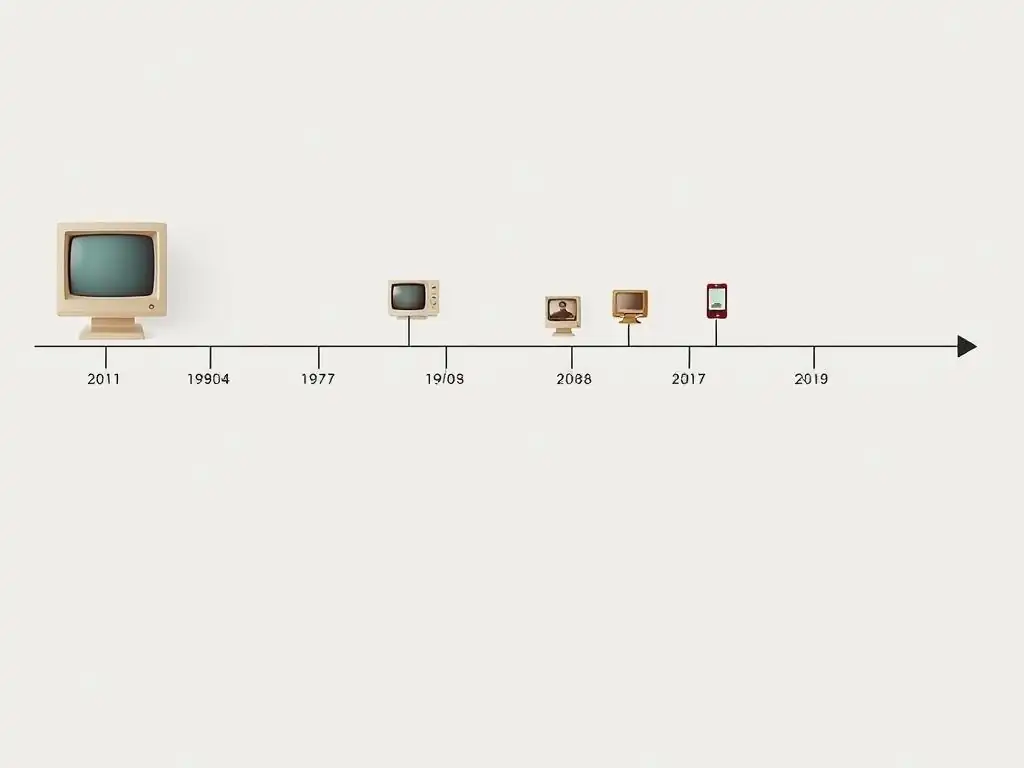
Online dating, now a ubiquitous part of modern romance, wasn't always the sleek, algorithm-driven experience we know today. Its evolution is a fascinating journey from rudimentary text-based platforms to the sophisticated apps dominating the market. This article delves into the history of early online dating sites, exploring the innovative (and sometimes quirky) services that laid the groundwork for the current landscape.
We'll examine the technological limitations, social perceptions, and pioneering efforts that shaped the online dating world, ultimately leading to the diverse and accessible options available today. Understanding this history provides valuable context for navigating the modern online dating scene, offering insights into its enduring challenges and remarkable transformations. This exploration of "Early online dating site history" will reveal how far we've come and the enduring impact of those early pioneers.
Early Online Dating Site History: From Bulletin Boards to Dedicated Platforms
The seeds of online dating were sown long before the advent of smartphones and sophisticated algorithms. Early adopters found their matches in unexpected places: online bulletin board systems (BBSs) and early internet forums. These platforms, primarily text-based, lacked the visual appeal and user-friendly interfaces of modern apps.
However, they served as crucial proving grounds, allowing individuals to connect based on shared interests and personality. Think of it as the digital equivalent of a classified ad, but with the potential for ongoing communication. Many early online interactions revolved around shared hobbies, professional fields, or even specific geographic locations, fostering a sense of community before romance bloomed.
The limitations of technology at the time — slow connection speeds, limited multimedia capabilities, and the relative novelty of the internet itself — meant that these early platforms were far from perfect, yet they successfully bridged the gap for many seeking connection beyond their immediate circles. The success of these early platforms highlighted a fundamental human need: to connect with others beyond the confines of everyday life. This need, more than any technological advancement, is the true driving force behind online dating's enduring popularity.
The Rise of Matchmaking Services: Early Attempts at Algorithmic Compatibility
As the internet grew, so did the ambition to refine the online dating experience. Early matchmaking services emerged, attempting to leverage nascent technological capabilities to improve the chances of successful matches. These services often relied on questionnaires and personality tests, attempting to quantify compatibility through rudimentary algorithms.
While these early attempts at algorithmic matchmaking were far simpler than the sophisticated systems used today, they represent a significant step in the evolution of online dating. They moved beyond simple text-based interactions, introducing the concept of compatibility scoring and suggesting potential partners based on pre-defined criteria. The success rate of these early systems varied greatly, often hampered by the limitations of data analysis and the simplistic nature of the algorithms.
However, they laid the groundwork for the sophisticated matching systems that power many of today’s popular dating apps. These early efforts, while imperfect, demonstrated a crucial shift: the move from merely connecting people to actively matching them based on shared characteristics. This focus on compatibility remains a central theme in online dating to this day.
Early Online Dating Site Features: A Look at the Limited Options of the Past
Compared to the rich multimedia experiences of contemporary dating apps, early online dating platforms offered remarkably limited features. Think simple profiles with text-based descriptions, limited photo options (often low-resolution and requiring significant patience to load), and rudimentary messaging systems. The lack of sophisticated search filters, mobile accessibility, and the absence of video chat meant that connecting with potential partners was a significantly slower and more challenging process.
These limitations, however, fostered a different kind of interaction. With less information readily available, users often invested more time and effort in crafting meaningful messages and building rapport through text-based communication. The absence of instant gratification arguably encouraged more thoughtful and deliberate interactions, a stark contrast to the faster pace of modern dating apps.
This demonstrates a key point: technology, while offering incredible opportunities, can also significantly impact the nature of human interaction. The evolution of online dating features underscores the interplay between technology and human behavior, with each generation of platforms shaping how we connect and build relationships.
A Deep Dive into Key Early Online Dating Platforms
This section explores the pioneering online dating platforms that laid the groundwork for the sophisticated apps we use today. Understanding their evolution provides valuable context for navigating the current online dating landscape. We'll examine their unique approaches, successes, and limitations, highlighting the key innovations that shaped the industry. The history of "early online dating site" development is filled with fascinating stories of technological innovation and evolving social norms.
Classmates.com: Reuniting Old Friends and Sparking New Connections
Launched in 1995, Classmates.com initially focused on reconnecting people with former classmates. However, its functionality quickly evolved, incorporating features that facilitated romantic connections. While not strictly a dating site at its inception, Classmates.com's success in bringing people together—often after significant periods of separation—demonstrates the underlying human desire for connection, a desire that online dating platforms expertly tap into.
Its early success stemmed from leveraging pre-existing social networks (schools) to build trust and facilitate introductions, a strategy later adopted by other platforms. The platform's simple interface and ease of use also contributed to its widespread adoption, proving that a straightforward approach can be highly effective in the nascent stages of a new technology. The ability to browse profiles based on shared educational history provided a unique element of common ground, increasing the likelihood of meaningful interactions, a concept central to the success of modern dating apps.
Analysis of its early user data (though not publicly available in detail) likely revealed a significant percentage of users forming romantic relationships despite the platform’s initial focus. This highlights the inherent flexibility of online connection platforms and the unpredictable nature of human relationships.
Match.com: The Evolution of a Dating Giant
Match.com, launched in 1995, is often considered the first true online dating site. Unlike Classmates.com, it explicitly focused on romantic connections from the start. Its longevity and continued success are testament to its adaptability and innovation.
Match.com's early success can be attributed to several factors: a relatively user-friendly interface for the time, a robust search functionality allowing users to filter profiles based on various criteria (age, location, interests), and a sophisticated matching algorithm (though rudimentary compared to today's AI-powered systems). The platform's early marketing campaigns effectively targeted a broad demographic, contributing significantly to its rapid growth. The company also pioneered subscription models, a strategy that became the industry standard, demonstrating a keen understanding of the economics of online dating.
Match.com’s evolution involved continuous improvements to its matching algorithms, the introduction of communication features like instant messaging, and the integration of mobile apps. This constant adaptation to changing user preferences and technological advancements is a crucial factor in its enduring success. The company’s history serves as a case study in how to build and maintain a dominant position in a rapidly evolving market.
eHarmony: Focusing on Compatibility and Long-Term Relationships
eHarmony, launched in 2000, differentiated itself from competitors by emphasizing compatibility and long-term relationships. Unlike Match.com, which prioritized user choice and autonomy, eHarmony utilized a proprietary algorithm to match users based on a detailed personality profile. This "scientific" approach resonated with users seeking serious relationships, a segment of the market often overlooked by other platforms.
The platform's emphasis on compatibility through detailed questionnaires—a significant departure from the simpler profile-based approaches of its predecessors—highlighted the growing importance of psychological compatibility in online dating. While the exact details of eHarmony’s algorithm remain proprietary, its success suggests a strong correlation between its compatibility assessment and the formation of long-term relationships. This focus on long-term relationships, while initially niche, influenced the development of subsequent dating apps by highlighting the demand for more nuanced matching systems.
The platform's marketing emphasized its commitment to helping users find lasting partnerships, attracting a user base seeking a more serious and less casual dating experience. eHarmony's story underscores the power of a specialized niche approach in a crowded market. The development of sophisticated matching algorithms, initially a novelty, became a defining feature of the online dating industry.
Yahoo! Personals and the Integration of Dating into Existing Platforms
Yahoo! Personals, launched in 1997, represents a fascinating chapter in the history of online dating. Unlike the dedicated dating sites emerging at the time, Yahoo! Personals cleverly integrated dating functionality into an already established and massively popular platform. This strategic move proved incredibly effective, leveraging Yahoo! 's existing user base to rapidly attract a significant number of daters.
The service wasn't designed as a standalone dating application; rather, it was a feature seamlessly woven into the Yahoo! experience, making it easily accessible to millions. This approach significantly lowered the barrier to entry for many users who might have been hesitant to sign up for a dedicated dating website. The integration also benefited from Yahoo! 's robust infrastructure, ensuring a relatively stable and reliable service, unlike some of the smaller, more nascent dating platforms of the era.
The success of Yahoo! Personals highlighted a key trend: the power of integrating dating features into existing social networks or communication platforms. This model proved highly scalable and efficient, allowing dating to reach a wider audience without the need for extensive marketing campaigns targeting a specific demographic. The casual nature of the integration also likely attracted a more diverse range of users, including those who might not have considered themselves serious daters.
However, this integration also came with its own challenges. The lack of dedicated moderation and specialized features sometimes led to a less curated user experience compared to dedicated dating sites. The integration within a broader platform meant that dating was not the primary focus, potentially resulting in a less focused and less effective experience for some users. Despite these limitations, Yahoo!
Personals' success undeniably contributed to the mainstream acceptance of online dating and demonstrated the potential of integrating dating functionality into pre-existing social platforms. Its impact is still felt today, as many modern social media platforms now incorporate features that facilitate romantic connections. The legacy of Yahoo! Personals underscores the evolving relationship between technology, social interaction, and the search for romantic partners.

The nascent stages of online dating, from the late 1980s through the mid-1990s, were significantly shaped by technological constraints and evolving social perceptions. Understanding these limitations is crucial to appreciating the vast advancements in the field. The "early online dating site history" is inextricably linked to the technological landscape of the time.
Imagine trying to browse profiles and send messages with a 28.8k modem – that was the reality for many early adopters. Dial-up connections were slow, unreliable, and often monopolized the family phone line. Downloading a single image could take several minutes, and lengthy messages resulted in agonizing wait times.
This technological bottleneck directly impacted user experience, making the process far less fluid and instant than today's high-speed internet allows. The limited bandwidth also severely restricted the types of media that could be shared, confining interactions primarily to text-based communication. This stark contrast to today's multimedia-rich dating apps highlights the significant technological leap the industry has made.
The very foundation of early online dating sites was built on these frustrating limitations. Consequently, patience and persistence were essential qualities for users navigating these early platforms. The sheer patience required to manage slow connections contributed to a more deliberate and considered approach to online dating, potentially fostering more meaningful interactions, despite the technological hurdles.
Early online dating faced considerable social stigma. The internet itself was still relatively new, and the idea of finding romance online was viewed by many with skepticism, if not outright disapproval. There was a prevalent perception that online daters were desperate or somehow lacking in social skills.
This stigma, coupled with the technological limitations mentioned earlier, resulted in relatively low adoption rates compared to today's widespread use. Many individuals were hesitant to disclose their use of online dating services for fear of judgment from friends, family, or colleagues. This social resistance significantly impacted the growth and development of the industry, creating a smaller and more cautious user base.
Anecdotal evidence suggests that many early users adopted pseudonyms or kept their online dating activities highly secretive, reinforcing the social stigma associated with this nascent technology. The slow but steady shift in societal attitudes towards online dating is a testament to the resilience and eventual mainstream acceptance of these platforms. The evolution from an activity shrouded in secrecy to a widely accepted means of meeting potential partners showcases a fascinating interplay of technological progress and changing social norms.
Early Online Dating Site Design and User Experience: A Far Cry from Modern Apps
Early online dating sites were rudimentary by today's standards. Think text-heavy interfaces, limited search functionalities, and a stark absence of the visual elements that are now central to the online dating experience. The user experience was often clunky and frustrating, reflecting the technological constraints of the time.
Profiles were typically limited to basic information, lacking the rich multimedia content (photos, videos) that are now commonplace. The design principles focused on functionality over aesthetics, resulting in visually unappealing interfaces that were far from the sleek and intuitive designs of modern dating apps. Furthermore, the lack of sophisticated matching algorithms meant that users often had to manually sift through numerous profiles to find potential matches, a far cry from the personalized recommendations offered by today's AI-powered platforms.
The evolution from these rudimentary platforms to the sophisticated, visually appealing, and highly personalized apps of today demonstrates a remarkable transformation in both technology and user expectations. The entire design philosophy has undergone a radical shift, prioritizing user experience and visual appeal in a way that was simply not possible in the early days of online dating.
The Legacy of Early Online Dating Platforms: Shaping the Modern Landscape
The early days of online dating, while seemingly rudimentary compared to today's sophisticated apps, laid the crucial groundwork for the industry's current success. Understanding this history is key to appreciating the complexities and nuances of modern online dating. The pioneers of online matchmaking faced significant technological and social hurdles, yet their innovations directly influenced the features, functionality, and even the societal perception of online dating we see today.
Their struggles and triumphs offer valuable lessons for anyone navigating the digital dating world. This section explores the lasting impact of these early platforms, highlighting key innovations and challenges that continue to shape the online dating landscape. Analyzing this "early online dating site history" provides a crucial perspective on the present.
Early Online Dating Site History: Lessons Learned and Innovations Carried Forward
Early online dating platforms, often operating through bulletin board systems (BBS) and early internet forums, were far from the polished experiences we know today. They were characterized by text-based interfaces, limited user profiles, and a higher degree of anonymity. However, within these limitations, several crucial innovations emerged. For example, the concept of creating a profile to attract potential partners, a core component of all modern dating apps, originated in these early platforms. The ability to express personality and interests through written text, though less visually appealing than today's photo-heavy profiles, was a groundbreaking step.
Furthermore, these early platforms inadvertently pioneered the concept of "matching" users based on shared interests or characteristics. Although algorithms were rudimentary—often relying on keyword searches and self-reported data—they represented the first attempts to streamline the process of finding compatible partners. The challenges faced by these early platforms, such as the prevalence of fake profiles, scams, and the lack of robust safety measures, also served as valuable lessons.
These experiences directly led to the development of sophisticated verification systems, reporting mechanisms, and community guidelines that are now standard in modern dating apps. The evolution from simple text-based interactions to today's multimedia-rich experiences reflects a direct response to user feedback and the need for a more engaging and secure platform. Analyzing this "early online dating site history" reveals a continuous cycle of innovation and adaptation.
The Impact of Early Platforms on Modern Dating App Features and Functionality
The evolution from early online dating sites to modern apps is marked by a significant increase in functionality and features. Many current features are direct descendants of solutions developed to address limitations in early platforms. For instance, the introduction of photo profiles, initially a technological challenge, dramatically increased user engagement and allowed for a more immediate assessment of compatibility. This feature, now ubiquitous, directly addresses the limitations of early text-based profiles.
Similarly, the development of sophisticated messaging systems, including features like read receipts and typing indicators, reflects a response to the limitations of early communication methods. These innovations enhance the immediacy and efficiency of interactions, making online dating a far more dynamic experience. The incorporation of location-based services, allowing users to connect with others in their geographical proximity, is another direct result of addressing the limitations of early platforms, which often lacked geographic filters.
The development of robust safety features, including profile verification, reporting mechanisms, and community guidelines, is a direct response to the prevalence of scams and safety concerns in early online dating. This demonstrates a continuous effort to improve user safety and experience, directly influenced by lessons learned from the past.
The Evolution of Online Dating Algorithms: From Basic Matching to Advanced AI
Early online dating platforms utilized rudimentary matching algorithms, primarily relying on keyword searches and self-reported data. These systems were limited in their ability to accurately predict compatibility, often resulting in less-than-ideal matches. However, they laid the foundation for the sophisticated AI-powered algorithms used in modern dating apps. The evolution has been remarkable. The transition from simple keyword matching to complex algorithms that analyze user profiles, communication patterns, and even personality traits represents a significant advancement in the field.
Modern algorithms leverage machine learning and artificial intelligence to analyze vast amounts of data, providing more accurate and personalized matches. This increased sophistication aims to improve the user experience by increasing the likelihood of successful connections. However, the ethical implications of using AI in dating remain a topic of ongoing discussion.
Concerns about bias, data privacy, and the potential for manipulation require careful consideration as algorithms continue to evolve. The journey from basic keyword matching to advanced AI-driven systems showcases the ever-evolving nature of online dating technology and its ongoing quest for optimal matching. The analysis of this "early online dating site history" reveals a constant push for improvement in matchmaking accuracy and efficiency.
Frequently Asked Questions
What were some of the earliest online dating platforms?
Some of the earliest platforms include services like Match.com, launched in 1995, and Parship, founded in Germany in 1997. These pioneering services laid the groundwork for the modern online dating landscape.
How did early online dating sites differ from today's apps?
Early sites relied heavily on computer interfaces and lengthy questionnaires, focusing on compatibility matching algorithms. Modern apps emphasize mobile-first design, quick swiping, and visual profiles.
What were the major technological limitations of early online dating?
Early sites faced challenges with limited internet access, slow connection speeds, and less sophisticated matching algorithms. Image quality was also significantly lower.
Did early online dating sites have the same safety concerns as today?
Yes, safety concerns such as scams and inappropriate behavior were present even in the early days. However, verification methods and community guidelines were less developed than today.
How did the rise of the internet impact the evolution of online dating?
The expansion of the internet and increased accessibility were crucial to the growth of online dating. It allowed for broader reach and more efficient communication between users, fueling rapid innovation.
Final Reflection: Echoes of the Dial-Up: How Early Online Dating Shaped Modern Romance
The digital revolution irrevocably altered the landscape of romance, and the early pioneers of online dating laid the groundwork for the ubiquitous apps we use today. These nascent platforms, often clunky and rudimentary by modern standards, were not merely technological experiments; they were bold social experiments that redefined connection and intimacy in the digital age. Their legacy continues to resonate in the algorithms, user interfaces, and even the social anxieties that permeate modern dating.
The evolution of online dating, from its awkward beginnings to its sophisticated present, is a fascinating reflection of changing societal norms and technological advancements. The anxieties and hopes surrounding online connection, so vividly portrayed in early platforms, remain remarkably consistent. The internet has fundamentally changed the way we meet and interact with potential partners, creating both exciting opportunities and new challenges.
This quote encapsulates the enduring tension between the promise of expanded connection and the complexities of navigating digital intimacy, a tension that continues to shape the narrative of modern romance.
Consider the lessons learned from these early platforms. Their successes and failures offer valuable insights into the human need for connection and the challenges of translating real-world intimacy into the digital realm. You, the reader, are now part of this ongoing story. Reflect on how these historical trends have shaped your own experiences with online dating, and consider what kind of future you wish to build within this ever-evolving digital landscape. Let the echoes of the dial-up inspire you to approach online connection with both awareness and hope.
Unearth the Roots of Modern Dating: Your Journey Starts Now!
Thanks for exploring the fascinating history of online dating! You've gained a unique perspective on its evolution. Ready to put this knowledge to use and improve your dating experience?
- Dive deeper: Analyze the evolution of dating profiles by comparing the features of early dating sites with those of today's platforms. This will reveal valuable insights into what resonates most with daters.
- Share your insights: Which feature from early dating sites surprised you the most, and why? Let's discuss it in the comments below.
- Challenge yourself: Design a dating profile as if you were using one of these early platforms. How would you present yourself, given the limitations of the technology and character limits?
Ready to uncover even more dating secrets? What innovative approaches can we learn from the history of online dating technology?