
Dating with Disabilities: Finding Acceptance and Connection Online

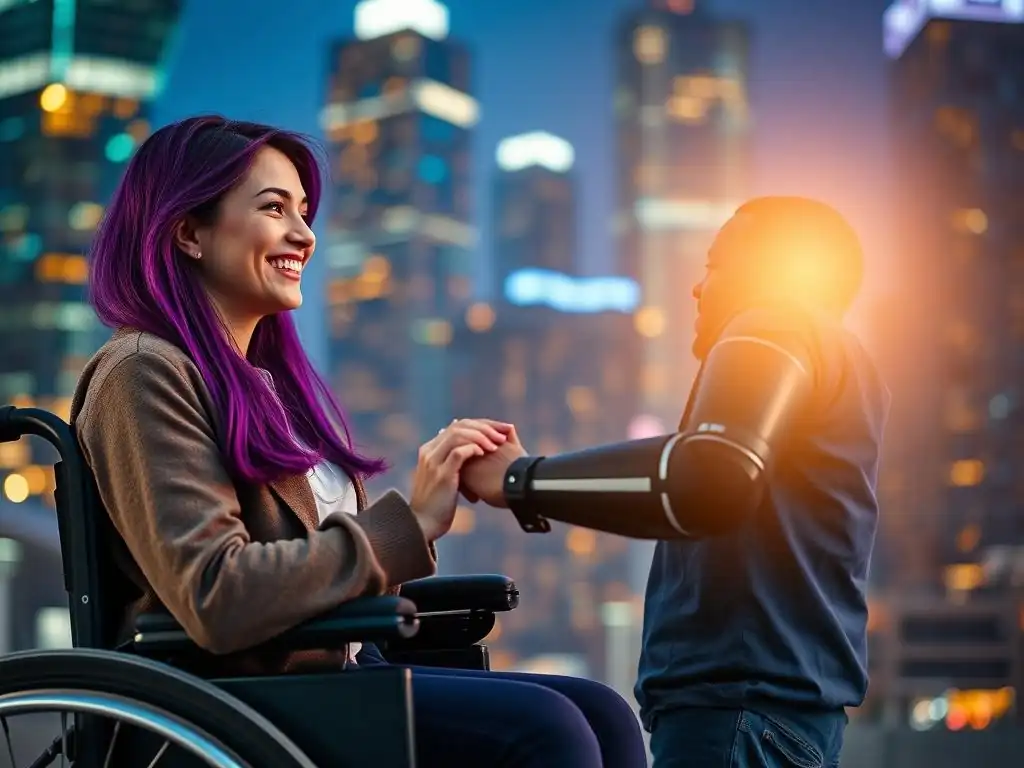
Ready to rewrite your online dating story? At OnlineDatingSuccess.org, we empower you to navigate the world of online romance with confidence. Discover how to craft a compelling profile, communicate authentically, and prioritize your safety – all while building meaningful connections. But what about navigating the unique landscape of online dating disability acceptance? Our latest article delves into this crucial topic, offering practical insights and empowering strategies to find genuine connection. Let's explore how to embrace your individuality and find lasting love.
- Navigating Online Dating with a Disability: Challenges and Opportunities
-
Creating a Positive and Inclusive Online Dating Profile
- Highlighting Your Strengths and Personality in Your Dating Profile
- Choosing Appropriate Profile Pictures that Showcase Your Authentic Self
- Writing a Compelling Bio that Attracts Genuine Connections
- Addressing Disability Openly and Honestly in Your Profile: Strategies and Tips
- Using Keywords and Hashtags to Reach a Wider Audience
- Effective Communication Strategies for Online Daters with Disabilities
- Finding Support and Resources for Online Dating with a Disability
- Staying Safe While Dating Online with a Disability
- Building Meaningful Relationships After Finding Acceptance Online
-
Frequently Asked Questions
- How can I ensure my dating profile reflects my disability positively?
- Are there specific online dating sites or apps better suited for people with disabilities?
- How do I address my disability during initial online conversations?
- What are some common challenges faced by people with disabilities in online dating?
- How can I maintain safety while dating online with a disability?
- Final Reflection: Navigating Love's Digital Landscape with Authenticity
- Unveil Your Authentic Self: Find Connection Today
Online dating, while offering a vast pool of potential partners, presents unique challenges for individuals with disabilities. This article delves into the specific hurdles faced by this demographic while exploring strategies for building confidence, crafting compelling profiles, and ultimately, finding meaningful connections. We'll examine how to navigate societal biases, highlight the importance of self-acceptance, and offer practical advice for fostering genuine acceptance and understanding within the online dating landscape.
The goal is to empower individuals with disabilities to embrace online dating as a viable path towards finding love and companionship, emphasizing that finding acceptance and connection is entirely achievable. We will explore the nuances of online dating disability acceptance, focusing on practical steps and real-world examples to illustrate the process. This comprehensive guide is designed to provide support and encouragement, ultimately fostering a more inclusive and accepting online dating experience for everyone.
Understanding the Unique Challenges of Online Dating with a Disability
Online dating presents a unique set of challenges for individuals with disabilities, often extending beyond the typical anxieties of meeting new people. These challenges can manifest in several ways:
- Accessibility Barriers: Many dating apps and websites lack sufficient accessibility features, making navigation difficult for users with visual, auditory, or motor impairments. For example, lack of screen reader compatibility or unclear image descriptions can significantly hinder the user experience.
- Misconceptions and Stereotypes: Preconceived notions and stereotypes about individuals with disabilities can lead to prejudice and discrimination on dating platforms. Potential partners may hold unrealistic expectations or make assumptions based on limited understanding.
- Disclosure Concerns: Deciding when and how to disclose a disability can be a significant source of anxiety. Individuals may fear rejection or judgment, leading to hesitation or avoidance of the topic altogether. This can impact the authenticity of the connection.
- Fear of Rejection: The fear of rejection is amplified for individuals with disabilities, potentially leading to lower self-esteem and reluctance to engage actively in online dating.
- Limited Representation: The lack of positive and diverse representation of individuals with disabilities in online dating profiles can reinforce negative stereotypes and contribute to feelings of isolation.
This lack of representation can lead to a feeling of invisibility and further complicate the search for meaningful connection. Addressing these challenges requires a multi-pronged approach, including advocating for improved accessibility, promoting positive representation, and fostering greater understanding and empathy among all users.
Overcoming Societal Biases and Negative Stereotypes in Online Dating Profiles
One of the most significant hurdles in online dating with a disability is combating societal biases and negative stereotypes. A well-crafted profile can be instrumental in overcoming these challenges. Here's how:
- Focus on your strengths and personality: Highlight your passions, hobbies, and unique qualities. Don't let your disability define your entire profile.
- Use positive and empowering language: Avoid self-deprecating or apologetic language. Present yourself with confidence and self-assurance.
- Choose appropriate photos: Select photos that accurately reflect your personality and showcase your positive attributes. If you feel comfortable, include photos that show your disability in a natural and positive light.
- Be upfront about your disability (when ready): If you feel comfortable sharing, briefly mention your disability in your profile, but focus on your personality and interests. This can help attract individuals who are open-minded and accepting.
- Be selective about who you connect with: Don't waste your time on individuals who are clearly prejudiced or unaccepting.
Remember, your worth is not determined by your disability. By showcasing your authentic self, you'll attract individuals who appreciate you for who you are. This proactive approach helps to challenge the negative stereotypes that often surround disability. Consider adding a brief, positive description of your disability in your profile biography. For example, instead of saying "I use a wheelchair," you might say, "I'm an active wheelchair user who loves exploring new cities." This subtle shift in language can significantly impact how others perceive you.
Building Confidence and Self-Acceptance for Successful Online Dating
Self-acceptance is crucial for success in online dating, regardless of whether you have a disability. For individuals with disabilities, building confidence might require additional effort, but the rewards are significant.
- Challenge negative self-talk: Identify and challenge any negative thoughts or beliefs about yourself. Replace them with positive affirmations and self-compassion.
- Focus on your accomplishments and strengths: Celebrate your achievements and acknowledge your unique abilities.
- Seek support from friends, family, or support groups: Connect with others who understand your experiences and can offer encouragement and support.
- Practice self-care: Prioritize activities that nourish your mind, body, and spirit. This could include exercise, meditation, or spending time in nature.
- Remember your worth: You are worthy of love and companionship, regardless of your disability. Embrace your individuality and celebrate your unique strengths.
Building confidence takes time and effort, but the journey is worth it. By embracing self-acceptance, you'll not only improve your online dating experience but also enhance your overall well-being. Remember, your journey towards finding love and connection is unique, and celebrating your individuality is key. The path to online dating disability acceptance is paved with self-love and self-belief. Embrace your journey and celebrate your unique strengths!
Creating a Positive and Inclusive Online Dating Profile
This section focuses on crafting an online dating profile that not only showcases your personality but also proactively addresses potential concerns related to disability, fostering understanding and acceptance. Remember, your profile is your first impression – make it count! The goal is to present yourself authentically and confidently, attracting individuals who value you for who you are. Effective profile creation is crucial for achieving online dating disability acceptance.
Highlighting Your Strengths and Personality in Your Dating Profile
Don't let your disability define your profile. Instead, focus on what makes you unique and amazing. Think about your passions, hobbies, and what brings you joy. Are you a talented musician? A passionate bookworm? An adventurous hiker? Highlight these aspects! Use descriptive language to paint a vivid picture of your personality. For example, instead of saying "I like movies," try "I'm a huge fan of classic sci-fi films and love discussing the philosophical themes in them." This shows depth and invites engagement.
Consider incorporating positive language around your disability, if you feel comfortable doing so. For instance, you could mention your adaptive equipment as part of your active lifestyle: "I love exploring the outdoors with my adaptive mountain bike – it's my escape!" This normalizes your experience and shows potential partners that you embrace your life fully. Remember, honesty and transparency are key to building genuine connections. Authenticity is critical in achieving online dating disability acceptance.
Here's a table illustrating the difference between generic and engaging profile descriptions:
| Generic Description | Engaging Description |
|---|---|
| I like to travel. | I'm an avid traveler, recently back from a backpacking trip across Europe! |
| I enjoy reading. | I'm a voracious reader, currently obsessed with historical fiction. Let's discuss our favorite books! |
| I'm looking for a relationship. | I'm looking for a genuine connection with someone who values kindness, humor, and shared adventures. |
Choosing Appropriate Profile Pictures that Showcase Your Authentic Self
Your profile pictures are the first thing people see, so choose them wisely. Select photos that accurately represent your appearance and personality. Include a variety of pictures that show you in different settings and activities – this helps potential matches get a well-rounded view of who you are.
Avoid overly filtered or heavily edited photos. Authenticity is paramount. If you use assistive devices, consider including photos that naturally show them. This demonstrates self-acceptance and encourages others to embrace your individuality. This transparency contributes significantly to achieving online dating disability acceptance.
Remember to smile! A genuine smile is infectious and makes you instantly more approachable. Choose photos where you feel confident and comfortable. It's important to project positivity and self-assurance. Consider including a photo that showcases a hobby or interest, further enriching your profile and demonstrating your personality.
Writing a Compelling Bio that Attracts Genuine Connections
Your bio is your chance to tell your story and attract genuine connections. Be honest and upfront about your disability if you feel comfortable doing so. You can choose to mention it directly, or subtly integrate it into your description of your life and interests. The key is to present it naturally and without apology.
Focus on your positive qualities and what you’re looking for in a partner. Be specific! Instead of saying "I'm looking for someone nice," try "I'm looking for someone kind, adventurous, and with a good sense of humor who enjoys [shared interest]." This helps attract compatible matches and avoids vague generalizations. Remember, a well-crafted bio is crucial for achieving online dating disability acceptance.
Here are some tips for writing a compelling bio:
- Use humor – a little self-deprecating humor can be endearing.
- Be positive and optimistic – project confidence and self-worth.
- Keep it concise – avoid long, rambling paragraphs.
- Proofread carefully – typos and grammatical errors can be a major turn-off.
- Use emojis sparingly – to add personality, but don't overdo it.
By following these tips, you can create a positive and inclusive online dating profile that attracts genuine connections and fosters a culture of acceptance. Remember, your worth is not defined by your disability. Embrace your authenticity, and the right people will appreciate you for who you are.
Addressing Disability Openly and Honestly in Your Profile: Strategies and Tips
Choosing how to discuss your disability on your online dating profile is a deeply personal decision. There's no single "right" way, and the approach that works best will depend on your comfort level, the nature of your disability, and your dating goals. However, open and honest communication is often the most effective strategy for building genuine connections. Remember, authenticity attracts people who value you for who you are.
One approach is to directly mention your disability in your profile, perhaps briefly describing it and its impact on your life. This upfront approach can save time and prevent misunderstandings later. For example, instead of vaguely saying "I enjoy long walks," you could write, "I love exploring new places, even if it means taking things a bit slower sometimes due to my mobility challenges." This honesty demonstrates confidence and self-acceptance, attractive qualities in any potential partner.
Another approach is to weave your disability into your interests and activities. Instead of focusing solely on limitations, highlight your strengths and passions. If you use a wheelchair, you might mention your love for accessible hiking trails or adaptive sports. This showcases your independence and active lifestyle, demonstrating that your disability doesn't define you.
It's also important to consider your audience. Some dating platforms cater to specific communities, including those with disabilities. Consider joining these platforms to connect with like-minded individuals who understand and appreciate your experiences. Remember to always maintain your privacy and safety; never share overly personal information before you feel comfortable and safe doing so. Online dating, for anyone, requires careful consideration and precaution.
Finally, remember that you're not obligated to disclose every detail of your disability. You have the right to share what you feel comfortable sharing, when you feel comfortable sharing it. The key is to be genuine and authentic in your presentation. This will attract people who appreciate your honesty and value your individuality. Rejection might happen, but it's a natural part of the dating process and doesn't diminish your worth.
Using relevant keywords and hashtags can significantly increase the visibility of your profile on online dating platforms. This is particularly crucial when navigating online dating with a disability, as it helps you connect with individuals who are open to and understanding of diverse abilities. Think of it as optimizing your profile for "online dating disability acceptance."
Consider incorporating keywords that accurately reflect your disability and your interests. For example, if you have a visual impairment, you might include keywords like "visually impaired," "adaptive technologies," or "accessible travel." If you use a wheelchair, you might use terms like "wheelchair user," "accessible dating," or "adaptive sports." The goal is to make your profile easily discoverable by others seeking similar connections.
Hashtags, while less common in some dating platforms than others, can serve a similar purpose. Research popular hashtags relevant to disability and dating. Use a mix of broad and specific hashtags to reach a wider audience. For instance, you might use hashtags like #disabledanddating, #accessiblelove, #datingwithadisability, or more specific hashtags related to your particular disability or interests. However, avoid overusing hashtags, as this can make your profile appear cluttered and less appealing.
Remember to use keywords and hashtags naturally within your profile description. Avoid stuffing keywords just to improve search engine optimization; focus on creating an authentic and engaging profile that reflects your personality and experiences. Authenticity is key to attracting meaningful connections. The goal isn't just to attract more views, but to attract the right views—people who appreciate and respect you for who you are. Finding the right match is about more than just numbers; it's about finding someone who values your unique qualities.
Effective Communication Strategies for Online Daters with Disabilities
Finding love online, regardless of circumstances, hinges on effective communication. For individuals with disabilities navigating the world of online dating, clear and empathetic communication becomes even more crucial. This section provides practical strategies to foster understanding and build meaningful connections. Mastering these techniques will significantly improve your chances of finding acceptance and forming lasting relationships. The key is to proactively address potential concerns and build rapport based on shared interests and values, rather than solely focusing on differences. Remember, online dating disability acceptance is fostered through open and honest dialogue.
Communicating Your Needs and Preferences Clearly and Respectfully
Openly communicating your needs and preferences is paramount. This doesn't mean you need to disclose every detail of your disability upfront; instead, strategically integrate relevant information into your profile and conversations as they naturally arise. For instance, mentioning your preferred communication methods (e.g., "I prefer texting due to hearing difficulties") or accessibility needs ("I use a wheelchair, so please be aware of accessibility when suggesting dates") demonstrates transparency without being overwhelming. Using positive and assertive language is key.
Instead of saying "I can't do this," try phrasing it as "I prefer to do things this way." This approach prevents potential misunderstandings and fosters a more positive and respectful interaction. Remember, honesty and respect pave the way for online dating disability acceptance. Consider these examples:
- Instead of: "I have a visual impairment." Try: "I have a visual impairment, and I appreciate detailed descriptions of locations or activities."
- Instead of: "I'm deaf." Try: "I'm deaf and use sign language; I'm happy to communicate through video chat with captioning."
- Instead of: "I have mobility issues." Try: "I have mobility issues, and I'm looking for someone understanding of my need for accessible locations."
Addressing Potential Concerns or Questions About Your Disability
Some potential partners may have questions or concerns about your disability. Addressing these with patience and understanding is vital. Anticipating potential questions and preparing thoughtful responses can ease anxieties and demonstrate your confidence. Remember, their curiosity doesn't necessarily reflect prejudice; it might stem from a lack of understanding or experience.
Frame any explanation within the context of your personality and interests, emphasizing shared values and compatibility rather than dwelling solely on your disability. This approach redirects the focus from your disability to your overall character and potential for connection. For example, you could say something like: "I understand that my disability might raise questions, and I'm happy to discuss it further when we're comfortable. But beyond that, I'm also passionate about [shared interest] and love [shared activity]."
Finding Common Ground and Building Connections Beyond Disability
The ultimate goal is to build a connection based on shared interests, values, and personality, not just on the absence or presence of a disability. Focus on what unites you with potential partners. Share your hobbies, passions, and dreams. Ask engaging questions about their lives and interests. Actively listen to their responses, demonstrating genuine interest and empathy.
Online dating disability acceptance blossoms when the conversation moves beyond labels and focuses on the richness of individual experiences. Remember, everyone has unique aspects of their lives that shape them; your disability is just one part of the larger, vibrant picture that is you. By emphasizing your strengths, passions, and personality, you build strong connections that transcend any perceived differences. Focus on shared laughter, intellectual discussions, and meaningful conversations—these are the cornerstones of any successful relationship, regardless of individual circumstances.
Managing Difficult Conversations and Negative Interactions
Navigating online dating, even without disabilities, can present challenges. For individuals with disabilities, however, these challenges can sometimes feel amplified. Negative interactions, unfortunately, are a possibility, and learning to manage these situations with grace and self-respect is crucial for maintaining a positive online dating experience. This isn't about avoiding difficult conversations entirely; it's about equipping yourself with strategies to handle them effectively and protect your well-being.
One common scenario involves encountering prejudice or misunderstanding about your disability. Someone might make insensitive comments, ask inappropriate questions, or even express outright rejection based on your disability. It’s important to remember that these reactions reflect their limitations, not yours. Your worth is not diminished by their ignorance. You have the right to set boundaries and disengage from interactions that feel unsafe or disrespectful.
Consider developing a few pre-prepared responses to common insensitive questions or comments. This doesn't mean you have to be confrontational, but having some thoughtful and concise replies ready can help you navigate these situations calmly and confidently. For example, if someone asks an overly personal question about your disability, a simple, "That's a personal matter I'm not comfortable discussing," can effectively set a boundary. You can also redirect the conversation to something more positive, focusing on your shared interests or experiences.
Remember, you are not obligated to educate everyone you meet online about your disability. While sharing information can be empowering, it's essential to prioritize your own comfort and safety. If a conversation becomes consistently negative or harassing, don't hesitate to block the user and report them to the dating platform if appropriate. Many platforms have robust reporting mechanisms to deal with abusive behavior. Prioritizing your emotional well-being is paramount.
Another aspect of managing difficult conversations involves addressing potential misunderstandings about your needs and preferences. Clearly communicating your accessibility requirements and limitations from the outset can prevent frustration later on. This might involve mentioning the type of support you may need or the kind of activities you enjoy. Honest communication is key to building genuine connections.
For example, if you use a wheelchair, mentioning this early on can help prevent misunderstandings about dates or activities. Being upfront about your needs demonstrates self-respect and helps attract individuals who are genuinely accepting and understanding. This proactive communication can help filter out those who are not a good match.
Finally, remember that self-care is essential in managing difficult conversations. If an interaction leaves you feeling upset or stressed, take time to process your emotions. Talk to a trusted friend, family member, or therapist. Online dating can be emotionally taxing, and seeking support is a sign of strength, not weakness. Remember that your self-worth is not defined by the actions or reactions of others. Focus on nurturing your well-being and building connections with individuals who value and respect you for who you are.
Finding Support and Resources for Online Dating with a Disability
Navigating the world of online dating can be challenging for anyone, but individuals with disabilities may face unique obstacles. Fortunately, a wealth of support and resources exists to help individuals find acceptance, build confidence, and foster meaningful connections. This section explores various avenues for obtaining the assistance and understanding needed to thrive in the online dating sphere. Understanding and leveraging these resources can significantly improve your online dating experience and increase your chances of finding a compatible partner. Remember, you are not alone in this journey.
Online Communities and Support Groups for Daters with Disabilities
Finding a supportive community can be incredibly beneficial when dating with a disability. Connecting with others who share similar experiences can provide validation, reduce feelings of isolation, and offer practical advice. Many online forums and groups specifically cater to daters with disabilities, providing a safe space to share stories, ask questions, and offer encouragement. These communities often offer valuable insights into navigating dating apps, crafting compelling profiles that highlight your strengths and address potential concerns proactively, and handling challenging situations with grace and confidence.
The beauty of these online groups lies in their shared understanding. Members often offer practical tips, such as suggesting specific dating apps with robust accessibility features or sharing strategies for disclosing disabilities in a comfortable and empowering way. This peer-to-peer support network can be invaluable in boosting self-esteem and building the confidence needed to approach online dating with a positive mindset.
The exchange of experiences and advice creates a powerful sense of community and shared purpose. Many groups also offer advice on managing potential negative interactions and fostering resilience in the face of challenges. The collective wisdom and empathy within these communities can be transformative.
Advocacy Organizations and Disability Resources for Dating Advice
Beyond online communities, numerous advocacy organizations and disability resources offer valuable support and guidance for individuals navigating online dating. These organizations often provide information on legal rights, accessibility guidelines for dating apps, and resources for addressing discrimination. They can also connect you with professionals who can offer personalized support and advocacy. Many offer workshops, seminars, or online resources specifically designed to empower individuals with disabilities to confidently participate in online dating.
These organizations play a vital role in advocating for inclusivity and accessibility within the online dating landscape. Their expertise can help you understand your rights, navigate potential challenges, and build strategies for effective communication and self-advocacy. They often provide practical tools and resources, such as templates for disclosing disabilities or strategies for addressing ableist attitudes. The support offered by these organizations can be invaluable in building self-confidence and empowering you to take control of your online dating journey. They act as a crucial bridge between individuals with disabilities and the broader online dating community, promoting understanding and fostering acceptance.
Sometimes, navigating the complexities of online dating, particularly with a disability, requires professional support. A therapist or counselor specializing in relationships and disability can provide a safe space to explore your feelings, address anxieties, and develop coping mechanisms for navigating challenges. They can offer personalized guidance on self-esteem building, communication strategies, and boundary setting, all crucial elements for a positive online dating experience. Professional counseling can provide the tools and support needed to build resilience and confidence.
Consider seeking professional help if you're struggling with self-doubt, experiencing persistent negative interactions, or finding it difficult to manage the emotional toll of online dating. A therapist can help you identify and address underlying issues that may be hindering your progress, such as low self-esteem or fear of rejection. They can also assist in developing healthy coping mechanisms for dealing with negative experiences and building a positive self-image.
Remember that seeking professional help is a sign of strength, not weakness, and can significantly improve your overall well-being and success in online dating. The investment in your mental and emotional health can yield substantial rewards in your journey towards finding meaningful connection.
Staying Safe While Dating Online with a Disability
Dating online, regardless of ability, presents unique safety considerations. For individuals with disabilities, however, certain vulnerabilities might be heightened, requiring extra vigilance and proactive safety measures. This section focuses on practical strategies to mitigate risks and foster a secure online dating experience. The goal is to empower you to navigate the digital dating world confidently, while prioritizing your well-being and personal safety. Remember, online dating disability acceptance is a journey, and safety is paramount throughout.
Protecting Your Personal Information and Online Privacy
Protecting your personal information is crucial, especially when engaging in online dating. Individuals with disabilities may sometimes rely on support networks or caregivers, making it even more important to control the dissemination of sensitive details. Avoid sharing overly specific information in your profile or early messages. This includes your exact address, workplace, or the names and details of family members or support staff. Instead, opt for general locations or descriptions.
Consider using a separate email address and phone number specifically for online dating, preventing the merging of your personal and dating life. This creates a layer of separation, limiting the exposure of your primary contact information. Many dating platforms offer privacy settings; utilize these features to control who can view your profile and contact you. Regularly review and adjust these settings as needed.
Remember that even seemingly innocuous details, when combined, can create a detailed picture of your life. Be mindful of the information you share in photos, too. Avoid images that clearly reveal your address or other identifying features.
Think about using a strong, unique password for your dating profiles and consider enabling two-factor authentication wherever possible. This adds an extra layer of security, making it significantly harder for unauthorized individuals to access your account. Regularly check your account for any suspicious activity.
Identifying and Avoiding Potentially Harmful Interactions
While the vast majority of online daters are respectful and well-intentioned, it's crucial to be aware of potentially harmful interactions. Individuals with disabilities may unfortunately be more susceptible to exploitation or abuse due to preconceived notions or vulnerabilities. Therefore, learning to identify and avoid such interactions is paramount.
Red flags can include overly persistent or aggressive messaging, requests for inappropriate photos or videos, attempts to manipulate or control you, or pressure to meet in person too quickly. If someone makes you feel uncomfortable or unsafe, trust your instincts and end the interaction immediately. Don't feel obligated to respond to messages or requests that make you uneasy. Remember, you have the right to block or report any user who violates the platform's terms of service or makes you feel unsafe.
Consider using the "report" or "block" features provided by the dating platform. Many platforms have dedicated teams that monitor reported activity and take appropriate action. Document any instances of harassment or inappropriate behavior, including screenshots of messages or interactions. This documentation can be valuable if you need to report the behavior to the platform or law enforcement. Maintaining a record of problematic interactions can also help you to identify patterns and better protect yourself in the future.
Utilizing Safety Features and Tools on Dating Platforms
Most reputable online dating platforms offer a range of safety features and tools to help protect users. Familiarize yourself with these features and utilize them proactively. These features often include the ability to block users, report inappropriate behavior, and verify profiles. Take advantage of these resources; they are designed to enhance your safety and improve your online dating experience.
Many platforms also provide resources and support for users who have experienced harassment or abuse. These resources can offer guidance, emotional support, and practical advice on how to proceed. Don't hesitate to reach out to these support systems if you need assistance.
Remember, online dating is a numbers game, and not every interaction will be positive. Prioritizing your safety and well-being is crucial. By using a combination of protective measures, awareness, and the tools provided by the dating platform, you can create a safer and more positive online dating experience. Focusing on online dating disability acceptance shouldn't compromise your safety. Your safety and comfort are paramount.
Building a Support Network for Safe Online Dating Experiences
Building a strong support network is crucial for anyone navigating online dating, but it's especially vital for individuals with disabilities. Having trusted friends, family members, or support groups who understand your experiences can provide invaluable emotional support and practical advice. This network can act as a sounding board for concerns, a source of encouragement during challenging interactions, and a safety net in potentially risky situations.
For example, sharing your dating profile with a trusted friend before posting it can allow them to offer feedback and identify potential red flags. They might notice something you overlooked, like ambiguous phrasing that could be misinterpreted, or a photo that doesn't accurately represent your personality.
Beyond simply reviewing your profile, your support network can play a critical role in ensuring your safety. Before meeting someone in person, share your plans with a trusted individual, including the time, location, and the person's contact information. This simple precaution allows someone to check in on you and provides a point of contact in case something goes wrong. Regular check-ins during and after dates are also beneficial. A quick text message to let someone know you arrived safely or a phone call after the date has concluded can offer peace of mind and create a sense of security.
Finding a support group specifically for people with disabilities who are dating online can be particularly beneficial. These groups can offer a safe space to share experiences, discuss challenges, and learn from others' successes and failures. The shared understanding within such a group can be incredibly empowering, reducing feelings of isolation and providing valuable coping mechanisms for navigating the unique aspects of online dating with a disability.
The collective wisdom and mutual support within these groups can significantly enhance the safety and positivity of your online dating journey. Remember, a strong support network isn't just about crisis management; it's about fostering a sense of belonging and confidence as you embark on this journey towards finding connection and acceptance. This proactive approach to safety significantly improves your chances of a positive and secure experience.
Building Meaningful Relationships After Finding Acceptance Online
This section focuses on the crucial transition from online interactions to real-life connections, a significant step for anyone, particularly those navigating online dating with disabilities. Successfully transitioning requires careful planning and a proactive approach. The goal is to build genuine connections that translate seamlessly from the digital realm to the physical world. Many individuals find initial online success, yet struggle to maintain momentum offline. This is often due to a lack of preparation for in-person interactions.
Transitioning from Online to Offline Dating Successfully
Moving from digital exchanges to face-to-face meetings requires thoughtful preparation. It's not just about picking a location; it's about managing expectations and fostering a comfortable environment. Consider these points:
- Choose accessible locations: This is paramount. Select venues that cater to your needs and those of your date. Think about accessibility features like ramps, elevators, and appropriate restroom facilities. Pre-planning ensures a smoother, less stressful experience for both parties.
- Transparency and honesty: Openly communicate your needs and preferences before the date. This prevents awkward situations and allows your date to prepare accordingly. This honesty builds trust and mutual respect from the outset. For example, if you use a wheelchair, mentioning this beforehand allows your date to choose a suitable restaurant or activity.
- Plan activities that highlight shared interests: Focus on activities that both of you enjoy and that minimize potential accessibility barriers. A shared interest provides a natural conversation starter and creates a more relaxed atmosphere. Instead of a crowded bar, consider a quiet coffee shop or a museum with good accessibility.
- Manage expectations: Remember, initial online interactions may not fully reflect real-life dynamics. Be open to the possibility that the chemistry might differ in person. Approach the date with realistic expectations, focusing on getting to know your date better rather than solely on romantic potential.
- Prioritize safety: Always meet in a public place and inform a friend or family member of your plans. Share your location and estimated time of return. Remember, your safety and well-being are paramount.
Maintaining Open Communication and Mutual Respect in Relationships
Building a successful relationship requires open, honest, and respectful communication. This is especially important when navigating the complexities of a relationship involving disabilities. Misunderstandings can easily arise, so proactive communication is key to resolving conflicts constructively.
- Active listening: Pay close attention to your partner's verbal and nonverbal cues. Understanding their perspective is critical for addressing concerns and building empathy. This is essential for fostering a strong and healthy relationship.
- Clear and direct communication: Express your needs and feelings clearly and directly, without ambiguity. Avoid making assumptions or reading into your partner's actions. Direct communication prevents misunderstandings and fosters trust.
- Empathy and understanding: Practice empathy and strive to understand your partner's experiences and perspectives, particularly concerning their disability. This involves actively listening and seeking to understand their unique challenges and triumphs.
- Conflict resolution: Disagreements are inevitable in any relationship. Develop healthy strategies for resolving conflicts constructively. Focus on finding mutually acceptable solutions rather than assigning blame. Consider professional relationship counseling if needed.
- Celebrating achievements: Acknowledge and celebrate each other's achievements, both big and small. This reinforces mutual support and strengthens the bond between partners. Celebrating milestones, personal growth, and overcoming challenges strengthens the relationship.
Celebrating Differences and Embracing Inclusivity in Relationships
Embracing differences and celebrating individuality is crucial for building a strong and fulfilling relationship. This involves not only accepting but actively celebrating the unique aspects that make each individual special. This applies especially to relationships where one or both partners have disabilities.
- Focus on shared values and goals: Concentrate on the things you have in common, such as shared values, life goals, and interests. These shared aspects form the foundation of a lasting relationship. Differences should be viewed as enriching rather than divisive.
- Challenge ableist attitudes: Actively challenge ableist attitudes and societal biases. This might involve educating others about disability issues or simply advocating for greater inclusion. This mutual support strengthens the bond.
- Seek out inclusive communities: Engage with inclusive communities and support networks to foster a sense of belonging and connection. These communities provide opportunities to connect with like-minded individuals and share experiences.
- Promote understanding and awareness: Educate friends, family, and others about disabilities and the importance of inclusivity. This helps to create a more accepting and supportive environment for everyone. Openly sharing information helps promote understanding and acceptance.
- Advocate for accessibility: Advocate for accessibility in your community, whether it's at work, in your neighborhood, or in broader society. This collective effort helps create a more inclusive world for everyone. This proactive approach benefits not only your relationship but also the wider community.
This holistic approach to building and maintaining meaningful relationships will help you navigate the complexities of dating with a disability and find lasting connection. Remember, open communication, mutual respect, and a celebration of differences are the cornerstones of any successful and fulfilling relationship.
Frequently Asked Questions
How can I ensure my dating profile reflects my disability positively?
Focus on your strengths and personality, not limitations. Use positive language and highlight your interests and passions. A picture showing you engaging in activities you enjoy is also very effective.
Are there specific online dating sites or apps better suited for people with disabilities?
While many mainstream sites are inclusive, some niche communities and groups exist that cater specifically to people with disabilities, fostering a more understanding environment. Research to see which options best suit your needs and preferences.
How do I address my disability during initial online conversations?
It depends on your comfort level, but honesty and transparency are generally beneficial. You can subtly mention it within the context of your interests or hobbies, or directly address it when you feel the time is right, depending on the connection.
What are some common challenges faced by people with disabilities in online dating?
Challenges might include prejudice, misunderstandings, and inaccessibility of some dating platforms. Overcoming these requires self-confidence, clear communication, and choosing platforms that prioritize inclusivity.
How can I maintain safety while dating online with a disability?
Prioritize safe meeting places and let someone know your plans. Trust your instincts – if something feels off, don't hesitate to end the interaction. Utilize the safety features provided by the dating platform.
The rise of online dating has revolutionized how we connect, yet for individuals with disabilities, the journey often presents unique challenges. Finding genuine acceptance and understanding remains a crucial hurdle, demanding both technological advancements and a profound shift in societal attitudes. This isn't simply about finding a partner; it's about reclaiming narratives and fostering inclusive spaces where love blossoms beyond limitations.
The impact of online dating on the lives of people with disabilities is profound and multifaceted. It offers a level of anonymity and control that can be empowering, allowing individuals to present themselves authentically and connect with others who appreciate their unique qualities. Disability is not an inability; it is a different ability.
This simple yet powerful statement encapsulates the spirit of self-acceptance and the importance of celebrating diversity in all its forms. The ongoing conversation surrounding disability representation in online spaces is crucial for fostering a more inclusive and understanding digital world.
You, the reader, hold the power to shape this future. Consider how you engage with online dating profiles, the language you use, and the assumptions you make. Challenge your own biases and actively seek to understand the experiences of others. Let this article serve as a catalyst for empathy and a reminder that love knows no boundaries. Embrace authenticity, celebrate differences, and help build a digital world where everyone feels seen, valued, and loved.
Unveil Your Authentic Self: Find Connection Today
Thank you for exploring online dating with a disability. We hope this article has provided valuable insights and strategies. Now, let's put that knowledge into action. Here's how:
- Craft a compelling profile: Showcase your strengths, passions, and what makes you unique. Embrace your disability—it's part of what makes you, you! This is your chance to connect with others who value authenticity.
- Join a disability-focused online dating community: Connecting with like-minded individuals can boost your confidence and offer invaluable support as you navigate the dating world.
- Share this article with anyone who might find it helpful; let's work together to create a more inclusive and understanding online dating community.
Ready to start your journey toward meaningful connection? What one change will you make to your online dating profile today to better reflect your true self?