
Online Dating and Mental Health: Maintaining Wellbeing While Dating


Welcome to OnlineDatingSuccess.org, your guide to navigating the exciting – and sometimes challenging – world of online dating. Are you ready to transform your dating experience? We understand that online dating can impact your mental wellbeing, both positively and negatively. That's why we've created this resource, packed with practical advice on everything from crafting irresistible profiles to fostering healthy communication. Discover our essential online dating mental health tips and learn how to prioritize your wellbeing while searching for meaningful connections. Let's unlock the secrets to a successful and emotionally fulfilling online dating journey.
- Understanding the Emotional Rollercoaster of Online Dating
-
Protecting Your Mental Health While Online Dating
- Setting Realistic Goals and Expectations for Online Dating Success
- Recognizing and Avoiding Red Flags in Online Dating Profiles and Interactions
- Building Resilience Against Negative Experiences in Online Dating
- The Importance of Self-Care During Online Dating
- Maintaining Boundaries in Online Interactions
- Strategies for Positive Online Dating Experiences
- Online Dating and Mental Health: Long-Term Wellbeing
-
Frequently Asked Questions
- How can online dating impact my mental health?
- What are some strategies to protect my mental health while online dating?
- How do I deal with rejection on online dating apps?
- How can I avoid comparing myself to others while online dating?
- What are the signs I need to take a break from online dating for my mental health?
- Final Reflection: Navigating the Digital Landscape of Love and Wellbeing
- Unlock Your Dating Confidence: Take the Next Step
Understanding the Emotional Rollercoaster of Online Dating
Online dating, while offering exciting possibilities for connection and relationship building, can also present significant challenges to mental wellbeing. The very nature of the process – presenting an idealized version of oneself, navigating numerous interactions with varying degrees of success, and facing potential rejection – creates a unique emotional landscape. This article explores the intricate relationship between online dating and mental health, offering practical tips and strategies to maintain emotional wellbeing throughout the process. We'll delve into the common emotional ups and downs, the impact of rejection, and the importance of managing expectations to foster a positive and healthy online dating experience.
Ultimately, the goal is to empower you to navigate the complexities of online dating while prioritizing your mental health and ensuring a fulfilling journey towards meaningful connections. Remember, building healthy relationships begins with prioritizing your own wellbeing. ❤️
Online dating is inherently cyclical, marked by periods of intense hope and excitement punctuated by moments of disappointment and frustration. The initial stages often involve carefully crafting a profile, selecting photos, and formulating engaging messages – a process that can be both exhilarating and anxiety-inducing. Matching with someone, receiving positive responses, and engaging in engaging conversations fuels optimism and boosts self-esteem. However, this can be quickly countered by experiences of ghosting, unanswered messages, or dates that don't lead to further connection. These disappointments can trigger feelings of self-doubt, rejection, and even loneliness, impacting self-worth and overall mood.
Maintaining a balanced perspective is crucial. Understanding that rejection is a common part of the process and focusing on self-care strategies during periods of disappointment can help mitigate the negative impact on mental wellbeing. Remember that not every match will lead to a relationship, and that’s perfectly okay. 🎉
Impact of Rejection on Mental Wellbeing in Online Dating
Rejection, whether subtle (e.g., unanswered messages) or explicit (e.g., being unmatched or directly rejected after a date), can significantly impact mental wellbeing. The repetitive nature of rejection in online dating can be particularly challenging, leading to feelings of inadequacy, low self-esteem, and even depression. It's crucial to remember that rejection in online dating often reflects the incompatibility of two individuals and is not a reflection of your inherent worth or value. Developing coping mechanisms to navigate rejection is essential.
This might involve reframing rejection as a sign of incompatibility rather than personal failure, practicing self-compassion, engaging in activities that boost self-esteem, and seeking support from friends or family. Prioritizing self-care and focusing on your personal growth outside of the online dating sphere are also vital strategies to mitigate the negative impact of rejection. 💔
Managing Expectations and Avoiding Idealization
One of the most significant contributors to negative mental health outcomes in online dating is the tendency to idealize potential partners or build unrealistic expectations. The curated nature of online profiles – showcasing carefully selected photos and highlighting positive attributes – can lead to an unrealistic perception of others. This can result in disappointment when the reality of a person doesn't match the idealized image created in your mind.
To mitigate this, it’s essential to approach online dating with realistic expectations. Focus on building genuine connections based on shared values and interests, rather than pursuing an idealized image of a "perfect" partner. Remember that everyone has flaws, and embracing imperfection in yourself and others can lead to more authentic and fulfilling relationships.
Be mindful of the potential for online profiles to mislead and focus on getting to know someone beyond the surface level before investing too much emotional energy. Setting healthy boundaries and prioritizing self-awareness are crucial steps in managing expectations and maintaining a healthy perspective. ✨
Protecting Your Mental Health While Online Dating
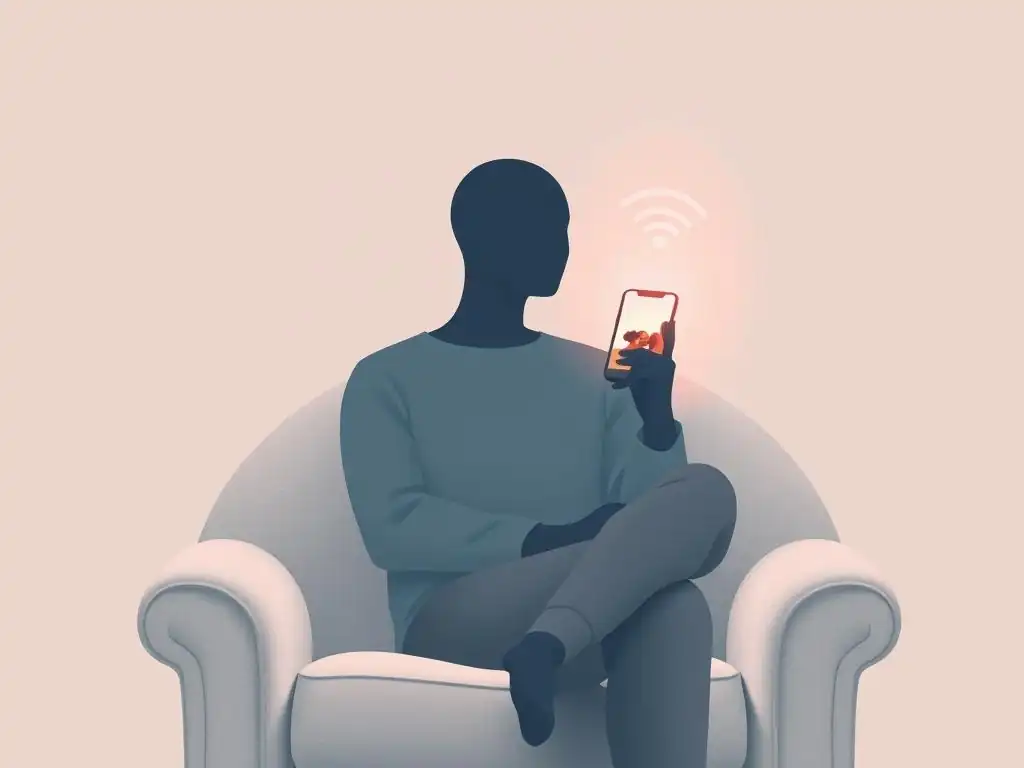
This section focuses on practical strategies to safeguard your mental wellbeing while navigating the complexities of online dating. Remember, online dating is a numbers game, and setbacks are a normal part of the process. The key is to approach it with a healthy mindset and proactive strategies to manage potential challenges. This will help you maintain a positive outlook and protect your mental health throughout your online dating journey. We'll explore how to set realistic expectations, identify red flags, and build resilience against negative experiences.
Setting Realistic Goals and Expectations for Online Dating Success
Many enter the world of online dating with unrealistic expectations, often fueled by idealized portrayals in media. This can lead to disappointment and frustration. Setting realistic goals is crucial for protecting your mental health. Instead of focusing on finding "the one" immediately, consider smaller, achievable goals. For instance, aim for a certain number of meaningful conversations per week, or to go on one date per month.
These incremental goals provide a sense of accomplishment and prevent the overwhelming feeling of searching endlessly without progress. It's also important to remember that not every connection will lead to a long-term relationship. Many interactions will be brief and that's okay! Focusing on enjoying the process of meeting new people and expanding your social circle, rather than solely on finding a partner, can significantly reduce stress and disappointment.
Consider using a journal to track your progress and celebrate your achievements, no matter how small. This positive reinforcement can boost your confidence and motivation. Remember, online dating is a journey, not a race. Be patient with yourself and the process. 📈
Recognizing and Avoiding Red Flags in Online Dating Profiles and Interactions
Identifying and avoiding red flags is paramount to protecting your mental health. Early detection can prevent potentially harmful or emotionally draining experiences. Red flags can manifest in various ways, from inconsistencies in profiles to manipulative or controlling behavior during communication.
Some common red flags include:
- Inconsistencies or lack of detail in profiles: Vague profiles or those lacking personal information can be a warning sign.
- Excessive negativity or complaining: Constantly negative or critical communication can be emotionally draining.
- Pressure for quick commitment: Being pressured to move too fast in a relationship can be a major red flag.
- Controlling or possessive behavior: Early signs of controlling behavior should be taken seriously.
- Avoidance of meeting in person: An unwillingness to meet offline after a period of online communication can be suspicious.
- Unrealistic promises or grand gestures: Be wary of individuals making extravagant promises early on.
Remember, your gut feeling is important. If something feels off, trust your instincts and move on. Prioritize your safety and emotional well-being above all else. Don't hesitate to block or report users exhibiting concerning behavior. Your safety and emotional health are non-negotiable. 🚫
Building Resilience Against Negative Experiences in Online Dating
Online dating inevitably involves rejection and disappointment. Building resilience is key to navigating these setbacks without compromising your mental health. This involves developing coping mechanisms and a positive self-image.
Here are some strategies for building resilience:
- Practice self-compassion: Treat yourself with kindness and understanding, especially after negative experiences. Rejection is a part of life, and it doesn't reflect your worth.
- Maintain a healthy lifestyle: Prioritize exercise, healthy eating, and sufficient sleep. These contribute to both physical and mental well-being.
- Focus on self-improvement: Use the time to pursue hobbies, personal goals, and activities that bring you joy. This helps build self-esteem and confidence.
- Seek support: Talk to friends, family, or a therapist about your experiences. Sharing your feelings can be incredibly helpful.
- Limit exposure to negativity: Take breaks from online dating if you're feeling overwhelmed or discouraged. It's okay to step back and recharge.
- Reframe setbacks: View rejections not as personal failures, but as opportunities to learn and grow. Analyze what you could do differently next time.
Remember, your mental health is paramount. Prioritize self-care, build resilience, and remember that finding a fulfilling relationship takes time and effort. Don't be discouraged by setbacks; use them as opportunities to learn and grow. Your happiness and well-being are worth protecting. 💖
The Importance of Self-Care During Online Dating
Online dating, while offering exciting possibilities, can also be emotionally taxing. Rejection, ghosting, and the pressure to present a perfect online persona can take a toll on your mental wellbeing. Prioritizing self-care is crucial for navigating these challenges and maintaining a positive outlook. This isn't just about bubble baths and face masks (although those can certainly help! ), but about actively nurturing your mental and emotional health.
One key aspect of self-care is mindfulness. Taking time each day to simply be present, to appreciate the small things, can ground you and reduce stress. Practicing mindfulness techniques like meditation or deep breathing exercises can help you manage anxiety and negativity that might arise from frustrating online dating experiences. Remember, online dating is a numbers game; not every interaction will be successful, and that's okay.
Another vital component is physical self-care. Regular exercise, a balanced diet, and sufficient sleep are fundamental to overall wellbeing. When you're feeling physically good, you're better equipped to handle emotional challenges. Fatigue can exacerbate negative feelings, making rejection feel more significant than it actually is. Prioritizing your physical health provides a strong foundation for emotional resilience.
Finally, connecting with your support network is essential. Talk to trusted friends and family about your online dating experiences – both the good and the bad. Sharing your feelings can alleviate stress and provide valuable perspective. Don't hesitate to seek professional help if you're struggling to manage your mental health.
A therapist can offer personalized strategies for coping with the unique pressures of online dating. Remember, seeking help is a sign of strength, not weakness. Protecting your mental health shouldn't be an afterthought; it's an integral part of a successful and fulfilling online dating journey. Prioritizing self-care isn't selfish; it's essential for your well-being.
Maintaining Boundaries in Online Interactions
Setting and maintaining healthy boundaries is paramount to protecting your mental health while online dating. This involves defining your limits and communicating them clearly to others. This is crucial for mitigating the risk of emotional manipulation, disappointment, and even harassment.
One crucial boundary involves limiting the amount of time you spend on dating apps. It's easy to get caught in the cycle of endlessly swiping, messaging, and waiting for responses. However, excessive time spent on these platforms can lead to feelings of inadequacy, frustration, and even addiction. Setting a daily or weekly time limit can help prevent this. Consider scheduling specific times for online dating and sticking to them, much like you would with any other commitment.
Another important boundary involves protecting your personal information. Never share sensitive details, such as your full address or workplace, with someone you haven't met in person and thoroughly vetted. Be cautious about sharing too much personal information too early in the process. Remember that online profiles can be easily manipulated and that not everything you read online is necessarily true.
Furthermore, you should establish clear boundaries around how you communicate. If someone is being disrespectful, rude, or makes you uncomfortable, don't hesitate to block or report them. You have the right to end any interaction that doesn't feel safe or positive. Don't feel obligated to respond to every message or continue a conversation that isn't fulfilling or enjoyable. Remember, you are in control of your interactions.
Finally, remember that it’s perfectly acceptable to take breaks from online dating if it's negatively impacting your mental wellbeing. Stepping away for a while can provide the space and perspective you need to approach online dating with a healthier mindset. Online dating shouldn't be a source of constant stress and anxiety. By setting and maintaining clear boundaries, you can create a safer and more positive online dating experience that supports your mental health. Prioritizing your emotional well-being is key to a successful and fulfilling experience.
Strategies for Positive Online Dating Experiences

This section focuses on proactive steps to cultivate a positive and healthy online dating experience, minimizing potential negative impacts on mental wellbeing. Remember, online dating is a journey, and prioritizing your mental health is crucial for a successful and fulfilling experience. These strategies are designed to help you navigate the complexities of online dating while maintaining a strong sense of self and emotional well-being. We'll explore practical techniques to boost confidence, improve communication, and build a strong support system. This approach directly addresses the concerns surrounding "online dating mental health tips."
Prioritizing Self-Esteem and Confidence in Online Dating
Maintaining a healthy self-esteem is paramount when navigating the often-unpredictable world of online dating. Rejection is a possibility, and it's crucial to develop resilience and a positive self-image to handle setbacks gracefully. Instead of viewing rejection as a personal failure, consider it a filtering process. Not every connection will be a perfect match, and that's perfectly okay.
One effective strategy is to focus on self-compassion. Treat yourself with the same kindness and understanding you would offer a friend facing similar challenges. Practice positive self-talk, replacing negative thoughts with affirmations. For example, instead of thinking, "I'll never find anyone," try, "I am worthy of love and connection, and I'm actively working towards finding it."
Another helpful technique is to cultivate a strong sense of self-worth independent of online dating success. Engage in activities you enjoy, pursue personal goals, and nurture relationships outside the online dating sphere. This will create a balanced life where your happiness isn't solely dependent on finding a romantic partner. Remember, your self-worth is inherent and not determined by the responses you receive on a dating app. Focusing on self-improvement—whether it's learning a new skill or improving your fitness—boosts confidence and provides a sense of accomplishment unrelated to dating.
Developing Healthy Communication Skills for Online Dating
Effective communication is the cornerstone of any successful relationship, and online dating is no exception. Clear, respectful, and assertive communication can significantly improve your online dating experience and reduce stress. Misunderstandings are common in text-based interactions, so clarity is key.
Avoid ambiguity in your messages. Be direct and honest about your intentions and preferences. For example, instead of saying, "Hey, what's up?" try, "Hi [Name], I enjoyed your profile. I'm looking for [type of relationship], and I'd love to chat more if you're interested." This sets clear expectations from the outset.
Active listening is also crucial. Pay attention to what your potential partner is saying, both verbally and nonverbally. Ask clarifying questions to ensure you understand their perspective. Respect their boundaries and respond thoughtfully to their messages. Avoid sending multiple messages without receiving a reply, as this can be perceived as overwhelming or even harassing. Remember, healthy communication fosters mutual respect and understanding, key components for building meaningful connections. Patience and understanding are essential—not every conversation will lead to a date, and that's alright.
Building a Supportive Network While Online Dating
Having a strong support system is crucial for navigating the emotional ups and downs of online dating. Share your experiences with trusted friends and family who can offer encouragement and perspective. They can provide a sounding board for your anxieties and celebrate your successes.
Consider joining online communities or forums focused on online dating or mental health. Connecting with others who understand the unique challenges of online dating can provide a sense of community and shared experience. Sharing your experiences can help normalize feelings of frustration or disappointment and offer valuable support.
Remember, seeking professional help is a sign of strength, not weakness. If you're struggling to cope with the emotional demands of online dating, consider reaching out to a therapist or counselor. They can provide guidance and support to help you navigate these challenges and develop healthy coping mechanisms. Prioritizing your mental wellbeing is not only beneficial for your online dating experience but also for your overall happiness and well-being. Building a strong support network, both online and offline, is a crucial aspect of maintaining your mental health during the online dating process.
Seeking Professional Help When Needed: Online Dating and Therapy
Online dating, while offering exciting possibilities for connection, can also take a toll on mental wellbeing. Rejection, ghosting, and the pressure to present a perfect online persona can contribute to anxiety, depression, and low self-esteem. Recognizing when professional support is necessary is crucial for navigating these challenges successfully. Many individuals find that therapy provides a safe and supportive space to process their experiences and develop healthier coping mechanisms.
A therapist can offer personalized strategies to manage the emotional ups and downs inherent in online dating. This might involve techniques like Cognitive Behavioral Therapy (CBT) to challenge negative thought patterns and build resilience, or mindfulness practices to reduce stress and improve emotional regulation. For example, someone struggling with persistent anxiety about messaging potential partners might learn relaxation techniques and develop a structured approach to communication, reducing impulsive behaviors and fostering self-compassion. Similarly, a therapist can help individuals process feelings of rejection in a healthy way, reframing negative experiences and building self-confidence.
The stigma surrounding mental health is gradually diminishing, and seeking professional help is becoming increasingly common. It's important to remember that seeking therapy isn't a sign of weakness; rather, it demonstrates self-awareness and a commitment to personal growth. Therapy offers a confidential environment to explore difficult emotions and develop strategies for healthier relationships, both online and offline.
Finding the right therapist is important; consider factors such as their experience with relationship issues and their approach to therapy. Many therapists specialize in working with individuals facing challenges related to online dating and modern relationship dynamics. Don't hesitate to reach out for support if you find yourself struggling to manage the emotional impact of your online dating experiences.
Your mental health and wellbeing are paramount, and seeking professional guidance is a valuable step towards a more positive and fulfilling dating journey. Remember, prioritizing your mental health isn't selfish; it's essential for building healthy and meaningful connections.
Online Dating and Mental Health: Long-Term Wellbeing
This section focuses on maintaining your mental health after finding success in online dating—that is, forming a lasting, healthy relationship. While finding a partner online is a significant achievement, the transition from the online dating world to a committed relationship requires careful navigation to ensure long-term wellbeing. The initial excitement can often fade, revealing the complexities of a real-world partnership. Maintaining mental wellbeing during this shift is crucial.
Cultivating Healthy Relationships After Online Dating Success
The shift from the curated world of online dating profiles to the messy reality of a committed relationship can be jarring. Remember that the initial attraction and excitement often overshadow potential underlying incompatibility. Open and honest communication is paramount. This means actively listening, expressing your needs and feelings respectfully, and working through conflicts constructively. Many couples find that regular check-ins, even brief ones, help maintain connection and address potential issues before they escalate. These check-ins could be as simple as a daily "how was your day?" or a weekly dedicated conversation about relationship dynamics.
Many couples who meet online report a smoother transition when they've already established a strong foundation of trust and communication before becoming exclusive. This means taking the time to truly get to know your partner—their values, their flaws, their hopes and dreams—before taking the leap into a serious relationship. This proactive approach can significantly contribute to long-term wellbeing.
Regular date nights, even if they're just a quiet evening at home, are essential for maintaining the romance and connection. Consider scheduling activities that you both enjoy to foster shared experiences and create positive memories. Remember the importance of maintaining individual identities and pursuing personal interests outside the relationship. This independence helps prevent feelings of codependency and promotes individual growth, which is vital for a healthy relationship. Prioritizing self-care, including sufficient sleep, exercise, and a balanced diet, also contributes to a positive relationship dynamic.
Maintaining Mental Wellbeing After a Breakup from an Online Relationship
Breakups are challenging, regardless of how the relationship began. However, breakups stemming from online relationships can sometimes feel particularly isolating. The initial ease of connection can contrast sharply with the abrupt disconnect, potentially leading to feelings of rejection or confusion. Remember that experiencing sadness, anger, or even relief after a breakup is completely normal. Allow yourself time to grieve the loss of the relationship and process your emotions.
It's crucial to avoid dwelling on negativity. Instead, focus on self-compassion and self-care. Engage in activities that bring you joy and comfort. Reconnect with friends and family for support and distraction. Journaling can be a powerful tool for processing emotions and gaining perspective.
Consider seeking professional support from a therapist or counselor if you're struggling to cope with the breakup. They can provide guidance and support in navigating your emotions and developing healthy coping mechanisms. Remember that healing takes time, and it's okay to seek help during this process. The experience, while painful, can be a valuable learning opportunity for future relationships. Focus on identifying what you learned from the experience and what you're looking for in a partner in the future.
This self-reflection can empower you to make healthier choices in your next online dating journey. Remember to celebrate your resilience and strength throughout this process. You are capable of finding happiness and fulfilling relationships. 🫂
Frequently Asked Questions
How can online dating impact my mental health?
Online dating can affect mental health both positively and negatively. Positive impacts include increased self-esteem from connections and potential relationships. Negative impacts may include rejection, frustration, and feelings of inadequacy if results aren't immediate.
What are some strategies to protect my mental health while online dating?
Prioritize self-care activities like exercise and spending time with loved ones. Set realistic expectations, understanding that it takes time to find a match. Remember to take breaks if you're feeling overwhelmed or discouraged.
How do I deal with rejection on online dating apps?
Rejection is a common part of online dating. Practice self-compassion and remember that it doesn't reflect your worth. Focus on your positive qualities and keep refining your profile and approach.
How can I avoid comparing myself to others while online dating?
Comparing yourself to others is detrimental. Limit your time scrolling through profiles and focus on your own journey. Remember that everyone's experience is unique and authenticity is key.
What are the signs I need to take a break from online dating for my mental health?
Signs include increased anxiety, feelings of low self-worth, or avoiding social activities. If online dating is negatively impacting your well-being, a break is crucial for your mental health.
The rise of online dating has fundamentally reshaped modern romance, yet its impact on mental wellbeing remains a critically under-discussed aspect of our increasingly digital lives. The ease of connection paradoxically creates a breeding ground for comparison, rejection, and a constant pressure to present a curated version of oneself. This pressure, coupled with the often-anonymous nature of online interactions, can significantly impact self-esteem and mental health.
The pervasive nature of online dating's influence on our social landscape is undeniable; it's woven into the fabric of how we meet, connect, and form relationships. The constant stream of profiles, the swipe-left-or-right mentality, and the potential for ghosting all contribute to a unique set of emotional challenges. This constant accessibility, while offering convenience, can also lead to a sense of dissatisfaction and a relentless pursuit of "better" – a cycle that can be detrimental to mental health. The heart wants what it wants, but the mind needs to be healthy to choose wisely.
This quote highlights the importance of self-awareness and emotional regulation when navigating the complexities of online dating.
You, the reader, now hold the power to consciously shape your online dating experience. Don't let the digital world dictate your emotional wellbeing. Practice self-compassion, set healthy boundaries, and remember that genuine connection requires authenticity and self-acceptance. Prioritize your mental health, take breaks when needed, and approach online dating with mindful intention. Your journey to finding love should enrich your life, not deplete it. Embrace the opportunity to build a healthier, more fulfilling relationship with yourself and others, both online and off.
Unlock Your Dating Confidence: Take the Next Step
Thank you for exploring the vital link between online dating and mental wellbeing. We hope you gained valuable insights into safeguarding your emotional health while navigating the world of online romance. Now, let's put that knowledge into practice!
Here are some ways to build on your progress:
- Prioritize self-care: Schedule time each week for activities that recharge you and improve your mood. This could be anything from a relaxing bath to a hike in nature – find what works best for you.
- Set and maintain healthy boundaries in your dating life. Identify any recurring patterns that might be negatively impacting your emotional wellbeing and develop a strategy to address them.
- Share your thoughts and experiences! Leave a comment below – let's build a supportive community to navigate the challenges of online dating while prioritizing mental wellness.
What small step will you take today to nurture your mental wellbeing on your dating journey?