
Catfishing Unmasked: How to Spot and Avoid Deceptive Online Dating Profiles


Ready to transform your online dating experience? At OnlineDatingSuccess.org, we empower you to navigate the world of digital romance with confidence. This isn't just about finding a match; it's about building genuine connections. But first, let's address a crucial aspect of online dating safety: avoiding online dating scams.
Our article, "Catfishing Unmasked: How to Spot and Avoid Deceptive Online Dating Profiles," unveils the tactics used by scammers and provides you with the knowledge to protect yourself. Discover how to create a truly authentic profile and build meaningful relationships, free from deception. Dive in and learn how to stay safe and find lasting love.
- Understanding Catfishing and Online Dating Scams
-
Identifying Red Flags in Online Dating Profiles: Avoid Online Dating Scams
- Suspicious Photos and Inconsistencies: Spotting the Deception
- Vague or Missing Information: A Sign of a Fake Profile
- Inconsistent Communication Styles: Detecting Deception Through Language
- Unusual Requests for Money or Personal Information: The Warning Signs of Scams
- Lack of Video Calls or In-Person Meetings: A Major Red Flag
-
Protecting Yourself from Online Dating Scams: Strategies to Stay Safe
- Verifying Profile Information: How to Confirm Their Identity
- Using Reverse Image Search: Unmasking Fake Photos
- Slow and Steady Communication: Building Trust Over Time
- Utilizing Online Dating Platforms' Safety Features: Leveraging Built-in Protections
- Reporting Suspicious Profiles: Helping to Keep Others Safe
- Building Healthy Online Dating Habits: Creating a Safe Online Experience
- Frequently Asked Questions
- Final Reflection: Unmasking the Truth in the Digital Dating World
- Unmask Your Online Dating Confidence!
Understanding Catfishing and Online Dating Scams
Navigating the world of online dating requires a keen eye and a healthy dose of skepticism. While the potential for connection and genuine romance is undeniable, the digital landscape also harbors deceptive profiles and manipulative tactics designed to exploit vulnerable individuals. This article delves into the insidious practice of catfishing and other online dating scams, providing you with the knowledge and tools to identify red flags and protect yourself from potential harm.
We'll explore the psychology behind these deceptive behaviors, examine common tactics employed by scammers, and empower you to create a safer and more authentic online dating experience. Learning to avoid online dating scams is crucial for anyone seeking meaningful connections in the digital age; your safety and emotional well-being are paramount. This guide aims to equip you with the knowledge to navigate the complexities of online dating ethically and confidently.
Defining Catfishing: More Than Just Fake Photos
Catfishing, a term derived from the 2010 documentary Catfish, is often mistakenly reduced to simply using fake photos in an online dating profile. While misleading images are a common component, catfishing encompasses a broader spectrum of deception. It involves creating a false online persona to attract and manipulate others, often for emotional or financial gain.
This deception extends beyond superficial appearances; it can involve fabricated details about lifestyle, career, family, and even personality. The goal is to build a false sense of intimacy and trust, often leading to significant emotional distress and, in some cases, financial losses for the victim. Catfishers meticulously craft elaborate profiles, carefully curating information to create an idealized version of themselves that is far from reality.
This calculated deception is a serious issue within online dating communities, demanding vigilance and awareness from users. Understanding the nuances of catfishing, beyond the obvious fake pictures, is the first step towards protecting yourself.
The Psychology Behind Catfishing: Why People Create Fake Profiles
The motivations behind catfishing are complex and multifaceted, often rooted in deep-seated insecurities and psychological vulnerabilities. Some individuals create fake profiles to compensate for feelings of inadequacy or low self-esteem, seeking validation and attention through fabricated online relationships. Others may be driven by a desire for power and control, deriving satisfaction from manipulating others and exploiting their trust.
In some instances, catfishing might be a means of escaping a difficult reality or avoiding social anxieties associated with real-world interactions. Furthermore, financial gain can also be a significant motivator, with some individuals using deceptive profiles to lure victims into scams involving money transfers or other forms of financial exploitation.
Understanding the underlying psychological factors driving catfishing behavior can help us comprehend the complexity of this issue and develop more effective strategies for prevention and intervention. The motivations are diverse, and recognizing these different psychological underpinnings is key to recognizing the manipulative tactics used by catfishers.
Common Tactics Used in Online Dating Scams: Recognizing Red Flags
Identifying online dating scams requires vigilance and awareness of common tactics employed by catfishers and other malicious actors. These tactics often involve a carefully orchestrated progression designed to build trust and intimacy before revealing their true intentions. Some common red flags include: inconsistent information across profiles; an unwillingness to video chat or meet in person; overly romantic language and declarations of love early in the interaction; requests for money or financial assistance under various pretexts; pressure to move the relationship quickly offline; a reluctance to share personal details or answer direct questions; and a lack of transparency about their life and activities.
Additionally, be wary of profiles with highly professional-looking photos but minimal personal information, or those that seem too good to be true. Remember, consistency and transparency are crucial indicators of authenticity.
Paying attention to these red flags can significantly reduce your risk of becoming a victim of an online dating scam. Protecting yourself requires active engagement and a critical approach to online interactions.
Identifying Red Flags in Online Dating Profiles: Avoid Online Dating Scams
This section delves into the crucial skill of identifying deceptive profiles to avoid online dating scams. Many individuals fall victim to catfishing and other fraudulent activities online. By learning to recognize red flags, you can significantly improve your safety and increase your chances of genuine connections. Remember, your safety and well-being are paramount in the online dating world. Let's explore some key indicators of potentially fake profiles.
Suspicious Photos and Inconsistencies: Spotting the Deception
One of the most common giveaways of a fake profile is the use of suspicious or inconsistent photos. Professional-looking photos, often with overly perfect lighting and angles, should raise an eyebrow. Consider these red flags:
- Too many perfect photos: A profile boasting numerous flawless photos, all seemingly professionally taken, could indicate the use of stock images or photos stolen from elsewhere. Genuine profiles usually show a more natural variety of pictures. Think candid shots, some with flaws, showing a more realistic representation of the individual.
- Photos lacking diversity: A profile with only selfies or pictures from the same angle could be a sign of deception. A genuine profile is likely to include a variety of photos showcasing different settings, activities, and perspectives.
- Photos that seem too good to be true: If the photos look like they belong in a magazine, it's likely they aren't authentic. Look for inconsistencies like different hair styles, skin tones, or body types across multiple photos.
- Reverse image searching: This is a crucial step. Use a reverse image search engine (like Google Images or TinEye) to check if the photos appear on other websites or social media platforms under different names. This simple check can often reveal the truth behind a suspicious profile.
Vague or Missing Information: A Sign of a Fake Profile
A profile lacking detail or containing vague information is another significant red flag. Catfishers often avoid providing specific information to avoid being exposed. Pay close attention to these points:
- Missing biographical information: A profile with minimal information about the person's life, interests, hobbies, or work is highly suspicious. Genuine profiles typically include sufficient details to give a clear picture of the individual's personality and lifestyle.
- Generic descriptions: Beware of profiles that use generic or overly positive descriptions, lacking specific examples or details. A genuine profile will showcase unique traits and experiences.
- Inconsistencies in information: Check for discrepancies between the information provided in the profile and what the person shares in their messages. Contradictory statements are a clear indication of a problem.
- Lack of social media links: While not always a red flag, the absence of links to other social media profiles (when age-appropriate) can be suspicious. This could indicate an attempt to conceal their identity.
Inconsistent Communication Styles: Detecting Deception Through Language
Inconsistencies in communication patterns are often subtle but powerful indicators of deception. Pay attention to these warning signs:
- Overly enthusiastic or romantic early on: Beware of individuals who express excessive affection or declare strong feelings too quickly. Genuine connections develop gradually.
- Avoidance of personal questions: If someone consistently avoids answering personal questions or deflects inquiries about their life, it's a major red flag. Honest individuals are generally comfortable sharing information about themselves.
- Grammatical errors and inconsistencies: While not always definitive, significant grammatical errors or inconsistencies in writing style from one message to the next can suggest a fake profile or a person using a translator.
- Pressure to move quickly offline: Be wary of individuals who aggressively pressure you to move the conversation off the dating platform and into other forms of communication, especially if they refuse to video chat. This could be an attempt to conceal their identity or engage in fraudulent activities.
By carefully considering these red flags and employing due diligence, you can significantly reduce your risk of encountering deceptive profiles and avoid online dating scams. Remember, your intuition is a valuable tool; if something feels off, trust your gut feeling. Prioritizing your safety and well-being is crucial for a positive online dating experience.
Unusual Requests for Money or Personal Information: The Warning Signs of Scams
Online dating scammers often employ manipulative tactics to extract money or sensitive personal information from their victims. Be wary of anyone who requests financial assistance, often under a guise of emergency or unexpected hardship. These requests can range from seemingly small amounts for travel expenses to significant sums for medical bills or family emergencies. Remember, a genuine connection shouldn't involve financial transactions, especially in the early stages of online dating. Legitimate individuals won't pressure you for money; they'll understand the need for caution and trust-building.
Another significant red flag is the request for excessive personal information, particularly financial details like bank account numbers or social security numbers. While some level of information exchange is natural as relationships develop, unreasonably detailed requests, especially early on, should raise serious concerns. These requests often serve as a prelude to identity theft or other fraudulent activities. Always prioritize your safety and avoid sharing sensitive information with anyone you haven't met in person and thoroughly vetted.
Consider the context; if someone you've only interacted with online suddenly asks for your bank details, it's a massive red flag you should heed. Trust your instincts; if something feels off, it probably is. A genuine connection won't demand such intimate details prematurely.
A common tactic involves creating a false sense of urgency. Scammers often pressure their victims into acting quickly, claiming that delays will result in dire consequences. This pressure is designed to bypass your critical thinking and encourage impulsive decisions. Take your time, and never feel pressured to act against your better judgment. A legitimate person will respect your need for time and verification. Always remember that a relationship should be built on mutual respect and trust, not coercion and financial dependence.
Lack of Video Calls or In-Person Meetings: A Major Red Flag
A consistent refusal to engage in video calls or in-person meetings should be considered a significant red flag in online dating. While some initial hesitancy is understandable, especially for those prioritizing safety, a persistent avoidance of visual interaction can indicate deception. Remember, building a genuine connection involves seeing and interacting with the other person in real-time. A scammer might offer various excuses to avoid video calls, such as poor internet connectivity or a malfunctioning webcam.
However, these excuses are often fabricated to conceal their true identity. A persistent refusal, especially after a period of online communication, indicates a deliberate attempt to hide their appearance or prevent you from verifying their identity. This is a major warning sign that you are dealing with a potentially deceptive profile aiming to avoid online dating scams.
To avoid being a victim, insist on a video call at an appropriate stage of the online dating process. This simple step can significantly reduce the risk of encountering a catfish or scammer. The visual verification helps ensure that the person you're communicating with is who they claim to be. Furthermore, planning an in-person meeting, within reasonable safety precautions, is crucial for establishing a genuine connection and avoiding potential harm.
Remember, a genuine connection shouldn't shy away from visual interaction; it should embrace it as a natural step in building trust and intimacy. If someone consistently avoids these forms of direct contact, it's a strong indicator that something isn't right and you should proceed with extreme caution. Prioritizing your safety and well-being is paramount when navigating the world of online dating.
Protecting Yourself from Online Dating Scams: Strategies to Stay Safe
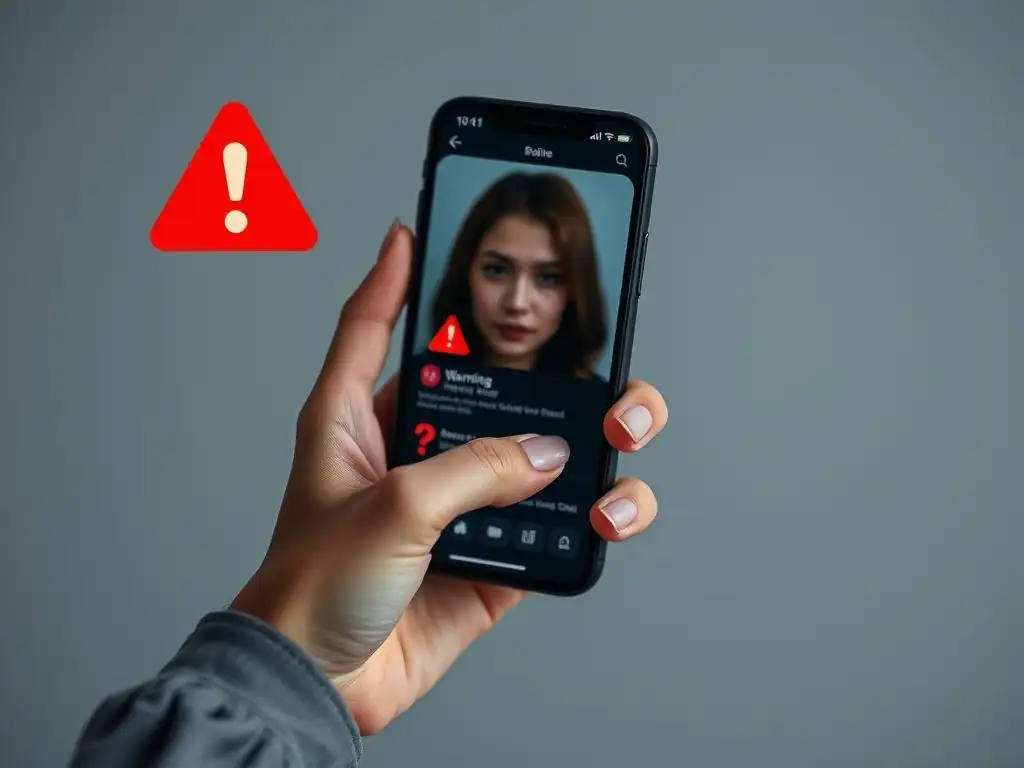
This section focuses on proactive measures you can take to significantly reduce your risk of encountering online dating scams and avoid becoming a victim. Remember, your safety and well-being are paramount. While no method guarantees complete protection, implementing these strategies dramatically improves your chances of a positive and secure online dating experience. We aim to empower you to navigate the digital dating world confidently and intelligently.
Verifying Profile Information: How to Confirm Their Identity
Verifying the information presented on a dating profile is crucial in avoiding online dating scams. Many scammers create elaborate fake profiles, complete with stolen photos and fabricated details. Don't rely solely on what you see; actively seek corroboration. A simple yet effective strategy involves cross-referencing information. For example, if their profile mentions working at a specific company, try searching for that company online and seeing if their name appears on the employee directory (if publicly available). This seemingly minor step can reveal inconsistencies and inconsistencies are a major red flag.
Another powerful technique is to perform a search for their name and any other identifying details mentioned, like their city or profession, on social media platforms like LinkedIn or Facebook. Do their profiles align with the information presented on the dating site? Discrepancies should raise immediate concern. Remember, even a small inconsistency can be a symptom of a larger problem. Be wary of profiles that lack detail or have inconsistent information across different platforms. This lack of transparency is a classic warning sign.
Furthermore, consider asking subtle questions that require specific knowledge. For instance, instead of asking "Where do you work? ", try "What’s the most challenging aspect of your job?". Genuine individuals will readily provide thoughtful answers; scammers might struggle to fabricate believable responses. This method allows you to assess their familiarity with the details they've provided. Always prioritize profiles that demonstrate transparency and consistency in their information. Trust your instincts; if something feels off, it likely is.
Using Reverse Image Search: Unmasking Fake Photos
One of the most common tactics employed by scammers is using stolen photographs. Fortunately, you can easily combat this deception using reverse image search tools. These tools allow you to upload an image and search for where else it appears online. If the same photo appears on multiple dating profiles or unrelated websites, it's a strong indication that the photo is stolen and the profile is likely fake.
Several free and readily available tools perform reverse image searches. Simply upload the profile picture and the tool will present you with a list of websites where the image appears. Pay close attention to the results; a single instance of the image on a stock photo website, for example, is not necessarily a red flag.
However, multiple occurrences on unrelated dating profiles or social media accounts are a clear warning sign. Always remember that a stolen photo is a significant indicator of a fake profile and a potential scam. Don't hesitate to use this powerful tool – it can save you from considerable heartache and potential harm.
Slow and Steady Communication: Building Trust Over Time
Rushing into a relationship online is a recipe for disaster, especially when dealing with potential scammers. Scammers often try to create a sense of urgency or intimacy early on to manipulate their victims. Resist this pressure. Take your time to get to know the person, and carefully observe their behavior and communication style over an extended period. Building trust requires patience and attentiveness.
Instead of immediate video calls, start with text-based communication. This allows you to observe their writing style and assess their responsiveness. Do they take a long time to respond, or do they constantly initiate contact? Pay attention to inconsistencies in their stories or any unusual requests for money or personal information.
Avoid sharing sensitive details too early in the process; building trust is a gradual process and should not be rushed. Remember, genuine connections develop organically; avoid situations that feel forced or overly intense. Prioritize safety and build trust gradually; this approach will significantly reduce your risk of falling victim to an online dating scam.
Utilizing Online Dating Platforms' Safety Features: Leveraging Built-in Protections

Online dating platforms are increasingly aware of the prevalence of scams and are actively implementing safety features to protect their users. Learning to use these tools is crucial to avoiding online dating scams and protecting yourself. Most platforms offer a range of functionalities designed to flag and report suspicious behavior, and to help users communicate securely. Understanding these features is a proactive step towards building a safer online dating experience.
For example, many platforms incorporate features that allow users to verify their profiles. This can involve confirming phone numbers, email addresses, or even connecting social media accounts. While not foolproof, verified profiles offer a higher degree of confidence that the person you are interacting with is who they claim to be. This verification process adds a layer of security and helps to weed out fake profiles, a common tactic used in online dating scams. Take advantage of these verification options; they are there to help you.
Another important safety feature to utilize is the platform's built-in messaging system. Avoid sharing personal contact information, such as your phone number or email address, before you feel comfortable and have established a level of trust. Stick to the platform's messaging system initially as this allows you to monitor interactions and provides a record of your communications. Many platforms also include features to block and report users.
Don't hesitate to use these tools if someone makes you feel uncomfortable or displays suspicious behavior. Your safety is paramount. Remember, a platform's features are there to protect you – use them! This proactive approach is key to avoiding online dating scams.
Reporting Suspicious Profiles: Helping to Keep Others Safe
Reporting suspicious profiles is not just about protecting yourself; it's about contributing to a safer online dating environment for everyone. If you encounter a profile that seems fake, uses stolen images, or exhibits other warning signs of fraudulent activity, report it immediately to the platform's administrators. Many platforms have clear reporting mechanisms, often accessible through a button or link on the user's profile. Use these tools! Your report can help prevent others from falling victim to similar scams.
When reporting a suspicious profile, be as detailed as possible. Provide specific examples of what raised your suspicions. This could include inconsistencies in the profile information, unusual requests for money or personal details, or the use of obviously fake or stock photos. The more information you provide, the more effectively the platform's administrators can investigate and take appropriate action.
Even if you're not certain, it's always better to err on the side of caution and report any profile that seems questionable. Remember, your action can directly impact the safety and well-being of other users. By reporting suspicious profiles, you are actively participating in creating a more secure space for online dating and helping to avoid online dating scams. This small act of vigilance can make a significant difference.
Building Healthy Online Dating Habits: Creating a Safe Online Experience
This section focuses on proactive strategies to minimize your risk of encountering deceptive profiles and avoid online dating scams. Building healthy online dating habits is crucial for a positive and safe experience. It's not just about spotting red flags; it's about establishing a secure foundation from the start. Think of it as preventative medicine for your online dating life.
Maintaining Healthy Boundaries: Protecting Your Personal Information
Protecting your personal information is paramount in online dating. Sharing too much too soon can make you vulnerable to scams and harassment. Avoid revealing sensitive details like your full address, workplace, or financial information until you've established trust and met in person. Even then, proceed with caution.
Remember, legitimate individuals will understand the need for privacy. Anyone pressuring you to disclose personal information prematurely should raise a red flag. Consider these best practices:
- Use a separate email address: Create a dedicated email account specifically for online dating. This helps maintain your privacy and prevents unwanted emails from flooding your personal inbox.
- Be cautious with phone numbers: Don't immediately share your personal phone number. Use the platform's messaging system initially to build rapport.
- Reverse image search: Before meeting someone, perform a reverse image search on their profile pictures. This can help identify if they're using stolen photos.
- Verify profiles: Check for inconsistencies in their profile information. Do their social media profiles match their dating profile? Are their claims verifiable?
- Avoid sharing financial information: Never send money or provide your bank details to someone you've met online, regardless of their story. This is a common tactic used in online dating scams.
Trusting Your Instincts: Recognizing When Something Feels Wrong
Your intuition is a powerful tool. If something feels off about a profile or interaction, don't dismiss it. Trust your gut feeling; it's often accurate. Many scams rely on manipulation and emotional pressure, so recognizing these tactics is key to avoiding them.
Here are some warning signs to watch out for:
- Inconsistent information: Discrepancies in their profile, stories, or behavior.
- Excessive flattery: Unrealistic compliments or overly enthusiastic messages.
- Pressure to move quickly: Attempts to rush the relationship or avoid meeting in person.
- Requests for money or financial assistance: This is a major red flag for many online dating scams.
- Avoidance of video calls: A reluctance to engage in video chats might indicate they are hiding their true identity.
- Grammar and spelling errors: While not always indicative of a scam, it can be a sign of a less-than-serious profile.
Educating Yourself on Online Dating Safety: Staying Informed and Aware
Staying informed is your best defense against online dating scams and deceptive profiles. Regularly review online dating safety resources and tips. Learn about common scams and techniques used by catfishers. Understanding these tactics empowers you to make informed decisions and protect yourself.
Consider these additional steps to enhance your online safety:
- Read the platform's safety guidelines: Familiarize yourself with the platform's safety features and reporting mechanisms.
- Report suspicious profiles: If you encounter a suspicious profile, report it to the dating platform immediately.
- Use strong passwords: Create strong, unique passwords for your online dating accounts.
- Keep your antivirus software updated: Ensure your computer and devices are protected against malware.
- Tell a friend or family member about your dates: Share information about your online interactions with someone you trust. Let them know when and where you're meeting someone you've met online.
By implementing these strategies and staying vigilant, you significantly reduce your risk of encountering deceptive profiles and avoid online dating scams, creating a safer and more positive online dating experience. Remember, your safety and well-being are paramount.
Seeking Support When Needed: Reaching Out for Help
Navigating the world of online dating can be emotionally taxing, and encountering a catfish profile can be particularly disheartening. Remember, you are not alone in this experience. Many people encounter deceptive profiles, and seeking support is a sign of strength, not weakness.
Don't hesitate to reach out to trusted friends, family members, or a therapist if you're feeling overwhelmed, anxious, or even experiencing feelings of betrayal or violation after discovering a catfish profile. Talking about your experience can help process the emotions and prevent isolation. Sharing your story can also help you gain perspective and realize that your experience is not uncommon.
The emotional impact of discovering a catfish profile can range from mild disappointment to significant distress. Some individuals might experience feelings of anger, sadness, embarrassment, or even a sense of violation. These feelings are entirely valid, and seeking professional help is a positive step toward healing and moving forward. A therapist can provide a safe and confidential space to explore these emotions, develop coping mechanisms, and work through the trauma associated with online deception. They can offer strategies for building resilience and trust in future online interactions.
Moreover, reporting suspicious profiles to the online dating platform is crucial. Most reputable platforms have mechanisms in place to investigate and remove fraudulent profiles. Reporting not only protects you but also helps prevent other users from falling victim to the same deception. While reporting a profile might not immediately resolve your emotional distress, it's an important step in contributing to a safer online dating environment for everyone.
Remember, your safety and well-being are paramount, and seeking help is a vital part of protecting yourself in the online dating world. Don't underestimate the power of support networks and professional guidance in overcoming the challenges of online deception. Taking care of your mental health is just as important as protecting your personal information. Prioritizing your well-being is a critical aspect of avoiding online dating scams and building healthy online dating habits.
Frequently Asked Questions
How can I spot a fake profile on a dating site?
Look for inconsistencies in photos, lack of personal details, or profiles that are too good to be true. Be wary of profiles with limited information or those that seem overly perfect. Reverse image search photos to verify authenticity.
What are common red flags to watch out for in online dating?
Beware of users who pressure you for personal information, avoid video calls, or ask for money. Also, be suspicious of profiles with generic or stolen photos, and inconsistent information. Trust your gut feeling; if something seems off, it probably is.
How can I protect myself from online dating scams?
Never send money or gifts to someone you've only met online. Verify their identity through multiple sources and avoid sharing sensitive information. Report suspicious profiles to the dating site immediately.
What should I do if I think I'm being scammed?
Stop all communication immediately. Gather all evidence of the interaction, including screenshots and messages. Report the scam to the dating site and to the appropriate authorities (such as the FTC or your local police).
Are there resources available to help me avoid online dating scams?
Yes! Websites like the FTC and the FBI offer valuable information and resources on identifying and avoiding online dating scams. Many dating sites also provide safety tips and guidelines. Utilize these resources to stay informed and protected.
Final Reflection: Unmasking the Truth in the Digital Dating World
The ease of creating deceptive online profiles has made navigating the world of online dating a minefield, demanding vigilance and a healthy dose of skepticism. The prevalence of catfishing, far from being a niche phenomenon, continues to impact countless individuals, causing emotional distress and, in some cases, significant financial loss. This reality underscores the urgent need for awareness and proactive strategies to protect ourselves in the digital sphere.
The insidious nature of catfishing lies not just in the immediate deception, but in the erosion of trust it creates. It chips away at our faith in genuine connection, leaving many feeling disillusioned and wary of forming meaningful relationships online. The internet is a powerful tool, but it can also be a dangerous place. We must be vigilant and protect ourselves from those who would exploit our trust.
This quote, though simple, encapsulates the core message of this article: caution and awareness are our strongest defenses against online deception. The impact of catfishing extends beyond individual experiences; it shapes our collective online behavior, influencing how we approach online interactions and fostering a climate of suspicion.
You, the reader, now possess the knowledge to navigate the complexities of online dating with greater confidence. Remember the strategies discussed – scrutinize profiles, verify information, proceed slowly, and trust your instincts. Don't let the fear of deception prevent you from finding genuine connection, but arm yourself with the tools to identify and avoid those who would seek to exploit your vulnerability. Embrace the power of critical thinking and build healthy online relationships based on authenticity and respect. Your safety and emotional well-being are paramount, and taking proactive steps to protect yourself is an act of self-love and empowerment.
Unmask Your Online Dating Confidence!
Thank you for learning how to spot fake profiles. You've gained valuable knowledge to navigate online dating safely and confidently! Ready to use this new knowledge?
- Review your dating profile: Be honest and transparent; authenticity attracts genuine connections. This will strengthen your online presence.
- Share this article: Help your friends avoid fake profiles and find genuine connections.
- Join our Online Dating Success community forum: Discuss experiences, share tips, and ask questions. Together, we can create a safer online dating environment.
What will you do today to improve your online dating safety and attract genuine connections?