
From Profile to Real Life: LGBTQ+ Online Dating Safety Tips You Can't Miss

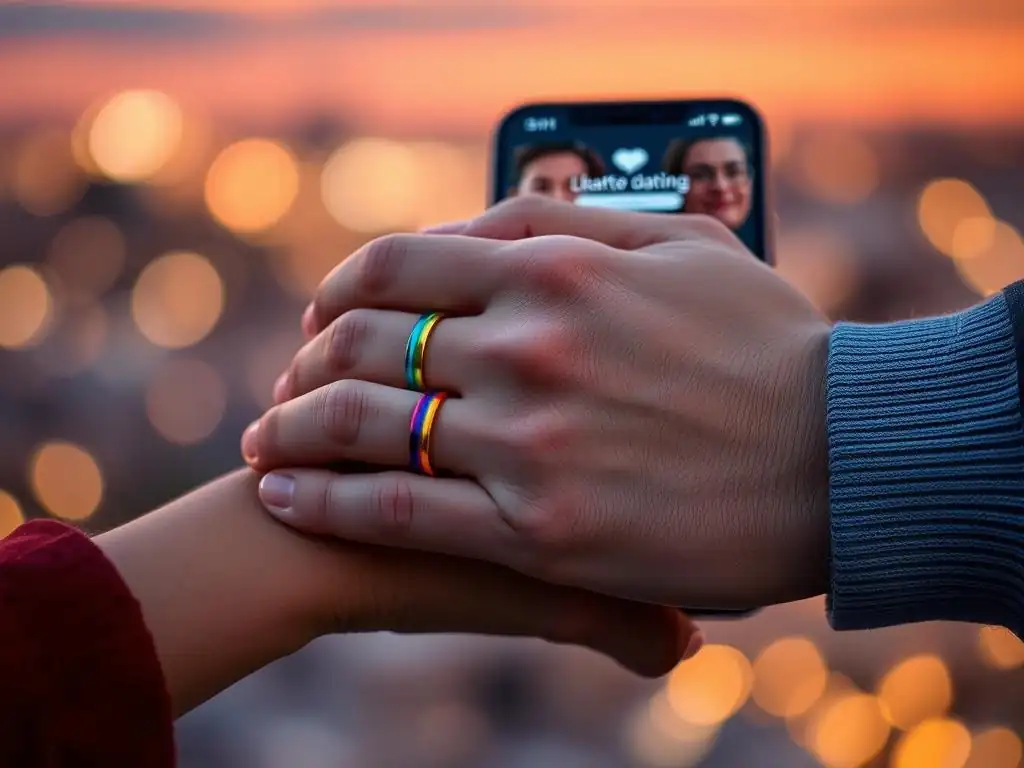
Welcome to OnlineDatingSuccess.org, your guide to navigating the exciting yet sometimes tricky world of online dating! Are you ready to find meaningful connections? We're dedicated to helping you achieve online dating success. But first, let's address a crucial aspect, especially within the LGBTQ+ community: safety. Discover essential LGBTQ+ dating safety tips in our latest article – crucial knowledge that can transform your online dating experience from risky to rewarding. Read on to learn how to create a safer and more fulfilling journey toward finding your perfect match.
- Protecting Your Identity: LGBTQ+ Dating Profile Privacy
- Safe Communication Strategies in LGBTQ+ Online Dating
- Meeting in Person: LGBTQ+ Dating Safety During First Encounters
- Building Healthy Relationships After Meeting Online
- Additional Resources for LGBTQ+ Online Dating Safety
-
Frequently Asked Questions
- How can I create a safe and inclusive online dating profile as an LGBTQ+ individual?
- What are some red flags to watch out for when communicating with potential matches online?
- How can I protect my personal information while online dating?
- What steps can I take to ensure a safe first date?
- What resources are available for LGBTQ+ individuals experiencing online dating harassment or abuse?
- Final Reflection: Navigating Love and Safety in the Digital Age
- Unleash Your Authentic Self: Take Control of Your Online Dating Safety
Protecting Your Identity: LGBTQ+ Dating Profile Privacy
Navigating the world of online dating can be exciting, but for members of the LGBTQ+ community, it's crucial to prioritize safety and privacy. This article provides essential LGBTQ+ dating safety tips to help you build meaningful connections while protecting your personal information. The online landscape presents unique challenges, and understanding how to mitigate risks is key to a positive and secure dating experience.
We'll cover everything from creating a safe profile picture to employing smart strategies for using pseudonyms, ensuring your journey through LGBTQ+ online dating is both rewarding and safe. Remember, your safety and well-being are paramount, and being proactive about online security is a crucial step in building healthy relationships. Let's dive into practical steps you can take to protect yourself.
Safe Profile Picture Selection for LGBTQ+ Dating
Choosing the right profile picture is the first step in creating a safe and effective online dating profile. Avoid using images that reveal too much personal information. For example, avoid pictures taken in front of your home, workplace, or other easily identifiable locations. A blurry background or a picture taken in a generic, non-descript location is always a safer option. Also, consider the level of visibility you're comfortable with.
A picture showing only your face is less revealing than a full-body shot. Remember, you are building a connection, and a safe profile picture can help you do that without compromising your security. Think about using a recent, clear picture that accurately represents your current appearance, but prioritize your safety above all else. This simple step can significantly reduce the risk of unwanted attention or identification.
Avoiding Oversharing Personal Information in Your LGBTQ+ Dating Profile
One of the most common mistakes in online dating is oversharing personal information. Avoid including details like your full address, workplace address, exact location, phone number, or other identifying information directly in your profile. Remember, even seemingly innocuous details can be pieced together by someone with malicious intent. Instead of stating your exact location, you might mention the general area you live in.
Likewise, avoid specifying your exact workplace. The goal is to create a profile that attracts genuine interest while maintaining a reasonable level of anonymity. Be mindful of what you share in messages too; avoid giving out personal details until you've established trust and met in person. Your online profile should be a window to your personality, not a detailed map of your life.
Smart Use of Pseudonyms and Nicknames for Enhanced LGBTQ+ Online Dating Safety
Using a pseudonym or nickname can add another layer of protection to your online dating experience. This doesn't mean you need to create a completely false identity, but using a variation of your name or a nickname can help maintain some privacy. Consider using a common nickname or a variation of your name that is less easily searchable. This can make it harder for someone to track you down through other online platforms.
However, be consistent with the name you use across different platforms to avoid confusion. Remember, the goal is to balance privacy with building authentic connections. While a pseudonym can provide an added layer of security, it shouldn't be used to deceive potential partners. Transparency and honesty are still crucial in building healthy relationships.
Protecting Your Location: Geo-Tagging and Privacy Settings in LGBTQ+ Dating Apps
Many LGBTQ+ dating apps utilize location services to connect users in close proximity. While convenient for finding local matches, this feature presents a significant privacy risk. Over-sharing your location can inadvertently reveal sensitive information about your home, workplace, or regular haunts, potentially endangering your safety. Think about it: a casual mention of your favorite coffee shop in your profile, combined with the app's precise location data, could give a malicious individual the information they need to track you.
Therefore, understanding and adjusting your app's location settings is crucial. Most apps allow you to control the precision of your location sharing. Instead of allowing the app to pinpoint your exact location, consider opting for a broader radius. This allows you to connect with people in your general area without revealing your precise address. This is a simple yet highly effective method for improving your online safety. Remember, you don't need to share your exact location to find compatible matches.
Furthermore, be mindful of the information you share within your profile. Avoid explicitly mentioning street names, landmarks easily identifiable with your home or workplace, or any other details that could be used to pinpoint your exact location. While you want to create an engaging profile, remember that less is sometimes more when it comes to protecting your personal information. A vague description of your neighborhood or a general area is far safer than revealing specific details. Many people successfully meet others without divulging their specific location until they feel comfortable and safe doing so.
Regularly review and update your privacy settings across all your dating apps. App developers often update their features and privacy policies, so it's important to stay informed about any changes that might affect your location sharing. Take the time to understand what information each app collects and how it's used, and make adjustments as needed to minimize your risk. Proactive privacy management is an essential part of responsible LGBTQ+ online dating. Don't underestimate the power of simple adjustments to your app's settings in protecting your personal safety and well-being.
Safe Communication Strategies in LGBTQ+ Online Dating

Navigating the world of LGBTQ+ online dating requires a proactive approach to safety. Open communication is key, but it's crucial to prioritize your well-being and personal information. This section will delve into strategies to foster safe and positive interactions while minimizing risks. Remember, your safety is paramount. Building trust takes time, and rushing into deep conversations or sharing personal details prematurely can expose you to potential harm.
Identifying and Avoiding Catfishing in the LGBTQ+ Community
Catfishing, the act of creating a fake online profile to deceive others, is unfortunately prevalent across all dating platforms, including those catering to the LGBTQ+ community. The vulnerability inherent in seeking connection can make LGBTQ+ individuals particularly susceptible. Therefore, heightened vigilance is crucial. How can you spot a catfish? Look for inconsistencies.
Do their photos seem too perfect? Do they avoid video calls persistently? A lack of detailed personal information or a reluctance to share specifics about their life should raise red flags. Reverse image searches can help verify the authenticity of their profile pictures. Furthermore, pay attention to their communication style.
Do they seem evasive, inconsistent, or overly enthusiastic too quickly? These could be signs of a fabricated persona. Remember, building trust takes time, and if something feels off, trust your instincts. Don't hesitate to end the conversation if you suspect deception. Prioritizing your safety is always the right choice.
Recognizing and Responding to Online Harassment in LGBTQ+ Dating
Online harassment, sadly, is a pervasive issue within the LGBTQ+ community, often manifesting as hateful messages, doxxing (sharing personal information without consent), cyberstalking, or even threats of violence. This can be particularly damaging given the already existing societal prejudices faced by many LGBTQ+ individuals. If you experience online harassment, document everything. Save screenshots of messages, profiles, and any other relevant evidence. Report the harassment to the dating platform immediately; most platforms have robust reporting mechanisms in place.
Block the harasser and consider reporting the incident to law enforcement if the harassment is severe or threatening. Remember, you are not alone. Many resources exist to support victims of online harassment, offering advice, counseling, and a safe space to share your experiences. Seeking help is a sign of strength, not weakness. Your well-being is paramount.
Secure Communication Channels: Avoiding Public Displays of Personal Info in LGBTQ+ Dating
Protecting your personal information is a cornerstone of online dating safety. Avoid sharing sensitive details like your full address, workplace, or exact location, especially in early stages of communication. Be wary of sharing identifying information on public profiles or in easily accessible spaces. Utilize private messaging features provided by dating apps whenever possible. Consider using a separate email address specifically for online dating interactions to maintain a level of privacy.
Before meeting in person, always verify the other person's identity through multiple methods, such as video calls or exchanging photos that are not already on their profile. If they resist these verification attempts, it's a significant red flag. Remember, cautious communication is not cold; it's responsible. Prioritizing your safety ensures you can enjoy the positive aspects of online dating without unnecessary risk. Staying informed and implementing these strategies helps create a safer and more positive online dating experience.
Vetting Potential Dates: Red Flags and Warning Signs in LGBTQ+ Online Interactions
Navigating the world of LGBTQ+ online dating requires a keen eye for potential red flags. While genuine connections abound, it's crucial to be vigilant and protect yourself from harmful interactions. Many red flags might seem subtle at first, so learning to recognize them is paramount for your safety and well-being. This isn't about being cynical, but rather about practicing informed consent and self-preservation.
One significant red flag is inconsistent information. Does their profile picture look significantly different from other photos they share? Do their descriptions of themselves change drastically over conversations? These inconsistencies could signal that they are not being truthful about their identity or intentions. Pay close attention to discrepancies, and don't hesitate to ask clarifying questions. Remember, it's perfectly acceptable to ask for verification – a simple request for another photo or a video call can often alleviate concerns.
Another warning sign is pressure to move quickly to offline interactions. A genuine connection develops organically, and rushing the process can be a major red flag. Be wary of anyone who pushes for an in-person meeting before you've had sufficient time to get to know each other online. A healthy relationship builds trust slowly, and pressuring you to bypass this crucial stage is a significant cause for concern. Prioritize building a strong online connection before considering meeting in person.
Furthermore, watch out for excessive flattery or overly intense compliments. While genuine compliments are lovely, excessive flattery can be manipulative. Be wary of individuals who shower you with compliments early on, especially if those compliments seem disproportionate to the amount of time you’ve spent interacting. This behavior can be a tactic to quickly build trust and manipulate your emotions. Trust your instincts; if something feels off, it probably is.
Finally, be cautious of anyone who avoids answering direct questions about themselves or their life. Open and honest communication is essential for building healthy relationships. If someone consistently dodges your questions or provides vague answers, it might be a sign that they are hiding something. Don't be afraid to gently probe further; genuine individuals will be happy to share information about themselves.
Remember, your comfort and safety are paramount. Trust your gut feeling; if something seems amiss, it's always better to err on the side of caution. Prioritizing your safety and well-being is never a sign of weakness; it’s a sign of strength and self-respect. Enjoy the journey of finding meaningful connections, but always remember to prioritize your safety.
Meeting in Person: LGBTQ+ Dating Safety During First Encounters
Meeting someone you've connected with online is an exciting step, but safety should always be your top priority, especially within the LGBTQ+ community. This section offers practical advice for navigating those first in-person encounters and minimizing potential risks. Remember, prioritizing your well-being is key to a positive dating experience. We'll cover crucial aspects to ensure your safety and comfort throughout the process.
Choosing Safe Meeting Locations for LGBTQ+ First Dates
Selecting the right location for your first date is paramount. Avoid secluded or isolated areas; instead, opt for well-lit, public spaces where you'll feel comfortable and secure. Consider locations with:
- High foot traffic: Coffee shops, restaurants, or bustling parks during daylight hours offer a sense of security.
- Easy access to transportation: This allows for a quick and safe exit if needed.
- Clear visibility: Choose places where you're easily seen by others, reducing the risk of unwanted attention.
Avoid meeting at someone's home or a private residence for the first date. This significantly increases vulnerability. A public place provides a layer of protection and allows you to assess the situation more easily. Think about venues that provide a comfortable atmosphere for LGBTQ+ individuals, ensuring you feel accepted and at ease. Remember, your comfort and safety are essential.
Informing Friends and Family of Your Plans for a LGBTQ+ Date
Transparency is your best ally. Before your date, share your plans with a trusted friend or family member. This includes:
- The person's name and profile information: Provide as much detail as possible, including their online profile link if comfortable.
- The date, time, and location: Be precise about where and when you'll be meeting.
- Check-in times: Agree on times to check in with your friend or family member during and after the date. This provides a safety net and ensures someone is aware of your whereabouts.
This proactive measure gives your loved ones peace of mind and provides a support system should anything unexpected happen. It's a simple yet powerful tool for enhancing your safety. Consider sharing your date's contact information as well, which could be helpful in emergency situations.
Using Ride-Sharing Services for Enhanced Safety on LGBTQ+ Dates
Utilizing ride-sharing apps offers an extra layer of security, especially for first dates. This avoids the potential risks associated with driving yourself or relying on your date for transportation. Here's why ride-sharing is beneficial:
- Tracking your location: The app tracks your journey, providing a record of your movements.
- Enhanced visibility: You're less vulnerable in a public vehicle than walking alone at night.
- Easy access to help: If you feel uncomfortable, you can easily contact the driver or call for help through the app.
Remember to share your ride details with your support network, further enhancing your safety and allowing them to track your progress. Choose reputable ride-sharing services and always confirm the driver's identity before getting into the vehicle. Never hesitate to cancel a ride if you feel unsafe at any point. Prioritizing your safety is always the right decision. Your well-being is paramount in navigating the world of LGBTQ+ dating.
Trusting Your Instincts: Recognizing Unsafe Situations During LGBTQ+ Dates
Your gut feeling is your most powerful tool. Learning to trust your instincts is crucial for LGBTQ+ dating safety. If something feels off, even if you can't pinpoint exactly why, don't dismiss it. This could manifest in several ways. Perhaps their behavior doesn't align with their online persona, or maybe the date location feels isolating or uncomfortable. Remember, you're not obligated to continue a date if it makes you feel uneasy, regardless of how far you've progressed. Prioritizing your safety and well-being is paramount. Don't worry about appearing rude; your safety always comes first.
A common scenario involves a date pressuring you to drink more alcohol than you're comfortable with. This is a significant red flag. Alcohol can impair your judgment and make you more vulnerable. Always maintain control over your consumption and never feel pressured to drink more than you want. Similarly, if your date tries to isolate you from your friends or family, or steer the conversation towards topics that make you uncomfortable, this is cause for concern. These actions could be subtle attempts to manipulate or control you.
Consider the location of your first date. Public, well-lit spaces are always the safest option. Avoid secluded areas, private residences, or poorly-lit venues. If your date suggests a place that makes you feel uneasy, propose an alternative. It's perfectly acceptable to suggest a coffee shop or a busy restaurant instead of a quiet bar or someone's home. Remember, a safe and comfortable environment is essential for a positive dating experience.
If at any point during the date you feel unsafe or threatened, trust your instincts and find a way to leave. Having a pre-planned exit strategy, like a friend who can call or text you, can provide additional peace of mind. Your safety is not negotiable. Don't hesitate to end the date if necessary, even if it means being abrupt. Your well-being is far more important than politeness.
Building Healthy Relationships After Meeting Online

Building a healthy relationship after meeting someone online, especially within the LGBTQ+ community, requires careful consideration and proactive steps. It's crucial to remember that the initial online connection is just the first step; building trust and a strong foundation takes time and effort. Many LGBTQ+ individuals face unique challenges, including societal biases and discrimination, that can impact relationship dynamics. Therefore, fostering a safe and supportive environment is paramount.
Establishing Healthy Boundaries in LGBTQ+ Relationships
Establishing healthy boundaries is fundamental to any successful relationship, but it's particularly crucial in the LGBTQ+ community where individuals may have experienced past trauma or discrimination impacting their ability to set and maintain boundaries. These boundaries can encompass various aspects of the relationship, including:
- Physical Boundaries: Defining comfortable levels of physical intimacy, respecting each other's personal space, and ensuring consent at every step. For instance, clearly communicating comfort levels with physical affection, such as kissing or touching.
- Emotional Boundaries: Protecting one's emotional well-being by setting limits on emotional sharing, avoiding oversharing early in the relationship, and respecting each other's need for space and independence. This might involve establishing clear communication about emotional needs and expectations.
- Digital Boundaries: Setting limits on communication frequency, sharing personal information online, and respecting each other's privacy on social media. This includes being mindful of what information is shared early on in a relationship and avoiding over-reliance on digital communication.
- Financial Boundaries: Establishing clear expectations regarding financial contributions and expenses, avoiding situations that may create financial dependence or imbalance. Openly discussing financial matters and establishing shared responsibilities early on helps prevent misunderstandings.
Remember, healthy boundaries aren't about control; they're about mutual respect and understanding. Open communication is key to establishing and maintaining these boundaries.
Communicating Openly and Honestly in LGBTQ+ Relationships
Open and honest communication is the bedrock of any strong relationship, particularly within the LGBTQ+ community. Many LGBTQ+ individuals may have experienced a lack of acceptance or understanding from family and friends, making open communication particularly crucial for building trust and intimacy. This includes:
- Addressing Difficult Topics: Tackling challenging conversations about past experiences, relationship expectations, and personal values with empathy and respect. This might involve creating a safe space for vulnerability and sharing personal experiences, especially those related to past trauma or discrimination.
- Active Listening: Truly listening to your partner's perspective, validating their feelings, and showing genuine interest in their thoughts and experiences. This can significantly improve the quality of communication and build stronger emotional connections.
- Non-Violent Communication: Employing techniques of non-violent communication to express needs and concerns without resorting to blaming or aggression. This approach emphasizes empathy and understanding, ensuring that communication remains respectful and productive.
- Seeking Professional Help: If communication difficulties persist, seeking professional guidance from a therapist specializing in LGBTQ+ relationships can provide valuable tools and strategies for improving communication skills and resolving conflicts constructively. This is especially important when dealing with complex issues or past traumas.
Seeking Support: Resources for LGBTQ+ Relationships and Safety
Navigating relationships within the LGBTQ+ community can present unique challenges. Thankfully, many resources are available to provide support and guidance. Knowing where to turn for help is crucial for maintaining healthy relationships and ensuring safety. These resources include:
- LGBTQ+ Support Groups: Connecting with other LGBTQ+ individuals facing similar challenges can offer valuable emotional support and a sense of community. These groups provide a safe space to share experiences and receive encouragement from peers.
- Mental Health Professionals: Therapists specializing in LGBTQ+ issues can offer individual or couples therapy to address relationship challenges, manage stress, and build coping mechanisms. Seeking professional help is a sign of strength and can significantly improve relationship dynamics.
- LGBTQ+ Organizations: Numerous organizations provide resources, information, and advocacy for LGBTQ+ individuals. These organizations often offer hotlines, online resources, and community events, providing a valuable network of support.
- Domestic Violence Hotlines: In cases of abuse or domestic violence, it's crucial to reach out to specialized hotlines for immediate help and support. These hotlines provide confidential assistance and connect individuals with resources to ensure their safety and well-being.
Remember, building healthy and safe relationships takes time, effort, and a commitment to open communication and mutual respect. Utilizing available resources and prioritizing your well-being are vital steps in creating a fulfilling and supportive partnership.
Additional Resources for LGBTQ+ Online Dating Safety
This section provides supplemental information beyond the core safety tips, focusing on organizations and resources specifically designed to support the LGBTQ+ community in online dating and beyond. Navigating the complexities of online dating requires a multifaceted approach, and utilizing these resources can significantly enhance your safety and well-being. Remember, your safety is paramount, and seeking help is a sign of strength, not weakness.
LGBTQ+ Organizations Offering Safety and Support
Many LGBTQ+ organizations offer crucial support services, extending beyond just dating safety. These organizations provide a safe space to report incidents, access counseling, and connect with others facing similar challenges. They often have dedicated helplines and online resources tailored to address the unique concerns of LGBTQ+ individuals, including those related to online harassment, discrimination, and safety in dating apps. Finding an organization in your local area or one that aligns with your specific needs can be invaluable.
Some organizations may offer specific workshops or webinars on online safety, providing practical strategies and empowering you to better protect yourself. It’s important to research organizations carefully to find one that meets your needs and provides a comfortable and supportive environment. For example, [Specific organization names and contact information pending] could provide valuable resources. Remember to always check the legitimacy and reputation of any organization before sharing personal information.
Reporting Mechanisms for Online Harassment and Abuse in LGBTQ+ Dating Apps
Most popular dating apps have built-in reporting mechanisms for harassment and abuse. These mechanisms vary slightly from app to app, but generally involve flagging profiles or messages that violate the app's terms of service. It's crucial to utilize these tools whenever you encounter inappropriate behavior, such as hate speech, threats, or unwanted sexual advances.
Documenting these incidents with screenshots or other evidence can strengthen your report. While the effectiveness of these reporting mechanisms can vary, actively reporting incidents helps dating apps improve their safety features and hold perpetrators accountable. The more users report inappropriate behavior, the more likely it is that the apps will take action to improve their safety measures.
Consider also reporting these incidents to law enforcement if the harassment escalates or involves threats of violence. Remember to prioritize your safety and well-being, and don't hesitate to seek support from friends, family, or LGBTQ+ organizations if you experience online harassment or abuse.
Staying Informed: Following LGBTQ+ Online Safety News and Updates
The landscape of online safety is constantly evolving, with new threats and vulnerabilities emerging regularly. Staying informed about the latest safety news and updates related to LGBTQ+ online dating is crucial for proactive protection. Following LGBTQ+ advocacy groups, tech news outlets, and cybersecurity experts on social media and through newsletters can keep you abreast of emerging threats and best practices.
This proactive approach allows you to adapt your online behavior and enhance your safety measures accordingly. Be aware of scams and phishing attempts targeting LGBTQ+ individuals in online dating, and always be cautious about sharing personal information. Regularly review your privacy settings on dating apps and social media platforms to ensure your information is protected.
This continuous learning process is essential to navigating the complexities of online dating safely and confidently within the LGBTQ+ community. Learning about the latest scams and staying informed on safety updates helps you stay ahead of potential risks and protects your online well-being. Remember to always be vigilant and prioritize your safety.
Frequently Asked Questions
How can I create a safe and inclusive online dating profile as an LGBTQ+ individual?
Use a profile picture that clearly shows your face and avoid overly revealing images. Highlight your interests and what you're looking for in a partner to attract compatible matches. Remember to be yourself and express your authentic identity.
What are some red flags to watch out for when communicating with potential matches online?
Be wary of anyone who is vague about their personal details, pressures you to meet offline too quickly, or asks for financial assistance. Inconsistencies in their stories or overly flattering language should also raise concerns. Report any suspicious behavior immediately.
How can I protect my personal information while online dating?
Avoid sharing your full name, address, workplace, or other sensitive personal information too early. Use a separate email address for online dating and be cautious about clicking on links from unknown senders. Verify the identity of your matches before sharing anything sensitive.
What steps can I take to ensure a safe first date?
Always meet in a public place for your first date. Let a friend or family member know where you're going, who you're meeting, and when you expect to be back. Trust your instincts: if something feels off, leave the date immediately.
What resources are available for LGBTQ+ individuals experiencing online dating harassment or abuse?
Many LGBTQ+ organizations offer support and resources for those experiencing online harassment. You can also report abusive behavior to the dating app or website directly. Consider seeking support from trusted friends, family, or mental health professionals.
The digital landscape offers unprecedented opportunities for connection, but for LGBTQ+ individuals, online dating presents unique challenges that demand vigilance and awareness. The fight for visibility and acceptance shouldn't come at the cost of personal safety, and understanding the risks involved is the first step towards building a safer and more inclusive online dating experience.
The impact of online spaces on LGBTQ+ lives is profound, shaping how we find community, build relationships, and navigate the complexities of self-discovery. The ease of connection online, while revolutionary, also exposes us to potential dangers that require careful consideration. As we move forward, it's crucial to remember that genuine connection should never compromise our safety. We must always remember that love and safety are not mutually exclusive; they are two sides of the same coin, both essential for a fulfilling life.
This sentiment underscores the need for continuous education and proactive measures to ensure our online interactions are both enriching and safe.
Now, consider your own online interactions. What steps can you take to protect yourself and others? How can you contribute to a more supportive and secure online community for LGBTQ+ individuals? Let's work together to create a digital space where love and safety thrive, where authenticity is celebrated, and where every connection is built on a foundation of mutual respect and understanding. Take control of your online safety, and embrace the possibilities of connection with confidence and care.
Unleash Your Authentic Self: Take Control of Your Online Dating Safety
Thank you for learning about staying safe while navigating the world of LGBTQ+ online dating! We hope you found the tips helpful and empowering. Now, let's put that knowledge into action.
- Prioritize your safety: Review the key safety measures discussed and update your dating profile accordingly. This is crucial. Sharing this article with friends and family can foster mutual support and awareness.
- Join the Conversation: Share your safety tips and experiences in the comments below. Let's build a supportive community where everyone feels safe and empowered.
- Find Additional Resources: Explore LGBTQ+-specific online safety resources. Many organizations offer valuable support and guidance.
Ready to build a positive and safe dating experience? What's one specific step you will take today to improve your online dating safety?