
Building a Movement: Collective Action Against Discrimination in LGBTQ+ Dating

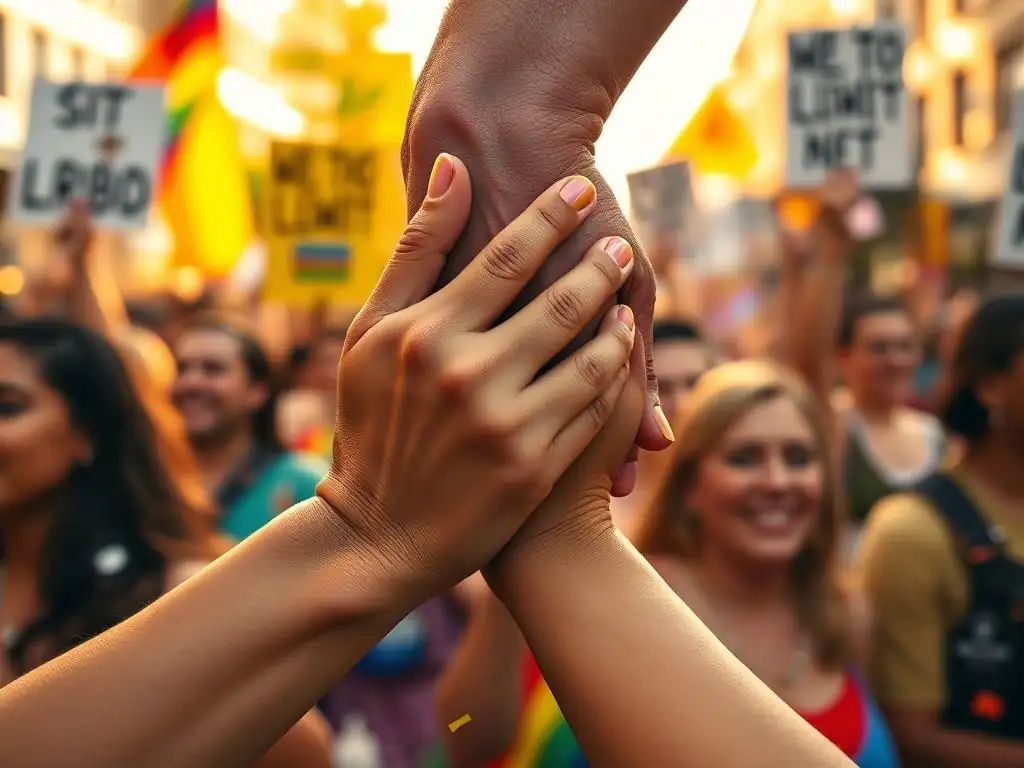
Ready to rewrite your online dating story? At OnlineDatingSuccess.org, we're dedicated to helping you find meaningful connections. But what happens when the system itself presents obstacles? This is why we're tackling the critical issue of LGBTQ+ dating discrimination, offering practical solutions and empowering you to navigate the challenges and build a more inclusive dating experience. Discover how to overcome discrimination and find the love you deserve – dive into our article, "Building a Movement: Collective Action Against Discrimination in LGBTQ+ Dating," and join the conversation.
- Understanding LGBTQ+ Dating Discrimination: Types and Impacts
- Building a Supportive Community: Strategies for Collective Action
- Taking Individual Action: Empowering Yourself Against Discrimination
- Advocating for Change: Influencing Policy and Platform Practices
-
Long-Term Strategies for Eradicating LGBTQ+ Dating Discrimination: A Vision for the Future
- Promoting Positive Representation and Visibility for Diverse LGBTQ+ Identities
- Fostering Empathy and Understanding Through Education and Dialogue
- Cultivating a Culture of Respect and Inclusion in Online Dating Spaces
- The Role of Technology in Preventing and Addressing Discrimination in LGBTQ+ Dating
-
Frequently Asked Questions
- What is the biggest challenge LGBTQ+ individuals face in online dating?
- How can I report discrimination I experience on a dating app?
- What kind of collective action can be taken against LGBTQ+ dating discrimination?
- Are there any specific dating apps or websites better for LGBTQ+ individuals?
- How can I create a profile that minimizes the risk of discrimination?
- Final Reflection: The Urgent Need for Inclusive Love
- Ignite Your Impact: Join the Fight for Inclusive Dating
Understanding LGBTQ+ Dating Discrimination: Types and Impacts
Navigating the world of online dating can be challenging for anyone, but for members of the LGBTQ+ community, the experience is often fraught with unique obstacles. This article delves into the pervasive issue of discrimination within LGBTQ+ dating, exploring its various forms, impacts, and potential solutions. We'll examine how subtle biases and overt prejudice manifest online, analyze their detrimental effects on mental well-being, and identify systemic problems within dating platforms themselves.
Ultimately, we aim to foster a collective understanding of the problem and inspire collaborative action towards creating safer, more inclusive spaces for LGBTQ+ individuals seeking connection and love. This is crucial because tackling LGBTQ+ dating discrimination isn't just about individual experiences; it's about building a movement to dismantle systemic inequalities and foster genuine acceptance.
The goal is to empower LGBTQ+ daters and create a more positive and equitable online dating landscape for everyone. We will explore practical strategies and solutions to combat this discrimination, offering actionable steps towards a more inclusive future.
Recognizing Microaggressions and Subtle Biases in Online Dating Profiles
Microaggressions, seemingly small acts of discrimination, often go unnoticed but cumulatively contribute to a hostile environment. In LGBTQ+ online dating, these can manifest in various ways. For example, a profile might subtly express homophobia or transphobia through seemingly innocuous phrasing or imagery.
A seemingly harmless statement like "looking for someone traditional" can inadvertently exclude non-binary individuals or those in same-sex relationships. Similarly, the use of gendered language in profile descriptions can unintentionally exclude or misgender transgender and gender non-conforming individuals. Furthermore, the prevalence of certain stereotypes in profile pictures or descriptions can reinforce harmful narratives and contribute to a feeling of exclusion.
Analyzing profiles for subtle biases requires careful attention to detail and a conscious effort to recognize the cumulative impact of seemingly minor instances of prejudice. This includes being mindful of language used, images selected, and the overall tone conveyed in a profile. The seemingly innocuous can, in fact, be incredibly harmful.
Consider, for example, a profile explicitly stating a preference for "cisgender men" – while seemingly straightforward, this excludes a significant portion of the LGBTQ+ community. Conversely, profiles that avoid explicitly mentioning gender or sexual orientation might unintentionally create a sense of unease or uncertainty for LGBTQ+ users who are seeking inclusivity. Recognizing these subtle biases is the first step towards creating more welcoming and respectful dating profiles. We must actively challenge these norms and promote language and imagery that reflect inclusivity and respect for all identities.
The Impact of Discrimination on Mental Health and Self-Esteem in LGBTQ+ Dating
The constant exposure to discrimination in online dating can have profoundly negative impacts on the mental health and self-esteem of LGBTQ+ individuals. Rejection, often stemming from prejudice, can lead to feelings of isolation, loneliness, and self-doubt. The cumulative effect of repeated negative experiences can significantly impact mental well-being, potentially leading to anxiety, depression, and even suicidal ideation.
Studies [specific information pending] have shown a correlation between experiences of discrimination and increased rates of mental health issues within the LGBTQ+ community. The constant need to navigate prejudice adds an extra layer of stress and emotional labor to the already complex process of dating.
Furthermore, the pressure to conform to societal expectations and present a specific image can lead to feelings of inauthenticity and self-consciousness. Internalized homophobia or transphobia, often stemming from societal pressures, can further exacerbate the negative impacts of discrimination. This internal struggle can intensify the emotional toll of facing rejection or prejudice online.
It is crucial to acknowledge the significant mental health implications of LGBTQ+ dating discrimination and provide adequate support and resources to those affected. Open conversations, access to mental health services, and supportive communities are essential in mitigating the harmful effects of this discrimination. The creation of safe spaces, both online and offline, is paramount in fostering resilience and promoting positive self-esteem.
Identifying Systemic Issues and Barriers in LGBTQ+ Dating Platforms
Beyond individual acts of prejudice, systemic issues within LGBTQ+ dating platforms themselves contribute to discrimination. This includes inadequate reporting mechanisms for hate speech or harassment, a lack of robust verification processes that allow for the proliferation of fake profiles and catfishing, and algorithms that may inadvertently reinforce biases. The design of dating apps and websites can inadvertently create barriers to inclusion.
For instance, limited options for specifying gender identity or sexual orientation can exclude individuals whose identities fall outside the binary. Furthermore, the focus on physical appearance in many platforms can create an environment where individuals feel pressured to conform to specific beauty standards, leading to feelings of inadequacy and exclusion.
The lack of sufficient moderation and community guidelines specifically addressing LGBTQ+ discrimination is another critical issue. Dating platforms need to actively work towards creating environments where reports of prejudice are taken seriously and addressed promptly. This includes investing in technology and human resources to moderate content effectively and ensure accountability for discriminatory behavior.
Moreover, platforms should actively promote inclusivity through educational campaigns and resources that address issues of discrimination and promote understanding. Creating a truly inclusive online dating experience requires a multifaceted approach that addresses both individual biases and systemic issues within the platforms themselves. This necessitates collaboration between platform developers, LGBTQ+ organizations, and users to build a more equitable and safe digital space for all.
Building a Supportive Community: Strategies for Collective Action
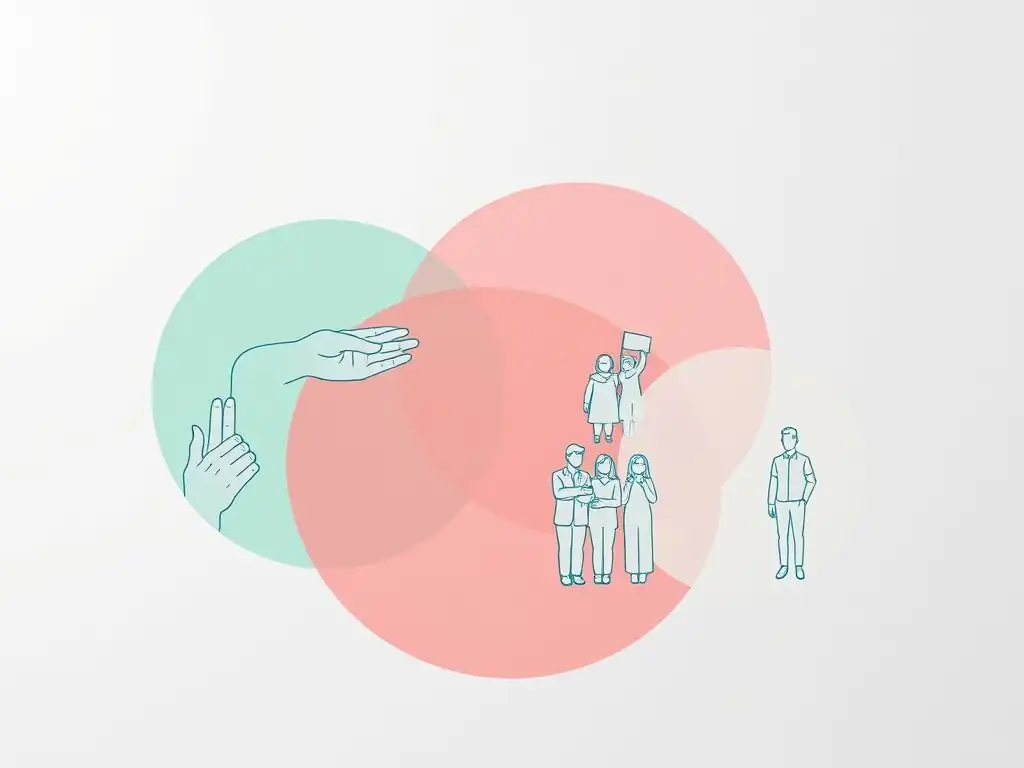
Building a strong and resilient LGBTQ+ online dating community requires proactive strategies to combat discrimination. This isn't just about individual resilience; it's about collective action to create a safer and more inclusive environment for everyone. We need to move beyond simply tolerating prejudice and actively work towards eliminating it. The following strategies focus on fostering support networks and empowering individuals to fight back against discrimination. Effective solutions for LGBTQ+ dating discrimination often involve a multi-pronged approach.
Creating Safe Spaces and Online Forums for LGBTQ+ Daters
Creating safe spaces is paramount. These spaces should be more than just online forums; they need to foster a sense of belonging and provide practical support. Imagine a platform where users can share their experiences, both positive and negative, without fear of judgment or reprisal. This requires robust moderation policies to quickly address hateful comments or discriminatory behavior. Think of it as a digital sanctuary – a place where users can find comfort, advice, and strategies for dealing with discrimination.
This isn't just about passive support. Active engagement is key. Consider incorporating features like:
- Peer-to-peer support groups: Connecting users with similar experiences to share coping mechanisms and advice.
- Resource directories: Providing links to relevant organizations, legal aid, and mental health services.
- Educational materials: Offering information on LGBTQ+ rights, anti-discrimination laws, and strategies for reporting harassment.
- Anonymous reporting mechanisms: Allowing users to report incidents of discrimination without revealing their identities.
Successful implementation requires dedicated moderators and community managers who are both empathetic and knowledgeable about the issues facing LGBTQ+ daters. These individuals should be trained to identify and address discriminatory behavior effectively and compassionately. The focus should be on empowering users and fostering a culture of mutual respect and support. Data on user engagement and feedback mechanisms are crucial for continuous improvement.
Reporting mechanisms are crucial. Many dating platforms have established reporting systems, but their effectiveness varies greatly. To maximize impact, we need to:
- Standardize reporting protocols: Develop a clear and concise method for reporting incidents, including specific examples and evidence.
- Demand transparency and accountability: Dating platforms must be held accountable for their response to reports. This includes tracking the number of reports received, the actions taken, and the outcomes. Transparency builds trust.
- Collaborate with legal authorities: In cases of serious harassment or hate crimes, reporting to the appropriate law enforcement agencies is essential. This requires clear guidelines on when and how to involve legal professionals.
Consider this example: A user experiences persistent homophobic messaging. They report this through the platform's internal system, providing screenshots as evidence. The platform, however, fails to take action. This user, empowered by the community resources and legal information available, then reports the incident to both the platform's customer service and the relevant authorities, citing violations of anti-discrimination laws. This combined approach increases the likelihood of a positive outcome. This proactive approach is vital for creating meaningful change. Data on successful reporting outcomes, while sensitive, can be anonymized and used to inform future strategies.
Educating and Raising Awareness Within the LGBTQ+ Community and Beyond
Education is the cornerstone of lasting change. Combating LGBTQ+ dating discrimination requires a multifaceted approach to education that extends beyond the LGBTQ+ community itself. This includes:
- Developing educational campaigns: Targeted campaigns can raise awareness about the prevalence of discrimination and promote strategies for prevention and intervention.
- Partnering with LGBTQ+ organizations: Collaborating with existing organizations expands reach and leverages their expertise.
- Engaging allies: Educating cisgender and heterosexual individuals about the challenges faced by LGBTQ+ daters fosters empathy and encourages allyship.
For example, a campaign could focus on bystander intervention techniques, teaching users how to safely and effectively intervene when they witness discriminatory behavior online. Another campaign could focus on media literacy, equipping users to critically assess online content and identify potential biases or hateful messages. This holistic approach combines proactive education with resources that directly support victims of discrimination. Tracking the impact of these educational initiatives through surveys and feedback is essential for assessing their effectiveness and making necessary adjustments. The goal is to cultivate a culture of inclusivity and respect, where discrimination is not tolerated.
Collaborative Efforts with LGBTQ+ Organizations and Allies
Building a robust movement against LGBTQ+ dating discrimination requires strategic partnerships. Collaborating with established LGBTQ+ organizations and their allies amplifies our collective voice and expands our reach significantly. These organizations often possess extensive networks, pre-existing resources, and a deep understanding of the challenges faced by the community.
By working together, we can leverage their expertise and resources to create more impactful initiatives. For example, partnering with a local LGBTQ+ center allows us to utilize their space for workshops, support groups, or even community events focused on safe online dating practices. This shared space fosters a sense of community and provides a safe environment for open dialogue and shared experiences.
Furthermore, collaborations extend beyond physical spaces. Many organizations have robust online platforms and social media presences that can be harnessed to disseminate information, promote awareness campaigns, and reach a wider audience. Jointly creating and sharing informative content—such as blog posts, infographics, or videos—can be incredibly effective in educating users about discrimination and promoting safer online dating practices.
This collaborative content creation not only increases visibility but also ensures that the message is consistent and resonates deeply within the target community. The combined expertise of different organizations can lead to more nuanced and effective messaging, encompassing a diverse range of perspectives and experiences. This collaborative approach is crucial for reaching a broader audience and creating a more inclusive and equitable online dating experience for all.
Beyond joint campaigns and resource sharing, collaborating with allies—including organizations focused on broader social justice issues—is equally important. These partnerships can open doors to new funding opportunities, access wider networks of support, and broaden the overall impact of our anti-discrimination efforts. For instance, partnering with organizations focused on digital safety or online harassment can bring valuable expertise in addressing specific online threats faced by LGBTQ+ individuals.
This cross-sector collaboration ensures a more holistic and effective response to the complex issue of online dating discrimination. The strength of a collective approach lies in its ability to leverage diverse skills and resources, ultimately creating a more supportive and inclusive environment for everyone.
Taking Individual Action: Empowering Yourself Against Discrimination
Navigating the world of LGBTQ+ dating can be challenging, and unfortunately, encountering discrimination is a harsh reality for many. While collective action is crucial, individual empowerment is equally vital in combating LGBTQ+ dating discrimination. This section focuses on practical strategies you can employ to protect your mental health and build resilience in the face of prejudice. Remember, your well-being is paramount, and taking proactive steps to shield yourself from negativity is a form of self-care. This empowers you to participate more fully and confidently in the LGBTQ+ dating scene, contributing to a more inclusive environment for all.
Developing Resilience and Self-Compassion in the Face of Rejection
Rejection is a part of dating, regardless of sexual orientation or gender identity. However, for members of the LGBTQ+ community, rejection can often be laced with additional layers of prejudice and hurtful biases. Developing resilience is key. This involves actively challenging negative self-talk and reframing experiences. Instead of internalizing hurtful comments or actions as reflections of your inherent worth, recognize them as the prejudices of the individual, not a judgment on you.
Practice self-compassion. Treat yourself with the same kindness and understanding you would offer a friend facing similar challenges. Engage in activities that nurture your self-esteem – whether it's spending time with loved ones, pursuing hobbies, or practicing mindfulness. Journaling can be a powerful tool; writing down your feelings can help process negative emotions and identify patterns of discriminatory behavior. Remember, your value is inherent and not dependent on validation from others. The right person will appreciate you for who you are. 💖
Setting Boundaries and Protecting Your Mental Well-being Online
Protecting your mental well-being in the online dating world requires establishing clear boundaries. This includes carefully considering what information you share and with whom. Avoid oversharing personal details early in conversations, particularly sensitive information that could be used to target or discriminate against you.
Utilize the blocking and reporting features available on dating apps and platforms. Don't hesitate to report hateful messages, discriminatory behavior, or any form of harassment. Many platforms have robust systems in place to address such issues, and reporting helps create a safer environment for everyone. Consider limiting your time on dating apps if you find them consistently draining or triggering. Prioritize your mental health; stepping away is not a sign of weakness but a sign of self-preservation. Remember, you deserve a positive and respectful online experience.
Choosing the Right Dating Platforms and Apps for Your Needs
Not all dating platforms are created equal. Some are demonstrably more inclusive and supportive of the LGBTQ+ community than others. Researching and selecting platforms known for their strong commitment to inclusivity and safety is a proactive step in minimizing exposure to discrimination. Look for apps that have robust verification processes and clear community guidelines addressing prejudice and harassment.
Read user reviews and seek recommendations from other LGBTQ+ individuals to gain insights into the experiences of others. Choosing a platform that prioritizes safety and inclusivity is a powerful act of self-care and contributes to a more positive dating experience. Prioritizing your safety and well-being is crucial in combating LGBTQ+ dating discrimination. By actively choosing inclusive platforms, you're supporting a more welcoming environment for yourself and others.
Utilizing Online Safety Tools and Reporting Mechanisms
Online dating platforms, while offering opportunities for connection, can unfortunately also be breeding grounds for discrimination. Knowing how to leverage built-in safety features and reporting mechanisms is crucial for LGBTQ+ individuals navigating these spaces. Many platforms now offer robust tools to help users manage their safety and privacy, and reporting inappropriate behavior is often a straightforward process.
For example, most major dating apps provide blocking and reporting features. Blocking allows you to prevent specific users from contacting you, a simple yet effective way to manage unwanted interactions. Reporting mechanisms, often accessed through a user's profile settings or within individual messages, allow you to flag profiles or messages containing discriminatory language, hateful imagery, or threatening behavior.
It's vital to utilize these features promptly and thoroughly. Detailed reports, including screenshots or copies of offensive messages, significantly aid the platform in taking appropriate action. Remember to save evidence of harassment for your own records as well, in case you need it for further action.
The effectiveness of these reporting mechanisms varies across platforms. Some apps are demonstrably quicker and more responsive to reports of discrimination than others. Researching a platform's track record regarding LGBTQ+ safety and their response to hate speech is advisable before creating a profile. Look for platforms that actively promote inclusivity and demonstrate a commitment to fostering safe spaces for all users.
Reading user reviews and testimonials can also offer insights into a platform's effectiveness in addressing harassment and discrimination. Don't hesitate to switch platforms if you consistently encounter issues with a particular app’s response to reports. Your safety and well-being are paramount.
Beyond the platform's own tools, consider utilizing additional online safety measures. This could include using a separate email address specifically for online dating, being mindful of the information you share in your profile, and avoiding sharing personally identifiable information (PII) prematurely. Remember, building trust takes time, and protecting your privacy is a continuous process.
By combining proactive safety measures with the use of reporting tools, you can significantly reduce your exposure to discriminatory behavior. This empowers you to focus on building genuine connections, rather than navigating constant harassment. The goal is to create a positive and respectful online dating experience, and utilizing these tools is a vital step in achieving that.
Advocating for Change: Influencing Policy and Platform Practices
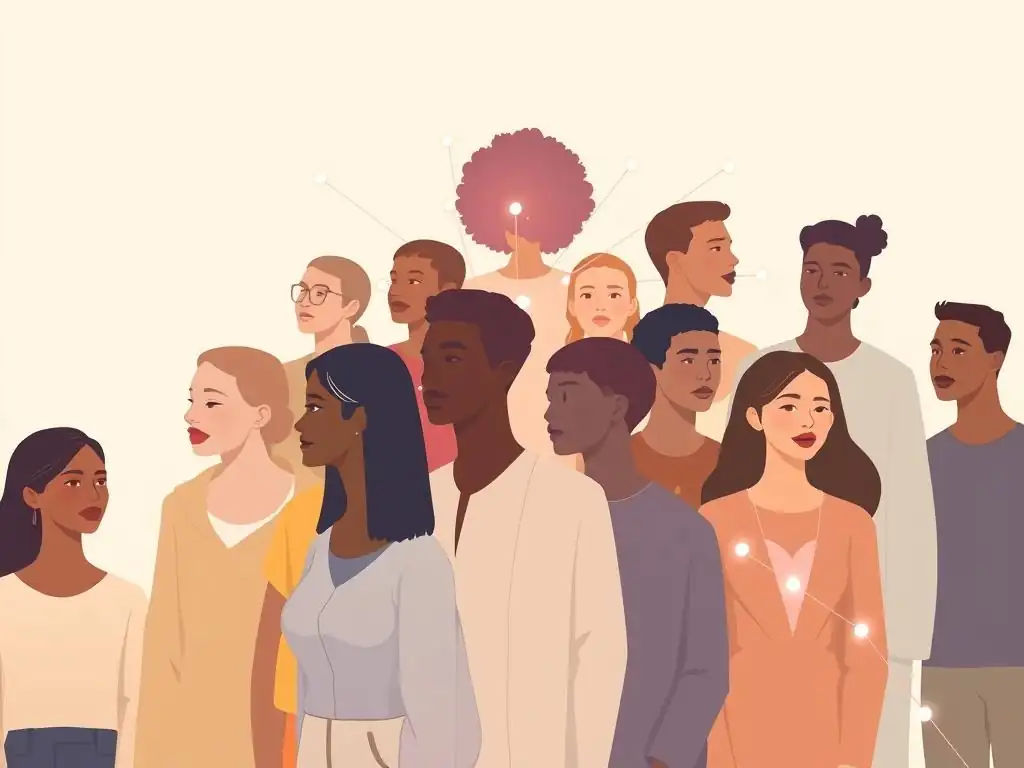
This section focuses on proactive strategies to combat LGBTQ+ dating discrimination through policy influence and platform engagement. Ignoring the issue isn't an option; we need concrete actions to foster a more inclusive online dating environment. This requires a multifaceted approach, engaging both lawmakers and the platforms themselves. The goal is to create systemic change that protects vulnerable users and promotes equality.
Engaging with Dating Platform Developers and Policy Makers
Direct engagement with dating platform developers and policy makers is crucial. We need to move beyond simply reporting individual incidents of discrimination; we need to advocate for preventative measures. This involves:
- Targeted lobbying: Forming coalitions with LGBTQ+ advocacy groups to lobby for legislation that holds dating platforms accountable for discriminatory practices. This could include mandating reporting mechanisms, implementing robust content moderation policies specifically addressing LGBTQ+ discrimination, and providing transparent data on reported incidents.
- Direct communication: Reaching out to dating platform representatives directly to discuss concerns and propose solutions. This could involve sharing data on reported incidents, suggesting improvements to their reporting systems, and proposing proactive measures such as bias detection algorithms or enhanced user verification processes.
- Public pressure campaigns: Utilizing social media and other public platforms to raise awareness about discriminatory practices and pressure platforms to take action. Sharing testimonials from affected users and highlighting the inadequacy of current policies can be particularly effective. The power of collective voices can't be underestimated.
- Data-driven advocacy: Collecting and analyzing data on reported incidents of discrimination to demonstrate the scale of the problem and inform policy recommendations. Quantifiable data is essential in demonstrating the need for change and holding platforms accountable. For example, a study showing a statistically significant increase in hate speech targeting transgender users on a specific platform could significantly influence their response.
Promoting Inclusive Language and Representation in Dating Profiles and Apps
Beyond policy changes, fostering inclusivity requires a cultural shift within the platforms themselves. This means actively promoting the use of inclusive language and representation across all aspects of the user experience. This involves:
- Expanding profile options: Encouraging dating apps to offer a broader range of gender and sexual orientation options beyond the binary. This allows users to accurately represent themselves and connect with others who share their identities. The current limited options often force LGBTQ+ individuals into inaccurate or incomplete representations.
- Addressing harmful stereotypes: Working with platforms to identify and remove content that perpetuates harmful stereotypes about LGBTQ+ individuals. This includes offensive language, derogatory terms, and discriminatory imagery. Regular audits and robust content moderation are essential.
- Promoting positive representation: Encouraging the inclusion of LGBTQ+ individuals in marketing materials and app design. This normalizes LGBTQ+ relationships and fosters a more welcoming environment for all users. Positive representation can significantly impact the perception and experience of LGBTQ+ users.
- Developing inclusive algorithms: Exploring the potential of algorithms to identify and mitigate bias in matching and recommendation systems. This requires careful consideration of ethical implications and potential unintended consequences, but could significantly improve the experience for LGBTQ+ users.
Supporting Research and Data Collection on LGBTQ+ Dating Discrimination
Robust research is essential to understand the extent and nature of LGBTQ+ dating discrimination. This data is vital for informing policy recommendations, holding platforms accountable, and measuring the effectiveness of interventions. This involves:
- Funding research initiatives: Securing funding for academic research projects that investigate the prevalence, forms, and impacts of LGBTQ+ dating discrimination. This research should utilize rigorous methodologies to ensure the validity and reliability of findings.
- Collaborating with researchers: Working with researchers to design studies that address key research questions and provide actionable insights. This requires a collaborative approach, ensuring the research aligns with the needs of the LGBTQ+ community and informs effective interventions.
- Developing standardized data collection methods: Creating standardized methods for collecting data on incidents of discrimination to facilitate comparisons across platforms and over time. This will allow for a better understanding of trends and the effectiveness of interventions.
- Protecting user privacy: Ensuring that data collection methods prioritize user privacy and confidentiality. This is crucial for encouraging participation and building trust within the LGBTQ+ community. Anonymization and data security protocols are paramount.
The fight against LGBTQ+ dating discrimination requires a sustained and collaborative effort. By engaging in these strategies, we can work towards creating a safer, more inclusive, and equitable online dating experience for all. 🏳️🌈
Developing Anti-Discrimination Policies and Training for Dating Platforms
Dating platforms hold significant power in shaping online interactions. Robust anti-discrimination policies are crucial for fostering inclusive environments within LGBTQ+ dating. These policies shouldn't simply be boilerplate statements; they need to be detailed, actionable, and consistently enforced. For example, a comprehensive policy would clearly define prohibited behaviors, including hate speech, harassment, and discrimination based on sexual orientation, gender identity, HIV status, or other protected characteristics.
It should outline specific reporting mechanisms, ensuring that users feel comfortable and empowered to report incidents without fear of retaliation. Furthermore, the policy should detail the platform's commitment to investigating reports promptly and fairly, with clearly defined consequences for violations, ranging from account suspension to permanent bans. The key here is transparency – users need to understand what constitutes a violation and what the platform will do to address it. This transparency builds trust and encourages reporting, ultimately making the platform safer for everyone.
Beyond robust policies, comprehensive training for platform moderators and customer service representatives is essential. These individuals are the frontline defense against discrimination. Training should equip them to identify and respond effectively to various forms of discriminatory behavior, including subtle forms of prejudice that might not be immediately obvious. This requires training on LGBTQ+ terminology, cultural sensitivity, and effective de-escalation techniques.
Role-playing scenarios, focusing on real-world examples of discrimination on dating platforms, can provide valuable practical experience. Regular updates and refresher courses are also vital, ensuring that staff remain knowledgeable about evolving best practices and emerging forms of online harassment. Furthermore, the training should explicitly address the unique challenges faced by LGBTQ+ users and empower staff to respond empathetically and effectively.
Investing in comprehensive training isn't just a matter of compliance; it’s a commitment to creating a truly inclusive and safe environment for LGBTQ+ users. Failure to provide adequate training will leave the platform vulnerable to criticism and legal challenges. The effectiveness of the anti-discrimination policy hinges on the training and responsiveness of the platform's staff.
Long-Term Strategies for Eradicating LGBTQ+ Dating Discrimination: A Vision for the Future

This section explores long-term, proactive strategies to combat LGBTQ+ dating discrimination, moving beyond immediate solutions towards a fundamental shift in online dating culture. We need a multi-pronged approach that tackles the root causes of prejudice and fosters a truly inclusive environment. This requires sustained effort and collaboration from dating platforms, users, and advocacy groups alike. Finding effective LGBTQ+ dating discrimination solutions requires a holistic strategy.
Promoting Positive Representation and Visibility for Diverse LGBTQ+ Identities
Addressing LGBTQ+ dating discrimination requires acknowledging the diversity within the LGBTQ+ community. Many dating platforms still lack nuanced options for self-identification, leading to inaccurate representation and limiting discovery for users with less common identities. For example, a binary gender option ignores the experiences of non-binary and genderfluid individuals. Similarly, limiting sexual orientation categories can exclude those who identify outside the traditional spectrum.
To combat this, we need:
- Expanded Profile Options: Dating platforms should offer significantly more detailed and inclusive options for self-identification beyond simple binary choices. This includes a wider range of sexual orientations, gender identities, relationship styles, and even specific cultural backgrounds relevant to identity.
- Algorithmic Adjustments: Dating algorithms should be audited and adjusted to ensure that they don't inadvertently prioritize certain identities over others. Bias in algorithms can reinforce existing prejudices, making it harder for underrepresented groups to find matches. Transparency in algorithm design is crucial.
- Showcase Diverse Profiles: Platforms should actively showcase profiles representing the full spectrum of LGBTQ+ identities. This positive representation can help normalize diverse experiences and challenge stereotypes. This could involve dedicated sections or curated content featuring diverse profiles.
Fostering Empathy and Understanding Through Education and Dialogue
Education is a powerful tool in combating prejudice. Many instances of discrimination stem from a lack of understanding and empathy. Therefore, fostering a culture of respect requires proactive educational initiatives.
This involves:
- Educational Campaigns: Targeted campaigns by dating platforms and LGBTQ+ organizations can raise awareness about the impact of discrimination and promote respectful online interactions. These campaigns should use diverse voices and relatable stories to make the message more effective.
- Community Forums and Resources: Dedicated spaces for open dialogue and support can help individuals learn from each other’s experiences and build empathy. This includes creating safe spaces to report incidents and discuss strategies for overcoming discrimination.
- Bystander Intervention Training: Equipping users with skills to intervene safely and effectively when they witness discriminatory behavior is essential. This involves providing clear guidelines and resources to navigate challenging situations.
Cultivating a Culture of Respect and Inclusion in Online Dating Spaces
Creating a truly inclusive online dating environment requires a collective effort from all stakeholders. This means holding platforms accountable, empowering users, and fostering a culture of accountability.
This includes:
- Strengthened Reporting Mechanisms: Dating platforms need to implement robust and user-friendly reporting systems for instances of discrimination. These systems should be transparent, efficient, and guarantee prompt action against offenders. Clear consequences for discriminatory behavior are vital.
- Community Moderation and Enforcement: Active community moderation is essential to address discriminatory comments and profiles promptly. This requires sufficient resources and clear guidelines for moderators to enforce consistently. Transparency in the moderation process builds user trust.
- User Empowerment and Accountability: Empowering users to report incidents and actively challenge discriminatory behavior is crucial. This requires clear communication about reporting procedures and resources available to victims. Furthermore, users should be held accountable for their actions.
The fight against LGBTQ+ dating discrimination is an ongoing process requiring continuous effort and collaboration. By implementing these long-term strategies, we can move towards a future where all individuals, regardless of their sexual orientation or gender identity, can experience safe, respectful, and fulfilling online dating experiences. The ultimate goal is to achieve true equality and inclusion within the online dating sphere.
The Role of Technology in Preventing and Addressing Discrimination in LGBTQ+ Dating
Technology plays a multifaceted role in both perpetuating and combating discrimination within LGBTQ+ dating. On one hand, the anonymity afforded by online platforms can embolden discriminatory behavior, allowing individuals to express prejudice without immediate accountability. This can manifest in various ways, from subtle microaggressions in profiles and messages to overt hate speech and targeted harassment.
The algorithms powering many dating apps, while often designed with inclusivity in mind, can inadvertently amplify existing biases, leading to disproportionate visibility for certain groups while marginalizing others. For example, algorithms might prioritize profiles that align with dominant societal beauty standards, thereby potentially disadvantaging LGBTQ+ individuals who don't conform to these norms. Furthermore, the lack of robust reporting mechanisms and slow response times from platforms to reports of discrimination can leave victims feeling vulnerable and unsupported.
However, technology also presents powerful tools for addressing these challenges. Innovative features such as improved reporting systems with quicker response times and more effective moderation could significantly reduce instances of harassment and hate speech. The development of more sophisticated algorithms that actively identify and mitigate bias, promoting greater visibility and equal opportunity for all users, is crucial.
This could involve incorporating diverse representation in training datasets and designing algorithms that prioritize fairness and inclusivity over mere popularity metrics. Furthermore, the use of AI-powered tools to detect and flag hate speech could significantly improve the speed and effectiveness of moderation efforts. This would require careful consideration of ethical implications and the potential for misidentification, but it represents a promising avenue for future development.
Beyond the platforms themselves, technology can empower LGBTQ+ communities to build supportive networks and resources. Dedicated apps and online forums can provide safe spaces for individuals to share their experiences, find support, and connect with others who understand their struggles. These platforms can also facilitate collective action, allowing users to organize campaigns, advocate for policy changes, and hold dating platforms accountable for their responses to discrimination.
The development of LGBTQ+-focused dating apps with built-in safety and reporting features, designed specifically to address the unique challenges faced by this community, can also play a vital role in creating safer and more inclusive online dating environments. Ultimately, a collaborative effort between technology developers, dating platforms, and the LGBTQ+ community is needed to harness the power of technology to create a more equitable and respectful online dating experience for everyone.
Frequently Asked Questions
What is the biggest challenge LGBTQ+ individuals face in online dating?
Many LGBTQ+ individuals experience discrimination and harassment on dating apps and websites. This can range from subtle biases to overt prejudice and hateful messages. Building a supportive community is crucial.
How can I report discrimination I experience on a dating app?
Most dating apps have reporting mechanisms. Use these to flag discriminatory profiles or messages. Additionally, consider contacting the app's support team directly. Document everything for your records.
What kind of collective action can be taken against LGBTQ+ dating discrimination?
Community building and advocacy are key. This includes supporting organizations fighting for LGBTQ+ rights, publicly sharing experiences (while protecting your privacy), and demanding better safety features and moderation from dating apps.
Are there any specific dating apps or websites better for LGBTQ+ individuals?
While no app is entirely free from discrimination, some cater more explicitly to the LGBTQ+ community and often have stronger moderation policies and community guidelines. Research and compare apps to find the best fit for you.
How can I create a profile that minimizes the risk of discrimination?
Focus on creating a positive and authentic profile, highlighting your interests and values. Avoid overly revealing personal information initially. Remember, you have the right to block and report anyone who makes you uncomfortable.
Final Reflection: The Urgent Need for Inclusive Love
The fight for equality in LGBTQ+ dating isn't just a niche concern; it's a fundamental battle for human dignity and the right to love freely. The pervasive nature of discrimination, from subtle biases in dating apps to overt acts of violence and harassment, continues to inflict immense emotional and psychological harm on countless individuals. This reality demands immediate and sustained action.
The ongoing struggle for LGBTQ+ inclusion in the dating world mirrors broader societal battles against prejudice and injustice. The insidious nature of microaggressions and systemic biases, often unseen or dismissed, chips away at the self-esteem and well-being of those affected. This resonates deeply with me, and I believe it's crucial to acknowledge the emotional toll this takes. The arc of the moral universe is long, but it bends toward justice,
– Martin Luther King Jr. This quote reminds us that progress is possible, but only through persistent effort and collective action.
You, the reader, hold the power to contribute to this crucial movement. Consider how you can actively challenge discrimination in your own circles, whether through supporting LGBTQ+ organizations, advocating for inclusive policies, or simply extending empathy and understanding to those who have experienced prejudice. Let us build a future where love knows no bounds, where every individual can find connection and belonging, free from the shackles of discrimination. Let's make this future a reality, together.
Ignite Your Impact: Join the Fight for Inclusive Dating
Thank you for learning about building a more inclusive and equitable LGBTQ+ dating world. You've gained valuable insights into the power of collective action. Now, let's put that knowledge into action!
- Lead the charge: Share this article with your network—friends, family, and fellow daters—and spark conversations about creating safer and more respectful online dating environments. Let's amplify the call for inclusivity!
- Become an advocate: Consider joining a local LGBTQ+ advocacy group, or even starting your own. Your voice and perspective are crucial in shaping policies and practices that protect against discrimination.
- Report and challenge: If you encounter discrimination online, report it to the platform and actively challenge hateful behavior. Silence enables prejudice; action fosters change.
What concrete step will you take today to promote a more welcoming LGBTQ+ dating experience?