
BiasFree Dating: Essential Tips for LGBTQ+ Individuals Seeking Real Relationships


Ready to ditch the dating app disappointments and find real connection? At OnlineDatingSuccess.org, we empower you to navigate the world of online dating with confidence. This isn't just about swiping; it's about building meaningful relationships. Discover essential strategies for creating a compelling profile, and learn how to communicate authentically. We're diving deep into LGBTQ+ dating profile tips to help you shine—read on to unlock your dating potential and find the love you deserve!
- Creating a Positive and Inclusive LGBTQ+ Dating Profile
- Navigating the LGBTQ+ Dating Scene: Strategies for Success
- Building a Supportive Online Community: Finding Your Tribe
- Staying Safe Online: Protecting Your Privacy and Wellbeing
-
Frequently Asked Questions
- How can I create a bias-free LGBTQ+ dating profile?
- What are some effective communication strategies for LGBTQ+ dating?
- How can I stay safe while online dating as an LGBTQ+ individual?
- What are some good profile picture tips for LGBTQ+ daters?
- How can I find meaningful connections on online dating sites as an LGBTQ+ person?
- Final Reflection: Cultivating Authentic Connections in a Biased World
- Unveil Your Authentic Self: Find Your Perfect Match
Creating a Positive and Inclusive LGBTQ+ Dating Profile
Navigating the world of online dating can be challenging for anyone, but LGBTQ+ individuals often face unique hurdles, including prejudice and misrepresentation. This article provides essential tips for crafting a dating profile that attracts genuine connections while actively combating bias and promoting inclusivity. We'll explore strategies to showcase your authentic self, highlight your interests and values, and utilize language that fosters understanding and attracts compatible partners.
By implementing these strategies, you can significantly increase your chances of finding a meaningful and respectful relationship online, making your LGBTQ+ dating experience more positive and rewarding. Remember, your profile is your first impression – make it count! Let's dive into the specifics of creating a bias-free profile that truly reflects who you are and attracts the right kind of attention.
Showcase Your Authentic Self: Crafting a Bias-Free Profile Picture
Your profile picture is the first thing potential matches see, making it crucial for setting the right tone. Avoid overly filtered or staged photos; instead, opt for a clear, well-lit image that showcases your genuine personality. A smiling photo often conveys approachability and warmth. Consider including multiple photos that show different aspects of your life – perhaps one showcasing a hobby, another with friends, and one that simply captures your natural charm.
The goal is to present a holistic view of yourself, allowing potential matches to connect with the real you. Remember, authenticity is key to attracting genuine connections. Don't be afraid to show your true self – your unique qualities are what make you special! Think about what aspects of your appearance you feel most confident in and highlight those.
For example, if you love your smile, make sure that's prominently featured. If you have a particular style, let it shine through. Ultimately, your profile picture should reflect the person you are and the kind of connection you seek.
Highlighting Your Interests and Values: Attracting Compatible Partners
Beyond your appearance, your interests and values play a significant role in attracting compatible partners. Instead of simply listing hobbies, delve deeper into what truly motivates you. For example, instead of writing "I like hiking," you might write, "I find peace and rejuvenation in exploring nature's beauty through hiking, especially in [mention a specific location or type of hike]." This level of detail allows potential matches to connect with your passions on a more personal level.
Similarly, when describing your values, be specific and authentic. Do you prioritize social justice? Are you passionate about environmental sustainability? Sharing these aspects of yourself can attract individuals who share similar values, leading to more meaningful connections.
Remember to avoid generic statements and instead focus on what makes you unique and what you're looking for in a partner. This approach helps filter out incompatible matches and attracts those who align with your vision for a relationship. The more specific you are, the better you can attract individuals who truly understand and appreciate you for who you are.
Using Descriptive Language: Avoiding Gendered or Heteronormative Terms
The language you use in your profile is crucial for creating an inclusive and welcoming space. Avoid gendered or heteronormative assumptions. Instead of using phrases like "looking for my soulmate," consider alternatives like "seeking a genuine connection" or "hoping to find someone to share my life with." These phrases are more inclusive and avoid making assumptions about your partner's gender or relationship history. Similarly, avoid using terms that might inadvertently exclude certain individuals. Be mindful of the language you use and strive for inclusivity in your descriptions. Remember, your words have power – use them to create a positive and welcoming environment that attracts genuine connections. By being thoughtful and intentional with your language, you can significantly improve your chances of finding a compatible partner who appreciates your authenticity and values your individuality. Focus on describing your personality, interests, and values in a way that is both genuine and inclusive.
Choosing the Right Dating Apps and Platforms: Finding LGBTQ+-Friendly Spaces
Choosing the right platform is crucial for a positive LGBTQ+ dating experience. Not all dating apps are created equal; some cater specifically to the LGBTQ+ community, while others may have a more inclusive approach but still experience issues with prejudice. Understanding the nuances of different platforms will significantly increase your chances of finding genuine connections.
For example, some apps boast larger user bases, potentially offering a wider pool of potential partners, but this can also mean a higher likelihood of encountering profiles that aren't serious about finding a meaningful relationship. Conversely, smaller, niche apps might have a more dedicated and engaged user base, leading to higher-quality interactions, but may limit your options geographically or in terms of diverse relationship preferences.
Consider carefully what you’re looking for in a partner and the kind of community you want to be a part of. Do you prioritize a large, diverse pool of potential matches, or would you rather focus on a smaller, more tightly-knit community where people share similar values and identities? Researching reviews and comparing features across various apps—paying attention to their safety features and reporting mechanisms—will help you make an informed decision. Remember, the goal isn't simply to amass matches, but to cultivate meaningful connections with individuals who respect and appreciate you for who you are.
The right platform will support this goal by providing a safe and welcoming environment. Don't be afraid to try out a few different apps to see which one best fits your needs and personality. This exploratory process is a normal part of finding the perfect online dating space for you.
It’s also important to be aware of apps that might claim to be inclusive but have a history of issues with harassment or discrimination. Before committing to an app, take the time to read reviews and look for evidence of robust moderation policies. A platform with a strong commitment to safety and inclusivity will actively work to remove hateful content and ban users who violate their terms of service.
This proactive approach is a key indicator of a positive and respectful online dating environment. Remember, your safety and well-being are paramount, and choosing a platform that prioritizes these aspects is a fundamental step towards a successful and positive LGBTQ+ dating journey. Don't hesitate to switch apps if you find one that isn't living up to its promises of inclusivity and safety.

This section focuses on practical strategies for LGBTQ+ individuals to enhance their online dating experience and increase their chances of forming meaningful connections. We'll explore how to identify and avoid prejudice, communicate boundaries effectively, and handle instances of discrimination. Remember, your safety and well-being are paramount. Building a positive online dating experience requires proactive steps and a resilient mindset.
Identifying and Avoiding Prejudice: Recognizing Red Flags
Navigating the LGBTQ+ dating scene requires heightened awareness of potential prejudice. Many individuals may harbor unconscious biases, while others may express overt hostility. Learning to recognize red flags early on is crucial for protecting your emotional well-being and safety. Some common warning signs include:
- Dismissive or derogatory language: Watch out for comments that trivialize or invalidate your identity or experiences. This could involve using slurs, minimizing your relationship experiences, or making insensitive generalizations about the LGBTQ+ community. For example, phrases like "You're not really gay," or "I don't understand this whole LGBTQ+ thing," are clear red flags.
- Unrealistic expectations: Some individuals may have unrealistic expectations about what it means to be in a relationship with someone from the LGBTQ+ community. This might manifest as pressure to conform to stereotypes or expectations that don't align with your authentic self.
- Lack of understanding or acceptance: A genuine lack of understanding of LGBTQ+ issues and experiences is not inherently negative, but a refusal to learn or engage in respectful dialogue is a significant concern.
- Excessive focus on stereotypes: Be wary of profiles or messages that overly emphasize stereotypes associated with specific identities within the LGBTQ+ community. These individuals may be projecting their own biases rather than engaging with you as an individual.
- Rapid escalation of intimacy: Be cautious of individuals who push for intense intimacy too quickly. This can be a sign of manipulative behavior and a lack of respect for your boundaries.
It's vital to trust your instincts. If something feels off, it probably is. Prioritizing your safety and emotional well-being should always come first. Remember, you deserve respect and understanding.
Communicating Your Boundaries: Setting Expectations Early
Open and honest communication is key to a successful relationship, especially within the context of LGBTQ+ dating. Setting clear boundaries from the outset helps prevent misunderstandings and protects your emotional well-being. This includes:
- Defining your relationship goals: Be upfront about what you're looking for in a relationship – whether it's casual dating, a long-term commitment, or something in between. This transparency helps ensure you're on the same page as your potential partner.
- Sharing your identity: While you are not obligated to disclose every detail of your identity immediately, feeling comfortable sharing your identity and experiences is important for building trust.
- Establishing communication preferences: Let potential partners know your preferred methods and frequency of communication. This could include setting expectations around texting, calling, or video chatting.
- Setting physical boundaries: Clearly communicate your comfort level with physical intimacy and how you expect it to progress. This is crucial for preventing unwanted advances and ensuring mutual respect.
- Addressing uncomfortable situations: Don’t hesitate to address any behavior that makes you uncomfortable. Direct, yet respectful, communication is crucial. For example, saying "I'm not comfortable with that comment" or "I need some space right now" can be effective.
Remember, healthy relationships are built on mutual respect and understanding. Setting clear boundaries empowers you to maintain control and prioritize your well-being.
Dealing with Discrimination: Responding to Negative Experiences
Despite the increasing acceptance of LGBTQ+ relationships, discrimination sadly persists. Knowing how to respond to negative experiences is crucial for your mental health and safety. This might involve:
- Reporting abusive behavior: Many dating platforms offer reporting mechanisms for abusive or discriminatory behavior. Utilize these tools to help protect yourself and other users.
- Blocking and ignoring: Don't hesitate to block users who exhibit discriminatory behavior. Ignoring their messages and removing them from your network is a powerful way to protect yourself from further harm.
- Seeking support: Talking to friends, family, or a therapist can provide invaluable support during challenging times. Sharing your experiences can help you process your emotions and develop coping mechanisms.
- Self-care: Prioritize self-care activities that help you manage stress and maintain your well-being. This might include exercise, mindfulness practices, or spending time with loved ones.
- Remembering your worth: It's important to remember that you deserve respect and love. Negative experiences don't diminish your worth or value.
Navigating the challenges of LGBTQ+ dating requires resilience, self-awareness, and a commitment to your well-being. Remember, you are not alone, and support is available. Focus on building positive connections and prioritizing your happiness.
Building Healthy Relationships: Focusing on Mutual Respect and Understanding
Building healthy relationships, regardless of sexual orientation or gender identity, hinges on mutual respect and understanding. In the LGBTQ+ community, where individuals may have faced unique challenges and discrimination, fostering these foundational elements is even more crucial. Open communication is key; be upfront about your needs, boundaries, and expectations. Listen actively to your partner, validating their feelings and experiences.
Remember that healthy relationships involve compromise and a willingness to navigate disagreements constructively. Avoid making assumptions based on stereotypes or generalizations about your partner's identity or experiences. Instead, embrace their individuality and appreciate their unique perspectives. This requires actively working to overcome any pre-conceived notions or biases you may hold, consciously choosing to approach each interaction with empathy and genuine curiosity.
Building a strong foundation of trust takes time and effort. This involves being honest and transparent in your interactions, even when it's difficult. Trust is built through consistent actions that demonstrate reliability and commitment.
It's important to remember that trust isn't automatically granted; it's earned through consistent positive experiences and mutual vulnerability. In the context of LGBTQ+ relationships, building trust may require extra care and patience, as past experiences of discrimination or rejection can impact an individual's ability to trust easily. Creating a safe space for open and honest dialogue is paramount to fostering a healthy relationship.
This means creating an environment where both partners feel comfortable expressing their thoughts and feelings without fear of judgment or dismissal. Addressing conflict constructively is also crucial; disagreements should be viewed as opportunities for growth and understanding, rather than as threats to the relationship. Learning healthy conflict resolution skills can significantly improve the longevity and quality of any relationship.
Building a Supportive Online Community: Finding Your Tribe

Finding a supportive online community is crucial for LGBTQ+ individuals navigating the sometimes challenging world of online dating. Feeling accepted and understood can significantly boost confidence and resilience when facing potential prejudice or discrimination. Building this network isn't just about finding romantic partners; it's about fostering a sense of belonging and shared experience. This section explores practical strategies for building that vital support system.
Connecting with LGBTQ+ Support Groups: Finding Safe Spaces Online
Many online platforms offer dedicated spaces for LGBTQ+ individuals to connect and share their experiences. These safe spaces provide a crucial buffer against the negativity that can sometimes be encountered in broader dating apps. Look for groups focused on specific identities within the LGBTQ+ spectrum (e.g., lesbian, gay, bisexual, transgender, queer, asexual, etc.) to find communities that resonate with your unique experiences. Some groups prioritize relationship advice, while others focus on general support and friendship. Participation in these groups can offer a wealth of benefits:
- Reduced feelings of isolation: Connecting with others who understand your experiences can significantly alleviate feelings of loneliness and isolation.
- Access to advice and support: Members often share their dating experiences, offering valuable advice and support to newcomers.
- Building confidence: A positive and supportive community can help boost your confidence and self-esteem, preparing you to approach online dating with a more positive mindset.
- Increased safety: These groups often have established guidelines and moderators, fostering a safer environment than some general dating apps.
Remember to prioritize groups with clear community guidelines and active moderation to ensure a positive and safe experience. Actively participate in discussions, offer support to others, and share your own experiences (within reasonable boundaries of privacy).
Utilizing Online Resources: Accessing Information and Support
Beyond support groups, the internet provides a wealth of resources specifically tailored to LGBTQ+ individuals navigating online dating. These resources can provide valuable information on topics ranging from creating inclusive profiles to handling discriminatory behavior. Many websites and organizations offer articles, guides, and even webinars designed to equip individuals with the knowledge and tools they need to succeed.
Consider exploring resources that offer:
- Profile optimization guides: These guides often provide specific advice on crafting profiles that attract like-minded individuals while avoiding potential pitfalls.
- Communication strategies: Learn how to communicate effectively and respectfully with potential partners online, addressing potential misunderstandings or biases proactively.
- Safety tips: Gain crucial knowledge about protecting your personal information and staying safe while using online dating platforms.
- Legal advice: Some resources may provide information about legal protections available to LGBTQ+ individuals facing discrimination.
By actively seeking and utilizing these resources, you can significantly improve your online dating experience and build a stronger foundation for forming meaningful relationships.
Advocating for Inclusivity: Promoting Bias-Free Dating Practices
Building a supportive community isn't just about receiving support; it's also about actively contributing to a more inclusive environment. This involves actively advocating for bias-free practices within the online dating sphere. This can take many forms:
- Reporting discriminatory behavior: Many dating platforms offer reporting mechanisms for instances of harassment, hate speech, or discrimination. Utilize these tools to create a safer space for everyone.
- Promoting positive representation: Share your positive experiences and celebrate LGBTQ+ relationships to counteract negative stereotypes and promote greater visibility.
- Engaging in constructive dialogue: When you encounter bias or discrimination, consider engaging in respectful dialogue (when safe to do so) to educate and challenge harmful attitudes.
- Supporting LGBTQ+-friendly platforms: Choose dating platforms that actively demonstrate a commitment to inclusivity and safety for LGBTQ+ users. Look for features like gender identity and sexual orientation options beyond the binary.
By actively working towards a more inclusive online dating environment, you contribute to a positive cycle, making it safer and more welcoming for everyone seeking genuine connections. Remember, your voice matters, and your actions can have a significant impact. 💪🏳️🌈
Staying Safe Online: Protecting Your Privacy and Wellbeing
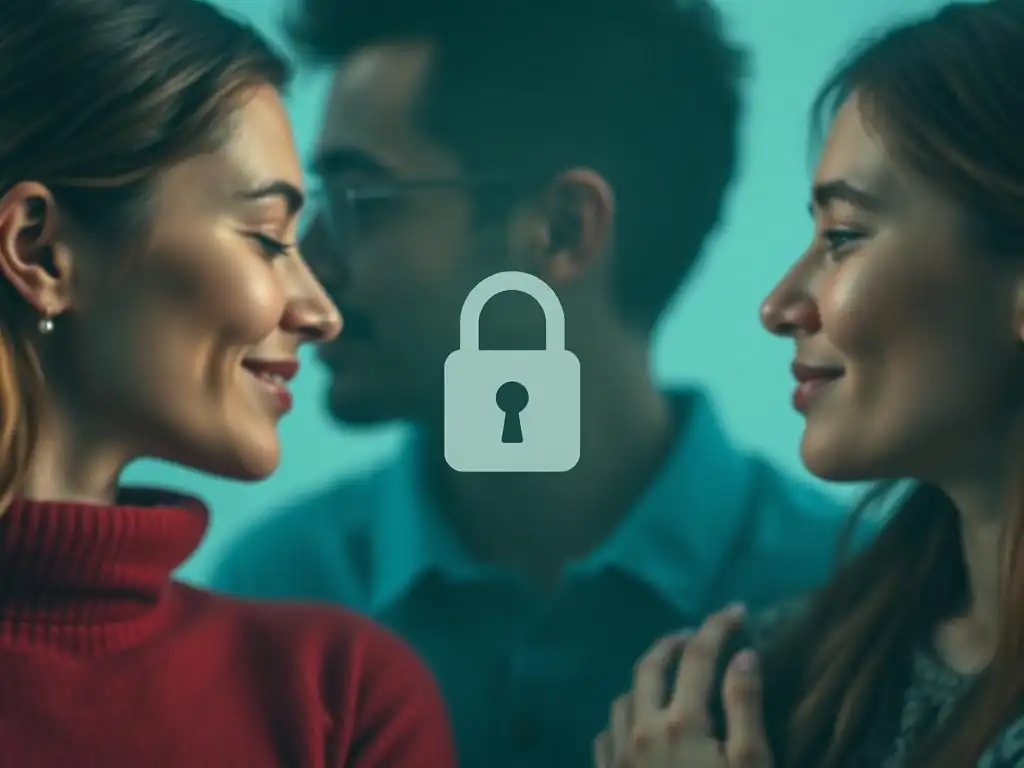
Navigating the world of LGBTQ+ dating requires extra vigilance. While the goal is connection, it's crucial to prioritize your safety and privacy. This section offers practical steps to minimize risks and maximize your online dating experience. Remember, a secure online presence enhances your chances of finding a genuine connection, free from the anxieties of potential harm. This is particularly relevant for LGBTQ+ individuals who may face unique challenges related to online safety and discrimination. Let's explore key strategies for building a safer dating profile and experience.
Protecting Your Personal Information: Avoiding Identity Theft
Protecting your personal information is paramount. Avoid including overtly identifying information in your profile. This means steering clear of your full name, exact location (beyond city or region), workplace, or any other detail that could be used for identity theft or stalking. Instead of posting a picture of your home, opt for a background that is less identifiable. Consider using a nickname instead of your legal name.
Think carefully about the photos you share. Avoid using images that reveal too much identifying information such as license plates, street names visible in the background, or even your workplace logo. Remember, even seemingly innocuous details can be pieced together by malicious actors.
Many dating apps offer privacy settings. Take the time to explore these options and adjust them to your comfort level. Limit the visibility of your profile to people you've matched with or approved. Regularly review your privacy settings and update them as needed.
It's also wise to avoid sharing sensitive financial information or personally identifiable numbers, such as your social security number or bank account details, with anyone you meet online, even if you believe you’ve established trust. Remember, a cautious approach is essential to maintaining your safety and security.
Being Aware of Online Predators: Staying Safe from Harassment
Unfortunately, online harassment and predation are realities in the online dating world. Being aware of potential dangers is the first step towards protecting yourself. Be wary of individuals who seem too good to be true, who pressure you for personal information too quickly, or who make you feel uncomfortable in any way. Trust your instincts; if something feels wrong, it probably is.
Learn to recognize red flags. This includes overly aggressive or insistent messaging, requests for inappropriate photos or videos, and attempts to manipulate or control you. If someone is making you feel unsafe or threatened, immediately cease contact and block them. Document any harassing messages or behaviors, as this evidence may be useful if you need to report the individual.
Diversify your communication channels. Avoid only communicating through the dating app itself. If you decide to move communication off the app, use a secure messaging platform and be cautious about sharing your phone number or other contact information.
Reporting Harassment and Discrimination: Using Dating App Reporting Mechanisms
Most dating apps have robust reporting mechanisms in place to address harassment and discrimination. Familiarize yourself with these procedures. If you experience any form of harassment, discrimination, or inappropriate behavior, report it immediately. Provide as much detail as possible, including screenshots of messages or profiles. The more information you provide, the better the app's moderators can address the issue.
Remember that reporting harassment is not just about protecting yourself; it's about creating a safer online environment for everyone. By reporting incidents, you contribute to a community where respectful interactions are encouraged and harmful behaviors are discouraged. Many apps also provide resources and support for victims of online harassment, so don't hesitate to utilize those services if needed. Your safety and wellbeing are paramount, and utilizing these reporting mechanisms is a crucial step in ensuring a positive and secure online dating experience.
Frequently Asked Questions
How can I create a bias-free LGBTQ+ dating profile?
Focus on your personality and interests, not stereotypes. Use inclusive language and avoid gendered assumptions. Showcase your authentic self to attract genuine connections.
What are some effective communication strategies for LGBTQ+ dating?
Be direct and honest about your needs and expectations. Respect pronouns and identities. Prioritize open and respectful dialogue to foster genuine connections.
How can I stay safe while online dating as an LGBTQ+ individual?
Verify profiles, meet in public spaces, and let a friend know your plans. Trust your intuition – if something feels off, it probably is. Prioritize your safety above all else.
What are some good profile picture tips for LGBTQ+ daters?
Choose high-quality, recent photos that accurately reflect your appearance. Include a variety of pictures showcasing your interests and personality. Avoid overly filtered or misleading images.
How can I find meaningful connections on online dating sites as an LGBTQ+ person?
Be patient and persistent. Focus on building genuine connections rather than quantity. Use specific search filters to find compatible matches based on your preferences.
Final Reflection: Cultivating Authentic Connections in a Biased World
The fight for authentic connection within the LGBTQ+ community remains a vital struggle, demanding constant vigilance against ingrained biases and harmful stereotypes. Finding genuine love shouldn't be a battle against prejudice, yet for many, it unfortunately is. This article explored practical strategies for crafting dating profiles that celebrate individuality while mitigating the impact of societal biases, ultimately aiming to foster a more inclusive and respectful dating landscape.
The journey towards genuine connection is deeply personal, and the challenges faced by LGBTQ+ individuals in navigating the dating world are often profound. The weight of societal expectations, the fear of rejection based on identity, and the constant negotiation of self-representation in a heteronormative world can take a toll. Love is not a battlefield, but sometimes it feels like one,
a friend once confided, highlighting the emotional labor often involved in simply seeking a partner. This article aimed to provide tools to lessen that burden, empowering individuals to present their authentic selves with confidence and clarity.
Now, consider your own dating profile. Does it truly reflect the vibrant, multifaceted person you are? I urge you to revisit your profile, armed with the insights shared in this article, and make the necessary adjustments to create a space where genuine connection can flourish. Let's collectively work towards a dating world where love is celebrated in all its beautiful forms, free from the constraints of prejudice and fueled by authenticity. Your journey to finding love deserves to be joyful, and you deserve to be seen and appreciated for exactly who you are.
Unveil Your Authentic Self: Find Your Perfect Match
Thank you for exploring BiasFree dating! We hope you've gained valuable insights into building genuine connections. Now, let's put those insights into action.
- Prioritize your well-being: Take some time this week to reflect on what you're looking for in a partner and identify your must-haves in a relationship. This self-awareness will help you attract compatible partners.
- Share your story: Inspire others by sharing your experiences—comment below and share your dating successes and challenges. Let's build a supportive community together!
- Experiment with new dating approaches: Try something new, like a virtual coffee date or joining a social group focused on LGBTQ+ individuals or shared interests. Stepping outside your comfort zone can lead to unexpected and rewarding connections.
What unique quality are you most excited to share with a potential partner?