
LGBTQ+ Online Dating: Discovering if You're Ready for a Serious Relationship


Ready to find real connection in the world of online dating? OnlineDatingSuccess.org is your guide to navigating the complexities of finding love. Are you truly ready for a serious LGBTQ+ relationship? This article dives deep into the crucial questions you need to ask yourself before diving into the exciting—and sometimes challenging—world of serious LGBTQ+ dating. Discover the steps to building a successful profile, communicating authentically, and staying safe while searching for your perfect match. Let's unlock your potential for a fulfilling and lasting relationship!
- Assessing Your Readiness for a Committed LGBTQ+ Relationship
- Evaluating Your Current Lifestyle for LGBTQ+ Serious Dating
- Navigating the Online Dating Landscape for Serious LGBTQ+ Connections
- Recognizing Signs of Readiness for a Committed LGBTQ+ Relationship
- Recognizing Signs You Might Not Be Ready for a Serious LGBTQ+ Relationship
- Moving Forward: Next Steps for Serious LGBTQ+ Dating
-
Frequently Asked Questions
- How do I know if I'm truly ready for a serious LGBTQ+ relationship?
- What are some signs that I'm not ready for a serious LGBTQ+ relationship?
- How can I create a dating profile that attracts serious LGBTQ+ partners?
- What are some effective communication strategies for serious LGBTQ+ dating?
- How can I stay safe while dating seriously within the LGBTQ+ community?
- Final Reflection: Navigating the Path to LGBTQ+ Relationship Readiness
- Uncover Your Dating Readiness: Take the Next Step
Assessing Your Readiness for a Committed LGBTQ+ Relationship
Embarking on the journey of online dating, especially within the LGBTQ+ community, requires careful consideration of your personal goals and readiness for a serious relationship. This article serves as a guide to help you honestly evaluate whether you're prepared to invest the time, energy, and emotional vulnerability needed for a committed partnership. Finding love is a deeply personal process, and understanding your own emotional landscape, relationship goals, and ideal partner characteristics is crucial for navigating the complexities of LGBTQ+ online dating and building a meaningful, lasting connection.
We'll explore key aspects of emotional readiness, defining your relationship aspirations within the LGBTQ+ community, and identifying the qualities you seek in a partner, ultimately empowering you to make informed decisions about your dating journey and increase your chances of finding a truly compatible and fulfilling relationship. This process of self-assessment is vital for fostering authentic connections and avoiding potential heartache.
Are you truly ready for serious LGBTQ+ dating? Let's find out.
Emotional Readiness for Serious LGBTQ+ Dating: Self-Reflection
Before diving into the world of serious LGBTQ+ dating, it's vital to assess your emotional well-being and self-awareness. Are you in a place where you can genuinely offer yourself to another person? This involves honest self-reflection on several key areas:
- Past Relationships: Reflect on previous relationships, both romantic and platonic. What did you learn from them? What patterns emerged? Identifying past relationship dynamics and understanding your role in them is key to breaking negative cycles and building healthier relationships in the future. Understanding your past relationship patterns is crucial for growth and preventing repetition of unhealthy behaviors.
- Self-Esteem and Self-Acceptance: Do you have a healthy sense of self-worth, independent of romantic relationships? A strong sense of self-esteem is fundamental to building healthy relationships. Low self-esteem can lead to unhealthy relationship dynamics and codependency.
- Emotional Baggage: Have you processed past traumas or emotional wounds? Unresolved emotional baggage can significantly impact your ability to form healthy attachments. Addressing past traumas through therapy or self-reflection is crucial for building healthy, fulfilling relationships. It's important to be able to communicate your needs and boundaries effectively.
- Capacity for Vulnerability: Are you comfortable being vulnerable and sharing your feelings with another person? Vulnerability is essential for building intimacy and trust in any relationship. The ability to be open and honest about your feelings is crucial for a healthy LGBTQ+ relationship.
Defining Your Relationship Goals in the LGBTQ+ Community
Understanding your relationship goals is crucial for navigating the complexities of LGBTQ+ online dating. What are you seeking in a partner? Are you looking for a long-term commitment, marriage, or something more casual? Defining your goals early on helps you attract compatible partners and avoid wasting time on relationships that don't align with your aspirations. Consider the following:
- Relationship Type: Do you envision a monogamous relationship, an open relationship, or something else? Clearly understanding your desired relationship structure is paramount to finding a compatible partner. It’s important to be honest and upfront about your relationship preferences.
- Life Goals: How do your personal goals and aspirations align with your desired relationship? Consider your career goals, family plans, and overall life vision. Compatibility in life goals significantly impacts long-term relationship success. Consider things like family planning, lifestyle preferences, and long-term financial goals.
- Values and Beliefs: What are your core values and beliefs? Finding a partner who shares your values is essential for a lasting relationship. This includes values related to family, spirituality, social issues, and personal lifestyle choices. Shared values foster mutual respect and understanding.
Identifying Your Ideal Partner: Characteristics and Compatibility in LGBTQ+ Relationships
Beyond defining your relationship goals, identifying the characteristics you seek in a partner is vital for successful LGBTQ+ dating. What qualities are non-negotiable? What traits are desirable but not essential? Creating a clear picture of your ideal partner helps you focus your search and avoid wasting time on incompatible matches. Consider:
- Personality Traits: What personality traits do you find attractive and compatible? Consider qualities like kindness, humor, intelligence, emotional intelligence, and shared interests. Personality compatibility is a significant factor in relationship success.
- Lifestyle and Interests: What are your shared interests and activities? Finding a partner who shares your hobbies and lifestyle preferences can enhance the relationship and provide opportunities for bonding and shared experiences. Shared interests and activities foster a deeper connection.
- Communication Style: How do you prefer to communicate? Are you looking for a partner who communicates openly and honestly? Effective communication is the foundation of any successful relationship. Open and honest communication is crucial for conflict resolution and maintaining a healthy dynamic.
Remember, finding the right partner takes time and patience. By honestly assessing your readiness, defining your goals, and clarifying your ideal partner profile, you'll be better equipped to navigate the world of LGBTQ+ online dating and increase your chances of finding a fulfilling and lasting relationship. 💖
Honest Self-Evaluation: Addressing Past Relationship Patterns and Baggage
Before diving into the exciting world of serious LGBTQ+ dating, take some time for honest introspection. Understanding your past relationship patterns is crucial for building a healthier, more fulfilling future. Consider past relationships – both romantic and platonic – and identify recurring themes. Did you consistently choose partners with similar traits, leading to repetitive conflicts? Were you the one initiating breakups, or were you frequently the recipient of heartbreak? Pinpointing these patterns can illuminate underlying needs and insecurities that may unknowingly sabotage your current dating efforts.
For example, if you've repeatedly dated emotionally unavailable partners, it's worth exploring why this pattern persists. Is it a subconscious desire to avoid intimacy? Are you drawn to the challenge of "fixing" someone? Or perhaps you haven't fully processed past emotional trauma, leading you to unconsciously recreate familiar, albeit unhealthy, dynamics. Journaling can be a powerful tool here; it allows you to explore your feelings without judgment, helping you identify potential roadblocks to a successful, serious relationship.
Addressing past emotional baggage is equally important. Unresolved trauma, grief, or past hurts can significantly impact your ability to form healthy attachments. Consider whether you've adequately processed significant life events or past relationship endings. If unresolved issues linger, they can manifest as insecurity, jealousy, or communication problems in your current relationships, hindering your capacity for genuine connection and commitment.
Seeking professional support, such as therapy or counseling, can provide a safe and supportive space to work through these challenges and equip you with the tools needed to build stronger, healthier relationships. Remember, seeking help isn't a sign of weakness; it's a testament to your commitment to personal growth and building a more fulfilling future. This self-awareness is a cornerstone of being truly ready for a serious LGBTQ+ relationship. It allows you to approach dating with clarity and intention, increasing your chances of finding a compatible and loving partner.
Evaluating Your Current Lifestyle for LGBTQ+ Serious Dating

This section helps you honestly assess if your current lifestyle aligns with the demands of a serious LGBTQ+ relationship. Finding a partner is only half the battle; sustaining a healthy, committed relationship requires significant investment. Before diving into the world of serious LGBTQ+ dating, consider these crucial aspects of your life. Readiness for a serious relationship isn't just about wanting one; it's about having the capacity to nurture it.
Entering a serious LGBTQ+ relationship necessitates a significant time commitment. Are you prepared to dedicate time for dates, quality conversations, shared activities, and simply being present for your partner? A successful relationship thrives on consistent effort and shared experiences. Consider your current schedule:
- Work: How many hours do you work per week? Does your job allow for flexibility, or is it demanding and time-consuming? A demanding job can significantly impact the time you can dedicate to a relationship.
- Social Life: How much time do you allocate to friends, hobbies, and other social activities? Are you willing to adjust your social calendar to accommodate a partner? Finding a balance is crucial.
- Personal Time: Do you have enough "me-time" to maintain your well-being? Neglecting self-care can negatively impact your relationship. A healthy relationship requires a healthy individual.
Think realistically about how you'll integrate a partner into your existing routine. Are there areas where you can create more space? Perhaps streamlining certain activities or delegating tasks could free up valuable time for your relationship. Remember, a serious relationship isn't about finding time; it's about making time. Ignoring this aspect can lead to resentment and ultimately, relationship failure. Prioritizing your potential partner shows respect and commitment.
Emotional Availability for a Committed LGBTQ+ Partnership
Emotional availability is paramount for a thriving LGBTQ+ relationship. This involves being open, honest, and vulnerable with your partner. It also means being able to receive and process your partner's emotions. Ask yourself:
- Are you emotionally available? Are you still processing past relationships or traumas? Unresolved emotional baggage can hinder your ability to connect deeply with a new partner. Consider seeking professional help if needed.
- Can you handle emotional intimacy? Are you comfortable sharing your feelings and being vulnerable with someone? Emotional intimacy is the cornerstone of a fulfilling relationship.
- Are you able to communicate effectively? Healthy communication involves expressing your needs and actively listening to your partner's perspective. Miscommunication can lead to misunderstandings and conflict.
Emotional readiness isn't about being perfect; it's about being willing to work through challenges and engage in open and honest communication. A willingness to learn and grow emotionally is a significant indicator of readiness for a serious LGBTQ+ relationship. Remember, self-awareness is key; understanding your emotional landscape is the first step towards building a strong and healthy connection.
Financial Stability and its Role in a Serious LGBTQ+ Relationship
Financial stability plays a considerable role in the success of any serious relationship, including LGBTQ+ partnerships. While financial compatibility isn't everything, shared financial values and a degree of stability can significantly reduce stress and conflict. Consider these factors:
| Aspect | Importance | How to Assess |
|---|---|---|
| Debt Management | High levels of debt can create significant stress and impact relationship stability. | Evaluate your debt-to-income ratio. Are you actively working towards debt reduction? |
| Savings & Investments | Financial security provides a sense of stability and allows for shared goals. | Do you have emergency savings? Are you saving for future plans (house, travel, etc. )? |
| Spending Habits | Discrepancies in spending habits can lead to conflict. | Are your spending habits aligned? Can you openly discuss financial matters? |
| Shared Financial Goals | Aligning on financial goals fosters collaboration and mutual support. | Do you share similar long-term financial aspirations (e.g., homeownership)? |
Honest conversations about finances are essential before committing to a serious relationship. Financial transparency and shared responsibility are crucial for building a strong foundation. While perfect financial alignment isn't necessary, a shared understanding and willingness to work together financially are key indicators of readiness for a committed LGBTQ+ partnership. Openly discussing financial matters demonstrates maturity and responsibility. 🏳️🌈
Building a strong and healthy relationship, especially within the LGBTQ+ community, often requires a supportive social network. Before diving into serious dating, honestly assess the level of support you have from your family, friends, and the wider LGBTQ+ community. Do your loved ones understand and accept your identity and dating choices? A supportive network can be invaluable during the ups and downs of a relationship, offering encouragement, advice, and a safe space to process emotions. Conversely, a lack of support can create significant stress and strain, making it harder to navigate the complexities of a serious relationship.
Consider whether your current social circle is equipped to handle the potential emotional and practical demands of a committed partnership. Perhaps you have friends who've successfully navigated long-term LGBTQ+ relationships and can offer valuable insights. Or maybe you're part of a vibrant community center or online group that provides a sense of belonging and understanding. Reflecting on your social support system will help you determine if you're emotionally prepared for the increased intimacy and interconnectedness of a serious LGBTQ+ relationship. Remember, a strong support system isn't just beneficial; it's often essential for navigating the unique challenges faced by LGBTQ+ couples.
Think about how your family and friends might react to you being in a serious relationship. Are they accepting, or might their reactions create extra challenges? This honest self-reflection is crucial for assessing your readiness for a serious commitment. The strength of your social support system is a key indicator of your ability to successfully manage the emotional investment required in a serious LGBTQ+ relationship.
Consider the following questions:
- Do your friends and family understand and accept your sexual orientation and gender identity?
- Do you have a strong network of LGBTQ+ friends and allies who can offer support and understanding?
- Would your family and friends be supportive of you entering into a serious, committed relationship?
- Do you feel comfortable sharing your relationship with your social circle?
- Is your social support system strong enough to help you navigate potential challenges in a serious relationship?
Addressing these questions honestly will provide valuable insight into whether you possess the necessary social support to successfully navigate a serious LGBTQ+ relationship. This self-assessment is a crucial step in determining your readiness for a deeper commitment. Remember, the right social support can significantly enhance your chances of building a happy and lasting relationship.
Finding a serious relationship through online dating requires a strategic approach, particularly within the LGBTQ+ community. The sheer volume of apps and platforms, coupled with the diverse range of relationship goals, can feel overwhelming. However, with careful planning and self-awareness, you can significantly increase your chances of finding a compatible partner seeking the same level of commitment. This section focuses on navigating this landscape effectively to maximize your chances of finding a meaningful, long-term LGBTQ+ connection, addressing the question: "Am I ready for serious LGBTQ+ dating?"
Choosing the Right LGBTQ+ Dating Apps and Platforms
The first step in successful serious LGBTQ+ dating online is selecting the appropriate platform. Not all apps are created equal; some cater to casual encounters, while others prioritize long-term relationships. Research is key. Consider the following factors:
- App Focus: Some apps explicitly focus on serious relationships, offering features like detailed profile options and relationship-oriented matching algorithms. Others emphasize casual dating or hookups. Knowing your goal—a serious relationship—will guide your selection.
- Community Size and Demographics: A larger, more active community increases your chances of finding compatible matches. However, a smaller, more niche app might offer a more curated experience, attracting users with similar values and relationship goals. Consider your specific preferences and needs within the LGBTQ+ spectrum (e.g., lesbian, gay, bisexual, transgender, queer, etc. ).
- Safety Features: Prioritize apps with robust safety measures, including verification processes, reporting mechanisms, and community guidelines. Your safety and well-being are paramount, especially when embarking on a journey towards a serious relationship.
| App Feature | App A (Example) | App B (Example) | App C (Example) |
|---|---|---|---|
| Focus | Serious Relationships | Casual Dating | Open Relationships |
| Verification Process | Yes | No | Partial |
| Community Size | Large | Medium | Small |
| Safety Features | Strong | Moderate | Weak |
Choosing wisely will save you time and frustration, bringing you closer to finding a partner ready for a serious commitment. Remember, the right app is one that aligns with your relationship goals and provides a safe and supportive environment.
Crafting a Profile that Attracts Serious LGBTQ+ Partners
Your online dating profile is your first impression. For serious LGBTQ+ dating, it needs to accurately reflect your personality, values, and relationship goals. Avoid vague or generic statements; instead, be specific and authentic.
- High-Quality Photos: Use recent, well-lit photos that showcase your personality. Include a variety of shots—some solo, some with friends—to give potential partners a comprehensive view of your life.
- Detailed and Honest Bio: Write a compelling bio that goes beyond superficial descriptions. Share your interests, hobbies, and what you're looking for in a partner. Be open about your values and relationship aspirations. For example, instead of writing "Looking for someone special," try "Seeking a kind, intelligent partner to share adventures and build a future with."
- Highlighting Compatibility: Emphasize qualities that are important to you in a long-term relationship. Are you looking for someone who values family, travel, or intellectual stimulation? Be clear about your non-negotiables.
- Proofreading is Crucial: Typos and grammatical errors can create a negative impression. Before posting your profile, carefully review it for any mistakes.
Remember, your profile is a marketing tool. Present your best self, but remain genuine and authentic. Potential partners will appreciate honesty and transparency.
Effective Communication Strategies for LGBTQ+ Serious Dating
Once you've connected with someone interesting, effective communication is vital for building a strong foundation for a serious relationship.
- Initiate Meaningful Conversations: Ask open-ended questions that encourage deeper conversations. Avoid superficial small talk; instead, try to uncover shared interests and values.
- Active Listening: Pay attention to what your potential partner is saying, both verbally and nonverbally. Show genuine interest and respond thoughtfully.
- Be Respectful and Empathetic: Recognize that everyone has their own experiences and perspectives. Be mindful of the unique challenges faced by individuals within the LGBTQ+ community.
- Set Boundaries: Establish healthy boundaries from the start. This includes respecting each other's time, space, and emotional needs. Open and honest communication about boundaries is key to a healthy relationship.
- Transitioning to Offline Interactions: Once you've built a comfortable level of trust and connection online, suggest meeting in person for a safe and public date.
By focusing on these strategies, you can significantly improve your chances of finding a meaningful and lasting connection through serious LGBTQ+ dating. Remember, patience and persistence are key. The right person is out there, and with the right approach, you can find them.
Setting Boundaries and Expectations in Online LGBTQ+ Interactions
Navigating the world of online dating, especially within the LGBTQ+ community, requires establishing clear boundaries and expectations from the outset. This isn't just about protecting yourself from potential harm; it's about fostering healthy and respectful interactions that lead to meaningful connections. Many LGBTQ+ individuals have unique experiences and vulnerabilities that necessitate extra care and consideration in the online dating sphere. Open communication is key.
Before even meeting someone in person, clearly communicate your relationship goals. Are you looking for something casual, a long-term partnership, or something in between? Being upfront about your intentions prevents misunderstandings and wasted time later on.
For example, if you're seeking a serious, committed relationship, make that known early in your conversations. Don't be afraid to express your desire for monogamy or your expectations regarding exclusivity. Conversely, if you're open to exploring different dynamics, be equally transparent. This honesty prevents misinterpretations and ensures everyone is on the same page. Remember, setting boundaries isn't about being rigid or unapproachable; it's about protecting your emotional well-being and ensuring you attract partners who respect your needs and values.
Furthermore, defining your personal limits is crucial. This includes setting boundaries around communication frequency, sharing personal information, and physical intimacy. Perhaps you prefer to communicate primarily through the dating app for the initial phase, gradually increasing contact as you feel more comfortable.
Or maybe you have specific limits on the kind of personal information you're willing to share online, such as your address or workplace. Establishing these boundaries early helps you maintain control over your online interactions and prevents potentially uncomfortable or unsafe situations. Consider creating a personal checklist of your boundaries to refer to, especially when you're feeling overwhelmed or uncertain.
Finally, remember that setting boundaries is a two-way street. You should expect your potential partner to respect your limits, and you should reciprocate by respecting theirs. If someone consistently disregards your boundaries, it's a clear sign that they may not be a good match for a serious relationship. Don't hesitate to end the interaction if your boundaries aren't being respected.
Prioritizing your well-being and emotional safety should always be paramount in your online dating journey. Remember, healthy relationships are built on mutual respect and clear communication—both online and offline. Learning to establish these boundaries is a crucial step towards finding a truly fulfilling and serious LGBTQ+ relationship.
Recognizing Signs of Readiness for a Committed LGBTQ+ Relationship

This section delves into the key indicators suggesting you're prepared for a serious, committed relationship within the LGBTQ+ dating landscape. It's crucial to understand your own readiness before embarking on a journey that requires significant emotional investment and vulnerability. Ignoring these signs can lead to heartache and potentially damaging experiences for you and your partner. Are you truly ready for serious LGBTQ+ dating? Let's explore some vital signs.
Consistent Effort and Investment in the Relationship
A serious relationship necessitates consistent effort and investment from both partners. This isn't about grand gestures, but rather the small, everyday actions that demonstrate commitment. Are you consistently making time for your partner, even amidst busy schedules? Do you actively listen to their concerns and offer support? A significant indicator of readiness lies in your willingness to prioritize the relationship and actively nurture its growth.
For example, consider the following scenarios: Do you regularly initiate contact, showing genuine interest in their day-to-day life? Do you make an effort to learn about their interests, hobbies, and family? Do you actively participate in planning dates and activities together, showing a willingness to compromise and collaborate?
If you consistently answer "yes" to these questions, it suggests a strong level of commitment and investment, a crucial element in a successful, long-term LGBTQ+ relationship. Lack of consistent effort often indicates a lack of readiness for the demands of a serious partnership. This isn't about perfection; it's about consistent, demonstrable effort.
Open and Honest Communication in LGBTQ+ Dating
Open and honest communication forms the bedrock of any successful relationship, especially within the complexities of LGBTQ+ dating. Are you comfortable sharing your vulnerabilities, fears, and desires with your partner? Can you engage in difficult conversations constructively, seeking understanding rather than judgment? Honest and open communication isn't always easy, but it's essential for building trust and intimacy.
Consider this: Can you openly discuss your relationship goals, expectations, and boundaries? Do you feel comfortable expressing your needs without fear of rejection or criticism? Are you actively listening to your partner's perspectives, even when they differ from your own? Open communication requires active listening, empathy, and a willingness to compromise. The ability to communicate effectively, even amidst disagreements, is a strong indication of readiness for a committed LGBTQ+ relationship. Conversely, a reluctance to engage in open dialogue often signals a lack of readiness for the intimacy and vulnerability required in a serious partnership.
Shared values and life goals are crucial for long-term compatibility. Do you and your partner share a similar vision for the future? Do your core values align on important issues such as family, career, and lifestyle choices? Identifying these commonalities early on can prevent future conflicts and contribute to a stronger, more stable relationship.
Consider this table summarizing key areas to examine for alignment:
| Area | Your Values/Goals | Partner's Values/Goals | Alignment? |
|---|---|---|---|
| Family | Importance of family, desire for children, etc. | Importance of family, desire for children, etc. | |
| Career | Career aspirations, work-life balance | Career aspirations, work-life balance | |
| Lifestyle | Travel, social activities, hobbies | Travel, social activities, hobbies | |
| Financial Goals | Savings, investments, spending habits | Savings, investments, spending habits | |
| Long-Term Vision | Future plans, life goals | Future plans, life goals |
Honest self-reflection and open discussions about these aspects are vital. Significant discrepancies in these areas might indicate a need for further consideration before committing to a serious relationship. The presence of shared values and life goals significantly increases the likelihood of a successful, fulfilling LGBTQ+ partnership. A lack of alignment in these areas can lead to significant challenges down the road. Therefore, careful consideration of this aspect is paramount when assessing readiness for a serious commitment.
Long-Term Vision and Future Planning in LGBTQ+ Relationships
Are you ready to envision a future with someone? This isn't just about casual dating; it's about contemplating shared goals, dreams, and potentially even family planning. For LGBTQ+ individuals, this might involve considering legal partnerships, such as marriage or civil unions, which weren't always accessible and represent a significant step for many.
Thinking about long-term goals, like buying a house together, starting a family (through adoption, surrogacy, or fostering), or even simply traveling the world as a couple, signals a readiness for a committed relationship. These aren't conversations to rush into, but their presence in your thoughts indicates a deeper level of commitment than casual dating.
Consider how openly you discuss your future aspirations with potential partners. Do you naturally incorporate these long-term visions into your conversations, or do you avoid the topic altogether? Honest and open communication about future plans is crucial for building a strong foundation in any relationship, but especially so in the context of LGBTQ+ relationships, where societal expectations and legal frameworks may differ significantly from those of heterosexual couples. Openly discussing your hopes and dreams shows a willingness to share your life with someone, a key indicator of readiness for a serious commitment.
Furthermore, reflecting on your own personal goals is vital. Do your individual aspirations align with the idea of sharing your life with another person? Are you willing to compromise and collaborate to achieve shared goals? Building a successful long-term LGBTQ+ relationship requires a balance between individual aspirations and shared objectives. Understanding your own personal vision for the future and how that might intersect with a partner's is essential for determining your readiness for a serious commitment. Taking the time for honest self-reflection is a crucial step in assessing your readiness for a serious LGBTQ+ relationship.
Recognizing Signs You Might Not Be Ready for a Serious LGBTQ+ Relationship
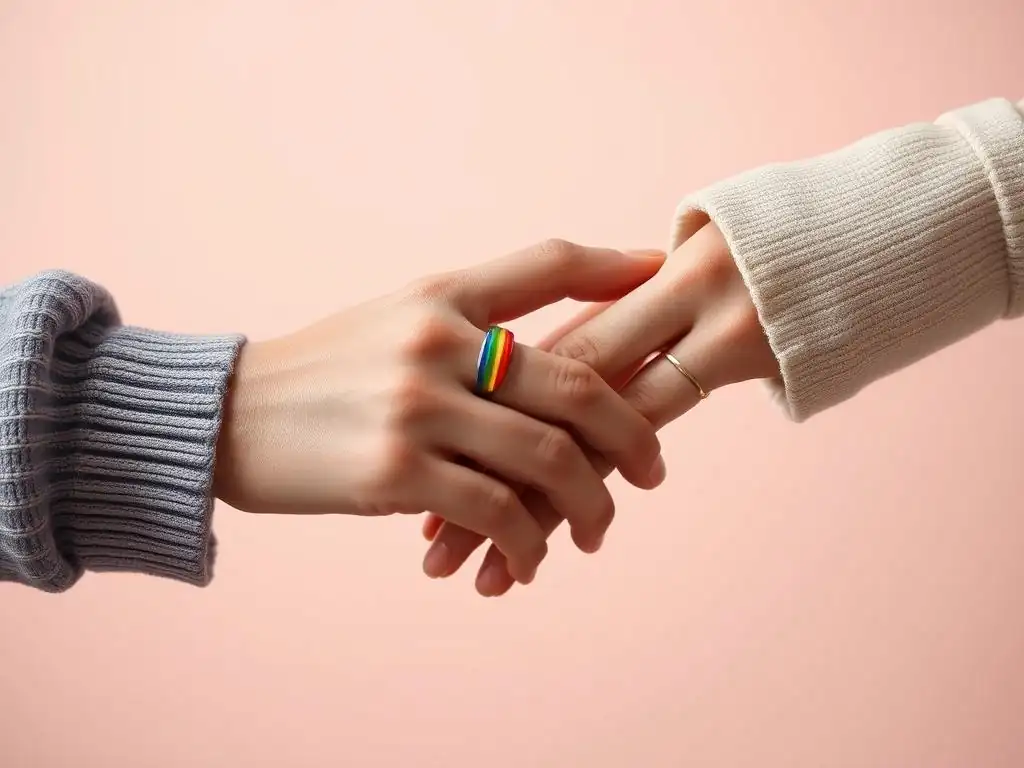
This section explores indicators suggesting you might not be prepared for a committed relationship within the LGBTQ+ online dating landscape. Understanding these signs is crucial for fostering healthy and fulfilling connections. It's perfectly acceptable to prioritize self-discovery and personal growth before diving into a serious relationship; prioritizing your well-being is key to "ready for serious LGBTQ+ dating."
Fear of Commitment in LGBTQ+ Relationships
Fear of commitment is a common hurdle, particularly within the LGBTQ+ community where historical societal pressures and unique challenges may contribute to apprehension. This fear isn't necessarily about avoiding relationships altogether; it's often about a deeper-seated anxiety surrounding vulnerability and the potential for heartbreak. For some, previous negative experiences in relationships — whether romantic or platonic — can exacerbate these fears. Others may struggle with the societal expectations placed upon relationships, particularly within the LGBTQ+ community where the pressure to "settle down" might feel intensified.
This fear can manifest in various ways: constantly seeking escape routes from deepening intimacy, engaging in avoidance behaviors when conversations turn serious, or exhibiting reluctance to make plans beyond the immediate future. Recognizing these patterns is the first step. Consider journaling about your feelings, engaging in self-reflection exercises, or seeking support from a therapist or counselor specializing in LGBTQ+ issues. Remember, addressing these anxieties is a sign of strength, not weakness, and is vital to achieving "ready for serious LGBTQ+ dating".
Uncertainty About Your Identity or Sexual Orientation
Navigating identity within the LGBTQ+ spectrum can be a complex and ongoing journey. Uncertainty about your sexual orientation or gender identity can significantly impact your readiness for a serious relationship. If you're still exploring your identity, prioritizing self-discovery before committing to a serious partnership is essential. Rushing into a relationship while grappling with these fundamental questions can lead to incompatibility and potential hurt for both partners. Remember, self-acceptance is a cornerstone of any healthy relationship.
Consider the following questions: Are you comfortable openly discussing your identity with potential partners? Do you feel secure and confident in your self-understanding? If the answer is no, focusing on self-exploration through introspection, therapy, or community engagement might be more beneficial before seeking a serious relationship. The process of self-discovery is valid and vital; it's crucial to be genuinely comfortable with yourself before embarking on a significant romantic journey and achieving "ready for serious LGBTQ+ dating."
Unresolved Past Trauma Affecting Current Relationships
Past trauma, whether related to previous relationships, family dynamics, or broader societal experiences, can significantly impact your capacity for healthy relationships. Unresolved trauma can manifest as trust issues, difficulty with intimacy, or a tendency to repeat unhealthy patterns. These patterns can hinder the development of a successful and fulfilling committed relationship. Ignoring these unresolved issues can lead to significant challenges and distress within a serious partnership.
It's vital to acknowledge the impact of past trauma and actively address it. Therapy, support groups, and self-care practices can be invaluable tools in this process. Working through these issues will not only improve your mental and emotional well-being but also enhance your ability to form healthy, fulfilling relationships. Addressing past trauma is a crucial step toward achieving "ready for serious LGBTQ+ dating," fostering genuine connection and lasting love.
Need for More Personal Growth Before a Committed Relationship
Before embarking on a serious LGBTQ+ relationship, it's crucial to assess your level of personal growth and self-awareness. Are you comfortable with who you are, independent of a partner? A serious relationship requires emotional maturity and the ability to contribute to a partnership without sacrificing your own identity. Many individuals find that addressing personal issues, such as unresolved trauma or low self-esteem, before entering a committed relationship leads to a more fulfilling and healthier experience. Ignoring these aspects can lead to codependency or projecting insecurities onto your partner, ultimately hindering the relationship's success. Consider whether you've established healthy coping mechanisms for stress and challenges.
A committed relationship will inevitably present its own set of difficulties, and having the tools to navigate these independently is vital. Think about your financial stability and independence. While shared finances are common in serious relationships, a solid foundation of personal financial responsibility prevents undue stress and potential conflict. Finally, reflect on your past relationships. What patterns have emerged?
What lessons have you learned? Understanding your relationship history allows you to approach a new commitment with greater self-awareness and a proactive approach to avoiding past mistakes. Taking the time for personal growth is not a sign of weakness; it's a testament to your commitment to building a strong and healthy foundation for a lasting LGBTQ+ relationship. This self-reflection process can be significantly enhanced through self-help books, therapy, or even journaling, providing valuable insights into your readiness for commitment. Remember, prioritizing personal growth ensures you enter a serious relationship from a place of strength and self-assuredness, rather than seeking validation or fulfillment from a partner.
Moving Forward: Next Steps for Serious LGBTQ+ Dating
Once you've determined you're ready for a serious LGBTQ+ relationship, it's time to translate that readiness into action. This isn't just about swiping right; it's about building a strategic approach to finding a compatible partner. Many individuals, eager to find lasting love, stumble because they lack a clear plan. This section outlines actionable steps to increase your chances of success. Remember, finding a serious partner takes time and patience; be kind to yourself throughout the process.
Creating a Dating Plan for Finding a Long-Term Partner
Crafting a personalized dating plan is crucial for navigating the complexities of serious LGBTQ+ dating. This isn't a rigid schedule, but rather a flexible framework to guide your efforts. Consider these elements:
- Define your ideal partner: Go beyond superficial attributes. Consider values, life goals, communication styles, and desired family structure. Be realistic and specific. Are you looking for someone who enjoys hiking, shares your political views, or prioritizes family above all else? The more detailed your vision, the better equipped you are to identify compatible matches.
- Choose the right platforms: Different dating apps cater to different demographics and relationship goals. Research apps popular within the LGBTQ+ community that emphasize serious relationships rather than casual encounters. Consider diversifying your approach, using a mix of apps and websites to broaden your reach.
- Optimize your profile: Your profile is your first impression. Use high-quality photos that accurately reflect your personality and lifestyle. Write a compelling bio that highlights your interests, values, and what you're looking for in a partner. Avoid clichés and generic statements. Authenticity is key. Showcase your unique personality and what makes you special.
- Set realistic expectations: Finding "the one" takes time. Don't get discouraged by initial setbacks. Each date is a learning opportunity, whether it leads to a second date or not. Focus on building genuine connections, rather than solely on finding the "perfect" person immediately.
- Prioritize quality over quantity: It's better to have a few meaningful interactions than numerous superficial ones. Focus on building genuine connections with individuals who share your values and relationship goals. Don't be afraid to end dates early if you sense a lack of compatibility.
Seeking Support from LGBTQ+ Communities and Resources
Navigating the complexities of serious LGBTQ+ dating can be challenging. Fortunately, you don't have to do it alone. Leveraging the support and resources available within the LGBTQ+ community can significantly enhance your experience.
Numerous online and offline communities offer invaluable support and guidance:
- Online forums and groups: Connect with other LGBTQ+ individuals who are also seeking serious relationships. Share experiences, advice, and encouragement. The collective wisdom of a supportive community can be incredibly beneficial. You might discover helpful strategies or simply find comfort in knowing you're not alone.
- LGBTQ+ organizations and centers: Many organizations provide resources, workshops, and support groups specifically for LGBTQ+ individuals navigating dating and relationships. These resources can offer valuable insights into healthy relationship dynamics and strategies for building strong connections.
- Therapists and counselors: Consider seeking professional guidance if you're facing challenges in dating or relationships. A therapist specializing in LGBTQ+ issues can provide personalized support and help you address any underlying emotional or relational blocks.
Remember, seeking support isn't a sign of weakness; it's a sign of strength and self-awareness. Embracing community resources can significantly improve your dating journey.
Prioritizing Self-Care and Well-being During the Dating Process
The search for a serious relationship can be emotionally taxing. It's crucial to prioritize self-care and well-being throughout the process to avoid burnout and maintain a healthy perspective.
Self-care encompasses a wide range of practices:
- Maintain healthy boundaries: Protect your time, energy, and emotional well-being. Don't feel pressured to respond immediately to messages or engage in activities that drain your energy. Set clear boundaries and stick to them.
- Engage in activities you enjoy: Make time for hobbies, interests, and social connections outside of dating. This helps maintain a sense of balance and prevents your identity from becoming solely defined by your search for a partner.
- Practice self-compassion: Be kind to yourself during this process. Rejection is a normal part of dating. Don't take it personally and avoid self-criticism. Celebrate your strengths and acknowledge your progress.
- Maintain a healthy lifestyle: Prioritize physical health through exercise, nutritious food, and sufficient sleep. These factors significantly impact your emotional resilience and overall well-being. A healthy mind and body are essential for navigating the emotional rollercoaster of dating.
Prioritizing self-care isn't selfish; it's essential for building a strong foundation for a healthy and fulfilling relationship. By nurturing your own well-being, you'll be better equipped to attract and maintain a lasting, meaningful connection.
Maintaining a Positive Mindset and Realistic Expectations in LGBTQ+ Dating
Embarking on the journey of serious LGBTQ+ dating requires a healthy dose of optimism tempered with realistic expectations. It's crucial to remember that finding a compatible partner takes time and effort. Don't get discouraged by occasional setbacks or periods of inactivity. The online dating landscape, even within the LGBTQ+ community, is diverse and dynamic; it's not a race, but a process of self-discovery and connection.
One key aspect of maintaining a positive mindset is focusing on self-care. Prioritize your well-being through healthy habits like exercise, sufficient sleep, and engaging in activities you enjoy. This self-care isn't just a luxury; it's essential fuel for navigating the emotional ups and downs inherent in dating. When you feel good about yourself, you project confidence and authenticity, making you a more attractive potential partner. Remember, you deserve happiness, and actively pursuing self-care is a significant step toward achieving it.
Realistic expectations play a vital role. Avoid idealizing potential partners or setting impossibly high standards. Instead, focus on identifying your core values and non-negotiables in a relationship. Understand that your perfect partner might not look exactly like you envisioned, but they will likely share your fundamental values and life goals. Be open to discovering unexpected connections and allow yourself to be surprised by the amazing individuals you might meet. This openness is often the key to unlocking truly fulfilling relationships. Remember, compatibility is built over time, through shared experiences and genuine connection, not just initial attraction.
Furthermore, avoid comparing your dating journey to others. Everyone's experience is unique. Social media often presents a curated and unrealistic portrayal of relationships, so resist the urge to measure your progress against others' seemingly perfect timelines. Focus on your own journey, celebrate your milestones, and learn from any challenges you encounter. This self-compassion is essential for maintaining a positive perspective and navigating the complexities of finding a serious relationship within the LGBTQ+ community. Remember, your journey is valid, and your happiness is paramount. Embrace the process, and trust that the right connection will come when the time is right.
Frequently Asked Questions
How do I know if I'm truly ready for a serious LGBTQ+ relationship?
Consider your emotional availability, your relationship goals, and whether you're ready for the commitment involved. Honest self-reflection is key. Are you ready to invest time and energy into building a meaningful connection?
What are some signs that I'm not ready for a serious LGBTQ+ relationship?
Signs include prioritizing casual dating, fearing commitment, or unresolved emotional baggage from past relationships. Lack of emotional maturity and inability to communicate openly can also be indicators.
How can I create a dating profile that attracts serious LGBTQ+ partners?
Highlight your values, interests, and what you're looking for in a partner. Be honest and authentic in your profile. Use photos that reflect your personality and lifestyle. Avoid vague or generic statements.
What are some effective communication strategies for serious LGBTQ+ dating?
Open and honest communication is crucial. Clearly express your needs, desires, and boundaries. Actively listen to your partner, and be respectful of their feelings.
How can I stay safe while dating seriously within the LGBTQ+ community?
Prioritize in-person meetings in public places. Let a friend or family member know your plans. Trust your instincts—if something feels off, don't hesitate to end the date. Prioritize your safety and well-being.
The journey to finding a serious relationship within the LGBTQ+ community is complex, but the rewards of authenticity and connection are immeasurable. Navigating the online dating landscape, with its unique challenges and opportunities, requires self-awareness, resilience, and a clear understanding of your own desires and needs. This exploration isn't just about finding a partner; it's about finding yourself within the context of a potential lifelong commitment.
The impact of online dating on the LGBTQ+ community is profound, offering visibility and connection that were previously unimaginable. It has fostered a sense of community and belonging, allowing individuals to connect with others who understand their experiences. However, it also presents challenges, such as the pressure to present a perfect online persona and the potential for superficial interactions. The most important thing is to be true to yourself, and to find someone who appreciates you for who you are.
This simple truth, often overlooked in the whirlwind of online profiles and swipes, remains the cornerstone of any successful relationship, regardless of sexual orientation or gender identity.
Now, consider your own journey. What steps can you take to ensure you're truly ready for a serious relationship? Are you comfortable with vulnerability and open communication? Have you taken the time for self-reflection to understand your values, needs, and relationship goals? Take the time to answer these questions honestly, and you'll be well on your way to building a fulfilling and lasting connection. The path to love is rarely straightforward, but with self-awareness and intention, you can navigate the complexities of LGBTQ+ dating and find the love you deserve.
Uncover Your Dating Readiness: Take the Next Step
Thanks for exploring the world of LGBTQ+ online dating and reflecting on your readiness for a serious relationship! We hope this article offered valuable insights. Now, let's translate that reflection into action.
- Prioritize self-reflection: This week, take time to journal about the article's key takeaways. What resonated most with you? What steps will you take to build a stronger foundation for a meaningful relationship? Consider what aspects of your life need more attention to foster healthy relationships.
- Refine your dating profile: Use your new insights to update your online dating profile, making it more authentic and reflective of your relationship goals. Highlight a personal detail that showcases your self-awareness and maturity. For example, you could mention a recent accomplishment or a personal value that is important to you.
- Share your experiences: Join the conversation in the comments below and share your thoughts or questions with other readers. What unique challenges or triumphs have you encountered on your dating journey? Sharing your experiences can help others and provide valuable support.
Ready to build a future of genuine connection? What's one small step you'll take today to move closer to finding a fulfilling relationship?