
From Online Chat to Real Life: Transitioning Successfully in LGBTQ+ Dating


Ready to ditch the dating app struggles and find genuine connection? At OnlineDatingSuccess.org, we empower you to navigate the world of online dating with confidence. This isn't just about swiping right; it's about building meaningful relationships. Discover practical strategies to craft a compelling profile, master the art of online communication, and prioritize your safety. But first, let's dive into the crucial topic of LGBTQ+ dating app transition tips, bridging the gap between online chat and real-life romance. Are you ready to take the leap?
- Navigating the Transition from LGBTQ+ Dating Apps to Real-Life Encounters
- Essential Tips for a Smooth Transition in LGBTQ+ Dating
- LGBTQ+ Dating App Transition Tips: Strategies for Success
- Building a Healthy Relationship After the Initial Meeting
- LGBTQ+ Dating App Transition Tips: Beyond the First Date
-
Frequently Asked Questions
- How do I transition from online LGBTQ+ dating app conversations to a real-life meeting?
- What are some important safety tips when meeting someone from an LGBTQ+ dating app?
- How can I make my online profile more appealing to other LGBTQ+ singles?
- How do I handle the transition if I'm unsure about my feelings for someone I've met online?
- What if the real-life connection doesn't match the online connection?
- Final Reflection: Bridging the Digital Divide in LGBTQ+ Relationships
- Unleash Your Offline Dating Potential!
Dating apps have revolutionized how we meet people, especially within the LGBTQ+ community where finding like-minded individuals can sometimes be challenging. This article provides practical advice for successfully transitioning from the digital realm of LGBTQ+ dating apps to meaningful in-person connections. We'll explore strategies for building trust online, choosing appropriate first date locations, and understanding the nuances of shifting from online interactions to real-life relationships within the unique context of LGBTQ+ dating.
Successfully navigating this transition requires careful consideration, open communication, and a commitment to prioritizing your safety and well-being. Mastering these skills will significantly improve your chances of finding a fulfilling and lasting relationship. Let's dive into the essential steps to make this transition smoother and more rewarding.
Understanding the Online to Offline Shift in LGBTQ+ Relationships
The shift from online profiles and messages to face-to-face interactions presents unique challenges in LGBTQ+ dating. Online profiles often present a curated version of ourselves, and translating that digital persona into a genuine, authentic in-person connection requires careful consideration. Many LGBTQ+ individuals may have experienced discrimination or prejudice in the past, leading to heightened anxieties about meeting someone offline. Building trust and establishing a comfortable level of intimacy takes time and effort, especially when navigating the complexities of sexual orientation, gender identity, and relationship expectations within the LGBTQ+ community.
It's crucial to remember that the process is unique to each individual and couple, and there's no one-size-fits-all approach. Open communication and mutual respect are key to a successful transition. For example, discussing concerns about safety or comfort levels early on can significantly improve the chances of a positive first meeting. Remember, honesty and transparency are paramount.
Building Trust and Connection Online Before Meeting In Person
Before arranging an in-person meeting, fostering a genuine connection online is crucial. This involves more than just exchanging pleasantries; it's about building a foundation of trust and mutual understanding. Engage in meaningful conversations, ask thoughtful questions, and share relevant aspects of your life, but always prioritize your safety and avoid revealing overly personal information too early. Look for signs of genuine interest and compatibility beyond surface-level attraction.
Does the person actively listen to you? Do they ask follow-up questions that show they're genuinely interested in getting to know you? Do their words align with their actions? Pay attention to red flags such as overly aggressive messaging, inconsistency in their responses, or a reluctance to share personal information about themselves.
Remember that building trust takes time; don't rush the process. A slow, deliberate approach will yield better results in the long run. Consider using video calls before meeting in person, as this can help you assess compatibility and build comfort.
Choosing the Right Time and Place for Your First Date
Choosing the right time and place for your first in-person date is equally important. Opt for a public place where you feel safe and comfortable, such as a coffee shop, a restaurant, or a museum. Avoid secluded locations or inviting someone to your home for a first date. The timing should also be carefully considered.
A short, midday meeting can be less intimidating than a lengthy evening date. Prioritize your safety and comfort above all else. Have a backup plan in case you feel uncomfortable at any point. Let a friend or family member know where you're going, who you're meeting, and when you expect to be back.
Remember, a successful first date isn't about finding "the one," but rather about assessing compatibility and determining if there's potential for a deeper connection. If you feel unsafe or uncomfortable at any point, don't hesitate to leave. Your safety and well-being are paramount. Trust your instincts—they're often right.
Essential Tips for a Smooth Transition in LGBTQ+ Dating
This section offers practical advice for LGBTQ+ individuals navigating the often exciting, yet sometimes challenging, transition from online dating interactions to real-life encounters. Successfully transitioning requires careful planning, open communication, and a healthy dose of self-awareness. Remember, the goal is to build genuine connections, fostering relationships built on trust and mutual respect. This isn't just about finding a date; it's about finding a potential partner. Let's explore key strategies to increase your chances of a positive experience.
Open Communication: Setting Expectations and Boundaries
Open and honest communication is paramount in any relationship, but it's especially crucial in LGBTQ+ dating, where societal norms and personal experiences can significantly shape communication styles. Before meeting in person, establish clear expectations and boundaries. This doesn't mean interrogating your potential date; rather, it involves sharing your comfort levels and preferences.
For example, you might casually mention your preferred meeting places – a well-lit, public area is always a good choice. You could also subtly gauge their comfort level with public displays of affection (PDA) by mentioning your own preferences. Are you comfortable with holding hands? A quick kiss? Knowing this beforehand can prevent awkwardness or misunderstandings during your first meeting.
Consider using phrases like, "I'm really looking forward to meeting you, and I'm comfortable meeting in a public space initially," or, "I'm generally pretty open, but I'm not a fan of [specific PDA activity]." This direct approach helps manage expectations and ensures both parties are on the same page. Remember, clear communication builds trust and reduces anxiety, leading to a more positive and enjoyable first date. It's also a great way to assess compatibility early on.
Safety First: Prioritizing Your Well-being in LGBTQ+ Dating
Safety should always be your top priority when transitioning from online to offline interactions in LGBTQ+ dating. While most people you meet online will be respectful and genuine, it's crucial to take precautions to protect yourself. Never share your full address or precise location until you feel completely comfortable and have met in person several times.
Here’s a checklist to consider:
- Meet in a public place: Choose a well-lit, populated area for your first few meetings. Coffee shops, restaurants, or busy parks are good options.
- Let someone know your plans: Inform a trusted friend or family member about your date, including the time, location, and the person's name (and possibly a photo).
- Have a backup plan: Arrange to have a friend call you at a specific time, or have a pre-arranged escape route if you feel uncomfortable.
- Trust your instincts: If something feels off, don't hesitate to leave. Your safety and well-being are more important than politeness.
- Avoid sharing too much personal information too soon: Protect your privacy.
Remember, these precautions are not about being paranoid, but about being proactive and responsible. Prioritizing your safety doesn’t diminish the excitement of meeting someone new; rather, it enhances the experience by allowing you to focus on building a genuine connection without unnecessary anxieties. Being safe allows you to be more present and enjoy the experience.
Managing Expectations: The Reality of Real-Life Connections
The transition from online profiles to real-life interactions can sometimes feel jarring. While online profiles provide a snapshot of someone's life, they rarely capture the full picture. Remember that the person you meet in person might be slightly different from the person you've interacted with online. This isn't necessarily a bad thing; it's simply a reality of human connection.
Manage your expectations by focusing on getting to know the person in person, rather than solely relying on their online persona. Be open to discovering new aspects of their personality and character. Don't be discouraged if the chemistry isn't exactly what you anticipated; it's perfectly okay for things to not work out. Online dating is a process of discovery, and not every connection will lead to a long-term relationship.
Consider these points:
| Aspect | Online Dating | Real-Life Interaction |
|---|---|---|
| Appearance | Filtered photos, curated presentation | Natural appearance, unedited presentation |
| Personality | Limited interactions, potentially idealized | Full spectrum of personality revealed |
| Communication Style | Text-based, potentially less nuanced | In-person communication, nonverbal cues |
| Chemistry | Anticipation, potential for misinterpretation | Actual experience, immediate assessment |
Remember, the goal is to find genuine connections, not just perfect matches. Be patient, be open-minded, and most importantly, be true to yourself. Embrace the journey, and enjoy the process of getting to know someone new. The transition from online to offline in LGBTQ+ dating can be rewarding—with a little planning and self-awareness, you can increase your chances of positive experiences and meaningful connections.
LGBTQ+ Dating App Transition Tips: Strategies for Success
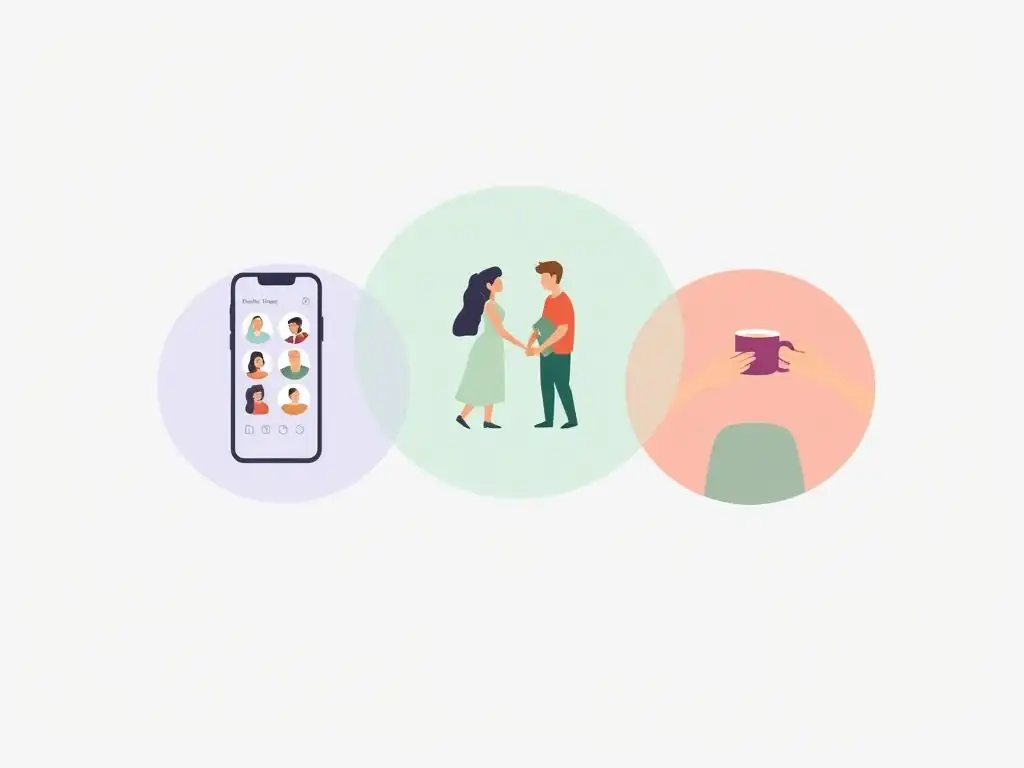
This section offers practical advice for successfully transitioning from online LGBTQ+ dating to in-person connections. Navigating this shift requires careful planning, emotional intelligence, and a healthy dose of self-awareness. Remember, the goal is to build genuine connections, not just accumulate dates. Successful transitions in LGBTQ+ dating hinge on thoughtful preparation, realistic expectations, and resilience in the face of setbacks. Let's explore key strategies to improve your chances of a positive offline experience.
Preparing for Your First Offline Meeting
The first offline meeting is a significant milestone in LGBTQ+ dating. Thorough preparation can significantly reduce anxiety and increase the likelihood of a positive experience. Consider these crucial steps:
- Safety First: Always meet in a public place, preferably one you're familiar with. Let a friend or family member know where you're going, who you're meeting, and when you expect to be back. Share your date's profile information with your trusted contact.
- Plan an Activity: Suggesting a specific activity, instead of just a vague "coffee date," can alleviate some of the pressure and provide a natural framework for conversation. Consider a casual activity like grabbing a drink, visiting a museum, or attending a community event. Choosing an activity that aligns with your shared interests (as revealed during your online conversations) is key.
- Dress Comfortably, but Confidently: Wear something that makes you feel good about yourself, reflecting your personality. Comfort is paramount – you want to be relaxed and able to focus on getting to know your date.
- Manage Expectations: Remember that your first offline meeting is just a chance to see if there's an in-person connection. Don't put too much pressure on yourselves to determine long-term compatibility immediately. Focus on enjoying the experience and seeing if you have a shared spark. Consider this a chance to verify the online persona.
- Review the conversation: Refresh your memory on the key topics discussed online to ensure a smooth flow of conversation and avoid awkward silences. Identify some common interests to build upon during the date.
Handling First-Date Jitters and Anxiety
First dates, even within the context of successful online interactions, can trigger anxiety. It's perfectly normal to feel nervous! However, recognizing and managing these feelings is crucial for enjoying the experience.
- Mindfulness and Deep Breathing: Practicing mindfulness and deep breathing exercises before your date can help calm your nerves and center your energy. Even a few minutes can make a significant difference.
- Positive Self-Talk: Replace negative thoughts ("What if they don't like me?") with positive affirmations ("I'm confident and capable," "I'm excited to meet this person").
- Focus on Connection, Not Perfection: Remember that the goal is to connect with another human being, not to be perfect. Embrace imperfections and be yourself. Authenticity is key in building genuine connections.
- Remember, It's a Two-Way Street: Your date is likely experiencing some nerves too. Be empathetic and understanding. Genuine interest and kindness go a long way in creating a positive atmosphere.
- Plan a graceful exit strategy: Having a backup plan in case the date isn't going well can alleviate some anxiety. Having a friend call you with a "fake emergency" is a classic (and sometimes necessary) technique.
Managing Disappointment: Not Every Connection Works Out
Not every online connection translates into a successful offline relationship. Rejection is a part of dating, and it's important to handle disappointment with grace and self-compassion.
- Self-Reflection: Instead of dwelling on what went wrong, use the experience as an opportunity for self-reflection. What did you learn about yourself and what you're looking for in a partner?
- Avoid Over-Analyzing: It's easy to overthink and analyze every detail of a date that didn't work out. Try to avoid falling into this trap. Focus on what you can control, which is your own behavior and approach.
- Maintain Your Self-Esteem: Remember that a failed date doesn't diminish your worth. Your value isn't determined by whether or not someone chooses to date you.
- Learn from the Experience: Every date, successful or not, provides valuable learning opportunities. Use these experiences to refine your approach and improve your dating strategies.
- Keep Dating! Don't let one unsuccessful date discourage you from continuing your search for a meaningful connection. Persistence and a positive attitude are crucial in the world of LGBTQ+ dating. The right person is out there! 🎉
Building a Healthy Relationship After the Initial Meeting
Transitioning from online LGBTQ+ dating app interactions to a real-life relationship requires careful navigation. The initial excitement of connecting with someone who understands your unique experiences can be exhilarating, but it's crucial to build a foundation of trust and respect to ensure the relationship thrives. Many successful relationships started with a simple "hey" on a dating app, but moving forward requires conscious effort and clear communication. This section focuses on practical strategies to nurture a healthy relationship after that first, nerve-wracking meetup.
Maintaining Open Communication Beyond the First Date
Open communication is the cornerstone of any healthy relationship, but it's particularly vital in LGBTQ+ relationships where societal pressures and unique experiences can impact how individuals express themselves. After the initial date, avoid the common pitfalls of letting communication dwindle. Consistent, honest dialogue is key. This isn't simply about texting daily; it's about meaningful engagement.
For example, instead of just saying "Had a great time! ", try something more specific like, "I really enjoyed our conversation about [shared interest]. I'd love to hear more about your experience with [topic related to their profile]." This shows genuine interest and encourages reciprocal sharing. Regular check-ins, even short ones, can make a difference. Think of it as tending a garden; consistent nurturing leads to growth. Consider scheduling regular calls or video chats to maintain intimacy and connection, especially if physical distance is a factor. Remember, consistent communication strengthens the bond and builds a deeper understanding.
Respecting Differences and Boundaries in LGBTQ+ Relationships
LGBTQ+ relationships encompass a vast spectrum of identities, experiences, and expectations. Recognizing and respecting these differences is paramount to a successful transition from online to offline. Understanding your partner's individual needs and boundaries is crucial. This might involve discussing comfort levels with public displays of affection (PDA), preferred pronouns and names, or even the pace at which you both wish to progress the relationship.
Consider creating a safe space for open dialogue about sensitive topics like family dynamics, past relationships, and personal experiences. Remember, these conversations are not just about information exchange; they are opportunities to build empathy and understanding. Setting clear boundaries, such as respecting personal space and time, is also essential. Openly discussing these aspects early on can prevent misunderstandings and conflicts later. For instance, if one partner prefers a slower pace in the relationship than the other, clearly communicating these expectations is vital to avoid resentment. Remember, healthy relationships are built on mutual respect and understanding of individual needs.
Cultivating Long-Term Commitment and Trust
Building a lasting relationship requires dedication, commitment, and a willingness to work through challenges. Trust is fundamental, and it's built incrementally through consistent actions and honest communication. Being reliable, keeping promises, and showing empathy are key ingredients. In the context of LGBTQ+ dating, where societal prejudices might create additional hurdles, nurturing trust becomes even more crucial.
Consider engaging in activities that foster intimacy and shared experiences. These could range from simple date nights to shared hobbies or volunteering together. The goal is to create positive memories and strengthen the bond. Openly discussing long-term goals and expectations, such as cohabitation, family planning, or future life plans, helps build a shared vision for the relationship.
Remember that long-term commitment requires consistent effort, understanding, and a mutual willingness to navigate life’s challenges together. Open and honest communication remains paramount in building and maintaining this commitment. Regularly reaffirming your commitment and appreciation for your partner strengthens the bond and creates a lasting, fulfilling relationship.
LGBTQ+ Dating App Transition Tips: Beyond the First Date

This section focuses on successfully transitioning from the digital realm of LGBTQ+ dating apps to real-life connections. Many find the initial online interaction relatively easy, but the leap to an in-person meeting can feel daunting. This is especially true within the LGBTQ+ community, where navigating unique cultural nuances and potential anxieties related to identity and self-expression adds another layer of complexity. Successfully navigating this transition requires careful planning and mindful communication.
Long-distance relationships (LDRs) present a unique set of challenges, amplified in the context of LGBTQ+ dating. The lack of physical proximity necessitates more intentional effort to maintain connection and intimacy. Successful LDRs require proactive communication, scheduling regular video calls, and finding creative ways to bridge the physical distance. Consider using apps designed for couples to share experiences and stay connected, even across miles.
Planning occasional visits is crucial, but financial constraints and geographical limitations can be significant hurdles. Open communication about expectations, limitations, and anxieties is key to building a strong foundation for an LDR within the LGBTQ+ community, where pre-existing societal barriers might already make maintaining a relationship more challenging. Remember to be patient and understanding; building trust and intimacy takes time, especially when separated by distance. [Specific data on success rates of LDRs within the LGBTQ+ community pending].
Dealing with Family and Friends' Reactions
Coming out and introducing a partner can be a sensitive process, particularly within the LGBTQ+ community where family acceptance isn't always guaranteed. Reactions can range from enthusiastic support to outright rejection, causing significant stress and anxiety. It's crucial to approach this process thoughtfully, considering the individual dynamics of your family and friend circles. Some individuals might need more time to process the information, while others might require a more gradual introduction.
It’s important to prioritize your own well-being and mental health during this transition. Support groups specifically designed for LGBTQ+ individuals and their families can provide invaluable resources and guidance during this challenging period. Remember, you have the right to control the pace and manner of sharing this information. Prioritize your mental health, and don't feel pressured to rush the process.
Consider creating a supportive network of friends or family members who understand and accept your relationship before introducing your partner to more challenging individuals. Building a strong support system can help mitigate the potential negativity and build resilience in the face of adversity. Open communication with your partner about how to approach this sensitive situation together can strengthen your bond and help you navigate the complexities of shared family and friend dynamics.
Frequently Asked Questions
How do I transition from online LGBTQ+ dating app conversations to a real-life meeting?
Transition smoothly by suggesting a low-pressure, public first date. Keep the conversation flowing naturally, and be upfront about your comfort levels. Choose a location that allows for easy escape if needed.
What are some important safety tips when meeting someone from an LGBTQ+ dating app?
Prioritize safety by meeting in a well-lit, public place for your first date. Let a friend or family member know where you're going and who you're meeting. Trust your instincts; if something feels off, leave.
How can I make my online profile more appealing to other LGBTQ+ singles?
Showcase your authentic self through high-quality photos and a genuine profile description. Highlight your interests and what you're looking for in a partner. Be open and honest about your identity and preferences.
How do I handle the transition if I'm unsure about my feelings for someone I've met online?
It's okay to take things slow. Be honest with yourself and the other person about your feelings. Don't feel pressured to move faster than you're comfortable with. Open communication is key.
What if the real-life connection doesn't match the online connection?
It happens! Be respectful and honest but brief if the chemistry isn't there. Online dating involves trial and error; don't be discouraged. Focus on what you learned and apply it to future interactions.
Final Reflection: Bridging the Digital Divide in LGBTQ+ Relationships
The ease of connection offered by LGBTQ+ dating apps is undeniable, yet the transition from online interactions to meaningful real-life relationships remains a significant hurdle for many. Successfully navigating this transition requires self-awareness, clear communication, and a willingness to embrace vulnerability – qualities that are crucial for building any lasting relationship, regardless of how it begins.
The impact of dating apps on the LGBTQ+ community is profound, reshaping how we meet, connect, and build relationships. It's a double-edged sword, offering unprecedented access to potential partners while simultaneously presenting unique challenges. The internet has made it easier for people to find others who share their interests and values, but it has also made it easier for people to be superficial and to avoid real connection.
This quote, while not specifically about LGBTQ+ dating, highlights a universal truth about online interactions that we must actively counter to foster genuine intimacy.
Now, consider your own experiences. How have online dating apps shaped your perception of relationships? What steps can you take to ensure your online connections translate into fulfilling real-life encounters? Don't let the digital divide prevent you from finding the love and connection you deserve. Embrace the opportunities presented by technology, but remember that genuine connection requires authenticity, vulnerability, and a willingness to step outside your comfort zone. The journey from online chat to real life is a rewarding one – take the leap and discover the possibilities that await.
Unleash Your Offline Dating Potential!
Thank you for exploring the exciting transition from online LGBTQ+ dating to real-life connections! You've gained valuable insights into building authentic relationships, and it's time to put that knowledge into practice.
Here's how to maintain your momentum:
- Attend a local LGBTQ+ event: Commit to attending a local gathering, social event, or group activity that genuinely interests you. This is the first step toward building real-world connections. Consider a community potluck, a volunteer opportunity at a local LGBTQ+ center, or a themed social event.
- Share your key takeaway: What advice resonated most with you? Sharing it with a friend or on social media solidifies your understanding and inspires others. This also helps you process and internalize the information.
- Refine your online profile: Does your online profile accurately reflect who you are now and the type of connection you seek offline? Review and update it to ensure it aligns with your current goals. Consider adding a recent photo and updating your bio to highlight your interests and what you're looking for in a partner.
Ready to dive into exciting new connections? What small step will you take this week to bridge the gap between online and offline dating?