
The LGBTQ+ Online Dating Safety Guide: Making Sure Your Heart is Protected


Welcome to OnlineDatingSuccess.org, your guide to navigating the exciting yet complex world of online dating! Are you ready to find meaningful connections? We're dedicated to helping you build a successful dating profile, communicate confidently, and most importantly, stay safe online. This is especially crucial for our LGBTQ+ community, which is why we've created a comprehensive guide on LGBTQ+ online dating safety tips. Discover how to protect yourself and your heart while searching for love—read on to learn more!
- Understanding LGBTQ+ Online Dating Risks
- Protecting Your Personal Information
- Safe Communication Strategies
- Meeting in Person: Safety First
- Utilizing Online Dating Safety Tools and Resources
- LGBTQ+ Online Dating Safety Tips: A Summary
-
Frequently Asked Questions
- How can I ensure my safety when using online dating apps as an LGBTQ+ individual?
- What specific dangers do LGBTQ+ individuals face on online dating sites?
- Are there any specific apps or platforms safer for LGBTQ+ users than others?
- How can I spot a fake profile or a scammer targeting LGBTQ+ individuals?
- What should I do if I experience harassment or feel unsafe during an online dating interaction?
- Final Reflection: Navigating Love and Safety in the Digital Age
- Unlock Your Safe & Rewarding Dating Journey
Understanding LGBTQ+ Online Dating Risks
Navigating the world of online dating can be exciting, but it's crucial to understand the unique challenges and risks faced by members of the LGBTQ+ community. This guide provides practical and empathetic advice to help you build a safer and more positive online dating experience. We'll explore specific vulnerabilities within the LGBTQ+ online dating landscape, offering actionable strategies to mitigate potential dangers and foster genuine connections. The goal is to empower you to protect your heart and well-being while embracing the opportunities for connection that online dating offers.
Remember, building a safe and positive experience is key to finding meaningful relationships. This guide will equip you with the knowledge and tools to make informed choices and prioritize your safety throughout your online dating journey. Let's delve into the specific issues to consider.
Unique Vulnerabilities in LGBTQ+ Online Dating
LGBTQ+ individuals often face unique challenges in online dating that are not always experienced by heterosexual daters. These vulnerabilities stem from societal prejudices and biases that can manifest in various forms online. For example, LGBTQ+ individuals may be more susceptible to targeted harassment, discrimination, and hate speech. Additionally, the relative lack of legal protections in some areas can create a higher risk of exploitation and abuse.
The visibility of one's sexual orientation or gender identity online may also unintentionally expose individuals to greater risks, highlighting the need for extra caution and proactive safety measures. Understanding these unique vulnerabilities is the first step towards building a safer online dating experience. It's important to remember that you are not alone in facing these challenges and that support and resources are available.
Online Harassment and Discrimination: Recognizing and Reporting
Online harassment and discrimination can take many forms, from subtle microaggressions to overt hate speech and threats. These actions can significantly impact mental health and well-being. Examples include hateful comments on profiles, targeted messaging with discriminatory language, and even doxxing (revealing personal information without consent). It's crucial to learn how to recognize these behaviors and take steps to protect yourself.
This includes blocking and reporting offensive users, saving evidence of harassment, and utilizing the reporting mechanisms provided by dating apps and social media platforms. Remember, you have the right to a safe online environment, and reporting these incidents is a vital step in creating a more inclusive space for all. Many platforms offer robust reporting systems – familiarize yourself with these tools and utilize them effectively. Consider also documenting instances of harassment for potential future legal action if necessary.
Catfishing and Fake Profiles: Identifying Red Flags
Catfishing, where someone creates a fake online profile using false information and photos to deceive others, is a prevalent concern in online dating. Within the LGBTQ+ community, this can be particularly insidious, as individuals may be more vulnerable to those exploiting stereotypes and prejudices. Learning to identify red flags is crucial. This includes being wary of profiles with limited information, inconsistent photos, or requests for money or personal details early in the "relationship". Always verify information provided, and proceed with caution if something feels off.
Don't be afraid to ask questions and engage in video calls before meeting in person to help verify someone's identity. Trust your instincts – if something feels wrong, it probably is. Prioritizing your safety and exercising caution are essential steps to avoid falling victim to catfishing scams. Remember, a genuine connection will develop organically and won't involve suspicious requests or inconsistencies.
Protecting Your Personal Information

This section focuses on safeguarding your personal data while navigating the world of LGBTQ+ online dating. Sharing too much information can make you vulnerable, so careful management of your digital footprint is crucial. Remember, your safety and privacy are paramount. The goal is to attract genuine connections while minimizing risks. Let's explore some key strategies for protecting your personal information online.
Safe Profile Creation: Avoiding Over-Sharing
Creating a compelling profile is essential, but revealing too much personal information can be dangerous. Avoid including details like your exact address, workplace, or the name of your school. While you want to paint a picture of yourself, remember that less is often more when it comes to online safety. Instead of directly stating your location, consider using broader terms like "city and state" or even just "the Pacific Northwest." Similarly, instead of specifying your workplace, you can mention your industry in a general way.
Consider these examples:
| Unsafe Profile Information | Safe Profile Information |
|---|---|
| "I work at Acme Corp, downtown Chicago" | "I work in finance in a large city" |
| "I live at 123 Main Street, Anytown, USA" | "I live in Anytown, USA" or even just "I live in the Midwest" |
| "My kids go to Northwood Elementary School" | "I'm a parent" or "I enjoy spending time with children" |
| "My phone number is 555-123-4567" | Do not include your phone number on your profile. |
Think carefully about every piece of information you share. Remember, a potential match can learn a lot about you through seemingly innocuous details. Even seemingly harmless hobbies can be used to piece together more personal information. A photo of you at a specific landmark, for instance, could reveal your location more easily than you think. Always err on the side of caution. The goal is to present enough information to engage potential partners without compromising your safety. Using a unique profile picture that isn't readily searchable online can also help.
Secure Password Practices: Strong and Unique Passwords
Using strong and unique passwords is fundamental to online safety, and LGBTQ+ online dating is no exception. Avoid easily guessable passwords like your birthday or pet's name. Instead, opt for complex passwords that combine uppercase and lowercase letters, numbers, and symbols. A password manager can help you generate and securely store these complex passwords. Consider using a passphrase—a longer, memorable phrase—as a password for added security.
Here are some tips for creating strong passwords:
- Use a minimum of 12 characters.
- Include a mix of uppercase and lowercase letters, numbers, and symbols.
- Avoid using easily guessable information, such as your name, birthday, or pet's name.
- Use a different password for each online account.
- Enable two-factor authentication whenever possible.
Think of your passwords as the keys to your digital life. Protecting them is crucial. A compromised password can lead to identity theft, harassment, or even worse. Regularly review and update your passwords to maintain optimal security. Consider enabling two-factor authentication (2FA) for an extra layer of protection. This adds an additional security step, often involving a code sent to your phone, making it much harder for unauthorized access.
Privacy Settings Optimization: Controlling Your Visibility
Most dating apps offer privacy settings that allow you to control the visibility of your profile. Take advantage of these settings to limit who can see your information. For example, you can choose to only allow people you've matched with to see your photos or other personal details. Regularly review and adjust your privacy settings as needed. Familiarize yourself with the specific privacy settings of each dating app you use, as they can vary significantly.
Consider these aspects of privacy settings:
- Photo visibility: Control who can see your photos.
- Profile visibility: Limit who can view your profile information.
- Messaging settings: Decide who can message you. Consider blocking users who make you uncomfortable.
- Location sharing: Disable location sharing unless absolutely necessary.
- App notifications: Manage the types of notifications you receive.
Remember, your privacy settings are your first line of defense against unwanted attention. Don't hesitate to utilize all available tools to maximize your security and control your online presence. Regularly check and update these settings to reflect your comfort level and evolving concerns. Your digital safety is an ongoing process, not a one-time fix.
Safe Communication Strategies
Navigating the world of LGBTQ+ online dating requires a keen awareness of safety. While the goal is connection, prioritizing your well-being is paramount. Effective communication is key to a positive and secure online dating experience, helping you filter out potential risks and foster genuine connections. This section focuses on strategies for safe communication, empowering you to protect yourself while exploring potential relationships. Remember, your safety and comfort are always the top priorities. This guide provides LGBTQ+ online dating safety tips to help you build trust and avoid potential harm.
Initial Contact: Cautious and Respectful Interactions
The first few messages can be crucial in establishing boundaries and assessing compatibility. Avoid revealing overly personal information immediately. Instead, focus on building rapport through respectful and engaging conversation. Start with lighthearted topics, showing genuine interest in getting to know your potential match. Observe their communication style – are they respectful of your pronouns and boundaries? Do they answer your questions thoughtfully, or do they seem evasive or pushy? A respectful and cautious approach minimizes risks and allows you to gauge their character.
For example, instead of immediately sharing your address or workplace, start by discussing shared interests or experiences within the LGBTQ+ community. Asking about their favorite LGBTQ+ events, shows, or causes can be a great way to initiate conversation while also assessing their level of engagement with the community. A positive interaction should feel comfortable and reciprocal, not rushed or demanding. Remember, you're not obligated to respond to messages that make you uncomfortable.
Sharing personal information should be a gradual process, built on trust and mutual respect. Avoid divulging sensitive details like your full name, address, workplace, or financial information until you've met in person and feel comfortable. Even then, exercise caution and ensure you're in a safe, public place for your first meeting. This applies to sharing photos too; start with general images and avoid revealing identifying features until you've established a level of trust.
Consider using a separate email address or phone number specifically for online dating to maintain privacy. This creates an extra layer of security, preventing the potential for unwanted contact outside the dating platform. Remember, rushing into sharing personal details can expose you to unnecessary risks. A slow, deliberate approach allows you to build a connection based on genuine interest and mutual respect, minimizing potential harm.
Red Flags in Communication: Identifying Warning Signs
Identifying red flags in communication is vital for your safety. Pay close attention to any behavior that feels coercive, controlling, or disrespectful. This could include persistent messaging despite your lack of interest, pressure to share personal information prematurely, overly aggressive or demanding language, or attempts to isolate you from friends and family. These behaviors are warning signs that should never be ignored.
Some specific examples of red flags include: unsolicited explicit photos or messages, attempts to manipulate or guilt you into doing something you're uncomfortable with, overly intense or possessive language, and inconsistent or evasive answers to your questions. If you encounter any of these red flags, immediately cease communication and report the user to the dating platform. Trust your instincts; if something feels off, it probably is. Prioritizing your safety and well-being is always the right decision. Remember, a healthy relationship is built on mutual respect, trust, and open communication. Your safety in the LGBTQ+ online dating world is paramount.
Video Calls: Enhancing Safety and Building Trust
Video calls offer a powerful tool for enhancing safety and building trust in the LGBTQ+ online dating world. Before meeting in person, a video call allows you to verify the identity of your potential partner and ensure they match their online profile. This is crucial, as catfishing and scams are unfortunately prevalent. Seeing someone's face and hearing their voice can significantly reduce the risk of encountering someone who is misrepresenting themselves. Moreover, a video call provides an opportunity to assess their demeanor and body language, offering a more holistic understanding of their personality beyond written messages.
This isn't just about safety; it also helps build rapport and trust. A genuine connection is far easier to establish through visual and auditory interaction. Think about it: a simple smile, a shared laugh, or even a slight hesitation in their speech can reveal more about a person than a perfectly crafted message ever could.
These subtle cues are essential in determining compatibility and building a foundation of trust before progressing to an in-person meeting. Remember, a comfortable and open video call can significantly reduce anxieties about meeting someone new, especially within the LGBTQ+ community where societal biases and prejudices can sometimes create extra layers of apprehension.
To maximize the safety benefits, suggest a video call early in the communication process. Don't feel pressured to accept a meeting before you've had a chance to visually confirm their identity and get a sense of their personality. If someone is hesitant or resistant to a video call, it might be a red flag. Prioritize your safety and well-being; trust your instincts.
Remember, a genuine connection will understand and respect your need for this added layer of security. Consider using platforms with built-in safety features, and always be mindful of your surroundings during the call. A safe and comfortable environment will help you relax and genuinely connect with your potential partner.
Meeting in Person: Safety First
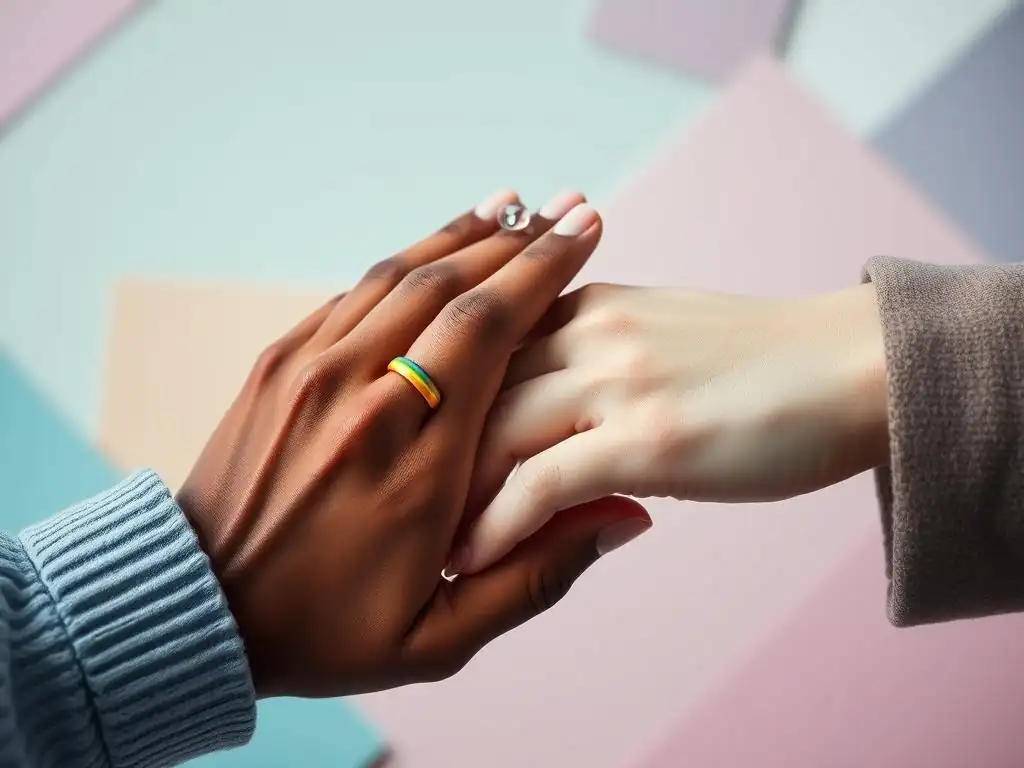
Meeting someone you've connected with online is an exciting step, but prioritizing your safety is paramount. The thrill of a potential connection shouldn't overshadow the importance of careful planning and precaution. Remember, your well-being is the ultimate priority. This section offers practical advice for LGBTQ+ individuals navigating in-person meetings after connecting online, focusing on minimizing risks and maximizing safety. Remember, trust your instincts; if something feels off, it probably is. Don't hesitate to adjust your plans or cancel a meeting entirely.
Choosing Safe Meeting Locations: Public and Well-Lit Places
Selecting a safe meeting place is crucial for your well-being. Avoid secluded or poorly lit areas. Opt for public spaces where other people are present. Consider these options:
- Coffee shops: Busy cafes offer a neutral and public setting. The activity provides a natural layer of security.
- Restaurants: Similar to coffee shops, restaurants provide a bustling environment and opportunities for observation.
- Museums or art galleries: These locations offer a public space with a less overtly social atmosphere, suitable for a first meeting.
- Parks (during daylight hours): While parks can be pleasant, choose well-traveled areas with good visibility, and stick to daytime hours.
Avoid meeting at someone's home or private residence for a first encounter. This significantly increases your vulnerability. Remember, a safe and comfortable environment is essential for a positive experience. Prioritize locations that allow you to easily leave if you feel uncomfortable. Always have a backup plan in mind, such as a friend ready to call or a pre-arranged ride.
Transparency and communication are vital aspects of LGBTQ+ online dating safety. Before any in-person meeting, share your plans with trusted friends or family members. Provide them with:
- The person's name and profile information: This allows them to quickly identify the individual and potentially verify details.
- The meeting location and time: Precise details enable them to track your whereabouts and intervene if necessary.
- A method to check in: Agree on a time to check in with your contact after the meeting, ensuring they know you've arrived home safely.
- An emergency contact: Ensure someone is aware of your plans and can be contacted in case of an emergency.
This proactive approach creates a safety net, providing support and a means of accountability. It's better to be overly cautious than to regret not taking necessary precautions. Consider using a location-sharing app to provide real-time updates to your contacts. Open communication is key to mitigating risks.
Transportation Safety: Secure and Reliable Methods
Your transportation to and from the meeting should be planned carefully. Avoid relying on the other person for transportation, especially during the initial meeting. Instead, consider these options:
- Driving yourself: This offers the greatest control and allows for a swift departure if needed.
- Ride-sharing services: Use reputable services with clear safety features and tracking options. Share your ride details with your trusted contact.
- Public transportation: If using public transport, plan your route in advance and ensure it’s well-lit and populated.
Avoid accepting rides from individuals you’ve only met online, especially if you feel any hesitation or discomfort. Your safety is paramount, and choosing a reliable and safe mode of transportation is non-negotiable. Prioritize methods that provide you with autonomy and control. Remember, a safe journey is as important as a safe meeting location. Take the necessary steps to ensure you get home safely and soundly.
Setting Boundaries: Respectful Communication and Consent
Setting clear boundaries is paramount to your safety and well-being in the world of LGBTQ+ online dating, and it starts long before you even consider meeting in person. Open and honest communication is key. Before agreeing to a date, discuss your comfort levels openly and honestly.
This isn't about being demanding; it's about mutual respect and ensuring everyone feels safe and comfortable. For example, you might state your preference for a public, well-lit meeting place for your first date, or that you’d prefer to share your location with a trusted friend or family member. This demonstrates proactive safety measures without being accusatory.
Remember, consent is crucial and must be enthusiastic and freely given at every stage. This applies not only to physical intimacy but also to the progression of the date itself. If at any point you feel uncomfortable, it's perfectly acceptable – and encouraged – to adjust your plans or even end the date early.
Don't feel pressured to do anything you don't want to do, regardless of how far you've progressed. Your feelings and safety are the priority. Learning to recognize and assert your boundaries is a continuous process, but it's an investment in your personal safety and emotional well-being.
Consider practicing how you might communicate your boundaries beforehand. Role-playing with a friend can help build confidence in expressing your needs. Remember, a healthy relationship is built on mutual respect and understanding, and that includes respecting each other's boundaries. If someone pressures you to compromise your boundaries, it's a significant red flag that should warrant reconsidering the relationship.
Your safety and comfort should never be negotiable. Prioritizing your well-being demonstrates self-respect and attracts partners who value that in return. This proactive approach to communication ensures a safer and more positive online dating experience. Remember, your emotional safety is just as important as your physical safety.
Furthermore, it's important to remember that setting boundaries isn't just about protecting yourself from harm; it's also about fostering healthy relationships. Clear communication about your limits helps to establish a foundation of trust and respect, which are essential for any successful relationship, romantic or otherwise. Don't be afraid to be assertive; your comfort and safety are paramount. A partner who respects your boundaries is a partner who values you.
Utilizing Online Dating Safety Tools and Resources

This section focuses on proactive steps you can take to enhance your safety while navigating the world of LGBTQ+ online dating. Remember, prioritizing your well-being is paramount. These tools and resources aren't just about avoiding negative experiences; they're about empowering you to connect authentically and confidently. Let's explore some key strategies for a safer online dating journey.
Reporting Mechanisms: Utilizing Platform Reporting Systems
Most online dating platforms provide robust reporting mechanisms to address harassment, inappropriate behavior, or safety concerns. Understanding how to utilize these systems effectively is crucial. Don't hesitate to report anything that makes you uncomfortable, from offensive messages to suspicious profiles. Many platforms have dedicated teams that review reports and take action against violators. The effectiveness of these systems relies on user participation. By reporting incidents, you contribute to a safer environment for everyone in the LGBTQ+ community using online dating.
Detailed reporting often involves providing screenshots of messages, profile information of the offending user, and a clear description of the incident. The more information you can provide, the better equipped the platform is to investigate and take appropriate action. Remember, reporting isn't tattling; it's a vital step in maintaining a respectful and safe online community.
Don't underestimate the power of your voice in shaping a safer digital space for yourself and others. Platforms often categorize reports – for example, differentiating between hate speech, harassment, and scams – so carefully select the most accurate category for your report. This helps prioritize investigations and ensures the appropriate response.
LGBTQ+ Support Organizations: Accessing Community Resources
Beyond platform reporting, accessing support from LGBTQ+ organizations can provide invaluable assistance. These organizations offer a range of services, from counseling and support groups to legal advice and advocacy. Many offer specific resources tailored to online dating safety, providing guidance on navigating potential risks and understanding your rights. These organizations often have extensive experience in dealing with online harassment and discrimination within the LGBTQ+ community, offering expertise that complements the support provided by dating platforms.
Think of these organizations as your safety net. They provide a confidential and understanding space to discuss your experiences and receive tailored advice. They can help you process difficult situations, strategize on how to handle future encounters, and even offer legal assistance if necessary. Accessing these resources demonstrates proactive self-care and empowers you to navigate online dating with greater confidence and resilience. Finding a reputable local or national organization is a simple online search away. Many organizations also offer online resources and helplines, allowing for easy access regardless of location. Don't hesitate to reach out; you are not alone.
Online Safety Apps and Extensions: Enhancing Privacy and Security
Numerous apps and browser extensions are designed to enhance your online privacy and security, particularly beneficial for online dating. These tools can help you manage your digital footprint, block unwanted contacts, and even monitor your online activity for suspicious behavior. Utilizing these tools can significantly reduce your vulnerability to scams, harassment, and other online threats. Many offer features like reverse image search, allowing you to verify the authenticity of profile pictures, and advanced privacy settings to control who can see your information.
Consider these tools as an extra layer of protection, complementing the safety measures provided by dating platforms and LGBTQ+ support organizations. While no single tool guarantees complete safety, using a combination of these resources creates a robust security strategy. Before installing any app or extension, research its reputation and privacy policy to ensure it aligns with your needs and values. Read reviews and compare features to find the best fit for your online dating experience. Investing in your digital security is an investment in your well-being. Remember, informed choices lead to safer online experiences.
LGBTQ+ Online Dating Safety Tips: A Summary
This section summarizes key safety practices for LGBTQ+ individuals navigating the online dating world. Remember, your safety and well-being are paramount. This guide offers actionable steps to minimize risks and maximize positive experiences. We understand that online dating can be both exciting and nerve-wracking, especially within the LGBTQ+ community, which faces unique challenges. Our aim is to empower you with the knowledge and tools to confidently connect with others while prioritizing your security. This isn't about eliminating risk entirely – it's about informed decision-making and proactive risk mitigation.
Key Takeaways and Best Practices
Navigating LGBTQ+ online dating safely requires a multi-faceted approach. Here are some key takeaways to help you build a positive and secure experience:
- Verify Profiles: Don't solely rely on profile information. Look for inconsistencies or red flags. Reverse image search profile pictures to check for authenticity and potential catfishing. A genuine profile will usually have multiple pictures showing the person in different settings.
- Slow and Steady: Don't rush into meeting someone offline. Take your time to get to know them through messaging and video calls before arranging an in-person meeting. This helps to build trust and verify their identity. Remember, a rushed interaction can increase risks.
- Meet in Public: Always choose a well-lit, public place for your first meeting. Inform a trusted friend or family member about your plans, including the time, location, and the person you're meeting. Share their profile information as well, just in case.
- Trust Your Gut: If something feels off, it probably is. Don't feel pressured to meet someone or share personal information if you're uncomfortable. Your intuition is a powerful tool; respect it.
- Protect Your Personal Information: Avoid sharing sensitive details like your full address, workplace, or financial information early on. Be mindful of what you post on your profile; limit the information you share publicly.
| Tip | Description | Importance |
|---|---|---|
| Verify Profiles | Cross-reference information, reverse image search photos. | Prevents catfishing and scams. |
| Slow and Steady | Take time to get to know someone virtually before meeting in person. | Reduces risks associated with rushed interactions. |
| Meet in Public | Choose well-lit, public places for first meetings; inform a trusted friend of your plans. | Ensures safety and allows for easy escape if needed. |
| Trust Your Gut | Don't ignore discomfort or warning signs. | Protects you from potentially harmful situations. |
| Protect Personal Info | Avoid sharing sensitive information like full address, workplace, or financial details early in the dating process. | Prevents identity theft and other potential dangers. |
Continuous Vigilance: Staying Informed and Adapting
The online dating landscape is constantly evolving, so continuous vigilance is crucial. Staying informed about emerging scams, safety threats, and best practices is essential for protecting yourself. Here's how:
- Regularly Update Security Settings: Review and update your privacy settings on all dating apps and social media platforms regularly. Be aware of the information you're sharing and who can access it. Enable two-factor authentication wherever possible.
- Report Suspicious Behavior: If you encounter suspicious profiles or behavior, report them to the dating app or platform immediately. This helps protect other users and contributes to a safer online environment. Don't hesitate; reporting is crucial.
- Stay Updated on Safety Resources: Follow reputable organizations and websites that provide LGBTQ+ online safety resources and advice. This keeps you informed about current trends and emerging threats. Knowledge is power!
- Consider Using VPNs: Using a Virtual Private Network (VPN) can add an extra layer of security, particularly when using public Wi-Fi. VPNs encrypt your internet traffic, making it more difficult for others to intercept your data.
- Practice Safe Sexting (if applicable): If engaging in sexting, be cautious about the information you share. Consider using encrypted messaging apps and avoid sending explicit photos or videos that could be misused. Always prioritize your digital safety.
The LGBTQ+ community faces unique online safety challenges. By staying informed, proactive, and mindful, you can significantly reduce your risks and enjoy the positive aspects of online dating. Remember, your safety is your responsibility. Don't hesitate to seek support or advice if you need it. 💖
Frequently Asked Questions
How can I ensure my safety when using online dating apps as an LGBTQ+ individual?
Prioritize your safety by meeting in public places for first dates and always letting a friend know your plans, including the person's name and location. Verify profiles and be wary of overly-perfect profiles or requests for financial assistance.
What specific dangers do LGBTQ+ individuals face on online dating sites?
LGBTQ+ individuals may face increased risk of discrimination, harassment, or violence due to prejudice. Catfishing and scams targeting vulnerable individuals are also prevalent concerns. Be extra vigilant and cautious.
Are there any specific apps or platforms safer for LGBTQ+ users than others?
While no platform is entirely risk-free, some apps like Grindr and Scruff cater specifically to LGBTQ+ communities and may have better reporting mechanisms and community support. Always research and review app safety features before use.
How can I spot a fake profile or a scammer targeting LGBTQ+ individuals?
Be cautious of profiles with limited information, poor-quality photos, or inconsistent details. Watch out for requests for money or personal information too early in the relationship. Trust your instincts – if something feels wrong, it probably is.
What should I do if I experience harassment or feel unsafe during an online dating interaction?
Block and report the user immediately through the app's reporting system. Save any evidence of harassment (screenshots, messages) and consider contacting the relevant authorities or support organizations if necessary. Your safety and well-being are paramount.
The fight for safe and inclusive online spaces for LGBTQ+ individuals is far from over, and the need for vigilance remains paramount. The rise of online dating has revolutionized how we connect, but this digital landscape presents unique challenges, particularly for a community that has historically faced discrimination and vulnerability. Ignoring these risks leaves individuals exposed to harm, undermining the very potential for connection and joy that online dating promises.
The impact of online safety awareness on the LGBTQ+ community is profound and ongoing. It's not just about avoiding scams or harassment; it's about fostering a sense of belonging and empowerment. The internet can be a powerful tool for connection, but it's crucial to remember that safety should never be compromised in the pursuit of love.
This simple truth underscores the importance of proactive measures, open communication, and a supportive community in navigating the complexities of online dating. The journey towards genuine connection should never come at the cost of personal safety.
You, the reader, now hold the knowledge to make informed choices and prioritize your well-being. Take the time to review the safety tips outlined in this guide, and remember that your safety is not just your responsibility, but a collective one. Share this information with your friends, family, and community. Let's work together to create a digital world where love and safety can flourish for all. Embrace the power of knowledge and build a safer, more inclusive online dating experience for everyone.
Unlock Your Safe & Rewarding Dating Journey
Thank you for learning about online safety within the LGBTQ+ dating world. We hope this guide has empowered you to connect with others confidently. Now, let's put that knowledge into practice!
- Craft a compelling dating profile: Use what you've learned to create a profile that authentically represents you while prioritizing your safety. Highlight your personality and interests, but remember to protect your personal information.
- Share this guide: Help other LGBTQ+ individuals stay safe online by sharing this valuable resource. Promoting online safety creates a better dating experience for everyone.
- Join our community forum: Connect with fellow LGBTQ+ daters to share experiences and support one another. It's a great place to ask questions and receive advice from people who understand.
Ready to confidently navigate online dating and build meaningful connections?