
LGBTQ+ Online Dating: How to Communicate Your Identity Clearly and Confidently

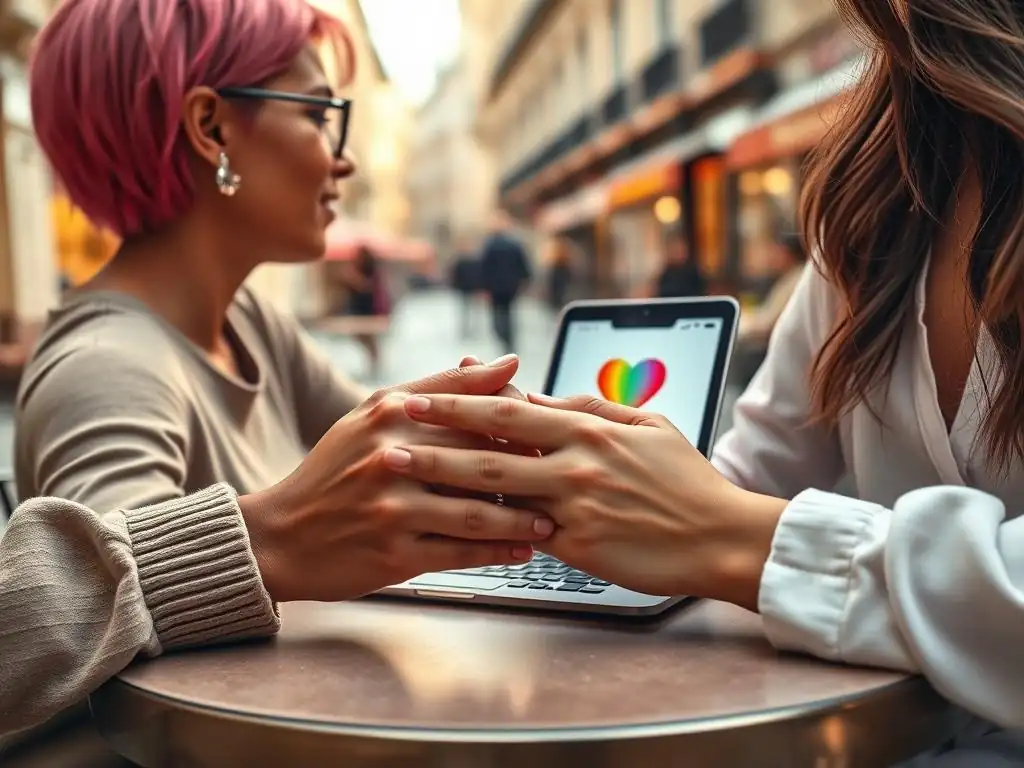
Welcome to OnlineDatingSuccess.org, your guide to navigating the exciting yet sometimes challenging world of online dating. Are you ready to find meaningful connections? We're here to help you craft the perfect profile, master the art of online communication, and stay safe throughout your journey. This article dives straight into LGBTQ+ dating profile tips, offering practical advice on how to clearly and confidently communicate your identity to find the perfect match. Discover the secrets to success and unlock your potential for a fulfilling relationship – let's get started!
- Crafting Your LGBTQ+ Dating Profile: Tips for Success
- Communicating Your Identity: Clear and Confident Messaging
- Safety and Respect in LGBTQ+ Online Dating
- Building Meaningful Connections: From Online to Offline
-
Frequently Asked Questions
- How can I clearly communicate my LGBTQ+ identity on my dating profile?
- What are some good profile picture suggestions for LGBTQ+ daters?
- How can I avoid being misgendered or misinterpreted on dating apps?
- What are some topics to avoid when messaging potential matches in LGBTQ+ online dating?
- Where are the best places to meet other LGBTQ+ singles online?
- Final Reflection: Navigating Love's Digital Landscape with Authenticity
- Unlock Your Dating Potential: Share Your Authentic Self
Crafting Your LGBTQ+ Dating Profile: Tips for Success
Navigating the world of online dating can be challenging for anyone, but LGBTQ+ individuals often face unique hurdles. This article provides practical, empathetic advice specifically tailored to help LGBTQ+ singles create compelling online dating profiles that attract compatible partners. We'll explore strategies for showcasing your authentic self, highlighting your identity effectively, and optimizing your profile for discoverability. Understanding how to communicate your identity clearly and confidently is key to finding meaningful connections in the online dating sphere.
This guide offers actionable steps to help you build a profile that reflects your unique personality and attracts individuals who appreciate and respect who you are. Remember, authenticity and self-expression are paramount in finding lasting connections. Let's dive into the specifics of crafting a successful LGBTQ+ dating profile.
Showcase Your Authentic Self: Profile Picture and Bio Strategies for LGBTQ+ Dating
Your profile picture and bio are the first impressions you make on potential matches. For LGBTQ+ individuals, these elements are especially crucial in conveying your identity and attracting like-minded individuals. A strong profile picture should be recent, clear, and showcase your personality. Consider using a picture that shows you engaging in a hobby you enjoy or simply smiling naturally. Avoid overly filtered or misleading images.
Regarding your bio, authenticity is key. Don't be afraid to express your identity openly and honestly. Instead of vague statements, use specific details to paint a picture of who you are. For example, instead of writing "I love to travel," you could write, "My last adventure was backpacking through Southeast Asia, and I'm planning my next trip to Iceland!" This level of detail provides potential matches with concrete information to connect with.
Remember to include details relevant to your LGBTQ+ identity if you're comfortable doing so. This could be mentioning your preferred pronouns, your relationship with your community, or your involvement in LGBTQ+ organizations. However, always prioritize your comfort and safety. You are in control of what information you share.
Highlighting Your Identity: Using Profile Sections Effectively for LGBTQ+ Singles
Many dating platforms offer various profile sections beyond the basic bio and photos. Leverage these sections to further express your identity and connect with potential matches. If the platform allows for specifying your pronouns, sexual orientation, and relationship goals, be sure to fill this information out accurately. This simple step significantly increases your chances of matching with compatible individuals.
Consider using any available sections to showcase your interests and values. For example, if a platform allows for listing your favorite books, movies, or music, use this space to showcase your personality and potentially find common ground with others. Are you involved in any LGBTQ+ organizations or events? Mentioning this can help you connect with like-minded individuals who share your values and interests. The more specific and detailed you are, the better the chances of attracting genuine connections.
Optimizing your profile with relevant keywords and tags is crucial for increasing your visibility to potential matches. Many dating platforms allow you to add keywords or tags to your profile. Think about the terms that best describe your identity, interests, and relationship goals. For example, you might use tags like "gay," "lesbian," "bisexual," "transgender," "queer," "non-binary," or other terms relevant to your identity. You can also add keywords related to your hobbies, interests, and lifestyle.
The more specific your keywords, the better the chances that your profile will be discovered by compatible individuals. Remember to use a variety of terms and synonyms to broaden your reach. Thorough keyword research within the specific dating platform you are using will provide the best results. Using the keyword "LGBTQ+ dating profile tips" strategically within your profile description (where allowed) can also improve your searchability.
Communicating Your Identity: Clear and Confident Messaging
This section focuses on crafting a compelling and authentic LGBTQ+ dating profile that effectively communicates your identity. Remember, clarity and confidence are key to attracting compatible partners. Your profile is your first impression – make it count! We'll explore how to showcase your identity in a way that resonates with potential matches, maximizing your chances of finding a meaningful connection. This is crucial for navigating the nuances of LGBTQ+ dating and finding someone who appreciates and understands you.
Choosing the right pronouns and identity labels is paramount. Accuracy and inclusivity are essential in creating a welcoming and respectful profile. Many LGBTQ+ individuals use diverse and evolving terminology to describe their identity. Don't shy away from using the labels that resonate most authentically with you. For example, instead of assuming, explicitly state your pronouns (e.g., "he/him," "she/her," "they/them," "ze/zir," etc.) in your profile's bio or headline.
Using inclusive language demonstrates respect and fosters a safe space for potential partners. Consider adding a section dedicated to your identity, perhaps a brief and engaging paragraph explaining your chosen labels and what they mean to you. Be mindful that some individuals may prefer to keep certain aspects of their identity private. Respect their decisions, and remember that openness and honesty are always appreciated. The diversity within the LGBTQ+ community is a strength; embrace it and let your authentic self shine.
Expressing Your Relationship Goals: Finding Compatible Partners in the LGBTQ+ Community
Clearly stating your relationship goals is crucial for attracting compatible partners. Are you looking for a casual relationship, a committed partnership, or something else entirely? Be upfront about your intentions. Vague language can lead to misinterpretations and wasted time. For example, instead of saying "looking for someone special," try "seeking a long-term, monogamous relationship" or "open to exploring a casual connection."
Specificity helps to attract individuals who share similar desires and expectations. Consider adding details about the type of person you're looking for – shared interests, values, and life goals. This allows potential matches to assess compatibility beyond superficial aspects, leading to more meaningful connections. Remember, honesty and transparency are crucial in building trust and fostering genuine relationships.
Open Communication: Setting Boundaries and Expectations in Online Dating
Open communication is the cornerstone of any successful relationship, especially in the context of online dating. Setting clear boundaries and expectations from the outset is essential for a positive and respectful experience. This involves communicating your comfort levels regarding various aspects of online interactions, such as frequency of communication, sharing personal information, and physical intimacy. Be upfront about your expectations regarding dating etiquette, including communication styles, frequency of contact, and expectations around exclusivity.
This proactive approach can prevent misunderstandings and potential conflict down the line. For example, you might state, "I prefer regular communication and appreciate honesty and transparency," or "I am looking for a monogamous relationship." Remember, your comfort and safety are paramount; don't hesitate to establish boundaries that protect your well-being. Open communication fosters mutual respect and understanding, paving the way for healthy and fulfilling relationships.
Safety and Respect in LGBTQ+ Online Dating

Finding love online should be a positive and empowering experience. For LGBTQ+ individuals, navigating online dating requires an extra layer of awareness and proactive safety measures. This section focuses on prioritizing your well-being and fostering respectful interactions within the LGBTQ+ online dating community. Understanding potential risks and implementing effective safety strategies is crucial for a successful and secure dating journey. Remember, your safety and comfort are paramount.
Protecting Your Privacy: Online Safety Tips for LGBTQ+ Daters
Protecting your privacy is crucial in online dating, especially within the LGBTQ+ community where vulnerability can sometimes be heightened. Avoid sharing overly personal information early in the dating process. This includes your exact address, workplace, or any details that could easily compromise your safety. Instead, opt for meeting in well-lit, public places for first dates. Consider using a separate email address and phone number specifically for online dating to maintain a clear boundary between your personal and dating life.
Regularly review your privacy settings on dating apps and websites, ensuring you're comfortable with the level of information shared publicly. Remember, it's always better to err on the side of caution. Trust your instincts; if something feels off, it probably is. Don't feel pressured to share more than you're comfortable with, at any stage of the process.
Avoiding Discrimination and Prejudice: Strategies for Positive Online Interactions
Unfortunately, discrimination and prejudice still exist in the online dating world. Being prepared for potential negativity and having strategies in place to deal with it is a vital part of safe LGBTQ+ online dating. One approach is to clearly and concisely state your identity and preferences in your profile. This can help attract like-minded individuals and deter those who might be prejudiced. If you encounter hateful or discriminatory messages, don't engage.
Report the user to the dating platform immediately, using their reporting mechanisms. Blocking the user is equally important to prevent further contact. Building a supportive network of friends or other LGBTQ+ individuals who are also using online dating can provide a safe space to share experiences and offer mutual support. Remember, you deserve respect, and you are not alone in this experience.
Reporting Inappropriate Behavior: Resources and Support for LGBTQ+ Daters
Knowing where to turn for help is essential. If you experience harassment, discrimination, or any form of inappropriate behavior on a dating app or website, report it immediately. Most platforms have robust reporting systems in place. Document all interactions, including screenshots of messages and profiles. This documentation can be invaluable if you need to escalate the issue.
Beyond reporting to the platform, consider reaching out to LGBTQ+ support organizations for advice and emotional support. These organizations often provide resources and guidance for navigating challenging online interactions. Remember, seeking help is a sign of strength, not weakness. Your safety and well-being are priorities, and there are resources available to support you. Don't hesitate to utilize them.
Building Meaningful Connections: From Online to Offline
This section focuses on the crucial transition from online interactions to in-person dates, a pivotal step in LGBTQ+ dating. Successfully navigating this transition requires careful planning and mindful communication. Many LGBTQ+ individuals find the initial online interactions exciting, but the prospect of a first date can be daunting. Fear of rejection or negative experiences can be particularly prevalent within the LGBTQ+ community due to historical and ongoing societal biases. Therefore, a thoughtful approach is key.
Transitioning from Online to Offline Dates: Tips for LGBTQ+ Individuals
Moving from digital exchanges to face-to-face encounters requires a delicate balance. Transparency and respect are paramount. Before agreeing to a date, ensure you feel comfortable and safe. Consider suggesting a public place for the first meeting, allowing a friend or family member to know your plans, and sharing your location with them. This proactive approach reduces potential risks and fosters a sense of security.
Remember, first dates are about getting to know each other, not making grand pronouncements about the future. Keep the atmosphere casual and focus on genuine conversation. Ask open-ended questions to encourage your date to share their experiences and perspectives. Listen actively and engage with what they're saying; this shows genuine interest and respect. Don't be afraid to share aspects of your identity and experiences, but remember to do so at your own pace and comfort level. Respect your date's boundaries and comfort levels as well.
Consider these additional tips for successful offline dates:
- Choose a venue that suits both your personalities. A bustling café might be too overwhelming for some, while a quiet bar might feel too impersonal for others. Consider your date's preferences and choose a location that feels comfortable for both of you.
- Be mindful of your body language. Maintain eye contact, smile genuinely, and use open and inviting postures. Nonverbal cues play a significant role in establishing connection and trust.
- Be yourself. Authenticity is crucial in building meaningful relationships. Don't try to be someone you're not to impress your date; let your true personality shine through.
Maintaining Healthy Communication: Building Trust and Respect in LGBTQ+ Relationships
Open and honest communication forms the bedrock of any healthy relationship, and this is especially important in LGBTQ+ relationships where navigating societal expectations and personal experiences can be challenging. Effective communication requires active listening, empathy, and a willingness to understand your partner's perspective, even when it differs from your own. This involves not only verbal communication but also recognizing and responding to nonverbal cues.
Building trust takes time and consistent effort. It involves being reliable and dependable, following through on commitments, and being honest about your feelings and intentions. In LGBTQ+ relationships, trust can be particularly fragile given the historical stigma and prejudice faced by the community. Openly addressing concerns and anxieties, fostering a safe space for vulnerability, and showing consistent support are critical components of building a strong foundation of trust.
Regular check-ins and honest conversations about expectations, boundaries, and needs are essential for maintaining a healthy and thriving relationship. These conversations help to prevent misunderstandings and resolve conflicts constructively. Remember that effective communication is a two-way street; it involves both expressing your needs and actively listening to your partner's.
The following table highlights key communication strategies:
| Strategy | Description | Example |
|---|---|---|
| Active Listening | Paying attention, showing empathy, and responding thoughtfully. | "That sounds challenging. Can you tell me more about how you felt in that situation?" |
| Honest Self-Expression | Openly sharing your thoughts and feelings without judgment or fear of reprisal. | "I've been feeling a little insecure lately, and I'd appreciate your support." |
| Empathetic Responses | Acknowledging and validating your partner's emotions and experiences. | "I understand why you're upset; that must have been really difficult." |
| Constructive Conflict Resolution | Addressing disagreements calmly and respectfully, focusing on finding solutions. | "Let's try to understand each other's perspectives before jumping to conclusions." |
Finding Your Community: Connecting with Other LGBTQ+ Singles Online and Offline
Building a supportive community is vital for LGBTQ+ individuals navigating the world of dating. Online platforms specifically designed for LGBTQ+ individuals can provide a safe and inclusive space to connect with like-minded people. These platforms often offer features that cater to the specific needs and interests of the LGBTQ+ community. However, it's crucial to remember that online safety is paramount; always be cautious about sharing personal information and be aware of potential scams.
Beyond online spaces, actively seeking out LGBTQ+ events, groups, and organizations in your local area can provide invaluable opportunities to meet new people and build lasting connections. These spaces offer a sense of belonging and shared experience, reducing feelings of isolation and fostering a sense of community. Participating in these events can also help you expand your social circle and meet individuals who share your values and interests.
Consider exploring local LGBTQ+ centers, support groups, or social clubs. Attending community events, such as Pride parades or LGBTQ+-focused gatherings, can be a fun and effective way to meet potential partners and build connections within the broader LGBTQ+ community. Remember, building a strong support network is essential for navigating the complexities of dating and fostering a sense of belonging and self-acceptance. Don't underestimate the power of community in enhancing your overall well-being and increasing your chances of finding meaningful connections.
Frequently Asked Questions
How can I clearly communicate my LGBTQ+ identity on my dating profile?
Use clear and concise language in your profile. Don't be afraid to explicitly state your identity and mention your preferred pronouns. Adding a relevant photo can also help.
What are some good profile picture suggestions for LGBTQ+ daters?
Choose photos that authentically represent you. Consider including pictures that showcase your hobbies and interests, and be sure to smile! A diverse range of photos works best.
How can I avoid being misgendered or misinterpreted on dating apps?
Use your preferred name and pronouns in your profile. You can also add a brief description clarifying your identity and relationship preferences. Don't hesitate to correct anyone who misgenders you.
What are some topics to avoid when messaging potential matches in LGBTQ+ online dating?
Avoid making assumptions about someone's identity or experiences. Refrain from stereotypical or offensive jokes. Instead, focus on building genuine connections through shared interests.
Where are the best places to meet other LGBTQ+ singles online?
Many dating apps cater specifically to the LGBTQ+ community. Research apps with strong safety features and large LGBTQ+ user bases to find the best fit for you. Consider joining LGBTQ+ specific groups or communities online.
The quest for connection in the digital age is universal, but for LGBTQ+ individuals, it often requires an extra layer of vulnerability and courage. Finding a safe and affirming space to express one's identity online is crucial, and the stakes are high – a poorly crafted profile can mean missed opportunities for genuine connection. This article has explored practical strategies to navigate this unique challenge, empowering readers to present themselves authentically and confidently.
The journey of self-discovery and self-acceptance is deeply intertwined with the ability to communicate one's identity clearly, especially in the context of online dating. This isn't just about finding a romantic partner; it's about fostering a sense of belonging and validating one's own experience. As Audre Lorde powerfully stated, There is no such thing as a single-issue struggle because we do not live single-issue lives.
Our identities are multifaceted, and expressing them fully online, even in the seemingly superficial world of dating profiles, is an act of self-love and resistance against societal pressures to conform.
Now, consider your own online presence. How are you communicating your authentic self? What aspects of your identity are you highlighting, and which might you feel hesitant to share? This article provides a roadmap, but the journey of self-expression is personal and ongoing. Take the time to reflect on your own comfort level, experiment with different approaches, and remember that finding the right words to express yourself is a powerful act of self-love and a crucial step towards building meaningful connections. Embrace your unique identity, and let your online profile reflect the beautiful and complex person you are.
Thank you for taking the time to learn about communicating confidently on online dating sites! We hope this guide has empowered you to embrace authenticity. Now it's time to put your knowledge into practice.
Here's what you can do next:
- Craft a compelling profile: Refine your profile to highlight your unique personality with honesty and pride. Let your true self shine through!
- Share this article with friends: Spread the word and help other LGBTQ+ singles navigate online dating with confidence. Together, we can build a more inclusive and supportive online community!
- Experiment with different communication styles: Try out some of the communication strategies from this article and see what works best for you and your potential matches. Reflect on your successes and identify areas for improvement.
What unique detail about yourself are you most excited to share on your dating profile?