
Keeping Your Heart Safe: LGBTQ+ Online Dating Security for Meaningful Relationships


Ready to find love online but unsure how to stay safe? OnlineDatingSuccess.org is your guide to navigating the world of online dating with confidence. We empower you to create authentic connections, and this starts with prioritizing your safety. Discover crucial LGBTQ+ dating safety tips in our latest article, "Keeping Your Heart Safe," and learn how to build meaningful relationships while protecting yourself. Let's unlock the potential for a fulfilling online dating experience together – read on to learn more!
- Understanding LGBTQ+ Specific Online Dating Risks
- Protecting Your Identity Online: LGBTQ+ Dating Safety Tips
- Communicating Safely: LGBTQ+ Dating Safety Tips
- Meeting in Person: LGBTQ+ Dating Safety Tips
- Building Healthy and Meaningful Relationships: Beyond Safety
- Resources and Further Support: LGBTQ+ Dating Safety
-
Frequently Asked Questions
- How can I create a safe online dating profile as an LGBTQ+ individual?
- What are some red flags to watch out for when communicating with potential matches?
- How can I verify the identity of someone I'm meeting from an LGBTQ+ dating app?
- What steps can I take to ensure my safety during in-person dates?
- What resources are available if I experience harassment or abuse on an LGBTQ+ dating app or website?
- Final Reflection: Cultivating Connection While Prioritizing Safety
- Unveil Your Authentic Self: Secure & Meaningful Connections Await
Understanding LGBTQ+ Specific Online Dating Risks
Navigating the world of online dating can be challenging for anyone, but LGBTQ+ individuals often face unique safety concerns that require a more nuanced approach. This article provides practical and empathetic advice to help LGBTQ+ daters build meaningful connections while prioritizing their safety and well-being. We'll explore specific vulnerabilities within the LGBTQ+ online dating landscape, offering actionable strategies to mitigate risks and foster positive experiences.
Building genuine connections should never come at the cost of your safety, and understanding these unique risks is the first step towards creating a safer and more fulfilling online dating journey. This guide focuses on providing concrete LGBTQ+ dating safety tips to help you navigate this space confidently and securely, empowering you to find meaningful relationships while protecting yourself from potential harm. Remember, your safety and comfort are paramount.
Unique Vulnerabilities in LGBTQ+ Online Dating
LGBTQ+ individuals often face heightened risks in online dating due to societal prejudices and discrimination. These vulnerabilities are amplified by factors such as:
- Limited Visibility and Representation: In some areas, LGBTQ+ individuals may feel less comfortable being open about their identity online, leading to a lack of community support and increased vulnerability to exploitation.
- Targeted Harassment and Discrimination: LGBTQ+ individuals are disproportionately targeted for online harassment, including hate speech, doxing, and cyberbullying, often fueled by homophobia and transphobia.
- Lack of Legal Protections: In some regions, legal protections for LGBTQ+ individuals are limited, making it harder to report and prosecute online harassment and abuse.
- Prejudice and Bias within Dating Apps: Some dating apps may lack robust reporting mechanisms or fail to adequately address reports of harassment targeting LGBTQ+ users. This can leave vulnerable individuals feeling unsupported and unsafe.
- Fear of outing: The fear of unintentionally revealing one's sexual orientation or gender identity to family, friends, or colleagues can significantly impact how LGBTQ+ individuals engage in online dating, and can make them more vulnerable to manipulation.
Understanding these unique vulnerabilities is crucial for developing effective safety strategies. It's important to remember you're not alone and there are resources and communities dedicated to supporting you.
Catfishing and Misrepresentation within the LGBTQ+ Community
Catfishing—presenting a false identity online—is a significant concern across all online dating platforms, but it can have particularly harmful consequences within the LGBTQ+ community. Perpetrators may exploit vulnerabilities related to identity and representation. For example:
- False Gender Presentation: Individuals may misrepresent their gender identity to manipulate or exploit others.
- Exploitation of Trust: Catfishers may prey on the desire for connection and acceptance, building trust before revealing their true identity or their malicious intent.
- Financial Scams: Catfishers may target LGBTQ+ individuals for financial scams, often using emotional manipulation to gain access to funds.
To protect yourself:
- Verify profiles: Look for inconsistencies in profiles and cross-reference information across different platforms.
- Proceed slowly: Don't rush into sharing personal information or meeting in person.
- Video calls: Consider a video call before meeting to confirm identity.
- Trust your instincts: If something feels off, it probably is.
Doxing and Online Harassment Targeting LGBTQ+ Individuals
Doxing—the act of publicly revealing someone's private information—and online harassment are significant risks for LGBTQ+ individuals online. These actions can have devastating consequences, leading to:
- Real-world violence: The release of personal information can put individuals at risk of physical harm.
- Emotional distress: Online harassment can cause significant emotional trauma and mental health issues.
- Social isolation: Fear of further harassment can lead to social isolation and withdrawal.
To mitigate these risks:
- Protect your privacy: Be mindful of the information you share online, avoid posting identifying details, and utilize privacy settings effectively.
- Report harassment: Report any instances of harassment or doxing to the relevant platforms and authorities.
- Seek support: If you experience online harassment, reach out to support networks and mental health professionals for assistance. Remember, you are not alone and help is available.
Remember, building meaningful relationships should be a safe and positive experience. By understanding the unique risks and employing these safety tips, you can navigate LGBTQ+ online dating with greater confidence and security.
Sharing your location can feel like a natural part of connecting with someone online, especially in the context of LGBTQ+ dating where finding safe spaces and community is crucial. However, indiscriminate location sharing carries significant risks. Revealing your precise address, workplace, or frequently visited locations to someone you've only met online exposes you to potential stalking, harassment, or even violence. This is particularly pertinent for LGBTQ+ individuals who may face heightened vulnerability due to prejudice and discrimination. Remember that even seemingly innocuous details, like mentioning your favorite local coffee shop, can be used to track your movements.
Building trust takes time, and rushing into in-person meetings can be dangerous. While excitement is understandable, prioritize your safety. Always meet in a public place for your first few encounters, ideally somewhere well-lit and populated. Inform a trusted friend or family member about your plans, including the time, location, and the person you're meeting. Share their contact information as well, enabling your friend to easily contact you or the authorities if necessary.
Choose a location that allows for easy escape if things go wrong, and have a backup plan in case you need to leave unexpectedly. Trust your instincts – if something feels off, it probably is. Don't hesitate to end the meeting early or leave altogether. Prioritizing your safety shouldn't be seen as a sign of distrust, but rather as a responsible approach to building meaningful connections.
The goal is to foster genuine connection, not to put yourself in harm's way. Remember, your safety is paramount. Patience and careful planning are key to navigating the online dating world safely and successfully. The feeling of security is essential to a healthy and meaningful relationship.
Protecting Your Identity Online: LGBTQ+ Dating Safety Tips
This section focuses on practical strategies to safeguard your personal information while navigating the world of LGBTQ+ online dating. Remember, sharing too much too soon can leave you vulnerable. Protecting your identity is paramount to ensuring a safe and positive online dating experience. We'll explore specific techniques to minimize risks and maximize your safety. The goal is to build meaningful connections without compromising your personal well-being. This is crucial for fostering a positive LGBTQ+ dating experience.
Creating a Secure Online Dating Profile: Protecting Personal Information
Creating a profile that attracts genuine interest while minimizing the risk of unwanted attention requires careful consideration. Avoid revealing overly specific personal details in your profile description. For instance, instead of stating your exact address or workplace, consider using broader terms like "city center" or "tech industry." Similarly, avoid posting pictures that explicitly reveal your home or workplace. Think twice before including your full legal name; a nickname or variation might suffice.
Consider the photos you choose carefully. Avoid images that show identifying details like license plates or house numbers. Use photos that clearly show your face, but don't give away too much personal information. Remember, the goal is to attract genuine interest, not unwanted attention. The more information you reveal upfront, the greater the risk of attracting individuals with malicious intent.
A well-crafted profile description highlights your personality and interests without revealing sensitive details. This balance is key to attracting genuine connections while maintaining your safety. Focus on your hobbies, passions, and what you're looking for in a partner. Avoid overly detailed personal information in your profile.
Choosing Safe Dating Apps and Websites for LGBTQ+ Individuals
Not all dating platforms are created equal when it comes to safety. Research different apps and websites before signing up. Look for platforms with strong community guidelines, robust reporting mechanisms, and verified profiles. Many LGBTQ+-focused apps and websites prioritize safety and inclusion. Reading reviews and comparing features can help you choose a platform that aligns with your safety priorities. Prioritize apps with active moderation teams that actively combat harassment and scams.
Consider the features offered by different platforms. Some apps allow for anonymous reporting, which can add an extra layer of safety. Others offer features such as background checks or photo verification, further enhancing user safety. The level of privacy and security offered varies greatly between platforms. It's important to research and choose a platform that prioritizes your safety and privacy. Remember, your safety and well-being are paramount.
Verifying Profiles and Identifying Potential Red Flags
Before meeting anyone in person, take steps to verify their identity and look out for potential red flags. Inconsistencies in their profile information or overly generic photos can be warning signs. Be wary of profiles with limited information or those that seem too good to be true. Engage in cautious communication initially, gradually revealing more personal information as trust is built.
Pay attention to their communication style. Pressure to meet quickly, evasiveness about personal details, or overly aggressive or demanding behavior are all red flags. If something feels off, trust your instincts and don't hesitate to block or report the user. Remember, your safety is the priority. Don't rush into meeting someone in person before you've had several conversations and feel comfortable. Prioritize your safety above all else. These LGBTQ+ dating safety tips can help you navigate the online dating world with confidence. Remember, building meaningful connections should be a safe and positive experience.
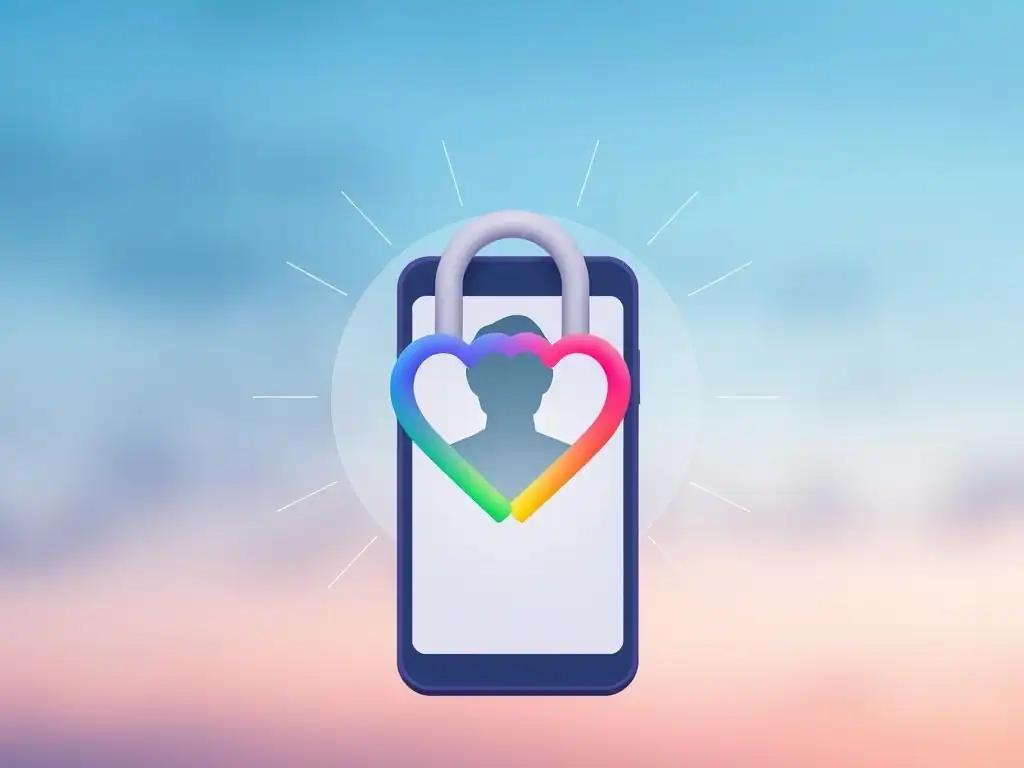
Protecting your personal information is paramount when navigating the world of LGBTQ+ online dating. Many dating apps and social media platforms offer robust privacy settings, but it's crucial to understand how to utilize them effectively. Failing to adjust these settings can expose you to unwanted attention, harassment, or even doxing – the public release of your private information. Think of your privacy settings as a layered security system; the more layers you activate, the more protected you become.
One key aspect is limiting who can see your profile. Most apps allow you to choose between making your profile visible to everyone, only to people you've matched with, or only to your connections. Opt for the most restrictive option that still allows you to meet potential partners. For instance, consider limiting visibility to only those who have already initiated contact or shown mutual interest. This significantly reduces the risk of unwanted messages or unsolicited contact from strangers.
Beyond profile visibility, carefully manage the information you share on your profile. Avoid including highly personal details like your full address, workplace, or even the exact location of your gym. Vague references to your location are preferable; for example, instead of “London, England,” you could simply say “London area.” This reduces the chance of someone pinpointing your exact location and potentially putting you in harm's way. Similarly, avoid posting photos that explicitly reveal identifying details like your license plate or house number.
Remember that even seemingly innocuous information can be pieced together by malicious individuals to create a complete picture of your life. Therefore, be mindful of every detail you share, prioritizing your safety and privacy above all else. Regularly review and update your privacy settings, especially after app updates or if you notice any suspicious activity. Staying proactive in managing your privacy settings is a crucial step in ensuring a safer and more positive online dating experience.
Using Pseudonyms and Avoiding Oversharing
While authenticity is important in building genuine connections, it's equally vital to prioritize your safety in the online dating world. Using a pseudonym, or a slightly altered version of your name, can provide an initial layer of protection. This doesn't mean you have to be completely anonymous, but it does offer a buffer against potential stalkers or harassers who might try to find you through online searches. Remember, your online identity doesn't have to be a perfect reflection of your real-life identity; it can be a carefully curated version that prioritizes your safety.
Oversharing is a significant risk in online dating. Sharing too much personal information too quickly can make you vulnerable. Avoid divulging sensitive details like your full name, address, workplace, or financial information until you've established a strong level of trust with someone. Even seemingly innocuous details can be used to piece together a more complete picture of your life, potentially making you vulnerable to targeted harassment or stalking.
Consider building trust gradually. Start by sharing general information about your interests and hobbies, and slowly reveal more personal details as you get to know someone better and feel comfortable doing so. Remember, there's no rush; building meaningful connections takes time. Prioritizing your safety and security throughout this process is key to a positive and rewarding online dating experience. Trust your instincts; if something feels off, it probably is. Don't feel pressured to share more information than you're comfortable with.
Furthermore, be aware that even seemingly harmless information, like your favorite coffee shop or the gym you frequent, could be used by someone with malicious intent to locate you. Protecting your privacy is an ongoing process, requiring constant vigilance and careful consideration of the information you share online. This thoughtful approach is essential for building meaningful connections while ensuring your safety and well-being in the digital realm. Remember, you are in control of what you share.
Communicating Safely: LGBTQ+ Dating Safety Tips
This section focuses on practical strategies for safe communication within the context of LGBTQ+ online dating. Remember, building trust and ensuring your safety should always be prioritized. These LGBTQ+ dating safety tips will empower you to navigate online interactions with confidence and reduce your risk.
Safe Communication Practices: Avoiding Personal Information Disclosure
Sharing personal information too early can compromise your safety. Avoid revealing details like your full address, workplace, exact location, or even your full name until you've met in person and established a strong level of trust. This is a crucial aspect of LGBTQ+ dating safety.
Many predators utilize this information to stalk, harass, or even harm their victims. Instead of providing specific details, use vague descriptions. For instance, instead of saying "I work at the Acme Corp downtown," you could say "I work in the city center." Always err on the side of caution.
It's also important to be mindful of the information you share on your dating profile itself. Keep your profile fairly general, avoiding overly specific details that could be used to identify you easily. Consider using a profile picture that doesn't show your home or work environment.
Remember, building a connection online should be a gradual process. Don't rush into sharing sensitive information before you feel completely comfortable and safe. This approach is key to successful and safe LGBTQ+ online dating.
Recognizing and Responding to Red Flags in Online Conversations
Online interactions can sometimes present red flags that indicate potential danger. Learning to identify and respond to these warning signs is a crucial part of LGBTQ+ dating safety.
Here's a table summarizing some common red flags:
| Red Flag | Description | Response |
|---|---|---|
| Pressure for quick meetings | Insistent demands to meet in person very early in the online relationship. | Politely decline, emphasizing the need to build trust gradually. |
| Excessive flattery/idealization | Unrealistic praise and compliments, often seemingly insincere. | Be cautious; genuine connections develop organically, not through excessive flattery. |
| Inconsistent information | Discrepancies in their story or profile information. | Gently question inconsistencies; avoid confrontation, but remain vigilant. |
| Avoidance of video calls | Resistance to video calls or other forms of visual communication. | This is a strong red flag; insist on a video call to verify identity and build trust. |
| Aggressive or demanding communication | Controlling, demanding, or overly aggressive tone in messages. | Immediately cease communication and block the user. |
| Financial requests | Asking for money, gifts, or financial assistance under any pretext. | Report the user immediately to the dating platform and block them. |
If you encounter any of these red flags, trust your instincts. Your safety is paramount. Don't hesitate to end the conversation and block the user. Reporting suspicious behavior to the dating platform is also highly recommended.
Building Trust Gradually: Establishing Safe Boundaries
Building trust takes time and should never be rushed, especially in online dating. Establishing clear and consistent boundaries is essential for LGBTQ+ dating safety.
- Meet in public places: For your first in-person meeting, choose a well-lit, public location where others are present.
- Tell a friend: Inform a friend or family member about your plans, including the person's name, profile information, and the meeting location. Share your real-time location with them if possible.
- Have a backup plan: Arrange for a friend to check in on you during your date or have a way to discreetly contact someone if you feel uncomfortable.
- Trust your gut: If something feels off, don't hesitate to leave the situation. Your safety and well-being are always the top priority.
Remember, healthy relationships are built on mutual respect, trust, and open communication. Don't feel pressured to compromise your safety or boundaries for anyone. By following these LGBTQ+ dating safety tips, you can enhance your online dating experience and create meaningful connections while protecting yourself. Prioritizing your safety is not being overly cautious; it's being smart and responsible.
Reporting Suspicious Behavior and Inappropriate Conduct
Reporting suspicious or inappropriate behavior is crucial for your safety and the safety of others within the LGBTQ+ online dating community. Many platforms have robust reporting mechanisms in place, and utilizing them is a proactive step towards fostering a safer environment. Don't hesitate to report anything that makes you uncomfortable, even if you're unsure if it's a violation of the platform's terms of service. Better to be safe than sorry. Remember, your discomfort is valid, and reporting incidents helps platforms identify and address problematic users.
Platforms typically offer various reporting options, ranging from flagging specific profiles or messages to reporting outright harassment or threats. Familiarize yourself with your chosen platform's reporting procedures. Often, you'll find a clear reporting button or link within individual profiles or message threads. The process usually involves selecting the appropriate reason for your report—for example, "harassment," "spam," or "inappropriate content"—and providing a brief but detailed explanation. Screenshots can be invaluable evidence, so save them if possible.
Some platforms also allow you to block users directly, preventing them from contacting you further. Blocking is a powerful tool that provides an immediate sense of control and security. Remember that blocking a user doesn't necessarily report them, so consider reporting the behavior as well, especially if it involves threats or harassment. This helps the platform take appropriate action against the user and potentially prevent them from harming others.
Beyond reporting within the platform, consider reporting serious incidents to law enforcement if you feel threatened or harassed offline. If the behavior escalates to stalking, threats of violence, or doxxing (sharing your personal information online without your consent), reporting to the appropriate authorities is essential. Document all instances of inappropriate conduct, including dates, times, and any available evidence. Remember, you are not alone, and seeking help is a sign of strength, not weakness.
Many LGBTQ+ support organizations and hotlines can provide guidance and resources during these difficult situations. Your safety and well-being are paramount. Don't be afraid to seek help and support.
Meeting in Person: LGBTQ+ Dating Safety Tips

This section focuses on the crucial step of transitioning from online interactions to in-person meetings, a significant aspect of LGBTQ+ dating safety. Taking precautions during this phase is paramount to ensuring a positive and safe experience. Remember, your safety and well-being are the top priorities. Let's explore some practical strategies to mitigate risks and foster a secure environment for your first dates and subsequent meetings.
Choosing Safe Meeting Locations for First Dates
Selecting a public place for your first date is an essential LGBTQ+ dating safety tip. Avoid secluded or isolated locations where potential dangers are amplified. Opt for well-lit, populated areas with easy access to assistance if needed. Consider these options:
- Busy coffee shops: The bustling atmosphere provides a natural sense of security.
- Popular restaurants: Similar to coffee shops, the crowd offers a layer of protection.
- Museums or art galleries: These venues often have security personnel and numerous visitors.
- Parks during daylight hours: Choose well-traveled paths and avoid secluded areas. However, remember to always prioritize well-lit and populated areas, even in parks.
Avoid meeting at someone's home for the first date, regardless of how much you've connected online. This significantly increases your vulnerability. Prioritizing public spaces is a crucial element of LGBTQ+ dating safety, minimizing the risks associated with meeting strangers. Remember, a successful first date is one where you feel safe and comfortable.
Transparency is key to LGBTQ+ dating safety. Before meeting someone you've connected with online, inform a trusted friend or family member about your plans. Share the person's name, profile picture, and the location and time of your date. Consider sharing your date's contact information as well. This way, someone knows where you are and who you're with.
It's better to be overly cautious than to regret not taking precautions. Sharing your plans is a simple but powerful step towards ensuring your safety,
says [Name of LGBTQ+ safety advocate - information pending].
Regularly update your contact person during the date, letting them know how things are going. A simple text message can provide reassurance and a safety net. This proactive approach is a critical component of LGBTQ+ dating safety and should be considered a standard practice. This simple act of communication can be the difference between a pleasant experience and a potentially dangerous situation.
Using Transportation Methods that Prioritize Safety
Choosing your transportation to and from your date wisely is another crucial aspect of LGBTQ+ dating safety. Avoid relying solely on your date for transportation, especially on a first date. Driving yourself provides control and independence. If you rely on ride-sharing services, ensure that you share the trip details with your trusted contact and utilize the safety features provided by the app.
| Transportation Method | Safety Considerations |
|---|---|
| Driving Yourself | Provides control and independence; ensures safe transport. |
| Ride-Sharing Services | Share trip details; use in-app safety features. |
| Public Transportation | Choose well-lit and populated routes; avoid late-night travel. |
| Walking | Stick to well-lit, populated areas; avoid shortcuts. |
Remember, your safety is paramount. By carefully considering these factors and implementing these LGBTQ+ dating safety tips, you can significantly reduce risks and enjoy more positive and secure dating experiences. Prioritizing your well-being is crucial for a fulfilling and meaningful relationship.
Trusting Your Instincts and Knowing When to Leave
Trusting your gut feeling is paramount in any dating scenario, but especially so within the LGBTQ+ community where additional layers of vulnerability might exist. If something feels off – a mismatch in their online profile and in-person persona, uncomfortable body language, a dismissive attitude towards your concerns, or a general sense of unease – don't ignore it. Your instincts are there to protect you. Remember, a first date shouldn't feel like an interrogation or a power struggle; it should be a comfortable exploration of potential connection. Discomfort isn't just a feeling; it's a crucial signal.
Many people dismiss their intuition, rationalizing away warning signs with excuses like "They're just nervous," or "I'm overthinking." However, consistently ignoring your gut feeling can lead to dangerous situations. Prioritizing your safety shouldn't be seen as pessimistic or overly cautious; it's a fundamental aspect of self-care. Learning to recognize and respect your instincts is a vital skill in navigating the complexities of online dating, regardless of sexual orientation or gender identity.
Knowing when to leave a date is just as important as knowing when to go on one. Having a pre-planned exit strategy can be incredibly helpful, especially on a first date. This could involve having a friend call you at a predetermined time, arranging for a ride that will be there at a specific time, or simply having a clear plan for how you'll get home safely. Don't feel pressured to stay longer than you're comfortable; a respectful and safe ending is far more important than a prolonged date that leaves you feeling uneasy.
Remember, your safety and well-being are always the top priorities. It's perfectly acceptable, and often advisable, to cut a date short if you feel unsafe or uncomfortable, no matter how polite you have to be to do so. Your comfort and safety are non-negotiable.
Building Healthy and Meaningful Relationships: Beyond Safety

Finding a safe space for connection is crucial, but building a meaningful relationship within the LGBTQ+ online dating world requires more than just security measures. It necessitates a focus on genuine connection and shared values, fostering a foundation built on mutual respect and understanding. This section explores how to prioritize authentic interaction and cultivate healthy relationships beyond the realm of safety protocols.
Navigating the complexities of LGBTQ+ dating often involves overcoming societal biases and navigating unique challenges. Therefore, prioritizing genuine connection becomes paramount. This means moving beyond superficial interactions and focusing on building a rapport based on shared values, interests, and life goals. Don't be afraid to delve deeper in conversations; ask thoughtful questions that reveal personality and values.
For example, instead of simply asking "What do you do? ", try "What aspects of your work bring you fulfillment?" or "What are some of your passions outside of work?". These kinds of questions encourage more substantial responses and reveal a deeper understanding of the person.
Remember, the goal is not just to find a match, but to find someone with whom you share a genuine connection and compatible life vision. This approach significantly reduces the risk of disappointment and fosters more fulfilling relationships. It’s about finding someone who aligns with your long-term aspirations, not just your immediate desires. Consider creating a list of your core values before you start dating—this will help you identify potential partners who are truly compatible with you.
Respecting Boundaries and Consent in Online and Offline Interactions
Respecting boundaries and obtaining enthusiastic consent are fundamental aspects of any healthy relationship, but they take on added significance within the LGBTQ+ community. Open communication about boundaries is crucial, both online and offline. This includes setting clear limits on sharing personal information, physical intimacy, and the pace of the relationship.
Remember, consent is not just a one-time event; it's an ongoing process requiring continuous communication and mutual respect. It's equally important to respect a potential partner's decision to withdraw consent at any point. The ability to clearly and respectfully communicate boundaries and consent demonstrates emotional maturity and fosters trust, laying the groundwork for a healthy and respectful relationship.
Don't pressure someone into anything they're not comfortable with, and always be prepared to respect their choices, even if they differ from your own. This is especially vital in the LGBTQ+ community where past experiences may have made individuals more cautious or apprehensive. Remember, enthusiastic consent is key.
Seeking Support from LGBTQ+ Communities and Resources
Building meaningful relationships within the LGBTQ+ community often benefits from the support and understanding of like-minded individuals and organizations. Connecting with LGBTQ+ support groups, online forums, or community centers can provide valuable resources and a safe space to share experiences and seek advice. These resources can offer guidance on navigating the unique challenges of LGBTQ+ dating, including dealing with discrimination, homophobia, and transphobia.
Furthermore, access to mental health professionals specializing in LGBTQ+ issues can be invaluable in processing past traumas and building resilience for healthy relationships. Remember, seeking support is a sign of strength, not weakness. There are many resources available to help you navigate the complexities of online dating and build healthy relationships.
Don't hesitate to reach out for help if you need it. Utilizing these resources can improve your overall well-being and increase your chances of finding a supportive and meaningful relationship. The LGBTQ+ community is a powerful network of support, and leveraging its resources can significantly enhance your dating experience and personal growth.
Prioritizing Your Well-being Throughout the Dating Process
Navigating the world of LGBTQ+ online dating requires resilience and self-care. The emotional rollercoaster of connecting with potential partners, dealing with rejection, or even experiencing negative interactions can take a toll. Prioritizing your well-being isn't just a suggestion; it's crucial for a healthy and successful dating experience. Remember, building meaningful relationships starts with building a strong foundation within yourself.
One key aspect of self-care is setting healthy boundaries. This means knowing your limits and communicating them clearly. Don't feel pressured to respond immediately to messages or engage in activities that make you uncomfortable. It's perfectly acceptable to take your time, to decline dates, or to end conversations that don't feel right. Respecting your own needs and feelings is paramount. For example, if you find yourself constantly checking your dating app, setting specific times to check it and then putting it away can help you manage your time and avoid becoming overly consumed.
Another crucial element is maintaining a balanced social life outside of online dating. Engage in activities you enjoy, spend time with friends and family, and pursue hobbies that bring you joy. This helps prevent online dating from becoming the sole focus of your life, reducing potential for disappointment and burnout. Think about activities that help you relax and de-stress – reading, exercising, spending time in nature, or engaging in creative pursuits. These activities act as buffers against the potential emotional ups and downs of online dating.
Finally, remember to be kind to yourself. Rejection is a part of dating, regardless of sexual orientation or gender identity. Don't take it personally; it simply means that person wasn't the right match for you. Focus on your strengths and celebrate your individuality. Consider journaling or talking to a trusted friend or therapist to process your emotions and maintain a positive outlook. Building a supportive network is invaluable in navigating the complexities of online dating and fostering your overall well-being. Remember, your emotional health is just as important as your physical health—prioritize it!
Resources and Further Support: LGBTQ+ Dating Safety
This section provides crucial resources to help you navigate the complexities of LGBTQ+ online dating safely and confidently. We understand that online dating can present unique challenges for LGBTQ+ individuals, and access to the right support is vital. Remember, your safety and well-being are paramount.
LGBTQ+ Organizations Offering Support and Resources
Many organizations dedicate themselves to supporting LGBTQ+ individuals, providing resources that extend beyond just dating safety. These organizations often offer hotlines, online forums, and educational materials tailored to the specific needs and experiences of the LGBTQ+ community. They can be invaluable resources for navigating challenging situations and finding a sense of community.
Several key areas of support these organizations offer include:
- Crisis intervention: Immediate help in the event of harassment, discrimination, or violence.
- Legal assistance: Guidance on navigating legal issues related to discrimination or hate crimes.
- Mental health resources: Connecting individuals with therapists and counselors specializing in LGBTQ+ issues.
- Community building: Providing safe spaces for connection and support within the LGBTQ+ community.
Finding the right organization often depends on your specific location and needs. Many national organizations have local chapters or affiliates that can offer more localized support. It's advisable to search online for "LGBTQ+ organizations [your city/state]" to find relevant resources near you. Remember to carefully vet any organization before sharing personal information. Look for established organizations with transparent practices and a clear commitment to supporting the LGBTQ+ community.
The availability and types of support offered can vary significantly, so directly contacting organizations is recommended to explore what they provide. Don't hesitate to reach out – these organizations are there to help.
Online Safety Guides and Educational Materials
Beyond organizational support, a wealth of online resources offers practical guidance on enhancing your online safety while dating. These resources often cover a broad spectrum of topics, from creating secure profiles to recognizing and avoiding potential scams. Many are specifically tailored to the LGBTQ+ experience, addressing the unique safety concerns within this community.
Here are some of the key areas covered by these guides and materials:
- Profile privacy: Understanding how to manage your privacy settings on dating apps and websites, minimizing the personal information you share publicly.
- Safe communication practices: Learning how to communicate effectively and safely online, avoiding potentially risky conversations or interactions.
- Scam awareness: Identifying common online dating scams targeting LGBTQ+ individuals and learning how to protect yourself.
- Reporting mechanisms: Understanding how to report harassment, abuse, or scams to the relevant platforms and authorities.
These resources often take the form of blog posts, articles, infographics, and videos, making information easily accessible and digestible. Searching for terms like "LGBTQ+ online dating safety guide," "safe online dating for LGBTQ+ individuals," or "avoiding scams in LGBTQ+ dating" can yield many valuable results.
Mental Health Support for LGBTQ+ Individuals
Navigating the complexities of online dating, particularly within the LGBTQ+ community, can take a toll on mental health. Experiencing rejection, discrimination, or harassment online can impact self-esteem and overall well-being. It's crucial to prioritize mental health and seek support when needed.
Accessing mental health support can involve:
- Therapy: Working with a therapist specializing in LGBTQ+ issues to process experiences and develop coping mechanisms.
- Support groups: Connecting with others who share similar experiences to build a sense of community and mutual support.
- Self-care practices: Prioritizing activities that promote well-being, such as exercise, mindfulness, and spending time with supportive friends and family.
Remember, seeking help is a sign of strength, not weakness. Your mental health is just as important as your physical safety. Don't hesitate to reach out to a mental health professional or support group if you're struggling. Many resources are available to provide the support you need to thrive.
Frequently Asked Questions
How can I create a safe online dating profile as an LGBTQ+ individual?
Avoid sharing too much personal information in your profile. Use a profile picture that clearly shows your face and avoid revealing specific location details. Focus on sharing your interests and personality.
What are some red flags to watch out for when communicating with potential matches?
Be wary of anyone who pressures you to meet quickly, asks for financial assistance, or shares overly personal information too soon. Trust your instincts; if something feels off, it probably is.
How can I verify the identity of someone I'm meeting from an LGBTQ+ dating app?
Consider video chatting before meeting in person to verify their identity and build rapport. You can also do a reverse image search on their profile pictures to check for inconsistencies. Never share your location until you're comfortable.
What steps can I take to ensure my safety during in-person dates?
Always meet in a public place for your first few dates. Let a friend or family member know where you're going, who you're meeting, and when you expect to be back. Trust your gut – if you feel uncomfortable, leave.
What resources are available if I experience harassment or abuse on an LGBTQ+ dating app or website?
Report any harassment or abusive behavior to the dating app or website immediately. You can also contact local LGBTQ+ support organizations or law enforcement for assistance. Remember you are not alone.
Final Reflection: Cultivating Connection While Prioritizing Safety
The digital landscape offers unprecedented opportunities for connection, but for LGBTQ+ individuals navigating online dating, safety remains a paramount concern. The vulnerability inherent in seeking authentic relationships online necessitates a proactive approach to security, one that balances the desire for meaningful connection with the need for self-protection. This isn't about stifling joy or limiting exploration; it's about empowering ourselves to navigate the online world with confidence and agency.
The ongoing struggle for visibility and acceptance within the LGBTQ+ community underscores the importance of creating safe spaces, both online and offline. The potential for discrimination and harassment, sadly, remains a reality. Building a supportive and secure online dating experience is not just about avoiding harm; it's about fostering an environment where genuine connection can flourish. As Audre Lorde eloquently stated, Caring for myself is not self-indulgence. It is self-preservation, and that is an act of political warfare.
This applies equally to our digital lives, where protecting our well-being is a crucial act of self-advocacy.
Now, consider your own online dating journey. What steps can you take to enhance your safety and security? Reflect on the strategies discussed in this article—from verifying profiles to utilizing privacy settings—and actively integrate them into your online dating experience. Remember, building meaningful connections starts with prioritizing your well-being. Embrace the power of informed choices, and create a digital space where you can confidently explore love and connection, knowing you are safe and empowered.
Unveil Your Authentic Self: Secure & Meaningful Connections Await
Thank you for exploring the vital topic of online dating safety within the LGBTQ+ community. We hope this article has provided you with the tools to build meaningful connections while prioritizing your well-being. Now, let's put that knowledge into practice!
- Prioritize your safety: Review your online profiles, ensuring your personal information is protected and your photos are appropriate. This simple step significantly reduces your risk.
- Share your knowledge: Discuss online dating safety with friends and family. Open communication is crucial for creating a supportive and secure environment.
- Join the discussion: What other safety tips would you recommend? Let's build a supportive community by sharing our insights and experiences in the comments below.
Ready to build authentic and safe connections? Let's begin the conversation.