
Privacy Tips: Protecting Your Identity While Dating Online


Welcome to OnlineDatingSuccess.org, your guide to navigating the exciting yet complex world of online dating. Are you ready to find genuine connections but concerned about protecting your personal information? Then you've come to the right place. Discover essential online dating profile privacy tips in our latest article, part of our "Ethical Considerations in Online Dating" series, and learn how to attract the right matches while keeping yourself safe and secure. Let's unlock the secrets to successful and responsible online dating together!
- Balancing Honesty and Privacy in Your Online Dating Profile
- Securing Your Online Dating Communication
- Recognizing and Avoiding Online Dating Scams and Phishing Attempts
- Protecting Your Privacy Through Strong Passwords and Two-Factor Authentication
- Maintaining Privacy After Meeting In Person
- Reviewing Your Online Dating Privacy Settings Regularly
- Online Dating Profile Privacy Tips: A Summary of Key Considerations
-
Frequently Asked Questions
- How can I protect my personal information on my online dating profile?
- What photos should I avoid posting on my dating profile to maintain privacy?
- How do I manage my privacy settings on different dating apps?
- What should I do if I suspect someone has misused my information from my dating profile?
- Are there any red flags I should watch out for regarding privacy violations on dating sites?
- Final Reflection: Securing Your Heart and Your Data in the Digital Age
- Take Charge of Your Online Dating Privacy Today!
Balancing Honesty and Privacy in Your Online Dating Profile
Navigating the world of online dating requires a delicate balance: you want to present an honest and appealing version of yourself to potential partners, but you also need to prioritize your safety and privacy. This isn't just about avoiding catfishing; it's about protecting your personal information from potential misuse, safeguarding your location, and generally reducing your vulnerability to online threats. This article will delve into practical strategies for maintaining a balance between honesty and privacy, providing you with actionable tips to enhance your online dating experience while minimizing risks. We’ll cover key areas like protecting your personal information, managing your location data, and choosing a secure online identity.
Mastering these elements will significantly improve your online dating experience, allowing you to connect authentically while keeping your personal information safe. Remember, a successful online dating journey starts with prioritizing your safety and wellbeing. Let's explore how to achieve that!
When crafting your online dating profile, remember that less is often more, especially when it comes to personal information. Over-sharing can expose you to unnecessary risks. Think carefully about what information you truly need to share to attract compatible partners and what information is best kept private until you've established a level of trust.
Here's a breakdown of information you should avoid including in your profile:
- Full address: Never share your full street address or even your city and state unless you've established a strong connection and met in person.
- Workplace: Sharing your exact workplace can make it easier for someone to find you outside of the dating app. A general industry might be acceptable, but avoid specifics.
- Phone number: Avoid providing your personal phone number directly on your profile. Use the app's internal messaging system until you've met and built trust.
- Social media handles: While it might seem harmless, linking directly to your social media profiles exposes a wealth of information about your life.
- Financial details: This is self-explanatory; never share any financial information online.
- Children's information: Protect your children's privacy by avoiding mentioning their names, schools, or any other identifying details.
Remember, building trust takes time. Start with general information and gradually reveal more as you get to know someone better. Consider this a gradual disclosure process, not a complete unveiling on day one! 🕵️♀️
Avoiding Geo-Tagging and Location-Based Privacy Risks
Many dating apps use location services to help you connect with people nearby. While convenient, this feature also presents privacy risks. Geo-tagging in photos and revealing your exact location can make you vulnerable.
Here are some steps you can take to mitigate these risks:
- Disable location services: Consider temporarily disabling location services when you're not actively using the app.
- Review photo metadata: Before uploading photos, check their metadata to ensure that location information isn't embedded. Many photo editing tools allow you to remove this data.
- Avoid specific location mentions: When describing your hobbies or interests, avoid mentioning specific locations that could easily be identified. Instead of saying "I love hiking at [Specific Park]", try "I enjoy exploring local hiking trails."
- Be mindful of check-ins: Avoid checking into locations on social media, especially those you frequent.
Remember, protecting your location is crucial for your safety and peace of mind. Be proactive and take steps to control your online visibility. 📍
Choosing a Safe Username and Profile Picture
Your username and profile picture are the first things potential matches will see. While you want to present yourself authentically, it's important to choose options that prioritize your safety.
- Username: Avoid using your real name or any easily identifiable information in your username. Choose a username that's unique and doesn't reveal personal details.
- Profile Picture: Use a recent, clear photo that shows your face. Avoid photos that reveal too much personal information, such as license plates, house numbers, or easily identifiable landmarks. Also, avoid overly revealing clothing or suggestive poses.
Selecting a safe and appropriate username and profile picture is crucial in creating a positive and safe online dating experience. Think of it as your digital first impression – make it count! ✨
Securing Your Online Dating Communication
This section focuses on practical strategies for maintaining your privacy while communicating with potential matches on online dating platforms. Remember, even seemingly innocuous information can be pieced together to compromise your security. Protecting your personal information is paramount to a safe and positive online dating experience. The goal is to build connections, not expose yourself to unnecessary risk.
Safe Communication Practices: Email, Messaging, and Video Calls
Effective communication is key to successful online dating, but it's crucial to do so safely. Avoid sharing Personally Identifiable Information (PII) prematurely. This includes your full name, address, workplace, phone number, and social security number. Even seemingly harmless details, like your place of worship or the name of your pet, could be used in identity theft.
Here are some safe communication practices to adopt:
- Use the platform's built-in messaging system: Most dating sites and apps offer secure internal messaging. This adds a layer of protection compared to exchanging personal emails or phone numbers early on.
- Be cautious about video calls: While video calls can help build rapport, only engage in them after you've established a level of trust with the person. Ensure your background is unidentifiable and avoid showing potentially revealing details like your home address or personal belongings.
- Don't share sensitive information: Avoid discussing financial details, your daily routine, or revealing personal habits until you are certain of the other person's identity and intentions.
- Report suspicious behavior: If someone is pressuring you to share personal information or behaving inappropriately, report them to the dating platform immediately. This helps protect yourself and other users.
- Verify information independently: Don't just take someone's word for their identity. Perform a reverse image search on their profile picture and check their social media profiles for inconsistencies.
Consider this example: Instead of immediately giving out your phone number, suggest a quick video chat through the app first to build some initial trust. This allows you to assess their personality and intentions in a relatively safe environment before sharing more sensitive information.
Recognizing and Avoiding Online Dating Scams and Phishing Attempts
Online dating scams are unfortunately prevalent. Understanding how these scams work is the first step to avoiding them. Phishing attempts often involve fake profiles designed to lure you into revealing your personal information or sending money.
Recognizing and Avoiding Online Dating Scams and Phishing Attempts
Here's how to spot and avoid common online dating scams:
- Be wary of overly perfect profiles: Profiles with unrealistic photos or overly flattering descriptions are often fake.
- Watch out for inconsistencies: Pay attention to discrepancies between a person's profile and their communication style.
- Beware of requests for money: Legitimate daters won't ask for financial assistance, especially early in the relationship. This is a major red flag.
- Don't click suspicious links: Avoid clicking on links sent by individuals you don't know or trust, as these could lead to malicious websites or malware.
- Verify their identity: Do some background checks on their profile, especially if they claim to be a doctor, military personnel, or working abroad.
- Trust your instincts: If something feels off, it probably is. Don't hesitate to end communication if you feel uncomfortable or suspicious.
Let's illustrate with a common scenario: Someone claiming to be a soldier stationed overseas might ask for money to cover "emergency expenses." This is a classic scam. Always be skeptical of such requests.
Protecting Your Privacy Through Strong Passwords and Two-Factor Authentication
Protecting your online dating accounts requires robust security measures. Strong passwords and two-factor authentication (2FA) are essential for preventing unauthorized access to your profile and personal information.
Protecting Your Privacy Through Strong Passwords and Two-Factor Authentication
Here's how to enhance your account security:
- Create strong, unique passwords: Use a password manager to generate and store complex passwords for each of your online accounts. Avoid using easily guessable information like birthdays or pet names.
- Enable two-factor authentication (2FA): 2FA adds an extra layer of security by requiring a second verification method, such as a code sent to your phone or email, in addition to your password. This significantly reduces the risk of unauthorized access.
- Regularly update your passwords: Change your passwords periodically, especially if you suspect any security breach.
- Review your privacy settings: Familiarize yourself with the privacy settings on your dating app or website and adjust them to your comfort level. Limit the information you share publicly.
- Use different passwords for different accounts: Never reuse the same password across multiple online accounts. If one account is compromised, it won't compromise others.
Consider this: enabling 2FA is like adding a deadbolt to your online dating profile's door. It makes it significantly harder for unauthorized individuals to gain access, even if they have your password. This simple step dramatically improves your online safety.
Maintaining Privacy After Meeting In Person
Meeting someone from an online dating platform in person is an exciting step, but it's crucial to remember that privacy concerns don't disappear just because you've transitioned from digital to real-world interactions. Maintaining a balance between building trust and safeguarding your personal information requires careful consideration. This section focuses on practical strategies for protecting your privacy even after you've established a connection offline.
Protecting Your Privacy When Sharing Personal Information Offline
The excitement of a budding relationship can sometimes lead to premature oversharing. Remember, even seemingly innocuous details can be pieced together to compromise your privacy. Avoid revealing sensitive information too early, such as your full address, workplace details (beyond your general industry), or your family's information. Instead, consider these strategies:
- Gradual Disclosure: Share personal information incrementally as the relationship develops and trust is built. Don't feel pressured to reveal everything at once.
- Verify Information: Before sharing personal details, especially your home address, consider verifying the person's identity through independent means. A simple Google search can sometimes reveal inconsistencies or red flags.
- Use Pseudonyms: When discussing aspects of your life with a new acquaintance, consider using pseudonyms for sensitive topics or individuals until you feel comfortable sharing their real names.
- Location Awareness: Be mindful of your surroundings when discussing personal details. Avoid revealing sensitive information in public spaces where others might overhear. Think carefully about sharing location details in real-time.
- Data Breaches and Identity Theft: Be aware that sharing personal information offline also increases the risk of identity theft. This is a critical aspect of online dating profile privacy, even after you've met in person. Monitor your credit reports and bank statements regularly.
This careful approach to sharing information offline is a crucial aspect of online dating profile privacy – safeguarding your information extends beyond the digital realm.
Managing Your Online Presence After a Date
Your online presence continues to be a significant factor in your privacy, even after meeting someone offline. Managing your online activity thoughtfully contributes to your overall safety and security.
- Review Social Media Settings: Ensure your privacy settings on social media platforms are robust and limit the information accessible to the public. Consider who can see your posts, photos, and location data. Avoid geotagging your location in real-time, especially if you're sharing details about your date.
- Google Yourself: Regularly search your name online to see what information is publicly available. This allows you to identify and address any potentially compromising content.
- Limit Information Shared During Dates: Be mindful of what you post online about your dates. Avoid sharing pictures or details that could reveal your location or personal information.
- Assess Online Profiles: If you're sharing your online dating profile with your date, review it carefully for any potentially sensitive information before doing so. Remove unnecessary details.
These steps help you maintain a level of control over your online presence, which is a vital component of online dating profile privacy tips.
Recognizing and Responding to Stalking or Harassment
Even with careful planning, online dating can sometimes lead to unwanted attention or harassment. Knowing how to recognize and respond to such situations is crucial for your safety and well-being.
- Early Warning Signs: Be aware of potential red flags, such as excessive messaging, unsolicited gifts, unwanted calls or texts, or attempts to track your location. Trust your instincts – if something feels wrong, it probably is.
- Documentation: Keep records of any harassing or threatening behavior, including screenshots, emails, and messages. This documentation can be essential if you need to report the behavior to the authorities or the dating platform.
- Reporting Mechanisms: Familiarize yourself with the reporting mechanisms provided by the dating platform you're using. Many platforms have clear procedures for reporting abuse and harassment.
- Seeking Support: If you experience stalking or harassment, don't hesitate to seek support from friends, family, or professionals. There are resources available to help you stay safe and manage these difficult situations. Remember, seeking help is a sign of strength, not weakness.
Taking proactive steps to protect your privacy and safety is essential for a positive online dating experience. It's about striking a balance between openness and caution, ensuring your personal well-being while exploring new connections. Remember, your safety and privacy are paramount.
Reviewing Your Online Dating Privacy Settings Regularly
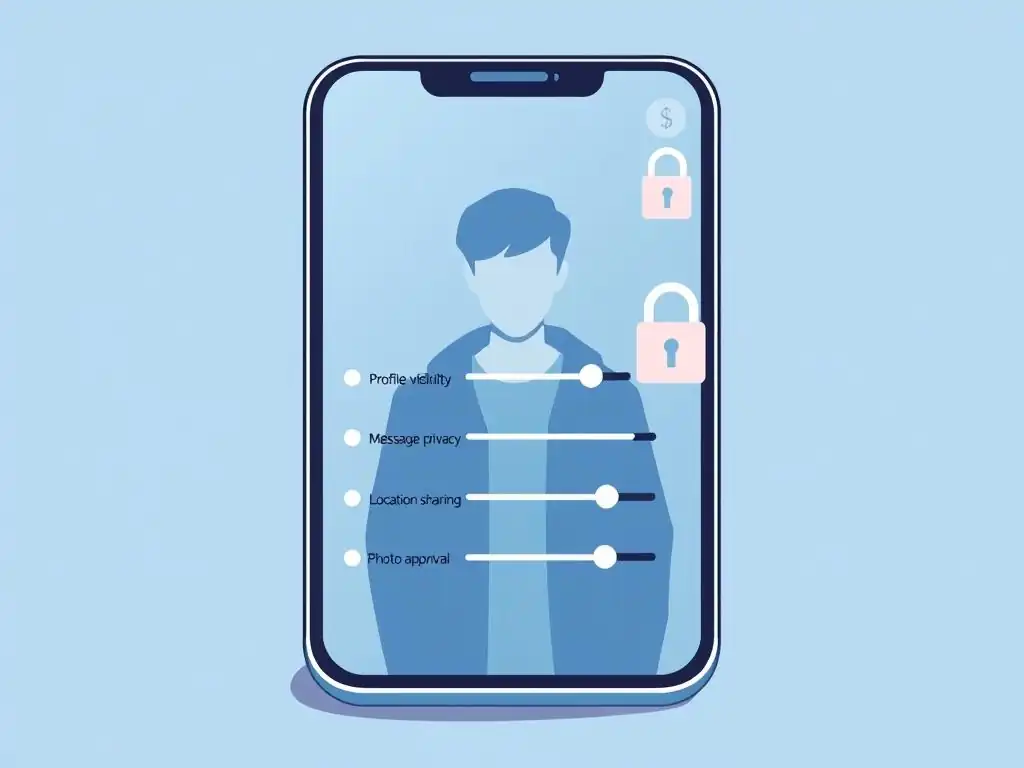
Maintaining your privacy while engaging in online dating requires consistent vigilance. It's not a one-time task; rather, it's an ongoing process of reviewing and adjusting your settings to reflect your comfort level and evolving concerns. Think of it as regularly updating your digital security software – proactive maintenance is key to preventing problems. Failing to do so leaves you vulnerable to potential risks, from unwanted attention to identity theft. Regular reviews ensure you are always in control of the information you share.
Updating Privacy Preferences on Dating Apps and Websites
Most dating apps and websites offer a range of privacy settings. These settings control who can see your profile, contact you, and what information is visible. These settings often include options like:
- Profile Visibility: Can anyone see your profile, or only those you've matched with? Consider limiting visibility to increase your safety and reduce unwanted interactions.
- Photo Privacy: Decide whether to allow only matched users to view your photos, or make them entirely private. Remember that even seemingly innocuous details in your photos can reveal personal information.
- Location Sharing: Many apps use location services. Review your settings to ensure you're comfortable with the level of location data you're sharing – perhaps only sharing your city, rather than your precise location.
- Messaging Settings: Can anyone message you, or only matched users? Consider restricting messaging to those you've already connected with to minimize unsolicited contact.
- Blocking and Reporting: Familiarize yourself with the app's blocking and reporting features. Knowing how to block unwanted users and report inappropriate behavior is crucial for your safety.
Think of this process as a regular spring cleaning. Check each setting, considering what information you're comfortable revealing and what you'd rather keep private. Even small adjustments can significantly impact your online safety. For example, changing your photo privacy settings from "public" to "matched users only" immediately reduces the risk of unwanted attention. Remember that different platforms offer different levels of control, so treat each one individually.
Your online dating profile isn't an island. It's connected to your broader online presence, particularly your social media accounts. Information you share on platforms like Facebook, Instagram, or Twitter can be easily accessed by others, including those you meet on dating apps. This can compromise your privacy and even affect your safety.
To mitigate this risk, regularly review your social media privacy settings. Consider these steps:
- Limit Profile Visibility: Restrict access to your profiles to friends only, or even a more limited group of close contacts.
- Control Tagging: Review your settings to manage who can tag you in posts or photos. Unwanted tags can reveal information you'd rather keep private.
- Review Shared Location Data: Disable location services for posts and stories to prevent others from easily tracking your movements.
- Check Your Privacy Settings Regularly: Social media platforms frequently update their features and privacy policies. Regularly checking and adjusting your settings ensures you remain in control of your data.
Remember, information seemingly innocuous on its own, such as a check-in at a specific coffee shop, can be compiled by others to build a more complete picture of your life and routines. A holistic approach to privacy, encompassing both your dating profiles and social media accounts, is essential for maintaining your safety and security.
Understanding Data Privacy Policies of Dating Platforms
Before using any dating app or website, carefully review its data privacy policy. These policies outline how the platform collects, uses, and protects your personal information. Understanding these policies is crucial for making informed decisions about which platforms you use and how much information you share.
While reading legal documents might seem tedious, it's a worthwhile investment in your privacy. Look for information on:
- Data Collection Practices: What type of data does the platform collect (e.g., location data, browsing history, communication logs)?
- Data Sharing Practices: Does the platform share your data with third-party companies or advertisers?
- Data Security Measures: What steps does the platform take to protect your data from unauthorized access or breaches?
- Your Rights: What rights do you have concerning your data (e.g., the right to access, correct, or delete your data)?
Pay close attention to sections detailing data sharing and security measures. Choose platforms that have strong privacy policies and transparent data handling practices. If a platform's policy is unclear or raises concerns, consider using a different service. Remember, your privacy is paramount, and informed consent is a crucial aspect of online dating safety. Don't hesitate to contact the platform's customer support if you have any questions or concerns about their privacy practices. Your proactive approach to understanding these policies is a vital element of responsible online dating.
Online Dating Profile Privacy Tips: A Summary of Key Considerations
This section provides a concise overview of crucial privacy considerations for anyone using online dating platforms. Successfully navigating the world of online dating requires a delicate balance: presenting an appealing profile while safeguarding your personal information. This means understanding the risks and proactively implementing protective measures. Ignoring these aspects can lead to unwanted attention, identity theft, or even harassment. Therefore, prioritizing online dating profile privacy is not just a matter of caution; it's essential for a positive and safe dating experience. We'll delve into specific strategies to help you maintain control and build meaningful connections without compromising your security.
Maintaining Control Over Your Personal Information Online
Maintaining control over your personal information online is paramount in online dating. This goes beyond simply choosing what to share; it involves actively managing your digital footprint and understanding the implications of the data you provide. Many dating platforms collect extensive user data, and it's crucial to be aware of their privacy policies and how they handle your information.
Consider these practical steps:
- Limit Shared Information: Avoid sharing overly specific details like your exact address, workplace address, or full date of birth. Instead, use more general locations and age ranges. Remember, less is often more when it comes to protecting your privacy.
- Reverse Image Search: Before posting any photos, perform a reverse image search to ensure they haven't been used elsewhere online without your consent. This can help prevent unwanted attention from individuals who might have found your picture on another platform.
- Strong Passwords and Two-Factor Authentication: Utilize strong, unique passwords for each dating platform and enable two-factor authentication (2FA) whenever possible. This adds an extra layer of security, making it significantly harder for unauthorized individuals to access your account. Think of it as adding a digital lock to your profile.
- Regularly Review Your Privacy Settings: Dating apps and websites frequently update their privacy settings. Regularly review these settings to ensure your information is protected according to your preferences. Don't assume the default settings are always the most secure.
- Be Mindful of Location Services: Carefully manage the location services on your dating app. While sharing your general location can be helpful for matching, avoid sharing your precise real-time location with strangers.
The Importance of Privacy for Successful Online Dating
Privacy isn't just about security; it's also crucial for building genuine connections in online dating. Sharing too much personal information too early can create an imbalance of power and potentially attract the wrong kind of attention. Maintaining a degree of mystery can actually enhance your appeal and encourage authentic interactions.
Consider these points:
- Protecting Your Emotional Wellbeing: Over-sharing personal details can leave you vulnerable to emotional manipulation or exploitation. A gradual and cautious approach to disclosure fosters healthier and more respectful relationships.
- Authenticity vs. Over-Disclosure: While honesty is important, it's possible to be honest without over-sharing. Focus on sharing relevant information that helps potential partners get to know you without compromising your safety or privacy. This approach cultivates genuine connections built on mutual respect and trust.
- Building Trust Gradually: Successful online dating is about building trust over time. By protecting your privacy, you create a safer space for genuine connection to develop organically. Remember, rushing the process can often lead to disappointment or even harm.
- Maintaining Control of the Narrative: By controlling the information you share, you maintain control over how others perceive you. This empowers you to present yourself authentically without feeling pressured to reveal more than you're comfortable with. This is particularly important in the early stages of online dating.
The effective management of your online dating profile privacy is a continuous process that requires vigilance and proactive steps. By implementing these strategies, you can significantly reduce your risks while enhancing your online dating experience. Remember, prioritizing your safety and privacy is not just advisable; it's essential for a positive and successful online dating journey.
Frequently Asked Questions
How can I protect my personal information on my online dating profile?
Avoid sharing sensitive information like your full address, workplace, or exact location. Use general location descriptions and be cautious about the details you reveal in your profile and messages. Never share your financial information.
What photos should I avoid posting on my dating profile to maintain privacy?
Refrain from posting photos that show your license plate, house number, or other identifying information. Avoid pictures with easily recognizable landmarks in the background. Choose photos that protect your privacy.
How do I manage my privacy settings on different dating apps?
Carefully review and adjust the privacy settings on each dating app you use. Limit who can see your profile and control your visibility features. Understand the data sharing policies of each platform.
What should I do if I suspect someone has misused my information from my dating profile?
Immediately report the incident to the dating platform's support team and consider contacting the authorities if necessary. Change your passwords and monitor your accounts closely.
Are there any red flags I should watch out for regarding privacy violations on dating sites?
Be wary of profiles requesting excessive personal information too early. Beware of users who seem overly eager to meet offline without proper vetting. Trust your instincts and report suspicious activity promptly.
Final Reflection: Securing Your Heart and Your Data in the Digital Age
The ease and convenience of online dating mask a crucial reality: your personal information is vulnerable. Protecting your privacy isn't just about avoiding scams; it's about safeguarding your emotional well-being and maintaining control over your digital footprint in a world increasingly reliant on interconnected technologies. This is a responsibility we all share, and one that demands constant vigilance.
The impact of online dating on our social landscape is undeniable, transforming how we meet and connect. It's a powerful tool for building relationships, but it also presents unique challenges to our privacy. The sheer volume of personal data shared, often without fully understanding the implications, is staggering. The price of anything is the amount of life you exchange for it,
wrote Henry David Thoreau, and in the digital realm, that price can be far higher than we initially realize. This article has aimed to equip you with the knowledge to make informed choices, to protect your privacy without sacrificing the potential for meaningful connection.
Consider the information you share online. Reflect on the boundaries you've set, and the ones you might need to strengthen. You deserve to feel safe and secure while navigating the exciting world of online dating. Take the time to review your privacy settings, be cautious about the information you reveal, and remember that your digital well-being is just as important as your emotional well-being. Embrace a proactive approach to online safety, and build a foundation of trust and security in your digital relationships.
Take Charge of Your Online Dating Privacy Today!
Thank you for learning about protecting your privacy while online dating. We hope you found our tips helpful and empowering. Now, let's put your new knowledge into practice!
- Prioritize your privacy settings: Take control of your online presence by carefully reviewing and adjusting your privacy settings on all dating platforms and social media. This is crucial for a safer dating experience.
- Craft a captivating profile, while protecting your privacy: Carefully consider what information you share. A dedicated email address for online dating is a smart idea.
- Share your knowledge: Discuss online dating safety with friends and family who also use dating apps. Let's build a safer online dating community together!
What's one small step you can take right now to improve your online dating privacy?