
Privacy Safeguards: How to Ensure Your Online Dating Experience is Secure

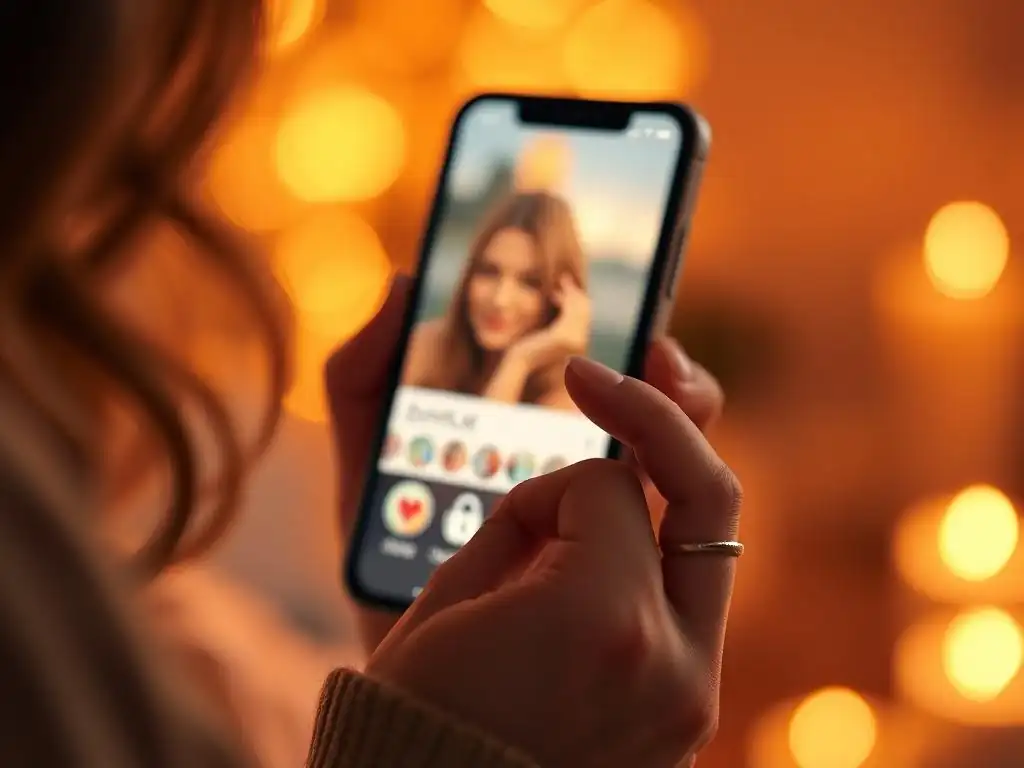
Dive into the world of online dating with confidence! At OnlineDatingSuccess.org, we're dedicated to helping you navigate the exciting, yet sometimes treacherous, waters of finding love online. But before you swipe right, let's talk safety. Our article on online dating profile privacy tips, found under the Ethical Considerations in Online Dating section, reveals crucial strategies to protect your personal information and ensure a secure and positive experience. Ready to discover how to build meaningful connections while safeguarding your privacy? Let's get started!
- Protecting Your Online Dating Profile: Essential Privacy Settings
- Safeguarding Your Personal Information: Online Dating Security Best Practices
- Building Trust and Maintaining Privacy: Communicating Safely on Dating Apps
- Reviewing and Updating Your Privacy Settings: An Ongoing Process
-
Frequently Asked Questions
- How can I protect my personal information on dating apps?
- What information should I never share on my dating profile?
- How do I manage my privacy settings on dating apps?
- What are some red flags indicating a potentially unsafe profile or interaction?
- Are there any legal considerations regarding my online dating profile and privacy?
- Final Reflection: Protecting Your Heart and Your Data in the Digital Age
- Unlock Your Secure Dating Journey: Take Control Now!
Protecting Your Online Dating Profile: Essential Privacy Settings
Navigating the world of online dating requires a delicate balance: presenting your best self while safeguarding your personal information. This article delves into the crucial aspects of online dating profile privacy, offering practical tips to help you maintain control over your data and ensure a secure and positive experience. We'll explore how to effectively manage your privacy settings across various dating platforms, optimize your profile visibility to attract genuine connections while minimizing risks, and learn strategies to protect your photos from misuse.
Understanding and implementing these privacy safeguards is paramount for building trust, fostering genuine connections, and preventing potential harm. This guide will equip you with the knowledge to confidently navigate the online dating landscape, prioritizing both honesty and privacy.
Remember, a secure online dating experience is not just about protecting your personal data; it's about protecting your emotional well-being and building healthy relationships. Let's dive into the specifics of securing your online dating profile and fostering a safe and positive experience.
Understanding Your Dating App's Privacy Controls: A Step-by-Step Guide
Each dating app offers a unique set of privacy controls. Taking the time to understand these settings is the first step towards a secure online dating experience. Many apps provide detailed help sections or FAQs, but here's a general overview of the crucial areas to examine:
- Who can see my profile? Most apps allow you to specify whether your profile is visible only to people you've matched with, to everyone, or to a specific group based on criteria like age or location. Carefully review these options and select the level of visibility that best suits your comfort level. Consider starting with a more restrictive setting and gradually expanding it as you feel more comfortable.
- Location sharing: Many apps use GPS to show your approximate location. Review your settings to determine if location sharing is enabled and adjust it accordingly. Restricting location sharing can significantly enhance your privacy.
- Profile information visibility: Apps allow you to control what information is visible to others. Review each section (age, occupation, interests, etc.) and choose what you're comfortable sharing. Be mindful that oversharing can compromise your safety and privacy.
- Blocking and reporting features: Familiarize yourself with the app's mechanisms for blocking users who make you uncomfortable and reporting inappropriate behavior. These tools are crucial for maintaining a safe environment.
- Communication controls: Understand how the app manages messaging and who can initiate contact. Some apps allow you to restrict messages to only those you've matched with. Utilize these features to limit unwanted communication.
This detailed review of your app's privacy settings will empower you to curate a secure online dating experience that aligns with your personal comfort level. Remember to regularly check for updates to the app's privacy settings and adjust accordingly.
Optimizing Your Profile Visibility: Balancing Accessibility and Privacy
While showcasing your personality is essential for attracting potential matches, you also need to balance accessibility with privacy. Avoid including overly specific details that could easily be used to identify you offline. For example:
- Avoid posting your full name or workplace. Use a nickname or a shortened version of your name if you prefer not to reveal your full name. Similarly, avoid mentioning your exact workplace, opting for a more general description of your profession.
- Be cautious with your photos. Avoid using photos that clearly show your home address, workplace, or any other identifying landmarks. Choose photos that show you in a positive light without revealing too much personal information.
- Be selective with the information you share. Refrain from sharing highly personal details like your full address, phone number, or financial information. These details should be shared only after you've established trust and a genuine connection with someone.
- Use privacy settings strategically. Many dating apps offer features that allow you to control who can see your profile. Utilize these settings to restrict visibility to only those you've matched with or those who meet specific criteria.
By strategically managing your profile visibility, you can effectively attract genuine connections while protecting your personal information. Remember that maintaining a balance between openness and privacy is key to a safe and successful online dating experience.
Managing Your Photos: Protecting Your Image and Avoiding Misuse
Your photos are often the first thing potential matches see, so choosing and managing them carefully is crucial. Here's how to protect your image and avoid potential misuse:
- Use recent, high-quality photos. Avoid using outdated or low-quality images. Make sure your photos accurately reflect your current appearance.
- Avoid sharing photos with identifying information. As mentioned previously, avoid photos that show your home address, workplace, or other personal details.
- Be mindful of the background of your photos. Ensure the background of your photos doesn't reveal any sensitive information.
- Be cautious about sharing photos with strangers. Avoid sending photos to people you haven't met in person or haven't thoroughly vetted online.
- Consider using a reverse image search. Before posting photos, use a reverse image search to ensure they haven't been used elsewhere online without your permission. This helps prevent potential catfishing or identity theft.
Protecting your photos is an integral part of protecting your privacy and safety. By following these guidelines, you can significantly reduce the risk of your images being misused or leading to undesirable situations. Remember, your online safety is paramount.
Controlling Who Can Contact You: Filtering Out Unwanted Messages
Online dating safety is paramount, and a key aspect of this is managing who can contact you. Most dating platforms offer robust filtering options to help you curate your interactions and avoid unwanted attention. Take the time to explore these settings; they're your first line of defense against harassment and inappropriate behavior. Think of it as creating a digital bouncer for your online dating profile.
Many platforms allow you to specify your preferred age range, distance from your location, and even relationship status preferences for potential matches. By carefully setting these parameters, you significantly reduce the chances of receiving messages from individuals who don't align with your criteria. For example, if you're only interested in long-term relationships, filtering out users seeking casual encounters will drastically cut down on irrelevant messages. This proactive approach saves you time and protects you from potentially uncomfortable interactions.
Beyond basic demographic filters, some platforms offer advanced options like blocking specific users or keywords. This is particularly helpful if you've encountered someone who made you feel unsafe or uncomfortable. Blocking a user prevents them from contacting you again, ensuring your peace of mind. Similarly, keyword blocking can filter out messages containing offensive language or inappropriate suggestions, creating a more positive and respectful environment for your online dating experience. Remember, utilizing these features is not about being unfriendly; it's about prioritizing your safety and well-being.
Consider the level of detail you share in your profile. While being open and honest is crucial, avoid disclosing overly personal information that could be used to identify you offline. For example, avoid mentioning your exact workplace or home address. Remember, the goal is to attract genuine connections while protecting your privacy.
The more selective you are with your information, the more control you maintain over your online interactions. This careful approach significantly contributes to a safer and more enjoyable online dating journey. Think of it as a balance between openness and discretion – a powerful strategy for online dating profile privacy tips. Remember, your safety and comfort should always come first.
Safeguarding Your Personal Information: Online Dating Security Best Practices
This section delves into practical strategies for protecting your personal information while navigating the world of online dating. Remember, sharing too much too soon can compromise your safety and security. These online dating profile privacy tips will help you strike a balance between presenting an appealing profile and safeguarding your personal data. The goal is to attract genuine connections while mitigating risks.
Avoiding Oversharing: Protecting Your Identity and Location
Oversharing is a significant risk in online dating. Revealing too much personal information upfront can make you vulnerable to scams, stalking, or unwanted attention. Think carefully about what you share in your profile and during initial conversations.
Consider these specific examples of information to avoid:
- Full name: Use a nickname or only your first name initially. Your full name can be easily used to access other personal information online.
- Exact address or workplace: Never disclose your precise location. Instead, mention your general area (e.g., "near the city center"). Avoid mentioning specific landmarks easily identifiable on maps.
- Phone number: Refrain from sharing your personal phone number until you've built trust and met in person. Use the dating app's messaging system initially.
- Financial information: Never disclose bank details, credit card numbers, or social security numbers. Legitimate dating sites will never request this information.
- Children's information: Protect your children's privacy by avoiding mentioning their names, ages, schools, or photos.
- Detailed travel plans: Don't advertise your upcoming vacations or trips, as this information could make you a target for theft or other crimes.
It’s crucial to remember that building trust takes time. Start with general information and gradually reveal more details as you get to know someone better. This measured approach significantly reduces your vulnerability. Think of it as a gradual unveiling, rather than a complete reveal from the start. This is a key online dating profile privacy tip many overlook.
Using Strong Passwords and Two-Factor Authentication
Strong passwords are the first line of defense against unauthorized access to your online dating profile. A weak password makes you an easy target for hackers. Avoid using easily guessable passwords like birthdays, pet names, or simple sequential numbers.
Here's what constitutes a strong password:
- Length: Aim for at least 12 characters.
- Variety: Include uppercase and lowercase letters, numbers, and symbols (! @#$%^&*).
- Uniqueness: Use different passwords for each online account. Consider using a password manager to help you generate and manage unique passwords securely.
Beyond strong passwords, enable two-factor authentication (2FA) whenever possible. 2FA adds an extra layer of security by requiring a second verification method, such as a code sent to your phone or email, in addition to your password. This significantly reduces the risk of unauthorized access, even if your password is compromised. This is arguably the most effective online dating profile privacy tip available.
Recognizing and Avoiding Phishing Attempts: Online Dating Scams
Phishing is a common tactic used by scammers to steal your personal information. Be wary of suspicious emails, messages, or links claiming to be from your dating site or app. Legitimate platforms will never ask for your password, credit card details, or other sensitive information via email or unsolicited messages.
Here are some red flags to watch out for:
- Urgent requests: Scammers often create a sense of urgency to pressure you into acting quickly.
- Grammar and spelling errors: Phishing attempts often contain poor grammar and spelling mistakes.
- Suspicious links: Hover your mouse over links before clicking to see the actual URL. If it looks suspicious, don't click it.
- Requests for money: Legitimate dating sites will never ask you to send money. If someone requests money, it's a scam.
- Unrealistic promises: Be wary of anyone promising unrealistic rewards or opportunities.
Always report suspicious activity to the dating platform's support team immediately. Staying vigilant and educated is crucial in protecting yourself from online dating scams. Remember, if something feels off, it probably is. Trust your instincts. This is a vital online dating profile privacy tip to prevent heartache and financial loss.
Protecting your personal information is paramount when navigating the world of online dating. Sharing too much too soon can expose you to unnecessary risks, from unwanted attention to potential scams and even identity theft. Therefore, a cautious approach to data sharing is crucial for a safe and positive online dating experience. This means being mindful of the information you reveal in your profile and during initial conversations.
One of the most common mistakes is oversharing personal details in your profile. Avoid including your full address, workplace address, phone number, or any other information that could easily be used to identify your location or track your movements. While providing some details might seem like a way to establish connection and build trust, it's far more important to prioritize your safety. Remember, you can always share this information later once you've built a stronger level of trust and confidence in the person you're communicating with – ideally, in person, after meeting safely and in a public place.
Similarly, be wary about revealing sensitive financial information, such as your bank account details or credit card numbers. Legitimate dating platforms will never request such details, so any request for this kind of information should be treated with extreme caution and reported immediately. This is a clear red flag and a potential indicator of fraudulent activity.
Beyond your profile, your communication style also plays a crucial role in protecting your privacy. Avoid sharing details about your daily routines, travel plans, or the names and locations of family members. This type of information can make you vulnerable to stalking or other forms of harassment. Keep your conversations general and focused on getting to know each other before revealing highly personal information.
The goal is to build a connection authentically, not to put yourself at risk. Remember, building trust takes time and shouldn't come at the expense of your personal safety. Prioritize your well-being and be discerning about what you share, both in your profile and in your online communications. The pursuit of connection should never compromise your security.
Building Trust and Maintaining Privacy: Communicating Safely on Dating Apps
Online dating profile privacy tips extend beyond just securing your profile; they encompass every interaction you have on the platform. Building trust and maintaining privacy go hand-in-hand, particularly when communicating with potential matches. Remember, even seemingly innocuous details can be pieced together to compromise your safety and privacy.
Verifying Profiles: Tips for Spotting Fake Accounts
One of the most crucial online dating profile privacy tips is learning to identify fake profiles. Scammers often create convincing profiles to lure unsuspecting users. Several red flags should raise your suspicion. For example, profiles lacking personal photos or with unusually generic photos should be treated with caution.
Be wary of profiles that seem too good to be true, boasting unrealistic accomplishments or overly-perfect appearances. Additionally, inconsistent information across the profile – a discrepancy between the age stated and the photos, for example – is a significant warning sign. Pay close attention to language used; poor grammar, excessive flattery, or requests for money are all major red flags.
Before sharing any personal information, try reverse image searching photos to see if they appear elsewhere online. This simple step can save you from potential heartache and security risks. Remember, verifying profiles is a critical element of ensuring your online dating safety and privacy.
Protecting Your Location: Safe Meeting Practices
Protecting your location information is paramount when using dating apps. Never share your precise address or workplace details with someone you've only met online. Even seemingly harmless details, like mentioning your neighborhood coffee shop, could unintentionally reveal your location. When planning a first meeting, suggest a public place during the daytime. Let a friend or family member know where you're going, who you're meeting, and when you expect to be back.
Consider sharing your live location with a trusted contact through a location-sharing app. If you feel uncomfortable at any point during the meeting, don't hesitate to leave. Your safety and well-being should always be your top priority. Prioritize your personal security and make informed decisions to protect your privacy. This proactive approach is essential for a safe and positive online dating experience.
Gradual Disclosure of Information: Building Trust Over Time
The principle of gradual disclosure is vital for maintaining your online dating profile privacy. Don't reveal too much personal information too soon. Start with general details and gradually share more as you get to know someone and build trust. Avoid sharing sensitive information like your full name, address, workplace, or financial details until you've met in person and feel comfortable with the individual. Remember, building trust takes time, and rushing the process can compromise your safety. Pay attention to how the other person responds to your disclosures. If they seem overly eager to obtain personal information or pressure you to reveal more than you're comfortable with, it's a warning sign. Prioritize your comfort level and proceed cautiously. This measured approach significantly contributes to a safer and more privacy-conscious online dating experience. Maintaining control over the pace of information sharing is a crucial aspect of effective online dating profile privacy tips.
Maintaining Boundaries: Setting Clear Expectations for Communication
Establishing healthy boundaries is crucial for a safe and positive online dating experience. This involves clearly communicating your expectations regarding communication frequency, contact methods, and the sharing of personal information. Remember, you are under no obligation to respond to every message or divulge details you're uncomfortable sharing.
Setting these boundaries early prevents misunderstandings and protects your privacy. For instance, you might explicitly state in your profile or early messages that you prefer to communicate primarily through the dating app itself before exchanging phone numbers or social media handles. This allows you to control the flow of information and maintain a level of anonymity until you feel comfortable taking the interaction offline.
Many successful daters utilize a phased approach to communication. They begin with brief, general conversations within the app, gradually revealing more personal details only after building rapport and trust. This measured approach gives you time to assess the other person's behavior and intentions. Don't feel pressured to share more than you're ready for, even if the other person seems eager to know more. Remember, rushing into sharing personal information can compromise your safety and privacy. Respecting your own boundaries empowers you and signals to potential partners that you value your privacy and personal space.
Consider creating a personal "communication policy" for online dating. This isn't something you necessarily share with every match, but it's a helpful framework for guiding your interactions. For example, you might decide that you will only exchange phone numbers after at least three meaningful conversations within the app, or that you will never share your home address or workplace details online. By having these guidelines in place, you can navigate interactions more confidently and protect yourself from potential risks.
This proactive approach helps you manage your online dating profile privacy tips effectively and maintain control over your personal information. This structured approach, while seemingly rigid, allows for a more secure and fulfilling online dating experience. It's about prioritizing your well-being and making informed choices about who you connect with and how.
Reviewing and Updating Your Privacy Settings: An Ongoing Process
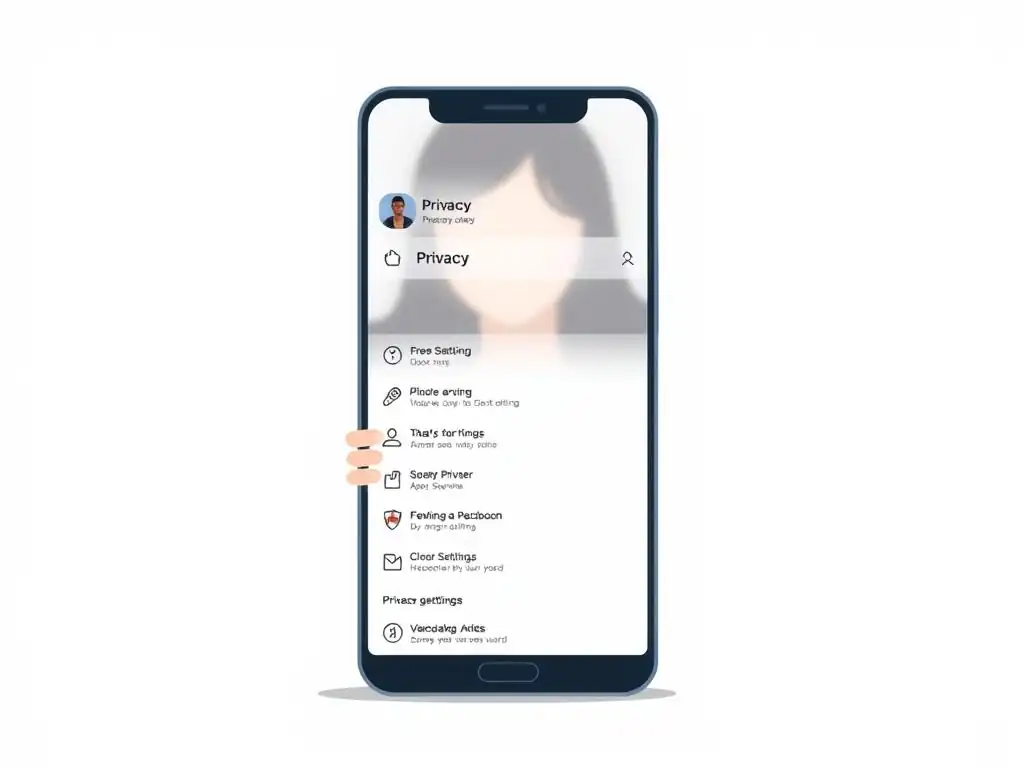
Maintaining your online dating profile privacy isn't a one-time task; it's an ongoing commitment. Think of your privacy settings as a living document that requires regular review and updates. The platforms themselves frequently change their features and security protocols, and your personal needs and comfort levels may also evolve over time. Proactive management is key to mitigating potential risks and ensuring a safe online dating experience. Neglecting this crucial aspect could expose you to unwanted attention, scams, or even identity theft. Let's explore the best practices for consistently protecting your online presence.
Regularly Checking Your Privacy Settings: Maintaining Control
Regularly reviewing your privacy settings is paramount. Aim to do this at least every three months, or even more frequently if you notice significant changes in your app or website. This involves meticulously examining every aspect of your profile's visibility. For example, consider who can see your photos, your age, your location (even approximate locations can be dangerous), your occupation, and your relationship status.
Many platforms allow you to fine-tune these settings on a granular level, giving you precise control over what information is shared publicly and what remains private. Don't be afraid to experiment with different settings to find the optimal balance between visibility and privacy that feels right for you. Remember, a slightly less visible profile might attract fewer messages, but it significantly reduces the risk of unwanted attention.
Think of it like this: Would you leave your front door unlocked all the time? Probably not. Your online dating profile is like your digital front door – it needs regular checks and adjustments to ensure maximum security. Take the time; your peace of mind is worth it. The small investment of time in reviewing your settings can prevent significant problems down the line.
Staying Informed About App Updates: Adapting to New Features
Online dating apps and websites are constantly evolving. New features are frequently introduced, sometimes impacting your privacy settings. It's crucial to stay informed about these updates. Many platforms provide notification emails or in-app messages detailing changes to their terms of service and privacy policies. Make it a habit to read these notifications carefully. Pay particular attention to sections relating to data sharing, third-party access, and changes to visibility settings. Understanding these updates allows you to proactively adjust your settings and ensure your privacy remains intact. Ignoring these updates could inadvertently compromise your security.
Furthermore, regularly check the help section or frequently asked questions (FAQ) area of the dating app or website. These resources often contain information about new features and updates to privacy settings. Be mindful that some updates might automatically alter your settings, so a review after any update is essential. Think of it as a software update for your digital safety. Just as you'd update your phone's operating system, you need to keep your dating profile's privacy settings updated to benefit from the latest security enhancements.
Reporting Suspicious Activity: Protecting Yourself and Others
Even with meticulous privacy management, suspicious activity might still occur. Knowing how to report such activity is crucial for your safety and the safety of other users. If you receive inappropriate messages, encounter suspicious profiles (fake profiles are a common issue), or notice any unusual activity on your account, don't hesitate to report it immediately.
Most online dating platforms provide clear reporting mechanisms within their apps or websites. These mechanisms usually allow you to flag specific profiles or messages, providing details about the suspicious activity. Utilize these tools; they are designed to help maintain a safe and secure environment for everyone.
Remember, reporting suspicious activity isn't just about protecting yourself; it's about contributing to a safer online dating community for others. By promptly reporting inappropriate behavior, you help the platforms identify and address potential threats, preventing others from falling victim to scams or harassment. Your vigilance can make a real difference in creating a more positive and secure online dating experience for everyone. Don't underestimate the power of reporting; it's a vital tool in your online dating safety arsenal.
Frequently Asked Questions
How can I protect my personal information on dating apps?
Avoid sharing sensitive details like your full address, workplace, or phone number early on. Use strong, unique passwords and enable two-factor authentication wherever possible. Always meet in a public place for first dates.
Never disclose your full name, precise location, or any information that could easily be used to identify your home or workplace. Avoid sharing financial details or revealing information about your children's schools.
How do I manage my privacy settings on dating apps?
Most dating apps have detailed privacy settings. Regularly review and adjust these to control who can see your profile, message you, and access your information. Be mindful of what you post in photos and your profile description.
What are some red flags indicating a potentially unsafe profile or interaction?
Be wary of profiles with limited information, inconsistent details, or requests for financial assistance. If someone pressures you to meet quickly or share personal details, be cautious and potentially block and report them.
Are there any legal considerations regarding my online dating profile and privacy?
Be aware of your rights regarding data privacy and the app's terms of service. Understand how your data is collected, used, and protected. Consider consulting a lawyer if you have concerns about data breaches or misuse of your personal information.
Final Reflection: Protecting Your Heart and Your Data in the Digital Age
The rise of online dating has fundamentally changed how we connect, but with this convenience comes a critical need for vigilance. Failing to prioritize online safety can lead to not only heartbreak but also significant personal and financial risks. The ease with which personal information can be accessed and misused underscores the urgency of adopting robust privacy safeguards.
The impact of data breaches and online scams on the emotional well-being of individuals is often overlooked, yet it's profoundly significant. The vulnerability inherent in sharing personal details online, especially in the context of seeking intimate connections, can leave individuals feeling exposed and betrayed. The price of privacy is eternal vigilance,
a quote often attributed to Thomas Jefferson, rings truer than ever in the digital age of online dating. This vigilance isn't just about protecting your data; it's about protecting your emotional safety and fostering a healthy online dating experience.
Consider the information you share, the platforms you use, and the precautions you take. You deserve to feel safe and empowered while navigating the world of online dating. Take the time to review the privacy settings on your chosen platforms, be mindful of the information you disclose, and remember that your personal safety and well-being are paramount. By actively protecting your privacy, you're not just safeguarding your data; you're investing in a more positive and secure journey towards finding meaningful connections.
Unlock Your Secure Dating Journey: Take Control Now!
Thank you for learning about online dating safety! You've gained valuable knowledge to protect yourself and build confidence in your online interactions. Ready to use this knowledge?
- Prioritize your privacy settings on all dating apps and websites. Carefully review each platform and adjust your privacy levels to share only the information you're comfortable with. This is your first and most crucial step.
- Share this article with friends who are also using online dating. Let's work together to create a safer online community!
- Consider exploring additional online resources dedicated to digital safety and responsible online behavior.
Let's discuss in the comments what privacy settings you're reviewing first!