
The Fine Line: Where Honesty Ends and Privacy Begins in Dating Apps

Ready to unlock the secrets to a thriving online dating experience? At OnlineDatingSuccess.org, we empower you to navigate the world of digital romance with confidence. But in this exciting new landscape, how do you balance genuine connection with essential personal safety? This crucial question is at the heart of our latest article, "The Fine Line: Where Honesty Ends and Privacy Begins in Dating Apps," exploring vital online dating profile privacy tips to help you find love safely. Dive in and discover how to protect yourself while still presenting your best self online.
- Balancing Honesty and Privacy in Your Online Dating Profile
- Online Dating Profile Privacy Tips: Protecting Your Personal Data
- Navigating Sensitive Topics with Discretion in Online Dating
- Online Dating Safety: Recognizing and Avoiding Red Flags
- Maintaining Privacy While Building Genuine Connections
- The Importance of Online Dating Profile Privacy Tips for Success
-
Frequently Asked Questions
- How much personal information is too much to share on my dating profile?
- What information should I absolutely never include on my dating profile?
- How can I verify someone's profile before meeting them in person?
- Are there any privacy settings I should adjust on dating apps?
- What should I do if I feel unsafe or uncomfortable after meeting someone from an online dating app?
- Final Reflection: Navigating the Delicate Balance of Honesty and Privacy
- Unveil Your Authentic Dating Profile: Honest & Safe
Balancing Honesty and Privacy in Your Online Dating Profile
Navigating the world of online dating requires a delicate balance: presenting an authentic version of yourself while safeguarding your personal information. This article explores the crucial intersection of honesty and privacy in crafting your online dating profile, offering practical tips to attract genuine connections while minimizing potential risks. We'll delve into the strategies for creating a compelling profile that showcases your best self without inadvertently compromising your safety or privacy.
Successfully managing this balance is key to a positive and secure online dating experience, ultimately increasing your chances of finding a meaningful connection. Understanding how to strategically share information is paramount; it's about creating intrigue and fostering genuine interest without revealing too much too soon.
This guide focuses on providing you with the tools and knowledge to navigate this complex terrain effectively, empowering you to take control of your online dating journey. Remember, a successful online dating profile is a carefully curated narrative that prioritizes both authenticity and security.
Crafting an Honest Profile Without Over-Sharing Personal Information
Creating an honest online dating profile doesn't mean revealing every detail of your life. It's about presenting a genuine picture of yourself while strategically omitting information that could compromise your safety or privacy. For example, instead of stating your exact address, you might mention your neighborhood or a nearby landmark. Instead of listing your full workplace, you could simply state your profession.
Consider the information you share through photos as well. Avoid images that clearly display your home address or easily identifiable landmarks. Think carefully about the information you share in your bio. While you want to be open and honest, avoid revealing sensitive personal data such as your full birthdate, social security number, or financial details.
Remember, the goal is to attract genuine interest, not to become a target for scams or harassment. Think about what information is truly necessary to give potential matches a good understanding of who you are and what you're looking for. This approach allows for a more organic and secure interaction.
Here's a helpful table summarizing what to include and what to avoid:
| Include | Avoid |
|---|---|
| Interests and hobbies | Exact address or workplace |
| Profession (general) | Full birthdate, social security number |
| Positive personality traits | Specific financial details |
| Travel experiences (general locations) | Photos revealing your home or exact location |
| Relationship goals | Detailed personal information about family |
Protecting Your Location and Avoiding Geo-Tagging Risks
Geo-tagging, the process of embedding location data into photos and other online content, presents a significant privacy risk in online dating. Always disable location services on your dating app and be mindful of the images you upload. Avoid posting pictures taken at your home, workplace, or other easily identifiable locations. Even seemingly innocuous details, like a specific street sign visible in the background of a picture, can provide enough information for someone to locate you.
Remember that many dating apps use location services to match you with people nearby. While this can be useful for finding local connections, it’s crucial to be cautious about the information you're inadvertently revealing. Consider using a virtual location setting if the app offers that option and carefully review your privacy settings. Being proactive about your location privacy dramatically reduces the risk of unwanted attention.
The Art of Ambiguity: Sharing Enough Without Revealing Too Much
The key to balancing honesty and privacy lies in the art of ambiguity. Instead of providing direct answers, you can use suggestive language to create intrigue and invite further conversation. For example, instead of saying "I work at Company X," you might say, "I'm in the tech industry and love the challenges of my work." This approach allows potential matches to learn about you without giving away too much personal information.
Similarly, you can describe your interests in a way that reveals your personality without revealing overly specific details. Instead of listing every single hobby, you could focus on a few key interests and use evocative language to describe them. This strategy encourages further conversation and allows you to gradually disclose more information as you get to know someone better.
The aim is to spark curiosity and build anticipation, fostering a more natural and secure progression in your online interactions. This mindful approach helps you build genuine connections while protecting your personal information. Remember, a little mystery can go a long way in online dating!
Online Dating Profile Privacy Tips: Protecting Your Personal Data
This section focuses on practical strategies to safeguard your personal information while presenting an honest and engaging profile. Finding the balance between authenticity and privacy is crucial for a positive online dating experience. Remember, protecting your data is not about being secretive; it's about being smart and proactive. This empowers you to control your online presence and avoid potential risks.
Never, under any circumstances, share your personal contact information – email address, phone number, or social media handles – directly on your dating profile. Dating apps are designed to facilitate communication within the platform. Using the app's internal messaging system ensures a layer of security and control. Sharing personal contact details prematurely exposes you to unsolicited messages, potential harassment, and even scams. Wait until you've established a degree of trust and comfort with a potential match before exchanging this information outside the app's secure environment.
Consider the following:
- App-based communication: Utilize the app's built-in messaging system for initial interactions. This offers a degree of privacy and control.
- Gradual disclosure: Only share your contact information once you feel confident and secure about the person you're communicating with.
- Reverse phone lookup: Be aware that sharing your phone number can lead to reverse phone lookups, revealing additional personal information.
- Social media stalking: Avoid sharing your social media handles as this gives individuals easy access to a wealth of personal information beyond your dating profile.
Image Privacy: Avoiding Misuse of Your Photos and Avoiding Reverse Image Searches
Protecting your images is paramount. While using attractive photos is beneficial for attracting potential matches, be mindful of the information they reveal. Avoid using photos that show your address, workplace, or any easily identifiable landmarks. Consider the potential for misuse – photos can be downloaded and used without your consent.
Here are some key considerations for image privacy:
- Unique photos: Use photos that aren't readily available on other social media platforms. This reduces the risk of being easily identified.
- Background awareness: Pay close attention to the background of your photos. Avoid revealing anything that could compromise your privacy or safety.
- Reverse image search: Be aware that anyone can perform a reverse image search on your photos to find other instances of them online. This can reveal more than you intend.
- Limited photo sharing: Start with a limited number of photos and add more as you build trust.
Remember, using a variety of images showcasing different aspects of your personality is beneficial for your profile, but always prioritize your safety and privacy.
Protecting Your Identity: Using Pseudonyms and Avoiding Easily Searchable Information
While honesty is important, you don't need to reveal everything about yourself immediately. Using a pseudonym or a nickname on your profile can add a layer of privacy. Avoid including easily searchable information like your full name, employer, or place of work. This reduces the risk of being easily found outside the dating app.
Consider these strategies:
- Pseudonyms: Use a nickname or a variation of your name that is less easily searchable.
- Vague location: Instead of specifying your exact city, you might mention the general area. This still gives potential matches a sense of your location while protecting your exact address.
- Limited personal details: Avoid oversharing in your profile description. Focus on your interests and personality rather than giving away sensitive information.
- Professional profile separation: Keep your online dating profile separate from your professional online presence to protect your career.
By implementing these online dating profile privacy tips, you can significantly reduce the risks associated with online dating while maintaining an engaging and honest profile. Remember, online safety is an ongoing process. Staying vigilant and informed is key to a positive and secure dating experience.
Online dating profile privacy tips extend beyond just what information you don't share; it's also about how you do share the information you choose to reveal. Transparency is key to building trust, but oversharing can be detrimental. Striking the right balance requires careful consideration and a nuanced approach. Remember, your online dating profile is a curated representation of yourself, not a complete autobiography.
Discussing Past Relationships and Personal History Responsibly
When discussing past relationships, avoid overly detailed accounts. A simple statement like, "I'm looking for a committed relationship after a previous long-term partnership," provides context without revealing intimate details. Similarly, mentioning past traumas should be approached with caution. If you feel comfortable sharing such information, do so only after establishing a strong level of trust and connection with someone you've met offline. Avoid using dating profiles as a platform for venting or seeking validation related to past experiences.
Focus instead on your present self and your aspirations for the future. Remember, your online dating profile should highlight your strengths and your readiness for a new relationship, not dwell on past hurts. Sharing too much too soon can be a major online dating profile privacy tip misstep. Consider the potential for misinterpretation or misuse of sensitive information.
Setting Boundaries: Protecting Your Emotional and Physical Well-being
Protecting your emotional and physical well-being is paramount in online dating. Avoid sharing personally identifiable information (PII) such as your exact address, workplace, or full name prematurely. Instead, use general location descriptions and be cautious about sharing photos that reveal too much about your daily routine or surroundings. Moreover, be wary of individuals who pressure you to share more than you're comfortable with.
Healthy relationships are built on mutual respect and trust, and that includes respecting each other's boundaries. If someone makes you feel uncomfortable or pressured, it's crucial to disengage and report them if necessary. This is a crucial aspect of online dating profile privacy tips; your safety and well-being should always come first.
Consider these additional boundaries:
- Financial Information: Never share bank details, credit card numbers, or other sensitive financial information with someone you've only met online.
- Children's Information: Avoid mentioning details about your children, such as their school or extracurricular activities, to protect their privacy.
- Social Media: Be selective about which social media accounts you share, and review your privacy settings on those platforms.
Privacy Settings on Dating Apps: Understanding and Utilizing App Features
Most dating apps offer a range of privacy settings to help you control who can see your profile and how much information is visible. Take the time to explore these settings and customize them to your comfort level. For example, you can often limit who can message you, control the visibility of your photos and personal information, and choose whether to display your age or location precisely.
Regularly review and update your privacy settings, especially if you're concerned about a particular interaction or encounter. Understanding and utilizing these app features is a cornerstone of effective online dating profile privacy tips.
Here's a table summarizing key privacy features to consider:
| Feature | Description | Importance |
|---|---|---|
| Profile Visibility | Controls who can see your profile. | Prevents unwanted attention from individuals you are not interested in connecting with. |
| Messaging Controls | Limits who can send you messages. | Filters out unwanted or inappropriate communication. |
| Location Settings | Controls the precision of your location information (e.g., city vs. exact address). | Protects your physical safety and privacy. |
| Photo Privacy | Allows you to control which photos are visible to whom. | Maintains a level of anonymity and control over your image. |
Remember, online dating profile privacy tips are an ongoing process. Regularly review and adjust your settings and communication styles to ensure you maintain a balance between honesty and safety. Your digital well-being is crucial to a positive online dating experience.
Online Dating Safety: Recognizing and Avoiding Red Flags
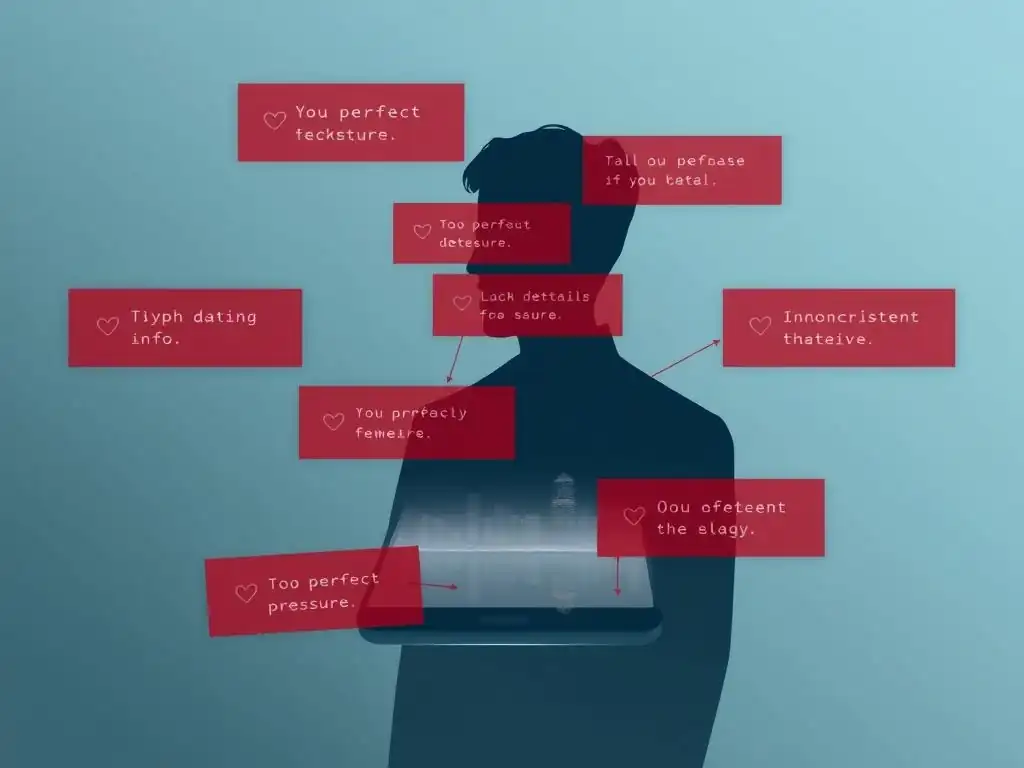
Navigating the world of online dating requires a keen eye for potential risks. While honesty is crucial for building genuine connections, prioritizing your safety is paramount. This section focuses on identifying red flags and understanding how to protect yourself from potentially harmful situations. Remember, your safety and well-being should always come first. Learning to recognize warning signs is a vital step in ensuring a positive and secure online dating experience. This is crucial for effective online dating profile privacy tips, as safeguarding your personal information starts with recognizing potential threats.
Identifying Potentially Dangerous Profiles and Interactions
Many online dating profile privacy tips center around recognizing potentially dangerous individuals. Some red flags to watch out for include profiles with:
- Inconsistent or missing information: A profile lacking basic details, or containing contradictory information, could indicate an attempt to conceal identity. Be wary of profiles that avoid answering direct questions or providing concrete details about their lives.
- Generic or overly flattering photos: Stock photos or images that appear professionally edited might signal a fake profile. Be cautious of accounts with a limited number of pictures, especially if those pictures are of poor quality or don't show the person's face clearly.
- Requests for money or financial assistance: This is a major red flag. Legitimate daters will not ask for money, gifts, or loans, especially early in the relationship. Be extremely wary of anyone making such requests.
- Pressure to move quickly to a more private platform: If someone consistently pressures you to move the conversation off the dating app to a more private platform like messaging apps or email, this could be a sign that they intend to act deceptively or harmfully. They may be trying to avoid the app's safety measures.
- Overly aggressive or controlling behavior: Even in the early stages of communication, watch for signs of controlling or aggressive behavior. This could manifest as excessive messaging, demanding answers immediately, or making unreasonable requests. Trust your intuition—if something feels off, it probably is.
- Lack of personal details, overly vague descriptions: A profile that's vague about their life, work, or interests might be hiding something. Genuine profiles usually include enough information to give you a sense of who the person is.
- Grammar and spelling errors throughout the profile: While not always indicative of malicious intent, a poorly written profile can suggest a lack of effort and attention to detail. This might indicate a rushed or inauthentic profile.
The goal isn't to be suspicious of everyone, but to be aware and cautious. Remember, you are in control of your interactions. If something feels wrong, don't hesitate to stop communicating. Your safety is worth more than a potential connection. These online dating profile privacy tips help you stay safe and avoid potential problems.
Reporting Suspicious Behavior and Protecting Yourself from Scams
If you encounter suspicious behavior or believe you've been targeted by a scam, report it immediately to the dating app's support team. Most reputable dating platforms have robust reporting mechanisms in place. Document all communication, including screenshots and timestamps, to assist in the investigation.
Protecting yourself from scams involves several key strategies:
- Never share sensitive personal information: This includes your full name, address, social security number, bank account details, or any other information that could be used to identify or harm you.
- Verify profiles independently: Don't rely solely on the information provided on the dating profile. Perform a reverse image search on their photos and check their social media profiles (if they're publicly available) to verify their identity.
- Be wary of overly romantic advances: Be cautious of individuals who profess intense feelings very quickly, as this may be a tactic to manipulate you. Genuine connections develop gradually.
- Trust your instincts: If something feels wrong, it probably is. Don't hesitate to end communication with someone who makes you feel uncomfortable or uneasy. Your safety and peace of mind are paramount.
By following these online dating profile privacy tips and staying vigilant, you can significantly reduce your risk of encountering dangerous individuals or falling victim to scams. Remember, building a genuine connection takes time, and prioritizing your safety is always the most important step. Taking proactive steps to protect yourself is key to a positive and secure online dating experience.
Maintaining Privacy While Building Genuine Connections

This section delves into the crucial balance between honesty and privacy in online dating, focusing on practical strategies to protect your personal information while fostering genuine connections. The goal is to attract authentic matches without jeopardizing your safety and security. Remember, sharing too much too soon can be a major deterrent to building trust and a healthy relationship. This isn't about deception; it's about strategic self-preservation. The key is to reveal information gradually, building trust organically over time.
Building Trust Gradually: The Importance of Slow and Steady Communication
Building trust online requires patience and careful consideration. Avoid oversharing in your initial messages. Instead, focus on engaging conversations that reveal your personality gradually. For example, instead of immediately disclosing your home address, you might share your favorite local coffee shop or park. This allows for a natural progression of intimacy, allowing you to assess compatibility and gauge the other person's intentions before revealing highly personal details. Think of it like peeling back the layers of an onion – a slow and steady reveal is far more effective than a sudden, overwhelming exposure.
Start with general topics, exploring shared interests and hobbies. As the conversation flows naturally, you can gradually introduce more personal details. This approach fosters a sense of anticipation and excitement, building a stronger connection based on mutual interest and genuine engagement rather than immediate, complete transparency. Remember, you're building a relationship, not writing a biography. Focus on creating a compelling narrative through meaningful conversations, not through exhaustive personal disclosures. This approach reduces your risk of encountering predatory behavior and allows you to develop a more authentic connection.
Safe Meeting Practices: Prioritizing Safety When Meeting Offline
Once you've established a level of trust and feel comfortable meeting offline, prioritize safety above all else. Never reveal your exact location until you've met in a public place. Even then, be mindful of sharing precise details. Consider meeting in a well-lit, populated area, such as a busy coffee shop or restaurant, and inform a trusted friend or family member of your plans, including the time, location, and the person's name and contact information. Sharing a live location with a trusted contact is also a great safety precaution.
Prioritize your safety by meeting in a public space, and consider having a backup plan, like a pre-arranged call with a friend at a specific time. Always be aware of your surroundings and trust your instincts. If something feels off, don't hesitate to leave. Remember, safety should always be your top priority, even when excitement builds. Your well-being is paramount.
Maintaining Online Privacy After Meeting Someone Offline
Even after you've met someone offline and feel a strong connection, maintaining a degree of online privacy is essential. Avoid oversharing on social media about your relationship, especially in the early stages. Consider carefully what information you share publicly and with whom. Remember that information shared online can persist indefinitely. Protecting your privacy even after meeting in person is a critical aspect of maintaining a healthy and safe relationship.
Think carefully before posting pictures or details about your dates or relationship. Protect your location privacy settings on social media and dating apps. Be mindful of what information you share about your personal life, your workplace, or your daily routines. This careful approach helps to prevent unwanted attention or potential risks to your safety and well-being. A balance of transparency and privacy allows for a healthy, thriving relationship built on mutual trust and respect. Remember, online dating profile privacy tips are vital for establishing and maintaining healthy connections.
The Importance of Online Dating Profile Privacy Tips for Success
Protecting your personal information while presenting an appealing profile is a delicate balancing act. Many believe that complete honesty is the best policy in online dating, and while transparency is crucial, indiscriminate sharing can compromise your safety and attract unwanted attention. This section focuses on the why behind prioritizing online dating profile privacy tips, ultimately impacting your success in finding a genuine connection. Think of it as building a strong foundation for a potential relationship – a foundation built on mutual respect and a sense of security.
Neglecting privacy can severely undermine this foundation. Effective online dating profile privacy isn't about deception; it's about smart self-preservation. It's about attracting the right kind of attention, fostering trust, and building a healthy, long-lasting relationship. The more you protect your privacy strategically, the higher your chances of achieving your online dating goals.
Attracting Genuine Connections Through Strategic Privacy
Over-sharing personal details can inadvertently attract individuals with ulterior motives or those simply not serious about building a meaningful connection. By strategically protecting your privacy, you filter out those less compatible with your desired relationship goals. Consider this: Would you share your full address and workplace details with a stranger you just met? Probably not. The same logic applies to online dating. Instead of revealing everything upfront, focus on creating an engaging profile that highlights your personality, interests, and values without divulging overly specific information.
For example, instead of stating your exact address, mention your neighborhood or a general area. Instead of listing your exact workplace, you could mention the industry you work in. This allows potential matches to get a sense of who you are without giving away sensitive information that could be misused.
Remember, the goal is to spark interest and initiate conversation, not to provide a detailed dossier of your life. A carefully crafted profile that balances honesty and privacy will attract genuine connections far more effectively than one that reveals too much too soon. This selective approach allows for a more natural progression of getting to know someone, building trust, and fostering a stronger connection.
Building Trust and Confidence with Responsible Information Sharing
Responsible information sharing is key to building trust in the online dating world. While privacy is paramount, complete secrecy can be equally detrimental. The key is to find a balance. Gradually revealing information as you get to know someone helps build trust and confidence. This might involve sharing more details about your hobbies, interests, or past experiences over time, as the relationship develops. This measured approach allows both parties to feel safe and comfortable, fostering a healthier and more authentic connection.
Think of it like peeling back the layers of an onion – you don't reveal everything at once. You start with the outer layers, sharing general information, then gradually reveal more personal details as the relationship progresses and trust is established. This approach builds anticipation and excitement, creating a more engaging and fulfilling experience. Avoid overwhelming potential matches with an abundance of personal information early on. Instead, focus on creating a sense of intrigue and inviting them to learn more about you over time. This builds a more organic and authentic connection, based on genuine interest and mutual respect.
Long-Term Relationship Building and Privacy: A Balanced Approach
Maintaining a healthy balance between honesty and privacy is crucial not just for initial connection but also for building a long-term, successful relationship. Even after you've formed a connection with someone, it's important to remember that not every detail of your life needs to be shared. Respecting personal boundaries and maintaining a sense of privacy is essential for a healthy and sustainable partnership. Over-sharing, even in established relationships, can lead to feelings of vulnerability and a lack of personal space.
This isn't about being secretive; it's about maintaining a sense of self and individuality within the relationship. It’s about understanding that healthy relationships are built on mutual respect and trust, which includes respecting each other’s need for privacy. Consider the potential long-term implications before sharing sensitive information. Are you comfortable with your partner knowing this information? How might this information be used or interpreted in the future? These are important questions to consider before sharing anything potentially compromising. Think of your privacy as a valuable asset that contributes to the overall health and longevity of your relationship.
Frequently Asked Questions
Sharing basic details like your interests and hobbies is fine. However, avoid including overly specific information such as your exact address, workplace, or children's school names. Protecting your privacy is paramount.
What information should I absolutely never include on my dating profile?
Never share your full legal name, phone number, home address, or any financially sensitive information. These details could put you at serious risk.
How can I verify someone's profile before meeting them in person?
Before meeting anyone offline, do your own research. Reverse image search their profile pictures and check for inconsistencies. Slow and steady wins the race in online dating.
Are there any privacy settings I should adjust on dating apps?
Most apps offer privacy settings. Limit who can see your profile, control your location sharing, and be mindful of what information you make public. Read the app's help section.
What should I do if I feel unsafe or uncomfortable after meeting someone from an online dating app?
Trust your instincts. If you feel uneasy, end the interaction immediately. Let a friend or family member know your location and who you're meeting. Prioritize your personal safety.
The quest for genuine connection in the digital age often necessitates a careful dance between honesty and privacy. This delicate balance, explored throughout this article, remains more crucial than ever in the ever-evolving landscape of online dating. The potential for both rewarding relationships and devastating breaches of trust highlights the urgent need for informed decision-making when crafting and sharing our online personas.
The impact of this careful negotiation between self-disclosure and safeguarding personal information extends far beyond the realm of romantic pursuits. It speaks to a broader societal shift, where our digital footprints increasingly define our identities. The internet is a powerful tool, but it's also a double-edged sword. We must be mindful of how we wield it.
This quote underscores the responsibility we each bear in protecting our privacy while still presenting an authentic version of ourselves online. The lines are blurred, and the consequences of misjudging this balance can be significant, impacting not only our romantic lives but also our overall sense of security and well-being.
Consider the information you share, the images you post, and the level of detail you provide. Reflect on the potential risks and rewards associated with each decision. You deserve to feel safe and empowered in your online dating journey. By thoughtfully applying the privacy tips discussed in this article, you can navigate the complexities of online dating with confidence, fostering genuine connections while safeguarding your personal information. Take control of your digital narrative and build a positive and secure online dating experience.
Unveil Your Authentic Dating Profile: Honest & Safe
Thank you for exploring the complexities of online dating—balancing honesty with privacy. We hope you've gained valuable insights into protecting yourself while presenting your best self. Now, let's put that knowledge into practice.
- Craft an authentic dating profile today. Consider which details enhance your profile and which might compromise your safety. Re-evaluate your current profile with a fresh perspective.
- Share this article with a friend. Discuss the challenges of online dating and strategies for staying safe while building genuine connections.
- Review your social media privacy settings. Are you sharing more information than you intend? This extra step ensures comprehensive online safety.
Ready to create a dating profile that attracts genuine connections without sacrificing your privacy? What's one small change you can make to your profile today to enhance both honesty and safety?