
The Importance of Allyship: Supporting Marginalized Groups in Online Dating


Ready to transform your online dating experience? At OnlineDatingSuccess.org, we're dedicated to helping you find meaningful connections. But true success goes beyond finding a match; it's about fostering inclusivity and respect. This is why we've created a vital Online dating allyship support guide, exploring how to be a true ally to marginalized groups within the online dating world. Discover how you can make a difference and build a more equitable and fulfilling dating journey for everyone. Dive in and learn how to navigate this landscape with empathy and understanding.
- Understanding Online Dating Allyship: A Support Guide
-
Practical Steps to Become an Ally in Online Dating
- Active Listening and Empathy: Understanding Diverse Perspectives
- Educating Yourself on Microaggressions and Prejudice in Online Dating
- Challenging Prejudice and Discrimination Directly and Indirectly
- Supporting Inclusive Language and Profile Descriptions
- Reporting Hate Speech and Harassment on Dating Platforms
- Building Inclusive Online Dating Profiles and Communication
- Advocating for Change in Online Dating Spaces
- The Benefits of Allyship in Online Dating
- Frequently Asked Questions
- Final Reflection: Weaving Allyship into the Digital Tapestry of Love
- Unleash Your Allyship: Build a More Inclusive Dating World
Understanding Online Dating Allyship: A Support Guide
Online dating, while offering exciting possibilities for connection, unfortunately also presents a landscape rife with biases and discrimination. This guide serves as a crucial resource for understanding and practicing allyship within the online dating world. We will explore what allyship means in this specific context, identify the groups most frequently marginalized, and examine the profound impact of prejudice on dating experiences.
By actively promoting inclusivity and challenging discriminatory behavior, we can collectively foster a more equitable and positive online dating environment for everyone. This guide is designed to equip you with the knowledge and tools to become an effective ally and contribute to a more welcoming and respectful online dating community. Learning to be an ally isn't just about being a good person; it's about actively working towards a more just and equitable world, one date at a time.
This is particularly crucial in the online sphere where anonymity can embolden harmful behaviors. Let's delve into the specifics.
Defining Allyship in the Context of Online Dating
Allyship in online dating goes beyond simply stating support for marginalized groups. It requires active participation in dismantling systemic biases and challenging discriminatory behaviors. This means actively speaking out against hate speech, reporting inappropriate conduct, and promoting inclusive language and practices.
It's about using your privilege to amplify the voices of marginalized groups and advocating for their equal representation and treatment within the online dating space. A true ally consistently educates themselves on the unique challenges faced by different groups and actively works to create a more welcoming and supportive environment for everyone. This may involve challenging your own biases and assumptions, and actively listening to and learning from the experiences of others.
It's not about being perfect, but about consistently striving to do better. Think of it as an ongoing journey of learning and growth. The goal is to create an online dating space where everyone feels safe, respected, and valued.
Recognizing Marginalized Groups in Online Dating
Many groups face disproportionate challenges in online dating. These include, but are not limited to: people of color, LGBTQ+ individuals, people with disabilities, individuals from different religious backgrounds, and those who identify as plus-size. These groups often encounter prejudice ranging from subtle microaggressions to overt discrimination. For example, individuals of color may receive fewer matches or experience more instances of racism and fetishization. LGBTQ+ individuals might face targeted harassment and discrimination, while people with disabilities might encounter ableist attitudes and assumptions.
Similarly, individuals from religious minorities may face prejudice based on their faith or beliefs. Plus-size individuals may experience body shaming and rejection. Recognizing the unique challenges faced by these diverse groups is the first step towards effective allyship. Understanding the nuances of these experiences is key to providing meaningful support. We need to actively work towards a more inclusive dating landscape that values diversity and celebrates difference.
The Impact of Discrimination and Bias on Online Dating Experiences
The impact of discrimination and bias on online dating experiences is significant and far-reaching. It leads to feelings of isolation, frustration, and low self-esteem for marginalized individuals. The constant exposure to prejudice can negatively affect mental health and well-being. Furthermore, it creates a less welcoming and inclusive environment for everyone.
When individuals are subjected to harassment, rejection, or exclusion, it not only hurts them personally but also undermines the overall positive experience of the online dating platform. The perpetuation of biases and discrimination limits opportunities for meaningful connections and perpetuates harmful stereotypes. This creates a cycle of negativity that affects everyone, making it crucial to actively combat these issues and work towards a more equitable space for all. The goal is to create a space where everyone feels empowered to be themselves and to build genuine connections without fear of judgment or discrimination.
Practical Steps to Become an Ally in Online Dating
This section provides actionable steps to actively support marginalized groups within the online dating landscape. Becoming an ally isn't passive; it requires consistent effort and a commitment to understanding and challenging systemic inequalities. This guide focuses on practical strategies you can implement immediately to foster a more inclusive and equitable online dating experience for everyone. Remember, true allyship involves ongoing learning and self-reflection.
Active Listening and Empathy: Understanding Diverse Perspectives
Active listening and empathy are foundational to effective allyship. It's crucial to move beyond simply acknowledging the existence of prejudice and actively listen to the experiences of marginalized groups in online dating. This involves creating space for them to share their stories without interruption or judgment. Consider these points:
- Avoid interrupting: Let individuals share their experiences fully before offering your perspective. Interrupting can invalidate their feelings and experiences.
- Validate their feelings: Acknowledge the validity of their emotions, even if you don't fully understand their perspective. Phrases like, "That sounds incredibly frustrating," or "I can see why you'd feel that way," can be incredibly helpful.
- Ask clarifying questions: Instead of making assumptions, ask open-ended questions to gain a deeper understanding of their experiences. For example, instead of asking "Did you experience discrimination? ", try "Can you describe a situation where you felt discriminated against in online dating?"
- Seek diverse perspectives: Actively engage with content and discussions from various marginalized groups. This helps broaden your understanding and challenges your own biases.
Remember, empathy isn't about pretending to understand perfectly; it's about striving to understand from their perspective. This active listening fosters trust and creates a safe space for open communication, a crucial component of effective online dating allyship. By genuinely listening and validating their experiences, you demonstrate your commitment to supporting them. This empathetic approach is critical in building a truly inclusive online dating environment.
Educating Yourself on Microaggressions and Prejudice in Online Dating
Understanding the subtle yet harmful nature of microaggressions is essential for effective allyship. Microaggressions are everyday, often unintentional, verbal, behavioral, or environmental indignities, whether intentional or unintentional, that communicate hostile, derogatory, or negative messages to target persons based solely upon their marginalized group membership. In online dating, these can manifest in various ways, from seemingly harmless comments to outright exclusion.
- Examples of Microaggressions: Ignoring or dismissing a person's dating profile based on race, religion, sexual orientation, or disability. Making assumptions about someone's preferences based on stereotypes. Using overly familiar or patronizing language. Unwanted sexual advances. These acts, while seemingly small, cumulatively contribute to a hostile environment.
- Identifying Microaggressions: Learning to recognize these subtle forms of prejudice requires self-reflection and a willingness to examine your own biases. Consider how your language and actions might be interpreted by others. Are you making assumptions based on stereotypes? Are you using inclusive language?
- Resources for Education: Numerous online resources and organizations provide valuable information on microaggressions and how to combat them. Seeking out this information demonstrates a commitment to continuous learning and growth as an ally. Educating oneself is a continuous process, requiring ongoing vigilance and self-reflection. The more you learn, the better equipped you are to identify and challenge prejudice in online dating.
The fight against prejudice requires constant education and awareness. By actively seeking out information and engaging with diverse perspectives, you can significantly improve your ability to identify and address microaggressions.
Challenging Prejudice and Discrimination Directly and Indirectly
Challenging prejudice and discrimination requires both direct and indirect action. Direct confrontation might not always be feasible or safe, but indirect methods can still create significant impact.
- Direct Confrontation: When safe and appropriate, directly challenge discriminatory behavior. This could involve politely correcting someone who makes a prejudiced remark or reporting discriminatory profiles or messages to the dating platform. However, prioritize your safety and well-being; direct confrontation should only be undertaken when it’s safe and you feel comfortable doing so.
- Indirect Action: Indirect methods include promoting inclusive language and behavior, advocating for better reporting mechanisms on dating platforms, and supporting organizations that fight for LGBTQ+ rights, racial justice, and disability rights. Promoting positive representations of diverse communities in online spaces is also crucial.
- Reporting Mechanisms: Utilize the reporting mechanisms provided by dating platforms to flag discriminatory content. This helps create a safer environment for everyone. Dating platforms have a responsibility to create a safe and inclusive space, and reporting helps hold them accountable.
- Amplifying Marginalized Voices: Share and promote content created by marginalized groups in online dating, giving them a platform to share their stories and experiences. This helps counter dominant narratives and promotes inclusivity.
Remember, allyship is a continuous journey, requiring consistent effort and self-reflection. By actively engaging in these direct and indirect actions, you contribute to a more inclusive and equitable online dating experience for everyone. It's a collective responsibility to build a space where everyone feels safe, respected, and valued.
Supporting Inclusive Language and Profile Descriptions
Choosing inclusive language is crucial for building a welcoming online dating environment. This means actively avoiding language that excludes or marginalizes individuals based on their gender identity, sexual orientation, race, ethnicity, religion, ability, or body type. Instead, strive for language that is respectful and affirming of all identities.
For example, instead of using gendered assumptions like "looking for a wife" or "seeking a handsome man," consider more inclusive phrasing such as "seeking a loving partner" or "looking for someone kind and compassionate." This small change can make a significant difference in making others feel included and respected. Remember, your profile is a reflection of your values, and using inclusive language demonstrates your commitment to creating a positive and equitable space for everyone.
Beyond your own profile, actively engage with profiles that showcase diversity and inclusivity. Like and comment positively on profiles that celebrate different identities and experiences. This simple act of engagement can signal to others that such profiles are valued and welcome.
Conversely, avoid profiles that perpetuate harmful stereotypes or discriminatory language. Ignoring such profiles can be a form of implicit support for harmful behavior, so consider reporting them as appropriate. Remember that the goal is to create a supportive and positive online dating experience for everyone, regardless of their background or identity.
By actively promoting inclusive language in your own profile and engaging positively with diverse profiles, you contribute significantly to a more welcoming online dating community. The impact of your actions, however small they may seem, is amplified when others follow suit. Consider the ripple effect of your positive actions and their potential to create a more equitable and inclusive space for all.
Reporting Hate Speech and Harassment on Dating Platforms
Dating platforms often provide mechanisms to report hate speech and harassment. Familiarize yourself with these reporting procedures. This is a crucial step in combating discrimination and ensuring a safer online dating experience for everyone. Most platforms have a clear reporting process, usually involving flagging specific profiles or messages containing hateful or harassing content. The severity of the violation will influence the platform's response, ranging from a warning to a permanent ban. Don't hesitate to report even seemingly minor incidents; cumulative reports can lead to more effective action against persistent offenders.
Reporting hate speech isn't just about protecting individuals; it's about upholding the integrity of the online dating platform itself. When platforms fail to address hate speech and harassment, they create an environment where marginalized groups feel unsafe and unwelcome, diminishing the platform's overall value and potential. By reporting inappropriate behavior, you actively contribute to creating a safer and more inclusive environment for everyone.
Remember, your actions directly impact the safety and well-being of others within the online dating community. Don't underestimate the power of your reports; they are a vital tool in shaping a more equitable and respectful online dating experience. Be mindful that reporting mechanisms are continuously evolving, so staying informed about updates on your chosen platforms is essential to ensure your reports are handled effectively.
Building Inclusive Online Dating Profiles and Communication
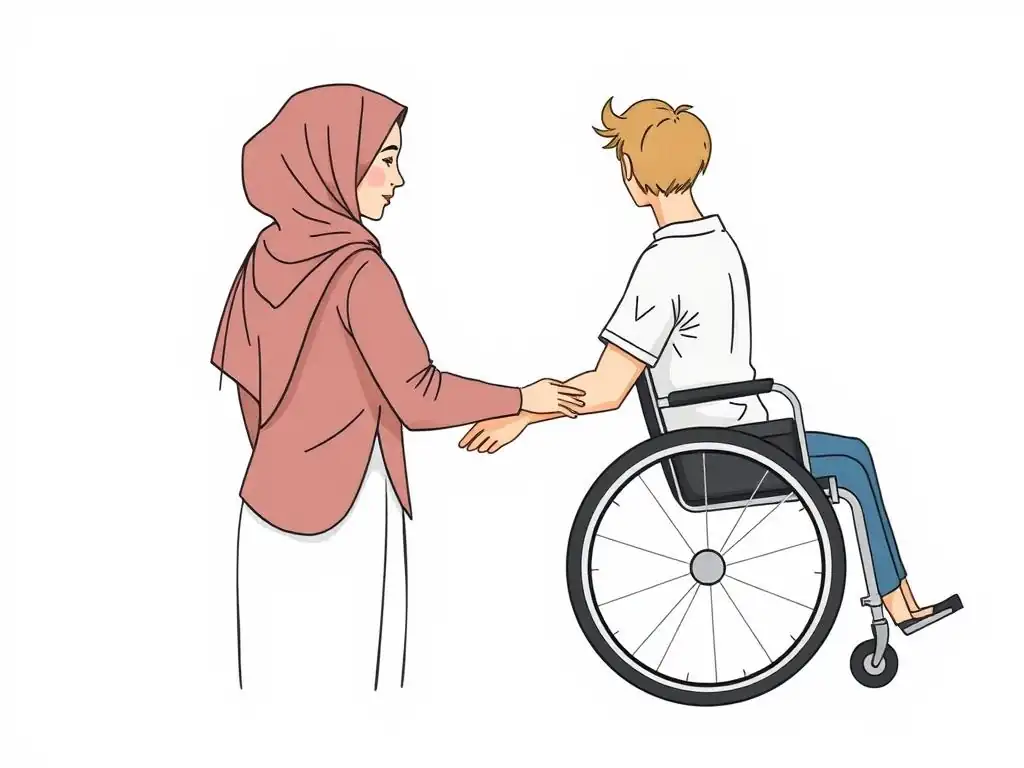
This section delves into the practical steps individuals can take to foster allyship in their online dating profiles and interactions. By actively promoting inclusivity, we can create a safer and more welcoming space for everyone, regardless of background or identity. This guide offers actionable strategies to build a more equitable online dating experience, contributing to a positive shift in the online dating landscape. Remember, allyship is an ongoing process, requiring consistent effort and self-reflection.
Crafting Inclusive Profile Descriptions: Representation and Respect
Creating an inclusive profile description goes beyond simply listing your hobbies and interests. It involves actively demonstrating respect for diverse identities and experiences. Avoid generalizations and stereotypes; instead, focus on showcasing your personality and values in a way that welcomes everyone. Consider the following:
- Use inclusive language: Instead of saying "Looking for someone who loves [specific activity]", try "I enjoy [activity] and am open to meeting someone with shared interests, regardless of their background." This approach avoids excluding individuals who may not fit a specific mold.
- Highlight your values: Emphasize your commitment to inclusivity and respect for diversity. For example, you could mention that you value kindness, empathy, and open-mindedness. This signals to potential matches that you're an ally.
- Showcase your allyship: If you're comfortable, briefly mention your support for marginalized groups. This could be something as simple as stating that you are an ally to the LGBTQ+ community or that you support racial justice. Remember, authenticity is key.
- Avoid harmful stereotypes: Carefully review your profile for any language that could perpetuate harmful stereotypes or microaggressions. Even seemingly innocuous phrases can have unintended consequences.
- Use representative images: Your profile pictures should accurately reflect your identity and avoid perpetuating harmful stereotypes. Consider using multiple pictures that show different aspects of your personality and interests.
Remember, your profile is your first impression. Make it count by demonstrating your commitment to creating a welcoming and inclusive space for everyone. The goal is to attract genuine connections based on shared values and mutual respect.
Promoting Positive and Respectful Online Interactions
Beyond your profile, your online interactions are crucial in demonstrating allyship. Engaging in respectful communication sets the tone for healthy relationships and fosters a more inclusive online dating environment. Here are some key strategies:
- Be mindful of your tone: Online communication can easily be misinterpreted. Be mindful of your tone and avoid sarcasm or humor that could be offensive. Prioritize clarity and respect in all your messages.
- Listen actively: Pay attention to what your matches say and show genuine interest in their experiences. Active listening demonstrates respect and creates a space for meaningful connection.
- Challenge prejudice: If you encounter prejudice or discrimination, don't be afraid to speak up. Challenge harmful stereotypes and microaggressions respectfully but firmly. This takes courage, but it's a crucial aspect of allyship.
- Educate yourself: Stay informed about issues affecting marginalized groups in the online dating world. This knowledge will help you to better understand the challenges they face and to be a more effective ally.
- Be patient and understanding: Building trust and understanding takes time. Be patient with your matches and show empathy for their experiences. Remember, allyship is a journey, not a destination.
By consistently practicing these strategies, you contribute to a more positive and inclusive online dating experience for everyone. Remember, even small acts of allyship can make a significant difference.
Using Inclusive Language in Messaging: Avoiding Stereotypes and Assumptions
The language you use in your messages significantly impacts the tone and inclusivity of your interactions. Avoiding stereotypes and assumptions is paramount to fostering respectful and meaningful connections. Consider these points:
- Avoid gendered assumptions: Don't assume someone's gender or sexual orientation based on their profile or initial messages. Use gender-neutral language unless you are explicitly told otherwise.
- Respect pronouns: Always ask for and respect someone's pronouns. It's a simple act of respect that shows you value their identity.
- Avoid making assumptions about someone's race or ethnicity: Don't make assumptions about someone's cultural background or experiences. Instead, engage in open and respectful dialogue to learn more about them.
- Be mindful of your humor: Humor can be a great way to connect, but avoid jokes that rely on stereotypes or make light of sensitive issues.
- Avoid using ableist language: Be mindful of your language and avoid using terms that could be offensive or hurtful to people with disabilities.
Using inclusive language demonstrates respect and creates a welcoming environment. It shows your matches that you value their individuality and are committed to creating a positive and equitable online dating experience. This commitment to mindful language significantly contributes to fostering an online dating environment that is truly inclusive and welcoming for all.
Respecting Boundaries and Consent Online
Navigating the complexities of online dating requires a deep understanding of boundaries and consent. This is especially crucial when interacting with individuals from marginalized groups who may have experienced past trauma or discrimination. Respecting boundaries isn't just about politeness; it's about acknowledging the individual's autonomy and agency. Failing to do so can have serious consequences, ranging from emotional distress to legal repercussions.
One key aspect is understanding that consent is not implied. Just because someone responds to a message doesn't automatically mean they're consenting to further interaction or a date. Explicit consent should be sought at every stage, from initiating conversation to planning a meeting in person. This includes verbal and nonverbal cues; if someone seems hesitant or uncomfortable, it's crucial to respect their decision and withdraw from the interaction. Ignoring these cues can be interpreted as harassment and can significantly damage the individual's trust in online dating platforms.
Furthermore, respecting boundaries extends beyond explicit communication. Avoid sending unsolicited photos or messages, particularly those of a sexual nature. This is a fundamental aspect of online dating allyship. Understanding and respecting the personal space of others online is paramount. Consider the level of intimacy appropriate for different stages of online interaction. For instance, sharing personal information, such as address or workplace, should only occur after building trust and understanding, and only with the explicit consent of the other party.
Another important aspect is understanding that different individuals have different comfort levels with sharing personal information online. Some individuals may prefer to keep their profiles relatively anonymous, while others may be more open. Respecting these differences is vital. Avoid pressuring someone to disclose more information than they're comfortable sharing. Remember, building trust takes time, and forcing the issue can be counterproductive and potentially harmful.
This is a crucial element of providing allyship support in online dating spaces. The goal is to foster a safe and welcoming environment where everyone feels empowered to participate on their own terms. Being mindful of these boundaries demonstrates respect and fosters a more positive experience for everyone involved. Remember, online dating allyship is about creating a space where everyone feels safe and respected.
Advocating for Change in Online Dating Spaces
This section delves into practical steps individuals can take to advocate for more inclusive online dating experiences. Allyship isn't passive; it requires active engagement and consistent effort. By understanding the nuances of discrimination within online dating and proactively working towards change, we can foster a more welcoming environment for everyone. This guide provides actionable steps for effective allyship in online dating, aiming to support marginalized groups and promote a more equitable digital dating landscape. Remember, even small actions can contribute significantly to fostering a more inclusive online dating culture. The impact of your allyship can be felt by many.
Engaging with Dating Apps and Platforms on Diversity and Inclusion
Many dating apps and platforms now have mechanisms for users to report discriminatory behavior or suggest improvements to their algorithms and features. Actively using these reporting mechanisms is a crucial step in advocating for change. Don't just ignore hateful comments or profiles; report them.
Furthermore, consider directly contacting the app's customer service or using their feedback channels to suggest improvements. This might include requesting more robust reporting systems, improved profile verification processes to combat catfishing and fake profiles that often disproportionately target marginalized groups, or the implementation of features that better cater to the diverse needs of their user base. For example, you could suggest adding more granular options for gender identity and sexual orientation beyond the typical binary choices.
Remember to be polite but firm in your communication, clearly outlining the issues and suggesting practical solutions. Data shows that when users actively report and provide feedback, platforms are more likely to implement changes. This direct engagement helps shape the future of online dating, creating a more inclusive space for everyone.
Supporting Organizations that Promote Diversity and Inclusion in Online Dating
Numerous organizations are dedicated to promoting diversity and inclusion in online dating. Supporting these organizations, whether through donations, volunteering, or simply spreading awareness, significantly amplifies the impact of their work. This support is crucial for creating lasting change. These organizations often conduct research, advocate for policy changes, and provide educational resources to promote understanding and combat prejudice. Researching and identifying organizations aligned with your values and contributing to their efforts is a tangible way to demonstrate your allyship.
Many organizations offer various levels of involvement, from financial contributions to volunteering your time and skills. Consider your resources and choose a method of support that aligns with your capabilities. Even sharing their work on social media can significantly increase their reach and impact. By supporting these organizations, you are contributing to a larger movement towards a more inclusive and equitable online dating experience for all.
Promoting Positive Representation in Media and Public Discourse
The portrayal of relationships and dating in media significantly influences public perception. Actively challenging harmful stereotypes and promoting positive representation in online spaces is key to fostering inclusivity. This includes engaging in discussions online, calling out discriminatory language or imagery, and amplifying the voices of marginalized communities.
For example, if you see a meme or post that perpetuates harmful stereotypes about a specific group, politely challenge it by pointing out the negative impact of such representations. Sharing articles and resources that promote positive representation can also contribute to a more inclusive online environment. Consider the language you use when discussing online dating; avoid perpetuating stereotypes or using biased language.
By being mindful of your own language and actions, and by actively challenging negative representations, you contribute to a more welcoming and inclusive online dating culture for everyone. This active participation in shaping public discourse is essential for long-term change in online dating allyship.
The Benefits of Allyship in Online Dating
This section explores the numerous advantages of allyship in the context of online dating, focusing on how actively supporting marginalized groups contributes to a more positive and equitable experience for everyone. Understanding these benefits is crucial for building a more inclusive and respectful online dating landscape. We'll examine how allyship fosters a welcoming environment, strengthens connections, and promotes personal growth. This guide provides practical steps and insights to empower you to become an effective ally in the online dating world.
Fostering a More Welcoming and Inclusive Online Dating Environment
Allyship directly combats the pervasive issue of bias and discrimination that plagues many online dating platforms. By actively supporting marginalized groups—including those based on race, sexual orientation, gender identity, body type, ability, and other factors—we create a space where everyone feels safer and more comfortable expressing themselves authentically. This translates to increased participation from diverse communities, leading to a richer and more vibrant online dating experience for all users.
Consider the impact of subtle biases in profile selection. Research shows a correlation between the visibility of profiles and the perceived attractiveness of users based on factors like race and gender. Allyship actively challenges these inherent biases by promoting visibility and celebrating the diversity present within the online dating community.
This includes actively liking and engaging with profiles from marginalized groups, thereby increasing their visibility in the algorithm and potentially leading to more matches and connections. It also involves reporting discriminatory behavior and hateful messages, contributing to a safer and more welcoming space for all. The creation of a supportive environment is not just morally sound; it's also strategically beneficial for the entire online dating ecosystem.
Building Stronger and More Meaningful Connections
Beyond fostering inclusivity, allyship leads to the development of stronger and more meaningful relationships. By engaging with individuals from diverse backgrounds, we broaden our perspectives and challenge our preconceived notions. This expanded understanding fosters empathy, respect, and a deeper appreciation for the richness of human experience. Authentic connections thrive on mutual respect and understanding, and allyship actively cultivates this fertile ground.
For example, actively seeking out and engaging with profiles that highlight unique interests or experiences can lead to more fulfilling interactions. Instead of limiting your search to profiles that mirror your own background, actively exploring diverse profiles can open doors to unexpected and enriching connections. You might discover shared passions you never anticipated, leading to a more profound and meaningful relationship. This approach not only benefits the marginalized individuals you connect with but also enriches your own dating experience by exposing you to new perspectives and experiences.
Personal Growth and Enhanced Empathy
The act of allyship is inherently transformative. By actively working to dismantle systemic inequalities within online dating, we embark on a journey of self-reflection and personal growth. Challenging our own biases and prejudices requires introspection and a willingness to learn and unlearn. This process fosters empathy and strengthens our ability to connect with others on a deeper level.
Becoming an effective ally requires continuous learning and self-assessment. It's a journey, not a destination. Actively seeking out educational resources, engaging in open and honest conversations about privilege and oppression, and reflecting on our own experiences and biases are crucial steps in this process. This continuous self-reflection allows for personal growth and contributes to a more nuanced understanding of the complexities of online dating and the broader societal issues it reflects. This personal growth extends beyond the online dating sphere, influencing how we interact in all aspects of our lives, fostering a more compassionate and understanding world.
Frequently Asked Questions
What is allyship in online dating?
Allyship in online dating means actively supporting and advocating for marginalized groups facing discrimination or exclusion. This includes challenging prejudice and promoting inclusivity within the online dating space. It's about creating a more equitable and welcoming environment for everyone.
How can I be an ally to marginalized daters online?
You can be an ally by educating yourself on the unique challenges faced by different groups. Actively challenge bias and discrimination when you see it, and use inclusive language in your profile and communications. Support and amplify marginalized voices.
What are some marginalized groups in online dating?
Marginalized groups in online dating include individuals from underrepresented racial and ethnic backgrounds, LGBTQ+ individuals, people with disabilities, and those who identify as plus-size or non-binary. Many others face unique challenges depending on their intersectional identities.
How can I create an inclusive online dating profile?
Use inclusive language that avoids stereotypes and assumptions. Showcase your allyship and respect for diversity in your profile description. Choose profile photos that accurately represent you and avoid perpetuating harmful stereotypes.
What resources are available to learn more about allyship in online dating?
Many organizations offer resources on diversity, equity, and inclusion. You can also find valuable information online through articles, blogs, and support groups focused on online dating and social justice. Seek out educational materials to broaden your understanding.
Final Reflection: Weaving Allyship into the Digital Tapestry of Love
The fight for inclusivity and genuine connection in online dating isn't just a trend; it's a fundamental shift in how we approach relationships and build community. Ignoring the experiences of marginalized groups within these platforms perpetuates harmful biases and limits the potential for meaningful connections for everyone. We must actively work towards a more equitable and representative online dating landscape.
The impact of allyship in online dating extends far beyond the digital realm; it reflects a broader societal need for empathy and understanding. It's about recognizing the unique challenges faced by LGBTQ+ individuals, people of color, people with disabilities, and others who often experience discrimination and exclusion. The privilege of being heard is not the same as the right to be heard.
This quote underscores the importance of amplifying marginalized voices and creating space for their experiences to be acknowledged and respected. We must actively listen and learn from those who have been historically silenced.
Now, consider your own role in fostering allyship. What steps can you take to create a more inclusive online dating experience for yourself and others? Challenge your own biases, actively support marginalized communities, and speak out against discrimination. Let's move beyond passive observation and actively build a digital dating world where everyone feels seen, valued, and empowered to find love and connection. The future of online dating depends on it.
Unleash Your Allyship: Build a More Inclusive Dating World
Thank you for learning about the importance of allyship in online dating! You've gained valuable insights into creating a more welcoming and respectful environment for everyone. Now, let's put that knowledge into action.
Here's how you can make a real difference:
- Become an active online ally: Consciously challenge discriminatory language and behavior on dating apps and in online communities. This could involve reporting inappropriate profiles or respectfully correcting biased comments. This is a crucial first step towards positive change.
- Share this article: Spread the word! Help others understand the vital role of allyship in online dating by sharing this with your friends and network.
- Engage in thoughtful discussions: Join the conversation in the comments below! Let's discuss your experiences and brainstorm ways to foster inclusivity in the online dating world.
What specific action will you take today to build a more supportive and inclusive dating experience for everyone?