
Building Your SelfConfidence: Dating After Widowhood in Your 40s+


Ready to rediscover love and build lasting connections? At OnlineDatingSuccess.org, we empower you to navigate the world of online dating with confidence. This journey is unique to each person, and finding your footing, especially after widowhood, can be challenging. That's why our latest article, "Dating confidence after widowhood," offers practical strategies to help you build your self-esteem and find genuine happiness. Explore the wealth of resources here, and let us guide you towards a brighter future in love and relationships.
- Rebuilding Confidence After Loss: Addressing the Emotional Landscape
-
Practical Steps to Boost Your Dating Confidence After Widowhood
- Defining Your Dating Goals: What are you looking for in a relationship?
- Creating a Positive Online Dating Profile: Showcasing Your Best Self
- Mastering Online Communication: Building Connection and Trust
- Managing Fear and Anxiety: Strategies for First Dates and Beyond
- Setting Healthy Boundaries: Protecting Your Emotional Well-being
- Learning from Past Experiences: Growth and Self-Improvement
- Navigating the Online Dating World with Confidence
- Maintaining Confidence Throughout Your Dating Journey
- Frequently Asked Questions
- Final Reflection: Reclaiming Joy: Dating and Self-Discovery After Widowhood
- Rediscover Your Spark: Take the Next Step in Dating
Rebuilding Confidence After Loss: Addressing the Emotional Landscape
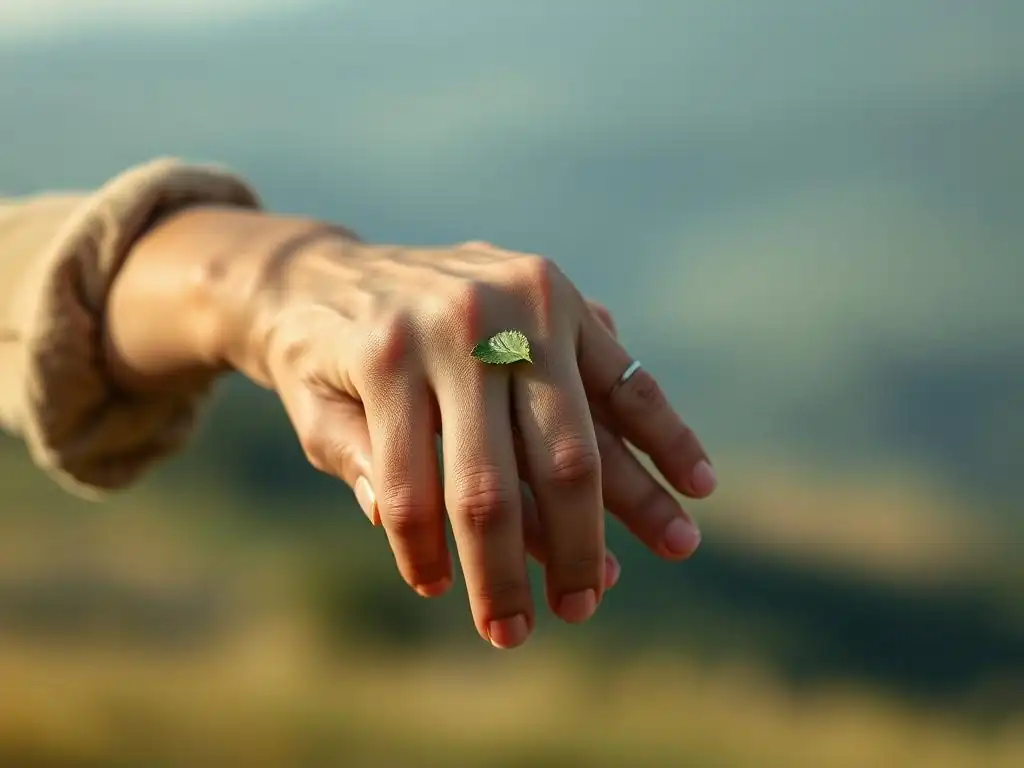
Dating after widowhood in your 40s+ can feel like navigating uncharted territory, especially when it comes to rebuilding your confidence. The loss of a spouse is a profound experience, leaving an undeniable impact on your emotional well-being and self-perception. This article aims to provide empathetic guidance and practical strategies for women over 40 who are ready to explore dating again after the death of their husband, focusing on regaining self-confidence and building a fulfilling future.
We'll delve into the emotional aspects of this journey, offering tools and techniques to help you process your grief, acknowledge your worth, and ultimately, embrace the possibility of new love. Remember, there's no right or wrong timeline for this process; the focus is on honoring your journey and prioritizing your emotional health as you navigate this significant chapter in your life. This is about reclaiming your life and finding happiness, on your terms.
Processing Grief and Accepting Change: The First Steps to Dating Again
The first step toward dating confidence after widowhood is acknowledging and processing your grief. This isn't a quick fix; it's a journey that requires patience and self-compassion. Allow yourself to feel the full spectrum of emotions – sadness, anger, loneliness, even relief – without judgment. Supportive friends, family, or a therapist can provide invaluable support during this time. Consider journaling, engaging in creative expression, or participating in grief support groups. Remember, grief doesn't have a timeline. There will be good days and bad days.
Accepting this fluctuating emotional landscape is key. It's also crucial to accept the change in your life. Widowhood fundamentally alters your identity and routine. Give yourself time to adapt to this new reality before jumping into the dating world. Focus on self-care: prioritize sleep, healthy eating, and physical activity. These practices can significantly improve your mood and overall well-being, laying a foundation for increased confidence.
Acknowledging Your Worth: Recognizing Your Strengths and Resilience
Dating after widowhood often involves confronting feelings of self-doubt. You may question your attractiveness, your ability to love again, or even your worthiness of happiness. It's crucial to actively challenge these negative thoughts. Make a list of your strengths, accomplishments, and qualities you admire about yourself. Remember the resilience you've shown in overcoming the challenges of widowhood. This strength is a testament to your inner power and a valuable asset in navigating the dating world.
Focus on your personal growth. Engage in activities you enjoy, pursue new hobbies, and invest in your personal development. This will not only boost your confidence but also enrich your life and make you a more well-rounded individual. Consider taking a class, learning a new skill, or volunteering – these activities can boost your self-esteem and provide opportunities for social interaction. Remember, you are valuable, worthy, and deserving of love and happiness.
Forgiving Yourself: Letting Go of Guilt and Self-Doubt
Many widows experience feelings of guilt or self-doubt after the death of their spouse. These feelings can significantly hinder your ability to move forward and embrace new opportunities. Forgiveness is a crucial step in healing and rebuilding your confidence. Forgiving yourself for any perceived shortcomings or unresolved issues from your past relationship is essential. This doesn't mean condoning negative behaviors, but rather releasing the burden of self-blame.
Remember that grief is a complex process, and it's natural to experience a range of emotions. Practice self-compassion and treat yourself with the same kindness and understanding you would offer a close friend going through a similar experience. Consider seeking professional guidance if you struggle with persistent guilt or self-doubt. A therapist can provide valuable tools and techniques for processing these emotions and fostering self-acceptance. Remember, you deserve happiness, and letting go of guilt is a vital step toward achieving it.
Practical Steps to Boost Your Dating Confidence After Widowhood
This section offers practical strategies to rebuild your dating confidence after widowhood, focusing on the unique challenges and opportunities faced by women in their 40s and beyond. Re-entering the dating world after a significant loss can feel daunting, but with the right approach and mindset, you can navigate this journey with renewed self-assurance and optimism. Remember, your journey is unique, and your pace is your own. The goal is to foster a healthy sense of self-worth and excitement for the possibilities ahead. This isn't about replacing your late spouse, but about enriching your life and embracing new connections.
Defining Your Dating Goals: What are you looking for in a relationship?
Before diving into the online dating world, take time for thoughtful self-reflection. What are your non-negotiables? What kind of relationship are you seeking? Are you looking for companionship, a serious long-term partnership, or something in between? Defining your dating goals is crucial for attracting compatible partners and avoiding wasted time and emotional energy.
Consider creating a list: What qualities are you looking for in a partner? Think about personality traits, values, lifestyle preferences, and life goals. Are you seeking someone adventurous, someone who enjoys quiet evenings at home, or a blend of both? Being clear about your desires will help you filter potential matches effectively and focus your energy on those who align with your vision.
For example, you might prioritize someone who shares your passion for hiking, someone who values family, or someone who is emotionally intelligent and communicative. These specifics will help you curate your online dating experience and increase your chances of finding a compatible match. Don't be afraid to be specific; the more clarity you have, the better equipped you will be to navigate the dating landscape. Remember, defining your goals is a process of self-discovery that can evolve over time.
Creating a Positive Online Dating Profile: Showcasing Your Best Self
Your online dating profile is your first impression – make it count! It should reflect your authentic self while highlighting your best qualities. Avoid generic descriptions; instead, use vivid language to paint a picture of your life and personality. Showcase your interests, hobbies, and passions. Include recent, high-quality photos that reflect your current lifestyle and personality.
Think about the message you want to convey. Are you adventurous and outgoing? Do you enjoy quiet nights in? Let your personality shine through your words and images. Avoid overly posed or filtered photos; natural and genuine pictures will attract more authentic connections. Consider including a variety of photos that showcase different aspects of your life. This could include photos of you engaging in your hobbies, spending time with friends and family, or simply relaxing and enjoying yourself.
Remember, your profile is a marketing tool for you. It needs to be engaging, informative, and enticing. Consider asking a friend for feedback on your profile to ensure it accurately represents you and is appealing to potential matches. Regularly update your profile to reflect your current interests and experiences. This shows that you're actively engaged in the dating process and keeps your profile fresh and relevant.
Mastering Online Communication: Building Connection and Trust
Effective communication is key to building connections in online dating. Respond thoughtfully to messages, asking engaging questions to learn more about potential matches. Share your own experiences and thoughts, but avoid oversharing sensitive information too early in the process. Remember, building trust takes time.
Maintain a positive and respectful tone in your communication. Avoid negativity or complaining, and focus on building rapport. Be mindful of your language and avoid using clichés or generic phrases. Show genuine interest in getting to know the other person. Remember, the goal is to initiate a meaningful connection, not just a quick exchange of messages.
Consider the pace of your communication. Don't feel pressured to respond instantly to every message, but also avoid leaving someone waiting for extended periods without a response. If you're not interested in someone, be polite but firm in your response. Honesty and respect are crucial in online dating. Remember, building genuine connections takes time and patience. Focus on fostering meaningful conversations and building a foundation of trust before moving to in-person meetings. Prioritize safety and your comfort level throughout this process.
Managing Fear and Anxiety: Strategies for First Dates and Beyond

Dating after widowhood can stir up a whirlwind of emotions, and fear and anxiety are perfectly normal. Many women in their 40s and beyond, having experienced the profound loss of a spouse, find themselves hesitant to re-enter the dating scene. This apprehension is understandable; it's a significant step requiring vulnerability and courage. However, recognizing and managing these feelings is crucial for building dating confidence.
One effective strategy is to prepare for dates in advance. Instead of letting anxiety spiral, plan out your outfit, choose a location you feel comfortable in (perhaps a familiar restaurant or a coffee shop), and even outline a few conversation starters. This preparation can significantly reduce the feeling of being overwhelmed. Remember, the goal isn't to be perfect, but to be prepared and present.
Consider practicing mindfulness techniques. Deep breathing exercises, meditation, or even a short walk before a date can help calm your nerves and center your focus. These techniques are invaluable tools for managing the physical symptoms of anxiety, such as a racing heart or trembling hands. The key is to find what works best for you and integrate it into your routine.
Finally, remember that first dates are exploratory. They are opportunities to get to know someone, not to find your soulmate immediately. Lower your expectations and focus on enjoying the experience. If a date doesn't go as planned, it's okay. View each date as a learning opportunity, a chance to practice your social skills and refine your approach. Every date, regardless of the outcome, contributes to your growing confidence. Celebrating small victories, like having a pleasant conversation or feeling comfortable in a new setting, is vital in building your self-assurance.
Setting Healthy Boundaries: Protecting Your Emotional Well-being
Rediscovering your sense of self and establishing healthy boundaries is paramount to successful dating after widowhood. You deserve to be treated with respect and kindness, and setting boundaries ensures that happens. This isn't about being unapproachable; it's about protecting your emotional well-being and ensuring you are entering relationships with clarity and self-respect.
Start by defining what you are and are not comfortable with. This might include things like how much personal information you share early on, how often you see someone, or what types of activities you're willing to participate in. For example, you might choose to avoid spending the night at someone's house until you feel a strong sense of trust and connection. Or, you might decide to maintain your independence by keeping your own living space.
Communicate your boundaries clearly and assertively. This doesn't require aggression; simply state your preferences calmly and directly. For instance, you could say, "I'm really enjoying getting to know you, but I prefer to keep my weekends free for my children/friends/hobbies." This shows respect for the other person while also clearly defining your limits.
Don't be afraid to end a date or a budding relationship if your boundaries are consistently disrespected. This might feel difficult initially, but it demonstrates self-respect and sets the stage for healthier relationships in the future. Remember, your emotional well-being is a priority, and setting boundaries is a crucial aspect of self-care and building confidence. This empowers you to choose relationships that nurture you rather than deplete you.
Learning from Past Experiences: Growth and Self-Improvement
The experience of widowhood, while profoundly painful, offers invaluable lessons that can contribute to your growth and enhance your dating confidence. Reflecting on your past relationship and your current emotional state is crucial. What did you learn about yourself? What are your needs and desires now, different from before? Understanding these aspects is vital for navigating the dating world with greater self-awareness.
Consider journaling as a tool for self-reflection. Writing down your thoughts and feelings can help you process your emotions and gain clarity about your past experiences. This process can reveal patterns of behavior, both positive and negative, that you can leverage in your dating journey. Perhaps you realize you tended to prioritize the needs of others over your own. This recognition can empower you to make different choices in future relationships.
Seek professional support if needed. A therapist or counselor can provide a safe and supportive space to explore your feelings and develop coping mechanisms for dealing with grief and anxiety. They can also help you identify and address any underlying issues that might be hindering your dating confidence. This support is invaluable in navigating the emotional complexities of dating after loss.
Remember, dating after widowhood is not about replacing your late spouse, but about embracing a new chapter of your life. Learning from the past, both the joys and the sorrows, allows you to move forward with greater self-understanding and confidence, attracting relationships that are authentic and fulfilling. Your journey is unique, and focusing on personal growth is key to building lasting confidence in your dating life.

Dating after widowhood can feel daunting, especially in your 40s and beyond. Re-entering the dating scene requires courage and a renewed sense of self-worth. Building dating confidence after widowhood is a journey, not a destination, and it starts with understanding the online landscape and protecting yourself. This section provides practical strategies to navigate the online dating world with confidence and grace. Remember, your worth is inherent, and finding love again is possible.
Choosing the Right Dating Platforms: Finding a Match for Your Lifestyle
Choosing the right online dating platform is crucial for a positive experience. Different platforms cater to different demographics and relationship goals. Consider your lifestyle and preferences when making your selection. For example, some platforms emphasize serious, long-term relationships, while others are more casual. Don't feel pressured to join every platform; focus on a few that align with your needs and values.
Consider these factors:
- Age range: Many platforms allow you to specify an age range, helping you connect with people closer to your age.
- Relationship goals: Are you looking for a serious relationship, casual dating, or something in between? Choose a platform that reflects your goals.
- Interests and hobbies: Some platforms allow you to filter matches based on shared interests, making it easier to find compatible partners.
- User base: Research the platform's user base to ensure it aligns with your preferences and demographics. Some platforms have a larger user base in certain age brackets or geographic areas.
Remember, there's no "one size fits all" solution. Experimenting with a few different platforms might be necessary to find the best fit for you. Don't be discouraged if your first choice doesn't work out; finding the right platform is part of the process. The key is to approach it with patience and a positive attitude.
Identifying Red Flags: Protecting Yourself from Harmful Relationships
Online dating presents unique safety challenges. It's vital to be vigilant and protect yourself from potentially harmful relationships. Learning to identify red flags is crucial for your safety and well-being.
Here are some key red flags to watch out for:
| Red Flag | Description | Action to Take |
|---|---|---|
| Inconsistent Information | Discrepancies between their profile and conversations, or evasiveness about personal details. | Proceed with caution; verify information independently if possible. Don't share personal details prematurely. |
| Overly Aggressive Behavior | Pressuring you for personal information or a quick meeting, ignoring your boundaries, or being overly demanding. | End communication immediately. Report the user if necessary. |
| Lack of Transparency | Refusal to video chat, share photos, or provide verifiable information about their life. | This is a significant red flag; do not continue communication. |
| Controlling Behavior | Attempting to control your actions, dictate your decisions, or isolate you from friends and family. | End the communication immediately. This is a serious warning sign of potential abuse. |
| Financial Requests | Asking for money, gifts, or financial assistance under any pretext. | Never send money to someone you've met online. Report immediately. |
Remember, your safety is paramount. Trust your instincts. If something feels off, it probably is. Don't hesitate to end communication and report suspicious behavior.
Building a Supportive Network: Leaning on Friends and Family
Re-entering the dating world after widowhood requires emotional support. Leaning on your existing support network is crucial for navigating this challenging transition. Sharing your experiences with trusted friends and family can provide encouragement, perspective, and practical advice. Their support can help you build confidence and resilience as you navigate the complexities of online dating.
Consider these strategies:
- Share your experiences: Talk to trusted friends and family about your dating journey, both the good and the bad. This can help you process your emotions and gain valuable perspectives.
- Seek advice: Ask for advice from those who have experience with online dating or navigating similar life transitions.
- Arrange social activities: Engage in social activities with friends and family to maintain a healthy balance in your life and avoid becoming overly focused on dating.
- Set boundaries: Communicate your boundaries clearly to your support network, and don't hesitate to ask for space or time alone when needed.
Remember, you are not alone. Building a strong support network can significantly enhance your dating confidence and improve your overall well-being during this transition. Surrounding yourself with positive influences is essential for a successful and fulfilling dating experience. 🤝
Celebrating Your Journey: Embracing New Beginnings and Opportunities
Dating after widowhood, especially in your 40s and beyond, is a testament to your resilience and strength. It's a journey of self-discovery and a chance to embrace new beginnings. Don't view it as a failure of your previous relationship, but rather as an opportunity to build a new chapter filled with joy, companionship, and love. This isn't about replacing your late spouse; it's about honoring their memory while creating space for your own happiness and fulfillment.
Remember the lessons learned from your past relationship and use them to build a healthier, more fulfilling future. Allow yourself to feel the emotions that come with this new phase – grief, excitement, nervousness – and acknowledge that it's all perfectly normal. You deserve happiness, and actively seeking it is a sign of strength, not weakness.
This new journey is about celebrating your life and all that you have to offer. Focus on your positive qualities, your accomplishments, and your unique perspective. You have so much to share with someone new.
Many women in their 40s and beyond find renewed confidence after widowhood. They’ve navigated significant life events, raised families, and built successful careers. This experience provides a depth and maturity that are incredibly attractive qualities in a partner. Embrace the wisdom you've gained. You’re not starting over; you’re building upon a rich foundation of life experience. Remember all the things that make you unique and celebrate them! Perhaps you’ve developed a passion for hiking, pottery, or volunteering.
These activities enrich your life and can also be wonderful conversation starters on dating apps or during first dates. The journey of dating after widowhood is not a race; it’s a marathon. Take your time, celebrate your milestones, and remember to be kind to yourself throughout the process. Your journey is unique and beautiful, and deserves to be celebrated. This is your time to shine. This is your story.
Maintaining Confidence Throughout Your Dating Journey
Dating after widowhood, especially in your 40s and beyond, requires courage and resilience. Rebuilding your confidence is a crucial step in navigating this new chapter. Remember, you deserve happiness and connection, and regaining your self-assurance will empower you to find it. This section focuses on practical strategies to maintain confidence throughout your dating journey, helping you approach each interaction with positivity and self-belief. The journey may present challenges, but focusing on self-care, positive self-talk, and celebrating achievements will significantly bolster your "dating confidence after widowhood".
Self-Care Practices: Prioritizing Your Physical and Mental Health
Prioritizing self-care is paramount to building and maintaining confidence. This isn't about indulging in luxuries; it's about nurturing your well-being – the foundation upon which confidence rests. Think of it as an investment in your emotional and mental strength, which directly impacts your dating life.
This means focusing on both physical and mental health. Physical self-care could include:
- Regular exercise: Even a short daily walk can boost endorphins and improve your mood. Aim for at least 30 minutes of moderate-intensity exercise most days of the week.
- Healthy eating: Nourish your body with nutritious foods. Focus on whole grains, fruits, vegetables, and lean protein. Limit processed foods, sugar, and excessive caffeine.
- Sufficient sleep: Aim for 7-9 hours of quality sleep each night. A well-rested body and mind are better equipped to handle the challenges of dating.
- Mindful relaxation techniques: Incorporate practices like meditation, yoga, or deep breathing exercises to manage stress and anxiety. Even 10 minutes a day can make a difference.
Mental self-care involves tending to your emotional well-being. This could involve:
- Journaling: Write down your thoughts and feelings. This can help you process emotions and identify patterns of negative thinking.
- Therapy or counseling: Consider seeking professional help if you're struggling to cope with grief or anxiety. A therapist can provide valuable support and guidance.
- Connecting with supportive friends and family: Lean on your support network. Spending time with loved ones can provide comfort and encouragement.
- Engaging in hobbies: Make time for activities you enjoy. Hobbies provide a sense of accomplishment and can boost your self-esteem.
Remember, self-care is not selfish; it's essential for your overall well-being and your success in dating. Prioritizing these practices will equip you to approach dating with renewed confidence and optimism.
Positive Self-Talk: Challenging Negative Thoughts and Beliefs
Negative self-talk can be a significant obstacle to building confidence. After experiencing loss, it's common to harbor self-doubt and negative beliefs about yourself and your worthiness of love. Actively challenging these thoughts is crucial for reclaiming your self-esteem.
Notice your inner critic. When negative thoughts arise, such as "I'm too old," "No one will ever love me again," or "I'm not good enough," question their validity. Are these thoughts based on facts or assumptions? Often, they are unfounded beliefs that need to be challenged.
Replace negative thoughts with positive affirmations. For example, instead of "I'm too old to date," try "I'm mature and have so much to offer a partner." Repeat these affirmations regularly to reinforce positive self-perception.
Practice self-compassion. Treat yourself with the same kindness and understanding you would offer a friend facing similar challenges. Acknowledge your feelings without judgment and focus on self-acceptance. Remember, everyone makes mistakes, and it’s okay to not be perfect. Embrace your imperfections and celebrate your strengths.
A helpful technique is to keep a "positive affirmation journal". Write down three positive things about yourself every day. This simple exercise can significantly shift your perspective and boost your self-esteem. This consistent effort in positive self-talk will drastically improve your "dating confidence after widowhood".
Celebrating Small Victories: Recognizing Your Progress and Achievements
The process of rebuilding confidence after widowhood is a journey, not a race. It's important to acknowledge and celebrate your progress along the way, no matter how small it may seem. Each step forward, no matter how insignificant it may initially appear, contributes to your overall growth and strengthens your self-belief.
Consider creating a list of your accomplishments, both big and small. Did you successfully complete a profile? Did you have a pleasant conversation with someone new? Did you step outside your comfort zone and initiate a date? These are all significant achievements that deserve recognition.
Reward yourself for your efforts. This could involve treating yourself to something you enjoy, spending time doing a favorite activity, or simply taking time to reflect on your progress and feel proud of yourself.
Remember, setbacks are a normal part of the process. Don't let occasional disappointments derail your progress. Learn from your experiences, adjust your approach as needed, and continue to move forward. Each experience, both positive and negative, is a learning opportunity that contributes to your growth and confidence. Celebrate the journey and trust in your ability to find happiness and connection. This positive reinforcement significantly contributes to building "dating confidence after widowhood".
Seeking Professional Support: Utilizing Therapy or Counseling When Needed
Dating after widowhood, particularly in your 40s and beyond, can unearth a complex tapestry of emotions. Grief, loneliness, and self-doubt are common companions on this journey, and it's perfectly understandable to feel overwhelmed at times. While building self-confidence is a personal endeavor, seeking professional support can be invaluable in navigating these challenging waters and accelerating your progress. A therapist or counselor provides a safe and non-judgmental space to process your feelings, identify underlying anxieties, and develop coping mechanisms specifically tailored to your situation.
Many therapists specialize in grief counseling and can help you work through the stages of grief at your own pace. They can help you unpack the emotional baggage associated with your loss, allowing you to create space for new relationships without feeling guilty or disloyal to your late spouse.
This process is crucial for building genuine self-confidence in dating, as it addresses the root causes of insecurity and fear that might be hindering your progress. Remember, acknowledging your grief and seeking help isn't a sign of weakness; it's a testament to your strength and commitment to healing and finding happiness again.
Furthermore, a therapist can equip you with practical tools and strategies for managing anxiety related to dating. This might involve techniques like Cognitive Behavioral Therapy (CBT) to challenge negative thought patterns and replace them with more positive and realistic ones. They can also help you develop healthy communication skills, crucial for building meaningful connections with potential partners. The personalized support offered by a therapist can be transformative, helping you build resilience and navigate the ups and downs of dating with greater confidence and self-assurance.
It's an investment in your emotional well-being and your future happiness. Consider it a vital tool in your arsenal for reclaiming your dating confidence after widowhood. The journey towards building confidence after loss is unique to each individual, and professional guidance can make a significant difference.
Frequently Asked Questions
How can I overcome feelings of guilt when considering dating after widowhood?
It's completely normal to feel guilt, but remember that your late spouse wouldn't want you to be unhappy. Honoring their memory means living a full life, and that can include finding new happiness and companionship. Allow yourself to grieve and then move forward.
What if I feel like I've lost my dating skills?
Many things have changed since your last dating experience! Focus on building your confidence by updating your profile, practicing your communication skills, and remembering your strengths. Online resources and dating coaches can be invaluable.
How do I address my past relationship in my dating profile?
You don't need to go into excessive detail. A simple, honest statement acknowledging your widowhood and focusing on your positive qualities and what you seek is sufficient. Honesty and vulnerability are attractive.
How can I manage the fear of rejection after a significant loss?
Rejection is part of dating, regardless of circumstances. Focus on self-care and building your self-esteem. Each date is a learning opportunity, and remember that compatibility is key, not just finding someone immediately.
What if my children are against me dating again?
Open and honest communication is vital. Explain your feelings and needs while acknowledging their concerns. Patience and understanding are key, and consider involving a family therapist if necessary to navigate these complex feelings.
Final Reflection: Reclaiming Joy: Dating and Self-Discovery After Widowhood
Rediscovering love after loss is not a sign of forgetting, but a testament to the enduring capacity of the human heart to heal and hope. The journey of dating after widowhood, particularly in your 40s and beyond, presents unique challenges, but also unparalleled opportunities for self-discovery and renewed joy. This article explored the emotional, practical, and social hurdles involved, offering strategies to build confidence and navigate this complex terrain. The path is rarely easy, but the rewards are immeasurable.
The process of rebuilding self-confidence after the profound loss of a spouse is a deeply personal and transformative one. It's about honoring the past while embracing the future, acknowledging the grief while celebrating the resilience of the human spirit. As the poet Mary Oliver so eloquently stated: Tell me, what is it you plan to do with your one wild and precious life?
This question becomes particularly poignant when facing the prospect of dating again after a significant loss. It's a call to action, a reminder that life continues, and that finding love again is not a betrayal of memory, but a testament to the enduring power of hope and the beauty of new beginnings.
You, the reader, hold the key to unlocking your own potential for happiness and connection. This isn't about replacing your late spouse, but about enriching your life with new experiences, new perspectives, and potentially, a new love. Take the time to reflect on your journey, celebrate your strengths, and acknowledge your vulnerabilities. Embrace the lessons learned, and approach dating with courage, compassion, and a renewed sense of self-worth. Your story is unique, your journey is yours, and your future is brimming with possibilities. Dare to write the next chapter.
Rediscover Your Spark: Take the Next Step in Dating
Thank you for exploring the challenges and rewards of dating after widowhood. We hope you've found encouragement and practical advice. Now let's put that knowledge to work!
Here's how to build your confidence and move forward:
- Set one small, achievable dating goal this week. This could range from updating your online profile to practicing positive self-affirmations daily. Focus on consistency, not perfection.
- Share your dating goals with a trusted friend or family member. Their support will be invaluable as you begin this new chapter.
- Consider journaling to process your feelings and experiences. Reflecting on your progress can help you identify patterns and celebrate your successes.
Ready to embrace this exciting new phase and find the fulfilling relationship you deserve? What's the first small step you'll take today to achieve your dating goals?