
Addressing the Concerns of Family and Friends: Dating After Widowhood in Your 40s+

Ready to rediscover love and happiness? Navigating the world of online dating can feel daunting, especially after significant life changes. At OnlineDatingSuccess.org, we understand. This is why we're dedicated to providing you with the tools and knowledge to thrive. Our latest article, "Addressing the Concerns of Family and Friends: Dating After Widowhood in Your 40s+", tackles the unique challenges of dating again after widowhood, offering practical advice and support to help you confidently embark on this new chapter. Dive in and discover how to navigate this journey with grace and resilience.
- Understanding the Emotional Landscape of Dating Again After Widowhood
- Communicating Your Journey to Loved Ones
- Addressing Specific Concerns from Family and Friends
- Building Support and Understanding
- Positive Strategies for Successful Re-Entry into Dating After Widowhood
- Maintaining Balance: Dating and Family Life
-
Frequently Asked Questions
- How can I address concerns from family and friends about dating again after widowhood?
- Is it too late to start dating again in my 40s or 50s after losing my spouse?
- How do I create an online dating profile that reflects my experience as a widowed individual in my 40s+?
- What are some common anxieties or fears people experience when dating again after widowhood?
- How can I ensure my safety while dating online after being widowed?
- Final Reflection: Rekindling Hope: Finding Love After Loss
- Rediscover Love: Your Next Chapter Starts Now
Understanding the Emotional Landscape of Dating Again After Widowhood
Dating again after widowhood, especially in your 40s and beyond, presents a unique set of challenges. It's a journey fraught with complex emotions, societal expectations, and the lingering shadow of grief. This article aims to provide empathetic guidance and practical advice for women navigating this delicate transition.
We'll explore the emotional hurdles you might encounter, emphasizing the importance of self-care and understanding the perfectly normal feelings of guilt or societal pressure you might face. Ultimately, our goal is to empower you to approach dating with confidence and self-assurance, allowing you to find a fulfilling and meaningful connection. Remember, there’s no right or wrong timeline for re-entering the dating world after loss; it's a deeply personal journey, and your feelings are valid.
This guide is designed to help you navigate those feelings with grace and self-compassion. Dating again after widowhood doesn't mean forgetting your late spouse; it means honoring their memory while embracing the possibility of finding love and happiness again.
The transition from widowhood to dating is rarely straightforward. Grief is a complex and deeply personal process, and there's no set timeframe for healing. Some days you might feel ready to connect with someone new, while other days the pain of loss might feel overwhelming. It's crucial to acknowledge and accept these fluctuating emotions. Avoid the pressure to "move on" according to a predetermined schedule. Instead, focus on your own emotional well-being and healing journey.
Consider journaling to process your emotions, seeking support from grief counseling or support groups specifically designed for widows, and allowing yourself time to mourn without judgment. Remember, grief isn't linear; it's a winding path with highs and lows. Allow yourself to feel all of your emotions – sadness, anger, guilt, joy – without suppressing them.
This emotional honesty is key to eventually feeling ready to explore new relationships. The goal isn't to erase the past, but to integrate your grief into your life story and move forward with a sense of peace and hope. 🎉 This process takes time and self-compassion.
The Importance of Self-Care and Emotional Readiness for Dating
Before re-entering the dating world, prioritize self-care. This isn't about superficial changes; it's about nurturing your physical, emotional, and mental well-being. Engage in activities that bring you joy and peace: spend time in nature, pursue hobbies, reconnect with friends and family, and prioritize healthy eating and exercise. These activities will not only improve your overall well-being but will also boost your confidence and self-esteem, making you feel more prepared and comfortable when you eventually begin dating again.
Emotional readiness is just as vital as physical self-care. Reflect on your past relationship and what you learned from it. Identify your needs and desires in a partner and determine what kind of relationship you are seeking. Understanding your own emotional landscape will help you make healthy choices and avoid repeating past patterns. Remember, you deserve a relationship that is fulfilling and supportive. Take your time to build a strong foundation of self-love and self-acceptance before you begin looking for a romantic partner. ❤️
Addressing Guilt and Societal Expectations After Loss
Many widows experience guilt when considering dating again. Societal expectations often add to this pressure, creating a sense of obligation to "move on" quickly or a feeling of betrayal towards their late spouse. It's essential to remember that finding love again doesn't diminish your love for your late spouse. It's a testament to your capacity for connection and your desire for happiness. Challenge the societal narratives that pressure you to conform to a specific timeline or grieve in a particular way.
Your feelings are valid, and there's no right or wrong way to navigate this journey. Talking to a therapist or counselor can provide valuable support in processing these complex emotions. Surrounding yourself with a supportive network of friends and family who understand your situation can also make a significant difference. Remember, honoring your late spouse's memory and finding happiness in a new relationship are not mutually exclusive.
You deserve to find joy and companionship again. Embrace the possibility of a new chapter, free from guilt and societal pressures. Your happiness is important, and pursuing it is a testament to your strength and resilience. 🎗️
Communicating Your Journey to Loved Ones
Dating again after widowhood is a deeply personal journey, and how you navigate it will significantly impact your emotional well-being. A crucial element often overlooked is effectively communicating your decision to date again with your family and friends. Open and honest communication can alleviate anxieties, foster understanding, and create a supportive environment as you embark on this new chapter. This section provides practical strategies for navigating these conversations with empathy and grace. Remember, your feelings are valid, and you deserve to feel supported.
Openly Discussing Your Decision to Date Again
The first step towards easing concerns is initiating open and honest conversations. Avoid vague statements or hinting; instead, directly and clearly express your desire to explore dating again. Frame your decision positively, emphasizing the importance of finding companionship and happiness in your life. For example, instead of saying "I'm thinking about trying online dating," try, "I've decided to explore dating again. I'm feeling ready to connect with someone new and share this next chapter of my life."
Remember to acknowledge the significant role your late spouse played in your life. Expressing your continued love and respect for your deceased partner shows that dating isn't a replacement but an addition to your life. For instance, you might say, "While [spouse's name] will always hold a special place in my heart, I also believe it's okay to find happiness and companionship again." This demonstrates respect for the past while embracing the future.
It's also important to understand that your feelings are valid, and you don't owe anyone an apology for wanting to move forward. Dating again after widowhood doesn’t diminish your previous relationship. It speaks to your resilience and your desire to live a full and meaningful life.
Choosing the Right Time and Setting for Important Conversations
The timing and setting of these conversations are crucial. Avoid initiating discussions during stressful periods or family gatherings that might be emotionally charged. Instead, choose a calm and private setting where you can have an uninterrupted and intimate conversation. A quiet dinner at home or a peaceful walk can create a more relaxed atmosphere conducive to open dialogue.
Consider the personalities of the individuals you're speaking to. Some family members might require a more formal conversation, while others might be more receptive to a casual discussion. Tailor your approach accordingly, ensuring you feel comfortable and confident in your communication style. Remember, patience and understanding are key. Allow ample time for responses and questions, and be prepared for a range of reactions. These conversations might need to unfold gradually, allowing for time for processing and adjusting to the news.
Preparing for Potential Resistance or Concerns from Family and Friends
Unfortunately, not all reactions will be positive. Some family members or friends might express resistance or concern. These reactions often stem from their own grief, fears, or concerns about your well-being. It's crucial to anticipate these potential responses and prepare yourself accordingly.
One common concern is the fear that dating might disrespect the memory of your late spouse. Address this directly by reiterating your continued love and respect for your deceased partner. Reassure them that dating is not about replacing your spouse but about enriching your life and finding companionship.
Another potential concern is the fear of heartbreak. Acknowledge this fear by validating their concerns and emphasizing your self-awareness and caution in approaching dating. Highlight the steps you're taking to ensure your safety and well-being, such as using reputable dating platforms and taking things slow. For example, you could say, "I understand your concern, and I'm approaching this carefully. I'm taking my time, prioritizing safety, and focusing on building genuine connections."
Finally, remember that your journey is yours to navigate. While it's important to consider the perspectives of your loved ones, ultimately, your happiness and well-being should be your priority. You deserve to find joy and companionship, and your decision to date again reflects your strength and resilience. ❤️
Addressing Specific Concerns from Family and Friends

Dating again after widowhood is a significant life transition, and it's natural to encounter concerns from family and friends. Understanding their perspectives and addressing their anxieties with empathy and clear communication is crucial for navigating this new chapter successfully. This section will delve into common concerns and offer practical strategies to manage them effectively. Remember, your journey is yours, and you deserve support as you rebuild your life.
Handling Concerns About Replacing Your Late Spouse
One of the most frequent concerns voiced by family and friends revolves around the idea of "replacing" your late spouse. This concern often stems from a place of love and protectiveness, but it can be deeply hurtful and misinterpret your intentions. It's vital to emphasize that finding companionship after widowhood is not about replacing an irreplaceable individual, but about enriching your life and finding joy again.
The key here is open and honest communication. Explain that you're not trying to replace your late spouse, but rather that you're seeking connection and companionship to navigate this new stage of life. Share your feelings about your late spouse – emphasizing the love and respect you still hold – to illustrate that this new chapter doesn't diminish the past.
Consider using phrases like: "I cherish the memories of [late spouse's name], and this new relationship doesn't diminish that love." or "Dating again isn't about finding a replacement, but about finding someone to share my life with, someone who understands and supports me."
You might also find it helpful to share specific examples of what you’re looking for in a partner – focusing on qualities that complement your personality and lifestyle, rather than directly comparing them to your late spouse. This helps to clarify your intentions and showcase that you are looking for a unique and fulfilling connection.
Addressing Fears About Your Well-being and Happiness
Family and friends may fear that dating again will negatively impact your well-being, particularly your emotional and mental health. They might worry that you're not emotionally ready or that a new relationship could lead to further heartbreak. These concerns often arise from a place of genuine care, but addressing them directly is essential.
Reassure them that you've taken time to heal and are making a conscious and informed decision to explore new relationships. Highlight any self-care practices you've adopted, such as therapy, support groups (widow support groups can be invaluable), or hobbies that bring you joy. This demonstrates your commitment to your well-being and provides concrete examples of your emotional resilience.
Consider creating a detailed plan for dating safely. This might include sharing your dating plans with trusted friends or family, letting someone know where you're going on dates, and being transparent about your dating app usage. This proactive approach can alleviate their anxieties and build their trust in your judgment. Remember, transparency and self-awareness are key in managing these concerns.
Managing Potential Jealousy or Resentment from Family Members
Sometimes, family members may experience jealousy or resentment about your decision to date again. This can stem from various sources, including feelings of abandonment, guilt over their own relationship struggles, or a fear of losing their place in your life. Addressing these complex emotions requires patience, understanding, and careful communication.
Acknowledge their feelings and validate their concerns without necessarily agreeing with them. For example, you might say: "I understand that you might be feeling [jealous/sad/concerned], and I appreciate you sharing that with me." This approach shows empathy and opens a dialogue for further discussion.
Explain that your new relationship does not diminish your love and commitment to your family. Emphasize that you're still dedicated to maintaining strong family bonds and that dating is a separate aspect of your life. Consider involving family members in some social activities with your new partner, allowing for gradual integration and a chance for them to get to know your partner. This can help to alleviate feelings of exclusion and foster a more positive dynamic. Remember, patience and consistent communication are vital in navigating these complex emotional landscapes.
Building Support and Understanding
Dating again after widowhood is a significant life transition, and it's crucial to have a strong support system in place. Navigating this new chapter while respecting your grief and honoring your late spouse's memory requires careful consideration and a compassionate approach from both yourself and your loved ones. Many individuals in your situation find that open communication, professional guidance, and establishing healthy boundaries are key to a positive experience.
Fostering Open Communication and Patience
Open communication is paramount when discussing your decision to date again after widowhood, particularly with family and friends who may hold differing perspectives. Some might express concern, offer unsolicited advice, or even harbor judgment. It's important to approach these conversations with patience and empathy, understanding that their reactions often stem from love and concern for your well-being.
Begin by acknowledging their feelings. Phrases like, "I understand this is a big step, and I appreciate your concern," can go a long way in defusing tension. Clearly and calmly explain your reasons for wanting to date again, emphasizing that it doesn't diminish your love for your late spouse. Share your feelings about moving forward and the positive aspects you anticipate, focusing on the enriching experiences you hope to find. Remember, this is your journey, and your feelings are valid.
It may take time for your loved ones to adjust. Avoid getting defensive; instead, continue to patiently explain your perspective and reassure them of your emotional well-being. Consider scheduling regular check-ins to update them on your progress and address any lingering concerns. This consistent communication will foster understanding and strengthen your bonds.
Seeking Support from Grief Counseling or Support Groups
The emotional toll of widowhood can be profound, significantly impacting your ability to navigate the complexities of dating. Seeking professional support is not a sign of weakness but rather a testament to your self-awareness and commitment to your well-being. Grief counseling can provide a safe space to process your emotions, develop healthy coping mechanisms, and gain valuable insight into your readiness to date again.
A therapist specializing in grief and loss can help you identify and address any unresolved grief that may be hindering your progress. They can also equip you with strategies for managing difficult conversations with family and friends, helping you navigate potential conflicts with grace and understanding. Moreover, grief counseling can help you recognize and challenge negative self-talk or limiting beliefs that may be impacting your confidence in dating.
Support groups specifically designed for widows and widowers offer a unique opportunity to connect with others who understand your experiences. Sharing your story with people who have walked a similar path can be incredibly validating and empowering. The shared experiences and mutual support within these groups can provide invaluable emotional support and practical advice as you embark on your dating journey. Remember, you are not alone.
Establishing Healthy Boundaries and Prioritizing Your Well-being
Dating after widowhood requires establishing clear and healthy boundaries to protect your emotional and mental health. This includes setting limits on how much information you share with potential partners, especially regarding your grief and past relationship. It’s okay to take things slow and proceed at your own pace. Don't feel pressured to disclose intimate details before you feel comfortable.
Prioritizing your well-being is non-negotiable. Make self-care a priority; engage in activities that bring you joy and relaxation, whether it's spending time in nature, pursuing a hobby, exercising, or connecting with supportive friends. Remember that dating should enhance your life, not detract from it. If a relationship feels draining or disrespectful, don't hesitate to end it.
Consider creating a personal "dating contract" – a list of non-negotiables for potential partners. This could include things like respect for your grief, emotional maturity, and shared values. Sticking to your boundaries and prioritizing your well-being will not only protect your emotional health but also attract partners who value and respect you for who you are. Remember, healthy relationships are built on mutual respect and understanding, and your well-being should always come first.
Positive Strategies for Successful Re-Entry into Dating After Widowhood
Dating again after widowhood can feel daunting, especially in your 40s and beyond. However, with a positive approach and the right strategies, you can navigate this new chapter with confidence and find fulfilling connections. This section focuses on proactive steps to embrace dating and build a happy future. Remember, finding love again is possible, and it's perfectly okay to prioritize your happiness.
Highlighting the Positives of Finding Love Again
Rediscovering love after loss is a testament to your resilience and capacity for joy. It's crucial to acknowledge and celebrate the positive aspects of opening yourself up to new relationships. This isn't about replacing your late spouse; it's about enriching your life and finding companionship in a new chapter. Consider these points:
- Expanding your social circle: Dating provides opportunities to meet new people and broaden your horizons beyond your existing network. This can lead to enriching friendships and new experiences. Think of the fun outings, shared interests, and the simple pleasure of companionship.
- Discovering new passions and interests: A new relationship often introduces you to new activities, perspectives, and passions you might not have explored otherwise. This can lead to personal growth and a renewed sense of purpose.
- Gaining a fresh perspective: Dating after widowhood offers a chance to reflect on your past relationships and identify what you truly value in a partner. This self-awareness can lead to healthier and more fulfilling future relationships.
- Finding emotional support and connection: Sharing your life with someone who understands and supports you can provide incredible emotional comfort and reduce feelings of loneliness. This is especially important after experiencing the profound loss of a spouse.
The beauty of life is that it’s always changing. Embrace the new possibilities and don't be afraid to explore what the future holds.
Focusing on Self-Discovery and Personal Growth
Before re-entering the dating world, invest time in self-reflection and personal growth. This isn't about fixing yourself; it's about nurturing your well-being and creating a strong foundation for a healthy relationship. Consider these avenues for self-improvement:
- Journaling: Regularly writing down your thoughts and feelings can help you process your grief and gain clarity on your desires and needs in a partner.
- Therapy or counseling: A therapist can provide a safe space to explore your emotions and develop coping mechanisms for navigating the challenges of dating after loss. They can also help you identify any emotional baggage that might hinder your dating success.
- Exploring hobbies and interests: Engaging in activities you enjoy can boost your confidence and provide a sense of fulfillment, making you a more attractive and well-rounded individual.
- Physical health and well-being: Prioritizing your physical health through exercise, healthy eating, and adequate sleep can significantly improve your overall mood and energy levels, positively impacting your dating experience.
Using Online Dating Tools to Connect with Compatible Partners
Online dating can be a powerful tool for meeting compatible partners, especially for those dating again after widowhood. However, it's essential to approach it strategically and safely.
- Choosing the right platform: Research different online dating platforms and select one that aligns with your values and goals. Consider platforms specifically designed for mature singles or those seeking long-term relationships.
- Crafting a compelling profile: Your profile is your first impression, so make it count. Use high-quality photos, write an engaging bio that highlights your personality and interests, and clearly state your intentions. Be honest and upfront about your situation.
- Communicating effectively: Engage in respectful and authentic communication. Be clear about your needs and boundaries, and be mindful of the other person's feelings. Avoid rushing into anything.
- Prioritizing safety: Always meet in public places for your first few dates, and let a friend or family member know your plans. Trust your instincts; if something feels off, don't hesitate to end the date.
Remember, dating again after widowhood is a journey, not a race. Be patient with yourself, celebrate your progress, and focus on finding a partner who values and respects you for who you are. With a positive mindset and a strategic approach, you can find love and happiness again. 🥂
Maintaining Balance: Dating and Family Life
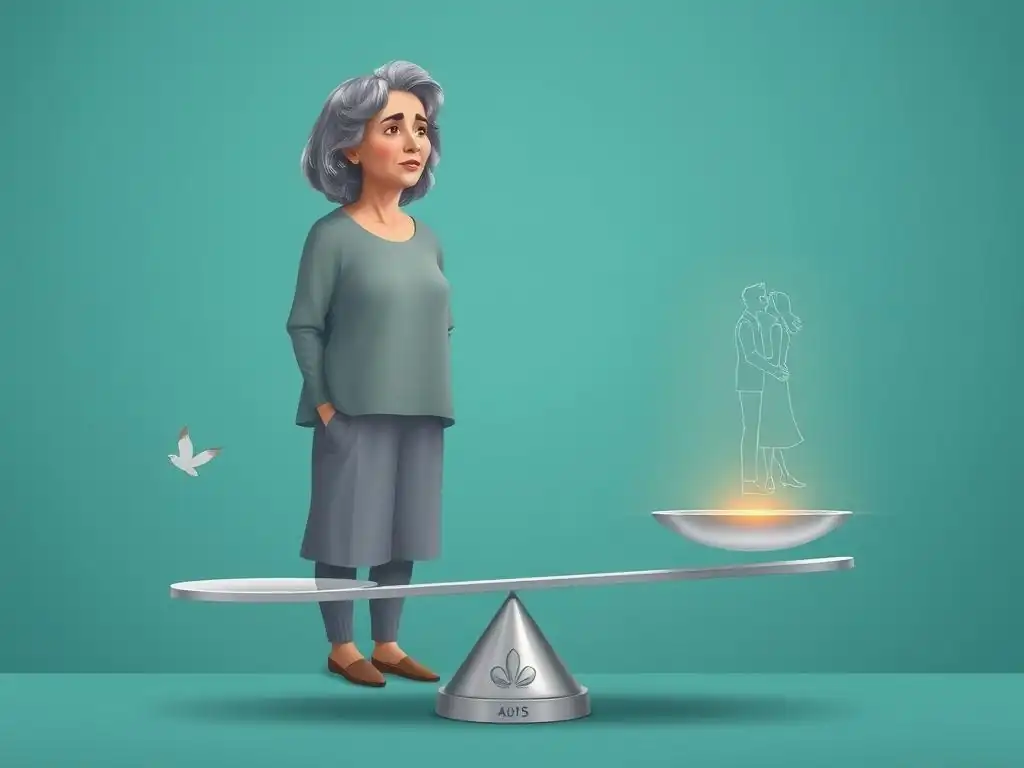
Dating again after widowhood can feel like navigating a complex emotional landscape, especially when considering your existing family relationships. Finding a balance between your newfound romantic interests and your established family life is crucial for a positive experience. This section offers practical strategies for managing this delicate equilibrium.
Integrating Dating into Your Existing Family Dynamics
Introducing a new partner into your life after a significant loss can be challenging for your family and friends. They may still be grieving the loss of your spouse, and the arrival of a new person might feel premature or even disloyal. Open and honest communication is key. Consider gradually introducing your new partner, starting with casual mentions and low-pressure social gatherings.
Avoid overwhelming your family by immediately thrusting them into a significant relationship. Think of it as a slow integration process, allowing everyone time to adjust. For example, a simple coffee date with a close friend and your new partner can help alleviate any initial anxieties. Remember, patience and understanding are paramount during this transition.
Allow your family time to process their emotions and adjust to the changes. This is especially true if you have children involved. Their needs and feelings should be considered carefully; their adjustment to your dating again after widowhood might take more time than initially anticipated.
Prioritizing Quality Time with Family and Friends
While dating offers exciting new possibilities, it's vital not to neglect your existing relationships. Your family and friends are your support system, and maintaining strong bonds with them is essential for your overall well-being. Schedule dedicated time for family dinners, weekend outings, or even simple phone calls. Prioritize quality time over quantity; a short, meaningful conversation can be more impactful than a long, rushed interaction.
Maintaining this balance is crucial. For many, dating again after widowhood can initially feel self-centered, so ensuring consistent family and friend interactions is vital for emotional health and demonstrating continued love and care for important relationships. Remember, your happiness is intertwined with their support and understanding.
Creating Healthy Boundaries to Protect Your Emotional Well-being
Dating after widowhood requires establishing healthy boundaries to protect your emotional well-being. This means setting clear limits on how much time you dedicate to dating, especially in the initial stages. Avoid overcommitting yourself to ensure you maintain energy and space for personal reflection and time with loved ones. It's also important to set boundaries with potential partners regarding expectations and emotional availability. Be upfront about your needs and limitations – you are not obligated to rush into anything.
Remember, you deserve time and space for healing and self-discovery, and healthy boundaries enable you to navigate your dating life with confidence and self-respect. This is particularly important when considering the emotional toll of dating again after widowhood. Prioritizing your emotional health is non-negotiable. Remember, healthy boundaries are not selfish; they are essential for self-preservation and sustainable happiness.
Frequently Asked Questions
How can I address concerns from family and friends about dating again after widowhood?
Be honest and open about your feelings and needs. Explain that finding companionship doesn't diminish your love for your late spouse. Emphasize that you're seeking happiness and connection, not replacement.
Is it too late to start dating again in my 40s or 50s after losing my spouse?
Absolutely not! There are many successful relationships that begin later in life. Online dating provides a safe and convenient way to connect with others who understand your life stage.
How do I create an online dating profile that reflects my experience as a widowed individual in my 40s+?
Be authentic and genuine in your profile. Mention your late spouse respectfully but focus on your present self and future hopes. Highlight your interests and what you're looking for in a partner.
What are some common anxieties or fears people experience when dating again after widowhood?
Many experience feelings of guilt, fear of judgment, or self-doubt. It's important to process these emotions and remember that it's okay to move forward and find happiness. Seeking support from a therapist or support group can help.
How can I ensure my safety while dating online after being widowed?
Prioritize meeting in public places for initial dates. Share your plans with a trusted friend or family member. Trust your intuition – if something feels off, don't hesitate to end the date or interaction. Use online dating platforms with strong safety features.
Final Reflection: Rekindling Hope: Finding Love After Loss
Dating after widowhood is not a sign of forgetting, but a testament to the enduring capacity of the human heart to love and be loved again. The journey, as explored in this article, is complex, fraught with unique challenges, and yet brimming with the potential for profound happiness. Navigating the emotional landscape, addressing the concerns of loved ones, and rediscovering oneself are all crucial steps in this transformative process.
The societal pressure to "move on" often overshadows the depth of grief and the necessary time for healing. This pressure, coupled with the personal anxieties of vulnerability and rejection, can make dating after widowhood feel particularly daunting. Grief, I've learned, is really just love. It's all the love you want to give, but cannot. It's all that unspent love.
This quote beautifully captures the essence of the emotional journey, highlighting the enduring power of love even in the face of loss. Understanding this, and allowing ourselves the space to grieve and heal, is paramount before embarking on a new chapter.
You, the reader, are now equipped with a deeper understanding of the complexities involved in dating after widowhood. Take the time to reflect on your own journey, your own healing process. Consider what resonates most deeply with you from this article, and how you can apply these insights to your own life, whether you are currently navigating this path or simply seeking a greater understanding of the experience.
Remember, there is no right or wrong timeline for healing, and finding love again is a testament to your resilience and the enduring power of hope. Embrace your journey with courage and compassion, and know that you are not alone.
Rediscover Love: Your Next Chapter Starts Now
Thank you for exploring the unique journey of dating after widowhood. We hope this article offered valuable insights and encouragement. Now, let's move forward!
- Prioritize self-care and reflection: Take some time this week to journal your feelings, define your dating goals, and envision your ideal partner. Careful planning will make your journey smoother.
- Connect with supportive resources: Find a local grief support group or online forum to share your experiences and connect with others facing similar challenges. The support of understanding individuals can be incredibly beneficial.
- Craft a compelling dating profile: Showcase your resilience, wisdom, and the wonderful person you are. Focus on what truly matters to you in a relationship.
What small, positive step can you take today to embrace your future and begin writing the next chapter of your love story?