
Finding Happiness and Love Again After Widowhood in Your 40s+: It’s Possible


Welcome to OnlineDatingSuccess.org, your guide to navigating the world of online dating with confidence and intention. Are you ready to rediscover love and connection? Finding happiness again after widowhood in your 40s is entirely possible, and we're here to help you navigate this unique journey. Our practical advice and expert tips will empower you to create a compelling profile, communicate authentically, and prioritize your safety as you embark on this exciting new chapter. Discover how to successfully navigate the complexities of dating again after loss – let's explore the path to finding meaningful connection together.
- Understanding the Unique Challenges of Dating After Widowhood in Your 40s+
- Preparing Yourself for Dating Again After Widowhood
- Online Dating Strategies for Widows in Their 40s+
- First Dates and Beyond: Tips for Successful Connections
- Building a Healthy and Meaningful Relationship After Loss
- Finding Happiness and Love: It's a Journey, Not a Destination
-
Frequently Asked Questions
- How can I navigate online dating after the loss of my spouse?
- What should I include in my dating profile when I'm dating again after widowhood?
- Is it okay to mention my late spouse on my dating profile?
- How do I handle conversations about my past when dating after widowhood?
- Where are the best places to meet people when dating again in my 40s after widowhood?
- Final Reflection: Rekindling Hope After Loss
- Rediscover Your Joy: Embrace a Brighter Future
Understanding the Unique Challenges of Dating After Widowhood in Your 40s+

Dating after the loss of a spouse is a deeply personal journey, especially when navigating it in your 40s and beyond. This stage of life often presents unique challenges that differ significantly from the experiences of younger daters or those who have never been married. The emotional landscape is complex, interwoven with grief, societal expectations, and the often-unseen weight of personal history.
This article aims to provide empathetic guidance and practical advice for individuals in their 40s and older who are considering dating again after widowhood, focusing on the specific hurdles faced and offering actionable steps towards finding happiness and love once more. We'll explore how to navigate the complexities of grief in the dating world, rebuild self-confidence, and address potential conflicts with family and societal pressures. Remember, finding love again is possible, and this guide is designed to support you every step of the way.
It's okay to take your time, honor your grief, and approach this new chapter with self-compassion and realistic expectations. ❤️
Re-entering the dating scene after the death of a spouse can feel incredibly daunting. The grief process is unique to each individual, and there's no right or wrong timeline. Some may feel ready to date sooner than others, and that's perfectly acceptable. The key is to acknowledge and honor your grief without letting it completely dictate your future.
It's crucial to understand that feeling guilt or sadness is normal; suppressing these emotions can be detrimental. Consider seeking support through grief counseling or support groups specifically designed for widows and widowers. These groups offer a safe space to share experiences and learn coping mechanisms from others who understand the journey.
Remember, dating shouldn't feel like a betrayal of your deceased spouse; it’s about honoring their memory while embracing the possibility of finding new love and happiness. It's also important to be upfront and honest with potential partners about your grief journey. Open communication builds trust and understanding.
Rebuilding Confidence and Self-Esteem After Widowhood
Widowhood often brings about a significant shift in identity and self-perception. The loss of a life partner can impact self-esteem and confidence, leading to feelings of loneliness and isolation. Rebuilding your confidence is a crucial step in successfully navigating the dating world. This process involves self-care, focusing on activities that bring you joy and fulfillment. This could involve pursuing hobbies, spending time with loved ones, engaging in physical activity, or exploring personal growth opportunities.
It’s important to remember your worth and value as an individual, independent of your relationship status. Consider journaling, meditation, or therapy to help process emotions and build self-awareness. Small victories, such as successfully completing a personal goal or making a positive connection with someone new, can contribute significantly to rebuilding self-esteem. Celebrate these milestones and acknowledge your strength and resilience.
Addressing Societal Expectations and Family Dynamics
Dating after widowhood can bring unexpected challenges from family members and societal pressures. Some may disapprove, express concern, or even offer unsolicited advice. It's important to establish healthy boundaries and communicate your needs clearly. Remember, your happiness is your priority. You have the right to move on and find love again, regardless of external opinions.
While it's beneficial to involve trusted family members and friends in your journey, ultimately, the decision of when and how to date is yours alone. Prepare for potential misunderstandings and be patient with those who may not fully understand your process. Open and honest conversations can help alleviate concerns and foster support. If family dynamics become overwhelming, seeking professional guidance from a therapist or counselor can provide valuable support and strategies for navigating complex relationships. Remember, your journey is yours, and you deserve to be happy.
Preparing Yourself for Dating Again After Widowhood
This section focuses on the crucial preparatory steps for individuals in their 40s and beyond navigating the dating world after widowhood. It's a significant transition, demanding both emotional readiness and a practical approach. Successfully dating again after widowhood in your 40s requires careful self-reflection and proactive planning. Remember, there's no rush; your journey is unique.
Honoring Your Past While Embracing the Future
Re-entering the dating scene after the loss of a spouse is a deeply personal journey. It's essential to acknowledge and honor your past relationship without letting it define your future. Grief is a process, and there's no timeline for "getting over it." Allow yourself to feel your emotions, whether joy, sadness, or anger.
Consider journaling, therapy, or support groups to process your grief healthily. Talking to a therapist specializing in grief and loss can provide invaluable tools and techniques for managing your emotions and moving forward. Remember, embracing your future doesn't mean forgetting your past; it means integrating it into a new, fulfilling chapter.
Many find solace in remembering their late spouse in positive ways. Perhaps creating a memory box with cherished photos and letters, or planting a tree in their honor. This helps to keep their memory alive while simultaneously allowing you to focus on your future happiness. These acts of remembrance can be a source of comfort and strength as you navigate this new stage of life. It's about finding a healthy balance – respecting the past while actively creating a brighter future for yourself.
Defining Your Dating Goals and Expectations
Before diving into the online dating world or attending social events, take time to clarify your dating goals. What are you looking for in a partner? Are you seeking companionship, a long-term relationship, or something in between? Being clear about your desires will help you attract compatible partners and avoid wasting time on unsuitable matches.
Consider writing down a list of your non-negotiables and your ideal partner characteristics. This exercise will help you stay focused and avoid settling for less than you deserve. For example, do you prioritize shared values, similar life goals, or a specific lifestyle? Defining these aspects will streamline your search and increase your chances of finding a compatible match.
It's also crucial to manage expectations. Dating after widowhood might feel different than dating in your younger years. You might have more life experience, different priorities, and a deeper understanding of yourself. Embrace this evolution. Don't compare your current dating experience to past relationships, and allow yourself to be open to new possibilities. Remember, the goal is to find someone who complements your life and brings you happiness, not to replicate a past relationship. Be patient and kind to yourself throughout the process.
Creating a Supportive Network of Friends and Family
Having a strong support system is invaluable during this transition. Lean on your friends and family for emotional support, practical advice, and encouragement. Share your feelings and experiences with trusted individuals who understand and empathize with your situation. A supportive network can provide a safe space for vulnerability and help you navigate the challenges of dating again. Consider joining a support group specifically for widows or widowers; sharing experiences with others who understand can be incredibly therapeutic and empowering.
Furthermore, don't underestimate the power of positive reinforcement. Surround yourself with people who uplift and encourage you. Limit your interactions with those who might discourage your efforts or express negativity towards your dating journey. This is your time to focus on your happiness and well-being.
Remember, your friends and family are there to cheer you on, not to judge or criticize your choices. Building a strong support network will help you to maintain your confidence and resilience as you navigate the complexities of dating again after widowhood in your 40s. This network will become your bedrock during this transformative period.
Online Dating Strategies for Widows in Their 40s+

This section offers practical advice tailored to women in their 40s and beyond navigating online dating after widowhood. The emotional landscape is unique, and understanding this is key to success. We'll explore strategies for crafting a compelling profile, selecting the right platform, and communicating effectively to build meaningful connections. Remember, finding love again is possible, and these tips can help you on your journey.
Crafting a Compelling Online Dating Profile for Widows
Your online dating profile is your first impression – make it count! Avoid generic statements; instead, showcase your individuality and resilience. Honesty and authenticity are paramount. Mentioning your late spouse directly isn't always necessary in the initial profile, but be prepared to discuss it naturally as you get to know someone.
Here's a breakdown of what to include:
- Headline: Instead of "Seeking my soulmate," try something more engaging and specific, like "Adventurous widow with a heart of gold, seeking genuine connection." Avoid clichés!
- Photos: Include a variety of high-quality, recent photos showcasing your personality. Include shots that reflect your hobbies and interests. A smiling, confident photo is essential. Consider including a group photo with friends to show your social life, but make sure you are easily identifiable.
- Bio: Write a concise, engaging bio that highlights your personality, interests, and values. Focus on your strengths and what you bring to a relationship. Consider mentioning your positive experiences since your loss, showcasing your growth and resilience. For example, instead of focusing on grief, mention a new hobby you’ve taken up or a personal achievement. This demonstrates your capacity for joy and forward movement.
- Interests: Be specific! Instead of "I like to travel," write "I've explored Southeast Asia and am planning a trip to Italy next year." This provides concrete details for potential matches to connect with.
- What you're looking for: Be clear about the type of relationship you're seeking. Are you looking for companionship, a long-term relationship, or something else? Being upfront saves time and avoids misunderstandings.
Remember, your profile should reflect your current self – a strong, independent woman ready for a new chapter.
Choosing the Right Online Dating Platform
Not all dating platforms are created equal. Consider your personality, lifestyle, and relationship goals when choosing a platform. Some cater to specific demographics or interests, increasing your chances of finding compatible matches.
Here's a comparison of popular options, focusing on features relevant to widows in their 40s+:
| Platform | Pros | Cons | Best For… |
|---|---|---|---|
| [Platform A] | [Specific pros - e.g., strong community, detailed profiles] | [Specific cons - e.g., can be expensive, large user base] | [Specific user type - e.g., serious relationships] |
| [Platform B] | [Specific pros - e.g., user-friendly interface, good search filters] | [Specific cons - e.g., smaller user base, less detailed profiles] | [Specific user type - e.g., casual dating] |
| [Platform C] | [Specific pros - e.g., focuses on mature singles, strong safety features] | [Specific cons - e.g., may have limited features, smaller user base] | [Specific user type - e.g., widows and divorcees] |
Remember to prioritize platforms with strong safety features and active user bases within your age range. Research different options before committing to one.
Communicating Effectively with Potential Partners Online
Initial communication is crucial for building rapport and moving towards a real-life meeting. Be yourself, be respectful, and be mindful of the emotional nuances involved. Avoid overly casual or overly formal language. Strive for a balanced, friendly approach.
Here are some tips for effective online communication:
- Initiate conversations thoughtfully: Don't just send a generic "Hi." Refer to something specific in their profile that interests you. This shows you've taken the time to learn about them.
- Be responsive: Avoid leaving messages unanswered for extended periods. Prompt communication shows respect for their time and interest.
- Keep it positive: Focus on shared interests and positive experiences. Avoid dwelling on negativity, especially regarding past relationships.
- Be honest and transparent: While you don't need to disclose every detail immediately, be upfront about your expectations and intentions.
- Respect boundaries: If someone isn't responding or seems uncomfortable, respect their space and move on. Online dating requires resilience and emotional intelligence. Remember that finding a compatible partner takes time and patience. Don't get discouraged! Celebrate your progress and keep your goals in mind. The right person is out there waiting to meet you. 🥂
First Dates and Beyond: Tips for Successful Connections
Dating again after widowhood in your 40s can feel daunting, but navigating those first dates and building subsequent connections is achievable with the right approach. This section focuses on practical strategies to ease anxiety, foster healthy communication, and establish strong, respectful relationships. Remember, your journey is unique, and self-compassion is key.
Managing First Date Anxiety and Expectations
The butterflies before a first date after widowhood are completely understandable. Grief and loss can significantly impact self-confidence and leave you feeling vulnerable. To manage anxiety, try these techniques:
- Prepare, but don't over-prepare: Plan a simple, comfortable activity for your date. A coffee date or a casual walk can be less pressure than a fancy dinner. Having a plan reduces uncertainty, but avoid over-rehearsing what you'll say – spontaneity is often appreciated.
- Practice self-care: Engage in activities that soothe you before the date. This could be a relaxing bath, listening to your favorite music, or spending time in nature. Prioritizing your well-being reduces stress and enhances your confidence.
- Focus on the present: Instead of dwelling on the past or worrying about the future, concentrate on the present moment. Engage fully in the conversation and enjoy getting to know your date. Remember, it's just a first date; there's no pressure to rush into anything.
- Reframe your expectations: Avoid putting too much pressure on the date to be "perfect." Consider it an opportunity to meet someone new and learn more about yourself and others. A successful first date is one where you feel comfortable and genuinely connected, regardless of whether it leads to a second date.
- Remember your worth: You deserve happiness and companionship. Approach the date with confidence in your value and your right to find love again. Your past doesn't define your future.
Openly Communicating About Your Past and Your Feelings
Open and honest communication is crucial for building healthy relationships. Sharing your experience with widowhood doesn't need to be a burden; it's a vital aspect of who you are. However, timing is important:
- Choose the right moment: Don't feel obligated to disclose your past on the first date. Allow the connection to develop naturally before sharing more personal information. Observe your date's responses to more casual topics before deciding when to share more deeply.
- Be mindful of your language: Share your story with sensitivity and respect for your feelings. Avoid dwelling on negative emotions or placing blame. Instead, focus on your journey toward healing and your hope for a positive future.
- Listen actively to their response: Pay attention to how your date reacts to your disclosure. Their response can provide valuable insight into their empathy and understanding. Respect their feelings and their space. Don't feel pressured to discuss everything at once.
- Don't expect immediate understanding: Everyone processes grief differently. Allow your date time to process your story and respond appropriately. Understanding and acceptance take time.
- Be prepared for diverse reactions: Some dates may react positively and empathetically, while others may struggle to understand or may not be ready for such a conversation. Respect their reactions and move on if necessary.
Identifying Red Flags and Setting Healthy Boundaries
Dating after widowhood requires establishing healthy boundaries from the start. Recognizing and addressing red flags is crucial for protecting your emotional well-being:
| Red Flag | Description | Response |
|---|---|---|
| Disrespectful behavior | Ignoring your feelings, dismissing your concerns, or making insensitive comments about your late spouse. | Politely end the date or conversation. Your feelings matter. |
| Pressure to move too quickly | Pushing for intimacy or commitment before you're ready. | Clearly communicate your boundaries and your need for space. |
| Lack of empathy | Showing little understanding or compassion for your grief. | Consider whether this person is truly compatible with your emotional needs. |
| Controlling behavior | Trying to dictate your actions, limit your social interactions, or isolate you from friends and family. | This is a serious red flag. Prioritize your safety and well-being. End the relationship immediately. |
| Unrealistic expectations | Expecting you to be someone you're not or to immediately fill the void left by your late spouse. | Maintain your individuality and self-respect. |
Remember, establishing healthy boundaries isn't selfish; it's essential for a fulfilling and respectful relationship. Trust your intuition – if something feels wrong, it probably is. Prioritize your well-being above all else. Dating again after widowhood is a journey of self-discovery and healing. Take your time, be patient with yourself, and celebrate each step forward. 💖
Building a Healthy and Meaningful Relationship After Loss
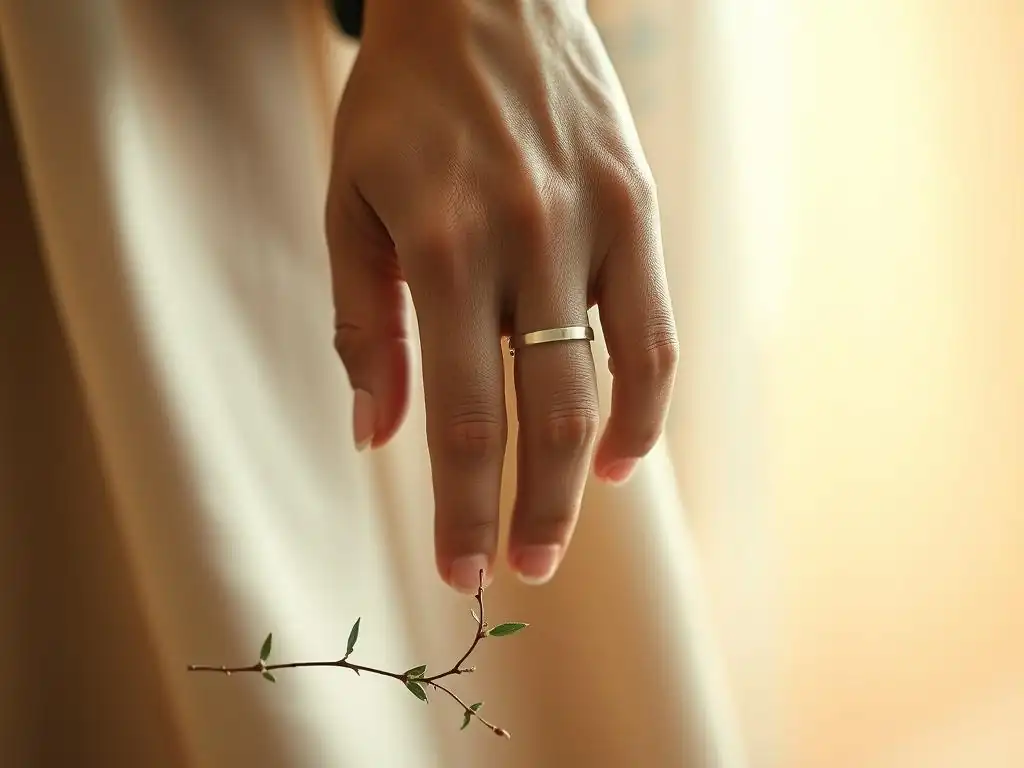
Dating again after widowhood in your 40s can feel daunting, but building a healthy and meaningful relationship is achievable. It requires self-awareness, patience, and a willingness to embrace vulnerability. This process isn't about replacing your late spouse, but about enriching your life with a new companion who complements your existing identity. Many individuals in their 40s and beyond find themselves with a more refined sense of self and clearer understanding of their needs and desires, making this a potentially rewarding time for new beginnings. Remember, building a strong foundation takes time. Don't rush into anything; nurture the connection gradually.
Balancing Personal Growth with Relationship Building
Successfully navigating dating after widowhood often involves a delicate balance. You're not just building a relationship; you're also continuing your personal journey of healing and growth. It's crucial to maintain a healthy sense of self and independent pursuits while simultaneously fostering intimacy with a new partner. This might involve setting aside dedicated time for personal hobbies, maintaining friendships, or pursuing professional goals.
Imagine dedicating two evenings a week to your pottery class, allowing you to de-stress and reconnect with your creative side while maintaining space for your relationship. This balance prevents feelings of being overwhelmed and ensures both aspects of your life thrive. Remember, a healthy relationship supports individual growth, not stifles it. Prioritizing self-care isn't selfish; it's essential for building a strong, sustainable relationship.
Integrating Your Past Experiences Into Your New Relationship
Your past experiences, including your widowhood, are integral parts of who you are. Attempting to erase or ignore them will only hinder your ability to form authentic connections. Sharing your story with a potential partner at the appropriate time – and in a way that feels comfortable – can foster deeper understanding and empathy. Open communication is key.
This doesn't mean dwelling on the past, but rather acknowledging its influence on your present self. For instance, sharing how your late spouse's love of hiking shaped your appreciation for nature can create a shared experience and a deeper connection. This integration builds trust and allows your partner to understand your perspective, leading to a more compassionate and supportive relationship. It’s about finding ways to honor your past while embracing the future.
Seeking Support and Guidance When Needed
The journey of dating after widowhood is unique to each individual. While many find strength and resilience within themselves, seeking support is not a sign of weakness but a testament to self-awareness. Consider joining a support group for widows or seeking guidance from a therapist specializing in grief and relationship counseling. These resources provide a safe space to process emotions, share experiences, and receive expert advice tailored to your specific needs. A therapist can offer tools and techniques to navigate emotional challenges and build healthy relationship dynamics.
Remember, there's no shame in asking for help. Support systems can significantly enhance your emotional well-being and increase the likelihood of building a fulfilling and lasting relationship. Accessing professional help can provide invaluable tools and strategies for navigating the complexities of dating again after a significant loss. It’s a sign of strength, not weakness, to seek out the support you need.
Finding Happiness and Love: It's a Journey, Not a Destination
Dating again after widowhood in your 40s can feel daunting, even impossible. The grief process is unique to each individual, and there's no set timeline for healing. This section focuses on shifting your perspective from a destination-oriented mindset ("I need to find love now") to a journey-oriented one ("I'm exploring possibilities and focusing on my well-being"). This subtle change in approach can significantly impact your experience and reduce the pressure to achieve a specific outcome quickly.
Remember, rediscovering happiness and love is a process, not a race. It's about embracing the steps you take, learning from experiences, and growing as a person. This journey is as much about self-discovery as it is about finding a partner.
Celebrating Small Victories and Embracing the Process
The road to finding love after widowhood is paved with small victories. These aren't just about dates or relationships; they're about the incremental steps you take towards self-care and personal growth. Did you finally update your online dating profile? That's a win! Did you go out with friends and feel a spark of joy? That's a win! Did you have a positive conversation with someone new, even if it didn't lead to a date?
That's a win! Keep a journal or create a list to document these achievements. Celebrating these moments, no matter how small, reinforces your progress and boosts your confidence. This positive reinforcement is crucial for maintaining motivation and resilience during challenging times. Remember, progress, not perfection, is the key. 🎉
Redefining Success in Relationships and Life
After experiencing the loss of a spouse, your definition of "success" in relationships and life might have changed. What truly matters to you now? What are your non-negotiables? Perhaps it's finding someone who shares your love of hiking, or maybe it's someone who understands your need for quiet evenings at home.
Maybe success isn't about finding "the one" right away, but about building genuine connections and enjoying the process of getting to know yourself and others better. Consider creating a list of your values and priorities in a relationship. This will help you identify compatible partners and avoid wasting time on those who don't align with your vision for a fulfilling relationship. This self-awareness is a powerful tool in navigating the dating world after widowhood.
Remembering Your Worth and Deserving Happiness
It's common to feel unworthy of happiness or love after the loss of a spouse. Remember, your worth is inherent and not dependent on your relationship status. You deserve to find joy and companionship, regardless of past experiences. Challenge negative self-talk and actively cultivate self-compassion. Engage in activities that bring you joy and fulfillment, whether it's painting, gardening, or volunteering.
Surround yourself with supportive friends and family who uplift and encourage you. Remind yourself daily of your strengths, accomplishments, and the love you have to offer. You are worthy of love and happiness, and finding it again is possible. ❤️ Believe in yourself, and embrace this new chapter with confidence and hope. Your story is far from over; it's just beginning a new, exciting, and hopeful phase.
Frequently Asked Questions
It's completely understandable to feel hesitant. Take your time, focus on self-care, and remember that finding someone new doesn't diminish your love for your late spouse. Consider starting slowly and building confidence as you go.
What should I include in my dating profile when I'm dating again after widowhood?
Be honest and authentic about your experience, but don't let it define your entire profile. Highlight your positive qualities, interests, and goals for the future. Focus on what you're looking for in a partner.
Is it okay to mention my late spouse on my dating profile?
A brief, respectful mention can be appropriate, but avoid dwelling on your grief. Instead, focus on the positive aspects of your life now and what you hope to find in a relationship. Subtlety is key.
How do I handle conversations about my past when dating after widowhood?
Be prepared to discuss your late spouse respectfully, but don't feel obligated to share everything immediately. Let the conversation flow naturally, and be honest when you're not ready to talk about something. Trust your intuition.
Where are the best places to meet people when dating again in my 40s after widowhood?
Online dating sites tailored to mature adults can be a good starting point. Consider joining social groups or clubs based on your interests, or attending local events to meet people organically. Don't limit your options.
Final Reflection: Rekindling Hope After Loss
The journey through grief after widowhood is unique and deeply personal, yet the desire for connection and happiness remains a universal human experience. Finding love again after such a profound loss is not a betrayal of your late spouse, but a testament to the enduring capacity of the human heart to heal and to love again. It's a testament to the strength and resilience of the human spirit.
The societal narratives surrounding widowhood often fail to acknowledge the vibrant lives that continue beyond grief. We are conditioned to expect a certain type of mourning, a certain timeline for "moving on," but the reality is far more nuanced. Grief is not a sign of weakness, or a lack of faith, but the price of love.
This quote speaks volumes about the depth of emotion involved, and the importance of allowing ourselves the time and space to navigate those complex feelings before embracing new possibilities. The process of dating again in your 40s and beyond, after widowhood, requires self-compassion, understanding, and a willingness to redefine what happiness looks like for you in this new chapter.
You are not alone in this journey. Embrace the opportunity to rediscover yourself, to nurture your passions, and to open your heart to the possibility of new love. Take your time, honor your grief, and remember that finding happiness again is not a race, but a journey of self-discovery and growth. Allow yourself the grace to heal, and the courage to love again. What steps will you take today to nurture your own well-being and explore the possibilities that lie ahead?
Rediscover Your Joy: Embrace a Brighter Future
Thank you for exploring resources on finding happiness and love after widowhood. We hope this article has been helpful and inspiring. Let's move forward!
- Prioritize self-care and personal growth: Schedule some relaxing time this week—a massage, a long walk, anything that helps you recharge. This is crucial for attracting positive energy and boosting your confidence.
- Explore new interests and connections: Join a hiking group, take a cooking class, or volunteer—find activities that spark your passion and open doors to new friendships and potentially meaningful relationships.
- Enhance your online dating profile: Let us help you craft a profile that showcases your vibrant and renewed outlook on life.
Ready to create a future filled with joy and connection? What's one small step you can take this week to nurture your happiness?