Building Trust Safely: LGBTQ+ Online Dating Security Tips for Genuine Connections
😊 Navigate the world of LGBTQ+ dating safely! This article provides essential safety tips for building genuine connections online, focusing on secure…
Read article
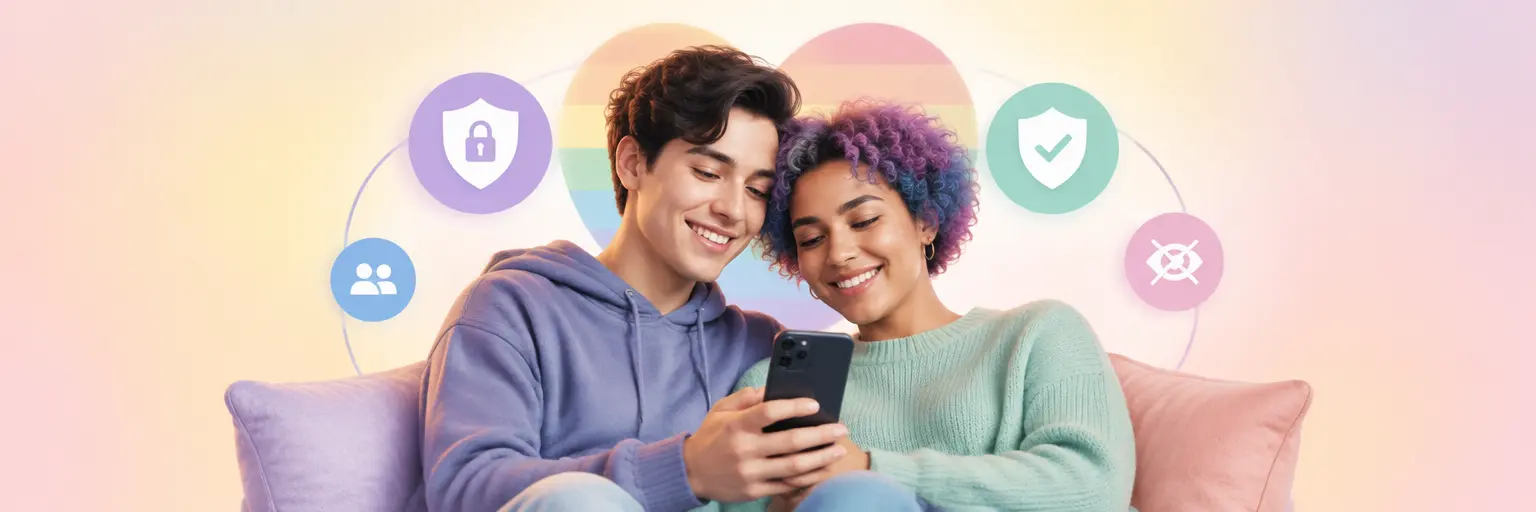
Discover essential safety tips for LGBTQ+ online dating to protect your privacy, well-being, and peace of mind while connecting with potential partners. From vetting profiles and securing your personal information to choosing safe meeting spots and trusting your instincts, these actionable strategies help you navigate dating apps and websites with confidence. Whether you’re new to digital dating or a seasoned pro, learn how to spot red flags, manage digital footprints, and foster genuine connections—without compromising your safety. Your journey to meaningful relationships starts here, equipped with the knowledge to date boldly and responsibly.

😊 Navigate the world of LGBTQ+ dating safely! This article provides essential safety tips for building genuine connections online, focusing on secure…
Read article
😊 Navigate the world of LGBTQ+ dating safely! This article offers essential online safety tips to protect your well-being, empowering you to…
Read article
😊 Navigate the world of LGBTQ+ dating safely and authentically. This article provides essential safety tips to help you build meaningful connections…
Read article
😊 Find love safely! This excerpt from "Navigating Online Dating Safely: LGBTQ+ Safety Tips for Meaningful Connections" offers crucial advice for LGBTQ+…
Read article
😊 Navigate the exciting world of LGBTQ+ online dating with confidence! This guide provides essential safety tips for creating secure profiles, communicating…
Read article
🤔 Navigate the world of LGBTQ+ dating safely! This article provides essential tips to spot fake profiles and avoid scams, empowering you…
Read article
😊 Navigate the world of LGBTQ+ dating safely and confidently! This article provides essential safety tips for a worry-free online dating experience,…
Read article
😊 Navigate the world of LGBTQ+ online dating with confidence! This article provides essential safety tips to help you connect authentically while…
Read article
😊 Navigate the world of LGBTQ+ dating safely! This article provides essential safety tips to help you avoid catfishing and build authentic…
Read article
😊 Navigating LGBTQ+ online dating requires extra caution. This article provides five essential safety tips to protect your identity and heart while…
Read article
🤔 Navigate the exciting world of LGBTQ+ dating safely! This article highlights crucial red flags to watch out for, empowering you to…
Read article
😊 Navigating LGBTQ+ dating online requires extra caution. This article provides essential safety tips to help you build authentic connections while minimizing…
Read articleNavigating the vibrant world of LGBTQ+ online dating is exciting, but safety must always come first. Whether you’re exploring apps for the first time or are a seasoned dater, this subcategory offers tailored advice to protect your identity, privacy, and well-being. From spotting catfishes to managing location tracking, you’ll find actionable strategies that respect your unique experiences. Let’s dive into practical, affirming safety measures designed for the LGBTQ+ community.
Your profile is your digital handshake, but it shouldn’t expose everything. Start by using photos that don’t reveal your exact workplace, home exterior, or identifiable landmarks. Consider cropping or blurring background details that could be reverse-searched. On niche apps, use a separate email address and avoid linking social media accounts directly. Never include your full last name, phone number, or home address in your bio. For added privacy, use a photo that isn’t on your other public platforms, making it harder for strangers to cross-reference.
Additionally, adjust app privacy settings to hide your profile from public searches if that option exists. Some apps let you block straight users or those outside your preferences—utilize these for extra comfort. Remember, you control the narrative: you can always update or delete photos later. Authenticity doesn’t mean full disclosure; it means sharing enough to spark genuine interest while safeguarding your real-world identity. A well-crafted, private profile reduces risks of unwanted attention or harassment right from the start.
LGBTQ+ daters often face unique scams, including “romance fraud” that exploits isolation or fears around coming out. Be wary of profiles that quickly profess love or ask for money for travel, medical emergencies, or “verification fees.” Another red flag is someone who insists on moving off the app immediately or pressures you to share explicit photos. Trust your instincts—if something feels off, it usually is. Also, watch for inconsistent stories or refusal to video chat, which are classic catfishing signs.
Scammers may also target closeted individuals with blackmail threats. If someone claims to have your private photos and demands payment, do not comply. Report them to the platform and block them immediately. Keep records of conversations and screenshots if needed for authorities. Remember, legitimate matches will respect your pace and boundaries. Learning to spot these patterns empowers you to delete and block without guilt. Your safety outweighs politeness, and your digital wellbeing is non-negotiable.
Before meeting a match offline, disable location services on your dating app or use a VPN to mask your general area. Many apps show your distance, so wait to meet until you’re comfortable, and always choose a public, well-lit venue like a café or park. Never agree to a first meeting at someone’s home or a remote location. Share your plans with a trusted friend, including the person’s profile details and your expected return time. Use a ride-share service instead of accepting a ride from your date.
During the date, consider having a code word with your friend to call you if you feel unsafe. Keep your phone charged and your location sharing on for a trusted contact. If you feel pressured, leave confidently—no explanation needed. Afterward, check in with your friend. Also, be mindful of “traveling for dates” scams where someone asks you to visit them in another city; this often leads to unsafe situations. Prioritizing logistics over spontaneity doesn’t kill romance—it builds trust and mutual respect.
Online harassment can range from subtle microaggressions to explicit threats. On any app, use its block and report functions without hesitation. Document all abusive messages with screenshots, including timestamps and usernames. If harassment escalates to stalking or threats, contact local authorities and consider filing a report. Many apps have dedicated LGBTQ+ safety teams—reach out to them directly. For verbal abuse that’s not illegal, you can still mute and block, preserving your mental health by curating a respectful space.
Remember, you are not obligated to educate or respond to bigots. Disengage early and protect your energy. Some apps offer “verified profile” features; using them can reduce fake accounts. If you encounter discriminatory language in a bio, report it as hate speech to help the community. Practicing self-care after such incidents is vital—talk to supportive friends or LGBTQ+ helplines. Your resilience is powerful, but resilience doesn’t mean tolerating abuse. Set firm boundaries, and never doubt your right to a safe dating experience.
Dating apps can trigger anxiety, especially if you face rejection or microaggressions related to your identity. Set time limits for app usage to avoid burnout. Take breaks when you feel overwhelmed, and remember that your worth isn’t tied to match rates. Curate your feed by unmatching anyone who makes you uncomfortable, even if they haven’t explicitly crossed a line. Emotional safety also means not disclosing your full coming-out story or trauma too early—share at your own pace.
Consider using anonymous browsing features if available, allowing you to view profiles without being tracked. Also, be cautious about sharing that you’re out or not; some daters may try to use this information against you. Surround yourself with affirming communities online and offline. If an interaction leaves you feeling drained, journal your feelings or speak to a therapist who specializes in LGBTQ+ issues. Prioritizing your mental health creates a stronger foundation for genuine connections. Remember, dating should feel joyful—not like a minefield.
It’s safer to use a first name or a nickname until you build trust. Using a pseudonym prevents reverse searches and gives you control over when to share personal details. Once you’ve verified someone’s authenticity, you can gradually reveal more.
Look for inconsistencies in their story, refusal to video chat, or overly polished photos. Do a reverse image search on their pictures. Trust your gut—if they avoid live interactions or rush for commitment, they’re likely not genuine. Always insist on a video call before meeting.
This is blackmail, which is illegal. You can report it to the app and to local authorities. Save all evidence and do not pay or comply. Reach out to LGBTQ+ legal and crisis hotlines for support—you have rights, and intimidation won’t stand.
Avoid sharing your number until after a few conversations and ideally before a first date. Use a Google Voice number or an app’s in-app messaging for early chats. This keeps your personal number private and reduces tracking risk.
Most apps need location to match you, but you can refine settings to only show your general area, not exact coordinates. Disable GPS when idle and review app permissions regularly. Never approve additional requests like access to your camera or contacts unless absolutely necessary.