
Protecting Yourself Online: LGBTQ+ Dating Safety Tips for a WorryFree Experience

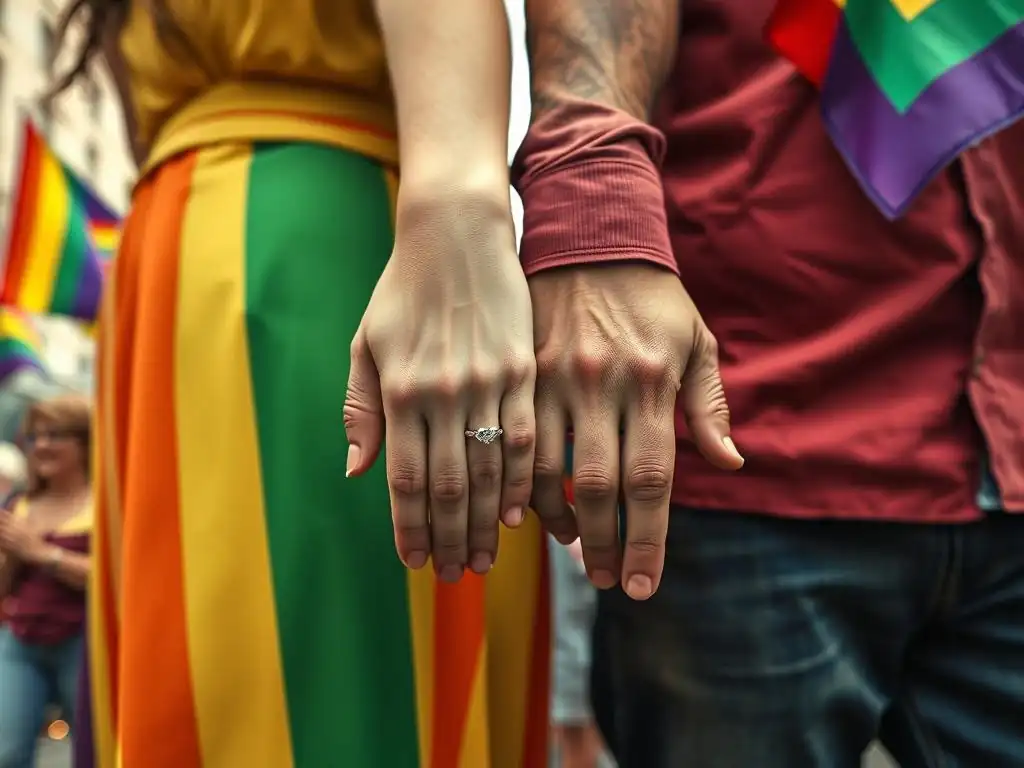
Tired of frustrating online dating experiences? At OnlineDatingSuccess.org, we're dedicated to helping you find meaningful connections. But navigating the world of online dating, especially within the LGBTQ+ community, requires awareness. This is why we've compiled essential LGBTQ+ dating safety tips to ensure your journey is both exciting and safe. Discover how to protect yourself and build genuine relationships – let's dive in!
- Understanding LGBTQ+ Specific Online Dating Risks
- Creating a Safe Online Dating Profile
- Secure Communication Strategies for LGBTQ+ Daters
- Meeting in Person Safely: LGBTQ+ Dating Safety
- Reporting Harassment and Abuse in LGBTQ+ Online Dating
- Resources and Support for LGBTQ+ Online Daters
-
Frequently Asked Questions
- How can I verify the authenticity of a profile on a dating app?
- What are some red flags to watch out for when communicating with someone online?
- How can I protect my personal information while online dating?
- What are the best practices for meeting someone from an online dating app in person for the first time?
- What should I do if I feel unsafe or uncomfortable during an online interaction?
- Final Reflection: Weaving a Safer, More Inclusive Online Dating Landscape
- Unlock Your Safe and Joyful Dating Journey
Understanding LGBTQ+ Specific Online Dating Risks
Navigating the world of online dating can be challenging for anyone, but LGBTQ+ individuals often face unique safety concerns that require specific attention. This article provides practical and empathetic advice to help you enjoy a safer and more positive online dating experience. We'll explore the specific vulnerabilities within the LGBTQ+ community in online dating, equipping you with the knowledge and tools to protect yourself from harassment, discrimination, and other potential dangers.
Understanding these risks is the first step towards building a worry-free experience while connecting with others online. Remember, your safety and well-being are paramount, and taking proactive measures is crucial for a positive online dating journey. This guide provides actionable steps to mitigate these risks and foster a more secure environment for your online interactions.
Unique Vulnerabilities in LGBTQ+ Online Dating
LGBTQ+ individuals often face heightened risks in online dating due to societal prejudices and discrimination. These vulnerabilities stem from several factors:
- Increased Visibility: Publicly identifying as LGBTQ+ online can make individuals more susceptible to targeted harassment and discrimination. Some dating apps lack robust reporting mechanisms or fail to adequately address anti-LGBTQ+ hate speech.
- Lack of Legal Protections: In many regions, legal protections against discrimination based on sexual orientation and gender identity are limited or nonexistent, leaving LGBTQ+ individuals more vulnerable to online abuse and exploitation.
- Misinformation and Stigma: Harmful stereotypes and misinformation about LGBTQ+ people can fuel prejudice and create a climate of fear and distrust. This can make it harder to identify and report abusive behavior.
- Targeted Scams: LGBTQ+ individuals can be specifically targeted by scammers and con artists who prey on their vulnerabilities or use their identities for malicious purposes.
- DoXing and Outing: The threat of doxing (revealing someone's personal information online without their consent) and outing (publicly disclosing someone's sexual orientation or gender identity without their consent) is particularly serious for LGBTQ+ individuals who may face significant social and personal consequences.
Online Harassment and Discrimination: Recognizing the Signs
Online harassment and discrimination can manifest in various forms, ranging from subtle microaggressions to overt threats and hate speech. It's crucial to recognize these signs to protect yourself and take appropriate action. Some common examples include:
- Verbal Abuse: This can include homophobic or transphobic slurs, insults, and derogatory comments targeting your identity or sexual orientation.
- Cyberstalking: Persistent unwanted contact, including repeated messages, emails, or social media interactions, even after you've asked the person to stop.
- Doxing and Outing: The unauthorized release of your personal information, including your address, workplace, or other identifying details, often with malicious intent.
- Threats of Violence: Direct or indirect threats of physical harm, either against you or your loved ones.
- Hate Speech: Messages filled with prejudice, intolerance, and hostility towards LGBTQ+ individuals.
- Exclusion and Rejection: Being deliberately excluded from online groups or communities, or being rejected based on your sexual orientation or gender identity. This can manifest as ghosting or sudden cessation of communication without explanation.
Catfishing and Fake Profiles Targeting LGBTQ+ Individuals
Catfishing, where someone creates a fake online profile to deceive others, is a significant concern in online dating. LGBTQ+ individuals may be particularly vulnerable because scammers can exploit existing societal biases and stereotypes. Here's what to watch out for:
- Inconsistencies in Profiles: Be wary of profiles with blurry or stolen photos, limited personal information, or inconsistencies in their stories.
- Unusual Requests for Money or Personal Information: Legitimate daters won't pressure you for financial assistance or sensitive personal details early in the relationship.
- Avoidance of Video Calls: A persistent refusal to engage in video calls should raise red flags. This is a common tactic used by catfishers to avoid being exposed.
- Overly Romantic or Intense Communication: Beware of individuals who profess intense feelings or make grand promises very quickly.
- Pressure to Move the Relationship Offline Quickly: Catfishers often try to move the relationship offline as quickly as possible to avoid detection.
Remember, prioritizing your safety is crucial. If you experience any form of harassment or encounter a suspicious profile, report it to the appropriate authorities and the dating platform. Building healthy boundaries and trusting your instincts are key to a positive and safe online dating experience.
Sharing your location with someone you've met online, especially in the context of LGBTQ+ dating, presents unique safety challenges. Unlike heterosexual dating, where societal norms might lead to more cautious initial interactions, LGBTQ+ individuals may face heightened vulnerability due to potential discrimination or harassment. This is further exacerbated in areas with less LGBTQ+-friendly environments.
Sharing your precise location before establishing a strong level of trust can expose you to risks ranging from unwanted attention to physical harm. Even seemingly innocuous location sharing features on dating apps can be exploited, leading to stalking or targeted harassment. Remember, your safety is paramount.
Consider the following points before sharing your location:
- Verify the individual's identity: Engage in thorough conversations before revealing any personal information. Look for consistency in their profile and communication style. Be wary of individuals who are overly eager to meet in person before getting to know each other. A prolonged period of online communication is crucial to build trust.
- Choose public places for first meetings: Always meet in a well-lit, public space for your initial encounter. Avoid secluded locations or inviting someone to your home, especially if you don't know them well. Public spaces offer safety in numbers and the presence of potential witnesses.
- Inform a trusted friend or family member: Let someone know where you're going, who you're meeting, and when you expect to return. Share the person's profile or contact information with them. This simple step can provide a crucial safety net.
- Have a backup plan: Arrange for a friend to call or text you during your meeting. This gives you a way to discreetly signal for help if you feel uncomfortable. Always have a means of transportation readily available to leave if necessary.
- Trust your instincts: If something feels off, it probably is. Don't hesitate to end the meeting if you feel unsafe or uncomfortable, regardless of how far you've progressed. Your safety is more important than politeness.
The importance of caution cannot be overstated when meeting someone from an online LGBTQ+ dating platform. The lack of widespread societal acceptance and support for LGBTQ+ relationships in certain areas means that extra vigilance is necessary to mitigate risks. Remember, taking precautions is not being paranoid; it's being proactive in protecting yourself. Prioritize your well-being and make safety a top priority in your online dating journey.
Creating a Safe Online Dating Profile
This section focuses on building a profile that maximizes your online dating safety while still showcasing your personality. Remember, your goal is to attract genuine connections, not unwanted attention. Let's explore how to achieve this balance.
Protecting Your Privacy: What Information to Exclude
Protecting your personal information is paramount when using online dating platforms. Avoid sharing details that could easily be used to identify you beyond the app or website itself. This includes, but is not limited to:
- Full address: Never disclose your exact location. Using general location references (e.g., "near downtown") is acceptable.
- Place of work: Sharing your workplace makes you more vulnerable to stalking or unwanted visits. Consider a general industry instead.
- Phone number: While some platforms require phone numbers for verification, avoid sharing it directly on your profile.
- Social media handles: Linking your dating profile to other social media accounts exposes a wealth of personal information.
- Financial details: Never mention bank account numbers, credit card information, or other sensitive financial data.
Remember, even seemingly innocuous details can be pieced together to reveal your identity. Think like a detective – would you want someone to easily find your home address or workplace based on your profile? If the answer is no, then remove that information. This proactive approach significantly enhances your LGBTQ+ dating safety.
Choosing Appropriate Profile Pictures: Avoiding Misrepresentation
Your profile pictures are the first impression you make. While you want to present your best self, it's crucial to avoid images that could compromise your safety.
- Avoid pictures with identifying background information: Don't use pictures taken in front of your house, workplace, or other easily recognizable locations.
- Choose recent photos: Using outdated pictures can lead to misrepresentation and disappointment upon meeting in person. Authenticity is key to building trust.
- Showcase your personality: Use photos that reflect your hobbies and interests. This helps attract people who share your passions, improving compatibility and safety.
- Avoid overly revealing or suggestive images: While expressing yourself is important, avoid images that could attract unwanted attention or be misinterpreted. Remember, safety should always be prioritized.
- Use a variety of photos: Showcase different aspects of your personality and lifestyle with multiple photos. This gives potential matches a more comprehensive view of who you are, while preventing over-reliance on a single image.
Using thoughtful and carefully selected photos is a crucial element of LGBTQ+ dating safety. It's a balance between showcasing your personality and protecting your privacy.
Crafting a Secure Username and Bio: Avoiding Personal Identifiers
Your username and bio play significant roles in both attracting potential matches and maintaining your safety. Avoid using information that could easily identify you outside the dating app.
- Avoid using your real name or variations thereof in your username: Choose a creative and memorable username that doesn't reveal your identity.
- Be cautious about revealing too much personal information in your bio: While it's good to be descriptive, avoid details that could be used to track you down. For example, avoid mentioning specific details about your daily routine or favorite hangouts.
- Use positive and inclusive language in your bio: This attracts like-minded individuals and fosters a safer and more welcoming online environment.
- Regularly review and update your profile: This ensures that your information is up-to-date and reflects your current circumstances. Periodic reviews are essential for maintaining your LGBTQ+ dating safety.
By carefully crafting your username and bio, you contribute significantly to a safer online dating experience. Remember, a secure profile is a crucial first step in building positive and healthy relationships.
Using Privacy Settings Effectively on Dating Apps
Protecting your personal information is paramount when navigating the world of LGBTQ+ online dating. Many dating apps offer robust privacy settings, but understanding and utilizing them effectively is crucial. Failing to do so can expose you to unwanted attention, harassment, or even more serious risks. Think of your privacy settings as your first line of defense – a carefully constructed wall around your personal information.
One of the most important aspects is controlling who can see your profile. Most apps allow you to choose between making your profile completely public, visible only to people you've matched with, or only visible to those you've approved. Carefully consider your comfort level and choose the setting that best suits your needs. If you're new to online dating, starting with a more restrictive setting, like only showing your profile to matches, is often a wise choice. You can always adjust your settings later as you become more comfortable.
Beyond profile visibility, pay close attention to location sharing. Many apps automatically share your approximate location, which can be a significant security risk, especially for LGBTQ+ individuals who may live in areas where they are not fully accepted. Disable location sharing entirely, or at least restrict it to a broader radius, to minimize the risk of someone identifying your precise location. Remember, even a seemingly harmless detail can be pieced together with other information to compromise your safety.
Furthermore, be mindful of the information you share in your profile itself. Avoid posting details like your full address, workplace, or the names of your schools. While you want to present an authentic version of yourself, it's important to strike a balance between transparency and personal safety. Think carefully about what information is truly necessary to share to attract compatible partners.
Finally, regularly review and update your privacy settings. Apps frequently update their features, and it's essential to stay informed about any changes that might affect your privacy. Take a few minutes every few weeks to check your settings and ensure they remain aligned with your comfort level and security preferences. Proactive privacy management is a continuous process, not a one-time task. By diligently employing these strategies, you'll significantly enhance your online safety and enjoy a more worry-free dating experience.
Secure Communication Strategies for LGBTQ+ Daters
This section focuses on practical strategies to enhance your online safety while navigating the world of LGBTQ+ dating. Open and honest communication is key to building trust, but it's crucial to balance this with a strong awareness of personal safety. Remember, protecting your information is paramount to a positive and worry-free dating experience. We'll explore ways to minimize risks and maximize your safety throughout your online interactions.
Avoiding Oversharing Personal Information Online
Oversharing is a common pitfall in online dating, regardless of sexual orientation or gender identity. However, for LGBTQ+ individuals, the risks can be amplified due to potential vulnerability to discrimination or harassment. Before sharing any information, consider its potential consequences. Avoid revealing details like your full address, workplace, exact location, or family details too early in the process. Think twice before posting photos that clearly show your home or workplace.
Remember that even seemingly innocuous details can be pieced together to create a complete picture of your life, potentially jeopardizing your safety. For example, mentioning your daily commute route combined with a photo of you near your workplace could inadvertently reveal your home address.
Here's a table summarizing information to avoid sharing prematurely:
| Information Type | Risk Level | Reason | Alternative |
|---|---|---|---|
| Full Address | High | Identity theft, stalking, physical harm | Use a general location or meet in a public place |
| Workplace Address/Details | High | Harassment, discrimination, workplace security breach | Avoid mentioning your workplace altogether |
| Exact Location (GPS) | Medium | Stalking, unwanted visits | Meet in well-lit, public areas |
| Family Details | Medium | Doxing, harassment of family members | Keep family information private |
| Full Name | Low | While less directly risky, it can be used to find other information online. | Use a nickname or initials until you're certain |
Protecting your privacy online requires proactive measures. Think before you post, and always prioritize your safety.
Safe Communication Practices for Initial Interactions
When initiating contact with potential matches, prioritize safe communication practices. Stick to the dating app's messaging system initially; avoid exchanging personal phone numbers or email addresses until you've established some level of trust. This limits the potential for harassment or unwanted contact outside the platform's safety measures.
Furthermore, be cautious about sharing intimate details or revealing personal vulnerabilities too early. Building trust takes time, and rushing this process can make you more susceptible to manipulation or exploitation. Remember, a genuine connection develops gradually, not instantaneously.
It's also crucial to be aware of the potential for catfishing. Be wary of profiles that seem too perfect or lack detail. If something feels off, trust your instincts. Don’t hesitate to ask clarifying questions and verify information if necessary. A simple video call can often alleviate concerns.
Red Flags to Watch Out For During Online Conversations
During online interactions, be vigilant for red flags that might indicate a potentially dangerous or manipulative individual. These red flags can manifest in various ways:
- Pressure to meet quickly: A persistent push to meet in person before you feel comfortable is a significant red flag. Respect your own boundaries and timeline.
- Excessive flattery or intense emotional displays: Unrealistic levels of affection or compliments too early in the interaction may indicate manipulative behavior.
- Inconsistencies in their story: Discrepancies in their profile information or their narratives should raise concerns.
- Controlling or demanding behavior: Attempts to control your actions or dictate your choices are serious warning signs.
- Avoidance of video calls: A consistent refusal to have a video call, despite your requests, can suggest they are hiding their true identity.
- Requests for financial assistance: Never send money to someone you've only met online.
Remember, your safety and well-being are paramount. If you encounter any of these red flags, don't hesitate to block and report the user. Trust your gut feeling – if something feels wrong, it probably is. Prioritize your safety and well-being above all else. LGBTQ+ dating should be a positive experience, and taking these precautions can help ensure it is.
Verifying Profiles and Background Checks (Where Appropriate)
Online dating presents unique challenges, especially within the LGBTQ+ community. While many platforms strive for inclusivity, the potential for misrepresentation or malicious intent remains. Thorough profile verification, while not always foolproof, is a crucial first step in mitigating risks. Remember, the goal isn't to eliminate all risk – that's impossible – but to significantly reduce your vulnerability. This begins with carefully scrutinizing profiles for inconsistencies or red flags. Look for profiles with limited information, blurry or inconsistent photos, or those lacking detail about their interests and lifestyle. Such omissions may indicate an attempt to conceal identity or intentions.
Beyond visual inspection, consider the information provided. Does the profile's narrative seem genuine and consistent? Are their claims verifiable through a quick online search? For example, if they claim to be a lawyer, a simple search for their name and profession might reveal their professional presence online. Be wary of overly polished or generic profiles that lack personality, a common tactic used by those looking to deceive. Remember, genuine connections are built on authenticity and transparency.
While many platforms offer limited verification options, such as email or phone number confirmation, these measures are often insufficient. More extensive background checks, though not always readily available or affordable, can provide an additional layer of security. Services specializing in background checks can potentially reveal criminal records or aliases, offering a more comprehensive assessment of a potential date's history.
However, remember that accessing such information requires careful consideration of privacy laws and ethical implications. Always ensure you are using a reputable service that complies with all relevant regulations. The use of background checks should be approached with caution and sensitivity, recognizing the potential for biases and inaccuracies.
It's crucial to understand the limitations of these checks and to use them as one tool among many in your safety assessment. Ultimately, your gut feeling and careful observation remain the most critical tools in assessing a potential match's trustworthiness. Trust your instincts; if something feels off, it probably is.
Meeting in Person Safely: LGBTQ+ Dating Safety

Meeting someone you've connected with online for the first time can be exciting, but it's crucial to prioritize your safety, especially within the LGBTQ+ community where additional vulnerabilities may exist. This section focuses on practical steps to minimize risks when transitioning from virtual interactions to in-person encounters. Remember, your comfort and safety are paramount.
Choosing Safe Meeting Locations for First Dates
The location of your first date significantly impacts your safety. Avoid secluded or poorly lit areas. Instead, opt for well-populated, public places where you're likely to encounter other people. Consider these options:
- Busy Cafés or Restaurants: The bustling atmosphere provides a natural layer of security. Choose places with ample seating and clear visibility.
- Public Parks During Daytime: Select parks with well-maintained pathways and plenty of people around, especially during daylight hours. Avoid secluded areas or going at night.
- Museums or Art Galleries: These locations offer a structured environment with staff present, providing a sense of security.
- Shopping Malls: The constant flow of people and security presence offer a safer alternative to more isolated settings.
Avoid meeting at someone's home or private residence for a first date. This drastically increases your vulnerability. Remember to choose a location that feels comfortable to you. If something feels off, trust your instincts and choose a different location or postpone the date.
Informing Friends or Family of Your Plans: Safety Nets
Open communication with your support network is a vital aspect of LGBTQ+ dating safety. Before meeting someone in person, share your plans with a trusted friend or family member. Provide them with:
- The person's name and profile information: This allows them to quickly identify the individual.
- The date, time, and location of your meeting: Knowing your schedule helps them check in if you don't return as planned.
- A way to contact you during the date: Ensure they have access to your phone number and location-sharing capabilities.
- A pre-arranged check-in time: Agree on a time when you'll contact them to let them know you're safe. If they don't hear from you, they can take appropriate action.
This seemingly simple step creates a crucial safety net. It provides an additional layer of protection and allows someone to intervene if necessary. Consider establishing a code word or phrase that indicates you need help discreetly.
Using Transportation Safely: Avoiding Risks
How you get to and from your date impacts your safety. Avoid relying on your date for transportation, particularly on a first meeting. Driving yourself, using ride-sharing services, or utilizing public transportation provides you with greater control and autonomy.
- Ride-sharing services: Use reputable apps and share your ride details with your trusted contact.
- Public transportation: Plan your route in advance and be aware of your surroundings.
- Driving yourself: Park in well-lit areas and ensure your car is in good working order.
If using a ride-sharing service, ensure the vehicle and driver match the app's information. If you feel uncomfortable at any point, don't hesitate to cancel the ride or ask the driver to pull over in a safe location. Prioritizing your safety during transportation is crucial for a worry-free experience. Remember, your safety is paramount, and there’s no shame in prioritizing caution. These proactive steps help foster a safer and more positive LGBTQ+ dating experience.
Trusting Your Instincts: Recognizing Warning Signs During Dates
Your intuition is your most powerful tool. Don't dismiss a gut feeling that something isn't right, even if it's subtle. Many instances of harmful interactions start with seemingly harmless behaviors that escalate over time. Learning to recognize early warning signs is crucial for LGBTQ+ dating safety. These signs can manifest differently depending on the individual and the context, but some common red flags include:
- Controlling or overly possessive behavior: This can range from excessive texting and calls to demanding constant updates on your location and activities. A healthy relationship respects personal boundaries and autonomy. If your date is trying to control your actions or limit your social interactions, that's a significant warning sign. For instance, if they become upset when you mention spending time with friends or family, or if they pressure you to delete social media accounts, these behaviors should be taken seriously. Remember, healthy relationships foster independence, not dependence.
- Inconsistencies in their story: Pay attention to details. Are there discrepancies in their profile information versus what they tell you in person? Do their stories about their life seem fabricated or lack supporting details? While minor inconsistencies might be understandable, significant contradictions can be a sign of deception or manipulative intent. For example, if their stated profession doesn't align with their lifestyle or they offer vague answers to direct questions, it warrants further investigation.
- Pressure to move things along too quickly: Healthy relationships develop organically at a pace comfortable for both individuals. If your date is pressuring you to progress the relationship rapidly, especially physically, it could indicate they are not invested in genuine connection but rather pursuing immediate gratification. This pressure might manifest as insistent requests for intimate encounters, ignoring your boundaries, or displaying impatience when you're not ready to move as fast as they desire.
- Aggressive or threatening language or behavior: This is a clear and immediate red flag that should never be ignored. Any hint of aggression, verbal abuse, threats, or intimidation, however subtle, demands immediate action. This might include belittling comments, insults, or even veiled threats of violence or harm. Remember that your safety is paramount, and any situation that makes you feel unsafe should be ended immediately.
- Isolation tactics: Does your date try to isolate you from your friends and family? This is a classic manipulation tactic aimed at weakening your support system and making you more dependent on them. Be wary of dates who discourage you from spending time with loved ones or who try to control your communication with others. Consider this a major red flag and a serious threat to your well-being.
Remember, trusting your instincts is crucial. If something feels off, it probably is. Prioritize your safety and well-being above all else. Don't be afraid to end a date early or to decline further interactions if you feel uneasy, regardless of how long you have known the person or how much you like them. Your safety is worth more than any potential relationship.
Reporting Harassment and Abuse in LGBTQ+ Online Dating
Navigating the world of online dating can be exciting, but it's crucial to prioritize your safety, especially within the LGBTQ+ community. Harassment and abuse, unfortunately, are realities that some individuals face. Knowing how to report these incidents and access support is paramount for a worry-free experience. This section details the steps you can take to protect yourself and hold perpetrators accountable. Remember, you are not alone, and help is available. Your safety and well-being are of utmost importance.
Reporting Mechanisms on Dating Apps and Platforms
Most reputable dating apps and platforms have built-in reporting mechanisms to address harassment and abuse. These mechanisms vary slightly from app to app, but generally involve the following steps:
- Identifying the abusive behavior: This could range from hateful messages and offensive language to threats, doxing (revealing personal information), or unwanted sexual advances. Document everything – screenshots of messages, profile information, and timestamps are crucial evidence.
- Locating the report button: This is usually found within the individual's profile or in the messaging section. Look for icons like a flag, an exclamation mark, or a shield.
- Following the platform's reporting procedure: Each platform will have its own specific process. Carefully read the instructions and provide as much detail as possible in your report. Include screenshots and any other relevant information.
- Understanding the response time: While platforms strive for quick responses, processing times can vary. Be patient and follow up if necessary, but avoid engaging further with the harasser.
Here's a comparison of reporting methods on some popular dating apps (note: specifics may change, always check the app for the most up-to-date information):
| App Name | Reporting Method | Typical Response Time (Estimate) |
|---|---|---|
| App A | In-app report button, email support | 24-48 hours |
| App B | Block user, report profile, contact support | 12-24 hours |
| App C | Report button within message thread, help center | 48-72 hours |
Remember, consistently reporting abusive behavior helps these platforms improve their safety features and fosters a more inclusive environment for all users. The more reports, the stronger the collective voice against online harassment.
Contacting Law Enforcement When Necessary
While reporting through the app is a crucial first step, contacting law enforcement is necessary if the harassment escalates to threats of violence, stalking, doxing, or other criminal activities. This might involve:
- Gathering evidence: This includes screenshots, emails, messages, and any other documentation that shows the harassment or threats. Keep a record of all interactions.
- Filing a police report: Contact your local police department and explain the situation clearly and calmly. Provide them with all the evidence you have gathered.
- Knowing your rights: Familiarize yourself with your local laws regarding online harassment and cyberstalking. This information can be helpful when interacting with law enforcement.
- Seeking legal counsel: If the harassment is severe or ongoing, consider consulting with a lawyer specializing in cybercrime or LGBTQ+ rights. They can advise you on your legal options and help you navigate the legal process.
It's important to remember that law enforcement takes online harassment seriously. Don't hesitate to report serious incidents; your safety is a priority.
Seeking Support from LGBTQ+ Organizations and Hotlines
Experiencing harassment or abuse online can be incredibly isolating and distressing. Reaching out to LGBTQ+ organizations and hotlines can provide invaluable support and guidance:
- Finding relevant organizations: Search online for LGBTQ+ organizations in your area or nationally. Many offer counseling services, support groups, and legal assistance.
- Utilizing hotlines: Several hotlines provide confidential support and resources for victims of harassment and abuse. These hotlines often have trained counselors who can offer emotional support, safety planning, and referrals to additional resources.
- Connecting with community: The LGBTQ+ community is a strong network of support. Connecting with others who understand your experiences can help you feel less alone and more empowered.
Remember, seeking help is a sign of strength, not weakness. Don't hesitate to reach out for support; you deserve to feel safe and respected. ❤️ The resources available are designed to help you navigate these challenging situations and rebuild your confidence in online interactions.
Documenting Instances of Harassment or Abuse for Future Reference
Keeping a detailed record of any harassment or abuse you experience is crucial, not just for your emotional well-being, but also for potential legal action or reporting to the dating platform. This documentation can serve as compelling evidence should you need to escalate the situation. Think of it as building a case file.
What should you include in your documentation? The more comprehensive your records, the better. This includes screenshots of messages, profiles, or interactions. Note the date and time of each incident. If the harassment involves a specific profile, record the username, profile picture (if possible), and any other identifying information. Save email confirmations, chat logs, or any other relevant digital communication. If the abuse is happening across multiple platforms, document each instance separately, noting the platform used.
Beyond digital evidence, consider keeping a written log. This journal can include your emotional responses to the incidents, any steps you've taken to address the situation, and the names of anyone you've contacted for support (friends, family, or support organizations). This personal account adds a vital human element to the objective digital evidence, helping to paint a complete picture of the harassment or abuse you faced.
Remember to store this documentation securely and privately. Consider using password-protected cloud storage or an encrypted external hard drive. Don't delete anything, even if you feel the incident is minor or resolved. You never know when that seemingly insignificant detail might become crucial later.
Maintaining a thorough record shows a proactive approach to your safety and demonstrates the seriousness of the situation should you choose to report it. Your safety and well-being are paramount, and meticulous documentation can be a powerful tool in protecting yourself. It empowers you to take control of the situation and navigate the complexities of online dating with greater confidence.
Resources and Support for LGBTQ+ Online Daters
Finding reliable support is crucial for a positive and safe online dating experience, especially within the LGBTQ+ community. This section highlights resources designed to provide assistance, guidance, and a sense of community. Remember, your safety and well-being are paramount.
List of LGBTQ+ Support Organizations and Hotlines
Navigating online dating can sometimes feel overwhelming, and having access to support networks can make a significant difference. Here's a list of organizations offering various forms of assistance, from emotional support to crisis intervention:
- The Trevor Project: This organization provides crisis intervention and suicide prevention services to LGBTQ young people under 25. They offer a 24/7 hotline, online chat, and text services. Their expertise extends beyond immediate crisis response; they also offer resources and support for navigating various life challenges, including those related to dating and relationships.
- GLAAD (Gay & Lesbian Alliance Against Defamation): While not solely focused on dating safety, GLAAD offers resources and information related to LGBTQ+ issues, including those impacting online safety and representation. Their website is a valuable source for staying informed about current events and best practices.
- PFLAG (Parents, Families, and Friends of Lesbians and Gays): PFLAG provides support for LGBTQ+ individuals and their families. While not directly focused on online dating, their support network can be invaluable for those facing challenges in their personal lives, which can indirectly impact their online dating experiences.
- Local LGBTQ+ Centers: Many communities have local centers offering a wide range of services, including support groups, counseling, and resources specific to the needs of the local LGBTQ+ population. Searching for "[your city/region] LGBTQ+ center" will help you find these resources.
It's important to note that this is not an exhaustive list, and the availability of resources may vary depending on your location. Always research organizations thoroughly before engaging with their services. Remember to prioritize your safety and seek help when needed. Reaching out is a sign of strength, not weakness.
Helpful Apps and Tools for Enhanced Online Safety
Technology offers several tools that can enhance your online safety while dating. These apps and tools can provide extra layers of protection and help you manage your online interactions more effectively.
- Privacy-focused browsers and VPNs: Consider using a privacy-focused browser and a Virtual Private Network (VPN) to encrypt your internet traffic and protect your identity online. This can be particularly helpful when using public Wi-Fi.
- Password managers: Using a strong, unique password for each online account is crucial. A password manager can help you generate and securely store these passwords, reducing the risk of unauthorized access.
- Reverse image search tools: Before meeting someone in person, use reverse image search tools to verify their photos and ensure they are not using stolen images or misleading representations.
- Social media privacy settings: Review and adjust your social media privacy settings to limit the information visible to others. Be cautious about sharing personal details online.
Remember to carefully review the privacy policies and security features of any app or tool before using it. No single tool guarantees complete safety, but using a combination of these can significantly reduce your risks.
Websites and Blogs Offering LGBTQ+ Dating Safety Advice
Numerous online resources offer valuable advice and information on LGBTQ+ dating safety. These websites and blogs often provide insights, tips, and support from experienced individuals and organizations.
- Specialized LGBTQ+ online dating safety guides: Many websites and organizations publish comprehensive guides specifically addressing the unique safety concerns faced by LGBTQ+ individuals in online dating. Searching for "LGBTQ+ online dating safety guide" can lead you to these valuable resources.
- Blogs and articles by LGBTQ+ relationship experts: Many relationship experts and bloggers specializing in LGBTQ+ relationships share their insights and advice on online dating safety. Look for articles and blogs written by individuals with relevant expertise and experience.
- Online forums and communities: Participating in online forums and communities dedicated to LGBTQ+ dating can provide a platform to share experiences, ask questions, and learn from others' experiences. However, always exercise caution and be mindful of sharing personal information in online forums.
It's crucial to be discerning in selecting your sources. Prioritize information from reputable organizations and individuals with proven expertise in LGBTQ+ issues and online safety. Remember, your safety is your responsibility, and seeking information from multiple reliable sources can help you make informed decisions.
Legal Resources for Addressing Online Harassment and Abuse
Navigating online dating within the LGBTQ+ community can unfortunately expose individuals to harassment and abuse. Knowing where to turn for help is crucial. While specific legal avenues depend on your location and the nature of the harassment, several resources can provide vital support and guidance. Understanding your rights is the first step towards reclaiming your safety and well-being. Don't hesitate to seek professional legal counsel; they can offer personalized advice based on your specific circumstances.
Many jurisdictions have laws specifically addressing online harassment and cyberbullying. These laws often cover a range of behaviors, from hateful messages and threats to the non-consensual sharing of intimate images (revenge porn). The penalties for violating these laws can be significant, including fines and imprisonment. However, successfully pursuing legal action often requires meticulous documentation of the harassment, including screenshots, timestamps, and the platforms where it occurred. It's essential to preserve this evidence carefully and securely.
Beyond specific anti-harassment laws, general laws related to defamation, stalking, and assault may also apply in certain cases of online abuse. For instance, repeated threats of violence could constitute stalking, even if they are delivered online. Similarly, the dissemination of false information that harms your reputation might fall under defamation laws. The complexities of these legal areas often necessitate the involvement of a lawyer experienced in these matters.
Remember, reporting online harassment is not just about seeking legal recourse; it's also about contributing to a safer online environment for everyone. Reporting incidents to the platforms where the harassment occurs can lead to the suspension or banning of abusive accounts. Many platforms have robust reporting mechanisms in place, and utilizing them is a crucial step in addressing the problem. Furthermore, consider reporting to law enforcement if the harassment involves threats of violence, credible threats to your safety, or the dissemination of non-consensual intimate imagery.
Finally, several LGBTQ+-focused organizations offer legal assistance and resources to victims of online harassment. These organizations often provide free or low-cost legal services, along with emotional support and advocacy. They can help navigate the complexities of the legal system and ensure your rights are protected. Seeking support from these organizations can be invaluable during a stressful and emotionally challenging time. Don't face this alone; reach out for the help you deserve.
Frequently Asked Questions
How can I verify the authenticity of a profile on a dating app?
While you can't definitively verify every profile, look for profile pictures that appear genuine and multiple photos. Be wary of profiles with limited information or stock photos. Always trust your instincts.
What are some red flags to watch out for when communicating with someone online?
Be cautious of individuals who are evasively answering questions about themselves, pressuring you to meet quickly, or asking for financial assistance. Inconsistencies in their story should also raise concerns.
How can I protect my personal information while online dating?
Avoid sharing sensitive information like your full address, workplace, or financial details until you've met in person and established trust. Use a separate email address for dating.
What are the best practices for meeting someone from an online dating app in person for the first time?
Always meet in a public place for your first date. Let a friend or family member know where you're going and who you're meeting. Trust your gut; if something feels off, leave.
What should I do if I feel unsafe or uncomfortable during an online interaction?
Block and report the user immediately through the dating app's reporting mechanism. Save any evidence of the interaction (screenshots, messages). Consider contacting the relevant authorities if necessary.
Final Reflection: Weaving a Safer, More Inclusive Online Dating Landscape
The fight for safe and inclusive online spaces for LGBTQ+ individuals is far from over, and the need for proactive safety measures remains critically important. The rise of online dating has revolutionized how we connect, but it also presents unique challenges for a community already facing systemic discrimination and vulnerability. This article has highlighted crucial steps towards mitigating these risks, emphasizing the importance of verification, privacy settings, and open communication.
The ongoing impact of online harassment and discrimination on LGBTQ+ individuals is profound, shaping not only their digital experiences but also their real-world interactions. The fear of prejudice and violence, amplified by the anonymity of the internet, can be a significant barrier to authentic connection and self-expression. We must create a world where everyone can live authentically and without fear,
a sentiment echoed by countless activists and advocates, underscores the urgency of this issue. This article serves as a small step towards fostering that world, empowering individuals to navigate the digital landscape with greater confidence and control.
Now, consider your own online safety practices. Are you actively protecting your personal information? Are you engaging in open and honest communication with potential partners? Take the time to review the tips outlined in this article and integrate them into your online dating experience. By prioritizing safety and fostering a culture of respect, we can collectively build a more inclusive and empowering online environment for all LGBTQ+ individuals seeking connection and community. Let's work together to make online dating a truly worry-free experience for everyone.
Unlock Your Safe and Joyful Dating Journey
Thank you for taking the time to learn about online dating safety! We hope this guide has empowered you to navigate the digital world with confidence and find meaningful connections. Now, let's put your new knowledge into practice.
- Prioritize your safety: Review the key safety tips we've discussed and create a personalized safety checklist for your next online date. This proactive approach will help ensure a positive experience.
- Share this guide: Help create a safer online community for LGBTQ+ individuals by sharing this article with your friends and family. We all benefit from increased safety.
- Join the conversation: What concrete steps will you take to improve your online dating safety? Share your thoughts in the comments below!