Breaking Barriers: Overcoming Preconceived Notions in LGBTQ+ Dating
😊 Navigating LGBTQ+ dating can be challenging, but crafting a compelling profile is key. This article offers LGBTQ+ dating profile tips to…
Read article
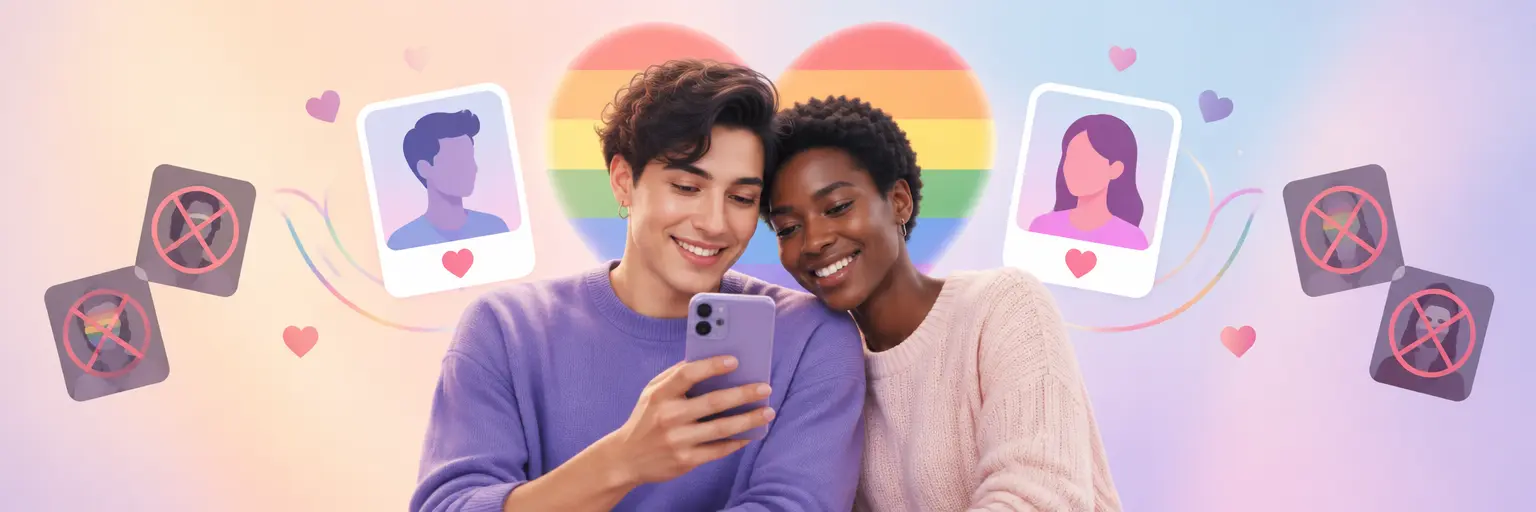
Addressing prejudice and discrimination in online dating is essential for creating a safer, more inclusive space, especially within the LGBTQ+ community, where bias can still surface in subtle or overt ways. This guide empowers you to recognize, confront, and navigate these challenges with confidence—whether it’s handling homophobic comments, transphobic assumptions, or racial fetishization. You’ll learn actionable strategies to assert boundaries, report harmful users, and protect your emotional well-being while staying true to your authentic self. From crafting profiles that deter prejudice to fostering respectful conversations, we help you turn dating apps into platforms for genuine connection, not hostility. Embrace your identity, demand respect, and build meaningful relationships without compromising your values—because everyone deserves love, free from judgment.

😊 Navigating LGBTQ+ dating can be challenging, but crafting a compelling profile is key. This article offers LGBTQ+ dating profile tips to…
Read article
😊 Discover how to craft a truly inclusive dating profile that attracts meaningful connections. Our expert advice on LGBTQ+ inclusive dating profile…
Read article
😊 Navigating LGBTQ+ online dating? This article offers crucial LGBTQ+ dating profile tips to help you connect authentically, showcase your unique personality,…
Read article
😊 Tired of generic dating profiles? This article delivers expert LGBTQ+ dating profile tips to help you craft an authentic profile that…
Read article
😊 Navigating LGBTQ+ dating can be tough. This article provides expert advice on gracefully handling rejection, building resilience, and maintaining a positive…
Read article
😊 Online dating can be tricky, but for LGBTQ+ individuals, navigating bias adds another layer. This article offers crucial LGBTQ+ online dating…
Read article
😊 Tired of swiping and feeling disheartened? This article redefines LGBTQ+ dating success, shifting the focus from superficial metrics to genuine happiness.…
Read article
😊 Craft a compelling LGBTQ+ dating profile that reflects your authentic self. This guide offers expert tips for showcasing your personality, interests,…
Read article
😊 Navigating LGBTQ+ dating? This article offers invaluable LGBTQ+ dating profile tips to help you craft a compelling profile, connect authentically, and…
Read article
😊 Navigate the complexities of LGBTQ+ dating with confidence! This article provides essential profile tips and strategies to attract genuine connections, ensuring…
Read article
😊 Navigating LGBTQ+ dating can be emotionally taxing. This article offers crucial self-care tips to prioritize your well-being, ensuring a positive and…
Read article
🤔 Navigating LGBTQ+ dating can be challenging, with subtle biases impacting profile visibility and matches. This article explores the roots of prejudice…
Read articleNavigating LGBTQ+ online dating can be thrilling, but it also comes with unique challenges, including encountering prejudice and discrimination. This subcategory empowers you with actionable strategies to recognize, respond to, and overcome bias—whether it’s based on sexual orientation, gender identity, race, or body type. From safeguarding your mental health to reporting harmful users effectively, you’ll find compassionate, practical guidance designed to help you date with confidence and resilience on platforms like Tinder, Grindr, and HER.
Discrimination in online dating often hides in microaggressions, fetishization, or exclusionary profile language. You’ll learn to identify red flags such as “no fats, no femmes, no Asians,” which target marginalized identities, as well as backhanded compliments or assumptions about your role in relationships. Understanding these patterns helps you avoid wasting emotional energy on incompatible matches and protects your self-worth.
By naming these behaviors—from outright slurs to “polite” exclusion—you can better assess whether a conversation is safe to continue. This section provides concrete examples of biased messages and profile phrases, along with quick mental checklists to evaluate intent versus impact. Remember: entitlement to your time or body is never acceptable, even if the message seems flattering on the surface. Recognizing these signals early saves you from gaslighting and emotional exhaustion.
Repeated exposure to prejudice can lead to dating burnout, anxiety, and internalized shame. Here, you’ll find evidence-based coping techniques, such as setting emotional boundaries before logging in, curating your feed by blocking hateful accounts immediately, and scheduling “dating-free days” to recharge. You’ll also explore journaling prompts that separate another person’s bias from your intrinsic worth.
Additionally, we discuss when to take a pause from apps entirely—and how to return with a fresh mindset. Your safety and well-being are non-negotiable. This section emphasizes building a support network of affirming friends or online communities where you can vent and receive validation without judgment. Practical affirmations like “Their prejudice is their problem” become daily mantras to counteract negative self-talk after a hurtful interaction.
Your profile can act as a first-line defense against discrimination. Learn how to write bios that signal your boundaries—for example, stating “I value respectful conversations” or “Only looking for allies.” You’ll also discover the pros and cons of disclosing your LGBTQ+ identity upfront versus waiting, as this decision impacts who sees your profile and how they approach you.
We also cover photo selection strategies that reduce fetishization, such as avoiding overly sexualized images if you seek serious connections. Using exclusionary language yourself is discouraged, as it perpetuates harm; instead, frame your preferences positively (e.g., “I’m drawn to kind, open-minded people”). This section includes sample bios for different dating goals, plus guidance on linking your Instagram or Spotify to show authenticity without exposing personal vulnerabilities.
Most dating apps have tools to report hate speech, but using them correctly maximizes impact. You’ll learn how to screenshot evidence, report within the app’s specific categories (e.g., “hate speech” vs. “harassment”), and follow up with support if no action is taken. We also explain when to escalate to law enforcement for threats or doxxing, though this is rare.
Blocking is more than a rejection—it’s a protective measure. Never hesitate to block someone who makes you uncomfortable, regardless of whether they’ve broken explicit rules. This section provides a step-by-step guide for iOS and Android versions of popular apps, plus tips for using anonymized screenshots when sharing experiences with friends or advocacy groups. You’ll also learn how to report harmful profiles that you encounter on others’ behalf, fostering safer communities for everyone.
When a match makes a biased comment, you have options: call it out, disengage, or educate—but only if you have energy. We break down scripts for each scenario, such as “That comment feels racist to me. Please explain,” or “I’m not comfortable continuing this conversation.” For repeated offenses, you’ll learn the power of silence—simply unmatching without explanation.
This section also addresses the guilt of “not protesting enough.” You are not obligated to be a teacher or activist in every conversation. Strategic disengagement preserves your energy for matches who treat you with dignity. We include body-language cues for video dates, text-tone analysis tips, and ways to de-escalate if a conversation turns hostile. Ultimately, your response should reflect your emotional budget, not societal expectations.
Not every platform is hostile; many LGBTQ+-focused apps and inclusive features exist. You’ll discover how to identify safer spaces, such as apps with robust moderation or niche communities for trans, nonbinary, or queer people of color. We also highlight settings like “show me on LGBTQ+ spaces” or “ally badges” that normalise inclusion.
Beyond apps, this section suggests joining local or virtual LGBTQ+ dating forums, Discord servers, or meetup groups where you can share experiences and vet potential matches through community referrals. Allies can be powerful amplifiers—we explain how to recognise genuine support versus performative allyship. Building a network of like-minded daters reduces isolation and increases your chances of finding respectful, fulfilling connections. Remember, you deserve romance without caveats or preconditioned stereotypes.
Politely but firmly state that you are a whole person, not a fantasy. For example: “I’m not comfortable being reduced to my ethnicity. Let’s focus on getting to know each other.” If they persist, unmatch and block. Seek support from friends or online groups afterward—you don’t need to explain yourself multiple times.
Both, depending on severity. Blocking is immediate self-defense; reporting helps protect others and may remove the offender from the platform. Screenshot the conversation, report under hate speech, then block. If the app doesn’t act, consider emailing support with evidence—many apps have improved policies due to user pressure.
Yes, if it feels authentic. A simple line like “Respectful, open-minded people only” can deter some toxic users. However, avoid lengthy lists of exclusions, which come across as defensive or exhausting. For LGBTQ+ daters, stating your boundaries positively often works better than listing what you don’t want.
Allow yourself to feel disappointed, then practice self-compassion. Talk to a trusted friend, engage in a hobby, or take a break from dating for a few days. Remind yourself that one person’s prejudice reflects their issues, not your worth. Journaling or therapy can help process repeated incidents without internalising them.
Yes—apps like HER, Taimi, and Lex are designed by and for LGBTQ+ communities, often with stricter anti-hate policies and user verification. However, no platform is flawless. Use the same boundary-setting and reporting strategies, and supplement with community forums or events. Your vigilance remains the best protection, regardless of app choice.