
Spot the Scammer: Essential Tips for Identifying Fake Profiles


Ready to transform your online dating experience? At OnlineDatingSuccess.org, we empower you to navigate the world of digital romance with confidence. But be warned – not everyone online is who they seem. This is why understanding how to identify online dating profile scams is crucial. Discover essential strategies to avoid falling victim and build genuine connections in our insightful guide, "Spot the Scammer: Essential Tips for Identifying Fake Profiles," and unlock the secrets to a safer and more rewarding online dating journey.
- Understanding Online Dating Profile Scams: Recognizing Red Flags
- How to Identify Fake Profiles: A Step-by-Step Guide
- Suspicious Communication Patterns: Warning Signs of Online Dating Scams
- Protecting Yourself from Online Dating Profile Scams: Safety Measures
- Resources and Further Support: Where to Find Help
- Frequently Asked Questions
- Final Reflection: Navigating the Digital Dating Landscape
- Unlock Safer Connections: Take Control of Your Online Dating
Understanding Online Dating Profile Scams: Recognizing Red Flags
Navigating the world of online dating can be exciting, but it's crucial to be aware of the potential risks. Sadly, online dating scams are prevalent, with perpetrators employing various tactics to deceive unsuspecting individuals. This article aims to equip you with the knowledge and tools to identify fake profiles and avoid becoming a victim. We'll explore common scammer tactics, delve into the characteristics of fake profiles, and provide practical tips to help you stay safe while searching for genuine connections.
Understanding the methods used by scammers is the first step towards protecting yourself and ensuring a positive online dating experience. The prevalence of "online dating profile scams" is a significant concern, impacting many users and highlighting the need for increased awareness and proactive safety measures. This guide offers a comprehensive approach to recognizing red flags and building a safer online dating journey.
Common Tactics Used in Online Dating Scams
Online dating scammers employ a range of manipulative techniques to gain your trust and ultimately defraud you. These tactics often involve creating a false sense of urgency, intimacy, and need. Some common methods include:
- Love bombing: Overwhelming you with excessive affection and compliments early in the relationship to quickly build trust.
- Financial requests: Asking for money, often under the guise of an emergency or a difficult situation. This can range from small amounts to significant sums. Beware of requests for gift cards or wire transfers, as these are difficult to trace.
- Catfishing: Using stolen photos and fabricated information to create a seemingly perfect profile. This can involve using images of models or other people entirely.
- Emergency scams: Inventing urgent situations requiring immediate financial assistance, exploiting your empathy and generosity.
- Romance scams: Building a strong emotional connection over time before making financial requests. These scams often involve long-term manipulation and emotional investment.
Remember, legitimate relationships develop gradually. If someone you've just met online is asking for money or personal information, it's a major red flag. 🚩
Identifying Fake Profiles: Spotting Inconsistencies and Red Flags
Identifying fake profiles requires careful observation and a healthy dose of skepticism. Look for inconsistencies and red flags that might indicate a fraudulent profile. These can include:
- Stock photos: Profiles using generic or obviously stock photos are a common sign of a fake profile. Reverse image search the photos to see where else they appear online.
- Limited information: Profiles with minimal personal details or vague descriptions should raise suspicion. A genuine profile usually provides some insight into the person's life and interests.
- Inconsistent information: Check for discrepancies in the information provided. For example, a profile might mention a specific job but have a different location listed in their profile than where that job would be based.
- Grammatical errors: Poor grammar and spelling can be an indicator of a fake profile, especially if the profile claims a high level of education or sophistication.
- Requests for personal information: Legitimate daters rarely ask for sensitive personal information early in the communication process. Be wary of anyone who pushes for your address, bank details, or social security number.
| Red Flag | Description |
|---|---|
| Stock Photos | Uses readily available images found online. |
| Vague Profile | Lacks specific details about hobbies, interests, or personal background. |
| Inconsistent Information | Contains contradictory or illogical details. |
| Poor Grammar/Spelling | Shows significant grammatical errors and poor writing quality. |
| Overly Perfect Profile | Seems too good to be true, with unrealistic claims and accomplishments. |
| Sudden Intense Affection | Displays excessive affection and compliments early in the interaction. |
| Financial Requests | Asks for money or financial assistance under various pretexts. |
| Pressure for Offline Meeting | Rushes the interaction towards an offline meeting without proper vetting. |
Recognizing Common Scammer Profiles: Types and Characteristics
Scammers often create profiles that target specific vulnerabilities. Some common types include:
- The "Military Man": Often claiming to be deployed overseas, needing financial assistance for various reasons.
- The "Lonely Widow/Widower": Exploiting sympathy and loneliness to build trust and extract money.
- The "Successful Businessperson": Creating a persona of wealth and success to attract attention and gain trust.
- The "International Traveler": Frequently claiming to be traveling abroad, creating a sense of mystery and distance.
These profiles often share common characteristics: they are usually vague about personal details, lack consistent information, and quickly shift the conversation towards financial requests or emotional manipulation. Always be cautious and verify information independently before engaging further. Remember, if something seems too good to be true, it probably is. ✨
How to Identify Fake Profiles: A Step-by-Step Guide
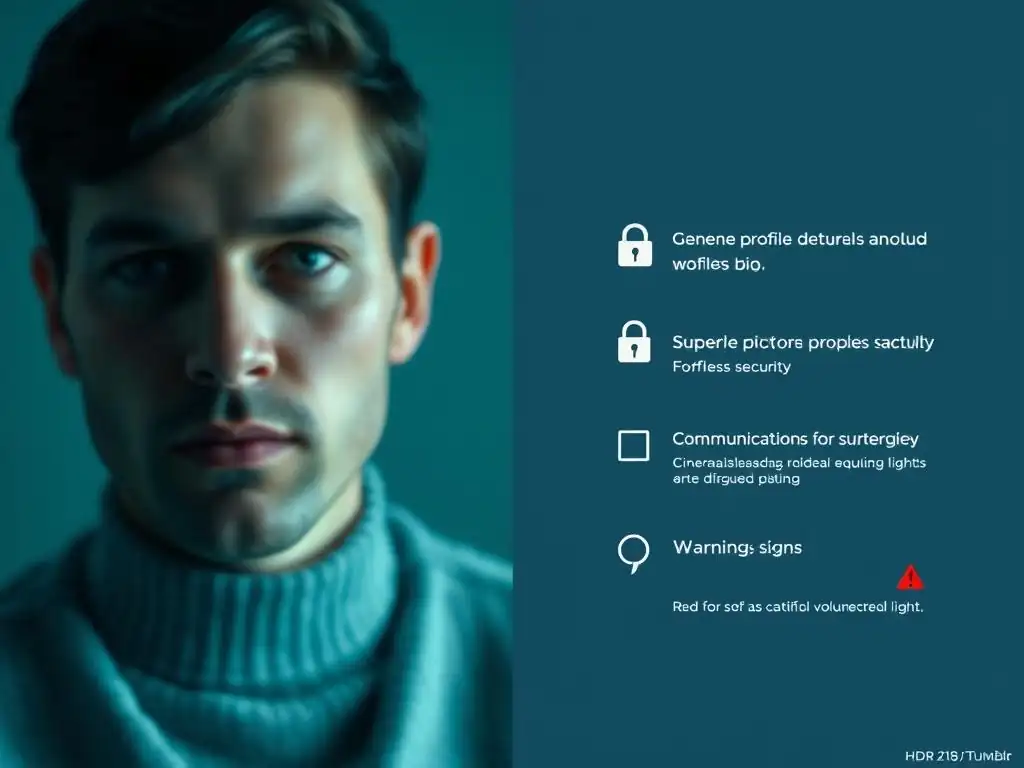
This section provides a practical, step-by-step guide to help you identify potentially fake profiles on online dating platforms. Navigating the world of online dating requires vigilance, and recognizing red flags is crucial for protecting yourself from scams and ensuring a safe and positive experience. Remember, your safety and well-being are paramount. Understanding how to spot fake profiles is an essential skill for anyone using online dating services. This guide will equip you with the tools to do just that, empowering you to make informed decisions and avoid potentially harmful interactions.
Analyzing Profile Pictures: Image Quality and Consistency
Fake profiles often exhibit inconsistencies and low-quality images. Let's examine key indicators:
- Image Quality: Look closely at the resolution and clarity of the pictures. Blurry, pixelated, or overly edited images are a significant red flag. Professional-looking photos are not inherently suspicious, but an abundance of highly polished pictures might be a sign of a fabricated profile. Conversely, a complete lack of photos, or only using very generic stock images, should also raise concerns.
- Inconsistency in Appearance: Examine the photos for inconsistencies in clothing, hairstyles, or even apparent age. Discrepancies between pictures suggest the photos might be taken from different sources, or even stolen from another individual. Pay close attention to details – a sudden change in hair color or a significant weight difference between images should trigger further investigation.
- Reverse Image Search: Utilize a reverse image search (available through many search engines) to determine if the profile pictures appear elsewhere online. If the same images are found on multiple dating profiles or other websites, it's a strong indication of a fake profile. This is a crucial step in verifying the authenticity of the images and preventing you from becoming a victim of an online dating profile scam. Remember to always check multiple angles and lighting conditions in the photos for further verification.
Investigating Profile Information: Inconsistencies and Missing Details
Beyond the pictures, inconsistencies in the profile text are another critical indicator of a potential scam. Pay attention to the following:
- Generic or Vague Information: Be wary of profiles with overly generic descriptions, lacking specific details about their life, hobbies, or interests. A profile that reads like a template, filled with clichés and lacks personal touches, is a major red flag. Genuine profiles typically reflect individuality and specific interests.
- Contradictory Information: Check for inconsistencies within the profile itself. Do the stated interests align with the provided photos or other details? Contradictions often indicate a hastily constructed fake profile. For example, a profile claiming to love hiking but only showing pictures in a nightclub setting is highly suspicious.
- Missing or Incomplete Information: A lack of basic information, like age, location, or employment details, might indicate an attempt to conceal their identity. While some individuals may be cautious about sharing personal information, a complete absence of such details raises concerns. It is important to strike a balance between being cautious and avoiding profiles that are too vague. The goal is to find a profile that is detailed enough to show individuality but not so detailed that it compromises personal safety.
Checking Profile Activity: Unusual Behavior and Patterns
Finally, observe the profile's activity and interactions for any unusual patterns:
- Sudden Surge in Activity: A newly created profile with an unusually high number of likes, messages, or friend requests within a short period might be a bot or a fake account attempting to appear popular. Genuine profiles typically show a more gradual increase in engagement.
- Unresponsive or Evasive Communication: If the profile is unresponsive to your messages or consistently avoids answering direct questions, it could be a sign that something is amiss. Be wary of individuals who are overly vague or avoid providing specific information.
- Requests for Money or Personal Information: This is the most obvious sign of a scam. Legitimate individuals will not ask for money or sensitive personal information early in the online dating process. Always report such profiles immediately to the dating platform. Remember, a genuine connection should never involve financial transactions or the sharing of sensitive personal information too early in the relationship. Always prioritize your safety and well-being. Be cautious and protect yourself from online dating profile scams.
Remember, these are just some indicators; a combination of these red flags should raise serious concerns. Trust your instincts. If something feels off, it probably is. Being vigilant and using these tips can significantly reduce your risk of encountering fake profiles and help you build meaningful connections online.
Reverse Image Searching: Uncovering Stolen Photos
Reverse image searching is one of the most powerful tools in your arsenal when it comes to spotting fake online dating profiles. Many scammers use stolen photos—often lifted from stock image websites or even other people's social media profiles. By using a reverse image search, you can quickly determine if a profile picture has been used elsewhere on the internet. This can be a strong indicator of a fake profile, as legitimate daters typically use their own, original photographs.
Several services offer reverse image searching. Google Images, for instance, allows you to upload an image or paste its URL to see where else it appears online. If the same image pops up on multiple dating sites, or even on stock photo websites, it's a major red flag. This indicates the profile owner is likely using a stolen image, and their intentions may not be genuine.
Don't hesitate to perform this check; it's a simple yet effective method for identifying potentially fraudulent profiles. The time invested in this quick search can save you from considerable heartache and potential harm down the line. Remember, a genuine profile will likely only show up in a few places – their dating profile and perhaps their social media, if they’ve linked it. Multiple appearances across various unrelated websites strongly suggest a fake profile.
Furthermore, pay attention to the quality of the reverse image search results. If the image appears on numerous websites with questionable content or unrelated contexts, this further strengthens the suspicion of a fake profile. The more widely circulated the image, the higher the probability that it's been stolen and used deceptively.
Don't just rely on a single result; carefully examine all the links and contexts where the image appears to gain a comprehensive understanding. This thorough approach will bolster your ability to identify potentially fraudulent profiles and protect yourself from online dating scams. Remember, your safety and well-being are paramount in the online dating world.
Suspicious Communication Patterns: Warning Signs of Online Dating Scams

This section delves into the crucial aspect of recognizing deceptive communication styles often employed by scammers in online dating. Understanding these patterns is paramount to protecting yourself from potential heartbreak and financial loss. Remember, your safety and well-being are top priorities. We'll analyze various red flags, providing you with the tools to identify and avoid these manipulative tactics. The prevalence of online dating profile scams necessitates a keen awareness of these communication techniques.
Analyzing Communication Style: Unusual Language and Grammar
One of the earliest warning signs of a fake profile is inconsistent or unusual communication. Scammers often use poorly translated language, exhibiting grammatical errors, awkward phrasing, and an inconsistent writing style throughout their messages. They may also overuse clichés or romantic phrases, lacking the nuance and individuality of genuine communication. For example, a message might contain phrases like "My heart beats only for you" or "You are my soulmate" within the first few messages – a clear sign of a canned approach.
Pay attention to inconsistencies; if their writing style dramatically changes from one message to the next, it's a significant red flag. Consider comparing their communication style with other profiles or online interactions to see if any patterns emerge. This attention to detail can significantly improve your ability to spot online dating profile scams.
Identifying Pressuring Behavior: Requests for Money or Personal Information
A hallmark of online dating scams is the rapid escalation of requests for money or personal information. Legitimate relationships develop gradually; requests for financial assistance, especially in the early stages, should raise immediate suspicion. Scammers often create elaborate stories, weaving tales of hardship or emergencies to justify their requests. These requests can range from seemingly small amounts to substantial sums, often disguised as loans or investments.
Never send money to someone you've only met online, regardless of their story. Similarly, be cautious about providing sensitive personal information such as your social security number, bank details, or home address. Protecting your personal information is crucial in preventing online dating profile scams. Remember, a genuine connection doesn't require financial transactions or the sharing of highly sensitive data.
Spotting Emotional Manipulation: Love Bombing and Other Tactics
Scammers often employ manipulative tactics to exploit your emotions and gain your trust. "Love bombing," a technique where the scammer overwhelms you with excessive affection and compliments in a short period, is a common tactic. They may profess undying love, make grand promises, or shower you with gifts (often virtual ones) to build a quick connection.
This intense display of affection is often disproportionate to the relationship's duration and designed to quickly establish emotional dependence. They might also use guilt trips, playing on your empathy or sense of responsibility to manipulate you into making decisions against your better judgment. Pay close attention to how they make you feel; if their interactions leave you feeling confused, pressured, or emotionally drained, it's time to reassess the situation.
Learning to recognize and resist these emotional manipulation tactics is key to avoiding online dating profile scams. Remember, genuine connections are built on mutual respect, trust, and gradually increasing intimacy, not intense, rushed emotional displays.
Detecting Unrealistic Promises: Exaggerated Claims and False Hopes
Online dating profile scams often hinge on unrealistic promises, designed to lure victims into a false sense of security and commitment. Scammers will frequently exaggerate their accomplishments, financial status, or personal attributes to create an idealized persona. They might claim to be incredibly wealthy, successful entrepreneurs, or high-ranking professionals with lavish lifestyles, often without providing concrete evidence to support these claims. This is a key indicator of a fabricated profile designed to manipulate emotions and gain trust. Remember, if something seems too good to be true, it probably is.
For instance, a scammer might boast about owning multiple properties in exotic locations, driving luxury cars, and regularly traveling the world, all while their profile pictures show them in generic or low-quality settings. This discrepancy between their verbal claims and visual representations should raise immediate red flags. Be wary of profiles that lack specific details and instead rely on sweeping generalizations and grandiose statements. A genuine profile will usually contain a mix of personal details, both positive and negative, reflecting a more realistic and relatable individual.
Another common tactic is to promise quick, effortless romance. Scammers often express intense feelings early on, showering victims with compliments and declarations of love within a short period. This whirlwind romance is designed to bypass the natural progression of getting to know someone and create a sense of urgency and dependence. Genuine relationships take time to develop; if someone is professing undying love after only a few messages, it's a significant warning sign. Pay attention to the speed at which the relationship progresses; a slow, steady pace is far more indicative of authenticity.
Furthermore, be cautious of promises of financial assistance or investment opportunities. Many online dating scams involve requests for money, often under the guise of an emergency, investment opportunity, or unexpected windfall. These requests can range from small amounts to significant sums, and they are almost always a sign of fraudulent activity.
Legitimate individuals will not ask for money early in a relationship, and such requests should always be viewed with extreme suspicion. Never send money to someone you've only met online, regardless of how compelling their story may seem. Remember, true connection is built on mutual respect and trust, not financial transactions.
Protecting Yourself from Online Dating Profile Scams: Safety Measures
This section delves into practical strategies to mitigate the risk of encountering fraudulent profiles on online dating platforms. Navigating the world of online dating requires vigilance, and understanding how to protect yourself is paramount. Remember, your safety and well-being are the top priority. The prevalence of online dating profile scams necessitates a proactive approach, incorporating both technological safeguards and mindful behavior. Let's explore effective techniques to enhance your online dating safety.
Verifying Profile Information: Using Third-Party Tools and Techniques
Verifying the authenticity of online dating profiles is crucial in preventing scams. While dating sites implement measures, independent verification adds an extra layer of protection. Several third-party tools and techniques can help you assess the legitimacy of a profile. For instance, reverse image searching using Google Images or TinEye can reveal if a profile picture appears elsewhere online, potentially indicating stolen images or a fake identity. This simple step can often expose inconsistencies and red flags early on.
Another effective method involves cross-referencing profile information with publicly available data. Checking if a profile's claimed profession or educational background aligns with information found on LinkedIn or other professional platforms can provide valuable verification. Discrepancies should raise concerns and prompt further investigation. Remember, consistent information across multiple sources increases the likelihood of a genuine profile.
Moreover, pay close attention to the profile's overall quality. A profile lacking detail, filled with generic statements, or containing grammatical errors and inconsistencies often signals a potential red flag. Be wary of profiles that seem too good to be true; overly perfect individuals rarely exist in the real world. A balanced and realistic profile is more likely to be authentic. The more effort a user puts into creating a detailed and believable profile, the less likely they are to be a scammer.
Securing Your Personal Information: Protecting Your Privacy Online
Protecting your personal information is crucial when engaging in online dating. Avoid sharing sensitive details, such as your full address, place of work, or financial information, with anyone you haven't met in person and thoroughly vetted. Even seemingly innocuous information can be used by scammers to exploit you. Remember, building trust takes time; don't rush into sharing personal information.
Consider using a separate email address specifically for online dating interactions. This adds another layer of protection, limiting the risk of exposing your primary email account to potential spam or phishing attempts. Furthermore, be mindful of the information you share on your social media profiles, ensuring that your online dating activity doesn't inadvertently expose sensitive personal data. Maintaining a level of privacy online is vital for overall online dating safety.
Regularly review your privacy settings on all online platforms. Understand what information you are sharing and with whom. Utilize the privacy controls available to limit the visibility of your profile and personal information. Being proactive in managing your online privacy significantly reduces your vulnerability to online dating profile scams. Remember, a cautious approach is always the best defense.
Reporting Suspicious Profiles: How to Report Scammers to Dating Sites
If you encounter a profile that you suspect is fraudulent, reporting it to the dating site is crucial. Most reputable online dating platforms have mechanisms in place to investigate and remove fake profiles. Use the reporting tools provided by the platform to flag suspicious activity. Provide as much detail as possible in your report, including specific examples of suspicious behavior or inconsistencies in the profile. Your report can help protect other users from falling victim to the same scam.
Many dating sites also offer a blocking feature. If you've identified a suspicious profile, block the user to prevent further contact. Blocking immediately stops any further interaction and adds an extra layer of protection against potential scams. Remember, reporting suspicious profiles is not just about protecting yourself; it's about contributing to a safer online dating environment for everyone. By taking this proactive step, you actively contribute to the fight against online dating profile scams. Your vigilance helps create a more secure space for genuine connections.
Staying Safe While Communicating: Protecting Yourself from Phishing and Malware
Online dating involves a significant amount of communication, making it a prime target for phishing and malware attacks. Scammers often use deceptive tactics to gain access to your personal information or infect your devices with malicious software. Understanding these threats is crucial for staying safe. Let's delve into some key strategies to mitigate these risks.
One common tactic is phishing, where scammers impersonate legitimate dating profiles or services to trick you into revealing sensitive data. They might send emails or messages containing links to fake websites that mimic the appearance of real dating platforms. These websites often ask for login credentials, credit card information, or other personal details. Never click on links from unknown senders or those that seem suspicious, no matter how convincing the message appears.
Always access your dating platform directly through your browser's address bar, rather than clicking on links from emails or messages. Be wary of any requests for personal information outside the secure platform itself. Legitimate dating sites will never ask for such information via email or text.
Another significant threat is malware. Scammers can distribute malware through malicious attachments in emails or messages, or through infected links that download harmful software onto your device. This software can steal your data, monitor your online activity, or even take control of your computer. Always be cautious about opening attachments from unknown senders, even if they appear to be from someone you've been communicating with on the dating platform.
Ensure your antivirus software is up-to-date and regularly scan your computer for viruses and malware. Consider using a strong, reputable firewall to protect your device from unauthorized access. Regular software updates are also crucial, as they often include security patches that address known vulnerabilities.
Remember, if something feels off—an unusually urgent request for money, a request to move communication off the platform, or a message that seems too good to be true—trust your instincts and exercise caution. It is far better to err on the side of caution than to become a victim of an online dating scam. Report suspicious profiles and activity to the dating platform immediately.
Your safety and security should always be your top priority when navigating the world of online dating. By staying vigilant and employing these safety measures, you can significantly reduce your risk of falling victim to phishing and malware attacks.
Resources and Further Support: Where to Find Help
Navigating the world of online dating requires vigilance, and knowing where to turn for help if you suspect a scam is crucial. This section provides resources and guidance to support you in identifying and reporting fraudulent profiles, as well as building healthier online dating habits. Remember, your safety and well-being are paramount. Understanding how to protect yourself is a key element of successful online dating. Don't hesitate to seek assistance if needed – you're not alone in this. The prevalence of online dating profile scams highlights the importance of proactive measures and readily available support systems.
Recommended Online Safety Resources: Websites and Organizations
Several organizations and websites offer valuable resources and support for victims of online scams, including those targeting online daters. These resources provide information on identifying scams, reporting incidents, and protecting yourself from future exploitation. Remember to always verify the legitimacy of any website or organization before sharing personal information.
Many reputable organizations dedicated to online safety offer comprehensive guides and support networks. These often include detailed information on recognizing red flags in online dating profiles, such as inconsistencies in information, overly generic profiles, or requests for money. They also provide advice on secure communication practices, emphasizing the importance of avoiding sharing sensitive personal details with individuals you haven't met in person and verified.
Furthermore, several websites provide forums and communities where users can share their experiences, ask questions, and receive support from others who have faced similar challenges. These platforms offer a sense of community and shared understanding, reducing feelings of isolation often associated with being a victim of an online scam. This peer-to-peer support can be invaluable in processing the emotional impact of a scam and regaining confidence in online dating.
Reporting online dating profile scams is crucial not only for your personal safety but also for preventing others from becoming victims. Law enforcement agencies are equipped to investigate these crimes and hold perpetrators accountable. Knowing the appropriate channels for reporting and the information to provide is essential.
When reporting an online dating scam, it is crucial to gather as much evidence as possible. This includes screenshots of conversations, profile information, payment records (if any), and the scammer's contact details. This detailed documentation will significantly aid law enforcement in their investigation. Note the date and time of interactions, and any specific details about the scammer's profile or their requests.
Different jurisdictions have varying procedures for reporting cybercrime. Contact your local police department or the appropriate cybercrime unit within your national law enforcement agency. Many countries also have dedicated fraud reporting hotlines or online platforms where you can submit reports. Remember to keep a record of your report, including the reference number, for future reference. The more reports filed, the better law enforcement can track patterns and target these criminal activities more effectively, ultimately improving online safety for everyone.
Building Healthy Online Dating Habits: Tips for Safe and Successful Dating
Proactive measures significantly reduce your vulnerability to online dating profile scams. Cultivating healthy online dating habits is about more than just avoiding scams; it's about creating a positive and safe dating experience. This includes practicing due diligence, using caution, and prioritizing your well-being.
- Verify Profiles: Always cross-reference information provided in a dating profile with other sources, especially if something seems too good to be true.
- Slow and Steady: Don't rush into relationships or share personal information too quickly. Take your time to get to know someone before meeting in person.
- Video Calls: Initiate video calls early in the process to verify the identity of the person you are communicating with. This helps to eliminate potential catfishing situations.
- Meet in Public: Always choose a public place for your first meeting, and inform a friend or family member of your plans, including the location, time, and the person's name.
- Trust Your Instincts: If something feels off or makes you uncomfortable, trust your gut feeling and end the interaction. Your safety is the priority.
- Report Suspicious Activity: Report any suspicious profiles or behavior to the dating platform immediately. This contributes to a safer online dating environment for everyone.
By incorporating these habits into your online dating routine, you significantly improve your chances of having a positive and safe experience. Remember, a cautious approach is not a sign of mistrust, but rather a demonstration of self-respect and responsible online behavior. Prioritizing your safety and well-being is key to successful and fulfilling online dating.
Frequently Asked Questions
How can I spot a fake profile on an online dating site?
Look for inconsistencies in photos, lack of personal details, or overly perfect profiles. Be wary of profiles with limited or generic information, and those who avoid video calls or in-person meetings. Reverse image search photos to check for duplicates.
What are common red flags indicating a dating profile scam?
Requests for money or financial assistance are a major red flag. Be cautious of profiles that are unusually charming or romantic early on, and those who quickly push for offline communication outside the dating app. Avoid sharing personal information too readily.
How can I protect myself from online dating scams?
Never send money or personal financial information to someone you've met online. Verify their profile using reverse image search and social media. Report suspicious profiles to the dating site and consider using a reputable dating app.
What should I do if I suspect I'm being scammed?
Immediately stop all communication with the suspicious individual. Report the profile to the dating site and consider reporting them to the authorities, especially if financial loss is involved. Document all communication as evidence.
Are there specific types of scams to watch out for on online dating sites?
Yes, common scams include romance scams, where scammers build trust to obtain money, and catfishing, where individuals use fake photos and identities. Be aware of advance-fee scams where money is requested upfront for various reasons. Always be cautious and verify information.
The rise of online dating has undeniably revolutionized romance, but it has also created fertile ground for deception. The ease of creating fake profiles and the anonymity of the internet have emboldened scammers, making vigilance more crucial than ever before. Understanding how to spot these deceptive profiles is no longer a niche skill; it's a fundamental aspect of online safety and self-preservation in the modern world.
The pervasiveness of online dating scams underscores a broader societal shift – our increasing reliance on digital spaces for personal connection. This reliance, while offering incredible opportunities, also exposes us to new vulnerabilities. The emotional toll of falling victim to a scam can be devastating, leaving lasting scars on trust and self-esteem. The internet is a powerful tool, but it's also a double-edged sword. We must be aware of the risks and equip ourselves with the knowledge to navigate them safely.
This quote highlights the importance of proactive measures and the need for continuous education in this ever-evolving digital landscape.
You, the reader, now possess the tools to identify and avoid many common online dating scams. Remember, your safety and well-being are paramount. Don't hesitate to report suspicious profiles, and always trust your instincts. Take the knowledge gained from this article and apply it to your online interactions, creating a safer and more authentic experience in the world of online dating. Let's work together to make the digital dating world a more trustworthy and enjoyable space for everyone.
Unlock Safer Connections: Take Control of Your Online Dating
Thank you for learning how to identify fake profiles! You've gained valuable skills to navigate online dating with more confidence. Now, let's put this knowledge into practice.
- Review your profile: Could any details unintentionally make you appear less trustworthy? This is an opportunity to enhance your profile's credibility.
- Share this information: Help your friends and family stay safe online by sharing these essential tips. They'll appreciate your proactive approach.
- Join the discussion: What's the most unexpected warning sign you've seen on a dating profile? Share your experiences in the comments below.
Ready to create a safer and more authentic online dating experience?