
Your Rights as an Online Dater: Legal Protections You Should Be Aware Of


Ready to unlock the secrets to a safer and more successful online dating experience? At OnlineDatingSuccess.org, we empower you to navigate the world of online romance with confidence. This isn't just about finding a date; it's about protecting yourself while you search for meaningful connections. Learn about your online dating safety rights and discover how to confidently build a fulfilling relationship – let's dive in!
- Understanding Your Online Dating Safety Rights: Key Legal Protections
- Protecting Your Identity and Personal Information Online: Best Practices
- Navigating Online Dating Contracts and Terms of Service
- Online Dating Safety Tips and Legal Considerations: A Practical Guide
-
Frequently Asked Questions
- What legal rights do I have as an online dater?
- How can I protect myself from online dating scams?
- What should I do if I experience harassment on an online dating site?
- What are my rights regarding the use of my personal information by dating sites?
- Can I sue a dating site for a negative experience?
- Final Reflection: Navigating the Digital Landscape of Love and Law
- Take Control: Secure Your Online Dating Experience
Understanding Your Online Dating Safety Rights: Key Legal Protections
Navigating the world of online dating can be exciting, but it's crucial to be aware of your rights and the legal protections available to you. This article delves into the legal aspects of online dating safety, focusing on crucial areas where you might need legal recourse. We will explore your rights regarding online dating scams, data privacy, and the potential legal implications of misrepresentation on dating profiles.
Understanding these legal frameworks empowers you to protect yourself and build safer, more meaningful connections online. The goal is to provide you with a comprehensive understanding of your rights as an online dater, helping you confidently navigate the digital dating landscape while prioritizing your safety and well-being. Remember, online dating safety is not just about avoiding scams; it's about knowing your rights and using them to ensure a positive and secure experience.
Online Dating Scams and Legal Recourse: Protecting Yourself from Fraud
Online dating scams are, unfortunately, prevalent. These scams can range from minor financial losses to significant emotional distress and even identity theft. Understanding your legal recourse is paramount. While the specifics vary by jurisdiction, many countries have laws against fraud and theft that apply to online interactions.
If you've been a victim of an online dating scam, documenting everything—emails, messages, transaction records, and any other communication—is crucial. This documentation can provide vital evidence if you choose to pursue legal action. Reporting the scam to both the dating platform and law enforcement is also highly recommended. Remember to thoroughly investigate any dating profiles, be wary of requests for money or personal information, and never share sensitive financial details online.
Knowing your rights and taking proactive steps can significantly reduce your risk and offer a path to redress if you are victimized. Seeking advice from a legal professional specializing in cybercrime is advised if you suspect you've been scammed. The potential legal ramifications for scammers can include substantial fines and even imprisonment, depending on the severity and nature of the crime.
Your Rights Regarding Data Privacy in Online Dating: GDPR and CCPA Compliance
Online dating platforms collect vast amounts of personal data. Understanding your rights concerning this data is crucial. Regulations like the General Data Protection Regulation (GDPR) in Europe and the California Consumer Privacy Act (CCPA) in the United States grant individuals significant control over their personal information.
These regulations provide rights such as access to your data, the right to rectification, the right to erasure ("right to be forgotten"), and the right to data portability. If an online dating platform violates these regulations, you may have legal recourse. Familiarize yourself with the privacy policies of the platforms you use and understand how your data is being collected, used, and protected.
If you believe your data privacy rights have been violated, you can file a complaint with the relevant data protection authority. This proactive approach ensures your personal information remains secure and protected within the legal framework governing online data handling. Always opt for platforms that demonstrate a robust commitment to data privacy and security.
Legal Aspects of Online Dating Profiles: Misrepresentation and Deception
Creating a truthful and accurate online dating profile is essential for building genuine connections. Deliberate misrepresentation or deception in your profile can have legal implications. While the exact legal consequences depend on the specific claims and the jurisdiction, creating a profile that intentionally misleads others about your identity, age, marital status, or other key aspects can lead to legal action. This could range from civil lawsuits for damages caused by the misrepresentation to criminal charges in certain extreme cases.
The use of fake photos or impersonating another person is also a serious offense with potentially severe consequences. Maintaining honesty and integrity in your online dating profile not only fosters trust but also protects you from potential legal issues. Remember, building genuine relationships starts with authenticity. Always strive to present yourself honestly and accurately to avoid any legal or ethical complications.
Protecting Your Identity and Personal Information Online: Best Practices
Online dating safety rights extend to protecting your personal information. Many platforms collect extensive data, and it's crucial to understand how this data is used and secured. Failing to take proactive steps to protect your identity can lead to severe consequences, including identity theft, financial fraud, and emotional distress. This section will explore practical steps to minimize your risk.
Safeguarding Your Photos and Personal Data: Preventing Identity Theft in Online Dating
Never share sensitive information like your full address, social security number, or place of employment on your dating profile or in early communications. Use a profile picture that doesn't reveal too much – avoid images showing your house number, license plate, or other identifying details. Consider using a slightly altered version of your photo to further protect your privacy.
Remember, even seemingly innocuous details, when pieced together, can be used for malicious purposes. Think twice before posting pictures with your friends or family; their privacy is important too. A good rule of thumb is: "If you wouldn't share it with a stranger on the street, don't share it online."
Always be mindful of the information you're sharing, even seemingly harmless details can be exploited by those with malicious intent. Many online dating scams leverage seemingly innocent details to build trust before requesting money or sensitive information. Protecting your identity online requires constant vigilance and careful consideration.
Securing Your Communication Channels: Avoiding Phishing and Malware
Your communication channels are another vulnerability. Be wary of suspicious links or attachments sent by individuals you've met online. Never click on links from unknown senders, and always scan attachments with a reputable antivirus program before opening them. Phishing attempts are common in online dating, with scammers posing as potential matches to gain your trust and steal your information. These attempts often involve fake websites designed to look legitimate or emails promising exciting opportunities, but leading to malicious software downloads or data theft.
Always verify the authenticity of any website or email before providing any personal information. Report any suspicious activity to the dating platform immediately. This proactive approach is key to maintaining your online safety and protecting yourself from phishing attempts and malware infections. Remember, your online dating safety rights include the right to a secure online experience, free from malicious attacks.
Reporting Online Dating Harassment and Abuse: Legal Avenues and Support Resources
Unfortunately, online harassment and abuse are real threats. If you experience any form of harassment, stalking, or threats, document everything: save screenshots, emails, and messages. Report the abuse to the dating platform immediately, and consider reporting it to the appropriate law enforcement agencies. Many jurisdictions have laws protecting individuals from online harassment, and you have the right to seek legal recourse.
Remember, you are not alone. There are numerous support resources available to help you cope with online abuse and navigate the legal process. These resources can provide emotional support, legal advice, and guidance on how to protect yourself. Knowing your rights and accessing available support is crucial in dealing with online harassment and abuse.
Taking these steps empowers you to protect yourself and hold perpetrators accountable. Your online dating safety rights include the right to a safe and respectful online experience, free from harassment and abuse. Don't hesitate to seek help; your safety and well-being are paramount.
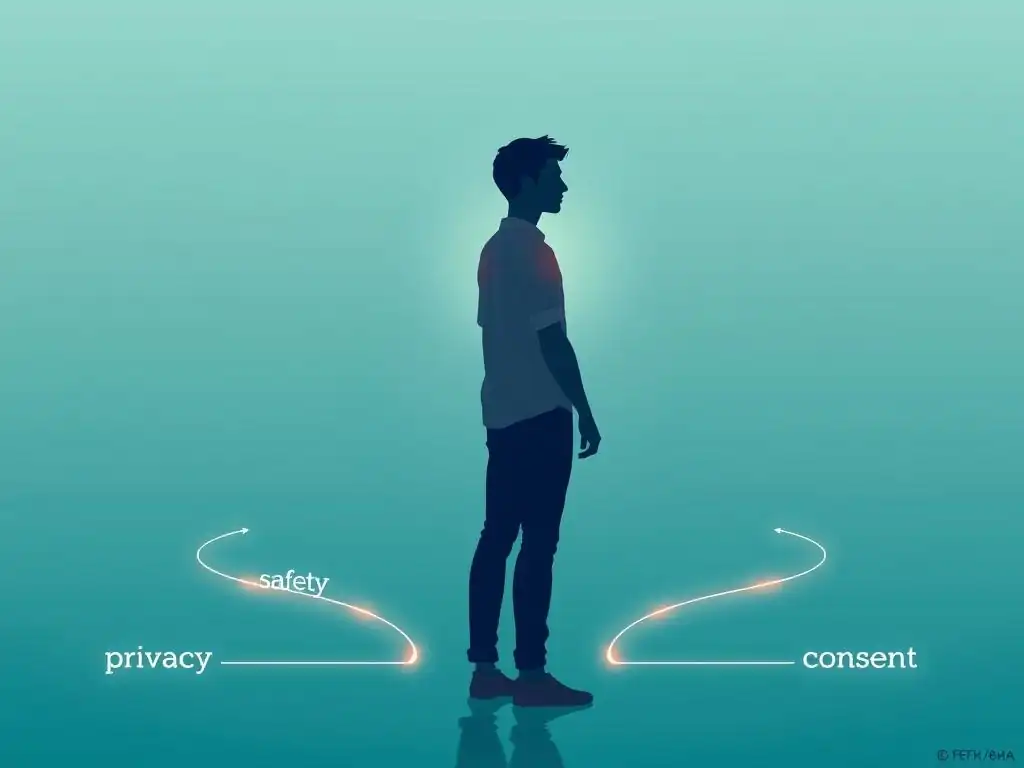
Online dating safety rights are intrinsically linked to understanding the legal agreements you enter into when using dating apps and websites. These platforms operate under terms of service (ToS) and privacy policies that dictate how your data is handled, what constitutes acceptable behavior, and what recourse you have if things go wrong. Failing to understand these agreements can leave you vulnerable to exploitation and legal issues. Think of it like this: you wouldn't sign a lease without reading it; similarly, you shouldn't use a dating platform without understanding its rules.
Understanding the Terms and Conditions of Dating Apps and Websites
Many users skim or skip the terms and conditions altogether, but this is a mistake. These documents often outline crucial information regarding data privacy, account security, intellectual property rights, and dispute resolution. Key areas to focus on include:
- Data Collection and Usage: Pay close attention to what information the app collects (location data, photos, messages, etc.) and how it uses this information. Many apps share data with third-party advertisers; understanding this process is crucial for your online dating safety rights. Look for clauses detailing data retention policies – how long they keep your information and under what circumstances they delete it.
- Account Security and Responsibility: The ToS will often outline the platform's responsibility for securing your account, but also your responsibility in maintaining its security (e.g., choosing strong passwords, avoiding phishing scams). Understanding these shared responsibilities is vital.
- Content Moderation Policies: These policies define what kind of content is acceptable on the platform and what actions will be taken against users who violate these rules. This includes policies regarding harassment, hate speech, and inappropriate behavior. Knowing these policies can help you identify potentially unsafe situations and report violations effectively.
- Dispute Resolution: The ToS will usually specify how disputes between users or between users and the platform will be resolved. This might involve arbitration, mediation, or legal action. Understanding these processes can be critical if you experience a problem.
Consider this example: A dating app might state that they share anonymized user data with advertisers. While this might seem innocuous, the details of anonymization are crucial. Insufficient anonymization could expose your identity and violate your online dating safety rights. Always read the fine print! 🕵️♀️
Your Rights Concerning Data Usage and Third-Party Access
Your online dating safety rights also extend to how your personal data is handled. Regulations like GDPR (in Europe) and CCPA (in California) grant users significant control over their data. Dating apps and websites must comply with these regulations, and understanding your rights under these laws is vital.
- Right to Access: You generally have the right to access the data a platform holds about you. This allows you to verify its accuracy and identify any potential misuse.
- Right to Rectification: If the data is inaccurate, you have the right to have it corrected.
- Right to Erasure ("Right to be Forgotten"): Under certain circumstances, you may have the right to have your data deleted from the platform's systems.
- Right to Restriction of Processing: You might be able to restrict how your data is processed in specific ways.
- Right to Data Portability: In some cases, you have the right to receive your data in a portable format, allowing you to transfer it to another platform.
Understanding these rights empowers you to protect your privacy and enhance your online dating safety. Remember, your data is valuable, and you have the right to control how it's used. Don't hesitate to contact the platform's customer support or legal team if you have questions or concerns about your data. Proactive engagement is key to safeguarding your online dating safety rights. 💪
Remember that this information is for educational purposes only and does not constitute legal advice. Always consult with a legal professional for advice tailored to your specific situation.
Online Dating Safety Tips and Legal Considerations: A Practical Guide
This section delves into the practical aspects of online dating safety, intertwining crucial safety measures with your legal rights. Understanding both is vital for a positive and secure online dating experience. Remember, proactive safety is the best defense against potential legal issues and harmful encounters. This knowledge empowers you to navigate the world of online dating with confidence and peace of mind. Let's explore how to blend responsible online behavior with awareness of your legal protections.
Best Practices for Safe Online Dating and Avoiding Legal Pitfalls
Safe online dating isn't just about avoiding scams; it's about protecting your personal information and well-being. Consider these best practices to minimize risks and maximize your chances of a positive experience:
- Verify Profiles: Before engaging with anyone, try to verify their profile information. Look for inconsistencies, and don't hesitate to ask questions to confirm their identity. A genuine profile will typically show consistency across various details.
- Control Information Sharing: Avoid sharing sensitive personal information (address, workplace, financial details) early in the dating process. Be cautious about revealing too much too soon. Remember, even seemingly innocent details can be pieced together to compromise your security.
- Meet in Public Places: Always arrange your first meeting in a public place, preferably during daylight hours. Let a friend or family member know where you're going, who you're meeting, and when you expect to be back. This simple step can be crucial in an emergency.
- Trust Your Instincts: If something feels off, it probably is. Don't feel pressured to continue interacting with someone who makes you uncomfortable. Your safety and well-being are paramount. Prioritize your gut feeling; it's often right.
- Report Suspicious Activity: If you encounter suspicious behavior or a potential scam, report it immediately to the dating platform and, if necessary, to the appropriate law enforcement authorities. This helps protect others from falling victim to similar situations. Many platforms have robust reporting mechanisms in place.
- Maintain Digital Privacy: Regularly review your privacy settings on all online dating platforms and social media accounts. Limit the information you share publicly, and be mindful of what you post online. This proactive approach significantly reduces the risk of unwanted attention.
The proactive adoption of these measures significantly reduces your vulnerability to various online dating risks. Remember, online dating safety is an ongoing process requiring vigilance and responsible behavior.
Resources for Legal Assistance and Further Information Regarding Online Dating Safety
Navigating the legal landscape of online dating can feel overwhelming. However, several resources are available to provide guidance and support:
- Legal Aid Organizations: Many non-profit legal aid organizations offer free or low-cost legal services to individuals who cannot afford legal representation. These organizations can often provide valuable advice and assistance with online dating-related legal issues.
- Law Enforcement Agencies: If you experience harassment, stalking, or any other form of illegal activity related to online dating, report it to your local law enforcement agency immediately. They are equipped to investigate and take appropriate action.
- Government Agencies: Depending on your location, specific government agencies may offer resources and information about online dating safety and legal protections. Research the relevant agencies in your jurisdiction for specific guidance.
- Online Safety Organizations: Numerous online safety organizations provide valuable information, resources, and educational materials on various aspects of online safety, including online dating. These organizations often offer tips, advice, and support to individuals facing online safety challenges.
Remember, seeking legal advice is crucial if you encounter any legal issues related to online dating. Don’t hesitate to reach out to the appropriate resources for assistance. Knowing your rights and having access to support networks is essential for a safe and positive online dating experience. Your safety and well-being are paramount. 🤝
Frequently Asked Questions
What legal rights do I have as an online dater?
Your rights vary by location, but generally include protection from harassment, stalking, and scams. Laws around data privacy and the use of your personal information also apply. Consult your local legal resources for specifics.
How can I protect myself from online dating scams?
Be wary of anyone asking for financial assistance or sharing overly personal information too quickly. Never send money or share your bank details. Verify profiles and report suspicious activity to the dating platform.
What should I do if I experience harassment on an online dating site?
Report the harassment immediately to the dating platform and save all evidence (messages, screenshots). You may also consider contacting law enforcement if the harassment escalates or becomes threatening.
What are my rights regarding the use of my personal information by dating sites?
Dating sites have a responsibility to protect your data and comply with privacy laws. Review their privacy policies and understand how they collect, use, and share your information. You have the right to access and correct your information.
Can I sue a dating site for a negative experience?
While suing a dating site is possible, it's usually difficult. You need to demonstrate negligence or a breach of contract on their part. Consult with a lawyer to assess the viability of your case.
The rise of online dating has fundamentally reshaped modern romance, yet this digital frontier often lacks the clear legal boundaries we expect in the offline world. Understanding your rights as an online dater isn't just about avoiding scams; it's about ensuring your safety, dignity, and emotional well-being in a space increasingly crucial to social connection.
The impact of online dating extends far beyond individual experiences; it's woven into the fabric of modern relationships and societal expectations. The ease of connection has both empowered and exposed individuals to new vulnerabilities. The legal landscape is constantly evolving to address these challenges, but awareness remains key. The best way to find yourself is to lose yourself in the service of others.
While this quote doesn't directly address online dating safety, it highlights the importance of self-awareness and responsible engagement in any relationship, online or offline. This requires understanding your rights and responsibilities within the digital realm.
You now possess a deeper understanding of your legal protections as an online dater. Take this knowledge and use it to build safer, more informed relationships. Don't hesitate to report suspicious activity, protect your personal information, and advocate for stronger online safety measures. Your safety and well-being are paramount, and your voice matters in shaping a more responsible and respectful online dating environment. Let's collectively work towards a future where love and technology coexist harmoniously.
Take Control: Secure Your Online Dating Experience
Thank you for learning about your rights as an online dater! We hope this article has equipped you with the knowledge to navigate the online dating world confidently. Now, let's put that knowledge into practice.
- Report suspicious activity immediately: If you experience harassment, scams, or any behavior that violates your safety or privacy, report it to the dating platform immediately. If necessary, contact law enforcement. This is crucial for a safe online dating experience.
- Share this article: Help protect others by spreading awareness about online dating safety and legal rights. A safer online dating community benefits everyone.
- Research legal resources: Find additional information on online dating safety and legal protections in your area. Consider joining online forums to connect with others and discuss experiences and concerns.
Ready to make online dating safer and more enjoyable for yourself and others? What's the first step you'll take today to protect your online dating experience?