
Online Dating with Avoidant Attachment: Is Love Possible?


Ready to rewrite your online dating story? At OnlineDatingSuccess.org, we help you navigate the complexities of finding love online. But what happens when your attachment style gets in the way? This article delves into the challenges and triumphs of Avoidant Attachment online dating, offering practical strategies to overcome obstacles and build genuine connections. Discover how to unlock your dating potential – are you ready to find lasting love?
- Understanding Avoidant Attachment in Online Dating
- The Impact of Avoidant Attachment on Online Dating Success
- Strategies for Navigating Online Dating with Avoidant Attachment
- Finding Compatibility: Attracting Securely Attached Partners Online
- Overcoming Fear of Intimacy in Online Relationships
- Long-Term Success: Maintaining Healthy Relationships After Meeting Online
-
Frequently Asked Questions
- How can I identify an avoidant attachment style in online dating?
- Is it possible to have a successful relationship with someone who has an avoidant attachment style?
- What are some red flags to watch out for when dating someone with avoidant attachment?
- How can I communicate effectively with someone who has an avoidant attachment style?
- Can therapy help someone with avoidant attachment find success in online dating?
- Final Reflection: Navigating Love's Labyrinth: Avoidant Attachment and Online Dating
- Unlock Your Dating Potential: Find Secure Connection
Understanding Avoidant Attachment in Online Dating
Navigating the world of online dating can be challenging for anyone, but individuals with avoidant attachment styles often face unique hurdles. This article delves into the complexities of online dating when you possess an avoidant attachment style, exploring the behaviors, challenges, and ultimately, the possibilities of finding love. We'll examine how avoidant attachment manifests in online interactions, the obstacles it creates, and offer insights into recognizing your attachment style and taking steps towards more fulfilling relationships.
Understanding your attachment style is the first step towards building healthy, lasting connections, even within the sometimes superficial world of online dating. This isn't about fixing yourself; it's about self-awareness and building healthier relationship patterns. Let's explore how you can navigate the online dating landscape with greater confidence and success, regardless of your attachment style.
Recognizing Avoidant Attachment Behaviors Online
Individuals with avoidant attachment often exhibit specific behaviors in online dating that can hinder their ability to form meaningful connections. These behaviors stem from a deep-seated fear of intimacy and commitment. For example, they might:
- Engage in superficial interactions: They may prioritize casual conversations, avoiding deeper discussions about feelings or personal experiences. Think short, sweet messages, focusing on surface-level details rather than genuine connection.
- Respond inconsistently or slowly: They might be quick to initiate contact but then become distant or unresponsive, leaving their matches feeling confused and frustrated. This inconsistency reflects their discomfort with closeness.
- Create distance through behavior: They might subtly (or not so subtly) pull away when things start to feel too serious. This could manifest as suddenly becoming less available, changing their dating profile to seem less engaged, or even ghosting.
- Idealize potential partners but avoid commitment: They might become enamored with someone online, painting them as perfect, but then hesitate to move the relationship beyond the online phase, fearing the loss of independence or the intensity of a close relationship.
- Prioritize independence and self-reliance: They might emphasize their self-sufficiency and independence excessively, even in their dating profiles, as a way to avoid vulnerability and emotional closeness.
These behaviors are not intentional acts of cruelty; they are often unconscious defense mechanisms designed to protect against the perceived threat of intimacy. Recognizing these patterns is crucial for both individuals with avoidant attachment and their potential partners.
The Challenges of Avoidant Attachment in Online Interactions
The impersonal nature of online dating can both exacerbate and mask the challenges faced by those with avoidant attachment. The lack of face-to-face interaction can initially feel safer, allowing for controlled communication and easy disengagement. However, this perceived safety can also hinder the development of genuine intimacy. Some key challenges include:
- Difficulty building trust: The lack of physical presence and limited opportunities for deeper interaction can make it difficult to establish the trust needed for a lasting relationship. This is especially true for those with avoidant attachment who struggle with vulnerability.
- Misinterpretations and communication breakdowns: The absence of non-verbal cues can lead to misinterpretations of messages, causing further misunderstandings and potentially escalating the fear of intimacy.
- Increased likelihood of ghosting or other forms of avoidance: The ease of ending contact online makes it more tempting to disengage when things become emotionally challenging, reinforcing the avoidant pattern.
- Struggle with emotional intimacy: Online dating, while offering a degree of anonymity, still requires emotional vulnerability to build a connection. This can be particularly difficult for those with avoidant attachment who struggle to express their feelings.
Overcoming these challenges requires self-awareness, conscious effort, and a willingness to confront the underlying fears associated with intimacy.
Identifying Your Attachment Style: Are You Avoidant?
Understanding your attachment style is the first crucial step in addressing the challenges you may face in online dating. While a professional assessment is ideal, several self-assessment questionnaires are available online that can provide insights into your attachment style. Look for questionnaires focused on attachment theory and consider the following questions to reflect on your own dating experiences:
- Do you tend to avoid close relationships?
- Do you feel uncomfortable with intimacy and emotional vulnerability?
- Do you often pull away from partners when things get serious?
- Do you struggle to trust others?
- Do you prioritize independence and self-reliance to the point of isolating yourself?
- Do you find it difficult to express your feelings and needs?
Answering these questions honestly can offer valuable self-awareness. If you suspect you have an avoidant attachment style, seeking professional guidance from a therapist or counselor can provide support and strategies for developing healthier relationship patterns. Remember, understanding your attachment style is not about labeling yourself; it's about empowering yourself to create healthier and more fulfilling connections.
The Impact of Avoidant Attachment on Online Dating Success

Avoidant attachment, a common attachment style characterized by a reluctance to form close relationships, significantly impacts online dating success. Individuals with this style often struggle with intimacy and commitment, leading to challenges in building meaningful connections in the virtual world. Understanding how avoidant attachment manifests online is crucial for navigating the complexities of online dating and fostering healthier relationships.
The digital realm, while offering anonymity and convenience, can also amplify the anxieties associated with avoidant attachment, creating unique obstacles to finding lasting love. This section delves into the specific ways avoidant attachment affects online dating experiences, offering insights into potential difficulties and strategies for overcoming them.
Difficulty Forming Meaningful Connections Online
Individuals with avoidant attachment often experience difficulty forming meaningful connections online, even when presented with seemingly compatible matches. This isn't necessarily due to a lack of potential partners; rather, it stems from underlying anxieties related to intimacy and closeness. The ease of communication and the potential for superficial interactions in online dating can inadvertently reinforce avoidant tendencies.
For example, someone with an avoidant attachment style might prefer brief, infrequent messages, avoiding deeper conversations that require vulnerability. They may also engage in "ghosting" or suddenly ceasing communication without explanation, a behavior that stems from a fear of being overwhelmed by emotional closeness. This pattern can lead to frustrating experiences for both the avoidant individual and their potential partners.
Data suggests that individuals with avoidant attachment are more likely to experience shorter-lived online relationships and struggle to progress beyond initial stages of dating. This highlights the need for self-awareness and proactive strategies to address these challenges. The key is recognizing these patterns and actively working to overcome them.
Fear of Intimacy and Commitment in Online Relationships
The fear of intimacy and commitment is a core characteristic of avoidant attachment, and this fear significantly impacts the online dating experience. Even the seemingly low-pressure environment of online communication can trigger anxieties for those with this attachment style. The prospect of building a relationship, even virtually, can feel overwhelming and threatening, leading to avoidance behaviors such as limiting communication or deliberately sabotaging potential connections.
This fear often manifests as a reluctance to share personal information, a tendency to keep emotional distance, and a resistance to becoming emotionally invested. This can lead to superficial interactions and a reluctance to engage in activities that strengthen the bond, such as video calls or virtual dates.
The constant availability offered by online platforms can paradoxically increase the feeling of being overwhelmed, pushing the avoidant individual further into a defensive posture. It's crucial to understand that this isn't necessarily a reflection of a lack of interest or attraction, but rather a manifestation of deep-seated anxieties related to intimacy.
Avoiding Vulnerability and Emotional Closeness in Online Communication
Avoidant attachment often manifests as a reluctance to share personal information and express emotions online. This avoidance of vulnerability hinders the development of genuine connections. While online communication might seem less demanding than face-to-face interactions, it still requires a degree of emotional openness to build trust and intimacy.
Individuals with avoidant attachment may struggle with expressing their feelings, even through text or messaging. They might minimize their emotions, offer vague responses, or avoid discussing sensitive topics. This can lead to misinterpretations and misunderstandings, creating further distance in the relationship.
Furthermore, the lack of nonverbal cues in online communication can make it harder for avoidant individuals to gauge their partner's emotional state, increasing their anxiety and reinforcing their avoidance behaviors. Overcoming this requires conscious effort, self-reflection, and potentially professional guidance to develop healthier communication patterns and increase emotional literacy. Learning to express vulnerability, even in small steps, can significantly improve online dating success for individuals with avoidant attachment.
Individuals with avoidant attachment styles often face unique challenges in online dating. The digital realm, while offering anonymity and control, can simultaneously amplify anxieties surrounding intimacy and commitment. Successfully navigating this landscape requires a conscious effort to implement specific strategies designed to address the core anxieties associated with avoidant attachment. This section outlines key approaches to help you build healthier online dating experiences.
Setting Realistic Expectations for Online Dating
Avoidant individuals often enter online dating with unrealistic expectations, fueled by a fear of intimacy and a desire for control. They might idealize potential partners, setting impossibly high standards that lead to disappointment and reinforce avoidance behaviors. It's crucial to shift this mindset. Instead of searching for the "perfect" partner, focus on identifying compatible individuals who share your values and interests.
Remember that online dating is a numbers game. Not every connection will lead to a relationship, and that's perfectly okay. Accepting that rejection is a normal part of the process is vital for managing expectations and preventing excessive self-criticism. Setting realistic goals, such as engaging in meaningful conversations with several potential partners rather than focusing solely on finding "the one," can significantly reduce stress and improve your overall experience.
Focus on building genuine connections, one conversation at a time. This gradual approach helps you manage your anxieties and prevents you from feeling overwhelmed. Consider using a journal to track your progress and identify patterns in your reactions to different interactions. This self-awareness is a crucial component of managing expectations and building resilience.
For example, instead of aiming to find a long-term partner within the first month, set a more achievable goal, such as having five meaningful conversations with potential partners within the same timeframe. This shift in perspective can significantly reduce pressure and promote a healthier approach to online dating.
Managing Fear of Rejection and Vulnerability Online
The fear of rejection is often amplified in online dating for those with avoidant attachment. The perceived lack of face-to-face interaction can create a sense of distance, making vulnerability feel even more risky. However, avoiding vulnerability altogether prevents genuine connection. Developing strategies to manage this fear is crucial for success.
One effective technique is practicing self-compassion. When faced with rejection, treat yourself with the same kindness and understanding you would offer a friend. Avoid self-blame and instead focus on learning from the experience. Remember that rejection doesn't reflect your worth as a person; it simply means that you and the other person weren't a match.
Another helpful strategy involves gradually increasing your level of vulnerability. Start with small steps, such as sharing your hobbies and interests in your profile. As you feel more comfortable, gradually share more personal information. This gradual approach helps you desensitize yourself to the fear of rejection and build confidence in your ability to connect with others. It's also helpful to remind yourself that sharing personal information doesn't obligate you to anything; you maintain control over your interactions and can always choose to withdraw if necessary. This sense of control can significantly reduce anxiety.
Consider using affirmations to reinforce positive self-talk. For instance, you could repeat phrases like, "I am worthy of love and connection," or "I am capable of building healthy relationships." These affirmations can help counteract negative self-talk and build self-esteem. Regular mindfulness exercises can also help manage anxiety and promote emotional regulation.
Building Healthy Communication Skills for Online Dating
Effective communication is essential for building healthy relationships, both online and offline. Avoidant individuals often struggle with expressing their needs and emotions, leading to misunderstandings and relationship difficulties. Developing strong communication skills is vital for navigating online dating successfully.
Start by practicing active listening. Pay close attention to what the other person is saying, both verbally and nonverbally. Ask clarifying questions to ensure that you understand their perspective. This demonstrates respect and builds trust, crucial elements in establishing a connection. Avoid interrupting or dismissing their feelings. Instead, acknowledge their emotions and validate their experiences.
When expressing your own needs and feelings, do so assertively but respectfully. Avoid being overly passive or aggressive. Use "I" statements to communicate your perspective without blaming or accusing the other person. For instance, instead of saying "You never listen to me," try "I feel unheard when I don't feel like my thoughts are valued."
This approach fosters open and honest communication, allowing for a more genuine connection. Practice setting boundaries early on. This helps establish healthy expectations and prevents you from feeling overwhelmed or resentful. Remember that you have the right to say no and to protect your emotional well-being.
This structured approach, focusing on realistic expectations, managing fear, and improving communication, can significantly improve your online dating experience and increase your chances of forming meaningful connections. Remember, progress takes time and patience. Be kind to yourself throughout the process, and celebrate your successes along the way.
Finding Compatibility: Attracting Securely Attached Partners Online
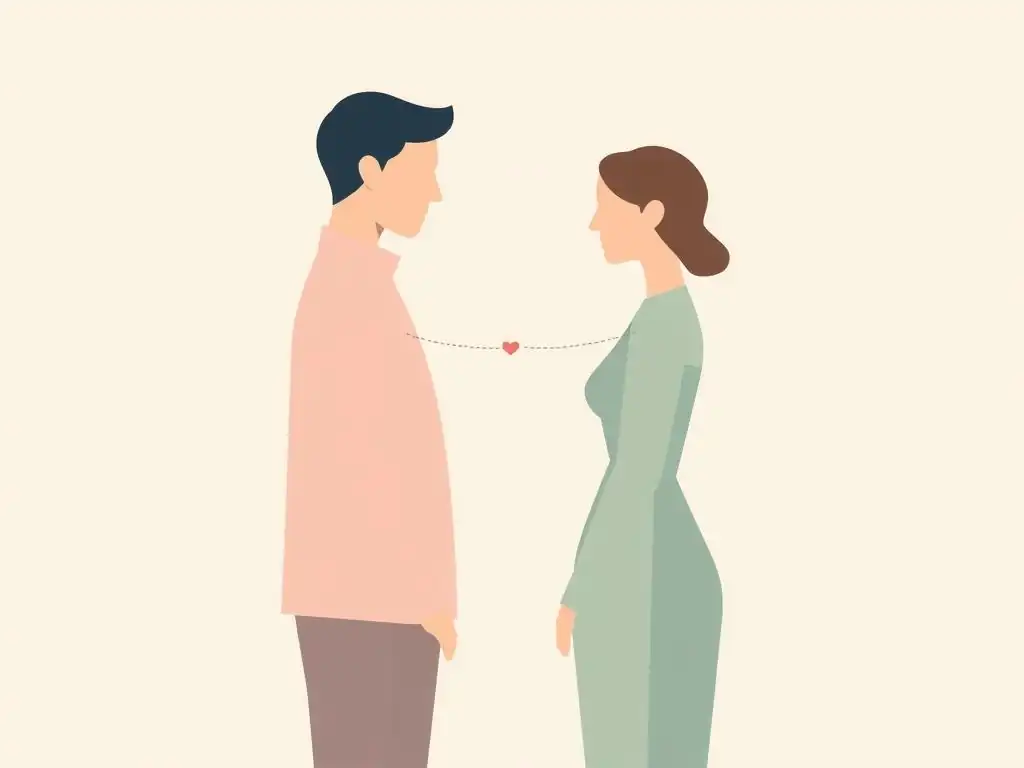
Individuals with avoidant attachment styles often struggle in online dating, fearing intimacy and commitment. However, finding compatible partners is achievable with self-awareness and strategic approaches. Successfully navigating online dating with avoidant attachment hinges on identifying and attracting securely attached individuals.
These individuals offer the emotional stability and healthy boundaries often lacking in relationships with other avoidantly attached people. This section focuses on practical strategies to increase your chances of finding a secure partner. Remember, attracting a securely attached partner is not about changing yourself, but about presenting your authentic self in a way that resonates with someone who values healthy relationships.
Identifying Secure Attachment Styles in Online Profiles
Identifying securely attached individuals online requires careful observation beyond just attractive photos. Look for subtle cues in their profile descriptions and communication styles. Securely attached individuals often present themselves authentically, showcasing their interests and values openly and honestly. Their profiles tend to be well-written, reflecting self-awareness and a balanced perspective on relationships. Avoid profiles that exude desperation, boastfulness, or negativity. Instead, look for:
- Positive self-perception: Their profile highlights their strengths and interests without excessive self-deprecation or boasting. They project confidence and self-esteem.
- Realistic expectations: They express their dating goals in a realistic and healthy manner, not demanding perfection or instant intimacy.
- Open communication: Their profile invites genuine connection and communication. They may mention their desire for meaningful relationships, honesty, and mutual respect.
- Balanced lifestyle: Their profile showcases a well-rounded life, indicating a healthy balance between personal interests, work, and social connections. Avoid profiles that suggest a life consumed by work or social media.
- Specific interests: Their profiles detail hobbies and passions, suggesting a fulfilling life beyond the search for a partner. Generic profiles often indicate a lack of self-reflection.
Remember, these are indicators, not guarantees. Even with careful observation, misinterpretations can occur. Continued communication and interaction are crucial to assess compatibility accurately.
Communicating Your Needs and Boundaries Effectively
Effective communication is paramount for success in online dating, especially for those with avoidant attachment. Openly expressing your needs and boundaries, without fear of rejection or overwhelming your potential partner, is key. Start by being honest about your attachment style and its potential impact on relationships. This proactive approach can prevent misunderstandings and attract partners who appreciate authenticity and transparency.
Avoid vague or ambiguous language. Instead, use clear and concise statements to express your needs. For example, instead of saying "I'm not good at commitment," try "I need time and space to process my emotions, and I value open communication to build trust."
Here's a table summarizing effective communication strategies:
| Ineffective Communication | Effective Communication |
|---|---|
| "I don't do relationships." | "I value my independence, but I'm open to a committed relationship with the right person." |
| "I'm busy." | "I have a busy schedule, but I'm happy to make time for someone special." |
| "I need space." | "I value my alone time to recharge, and I'll communicate my availability." |
| Responding infrequently or vaguely | Responding promptly and thoughtfully, being upfront about your availability. |
Remember that setting boundaries is not about pushing people away; it's about protecting your emotional well-being and fostering healthy relationships.
Cultivating Healthy Relationships Despite Avoidant Tendencies
Cultivating healthy relationships with avoidant attachment requires consistent effort and self-reflection. Recognize that your avoidant tendencies might manifest as emotional unavailability, fear of intimacy, or difficulty expressing needs. However, with self-awareness and the right tools, you can build fulfilling connections.
Focus on:
- Self-compassion: Acknowledge and accept your avoidant tendencies without self-criticism. Understanding your patterns is the first step towards change.
- Mindfulness: Practice mindfulness techniques to become more aware of your emotions and reactions in dating interactions. This helps regulate impulsive behaviors.
- Emotional regulation: Develop coping mechanisms for managing anxiety and discomfort associated with intimacy. This might involve therapy, journaling, or other stress-reducing activities.
- Gradual exposure: Slowly increase your comfort level with intimacy by engaging in small, manageable steps, such as shorter dates or less frequent communication initially. Gradually increase the frequency and intimacy as comfort allows.
- Seeking professional help: Consider professional guidance from a therapist specializing in attachment styles. Therapy can provide valuable tools and strategies for overcoming avoidant tendencies.
Building healthy relationships takes time and effort, regardless of attachment style. With self-awareness, effective communication, and a willingness to work on yourself, individuals with avoidant attachment can find fulfilling and lasting love online. Remember, progress is not linear, and setbacks are normal. Celebrate small victories and maintain a positive outlook.
Overcoming Fear of Intimacy in Online Relationships

Individuals with avoidant attachment styles often struggle with intimacy, fearing closeness and vulnerability. Online dating, while offering convenience, can exacerbate these anxieties. The perceived lack of physical proximity might seem like a safe haven, but the emotional intimacy required for successful relationships still presents a challenge. This section focuses on practical strategies to navigate these complexities and foster healthy connections, even with an avoidant attachment style.
Understanding that progress takes time and self-compassion is crucial for success. Remember, overcoming avoidant attachment is a journey, not a destination, and setbacks are a normal part of the process. The key is to learn from these experiences and continue moving forward. The goal isn't to eliminate all feelings of discomfort, but to learn to manage them effectively and build fulfilling relationships.
Gradual Exposure to Intimacy in Online Interactions
Avoidant attachment often manifests as a resistance to emotional vulnerability. Instead of diving headfirst into deep conversations, consider a gradual approach to building intimacy online. Start with shorter, less emotionally charged interactions. For example, begin by exchanging messages focused on shared interests or lighthearted topics. As comfort levels increase, gradually incorporate more personal details into your conversations.
This could involve sharing experiences, opinions, or even mild vulnerabilities – perhaps a funny anecdote about a past mishap, rather than a deeply personal confession. Think of it like slowly increasing the weight you lift at the gym; you wouldn't attempt a maximal lift on your first day. This measured approach helps build confidence and reduces overwhelming feelings of anxiety. Pay attention to your own comfort levels; if you feel overwhelmed, take a break and return when you feel more prepared.
Remember, consistency and patience are key. You can also experiment with different communication styles. For example, voice notes can offer a more personal touch than text, while video calls allow for nonverbal cues that can enhance connection, although these should be introduced gradually. The key is to find a pace that feels comfortable and manageable.
Building Trust and Connection Slowly
Trust is fundamental to any healthy relationship, but it can be particularly challenging for individuals with avoidant attachment. Building trust online requires conscious effort and patience. Avoid rushing into deep emotional commitments. Instead, focus on small acts of reliability and consistency. Responding promptly to messages, keeping your commitments (even if it's just agreeing to a specific time to chat), and being honest and upfront about your feelings and boundaries all contribute to building trust.
Observe the other person's behavior as well. Are they respectful of your boundaries? Do they demonstrate consistency in their communication and actions? These are vital indicators of potential compatibility and trustworthiness. Don't be afraid to ask clarifying questions or to gently challenge inconsistent behavior.
Healthy relationships are built on mutual respect, understanding, and open communication. Remember, building trust is a reciprocal process; it’s not solely your responsibility. Looking for signs of reciprocal trust and effort from your online dating partner will help you feel safer and more secure in the relationship. This could be as simple as them remembering details you've shared or consistently checking in with you.
Seeking Professional Support for Avoidant Attachment
While self-help strategies can be beneficial, professional support can significantly enhance the journey of overcoming avoidant attachment and navigating online dating. A therapist specializing in attachment styles can provide personalized guidance and support. Therapy offers a safe space to explore the root causes of your avoidant tendencies, develop coping mechanisms for anxiety and insecurity, and learn healthier communication patterns.
Cognitive Behavioral Therapy (CBT) and other evidence-based therapies are often effective in addressing avoidant attachment. A therapist can help you identify and challenge negative thought patterns that reinforce avoidance behaviors and develop strategies for building stronger, more fulfilling relationships. Moreover, therapy provides a neutral and unbiased perspective, allowing you to process your experiences and develop a more realistic understanding of yourself and your relationships.
Don't hesitate to seek professional help; it's a sign of strength, not weakness. It's an investment in your personal growth and well-being, ultimately leading to more fulfilling and meaningful relationships, both online and offline. Remember, you are not alone in this journey, and seeking support is a powerful step towards creating the connections you desire.
Long-Term Success: Maintaining Healthy Relationships After Meeting Online
Successfully navigating the initial stages of online dating with avoidant attachment is just the first step. The real challenge lies in transitioning to a healthy, long-term relationship. This requires consistent effort and self-awareness, particularly in addressing the core anxieties associated with avoidant attachment. Remember, building trust and intimacy takes time, and setbacks are normal. The key is to learn from these experiences and continue to cultivate a secure and fulfilling partnership.
Transitioning from Online to Offline Interactions
The shift from online communication to in-person interactions can be daunting for individuals with avoidant attachment. The perceived vulnerability of face-to-face encounters can trigger anxieties about closeness and commitment. To ease this transition, consider gradual steps. Suggest initial meetups in public spaces, allowing for easy exits if needed. Keep the first few dates relatively short and focused on getting to know each other casually.
Avoid overwhelming your partner with excessive displays of affection or making grand pronouncements of love early on. Instead, focus on building a genuine connection through shared activities and open, honest communication. Remember, the goal is to build trust incrementally, which is crucial for individuals with avoidant attachment styles. This careful approach will minimize feelings of being trapped or overwhelmed, fostering a more positive experience.
Addressing Avoidant Tendencies in Established Relationships
Even after establishing a relationship, avoidant tendencies can resurface. These might manifest as emotional withdrawal, difficulty expressing feelings, or a reluctance to discuss relationship issues. Open communication remains paramount. Regularly check in with your partner, expressing your needs and concerns while actively listening to theirs. Learning to identify and manage your own triggers is vital.
Consider journaling, therapy, or mindfulness practices to help regulate emotions and prevent avoidant behaviors from derailing the relationship. Remember, actively working to address these tendencies demonstrates commitment and strengthens the bond. It’s not about eliminating the avoidant tendencies entirely, but about managing them constructively within the relationship. For example, if you feel overwhelmed by a conversation, communicate that need for a break respectfully, rather than withdrawing completely.
Prioritizing Self-Care and Emotional Well-being
Maintaining a healthy relationship requires prioritizing your own well-being. Individuals with avoidant attachment often neglect their emotional needs, focusing instead on external validation or independence. However, this approach is unsustainable in the long run. Prioritize self-care activities such as exercise, meditation, hobbies, or spending time with supportive friends and family.
This not only benefits your mental and physical health but also enhances your ability to be present and engaged in your relationship. Remember, a strong sense of self is crucial for building secure attachments. By nurturing your own emotional well-being, you create a stronger foundation for a healthy and fulfilling partnership, reducing the likelihood of avoidant behaviors negatively impacting your relationship.
This self-care isn't selfish; it's essential for a lasting, loving connection. Engage in activities that bring you joy and allow you to recharge, ensuring you're bringing your best self to the relationship. This proactive approach to self-care is key to long-term success in navigating online dating and building healthy relationships for those with avoidant attachment styles.
Frequently Asked Questions
How can I identify an avoidant attachment style in online dating?
Avoidant individuals often appear independent and uninterested in deep connection. They may be reluctant to commit, respond inconsistently, or disappear for extended periods. Look for signs of emotional unavailability.
Is it possible to have a successful relationship with someone who has an avoidant attachment style?
Yes, but it requires understanding, patience, and healthy boundaries. Success depends on both partners' willingness to work through their attachment issues and establish secure communication.
What are some red flags to watch out for when dating someone with avoidant attachment?
Red flags include inconsistent communication, fear of intimacy, push-pull behavior, and withdrawal when things get too serious. They might also idealize then devalue potential partners.
How can I communicate effectively with someone who has an avoidant attachment style?
Respect their need for space but also communicate your own needs clearly and directly. Avoid pressuring them or becoming overly dependent. Focus on building trust gradually.
Can therapy help someone with avoidant attachment find success in online dating?
Yes, therapy can significantly improve self-awareness and relationship skills. It helps individuals understand their attachment style and develop healthier coping mechanisms and communication patterns, leading to more fulfilling relationships.
The challenges of finding lasting love with an avoidant attachment style are amplified in the fast-paced, often superficial world of online dating, yet hope remains. The digital landscape, while offering unprecedented access to potential partners, can also exacerbate the anxieties and insecurities inherent in avoidant attachment, creating a paradoxical situation where connection is both readily available and frustratingly elusive. This necessitates a deeper understanding of self and a conscious effort to navigate the complexities of online interactions.
The journey of self-discovery, particularly for those with avoidant attachment, is a long and often arduous one, but it is undeniably worthwhile. Understanding the roots of your attachment style and how it manifests in your relationships is crucial to building healthier connections. The most important thing is to be able to love yourself, and then you can love others.
This quote, while seemingly simple, holds immense power in the context of online dating for those with avoidant attachment. Learning to love and accept yourself, flaws and all, is the cornerstone to building authentic and fulfilling relationships, both online and offline.
Now, I invite you to reflect on your own experiences with online dating and consider how your attachment style might be influencing your interactions. Are you ready to embark on a journey of self-awareness and healing? The path to healthy relationships isn't always easy, but with self-compassion, understanding, and a willingness to challenge your patterns, you can cultivate the love and connection you deserve. Take the time to explore your needs, set healthy boundaries, and approach online dating with intention and self-respect. The possibility of finding lasting love is within your reach.
Unlock Your Dating Potential: Find Secure Connection
Thank you for exploring the complexities of dating with an avoidant attachment style! We hope you gained valuable insights into understanding yourself and navigating relationships. Now let's put that knowledge into practice.
- Embrace self-compassion: Understanding your attachment patterns is the first step. Learn and practice self-soothing techniques to manage anxiety and build self-esteem. This is crucial for creating healthier relationships.
- Share your journey: Talking to a trusted friend, family member, or therapist can provide invaluable support and encourage self-discovery. Sharing your experiences can be incredibly beneficial.
- Practice mindful dating: Focus on the present moment during your interactions, rather than getting caught up in anxieties about the future or dwelling on past hurts. Pay close attention to your physical and emotional responses.
Ready to cultivate a more secure and fulfilling dating life? What small step will you take today to prioritize your emotional well-being and build healthier connections?