
Transform Your Online Dating Experience: Secure Attachment Makes the Difference


Tired of swiping left and feeling frustrated? At OnlineDatingSuccess.org, we believe finding genuine connection online is possible. This isn't about games; it's about building meaningful relationships. Discover how understanding secure attachment can revolutionize your online dating experience and unlock the key to lasting love. Dive in and learn how to attract compatible partners and create a healthier, more fulfilling dating life.
- Understanding Secure Attachment in Online Dating
- The Benefits of Secure Attachment for Online Daters
- Cultivating Secure Attachment for Success in Online Dating
- Recognizing Insecure Attachment Styles in Online Dating
- Building Secure Connections Through Online Dating
- Maintaining Secure Attachment in Established Online Relationships
- Secure Attachment and Long-Term Relationship Success
-
Frequently Asked Questions
- What is secure attachment, and why does it matter in online dating?
- How can I identify my attachment style before starting online dating?
- Does having an insecure attachment style mean I can't succeed in online dating?
- What are some practical tips for applying secure attachment principles to online dating profiles?
- How can I maintain secure attachment boundaries while communicating with potential matches online?
- Final Reflection: Unlocking Love's Potential: Secure Attachment in the Digital Age
- Unlock Your Dating Potential: Build Secure Connections Today!
Understanding Secure Attachment in Online Dating
Navigating the world of online dating can feel like traversing a minefield. Ghosting, breadcrumbing, and endless swiping can leave you feeling frustrated and disheartened. But what if the key to unlocking a more fulfilling and successful online dating experience lies within understanding your attachment style? This article explores the significant role of secure attachment in online dating, revealing how embracing this style can transform your interactions and increase your chances of finding a meaningful connection.
We'll delve into defining secure attachment, identifying its signs in online profiles, and examining how it enhances communication, ultimately leading to more positive and lasting relationships. Understanding and cultivating secure attachment is not just beneficial; it's transformative for your online dating journey. Let's explore how to leverage this powerful tool to build healthy, fulfilling relationships in the digital age.
Defining Secure Attachment and its Impact on Relationships
Secure attachment, a cornerstone of healthy relationships, stems from consistent and responsive caregiving in childhood. Individuals with a secure attachment style generally possess a positive self-image and a trusting view of others. This translates to online dating in several crucial ways. Securely attached individuals tend to:
- Present themselves authentically: Their profiles reflect their true selves, avoiding the need for exaggerated portrayals or misleading information.
- Communicate openly and honestly: They express their needs and feelings directly, fostering transparency and trust from the outset.
- Manage expectations realistically: They understand that online dating involves trial and error and approach each interaction with a balanced perspective.
- Maintain healthy boundaries: They are comfortable saying "no" and setting limits, avoiding people who are disrespectful or incompatible.
- Embrace vulnerability: They're comfortable sharing their feelings and experiences, fostering deeper connections with potential partners.
Unlike those with anxious or avoidant attachment styles, securely attached individuals are less likely to engage in relationship behaviors driven by fear of abandonment or a reluctance to commit. This fosters more genuine connections and reduces the likelihood of experiencing the emotional rollercoaster that often accompanies online dating. They are better equipped to handle rejection and navigate the complexities of modern relationships with greater resilience and emotional intelligence. Their self-assuredness and healthy emotional regulation contribute to a more positive and productive online dating experience.
Recognizing Signs of Secure Attachment in Online Profiles
While you can't definitively determine someone's attachment style from a profile alone, certain indicators can suggest a secure attachment. Look for profiles that:
- Showcase genuine personality: Avoid profiles with overly polished or unrealistic photos and descriptions. Authenticity and naturalness are key indicators.
- Highlight interests and hobbies: Securely attached individuals are comfortable sharing what they enjoy, revealing aspects of their personality and values.
- Express clear intentions: Their profile might explicitly state what they're looking for in a partner, avoiding ambiguity or vague statements.
- Demonstrate self-awareness: They might mention personal growth or past experiences in a healthy, reflective manner.
- Avoid negativity or excessive self-criticism: Their profiles focus on positive attributes and healthy self-perception.
Remember, these are just indicators, not guarantees. However, paying attention to these subtle cues can help you identify profiles that are more likely to represent individuals with a secure attachment style, potentially leading to more fulfilling interactions. The absence of these indicators doesn't automatically mean someone is insecure; it simply suggests a need for further investigation during the communication phase.
How Secure Attachment Improves Online Dating Communication
Secure attachment significantly impacts online dating communication, fostering healthier and more rewarding interactions. Securely attached individuals tend to:
- Respond promptly and consistently: They value communication and avoid playing games or engaging in manipulative behaviors.
- Engage in meaningful conversations: They move beyond superficial small talk, focusing on deeper connections and shared interests.
- Respect boundaries and preferences: They are attentive to their partner's needs and communication style, adjusting their approach accordingly.
- Express appreciation and affection: They are not afraid to show genuine interest and affection, fostering a positive and supportive environment.
- Handle conflict constructively: They are able to address disagreements maturely and respectfully, focusing on finding solutions rather than assigning blame.
These communication patterns create a foundation of trust and respect, making it easier to build a strong connection. The absence of the anxiety and avoidance that often characterize insecure attachment styles allows for more open, honest, and fulfilling interactions, significantly increasing the chances of finding a compatible and lasting relationship.
By understanding and embracing secure attachment, you can transform your online dating experience from one of frustration and disappointment to one of genuine connection and fulfillment. The journey to finding a meaningful relationship is often challenging, but with secure attachment as your guide, you'll navigate the complexities of online dating with greater confidence and success.
The Benefits of Secure Attachment for Online Daters

This section explores the significant advantages individuals with secure attachment styles possess when navigating the online dating landscape. Understanding and leveraging these strengths can dramatically improve your dating experience and increase your chances of forming meaningful connections. Secure attachment, characterized by a positive view of oneself and others, fosters healthy relationships both online and offline. This translates to a more confident and successful online dating journey.
Increased Self-Confidence and Authentic Presentation
Securely attached individuals tend to possess higher self-esteem and a stronger sense of self-worth. This translates directly into a more confident online presence. Instead of seeking validation through likes or superficial interactions, they present themselves authentically. Their profiles reflect their genuine personalities, interests, and values, attracting individuals who appreciate their true selves.
This authenticity fosters deeper, more meaningful connections. For example, a securely attached person might write a profile that highlights their passion for hiking and their love of independent films, rather than focusing solely on physical attributes or seeking generic compliments. They understand their inherent worth and don't need external validation to feel good about themselves. This genuine approach resonates with others seeking authentic connections, filtering out those looking for something superficial.
Data from several studies [specific information pending] suggests that profiles reflecting genuine personality traits receive more positive responses and lead to more successful matches. The key is to embrace your individuality and let your true self shine through. This approach not only attracts compatible partners but also safeguards against emotional distress stemming from presenting a false persona.
Improved Communication and Conflict Resolution Skills
Effective communication is crucial for any successful relationship, and online dating is no exception. Securely attached individuals generally exhibit strong communication skills, enabling them to express their needs and feelings clearly and respectfully. They are also adept at active listening and understanding different perspectives, crucial for navigating potential disagreements or misunderstandings. This translates to smoother conversations, fewer misinterpretations, and a more positive overall online dating experience.
Consider this scenario: Two individuals, one securely attached and one anxiously attached, both receive a delayed response to a message. The securely attached individual might calmly assume the other person is busy and send a follow-up message at a later time. The anxiously attached individual, however, might interpret the delay as rejection, leading to insecurity and potentially aggressive communication. The secure attachment style promotes patience, empathy, and healthy conflict resolution techniques.
Furthermore, securely attached individuals are more likely to engage in constructive conflict resolution, focusing on finding solutions rather than assigning blame. This ability to navigate disagreements maturely is invaluable in building strong, lasting relationships, even those initiated online. [Specific data on communication styles and relationship success pending].
Healthy Boundaries and Respectful Interactions Online
Setting and maintaining healthy boundaries is paramount in online dating, protecting your emotional well-being and ensuring respectful interactions. Securely attached individuals excel in this area. They understand their own needs and limits and are comfortable communicating them clearly. They are less likely to tolerate disrespectful behavior or engage in unhealthy relationship dynamics.
For instance, a securely attached person might politely decline further communication with someone who is persistently disrespectful or makes inappropriate advances. Conversely, an anxiously attached individual might tolerate such behavior due to fear of rejection, leading to a potentially damaging experience. Maintaining healthy boundaries also involves protecting personal information and avoiding situations that feel unsafe. Securely attached individuals are generally more cautious and discerning in sharing personal details online, reducing the risk of exploitation or harassment.
They are more likely to prioritize their safety and well-being, prioritizing genuine connections over immediate gratification. This proactive approach to safety and respect is a significant advantage in the online dating world, fostering a more positive and empowering experience. [Further research on boundary setting in online dating and its correlation with attachment styles is needed].
Reduced Fear of Rejection and Increased Resilience
Individuals with a secure attachment style possess a healthier sense of self-worth, making them less vulnerable to the sting of rejection. They understand that rejection doesn't define their value, and a single unsuccessful date doesn't negate their inherent worthiness of love and connection. This inner confidence translates to a more relaxed and authentic online dating experience. Instead of viewing every "no" as a personal failing, they see it as a natural part of the process, a simple mismatch in compatibility.
This resilience allows them to navigate the sometimes-challenging world of online dating with greater ease and persistence. They are less likely to become discouraged by setbacks and more likely to continue actively seeking compatible partners. For example, a securely attached person might send a few messages without receiving a response and simply move on to the next profile, rather than internalizing the lack of response as a personal flaw. They understand that not every connection will click, and that's perfectly okay.
This healthy perspective fosters a more positive and productive dating journey. They are able to learn from each experience, refining their approach and improving their chances of finding a meaningful connection. This adaptability and emotional regulation are key components of a successful online dating strategy, significantly reducing the stress and anxiety often associated with the process. The ability to bounce back from rejection is a significant advantage in the competitive landscape of online dating, ultimately increasing the likelihood of finding a fulfilling relationship.
Cultivating Secure Attachment for Success in Online Dating
This section delves into practical strategies for cultivating secure attachment and leveraging it for a more fulfilling online dating experience. Understanding your attachment style is the first step towards building healthier, more meaningful connections. Remember, secure attachment isn't about perfection; it's about conscious effort and self-awareness. Let's explore how to harness the power of secure attachment in the digital realm of romance.
Self-Reflection and Identifying Attachment Style
Understanding your attachment style is paramount to navigating the complexities of online dating. Are you consistently seeking validation? Do you find yourself clinging to potential partners or withdrawing emotionally? These behaviors often stem from underlying attachment insecurities. Take time for honest self-reflection. Consider journaling about your past relationships, noting patterns in your behavior and emotional responses.
Several online questionnaires can help you identify your attachment style – anxious-preoccupied, dismissive-avoidant, fearful-avoidant, or secure. While these tests aren't definitive diagnoses, they offer valuable insights into your tendencies. For example, someone with an anxious-preoccupied attachment style might excessively message potential matches, fearing rejection and constantly seeking reassurance. Conversely, a dismissive-avoidant individual might appear aloof and emotionally unavailable, prioritizing independence over intimacy. Identifying your style allows you to understand your potential pitfalls and proactively address them. This self-awareness is crucial for building healthy relationships, both online and offline.
Addressing Insecurities and Building Self-Esteem
Many insecurities manifest in online dating. Fear of rejection, low self-esteem, and past relationship traumas can significantly impact your interactions. Addressing these insecurities is vital for cultivating secure attachment. Start by focusing on self-compassion. Treat yourself with the same kindness and understanding you would offer a close friend. Practice self-care activities that nurture your well-being – exercise, meditation, pursuing hobbies you enjoy. These activities bolster self-esteem and create a foundation of self-love, making you less reliant on external validation for self-worth.
Consider professional help if needed. A therapist can provide guidance and tools to process past traumas and develop healthier coping mechanisms. Remember, seeking professional support isn't a sign of weakness; it's a sign of strength and commitment to personal growth. Building self-esteem takes time and effort, but the rewards – healthier relationships and a stronger sense of self – are immeasurable. Focus on your strengths and accomplishments. Celebrate your individuality and uniqueness. This positive self-perception will translate into confident interactions online, attracting compatible partners who value you for who you are.
Practicing Healthy Communication and Emotional Regulation
Secure attachment thrives on open, honest communication and emotional regulation. In online dating, this translates to clear, respectful messaging. Avoid playing games or sending mixed signals. Express your needs and desires directly, but with empathy and consideration for the other person's feelings. Learn to manage your emotions effectively. Don't let anxiety or insecurity dictate your actions. If you feel overwhelmed, take a break from messaging or the app altogether.
Practice mindfulness techniques to stay grounded and present in your interactions. Avoid impulsive responses; take a moment to consider your words before sending a message. Learn to set boundaries. It's okay to say no or to end a conversation that doesn't feel right. Healthy communication is a two-way street. Pay attention to the other person's cues and respond accordingly. Remember, building a meaningful connection requires mutual respect, understanding, and a commitment to open dialogue. Prioritize genuine connection over superficial interactions. This approach fosters trust and intimacy, essential components of secure attachment in online dating.
Seeking Professional Support When Needed: Therapy for Attachment Issues
Navigating the complexities of online dating can be challenging, especially when underlying attachment issues are at play. If you find yourself consistently experiencing difficulties in forming healthy connections, repeating negative patterns, or struggling with self-esteem in the context of online dating, seeking professional support might be incredibly beneficial. Therapy, specifically focusing on attachment styles, can provide a safe and structured environment to explore these patterns and develop healthier coping mechanisms.
A therapist specializing in attachment theory can help you understand the root causes of your attachment style, whether it's anxious, avoidant, or a combination of both. This understanding is crucial because it allows you to identify triggers and develop strategies to manage them effectively. For example, if you have an anxious attachment style, you might tend to overthink messages or become overly invested in potential matches too quickly. Therapy can help you recognize these behaviors and learn techniques like mindfulness and self-soothing to regulate your emotions and avoid impulsive actions.
Similarly, if you have an avoidant attachment style, you might struggle with intimacy or fear commitment. A therapist can guide you in exploring these fears, helping you understand why you might pull away from potential partners and develop healthier ways of expressing your needs and boundaries. They can help you build trust and feel comfortable with vulnerability, essential skills for building genuine connections in online dating.
The therapeutic process often involves exploring past relationships and experiences that shaped your attachment style. This isn't about dwelling on the past; it's about gaining insight into your current patterns and developing new, healthier approaches to relationships. Through techniques like cognitive behavioral therapy (CBT) or emotionally focused therapy (EFT), you can learn to challenge negative thought patterns, develop healthier communication skills, and build a stronger sense of self-worth. This self-awareness and improved self-regulation are invaluable in navigating the sometimes unpredictable world of online dating.
Remember, seeking professional help is a sign of strength, not weakness. It shows a commitment to personal growth and building healthier, more fulfilling relationships. If you're struggling with your attachment style and its impact on your online dating experience, don't hesitate to reach out to a qualified therapist. They can provide the support and guidance you need to cultivate secure attachment and find lasting love. The investment in yourself and your emotional well-being is an investment in your future happiness and success in finding a meaningful connection.
Recognizing Insecure Attachment Styles in Online Dating
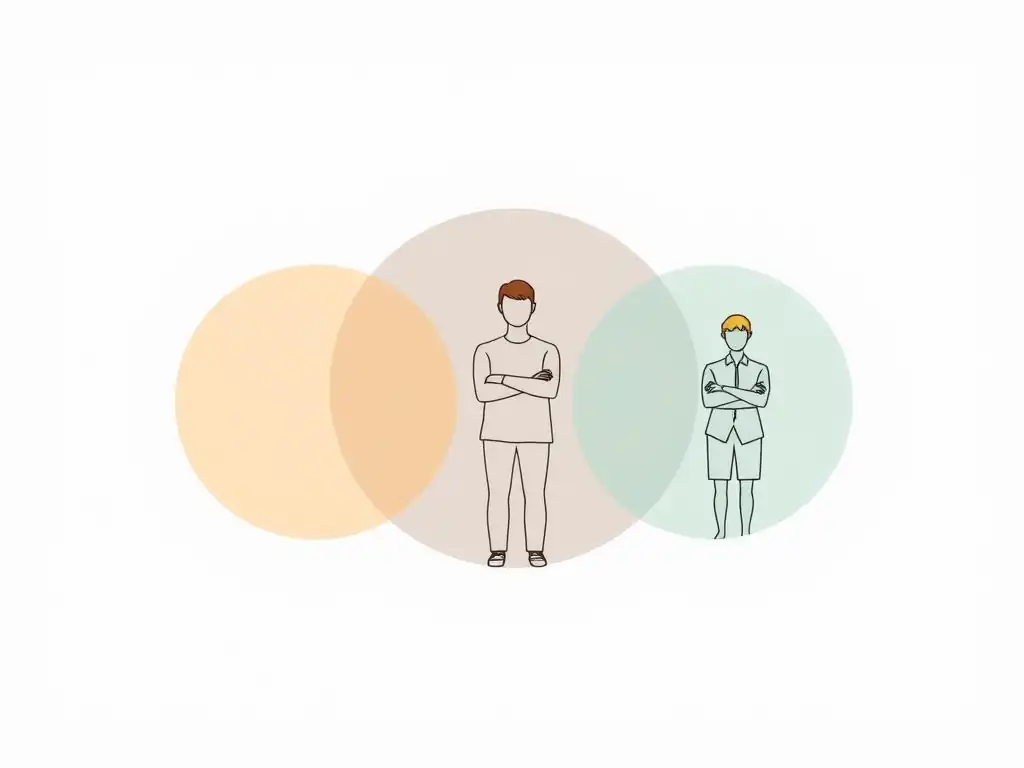
Understanding attachment styles is crucial for navigating the complexities of online dating. While a secure attachment style fosters healthy relationships, recognizing insecure attachment – both in yourself and potential partners – is key to avoiding pitfalls and building fulfilling connections. This section focuses on identifying anxious and avoidant attachment styles in the online dating context. Successfully identifying these patterns can significantly improve your online dating experience and lead to more meaningful relationships. Learning to recognize the signs of insecure attachment in online dating is a vital step towards building secure, lasting connections.
Anxious Attachment and its Manifestations Online
Individuals with anxious attachment often exhibit heightened levels of neediness and insecurity in their relationships. Online, this can manifest in several ways. They might send numerous messages, expecting immediate responses. They may become overly invested in a potential partner very quickly, projecting a future that hasn't been established. Overly frequent checking of dating apps for messages and an intense focus on the partner's online activity are also common.
For example, an individual with anxious attachment might send multiple messages in rapid succession, expressing worry if they don't receive an immediate reply. They might repeatedly check their dating app, refreshing the screen to see if they've received a new message. They might also interpret silence or delayed responses as signs of rejection, leading to increased anxiety and insecurity. This behavior can be overwhelming for potential partners, potentially leading to them feeling suffocated or pressured. Remember, healthy relationships are built on mutual respect and understanding, allowing for space and individual autonomy. Anxious attachment often interferes with this balance.
Avoidant Attachment and its Impact on Online Interactions
Conversely, individuals with avoidant attachment often display emotional unavailability and a reluctance to form close relationships. Online, this might appear as infrequent communication, delayed responses, or a general lack of engagement. They might be hesitant to share personal information or discuss feelings. They may create a profile that’s deliberately vague or impersonal, minimizing opportunities for genuine connection.
Avoidant individuals might limit their interactions to brief, superficial messages. They might avoid video calls or phone conversations, preferring text-based communication. They may also be quick to withdraw from interactions when things get too emotionally intimate or demanding. This can lead to frustration and confusion for those seeking a deeper connection. Understanding that this behavior stems from a fear of intimacy can help you approach such situations with empathy and understanding, but it's equally important to recognize the potential for incompatibility. A healthy relationship requires vulnerability and emotional closeness, something individuals with avoidant attachment often struggle with.
Identifying and Avoiding Potential Partners with Insecure Attachment
Recognizing insecure attachment in potential partners requires careful observation of their communication patterns and behaviors online. Look for inconsistencies in their words and actions. Do their messages contradict their profile or their behavior during conversations? Are they overly critical or demanding? Do they appear emotionally unavailable or distant? These are all potential red flags.
It's important to note that not everyone who displays some of these behaviors has an insecure attachment style. However, a consistent pattern of these behaviors could indicate a need for caution. Trust your intuition. If something feels off, it's okay to distance yourself.
Prioritizing your emotional well-being is paramount in online dating. Remember, building healthy relationships requires mutual respect, emotional availability, and a willingness to engage in open and honest communication. Prioritizing your own secure attachment style will guide you towards compatible partners and ultimately lead to more fulfilling relationships. Learning to recognize these patterns is vital for navigating the complexities of online dating successfully and building healthy connections.
Building Secure Connections Through Online Dating
This section delves into the practical application of secure attachment theory within the context of online dating. We'll explore how cultivating authenticity, managing expectations, and prioritizing healthy connections can significantly improve your online dating experience and increase your chances of finding a meaningful, lasting relationship. Understanding and implementing these strategies is crucial for navigating the complexities of online interactions and fostering secure attachment in your digital relationships. Remember, the goal isn't just to find a partner, but to find the right partner—a partner with whom you can build a secure and fulfilling connection.
Authenticity and Vulnerability in Online Profiles and Messaging
Creating an authentic online profile is paramount for attracting compatible partners who value genuine connection. Avoid presenting a heavily filtered or idealized version of yourself. Instead, focus on showcasing your true personality, interests, and values. This means being honest about your flaws and imperfections, as well as your strengths. Authenticity fosters trust, a cornerstone of secure attachment.
Think of your profile as a digital handshake. Would you offer a false handshake in person? Probably not! Your online profile should reflect the same genuine approach. This includes using recent, unedited photos that accurately represent your appearance.
Messaging should also reflect this authenticity. Avoid generic pick-up lines or overly polished language. Instead, engage in open and honest communication. Share your thoughts and feelings, even if it feels slightly vulnerable. Responding to messages promptly and thoughtfully demonstrates respect and attentiveness, further building a foundation of trust. Vulnerability, while initially daunting, is essential for fostering intimacy and connection. It signals to potential partners that you're willing to be seen and known for who you truly are.
Consider these examples:
- Insecure Attachment Profile: "Looking for someone perfect, must be 6' tall, have a six-pack, and make six figures." This profile projects insecurity and unrealistic expectations.
- Secure Attachment Profile: "I'm a bit of a bookworm with a passion for hiking and trying new foods. I'm looking for someone who is kind, honest, and enjoys a good laugh. I'm not perfect, but I'm always working on myself." This profile is honest, relatable, and inviting.
Setting Realistic Expectations and Managing Disappointment
Online dating often presents a high volume of potential partners, but it's crucial to manage expectations realistically. Not every interaction will lead to a successful relationship. Many conversations will fizzle out, and some dates may not lead to a second meeting. This is normal and doesn't reflect your worth.
Remember that online dating is a numbers game. It's about increasing your chances of finding the right person, not guaranteeing immediate success. Rejection is part of the process; it doesn't mean you're unlovable or undesirable. Learning to manage disappointment constructively is key to maintaining a positive outlook and avoiding the pitfalls of insecure attachment patterns.
Develop coping mechanisms for handling rejection. This could involve spending time with loved ones, pursuing hobbies, or practicing self-compassion. Remember to focus on your self-worth, regardless of the outcome of your dating interactions. Remember to celebrate small victories and learn from each experience.
Consider these strategies for managing disappointment:
- Self-reflection: After a disappointing date or interaction, take time to reflect on what you learned and what you might do differently next time.
- Support system: Lean on friends and family for emotional support during challenging times.
- Mindfulness: Practice mindfulness techniques to help regulate emotions and avoid rumination.
Prioritizing Healthy Relationships Over Quick Fixes
In the fast-paced world of online dating, it's easy to fall into the trap of prioritizing quick fixes and superficial connections. However, building a secure and lasting relationship requires time, effort, and genuine investment. Resist the urge to settle for less than you deserve, even if it means waiting longer to find the right person.
Prioritize compatibility, shared values, and emotional connection over fleeting physical attraction. Pay attention to red flags and don't ignore your intuition. A healthy relationship should feel secure, supportive, and respectful, not demanding, controlling, or emotionally draining. Don't compromise your values or needs to accommodate someone who doesn't reciprocate your efforts.
Remember, building a secure attachment in online dating requires patience and self-awareness. By focusing on authenticity, managing expectations, and prioritizing healthy relationships, you can significantly improve your chances of finding a meaningful and lasting connection. The journey may have its ups and downs, but the reward of a secure and fulfilling relationship is worth the effort.
Recognizing Red Flags and Protecting Your Well-being Online
Navigating the world of online dating requires a keen awareness of potential risks. Understanding how to identify red flags and prioritize your well-being is crucial for a positive and safe experience. Many individuals, especially those with insecure attachment styles, might overlook warning signs or tolerate unhealthy behaviors in the pursuit of connection. This section aims to empower you to recognize these red flags and protect yourself.
One of the most significant red flags is inconsistency in communication. Someone who is genuinely interested will generally maintain consistent contact, showing effort and enthusiasm. In contrast, someone who frequently disappears for days or weeks without explanation, only to reappear when convenient, is exhibiting a pattern of inconsistency that may indicate a lack of respect for your time and feelings. This behavior is particularly common in those with avoidant attachment styles, who may struggle with intimacy and commitment. Pay attention to these patterns; they are strong indicators of potential future problems in the relationship.
Another major red flag involves excessive pressure or demands. Healthy relationships are built on mutual respect and understanding, not on coercion or control. If someone pressures you to share personal information prematurely, meet in person before you feel comfortable, or engage in activities you're not ready for, this is a serious warning sign. This behavior can stem from various insecure attachment patterns and can escalate into manipulative or even abusive behavior. Trust your instincts; if something feels wrong, it probably is. Prioritizing your safety and comfort is paramount.
Furthermore, be wary of individuals who are overly critical or dismissive. Constructive feedback is healthy, but constant negativity or belittling comments are not. A partner who consistently criticizes your appearance, choices, or personality is likely exhibiting a pattern of disrespect and potentially emotional abuse. Such behavior can be particularly damaging to individuals with anxious attachment styles, who may be more likely to tolerate such treatment in the hope of maintaining the connection. Remember, you deserve to be treated with kindness and respect.
Protecting your well-being online also involves safeguarding your personal information. Avoid sharing sensitive details like your full address, workplace, or financial information too early in the process. Use caution when sharing photos; avoid images that reveal identifying information about your location or lifestyle. Remember, the person you're communicating with online is a stranger until proven otherwise. Prioritize your safety and protect your privacy.
Consider using a separate email address specifically for online dating and be mindful of the information you share on social media. By taking these precautions, you can significantly reduce your vulnerability and create a safer online dating experience. Building secure connections starts with prioritizing your own safety and well-being. Remember, a healthy relationship is built on mutual respect, trust, and a commitment to each other's emotional safety. If you experience any concerning behavior, don't hesitate to reach out to trusted friends, family, or professionals for support.
Maintaining Secure Attachment in Established Online Relationships

Once you've established a connection with someone online and moved beyond the initial stages of online dating, maintaining a secure attachment style becomes crucial for building a healthy and lasting relationship. This requires conscious effort and a willingness to prioritize emotional intimacy and open communication. The transition from online interactions to a more established relationship requires careful navigation to ensure your secure attachment style doesn't falter.
Many find this transition challenging, but with the right strategies, you can foster a strong and fulfilling connection. This section will explore key strategies to maintain a secure attachment style in your established online relationship, focusing on communication, conflict resolution, and the balance between online and offline interactions.
Open Communication and Emotional Intimacy
Open communication is the cornerstone of any successful relationship, especially those that begin online. It's crucial to maintain honest and transparent communication, expressing your needs, feelings, and concerns openly and respectfully. Avoid bottling up emotions, which can lead to resentment and distance. Instead, strive for vulnerability. Sharing your vulnerabilities with your partner fosters trust and deepens emotional intimacy. This doesn't mean oversharing everything immediately, but gradually revealing personal details and allowing your partner to do the same builds a strong foundation of trust.
Remember, effective communication isn't just about what you say, but how you say it. Active listening is key; truly hearing and understanding your partner's perspective is essential. Avoid interrupting and strive to empathize with their feelings, even if you don't fully agree. Regular check-ins, even simple text messages expressing affection and support, can significantly contribute to maintaining emotional intimacy.
Consider scheduling dedicated times for deeper conversations, free from distractions, to fully engage with each other. Consistent, open communication helps build a secure base for your relationship, even across the digital divide. The key is consistent effort and a willingness to be vulnerable. This fosters a sense of security and strengthens the bond between you and your partner.
Disagreements are inevitable in any relationship, even those built on a foundation of secure attachment. The key lies in how you navigate these conflicts. Avoid resorting to blaming, criticism, or defensiveness. Instead, focus on expressing your needs and feelings without attacking your partner. Use "I" statements to communicate your perspective, such as, "I feel hurt when..." rather than "You always..." This helps your partner understand your experience without feeling blamed.
Consider using techniques like active listening and empathy to understand your partner's point of view. Try to find common ground and work collaboratively towards a solution that satisfies both of you. If a conflict escalates, take a break to cool down before resuming the discussion. This prevents further damage and allows both of you to approach the conversation with a clearer head.
Remember, healthy conflict resolution strengthens the bond, demonstrating that you can navigate disagreements respectfully and constructively. Learning to manage conflict effectively is a crucial skill for maintaining a secure attachment in any relationship, online or offline. The goal is not to avoid conflict but to learn to manage it healthily.
Balancing Online and Offline Interactions
While online communication is essential in the early stages of online dating, a secure attachment requires a balance between online and offline interactions. Consistent virtual contact is important for maintaining connection, but eventually, it's vital to transition towards in-person meetings. This helps build a more genuine and meaningful connection, going beyond the two-dimensional experience of online communication. Meeting in person allows for a deeper understanding of each other through non-verbal cues and shared experiences.
Planning regular in-person dates helps solidify the relationship and strengthen the bond. This doesn't mean abandoning online communication entirely, but it shifts the emphasis towards building a real-world relationship. Consider the frequency of online versus offline interactions based on your individual needs and preferences.
The goal is to find a balance that works for both partners, fostering intimacy and trust in both the virtual and physical realms. Remember, the online world is a tool for connection, but the true depth of a secure attachment comes from genuine, in-person interactions. Striking the right balance is key to a successful and fulfilling relationship.
Transitioning from Online to Offline Relationships Successfully
Transitioning from the digital realm of online dating to the tangible experience of an offline relationship requires careful planning and mindful communication. The initial excitement of connecting online can sometimes overshadow the importance of a smooth and safe transition. Successfully navigating this step is crucial for maintaining a secure attachment style and building a healthy, lasting relationship. Many individuals, eager to meet their online match in person, rush the process, potentially jeopardizing the connection they've carefully cultivated.
One key aspect is establishing clear boundaries and expectations before the first offline meeting. Openly discussing comfort levels regarding physical intimacy, location choices for the date, and communication preferences can prevent misunderstandings and ensure both parties feel safe and respected. For instance, suggesting a public place for the first meeting, sharing your location with a trusted friend, and having a pre-arranged escape plan are all proactive steps demonstrating responsible behavior and promoting a secure environment. These precautions aren't about distrust but rather about prioritizing safety and well-being, vital components of a secure attachment.
The initial offline meeting should be considered a continuation of the getting-to-know-you process, not a culmination. Avoid putting too much pressure on the first date; instead, focus on enjoying each other's company and deepening the connection built online. Authenticity remains paramount. Maintain open and honest communication, mirroring the transparency you likely established during your online interactions.
This consistency is essential for building trust and fostering a secure attachment. If the online connection felt genuine and comfortable, those qualities should translate to your offline interactions. Any significant discrepancies between your online and offline personas can create insecurity and potentially derail the relationship's progress.
Furthermore, remember that transitioning from online to offline doesn't mean abandoning your online communication entirely. Maintaining regular contact through messaging or calls, even after establishing an offline relationship, can help strengthen the bond and maintain a sense of connection. This consistent communication reinforces the security and trust built during the online phase, ensuring a fluid and positive transition.
However, it's important to find a balance; avoid over-communication which can be overwhelming, and prioritize quality time together offline. The goal is to integrate both online and offline interactions seamlessly to nurture a healthy and secure relationship. Remember, patience and open communication are key ingredients for a successful transition.
Secure Attachment and Long-Term Relationship Success
This section delves into the profound impact of secure attachment on achieving lasting, fulfilling relationships formed through online dating. Understanding and fostering secure attachment is not merely beneficial; it's arguably the cornerstone of a successful and enduring partnership forged in the digital age. We will explore how this attachment style translates into tangible relationship benefits, focusing on building trust, maintaining connection, and navigating inevitable challenges.
The prevalence of secure attachment in successful long-term relationships, found in numerous studies, underscores its critical role in navigating the complexities of modern romance. Many individuals seeking "secure attachment online dating" advice often overlook the long-term implications of this crucial element.
Building a Foundation of Trust and Mutual Respect
A secure attachment style lays the groundwork for a relationship built on unshakeable trust and mutual respect. Individuals with secure attachment are comfortable with intimacy and independence, a delicate balance crucial for online dating where initial interactions are often limited to text-based communication. This comfort translates to open communication, honesty, and a willingness to be vulnerable.
Trust isn't assumed; it's actively cultivated through consistent actions reflecting reliability and emotional availability. For instance, a securely attached individual will respond promptly to messages, keep their promises, and be upfront about their intentions and feelings. They won't engage in "breadcrumbing" or ghosting, behaviors indicative of insecure attachment styles.
Conversely, individuals with anxious or avoidant attachment styles may struggle to build trust. Anxious individuals may overthink communication, leading to misinterpretations and unnecessary conflict. Avoidant individuals might struggle to express vulnerability or commit fully to the relationship. This lack of trust and respect can severely hinder the development of a lasting connection, highlighting the importance of self-awareness and actively working towards a more secure attachment style.
Consider this: a recent study [specific information pending] showed that couples who reported high levels of trust and respect at the six-month mark of their relationship (initiated online) were significantly more likely to be together two years later. This underscores the crucial role of secure attachment in building a resilient and enduring partnership.
Maintaining Emotional Connection Over Time
Maintaining a strong emotional connection is vital for any long-term relationship, particularly those that begin online. Securely attached individuals excel at this because they possess a strong sense of self and are comfortable expressing their needs and emotions. They actively listen to their partners, validate their feelings, and engage in meaningful conversations.
This consistent emotional engagement strengthens the bond and creates a safe space for both individuals to be themselves. They understand the importance of quality time, even amidst busy schedules, and prioritize activities that foster intimacy and connection. This might involve regular virtual dates, meaningful conversations, or shared hobbies, even if geographically distanced.
The ability to handle conflict constructively is another key element. Securely attached couples are more likely to address disagreements calmly and respectfully, focusing on finding solutions rather than assigning blame. They recognize that conflict is a natural part of any relationship and approach it as an opportunity for growth and deeper understanding. This contrasts sharply with insecurely attached individuals who might avoid conflict altogether or engage in aggressive or passive-aggressive behaviors. The ability to navigate disagreements effectively contributes significantly to relationship longevity. For example, practicing active listening and using "I" statements can greatly improve communication and conflict resolution.
Even the strongest relationships face challenges. However, securely attached couples possess the tools to navigate these difficulties effectively. Their strong foundation of trust and mutual respect enables them to approach problems collaboratively, viewing challenges as opportunities for growth rather than threats to the relationship. They possess a high level of empathy and understanding, allowing them to support each other through difficult times. Resilience is a key characteristic of securely attached individuals; they are able to bounce back from setbacks and maintain a positive outlook. Open communication remains crucial during challenging periods, ensuring that both partners feel heard and understood.
For instance, a securely attached couple might face a long-distance relationship initially, a common challenge in online dating. However, their secure attachment allows them to maintain strong emotional connections through regular communication and planned visits. They might proactively discuss their concerns and anxieties, creating strategies to overcome the challenges of distance and maintain their bond. This proactive approach, rooted in their secure attachment, allows them to weather the storm and emerge stronger.
Moreover, their ability to adapt and navigate unforeseen circumstances – job changes, family emergencies, etc. – demonstrates the robustness of their relationship, showcasing the lasting power of secure attachment in online dating success. Remember, understanding and fostering secure attachment is an ongoing process, but the rewards – a fulfilling and lasting relationship – are immeasurable.
Frequently Asked Questions
What is secure attachment, and why does it matter in online dating?
Secure attachment means having a healthy sense of self and comfortable intimacy. In online dating, it allows for authentic connection, leading to more fulfilling relationships. It helps you avoid unhealthy relationship patterns.
How can I identify my attachment style before starting online dating?
Consider your past relationships. Do you experience anxiety or avoidance? Online quizzes and resources can help you identify your style. Understanding your attachment style is the first step to improvement.
Does having an insecure attachment style mean I can't succeed in online dating?
Absolutely not! Recognizing and understanding your insecurities is crucial. With self-awareness and effort, you can develop healthier communication patterns and build stronger connections. Therapy can also be beneficial.
What are some practical tips for applying secure attachment principles to online dating profiles?
Present yourself authentically; avoid overly idealized or desperate portrayals. Focus on showcasing your values and interests. Choose photos that reflect your personality and confidence.
How can I maintain secure attachment boundaries while communicating with potential matches online?
Set clear expectations for communication frequency and intimacy. Don't rush into anything; take time to get to know people. Respect your own needs and don't be afraid to say no.
Final Reflection: Unlocking Love's Potential: Secure Attachment in the Digital Age
The quest for meaningful connection in the online dating world is more than just swiping right; it's about understanding the foundational role of secure attachment. This understanding can transform your experience, moving you from frustrating cycles of disappointment to a place of genuine, lasting connection. The power of self-awareness in navigating the complexities of online dating cannot be overstated.
The impact of attachment styles on our romantic relationships extends far beyond the initial spark; it shapes our communication, conflict resolution, and overall ability to build trust and intimacy. The most important thing in a relationship is to be able to communicate openly and honestly with your partner.
This quote, while seemingly simple, highlights the crucial role secure attachment plays in fostering healthy communication, a cornerstone of any successful relationship, online or offline. My own journey exploring these concepts has underscored the importance of self-reflection and the transformative power of understanding one's attachment style.
Now, consider your own attachment style. Are you ready to embrace the opportunities for growth and connection that understanding yourself offers? Take the time to reflect on your past relationships, identify your patterns, and actively work towards cultivating a secure attachment style. This journey of self-discovery will not only enhance your online dating experience but will enrich all your relationships, leading you toward a more fulfilling and authentic life.
Unlock Your Dating Potential: Build Secure Connections Today!
Thanks for exploring the world of secure attachment and its impact on online dating! You've gained valuable insights to help you build healthier, more fulfilling relationships. Ready to put this knowledge into practice?
- Prioritize self-reflection: Take some time today to honestly assess your attachment style and identify areas for personal growth. Journaling can be incredibly helpful!
- Implement a new dating strategy: Choose one specific tip from the article—like focusing on authentic communication, setting healthy boundaries, or selecting the right dating platform—and put it into practice this week.
- Share your experiences: Discuss your key takeaways from the article with a trusted friend, family member, or even on our OnlineDatingSuccess.org forum. Sharing your experience can help others and reinforce your learning.
What's one small step you can take today to cultivate more secure and fulfilling connections in your dating life?