
Anxious Attachment? Learn How to Manage Your Triggers in Online Dating


Ready to conquer your dating anxieties and find lasting love online? At OnlineDatingSuccess.org, we understand the challenges of navigating the online dating world, especially when dealing with anxious attachment. This article on online dating anxious attachment tips reveals practical strategies to manage your triggers, build healthier connections, and transform your online dating experience. Discover how to create a profile that attracts the right kind of attention, communicate confidently, and ultimately find the meaningful relationship you deserve. Let's get started!
- Understanding Anxious Attachment in Online Dating
- Managing Your Triggers: Practical Strategies for Online Daters
- Online Dating Profile Optimization for Anxious Attachment
- Navigating the Dating App Experience with Anxious Attachment
- Building Healthy Relationships After Online Dating Success
- Overcoming Anxious Attachment for Long-Term Online Dating Success
-
Frequently Asked Questions
- How can anxious attachment affect my online dating experience?
- What are some common triggers for anxiously attached individuals in online dating?
- Are there specific online dating strategies for those with anxious attachment?
- How can I avoid coming across as too needy or clingy in my online dating interactions?
- What resources are available to help manage anxious attachment in online dating?
- Final Reflection: Reclaiming Control in the Digital Dating Landscape
- Unlock Your Dating Potential: Take Control Now!
Understanding Anxious Attachment in Online Dating
Online dating, while offering exciting possibilities for connection, can be particularly challenging for individuals with anxious attachment styles. This article provides practical tips and strategies to navigate the complexities of online dating while managing anxious attachment triggers. We'll explore how to recognize anxious attachment behaviors in the online dating context, identify your personal triggers, and ultimately, improve your online dating success.
Understanding your attachment style is the first step towards building healthier and more fulfilling relationships, both online and offline. The goal is not to eliminate anxiety entirely – which is often unrealistic – but to learn healthy coping mechanisms and strategies to manage it effectively, fostering a more positive and successful online dating experience. This guide offers empathetic support and actionable advice, empowering you to take control of your emotional responses and build meaningful connections.
Recognizing Anxious Attachment Behaviors Online
Individuals with anxious attachment often exhibit specific behaviors in online dating. These can manifest as excessive checking of messages, constant reassurance-seeking from potential partners, rapidly escalating intimacy, and intense emotional reactions to perceived rejection or lack of responsiveness. For example, someone with anxious attachment might send multiple messages in quick succession, feeling anxious if they don't receive an immediate reply. They might overanalyze every word and action, searching for signs of disinterest or rejection, leading to heightened anxiety and insecurity.
Another common behavior is idealizing potential partners, building them up in their minds before even meeting them, setting themselves up for disappointment. Recognizing these patterns is crucial for self-awareness and developing strategies to manage them. This self-awareness is the foundation for positive change.
Identifying Your Online Dating Triggers
Identifying your specific online dating triggers is paramount to managing anxious attachment. These triggers can be diverse and highly personal. Common triggers include:
- Slow responses: A delay in receiving a message can trigger feelings of rejection or abandonment.
- Lack of communication: Infrequent or inconsistent communication can fuel insecurity and anxiety.
- Seeing a potential partner interact with others online: This can spark feelings of jealousy or insecurity.
- Comparison to others: Comparing oneself to other profiles or perceived "ideal" partners can lead to negative self-evaluation.
- Uncertainty about the relationship's trajectory: Lack of clarity about the relationship's progression can amplify anxious feelings.
Understanding these triggers allows you to anticipate and prepare for potential emotional responses, using coping mechanisms before anxiety escalates. Creating a personalized list of your triggers is a powerful tool for self-management. Consider keeping a journal to track your emotional responses and identify patterns.
The Impact of Anxious Attachment on Online Dating Success
Anxious attachment can significantly impact online dating success. The intense emotions and behaviors associated with anxious attachment can hinder the development of healthy relationships. For instance, constant reassurance-seeking can be perceived as clingy or demanding, pushing potential partners away. Over-analyzing communication can lead to misinterpretations and unnecessary conflict.
The fear of rejection can lead to self-sabotaging behaviors, preventing individuals from forming genuine connections. However, with self-awareness, mindful strategies, and the development of healthy coping mechanisms, individuals with anxious attachment can significantly improve their online dating experiences and build more fulfilling relationships. Remember, managing anxious attachment is a journey, not a destination, requiring consistent effort and self-compassion.
Managing Your Triggers: Practical Strategies for Online Daters
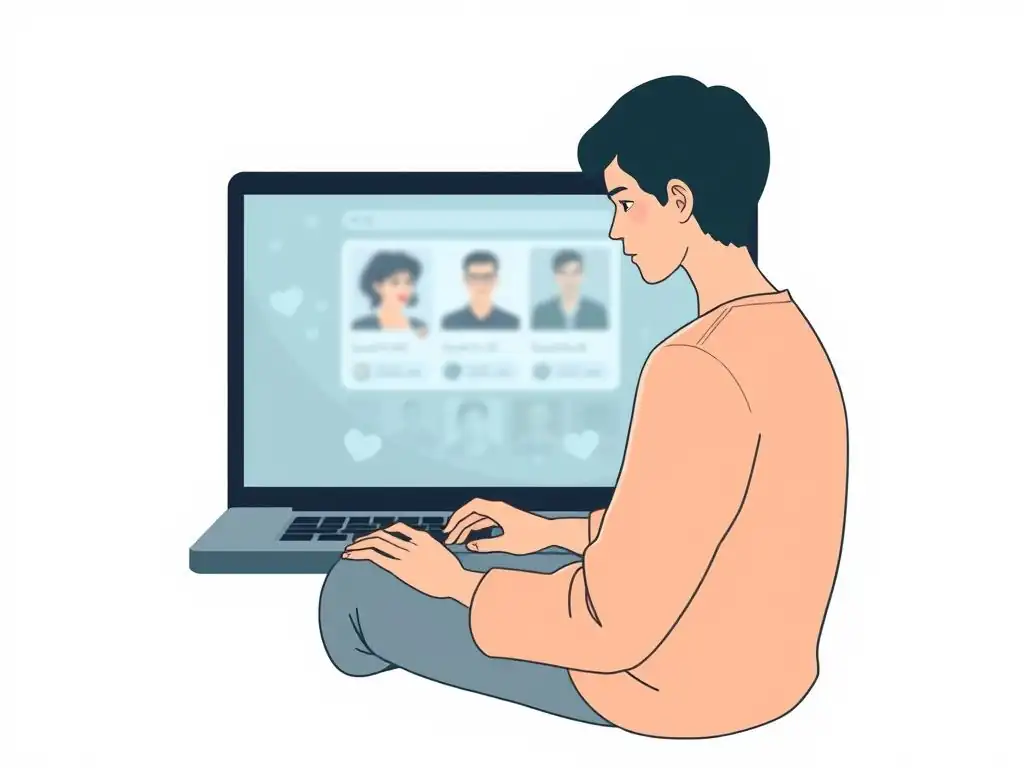
This section provides concrete strategies to help manage anxious attachment triggers within the context of online dating. Remember, online dating presents unique challenges, amplifying anxieties related to rejection, uncertainty, and control. By implementing these techniques, you can navigate the online dating world with greater ease and confidence, fostering healthier relationships. The goal is not to eliminate anxiety entirely (that's unrealistic! ), but to develop coping mechanisms that allow you to respond to triggers in a more constructive way. This will improve your overall online dating experience and increase your chances of finding a meaningful connection.
Setting Realistic Expectations in Online Dating with Anxious Attachment
Individuals with anxious attachment styles often struggle with unrealistic expectations in relationships. This is amplified in online dating, where initial interactions are often brief and lack the depth of in-person encounters. Managing these expectations is crucial for reducing anxiety.
Firstly, understand that not every match will lead to a relationship. Online dating is a numbers game; many conversations will fizzle out, and that's perfectly normal. Avoid catastrophizing a lack of immediate response or a brief, less-than-enthusiastic reply. Instead, focus on building connections organically, one step at a time.
Secondly, avoid idealizing potential partners based on limited profile information. Remember, online profiles often present curated versions of reality. Focus on getting to know someone authentically through genuine conversations rather than projecting fantasies onto them.
Thirdly, practice patience. Building trust and intimacy takes time, both online and offline. Avoid rushing the process or putting undue pressure on yourself or your matches. Allow the relationship to develop naturally, focusing on enjoying the journey rather than fixating on the destination.
Mindfulness Techniques for Online Dating Anxiety
Mindfulness practices are powerful tools for managing anxiety in online dating. These techniques help you become more aware of your thoughts and feelings without judgment, reducing reactivity to triggers.
One effective technique is mindful breathing. When anxiety arises (e.g., after sending a message and not receiving an immediate reply), take a few deep, slow breaths. Focus on the sensation of your breath entering and leaving your body. This simple act can help calm your nervous system and reduce the intensity of anxious thoughts.
Another helpful strategy is body scan meditation. This involves systematically bringing your awareness to different parts of your body, noticing any sensations without judgment. This can help you identify physical manifestations of anxiety (e.g., tense shoulders, racing heart) and gently release the tension.
Regular mindfulness meditation, even for just a few minutes each day, can significantly improve your ability to manage anxiety in all aspects of your life, including online dating. Consider using guided meditation apps or online resources to support your practice. Remember consistency is key; the more you practice, the more effective these techniques will become. The goal is to cultivate a sense of present moment awareness, reducing the power of anxious thoughts about the future or regrets about the past.
Communication Strategies: Avoiding Overthinking and Reactivity
Anxious attachment can lead to overthinking and reactivity in communication, particularly in online dating. These behaviors can hinder connection and increase anxiety.
Firstly, avoid excessive messaging. Resist the urge to constantly check your phone or send multiple messages in quick succession. Give your matches space to respond at their own pace. This reduces the likelihood of coming across as needy or desperate, and allows for more natural conversation flow.
Secondly, practice delayed responses. Before replying to a message, take a moment to pause and reflect on your response. This prevents impulsive or overly emotional replies that you might later regret. Consider writing your response, then waiting a few minutes before sending it.
Thirdly, focus on asking open-ended questions. This encourages deeper conversations and helps you get to know your matches better, reducing the need to fill silences with unnecessary messages or interpretations. Avoid solely relying on yes/no questions. Examples of open-ended questions include: "What are you passionate about? ", "What's your favorite way to spend a weekend? ", or "Tell me about your ideal vacation."
Finally, be mindful of your communication style. Avoid excessive self-disclosure early on, and prioritize getting to know your matches before sharing deeply personal information. This helps build trust gradually and reduces the risk of feeling vulnerable or rejected too quickly. Remember, healthy communication is a two-way street. Pay attention to your match's responses and adjust your communication accordingly. Good communication in online dating, just as in any relationship, involves mutual respect and understanding.
Healthy Boundaries in Online Dating: Protecting Your Emotional Wellbeing
Navigating online dating with anxious attachment can feel like walking a tightrope. The constant fear of rejection, the intense desire for validation, and the tendency to overthink every interaction can lead to emotional exhaustion. Establishing healthy boundaries is crucial for protecting your emotional wellbeing and fostering a more positive online dating experience. This isn't about being cold or unapproachable; it's about self-respect and self-preservation.
One key aspect of setting healthy boundaries is limiting your availability. Anxious attachment often leads to constant checking of messages, refreshing dating apps incessantly, and being overly responsive. This behavior can be draining and often leads to disappointment. Instead, set specific times each day to check your dating apps and respond to messages. This allows you to manage your time effectively and prevents you from becoming overly invested too quickly. Consider scheduling specific "dating app time" just like you would any other appointment.
Another crucial boundary is managing your communication. Avoid oversharing personal information early on. While it's important to be authentic, revealing too much too soon can make you vulnerable and increase your anxiety. Focus on building a connection gradually, sharing information as you feel comfortable and confident in the other person's intentions. Remember, you're not obligated to respond immediately to every message or engage in lengthy conversations with everyone you match with. It's perfectly acceptable to take your time and be selective about who you invest your energy in.
Finally, respect your own needs and limits. If a date or conversation leaves you feeling drained or anxious, don't hesitate to take a break. Prioritize self-care activities that help you manage stress and regulate your emotions, such as exercise, meditation, spending time in nature, or engaging in hobbies you enjoy. Online dating should enhance your life, not detract from it. Remember, you deserve to feel safe, respected, and valued.
If a potential partner doesn't respect your boundaries, it’s a sign that they might not be the right match for you. Prioritizing your emotional wellbeing is not selfish; it's essential for a healthy and fulfilling dating experience. Learning to say "no" and prioritizing your mental health are vital steps in managing your anxious attachment in the online dating world. This self-care is a powerful tool in building resilience and fostering healthier relationships.
Online Dating Profile Optimization for Anxious Attachment
This section focuses on crafting an online dating profile that minimizes triggers for those with anxious attachment. The goal is to create a profile that attracts compatible partners while reducing the likelihood of experiencing overwhelming anxiety. Remember, your profile is your first impression – make it count!
Creating a Secure and Authentic Online Dating Profile
Creating a profile that reflects your true self is crucial, especially for individuals with anxious attachment. Authenticity fosters genuine connections, reducing the temptation to present a false persona to attract attention. However, it's important to strike a balance between honesty and vulnerability. Avoid overly self-deprecating language or statements that might invite excessive reassurance-seeking.
Instead of writing: "I'm a bit awkward, but I'm looking for someone to make me feel better about myself," try something like: "I'm genuine and kind, and I value open communication and mutual respect in a relationship." This approach highlights your positive qualities while avoiding statements that could trigger insecurity in yourself or potential partners.
Consider incorporating specific interests and hobbies. Mentioning activities you enjoy — hiking, reading, cooking, volunteering — allows potential matches to connect with you on a deeper level and initiate conversations based on shared interests. This can help alleviate anxiety associated with initiating contact or waiting for a response. Think of it as providing multiple "inroads" for potential matches to engage with your profile.
Here's a table summarizing the key differences between insecure and secure profile approaches:
| Insecure Profile Approach | Secure Profile Approach |
|---|---|
| Focuses on seeking validation ("Looking for someone to complete me") | Focuses on offering companionship ("Looking for a genuine connection") |
| Uses negative self-descriptions ("Awkward," "Insecure") | Uses positive self-descriptions ("Kind," "Compassionate") |
| Presents a highly idealized version of oneself | Presents an authentic and relatable version of oneself |
| Overly detailed or vague profile | Concise and informative profile |
Remember, a well-crafted profile is a proactive step towards managing your anxious attachment in the online dating world. It sets the stage for healthier interactions from the outset.
Choosing Appropriate Photos to Reduce Anxiety
Your photos are a crucial element of your online dating profile. They communicate a lot about you, even before someone reads your bio. For those with anxious attachment, choosing the right photos can significantly impact your anxiety levels.
Avoid photos that could trigger insecurity or invite unwanted attention. For example, avoid overly provocative or suggestive pictures. Instead, opt for clear, well-lit photos that showcase your personality and interests. A variety of photos showing you in different settings—smiling genuinely with friends, engaged in a hobby, or simply looking relaxed and confident—can create a more well-rounded and reassuring impression.
Consider these points:
- Authenticity: Choose photos that accurately reflect your current appearance. Avoid using outdated or heavily filtered images.
- Context: Include photos that give a glimpse into your lifestyle and interests.
- Body Language: Make sure your posture and facial expressions convey confidence and approachability.
- Number of Photos: Aim for a balance – enough to give a good impression without overwhelming potential matches. 3-5 photos are generally sufficient.
Remember that your photos should complement your profile description, not contradict it. Inconsistencies can lead to misinterpretations and increased anxiety.
Managing Communication Frequency and Expectations
For individuals with anxious attachment, managing communication frequency and expectations is paramount. The tendency to overthink and overanalyze messages can heighten anxiety. Setting realistic expectations and establishing healthy communication patterns are crucial for a positive online dating experience.
Avoid constantly checking your dating app or messaging incessantly. This behavior can lead to disappointment and heightened anxiety if you don't receive immediate responses. Instead, try setting specific times to check messages, perhaps once or twice a day. This approach helps manage expectations and prevents you from becoming overly consumed by the process.
If you're experiencing a delay in responses, remind yourself that people have busy lives and that it doesn't necessarily reflect their interest in you. Try focusing on other aspects of your life to avoid dwelling on the wait.
Furthermore, be mindful of your communication style. Avoid overly long or demanding messages. Keep conversations light and engaging, and avoid putting excessive pressure on potential matches to respond immediately or frequently. Remember, healthy relationships are built on mutual respect and understanding, not constant reassurance. Embrace the ebb and flow of communication. A little space can actually be beneficial in building anticipation and excitement. Learning to manage your communication style is a key component of online dating success for anyone with anxious attachment.
Online dating presents unique challenges for individuals with anxious attachment styles. The constant influx of notifications, the uncertainty of responses, and the potential for rejection can trigger intense emotional responses. Understanding these triggers and developing coping mechanisms is crucial for a healthier and more successful online dating experience. This section provides practical strategies to navigate the complexities of dating apps while managing anxious attachment tendencies.
Remember, the goal is not to eliminate anxiety entirely, but to manage it effectively so it doesn't derail your online dating journey. This involves proactive self-care and mindful engagement with the platform. We'll explore effective methods for reducing overwhelming feelings and fostering a more balanced approach to online interactions.
Dealing with Rejection and Uncertainty on Dating Apps
Rejection is an inherent part of online dating, but for those with anxious attachment, it can feel particularly devastating. The constant uncertainty of whether a message will be answered, a date will be scheduled, or a relationship will develop can fuel anxiety and create a cycle of overthinking and rumination. To mitigate this, consider these strategies:
- Limit App Usage: Set specific times for checking dating apps and stick to them. Avoid constantly refreshing or checking for notifications, as this only amplifies anxiety. Think of it like mindful consumption – a small dose is better than a constant binge.
- Practice Self-Compassion: Rejection doesn't reflect your worth. Remind yourself that compatibility isn't guaranteed, and that someone's lack of interest says more about them than about you. Treat yourself with the same kindness and understanding you would offer a friend facing similar challenges.
- Focus on Your Own Growth: Use the experience as an opportunity for self-reflection. What did you learn about yourself and your preferences? What can you improve in your profile or communication style? This reframes rejection as a learning experience.
- Diversify Activities: Don't let online dating consume your life. Engage in hobbies, spend time with friends and family, and pursue personal goals. This reduces reliance on validation from dating apps.
Remember, the number of matches or messages doesn't define your self-worth. Prioritize self-care and self-esteem, regardless of app activity. Focus on building a fulfilling life, and romantic relationships will follow naturally.
Ghosting (sudden disappearance) and breadcrumbing (sporadic, inconsistent communication) are particularly damaging for those with anxious attachment. The lack of closure and the unpredictable nature of these interactions can exacerbate feelings of insecurity and worthlessness. To cope:
- Recognize the Pattern: Understand that ghosting and breadcrumbing are behaviors of the other person, not a reflection of your worth. These actions stem from their own insecurities and issues, not yours.
- Limit Emotional Investment: Avoid over-analyzing interactions or searching for hidden meanings. Focus on building genuine connections, but don't invest heavily in someone until you have a solid foundation of trust and communication.
- Set Boundaries: If someone is consistently ghosting or breadcrumbing, disengage. Don't chase after attention or try to win their approval. Your time and energy are valuable.
- Seek Support: Talking to a therapist or trusted friend can provide emotional support and help you process your feelings. Sharing your experiences can help normalize these hurtful interactions and reduce their impact.
Remember, you deserve respect and consistent communication. Don't settle for less. Prioritize your emotional well-being and choose to interact with people who value you and treat you with kindness.
Maintaining Self-Compassion and Self-Care During Online Dating
Self-compassion is paramount when navigating the emotional rollercoaster of online dating, especially with anxious attachment. Prioritizing self-care helps regulate emotions and build resilience.
- Mindfulness and Meditation: Practicing mindfulness can help you stay grounded in the present moment and reduce overthinking. Meditation can calm your nervous system and promote emotional regulation.
- Physical Activity: Exercise releases endorphins, which have mood-boosting effects. Regular physical activity can significantly reduce stress and anxiety.
- Healthy Diet and Sleep: Nourishing your body with healthy food and ensuring adequate sleep are crucial for maintaining emotional stability. Poor diet and sleep deprivation can exacerbate anxiety.
- Journaling: Writing down your thoughts and feelings can help process emotions and gain perspective. It can also be a valuable tool for identifying triggers and developing coping strategies.
Prioritizing self-compassion and self-care is not selfish; it's essential for maintaining emotional well-being and navigating the challenges of online dating. Remember to be kind to yourself throughout this process, celebrating small victories and learning from setbacks. The journey to finding a meaningful connection is a marathon, not a sprint. Pace yourself, and focus on your well-being above all else.
Building Healthy Relationships After Online Dating Success

After navigating the sometimes turbulent waters of online dating, especially with the added layer of anxious attachment, achieving a successful connection is a significant accomplishment. But the journey doesn't end with a first date or even a committed relationship. Building a truly healthy relationship requires ongoing effort, self-awareness, and a commitment to open communication.
This section focuses on transitioning from the online dating phase to a flourishing, fulfilling partnership. Many individuals with anxious attachment styles find this transition particularly challenging, fearing vulnerability and potential rejection even after initial success. Understanding the nuances of healthy relationship dynamics is crucial for long-term happiness and stability.
Remember, the goal is not simply to find a partner, but to cultivate a mutually respectful, supportive, and loving connection. This requires consistent effort and a willingness to address potential anxieties proactively. Success in online dating is just the first step; building a lasting, healthy relationship requires a different, yet equally important, set of skills.
Recognizing Early Signs of Healthy vs. Unhealthy Relationships
One of the biggest hurdles for individuals with anxious attachment in new relationships is discerning healthy patterns from unhealthy ones. Anxious attachment often leads to overlooking red flags or minimizing problematic behaviors, stemming from a deep-seated fear of abandonment. Early identification of warning signs is crucial to avoid investing time and emotion in relationships destined for difficulty.
Here's a comparison table to help you differentiate:
| Feature | Healthy Relationship | Unhealthy Relationship |
|---|---|---|
| Communication | Open, honest, and respectful; active listening | One-sided, dismissive, controlling, frequent arguments |
| Respect | Mutual respect for boundaries and individual needs | Disregard for boundaries, controlling behavior |
| Trust | Trust is built gradually and consistently | Trust is constantly questioned or betrayed |
| Support | Mutual support and encouragement | Lack of support, criticism, undermining |
| Conflict Resolution | Healthy conflict resolution, compromise | Avoidance of conflict, aggressive or passive-aggressive behavior |
| Equality | Equal partnership, shared decision-making | Power imbalance, one partner dominating |
Remember, early signs are subtle. Don't dismiss your gut feeling if something feels "off." Trust your intuition and prioritize your emotional well-being. Consistent patterns of unhealthy behavior are more significant than isolated incidents. If you consistently feel anxious, disrespected, or controlled, it's a sign to re-evaluate the relationship. Prioritizing your mental health is paramount; a healthy relationship should enhance your well-being, not detract from it.
Maintaining Healthy Communication in a New Relationship
Effective communication is the cornerstone of any healthy relationship, but especially crucial for those with anxious attachment. The tendency towards overthinking and insecurity can easily disrupt open dialogue. Maintaining healthy communication requires conscious effort and the implementation of specific strategies.
- Practice active listening: Truly hear your partner without interrupting or formulating your response. Focus on understanding their perspective.
- Express your needs clearly and assertively: Don't be afraid to communicate your feelings and needs directly, but do so with empathy and respect. Avoid accusatory language.
- Set healthy boundaries: Establish boundaries that protect your emotional and physical well-being. Communicate these boundaries clearly and consistently.
- Manage your expectations: Avoid placing unrealistic expectations on your partner or the relationship. Perfection is unattainable.
- Schedule regular check-ins: Regularly discuss your feelings and concerns with your partner, creating a safe space for open communication.
Remember, communication is a two-way street. Healthy communication involves both expressing your needs and actively listening to your partner's. Learning to communicate effectively is a skill that improves with practice and conscious effort. It is an essential tool for building trust and intimacy in any relationship, particularly for those prone to anxious attachment. Consistent and open communication helps build security and reduces anxiety, fostering a more stable and fulfilling partnership.
Seeking Professional Support for Anxious Attachment
While self-help and mindful strategies can be incredibly beneficial, professional support can provide invaluable assistance in managing anxious attachment in the context of online dating and relationships. A therapist specializing in attachment styles can offer personalized guidance and tools to address underlying anxieties and develop healthier relationship patterns.
Therapy can provide:
- A safe space to explore your anxieties and triggers without judgment.
- Strategies for managing overwhelming emotions and thoughts.
- Techniques for improving communication and building healthier relationships.
- Help in identifying and addressing unhealthy relationship patterns.
- Support in navigating the challenges of online dating with anxious attachment.
Seeking professional help is a sign of strength, not weakness. It demonstrates a commitment to personal growth and building healthy relationships. Many find that professional guidance significantly enhances their ability to navigate the complexities of online dating and build fulfilling, lasting partnerships. Remember, you deserve support and understanding on your journey to healthier relationships. Don't hesitate to reach out to a qualified professional for assistance. The investment in your mental well-being is an investment in your overall happiness and success in love.
Overcoming Anxious Attachment for Long-Term Online Dating Success
Navigating the world of online dating with anxious attachment can feel like walking a tightrope. The constant fear of rejection, the need for constant reassurance, and the tendency towards overthinking can quickly become overwhelming. However, with the right strategies and a commitment to self-improvement, you can transform your online dating experience from a source of anxiety to one of connection and growth. This section focuses on practical techniques to help you manage your anxious attachment style and build healthier relationships online.
Remember, overcoming anxious attachment isn't about eliminating your feelings, but about learning to manage them effectively. This empowers you to build stronger, more fulfilling relationships, both online and offline. The journey requires patience and self-compassion, but the rewards are immense.
Developing Self-Awareness and Self-Compassion
The first step towards managing anxious attachment in online dating is cultivating self-awareness. Understanding your triggers and patterns is crucial. Do you find yourself constantly checking your phone for messages? Do you overanalyze every interaction? Do you struggle with feelings of inadequacy or fear of abandonment? Recognizing these behaviors is the foundation for change.
Journaling can be a powerful tool. Write down your thoughts and feelings after each online interaction, identifying patterns and triggers. For instance, if you feel anxious after not receiving an immediate reply, note it down. Analyze what triggered the anxiety. Was it the lack of immediate response, a past experience, or insecurity?
Next, practice self-compassion. Be kind to yourself. Anxious attachment often stems from past experiences and insecurities. Instead of judging yourself harshly for feeling anxious, acknowledge these feelings with empathy. Treat yourself as you would a close friend struggling with similar challenges. Remind yourself that it's okay to feel anxious; it's a normal human emotion. Self-compassion reduces self-criticism, creating space for growth and healing. Remember, progress, not perfection, is the goal. Learning to manage your anxieties is a process, not a destination. Celebrate small victories along the way.
Building Self-Esteem and Confidence
Low self-esteem often fuels anxious attachment. Building self-esteem is crucial for healthy online dating. This involves identifying your strengths and celebrating your accomplishments. Create a list of your positive qualities, both personal and professional. Focus on your achievements, no matter how small. Did you complete a challenging project at work? Did you finally try that new recipe? Acknowledge these accomplishments and appreciate your efforts.
Furthermore, challenge negative self-talk. When you catch yourself thinking negatively, actively challenge those thoughts. Replace negative statements like "I'm not good enough" with positive affirmations such as "I am worthy of love and connection." Practice self-care activities that boost your mood and self-esteem.
This could include exercise, spending time in nature, pursuing hobbies, or engaging in activities that bring you joy. Remember, self-esteem isn't about arrogance; it's about having a healthy sense of self-worth. The more confident you feel in yourself, the less reliant you'll be on external validation from others in the online dating world. This confidence translates to healthier communication and more fulfilling relationships.
Long-Term Strategies for Managing Anxious Attachment in Relationships
Sustaining healthy relationship dynamics requires ongoing effort. Even after finding a connection, managing anxious attachment remains important. Practice mindful communication. Instead of jumping to conclusions or assuming the worst, express your needs and feelings directly and calmly. Use "I" statements to avoid blaming or accusing your partner. For example, say "I feel anxious when I don't hear from you" instead of "You never text me back."
Another crucial aspect is setting healthy boundaries. This includes setting limits on how frequently you communicate, how much information you share, and how much time you spend together, especially early in the relationship. This prevents overwhelming your partner and yourself. It also allows you to maintain your own sense of self and independence. Remember, healthy relationships are built on mutual respect and understanding. Avoid excessive reassurance-seeking.
While it's natural to want reassurance, constantly seeking it can become draining for your partner and reinforce anxious patterns. Instead, focus on building trust and security through consistent communication and actions. This approach cultivates a stronger and more sustainable connection. Finally, consider professional support. A therapist specializing in attachment styles can provide personalized guidance and tools to manage anxious attachment effectively.
Frequently Asked Questions
How can anxious attachment affect my online dating experience?
Anxious attachment can lead to increased insecurity and neediness in online dating. This might manifest as overthinking messages, constantly checking for replies, or feeling overwhelmed by uncertainty. Managing these feelings is key to a healthier dating experience.
What are some common triggers for anxiously attached individuals in online dating?
Triggers can include delayed responses, perceived rejection, or lack of communication. Even seemingly small things can feel significant, leading to heightened anxiety. Recognizing these triggers is the first step to managing them.
Are there specific online dating strategies for those with anxious attachment?
Yes! Focus on self-soothing techniques before and after interacting online. Prioritize self-care and avoid constantly checking your phone. Practice mindfulness to stay grounded in the present moment.
How can I avoid coming across as too needy or clingy in my online dating interactions?
Give your matches space to respond. Avoid excessive messaging or constant contact. Focus on building genuine connection rather than immediate validation. Remember, healthy relationships require mutual respect and independence.
What resources are available to help manage anxious attachment in online dating?
Consider seeking support from a therapist or counselor specializing in attachment issues. There are also self-help books and online resources offering practical strategies for managing anxiety and improving communication skills.
Final Reflection: Reclaiming Control in the Digital Dating Landscape
The anxieties surrounding online dating are not merely fleeting inconveniences; they are a pervasive reality shaping how millions navigate modern romance. Understanding and managing anxious attachment in this digital realm is no longer a niche concern, but a crucial skill for fostering healthy relationships in the 21st century. The strategies discussed – from mindful self-reflection to setting healthy boundaries – are not just helpful hints; they are essential tools for building authentic connections.
The impact of anxious attachment on online dating extends far beyond individual experiences; it shapes the very culture of digital romance. The pressure to present a perfect online persona, the constant fear of rejection amplified by the immediacy of online interactions, and the overwhelming choice all contribute to a climate of anxiety. This pervasive anxiety can lead to unhealthy relationship patterns and ultimately hinder the pursuit of genuine connection. The greatest impediment to connection is the fear of disconnection.
This quote rings true in the online dating world, where the fear of rejection often overshadows the potential for meaningful relationships.
You hold the power to rewrite your narrative. Take a moment to reflect on your own dating experiences. Identify your triggers, practice the self-compassion and boundary-setting techniques discussed, and remember that healing is a journey, not a destination. Embrace the opportunity to cultivate a healthier, more fulfilling approach to online dating, one that prioritizes self-awareness and genuine connection over instant gratification and the fear of vulnerability. The path to finding meaningful relationships begins with understanding and managing your own anxieties. Dare to be vulnerable, dare to be authentic, and dare to find love on your own terms.
Unlock Your Dating Potential: Take Control Now!
Thank you for exploring the complexities of anxious attachment and online dating! You've gained valuable insights into managing your anxieties and building healthier connections. Now it's time to apply that knowledge.
Here's how you can make a real difference:
- Identify and Journal Your Triggers: Take some time today to reflect on specific situations or behaviors that trigger your anxiety in online dating. Write them down in a journal. This is the crucial first step to effectively managing them.
- Practice Self-Compassion: Acknowledge that these feelings are normal and that you are actively working towards improvement. Recognize your commitment to healthier relationships.
- Share Your Experience: Connect with others facing similar challenges. Share your experiences and learnings in the comments below; even a simple thought can be helpful. Support and understanding are invaluable on this journey.
What small step will you take today to build more secure connections in your online dating life?