
Anxious Attachment and Dating Apps: Managing Triggers for Better Results


Welcome to OnlineDatingSuccess.org, your guide to navigating the exciting yet often challenging world of online dating. Are you ready to transform your dating app experience? We understand the hurdles, especially the crippling effects of dating app anxiety. Our expert advice, starting with our insightful article on "Anxious Attachment and Dating Apps: Managing Triggers for Better Results," will equip you with the practical strategies you need to conquer your anxieties and build meaningful connections. Discover how understanding your attachment style can unlock lasting success – let's get started!
- Understanding Anxious Attachment in Online Dating
-
Common Dating App Triggers for Anxious Attachment
- Fear of Rejection and the Dating App Experience
- The "Ghosting" Trigger and Anxious Attachment
- Dealing with Slow or Non-Responsive Messaging on Dating Apps
- The Pressure of Constant Comparison on Dating Apps
- The Fear of Rejection and Ghosting on Dating Apps
- The Uncertainty and Ambiguity of Online Communication
-
Strategies for Managing Dating App Anxiety
- Mindfulness and Self-Compassion Techniques for Dating App Use
- Setting Realistic Expectations on Dating Apps
- Building a Supportive Network for Online Dating Challenges
- Establishing Healthy Boundaries on Dating Apps
- Taking Breaks from Dating Apps to Manage Anxiety
- Reframing Negative Thoughts and Self-Talk Related to Dating Apps
- Improving Communication Skills to Reduce Dating App Anxiety
- Using Dating Apps Mindfully for a Positive Experience
- Long-Term Strategies for Healthy Online Dating
-
Frequently Asked Questions
- How can I manage anxiety when using dating apps?
- What are some common dating app triggers for people with anxious attachment?
- How can I improve my communication on dating apps to reduce anxiety?
- What strategies can help me cope with rejection on dating apps?
- How can I use dating apps in a healthier way without letting anxiety take over?
- Final Reflection: Navigating the Digital Dating Landscape with Self-Compassion
- Uncover Your Dating App Confidence: Take Control Now!
Understanding Anxious Attachment in Online Dating
Navigating the world of online dating can be challenging for anyone, but individuals with anxious attachment styles often face unique hurdles. This article explores the intersection of anxious attachment and dating apps, providing practical strategies for managing triggers and improving your online dating experience. We'll delve into recognizing anxious attachment behaviors in the digital dating sphere, understanding their impact on app usage, and ultimately, identifying and mitigating your personal triggers to foster healthier and more fulfilling connections.
Successfully managing dating app anxiety is crucial for building genuine relationships, and this guide offers a compassionate and empathetic approach to help you achieve just that. We'll equip you with tools and techniques to navigate the complexities of online dating with greater self-awareness and emotional resilience. Remember, understanding your attachment style is the first step towards building healthier relationships, both online and offline.
Recognizing Anxious Attachment Behaviors on Dating Apps
Individuals with anxious attachment often exhibit specific behaviors on dating apps that stem from their underlying insecurities and fear of abandonment. These behaviors can unintentionally sabotage their dating efforts. For example, constantly checking for new messages, overanalyzing every word and emoji in a message, feeling intensely anxious about response times, or sending multiple messages without receiving a reply are all common manifestations of anxious attachment in the online dating context. Another telltale sign is the tendency to idealize potential partners based on limited information, leading to disappointment and frustration when reality doesn't match the idealized image.
The fear of rejection often fuels a cycle of excessive messaging, rapid emotional investment, and ultimately, potential burnout. This can manifest as quickly deleting the app after a bad experience or, conversely, becoming overly reliant on the app for validation and self-worth. Recognizing these patterns is crucial for initiating a positive change.
The Impact of Anxious Attachment on Dating App Usage
Anxious attachment significantly impacts how individuals use dating apps. The constant need for reassurance and validation can lead to excessive app usage, creating a potentially addictive cycle. This can result in neglecting other aspects of life, such as work, hobbies, and real-life social interactions. The fear of missing out (FOMO) can be amplified, leading to increased anxiety and a feeling of being constantly "on call."
Furthermore, the curated nature of online profiles can exacerbate the tendency towards idealization, setting unrealistic expectations and leading to disappointment. The immediacy of online communication can also trigger a heightened emotional response, amplifying feelings of insecurity and anxiety. Consequently, the experience can become overwhelmingly stressful, leading to avoidance or even a complete withdrawal from online dating altogether. Understanding this impact is crucial for developing effective coping mechanisms.
Identifying Your Anxious Attachment Triggers in the Online Dating World
Identifying your specific triggers within the online dating world is a vital step towards managing your anxiety. Common triggers can include slow response times, unanswered messages, perceived rejection (even subtle ones, like a lack of emoji response), seeing profiles of seemingly "perfect" matches, or experiencing ghosting. To effectively manage these triggers, consider keeping a journal to track your emotional responses to specific events on the app. Note the situations that trigger intense anxiety and analyze the common threads. Are you particularly sensitive to certain types of communication styles?
Do specific profile characteristics trigger your anxiety? This self-reflection will help you pinpoint your personal vulnerabilities and develop personalized coping strategies. For example, setting realistic expectations, limiting app usage to specific times, and practicing mindfulness techniques can be incredibly helpful. Remember, self-compassion is key in this process – be patient with yourself and celebrate your progress.
Common Dating App Triggers for Anxious Attachment
Dating apps, while offering exciting possibilities for connection, can also be significant trigger points for individuals with anxious attachment styles. The inherent uncertainties, the fast-paced nature of interactions, and the potential for rejection can exacerbate pre-existing anxieties. Understanding these triggers is the first step towards effective management and a more positive online dating experience. This section will explore some of the most common triggers and offer practical strategies to navigate them. Mastering these techniques can significantly improve your dating app journey and help you build healthier relationships.
Fear of Rejection and the Dating App Experience
The fear of rejection is a core component of anxious attachment. Dating apps, with their abundance of potential partners and the ease of moving on to the next profile, can amplify this fear. The constant influx of new faces and the potential for immediate dismissal can feel overwhelming. This fear manifests in various ways: repeatedly checking for new messages, overanalyzing every interaction, and experiencing heightened anxiety after sending a message.
Many individuals with anxious attachment may engage in behaviors designed to avoid rejection, such as excessively self-deprecating in their profiles, being overly eager to please, or constantly seeking reassurance. These strategies, however, often backfire, leading to feelings of inadequacy and further reinforcing the fear of rejection. For example, a user might craft a profile that downplays their achievements to avoid appearing boastful, only to feel invisible amidst a sea of confident profiles. Alternatively, someone might message multiple people at once, hoping to increase their chances of a response, but this can lead to feeling spread thin and ultimately unfulfilled.
To manage this, try focusing on self-compassion. Remember that rejection is a normal part of dating, and it doesn't reflect your worth. Practice mindfulness techniques to stay grounded in the present moment, rather than getting caught up in anxieties about the future. Prioritize self-care activities that boost your self-esteem and confidence, independent of the dating app experience.
The "Ghosting" Trigger and Anxious Attachment
Ghosting—the sudden cessation of communication without explanation—is particularly painful for those with anxious attachment. The lack of closure and the uncertainty surrounding the reasons for the disappearance can trigger intense feelings of anxiety, insecurity, and self-doubt. This experience can reinforce negative beliefs about oneself and one's worthiness of love and connection. The abrupt ending leaves individuals feeling confused and questioning their actions, leading to rumination and potentially affecting future interactions.
The emotional impact of ghosting is amplified by the immediacy of online dating. Unlike traditional dating where a gradual fade-out might occur, ghosting on dating apps is often instantaneous and unexpected. This sudden severing of communication can be particularly jarring, leaving little room for processing or understanding. For example, a person might have enjoyed several engaging conversations, only to have all communication cease without warning, leaving them feeling bewildered and hurt.
To mitigate the impact of ghosting, it's crucial to remember that you are not responsible for someone else's behavior. Ghosting reflects their shortcomings, not yours. Focus on self-validation and self-soothing techniques to manage the emotional fallout. Surround yourself with supportive friends and family, and consider journaling to process your feelings. Remember that ghosting is a common occurrence in online dating, and it doesn't diminish your worth.
Dealing with Slow or Non-Responsive Messaging on Dating Apps
Slow or non-responsive messaging is another common trigger for anxious attachment. The delay in receiving a response, or the lack of response altogether, can fuel anxieties about being unwanted or unappealing. This can lead to constant checking of the app, overthinking the meaning behind silences, and engaging in negative self-talk. This uncertainty creates a breeding ground for anxious thoughts and feelings, significantly impacting the individual's emotional wellbeing.
For instance, someone might send a message and spend hours anxiously anticipating a response, interpreting any delay as a sign of disinterest. This can lead to a cycle of worry and self-criticism, potentially causing them to send further messages, which can sometimes be perceived as needy or desperate, further hindering their chances of a positive interaction. This continuous cycle of anticipation and disappointment can significantly drain emotional energy and negatively impact self-esteem.
To manage this, set boundaries for yourself. Limit how often you check the app, and engage in other activities to distract yourself. Practice self-compassion and remind yourself that not every message requires an immediate response. Remember that people have busy lives, and delays don't necessarily equate to rejection. Focus on building genuine connections rather than chasing instant gratification. Prioritizing self-care and cultivating a strong sense of self-worth are also crucial in mitigating the impact of slow or non-responsive messaging.
The Pressure of Constant Comparison on Dating Apps
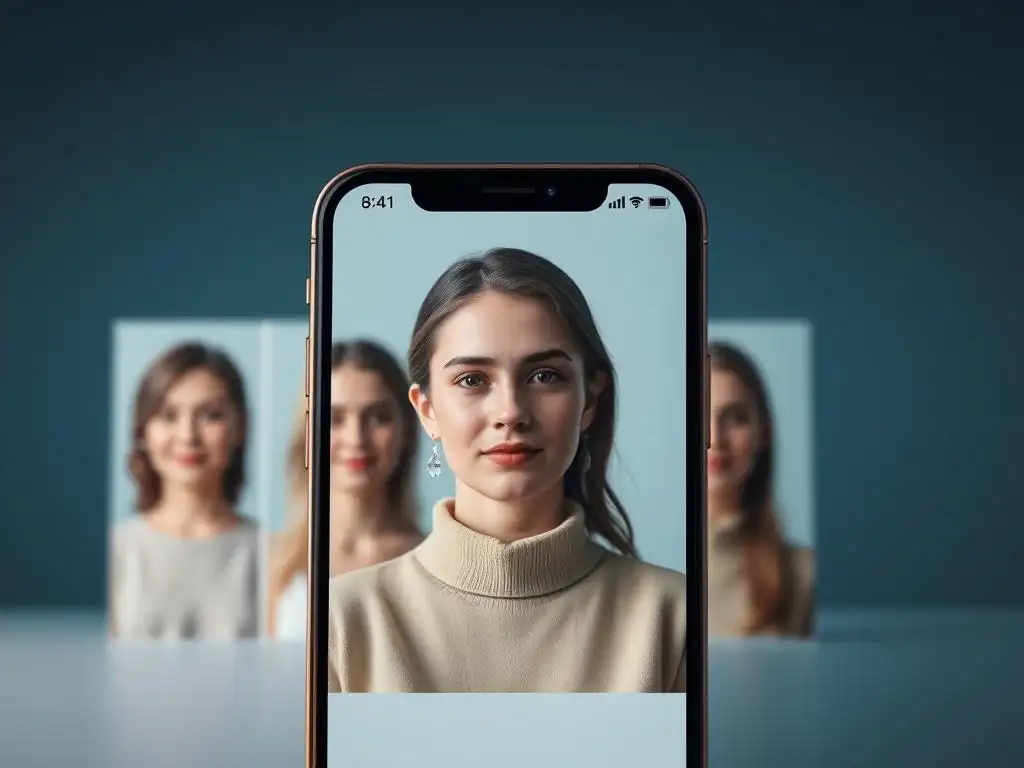
The relentless stream of profiles on dating apps can be a significant trigger for individuals with anxious attachment. This constant exposure to seemingly perfect individuals—often meticulously curated profiles showcasing highlight reels of lives—fuels a sense of inadequacy and fuels the fear of not measuring up. It's easy to fall into a cycle of comparing oneself unfavorably to others, leading to feelings of low self-worth and increased anxiety.
This comparison isn't just about physical appearance; it extends to perceived success, lifestyle, and even the perceived quality of other users' interactions. The curated nature of dating profiles often presents an unrealistic representation of reality, making genuine self-evaluation and comparison nearly impossible. This constant barrage of idealized profiles can significantly impact self-esteem, especially for those prone to anxious attachment, who tend to already have heightened sensitivity to perceived rejection or lack of validation.
The algorithm itself can exacerbate this issue. Many dating apps prioritize showing users profiles that are deemed "most compatible," often based on superficial criteria. This can create a feeling of being constantly judged and evaluated, further intensifying the pressure to conform to perceived societal standards of attractiveness and desirability. The fear of missing out (FOMO) also plays a significant role.
Seeing others receive matches and messages can trigger feelings of anxiety and inadequacy, leading to a compulsive need to check the app constantly, further fueling the cycle of comparison and self-doubt. This constant monitoring and comparison can be extremely draining, both emotionally and mentally, and significantly hinder the ability to form genuine connections. Understanding this mechanism is crucial for managing dating app anxiety. Actively recognizing the curated and often unrealistic nature of online profiles is the first step towards mitigating these negative feelings.
The Fear of Rejection and Ghosting on Dating Apps
For individuals with anxious attachment, the fear of rejection is amplified in the online dating environment. The ease of ghosting—the sudden cessation of communication without explanation—makes the already precarious nature of dating even more unsettling. This lack of closure can be incredibly triggering, leading to rumination, self-blame, and a heightened sense of insecurity.
The anonymity afforded by dating apps can also contribute to this fear; the lack of a face-to-face interaction can make rejection feel more impersonal and hurtful. The ambiguity inherent in online communication can also fuel anxiety, as the lack of immediate feedback can lead to overthinking and misinterpretations of intentions. A simple delay in response can be misinterpreted as rejection, triggering a cascade of negative thoughts and feelings.
This fear often manifests as compulsive checking of the app for messages, constant refreshing, and an intense focus on the number of matches or messages received. This behavior can be both exhausting and ultimately unproductive, as it often reinforces negative thought patterns and prevents individuals from engaging in other activities or focusing on their well-being. The fear of rejection can also lead to avoidance behaviors, such as delaying initiating contact or actively avoiding engaging in conversations for fear of rejection.
This avoidance, ironically, can perpetuate the very fear it is intended to prevent. Understanding the roots of this fear and developing strategies to manage it, such as mindfulness practices and self-compassion techniques, are essential for navigating the challenges of online dating with anxious attachment. Learning to distinguish between actual rejection and perceived rejection is a key step towards building resilience and fostering healthier online dating experiences.
The Uncertainty and Ambiguity of Online Communication
The asynchronous and often indirect nature of online communication can be particularly challenging for individuals with anxious attachment. The lack of immediate feedback and the potential for misinterpretations can fuel anxiety and insecurity. A simple typo or a slightly delayed response can be misinterpreted as disinterest or rejection, triggering a cascade of negative thoughts and feelings.
The absence of nonverbal cues, such as body language and tone of voice, further complicates communication and increases the likelihood of misunderstandings. This uncertainty creates a breeding ground for overthinking and rumination, which can significantly impact mental well-being and hinder the ability to form genuine connections.
Furthermore, the ability to easily edit and delete messages introduces an element of artificiality and uncertainty. Individuals may overanalyze the wording of messages, searching for hidden meanings or clues to the other person's intentions. This constant scrutiny can be exhausting and ultimately counterproductive, as it often leads to misinterpretations and increased anxiety. The reliance on text-based communication also means that subtle nuances of emotion and tone may be lost, contributing to feelings of uncertainty and insecurity.
Building trust and intimacy in this context requires patience, clear communication, and a willingness to address misunderstandings directly. Practicing mindfulness and self-awareness can help individuals manage their anxieties and approach online communication with greater clarity and confidence. Learning to set boundaries and manage expectations are also crucial for navigating the challenges of ambiguous online communication.
Strategies for Managing Dating App Anxiety
This section offers practical strategies to manage the anxieties often associated with online dating, particularly for those with anxious attachment styles. We'll explore techniques to help you navigate the challenges of dating apps with greater ease and confidence, ultimately improving your online dating experience and increasing your chances of finding meaningful connections. Remember, managing dating app anxiety is a journey, not a destination, and progress takes time and consistent effort. Don't be discouraged by setbacks; celebrate small victories along the way.
Mindfulness and Self-Compassion Techniques for Dating App Use
Dating apps can trigger feelings of inadequacy, rejection, and comparison, especially for individuals with anxious attachment. Mindfulness and self-compassion are powerful tools to counteract these negative emotions. Mindfulness involves focusing on the present moment without judgment. When you feel anxiety rising while using a dating app – perhaps due to a lack of matches or negative interactions – try these techniques:
- Deep Breathing Exercises: Take slow, deep breaths, focusing on the sensation of the air entering and leaving your body. Count your breaths (e.g., inhale for four, hold for four, exhale for four). This simple technique can calm your nervous system.
- Body Scan Meditation: Bring your attention to different parts of your body, noticing any tension or discomfort without trying to change it. Acknowledge the sensations without judgment. This helps you become more aware of your physical responses to anxiety.
- Mindful Observation: Instead of reacting impulsively to notifications or messages, take a moment to observe your feelings before responding. Ask yourself: "What am I feeling right now? What is triggering this feeling?" This increased awareness helps you manage your reactions.
Self-compassion involves treating yourself with kindness and understanding, especially during difficult times. Remember that everyone experiences rejection and setbacks in dating; it's a normal part of the process. Practice self-compassion by:
- Affirmations: Use positive self-talk to counteract negative thoughts. For example, "It's okay to feel anxious; I'm doing my best." or "Rejection doesn't define me; I am worthy of love."
- Kindness towards yourself: Treat yourself as you would treat a close friend facing similar challenges. Offer yourself encouragement and understanding instead of harsh self-criticism.
- Acceptance: Accept that you may not always feel confident or successful while using dating apps. This acceptance is crucial for managing anxiety and fostering self-compassion.
Setting Realistic Expectations on Dating Apps
Unrealistic expectations are a major contributor to dating app anxiety. It's crucial to approach online dating with a balanced perspective. Consider these points:
- Not every profile will lead to a match: The nature of dating apps means many profiles will not result in a connection. This is normal. Focus on building a strong profile and engaging authentically with those who seem like a good fit.
- Success takes time: Finding a meaningful relationship takes time and effort, both online and offline. Avoid setting rigid timeframes or comparing your progress to others.
- Quality over quantity: Prioritize building meaningful connections over accumulating many matches. Focus on engaging in thoughtful conversations and getting to know potential partners genuinely.
- The app is a tool, not a guarantee: Dating apps are tools to facilitate connections, not guarantees of success. Remember that your worth is not determined by the number of matches or messages you receive.
Building a Supportive Network for Online Dating Challenges
Sharing your experiences and challenges with trusted friends or family can significantly reduce dating app anxiety. A supportive network can provide:
- Emotional support: Friends and family can offer empathy, encouragement, and perspective during challenging moments. They can help you to reframe negative thoughts and remind you of your strengths.
- Accountability: Sharing your online dating goals with others can help you stay accountable and motivated. They can encourage you to continue despite setbacks.
- Perspective: Trusted individuals can offer valuable insights and advice based on their own experiences with online dating. They can help you to see things from a different angle and make more informed decisions.
- Distraction and fun: Engaging in enjoyable activities with friends and family can help you take a break from the dating app and reduce feelings of frustration or disappointment.
Remember, building a strong support system takes time and effort. Identify individuals who are genuinely supportive and understanding of your challenges. Openly communicate your feelings and needs, and appreciate the support you receive. A strong support network is an invaluable asset in navigating the complexities of online dating and managing dating app anxiety.
Establishing Healthy Boundaries on Dating Apps

Dating apps can be incredibly stimulating, constantly feeding us notifications and potential interactions. This constant influx of information can be overwhelming, especially for those with anxious attachment styles. Establishing healthy boundaries is crucial for managing dating app anxiety. This involves setting limits on your usage time and defining what kind of interactions you're comfortable with.
For example, instead of endlessly scrolling through profiles for hours, try setting a timer for 30 minutes of app usage per day. This structured approach helps prevent the feeling of being consumed by the app. Furthermore, you can establish boundaries around the types of messages you respond to. If someone's profile or message feels disrespectful or triggering, don't hesitate to unmatch or block them. This prioritizes your emotional well-being.
You might also choose to only engage in conversations that feel genuinely promising and respectful, avoiding those that drain your energy or increase your anxiety. Remember, you have the right to control your online interactions and protect your mental health. Prioritizing self-care in this way is not selfish; it's essential for a healthy and successful online dating experience. Consider creating a list of your non-negotiables in a partner and stick to it.
Taking Breaks from Dating Apps to Manage Anxiety
The constant pressure of online dating can significantly exacerbate anxiety. Taking regular breaks from dating apps is a vital self-care strategy. It allows you to step back, reflect on your experiences, and recalibrate your emotional state. These breaks aren't about giving up; they're about regaining control and reducing the overwhelming stimulation.
A helpful technique is scheduling specific "app-free" days or even weeks. During these periods, focus on activities that bring you joy and relaxation, such as spending time with loved ones, pursuing hobbies, or engaging in self-care practices like meditation or exercise. This allows you to recharge and approach online dating with a renewed sense of perspective and calm. You might even find that after a break, you have a clearer understanding of what you're looking for in a partner and can navigate the app with more confidence and less anxiety.
Remember, it's okay to take a step back and prioritize your mental health over the constant pressure to find a partner immediately. Consider using a calendar reminder to schedule your breaks. Consistency is key.
Negative self-talk and catastrophic thinking are common among individuals with anxious attachment styles, and dating apps can amplify these tendencies. A key strategy for managing dating app anxiety involves actively reframing these negative thoughts. Instead of focusing on potential rejection or perceived flaws, challenge these thoughts and replace them with more positive and realistic ones.
For example, if you receive a message that isn't exactly what you hoped for, instead of interpreting it as a personal rejection, consider the possibility that the other person might be busy or simply not the right match. Practice self-compassion and remind yourself that not every interaction will be a success. Keep a journal to track negative thoughts and actively challenge them with more realistic and positive alternatives. This conscious effort to change your internal dialogue can significantly reduce anxiety and improve your overall dating app experience.
Remember to celebrate small victories and acknowledge your progress, no matter how small. This positive reinforcement will help build your confidence and resilience. Consider using cognitive behavioral therapy (CBT) techniques to further refine this skill.
Improving Communication Skills to Reduce Dating App Anxiety
Dating app anxiety often stems from communication anxieties. Improving your communication skills can significantly reduce these triggers and lead to more positive experiences. This involves understanding your communication style, identifying potential anxieties, and actively working to improve your interactions. Many individuals find that practicing assertive communication, setting clear boundaries, and managing their expectations are key components of this process. By focusing on these areas, you can navigate the world of online dating with greater confidence and ease.
Assertive Communication Techniques for Online Dating
Assertive communication is about expressing your needs and opinions respectfully while also respecting the needs and opinions of others. It's a crucial skill for navigating the complexities of online dating, where misinterpretations can easily occur. Instead of passive communication (avoiding conflict at the expense of your own needs) or aggressive communication (prioritizing your needs over others' in a hostile manner), assertive communication strikes a balance.
Here are some practical techniques:
- "I" Statements: Frame your messages using "I" statements to focus on your feelings and experiences without blaming the other person. For example, instead of "You never respond to my messages," try "I feel a little discouraged when I don't hear back after sending a message." This approach encourages a more receptive response.
- Active Listening: Pay close attention to what the other person is saying, both verbally and nonverbally. Ask clarifying questions to ensure understanding and show genuine interest. This demonstrates respect and helps prevent misunderstandings.
- Setting Boundaries: Clearly communicate your boundaries and limitations. If you're uncomfortable with certain topics or types of communication, politely express this. For instance, you might say, "I'm not comfortable sharing personal details until I feel more comfortable."
- Saying "No": Don't be afraid to say "no" to dates or requests that don't align with your comfort level or goals. A simple, polite "No, thank you" is perfectly acceptable. This is especially important for maintaining your safety and well-being. Remember, you are not obligated to explain yourself beyond a simple "no."
Setting Clear Communication Boundaries on Dating Apps
Setting boundaries is paramount to managing dating app anxiety. It protects your emotional well-being and helps you attract healthier, more respectful interactions. Establishing these boundaries early on is crucial.
Consider these areas:
- Frequency of Contact: Define your preferred level of communication frequency. Do you prefer daily check-ins, or are you more comfortable with less frequent messaging? Communicate your expectations clearly. For example, "I enjoy messaging a few times a day, but I also have a busy schedule, so please understand if I don't always respond instantly."
- Sharing Personal Information: Decide what personal information you're comfortable sharing and with whom. Avoid sharing sensitive details too early in the process. This is a crucial part of online safety. Gradually reveal information as you build trust and rapport.
- Time Commitment: Be upfront about the amount of time you can dedicate to online dating. If you're busy, let potential matches know this to avoid misunderstandings or feelings of being neglected.
- Types of Communication: Specify your preferred communication methods. Do you prefer text, voice notes, or video calls? Letting someone know your preferences helps manage expectations and prevents miscommunication.
Managing Expectations in Online Dating Conversations
Unrealistic expectations are a major contributor to dating app anxiety. Often, we project idealized versions of ourselves and our potential partners onto online interactions. This can lead to disappointment and frustration when reality doesn't match up.
Here's how to manage expectations:
- Focus on the Present: Concentrate on the present interaction rather than focusing on long-term projections or future scenarios. Enjoy getting to know someone without placing undue pressure on the relationship's trajectory.
- Accept Imperfection: Remember that everyone has flaws. Avoid idealizing potential partners and accept that relationships require work and compromise. This realistic approach reduces the likelihood of disappointment.
- Recognize Red Flags: Pay attention to warning signs that may indicate incompatibility or potential problems. Don't ignore red flags in the hope that things will change. Trust your intuition and prioritize your well-being.
- Practice Self-Compassion: Be kind to yourself throughout the process. Online dating can be challenging, and setbacks are normal. Focus on your strengths and celebrate your progress, regardless of the outcome of specific interactions. Remember, dating app anxiety management is a journey, not a destination.
Recognizing and Addressing Red Flags in Online Interactions
Online dating, while offering exciting possibilities, also presents unique challenges. Learning to identify and manage potential red flags is crucial for mitigating anxiety and protecting your well-being. Red flags aren't always obvious; they can manifest subtly, requiring careful observation and self-awareness. For example, someone who consistently cancels plans at the last minute, provides vague or inconsistent answers to your questions, or is overly critical of others might be exhibiting problematic behaviors. These actions aren't necessarily dealbreakers, but they warrant careful consideration and potentially a cautious approach. Remember, your safety and emotional well-being are paramount.
One common red flag is a significant discrepancy between someone's online persona and their offline behavior. Perhaps their profile pictures are highly idealized, or their messages are overly charming and romantic, yet in person, they come across as quite different. This mismatch can be a sign of deception or a lack of self-awareness.
Another warning sign is pressure to move the relationship forward too quickly. Healthy relationships develop gradually, with mutual respect and understanding. If someone is pushing for intimacy or commitment before you feel comfortable, that's a major red flag that should be addressed directly or, if necessary, cause you to end the communication.
Furthermore, pay attention to how the person makes you feel. Do you find yourself constantly walking on eggshells, trying to please them? Do you feel drained or anxious after interacting with them? These are crucial indicators of a potentially unhealthy dynamic.
Trust your gut instincts; if something feels off, it probably is. Remember, healthy relationships are built on mutual respect, trust, and open communication. If those elements are missing, it's important to recognize it and prioritize your emotional well-being. Consider keeping a journal to track your interactions and note any patterns or concerning behaviors.
This can help you objectively assess the situation and make informed decisions about how to proceed. Ultimately, prioritizing your mental health and recognizing unhealthy patterns are key components of successful dating app anxiety management. Learning to identify red flags empowers you to make conscious choices that protect your emotional well-being and increase your chances of finding a healthy, fulfilling relationship.
Using Dating Apps Mindfully for a Positive Experience
Dating app anxiety management is crucial for individuals with anxious attachment. Mindful usage can significantly reduce triggers and improve the overall online dating experience. This involves approaching the apps with intention and self-awareness, rather than letting them dictate your emotional state. Instead of passively scrolling for hours, set specific, achievable goals for each session.
For example, you might aim to send three thoughtful messages to potential matches or review your profile and update one section. This approach transforms the app from a source of potential anxiety into a tool you actively control. Remember, quality over quantity: engaging meaningfully with a few profiles is far more productive than superficially browsing hundreds.
Creating a Supportive Dating App Profile
Your dating profile is your first impression; make it count! Avoid generic descriptions and instead highlight aspects of your personality and interests that genuinely reflect who you are. Focus on showcasing your strengths and values. A profile filled with positivity and genuine self-expression is far less likely to trigger anxiety than one that feels inauthentic or desperate for validation.
For instance, instead of simply listing hobbies, describe a memorable experience related to them. Instead of saying "I love hiking," try "My favorite hike was scaling Mount Tamalpais; the view from the top was breathtaking!" This adds depth and personality, making it easier to connect with like-minded individuals.
Remember, the goal is to attract people who appreciate you for who you are, reducing the fear of rejection. Consider including a photo that captures your personality, rather than just your best angle. Authenticity is key to attracting compatible partners and managing dating app anxiety.
Focusing on Self-Care During Online Dating
Self-care is paramount when managing dating app anxiety. Online dating can be emotionally draining, so prioritize activities that nourish your mind and body. This might include regular exercise, mindful meditation, spending time in nature, or pursuing hobbies you enjoy. Make sure to schedule time away from dating apps to avoid burnout and maintain a healthy perspective. Setting boundaries is also important. Limit your daily app usage to prevent overwhelming yourself with notifications and messages.
Remember, you're not obligated to respond to every message immediately. Taking breaks allows you to approach the process with renewed energy and a clearer head. Prioritizing your well-being ensures you are presenting your best self and reduces the likelihood of anxiety-fueled impulsive decisions. Consider keeping a journal to track your emotions and identify triggers, helping you proactively manage stress. This consistent self-reflection is vital for long-term success.
Celebrating Small Victories and Progress in Online Dating
Online dating is a marathon, not a sprint. Acknowledge and celebrate your progress, no matter how small it may seem. Did you send a thoughtful message? Did you match with someone who shares your interests? Did you have a pleasant conversation? These are all significant achievements that deserve recognition.
Keeping a record of these small wins can significantly boost your confidence and motivation. This positive reinforcement helps counteract the negative self-talk that often accompanies anxious attachment. Instead of focusing solely on the ultimate goal of finding a partner, celebrate the journey and the personal growth you experience along the way. Remember, dating app anxiety management is a continuous process; acknowledging your efforts, no matter how small, is crucial for maintaining a positive outlook and reducing feelings of inadequacy. This shift in perspective can significantly reduce anxiety and promote a more fulfilling online dating experience.
Seeking Professional Support for Persistent Dating App Anxiety
Dating apps can be a minefield of emotions, even for those without anxious attachment. However, if your anxiety surrounding dating apps is significantly impacting your daily life, hindering your ability to form connections, or causing significant distress, seeking professional help is crucial. A therapist specializing in anxiety and attachment issues can provide tailored strategies to manage your triggers and develop healthier coping mechanisms.
This might involve Cognitive Behavioral Therapy (CBT), which helps identify and challenge negative thought patterns contributing to your anxiety. For instance, CBT can help reframe thoughts like "Everyone on this app is judging me" into more realistic and balanced perspectives.
Many therapists also utilize techniques like mindfulness and relaxation exercises to help manage the physical symptoms of anxiety, such as rapid heartbeat or shortness of breath, often triggered by notifications or interactions on dating apps. These techniques can equip you with tools to self-soothe during moments of heightened anxiety. Remember, seeking professional help isn't a sign of weakness; it's a proactive step towards improving your mental well-being and increasing your chances of finding a fulfilling relationship.
A supportive therapist can provide a safe space to explore your anxieties, understand their roots, and develop personalized strategies for navigating the world of online dating with greater confidence and ease. Don't hesitate to reach out – your mental health is paramount. The support of a qualified professional can make a significant difference in your overall experience with dating apps and in your journey to finding meaningful connections.
They can help you develop a personalized plan to address your unique anxieties and build resilience. This might include gradually increasing your exposure to dating apps, starting with short, focused sessions, and gradually increasing the time spent.
Long-Term Strategies for Healthy Online Dating
This section focuses on developing sustainable strategies to navigate the anxieties often associated with online dating, particularly for those with anxious attachment styles. It's about building a foundation for healthier online interactions, leading to more fulfilling experiences. We'll explore strategies that move beyond quick fixes, addressing the root causes of dating app anxiety. Remember, consistent effort is key to long-term success.
Developing a Secure Attachment Style Through Therapy
Anxious attachment stems from past experiences and learned behaviors. Therapy, particularly attachment-based therapy, offers a powerful tool to address these underlying issues. A therapist can help you identify the root causes of your anxiety, understand your attachment style, and develop healthier coping mechanisms.
This isn't a quick fix; it's an investment in your emotional well-being, impacting all aspects of your life, including online dating. The process often involves exploring past relationships, identifying negative thought patterns, and learning to regulate emotions. For example, Cognitive Behavioral Therapy (CBT) can help reframe negative thoughts about yourself and others, reducing feelings of insecurity and fear of rejection often associated with dating app anxiety management.
The goal isn't to eliminate anxiety entirely – it's about learning to manage it effectively and build resilience. Many therapists specialize in attachment theory and can provide tailored strategies to improve your dating experiences. Think of therapy as a long-term investment in your emotional health, leading to more authentic and fulfilling relationships, both online and offline.
Cultivating Self-Esteem and Confidence for Online Dating Success
Self-esteem is the bedrock of healthy relationships, both online and offline. Low self-esteem often fuels anxious attachment and intensifies dating app anxiety. Building self-esteem requires consistent effort and self-compassion. This involves identifying and challenging negative self-talk.
Replace phrases like "I'll never find anyone" with more positive and realistic affirmations, such as "I am worthy of love and connection, and I am actively working towards finding a healthy relationship." Furthermore, focus on self-care activities that boost your mood and confidence. This could include exercise, spending time in nature, pursuing hobbies, or engaging in activities that bring you joy. Remember to celebrate your accomplishments, no matter how small.
Acknowledge your strengths and value your unique qualities. This improved self-perception will translate into more confident interactions on dating apps, reducing the intensity of anxiety and increasing your chances of forming meaningful connections. Developing a strong sense of self-worth is a crucial aspect of dating app anxiety management.
Maintaining a Balanced Approach to Online Dating and Offline Life
It's easy to become overly invested in online dating, especially when experiencing anxiety. However, a balanced approach is crucial. Avoid spending excessive time on dating apps; set limits and stick to them. Prioritize other aspects of your life, such as work, hobbies, friendships, and family.
A fulfilling life outside of online dating will reduce your dependence on validation from the app and lessen the impact of potential rejection. Remember, dating apps are a tool, not the sole source of happiness or fulfillment. Maintaining a healthy balance prevents burnout and keeps your perspective in check. This balanced approach is essential for effective dating app anxiety management.
Engage in activities that nurture your well-being and cultivate a sense of purpose beyond the confines of the digital dating world. This holistic approach promotes mental and emotional stability, leading to a more positive and successful online dating experience. This mindful approach helps to reduce the intensity of dating app anxiety and fosters a more balanced and healthy perspective on relationships.
Frequently Asked Questions
How can I manage anxiety when using dating apps?
Dating app anxiety is common. Try focusing on self-compassion and setting realistic expectations. Remember, it's a numbers game, and not every match will be a perfect fit.
What are some common dating app triggers for people with anxious attachment?
Triggers can include unresponsiveness, ambiguous communication, or fear of rejection. Recognizing these triggers is the first step towards managing them.
How can I improve my communication on dating apps to reduce anxiety?
Be clear and direct in your messaging. Avoid overthinking or overanalyzing responses. Focus on building genuine connections rather than seeking instant validation.
What strategies can help me cope with rejection on dating apps?
Rejection is a normal part of dating. Practice self-care, reframe rejection as a redirection, and remember your worth is not determined by others' opinions.
How can I use dating apps in a healthier way without letting anxiety take over?
Set boundaries, take breaks when needed, and prioritize self-care. Consider limiting your time on apps and focusing on other aspects of your life.
The anxieties surrounding modern dating, particularly within the digital realm, are not merely fleeting inconveniences; they are significant barriers to genuine connection and self-discovery. The prevalence of dating apps has amplified pre-existing anxieties for many, creating a unique set of challenges that require mindful navigation. Understanding the nuances of anxious attachment and its manifestation within these platforms is crucial for fostering healthier dating experiences.
The impact of anxious attachment on dating app usage is profound, shaping our interactions, perceptions, and ultimately, our self-worth. It's a pervasive issue, influencing not only individual experiences but also the broader cultural conversation around relationships and technology. The heart wants what it wants, but the mind needs to be involved in the process of getting it.
This quote highlights the importance of self-awareness and conscious decision-making in navigating the emotional complexities of dating apps, especially when grappling with anxious attachment. We must learn to differentiate between our anxieties and our genuine needs.
Now, consider your own experiences. Have you recognized patterns of anxious attachment in your dating app usage? Perhaps you've found yourself constantly checking for messages, overanalyzing interactions, or experiencing intense emotional highs and lows. This reflection isn't about judgment; it's about empowerment.
By understanding the roots of your anxieties, you can begin to cultivate healthier coping mechanisms, set realistic expectations, and ultimately, create space for authentic connections. Take the time to reflect on your patterns, practice self-compassion, and remember that finding fulfilling relationships is a journey, not a race. Embrace the process, and you'll find yourself better equipped to navigate the digital dating landscape with confidence and grace.
Uncover Your Dating App Confidence: Take Control Now!
Thank you for exploring the challenges of anxious attachment and dating apps. We hope you've gained valuable insights into managing your anxieties and developing healthier dating habits. Now, let's put that knowledge into practice.
Here are some actionable steps to build on what you've learned:
- Identify and Challenge Negative Thoughts: This is the most crucial step. Start a journal and consciously record anxious thoughts that arise when using dating apps. Then, reframe those thoughts with a more balanced, realistic perspective. For example, instead of thinking "No one will ever like me," try "It takes time to find the right connection, and I'm putting myself out there."
- Share Your Experience: Talking to a trusted friend, therapist, or support group can be incredibly powerful. Sharing your struggles can provide valuable perspective and you may discover that others face similar challenges.
- Develop a Personalized Dating App Strategy: Create a plan for how you'll use dating apps going forward, incorporating the strategies discussed. Consider what adjustments you can make to minimize stressful situations and promote a more positive experience.
What's one small step you can take today to feel more confident and in control of your dating app experience?