
Dating with Intention: Recognize Attachment Styles and Find Your Ideal Partner


Ready to transform your online dating experience? At OnlineDatingSuccess.org, we empower you to build meaningful connections. But first, understanding your attachment style is key. Our latest article, "Dating with Intention: Recognize Attachment Styles and Find Your Ideal Partner," reveals how identifying your attachment style—and that of potential partners—can unlock the door to lasting love. Discover how to navigate the complexities of online dating with confidence and intention. Dive in and unlock the secrets to finding your perfect match!
- Understanding Attachment Styles in Online Dating
-
The Four Main Attachment Styles and Their Manifestations in Online Dating
- Secure Attachment Style: Identifying Healthy Relationship Patterns Online
- Anxious-Preoccupied Attachment Style: Recognizing the Signs in Online Interactions
- Dismissive-Avoidant Attachment Style: Spotting This Pattern in Dating Profiles
- Fearful-Avoidant Attachment Style: Understanding This Complex Attachment Style Online
- How to Identify Attachment Styles in Online Communication
- Dating with Intention: Building Healthy Relationships Based on Attachment
-
Frequently Asked Questions
- How can I identify my own attachment style?
- How do attachment styles impact online dating?
- What are the common attachment styles I might encounter in online dating?
- How can identifying attachment styles improve my online dating experience?
- Are there resources available to learn more about identifying attachment styles in dating?
- Final Reflection: Unlocking Lasting Love Through Self-Awareness
- Unlock Your Dating Potential: Find Lasting Love
Understanding Attachment Styles in Online Dating
Navigating the world of online dating can feel like traversing a minefield. Successful connections hinge on more than just attractive photos and witty bios; understanding your own attachment style and recognizing those of potential partners is crucial for building healthy, lasting relationships. This article will equip you with the knowledge and tools to identify attachment styles, both your own and those reflected in online dating profiles, ultimately guiding you toward more intentional and fulfilling connections.
We'll explore how recognizing these patterns can significantly improve your online dating experience, leading to more meaningful interactions and a higher likelihood of finding your ideal partner. Understanding attachment styles isn't just about identifying labels; it's about gaining self-awareness and improving communication, ultimately fostering healthier relationships both online and offline. Let's delve into the fascinating world of attachment theory and its impact on your online dating journey.
What are Attachment Styles? A Quick Overview for Online Daters
Attachment theory, a cornerstone of psychology, explains how our early childhood experiences shape our relationships throughout life. It categorizes individuals into different attachment styles based on their perceived security and comfort in relationships. These styles aren't rigid categories; they exist on a spectrum, and individuals may exhibit characteristics of multiple styles. However, understanding the core characteristics of each can be incredibly beneficial in online dating. The four main attachment styles commonly discussed are:
- Secure Attachment: Individuals with a secure attachment style generally feel comfortable with intimacy and independence. They are confident in their ability to form close relationships and trust their partners. In online dating, they tend to communicate openly and honestly, seeking genuine connections.
- Anxious-Preoccupied Attachment: This style is characterized by a high need for reassurance and validation. Individuals with this attachment style often worry about abandonment and may come across as clingy or demanding in relationships. Online, they may over-message or become overly invested quickly.
- Dismissive-Avoidant Attachment: People with a dismissive-avoidant attachment style tend to value independence and self-reliance above all else. They may avoid intimacy and struggle with emotional vulnerability. In online dating, they might be less responsive or reluctant to commit.
- Fearful-Avoidant Attachment: This style combines elements of both anxious and avoidant attachment. Individuals experience a conflict between the desire for closeness and a fear of intimacy. Online, they may send mixed signals, alternating between expressing interest and withdrawing.
Understanding these nuances allows you to approach online interactions with greater self-awareness and empathy, leading to more successful outcomes. Remember, recognizing these styles isn't about judgment; it's about understanding the underlying reasons behind behaviors and fostering healthier communication.
Identifying Your Own Attachment Style: The First Step to Success
Before you can effectively identify attachment styles in others, you must first understand your own. Self-awareness is paramount in online dating. Honest introspection is key to recognizing your patterns of behavior in relationships. Ask yourself these questions:
- How comfortable am I with intimacy and vulnerability?
- Do I tend to worry about abandonment or rejection?
- How independent am I in relationships?
- Do I struggle to trust others?
- How do I react to conflict or disagreement in relationships?
Reflecting on your past relationships and answering these questions honestly can provide valuable insights into your attachment style. Consider taking an online quiz or consulting with a therapist or counselor for a more comprehensive assessment. Knowing your attachment style empowers you to navigate online dating with greater intentionality and self-compassion.
Recognizing Attachment Styles in Online Dating Profiles: Clues and Red Flags
While you can't definitively diagnose someone's attachment style from their online profile, certain clues and red flags can provide valuable insights. Pay attention to the following:
| Attachment Style | Potential Clues in Online Profiles | Red Flags |
|---|---|---|
| Secure | Positive self-description, balanced photos, genuine communication, clear profile information | Lack of genuine connection, inconsistencies in communication |
| Anxious-Preoccupied | Numerous photos, overly detailed profiles, desperate language, frequent updates | Clinginess, neediness, extreme emotional responses to small details |
| Dismissive-Avoidant | Minimal profile information, few photos, limited personal details, infrequent communication | Lack of engagement, avoidance of deep conversations, sudden disappearances |
| Fearful-Avoidant | Mixed signals, contradictory information, inconsistent communication, emotional inconsistency | Hot-and-cold behavior, sudden shifts in affection, difficulty committing |
Remember that these are general indicators; individual experiences vary. Focus on consistent patterns of behavior rather than isolated incidents. By paying close attention to these nuances, you can make more informed decisions about who to engage with, ultimately increasing your chances of finding a compatible partner. The goal is not to eliminate potential matches based on attachment style, but rather to approach interactions with greater understanding and awareness. This informed approach will allow you to navigate the complexities of online dating with more confidence and intentionality, leading to more rewarding relationships.
The Four Main Attachment Styles and Their Manifestations in Online Dating
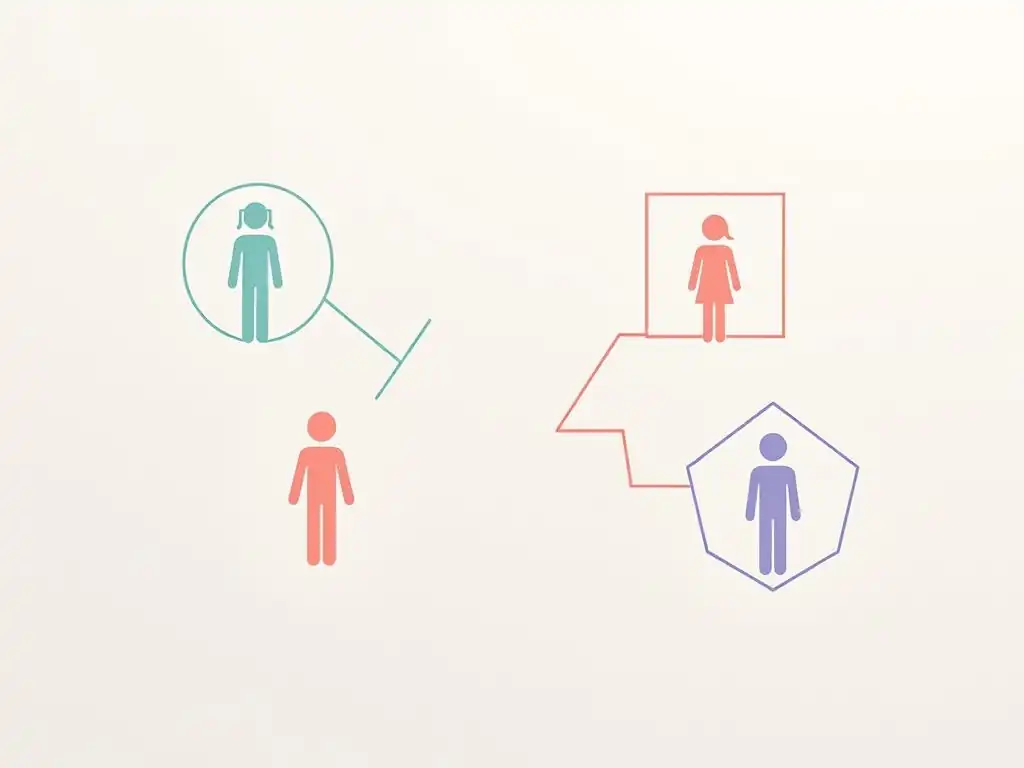
Understanding attachment styles is crucial for navigating the complexities of online dating and fostering healthy relationships. This section focuses on identifying the four main attachment styles – secure, anxious-preoccupied, dismissive-avoidant, and fearful-avoidant – and how they manifest in online dating profiles and interactions. Successfully identifying these styles can significantly improve your chances of finding a compatible partner and building a fulfilling connection. Learning to recognize these patterns helps you identify attachment style dating more effectively.
Secure Attachment Style: Identifying Healthy Relationship Patterns Online
Individuals with a secure attachment style generally exhibit healthy relationship patterns. Online, this translates to profiles that are authentic and reflect a balanced self-perception. They tend to present themselves realistically, showcasing both strengths and vulnerabilities. Their communication is typically direct, respectful, and responsive. They're comfortable sharing personal information at a reasonable pace and are equally interested in learning about their potential partners.
Look for these indicators in online dating profiles and interactions:
- Realistic Self-Presentation: Photos and descriptions accurately reflect their appearance and personality. They don't present an overly idealized or unrealistic image.
- Positive Self-Esteem: Their profiles express confidence and self-acceptance without arrogance.
- Open Communication: They respond promptly and thoughtfully to messages, showing genuine interest in getting to know you.
- Healthy Boundaries: They communicate their needs and expectations clearly and respectfully.
- Balanced Focus: They show interest in learning about you, but also share information about themselves without being overly self-absorbed.
For example, a secure individual might write a profile that mentions their hobbies, career aspirations, and values, while also expressing a desire for a genuine connection. Their messages will be engaging and reciprocal, indicating a genuine interest in getting to know you and a willingness to share about themselves as well.
Anxious-Preoccupied Attachment Style: Recognizing the Signs in Online Interactions
An anxious-preoccupied attachment style often manifests in online dating as a heightened need for reassurance and validation. Individuals with this style may come across as overly eager, clingy, or demanding in their interactions. Their profiles might highlight a strong desire for a relationship, sometimes to the point of appearing desperate. They may also overshare personal information early on or become overly invested in a potential partner quickly.
Consider these red flags:
- Excessive Messaging: They may send numerous messages in quick succession, often expressing intense feelings early in the interaction.
- Neediness and Dependence: Their messages might frequently seek reassurance or validation. They may express anxieties about being alone or rejected.
- Idealization of Potential Partners: They may project unrealistic expectations onto potential partners, idealizing them before truly getting to know them.
- Rapid Escalation of Intimacy: They may push for a quick commitment or intimate conversations before a strong foundation has been established.
- Jealousy and Possessiveness (Subtle or Overt): They might subtly express jealousy or possessiveness even early in the process.
For instance, an anxious-preoccupied individual might send multiple messages a day, expressing intense feelings very early on, and might even ask for a phone call or video chat after only a few brief messages. Their profile may focus heavily on their desire for a serious, long-term relationship and may express anxieties about finding love.
Dismissive-Avoidant Attachment Style: Spotting This Pattern in Dating Profiles
Individuals with a dismissive-avoidant attachment style often present themselves as independent and self-sufficient, sometimes to the point of appearing aloof or emotionally unavailable. Their online profiles might lack personal details or be vague about their feelings and desires. They may be slow to respond to messages or show limited emotional expression in their communication. They might prioritize independence and avoid close relationships.
Look for these characteristics:
- Vague or Minimalist Profiles: Their profiles may lack detail or personal information, offering little insight into their personality or interests.
- Inconsistent Communication: They may respond sporadically or take a long time to reply to messages.
- Emotional Unreactiveness: Their messages may lack warmth or emotional depth, appearing distant or detached.
- Emphasis on Independence: They may emphasize their self-reliance and independence, potentially downplaying the importance of relationships.
- Avoidance of Commitment: They might avoid discussing their relationship goals or future plans.
For example, a dismissive-avoidant individual's profile might simply list their hobbies without much personal detail or emotion. Their responses to messages may be brief and infrequent, and they might avoid discussing personal feelings or future plans. They may seem more interested in casual encounters rather than building a deeper connection.
Fearful-Avoidant Attachment Style: Understanding This Complex Attachment Style Online
The fearful-avoidant attachment style presents a unique challenge in online dating, as it's a blend of two seemingly opposing tendencies: a deep desire for connection and an intense fear of intimacy. Individuals with this attachment style often report feeling conflicted and ambivalent about relationships. They crave closeness but simultaneously anticipate rejection and hurt, leading to a cycle of pushing potential partners away even as they yearn for connection. This internal conflict manifests in several distinct ways online.
One common manifestation is inconsistent communication. They might be highly engaged one day, showering a potential partner with messages and compliments, only to become distant and unresponsive the next. This inconsistency stems from their fear of vulnerability and the potential for emotional pain. They might initiate contact enthusiastically, only to retreat when the relationship feels like it's moving too fast or becoming too intimate. Understanding this pattern is key to navigating interactions with someone exhibiting this attachment style. It's not necessarily a reflection of disinterest; it's often a symptom of deeply rooted anxieties about closeness.
Their online profiles might reflect this internal struggle as well. They may present themselves as both approachable and aloof. Their profile pictures might be a mix of friendly, outgoing shots and more solitary, distant images. Their descriptions might simultaneously express a desire for a meaningful relationship while also subtly hinting at a preference for independence or a fear of commitment. This contradictory presentation can be confusing for potential partners, but it's a crucial element of understanding their attachment style. Look for inconsistencies and subtle cues that hint at this internal conflict.
Another key characteristic is a tendency towards self-sabotage. They might engage in behaviors that undermine their chances of finding a successful relationship. This could include being overly critical of potential partners, rejecting advances even when they secretly desire a deeper connection, or disappearing unexpectedly from communication. These actions are often unconscious attempts to protect themselves from the potential pain of rejection or vulnerability.
Recognizing this pattern of self-sabotage is crucial for empathetic interaction. It's important to approach them with patience and understanding, while also setting healthy boundaries to protect your own emotional well-being. Remember, their actions are often driven by fear, not malice.
Identifying a fearful-avoidant attachment style online requires careful observation and a nuanced understanding of their behaviors. It’s crucial to remember that patience and empathy are vital, and it's not uncommon for individuals with this style to need time to process their emotions and build trust. However, it's equally important to prioritize your own emotional health and well-being, setting boundaries as needed.
Recognizing this complex attachment style in online dating can significantly improve your ability to identify compatible partners and navigate potentially challenging relationships. Successful interactions often involve understanding the root causes of their behavior rather than simply reacting to the surface-level inconsistencies.
How to Identify Attachment Styles in Online Communication
This section delves into the practical application of understanding attachment styles within the context of online dating. Successfully identifying someone's attachment style online requires careful observation and analysis, going beyond the surface-level information presented in profiles. Remember, online interactions offer a unique lens into personality, but require a nuanced approach to interpretation. The goal is to Identify attachment style dating effectively, leading to more fulfilling and compatible relationships.
Analyzing Messaging Styles: Decoding Communication Patterns
Analyzing messaging styles is crucial for Identify attachment style dating. Different attachment styles manifest in distinct communication patterns. For instance, someone with an anxious-preoccupied attachment style might send frequent messages, often lengthy and emotionally charged. They may also be quick to respond and express a strong desire for connection. Conversely, an avoidant-dismissive individual may respond infrequently, keep messages short and factual, and avoid expressing vulnerability or strong emotions. Securely attached individuals tend to communicate in a balanced way, responding promptly and expressing themselves openly and honestly, without being overly needy or distant.
Consider these examples:
| Attachment Style | Messaging Pattern | Response Time | Emotional Expression |
|---|---|---|---|
| Anxious-Preoccupied | Frequent, lengthy, emotionally intense messages | Very quick | High |
| Avoidant-Dismissive | Infrequent, short, factual messages | Slow or infrequent | Low |
| Secure | Balanced, open, honest, prompt responses | Prompt | Moderate |
| Fearful-Avoidant | Inconsistent, may be both overly expressive and withdrawn | Variable | Inconsistent |
Remember, these are generalizations. Individual experiences and nuances can vary. Look for patterns over time rather than drawing conclusions from a single interaction. The key is to observe consistency in their communication style. For example, consistently short, infrequent replies might signal an avoidant attachment style, while consistently long, emotionally charged messages might suggest an anxious-preoccupied style. Pay attention to the emotional tone of the messages, not just the content.
Interpreting Profile Information: Looking Beyond the Surface
While a dating profile might not explicitly state someone's attachment style, it often reveals subtle clues. Pictures, chosen quotes, and the profile's overall tone can be insightful. Someone with an anxious-preoccupied attachment style might have a profile filled with self-deprecating humor or overly enthusiastic descriptions of their desire for a relationship. Avoidant individuals may have minimal profile information, focusing primarily on factual details. Securely attached individuals often present themselves authentically, showing a balanced perspective on their life and relationship goals.
For example, a profile filled with selfies and numerous pictures in social settings could suggest a need for external validation, a trait often associated with anxious attachment. Conversely, a profile with few pictures and minimal personal information might suggest an avoidant attachment style. Look for keywords and phrases that reveal their values and priorities. Do they emphasize independence and self-reliance (avoidant)? Or do they express a longing for connection and intimacy (anxious)?
Recognizing Dating Behaviors: Observing Actions, Not Just Words
Observing dating behaviors provides further insight into attachment styles. Someone with an anxious-preoccupied attachment style might escalate the relationship quickly, expressing intense feelings early on. They may also be overly sensitive to perceived rejection or lack of responsiveness. Avoidant individuals, on the other hand, might be hesitant to commit or share personal information, preferring to maintain emotional distance. Securely attached individuals tend to develop relationships at a healthy pace, balancing independence with intimacy. They are comfortable expressing their needs and respecting the needs of their partner.
For instance, consistently canceling dates at the last minute or being unresponsive could indicate an avoidant attachment style. Conversely, becoming overly demanding or possessive early in the relationship might signal an anxious attachment style. Pay attention to how they react to disagreements or challenges in the dating process. Do they communicate openly and constructively, or do they become defensive or withdrawn?
Remember, consistent patterns are key to accurate assessment. One instance of behavior doesn't define someone's attachment style; consistent observations over time provide a more reliable picture. Focus on identifying attachment style dating through a comprehensive understanding of their communication, profile presentation, and dating behaviors.
Using Online Dating to Find Compatibility: Matching Attachment Styles
Online dating presents a unique opportunity to identify compatible attachment styles before investing significant time and emotional energy. By carefully observing communication patterns and profile details, you can significantly increase your chances of finding a long-term partner whose attachment style aligns with yours. This proactive approach minimizes the risk of encountering relationship dynamics that don't suit your needs. Remember, understanding your own attachment style is the crucial first step. Once you've identified your style (secure, anxious-preoccupied, dismissive-avoidant, or fearful-avoidant), you can actively look for indicators of compatible styles in potential partners.
For example, if you have a secure attachment style, you'll likely thrive in relationships with other securely attached individuals. These relationships are characterized by open communication, mutual trust, and emotional intimacy. Look for profiles that showcase emotional maturity, a willingness to express vulnerability, and a balanced approach to independence and togetherness. Avoid profiles that seem overly needy or excessively independent, as these might suggest an anxious-preoccupied or dismissive-avoidant style, respectively. Pay attention to their communication – do they respond promptly and thoughtfully, or are they inconsistent and distant?
Conversely, if you identify as anxiously attached, you might find compatibility with securely attached individuals who can offer consistent reassurance and emotional support. However, relationships with other anxiously attached individuals might lead to a cycle of insecurity and codependency. While it's important to be mindful of your own needs, consider whether a potential partner exhibits signs of healthy emotional regulation and a capacity for empathy. They might showcase this through their profile descriptions and messages, demonstrating self-awareness and a willingness to engage in healthy conflict resolution.
Those with a dismissive-avoidant attachment style often prioritize independence and self-reliance. While they might seem initially attractive to those seeking freedom and space, long-term compatibility can be challenging unless their partner also values autonomy. On dating platforms, these individuals might appear somewhat aloof or less expressive in their communication. Their profiles might emphasize their personal achievements and independence. It's crucial to carefully assess whether their level of emotional distance aligns with your needs and expectations.
Finally, individuals with a fearful-avoidant attachment style often struggle with intimacy and trust. Finding compatibility for them requires patience and understanding. They might express contradictory desires – wanting closeness but fearing rejection. On dating sites, their profiles might reflect this internal conflict, showcasing both a desire for connection and a guardedness towards vulnerability.
Looking for consistent, kind, and patient communication is crucial when engaging with potential partners who might exhibit this attachment style. Remember, recognizing these patterns is a process that requires self-awareness and careful observation. Don't rush into a relationship based solely on initial impressions; take your time to assess the compatibility of your attachment styles.
Dating with Intention: Building Healthy Relationships Based on Attachment

Understanding your own attachment style and recognizing those of potential partners is crucial for building healthy, fulfilling relationships. This isn't about labeling people; it's about fostering self-awareness and improving communication to create compatibility. Identifying attachment style in dating significantly increases your chances of finding a partner who complements you, leading to a more satisfying and lasting connection. Let's delve into practical strategies to achieve this.
Setting Healthy Boundaries in Online and Offline Dating
Establishing clear boundaries is paramount, regardless of your attachment style or your partner's. This protects your emotional well-being and ensures healthy relationship dynamics. For those with anxious attachment, setting boundaries might feel uncomfortable initially, but it's essential to avoid over-giving and potential exploitation. Conversely, those with avoidant attachment need to consciously work on creating space for intimacy without feeling overwhelmed.
For example, setting a time limit for responding to messages can help manage expectations. This is beneficial for both anxious and avoidant individuals. Anxious individuals might feel reassured by consistent communication, but setting a boundary prevents them from becoming overly dependent on quick responses. Avoidant individuals can use this to manage their need for space without appearing unresponsive or dismissive.
Another crucial boundary is physical intimacy. It's vital to establish your comfort level and respect your partner's boundaries as well. This requires open and honest communication, especially in the early stages of dating. Don't rush into physical intimacy before you feel comfortable and confident in the relationship. Remember, consent is always key. This applies equally to online interactions; avoid sharing sensitive information or engaging in explicit conversations before building trust.
Here's a table summarizing healthy boundary examples:
| Boundary Area | Example | Benefit |
|---|---|---|
| Communication | Responding to messages within 24 hours | Prevents anxious attachment from overthinking, allows avoidant space to breathe |
| Physical Intimacy | Waiting until you feel comfortable | Ensures consent and respect for both parties |
| Personal Information | Sharing only what you feel comfortable with | Protects privacy and prevents exploitation |
| Time Commitment | Setting aside specific times for dating | Prevents burnout and ensures a balanced life |
Communicating Your Needs and Expectations Effectively
Effective communication is the cornerstone of any successful relationship. Identifying attachment style in dating allows you to tailor your communication approach to your partner's style, leading to better understanding and conflict resolution. For instance, individuals with anxious attachment might benefit from frequent reassurance and open expressions of affection. Understanding this need allows their partners to proactively address potential insecurities.
Conversely, those with avoidant attachment might require more space and independent time. Respecting this need prevents overwhelming them and jeopardizing the relationship. Openly discussing needs and expectations, rather than assuming or making assumptions, is crucial for managing differences in attachment styles. Using "I" statements, such as "I feel insecure when I don't hear from you," is more constructive than blaming statements like "You never call me."
It's also important to actively listen to your partner's needs and validate their feelings, even if they differ from yours. This fosters empathy and mutual understanding, crucial for navigating potential conflicts. Remember, open communication isn't just about talking; it's about actively listening and understanding your partner's perspective. This is particularly important when identifying attachment style during dating, as different styles have different communication preferences. For example, an anxious individual might appreciate a detailed explanation, while an avoidant individual might prefer a brief and concise response.
Disagreements are inevitable in any relationship. However, understanding attachment styles can significantly impact how you approach and resolve conflicts. An anxious individual might overreact or become overly emotional during a disagreement, while an avoidant individual might withdraw or become defensive. Recognizing these tendencies allows for a more compassionate and constructive approach to conflict resolution.
For example, if you're dating someone with an anxious attachment style, approach disagreements with patience and empathy. Validate their feelings and offer reassurance. Avoid dismissing their concerns or becoming defensive. On the other hand, if you're dating someone with an avoidant attachment style, give them space to process their emotions before engaging in a discussion. Avoid pressuring them or becoming overly emotional.
A proactive approach is to establish healthy conflict resolution strategies early on. This might involve agreeing on communication styles, setting time limits for discussions, and seeking professional help if needed. Remember, effective conflict resolution isn't about winning or losing; it's about finding common ground and strengthening your relationship. Learning to identify attachment styles in dating provides invaluable tools for navigating these challenges effectively, increasing the chances of a healthy and fulfilling relationship.
Finding Long-Term Compatibility: Understanding Attachment and Lasting Love
Understanding your own attachment style and recognizing it in potential partners is crucial for building lasting, healthy relationships. Many people enter online dating without this crucial self-awareness, leading to repeated patterns of disappointment and relationship failure. Identifying your attachment style—whether secure, anxious-preoccupied, dismissive-avoidant, or fearful-avoidant—provides invaluable insight into your relationship patterns and expectations. This self-knowledge allows you to consciously choose partners who complement your style and avoid those who trigger negative patterns.
For example, someone with an anxious-preoccupied attachment style might gravitate towards dismissive-avoidant partners, creating a dynamic of constant reassurance-seeking and emotional unavailability. Recognizing this tendency beforehand empowers them to seek out secure individuals or those with a slight anxious leaning, fostering a more balanced and mutually supportive relationship. Similarly, individuals with a dismissive-avoidant style often benefit from connecting with securely attached partners who can provide a sense of stability without being overly demanding. This understanding can lead to more intentional dating choices, reducing the likelihood of repeating past relationship mistakes.
The process isn't about finding a "perfect match" in terms of mirroring attachment styles, but rather about finding compatibility. A secure individual might find a fulfilling relationship with someone who has a slightly anxious or avoidant attachment style, provided that both individuals are willing to work on communication and understanding their differences. The key is self-awareness and a willingness to engage in open, honest communication about relationship needs and expectations.
Online dating offers a unique opportunity to assess compatibility through careful profile analysis and early communication, allowing you to identify potential relationship dynamics before investing significant time and emotional energy. By understanding attachment styles, you can identify red flags early and focus your energy on building healthy, fulfilling connections. This intentional approach to online dating significantly increases your chances of finding long-term compatibility and lasting love.
Frequently Asked Questions
How can I identify my own attachment style?
Consider your comfort with intimacy and independence. Do you crave closeness or prefer distance? Reflect on past relationships and patterns of behavior to understand your attachment style (secure, anxious, avoidant, or fearful). Many online quizzes can help.
How do attachment styles impact online dating?
Understanding your attachment style helps you recognize patterns in your dating choices and communication. Recognizing your partner's attachment style allows for more effective communication and helps avoid relationship pitfalls.
What are the common attachment styles I might encounter in online dating?
You might encounter individuals with secure, anxious, avoidant, or fearful attachment styles. Each style influences communication and relationship dynamics differently. Learning to recognize these styles improves your dating success.
How can identifying attachment styles improve my online dating experience?
Identifying attachment styles allows for self-awareness and helps you choose compatible partners. It facilitates better communication and healthier relationship dynamics, ultimately leading to more fulfilling connections.
Are there resources available to learn more about identifying attachment styles in dating?
Yes! Many books, articles, and online quizzes focus on attachment theory and its role in relationships. Websites like OnlineDatingSuccess.org offer practical advice to help you navigate dating with self-awareness and intention.
Final Reflection: Unlocking Lasting Love Through Self-Awareness
Understanding your attachment style is not just a trendy dating tip; it's the key to unlocking healthier, more fulfilling relationships. The journey to finding lasting love isn't about luck; it's about self-awareness and intentional action. This article has explored the nuances of attachment styles, highlighting how recognizing your own patterns and those of potential partners can dramatically improve your dating experience.
The impact of attachment styles on our relationships is profound and far-reaching. It shapes our expectations, communication styles, and ultimately, the quality of connection we experience. The greatest love story will be the one you write with yourself.
This quote rings true because genuine self-love and understanding are the foundations upon which healthy relationships are built. By acknowledging our attachment patterns, we can actively work towards healthier relationship dynamics, fostering deeper intimacy and connection. This isn't just about finding a partner; it's about becoming the best version of ourselves, capable of giving and receiving love authentically.
Now, I invite you to reflect on your own attachment style. What patterns have you observed in your past relationships? How can you use this newfound self-awareness to create more intentional and fulfilling connections? Take the time to explore your emotional landscape, and don't hesitate to seek professional guidance if needed. The journey to understanding yourself and finding your ideal partner is a worthwhile one, filled with growth, self-discovery, and the potential for lasting love. Embrace the process, and watch your relationships flourish.
Unlock Your Dating Potential: Find Lasting Love
Thank you for exploring the world of attachment styles and their impact on your dating life! You've gained valuable insights into understanding yourself and potential partners. Now, let's put that knowledge into practice.
- Understand your attachment style: Take some time for self-reflection, using the concepts discussed. This is key to building healthier relationships.
- Share this article with a friend who might find attachment theory helpful. Discussing it can offer valuable insights for both of you.
- Join a support group (or start one!) focused on building healthy relationships. Connecting with others on a similar journey can be incredibly rewarding.
Ready to build more meaningful connections? What's the first step you'll take today to improve your dating life?